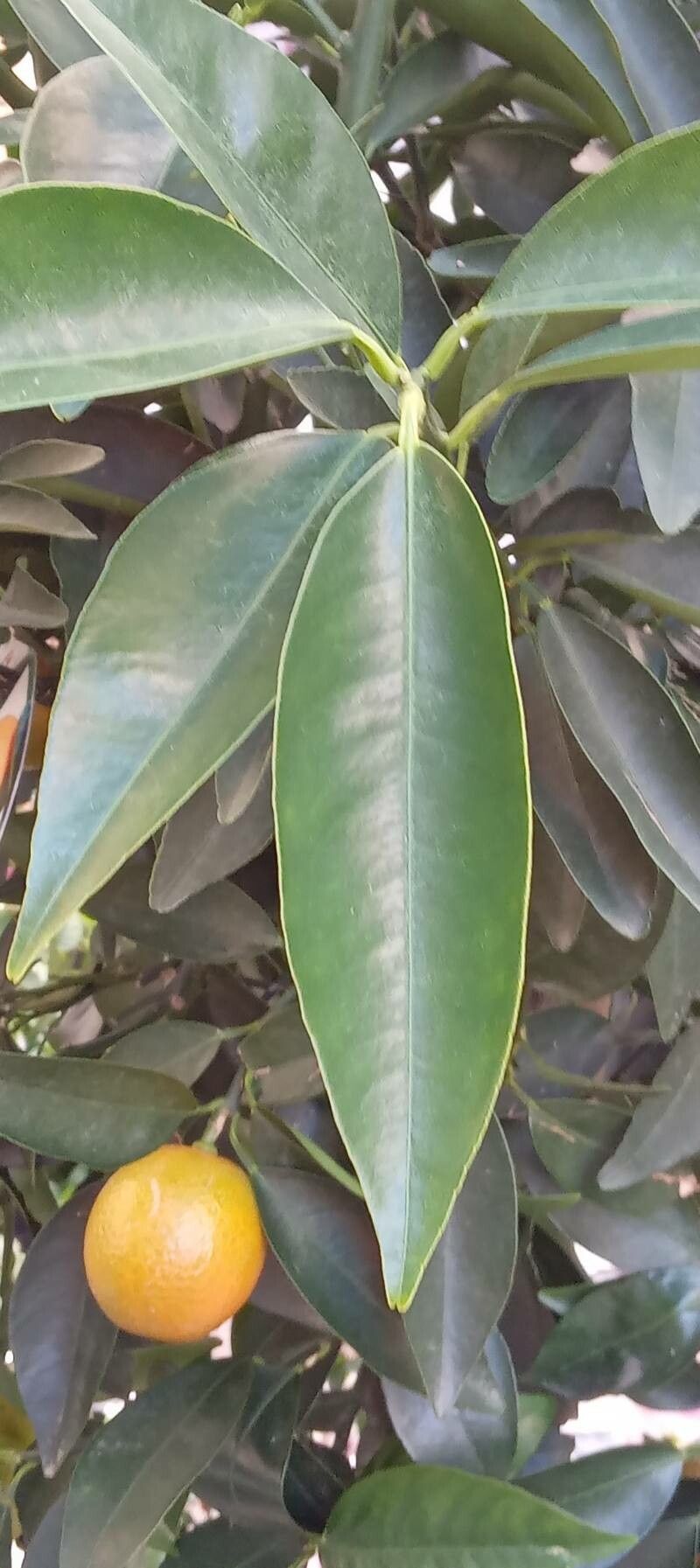
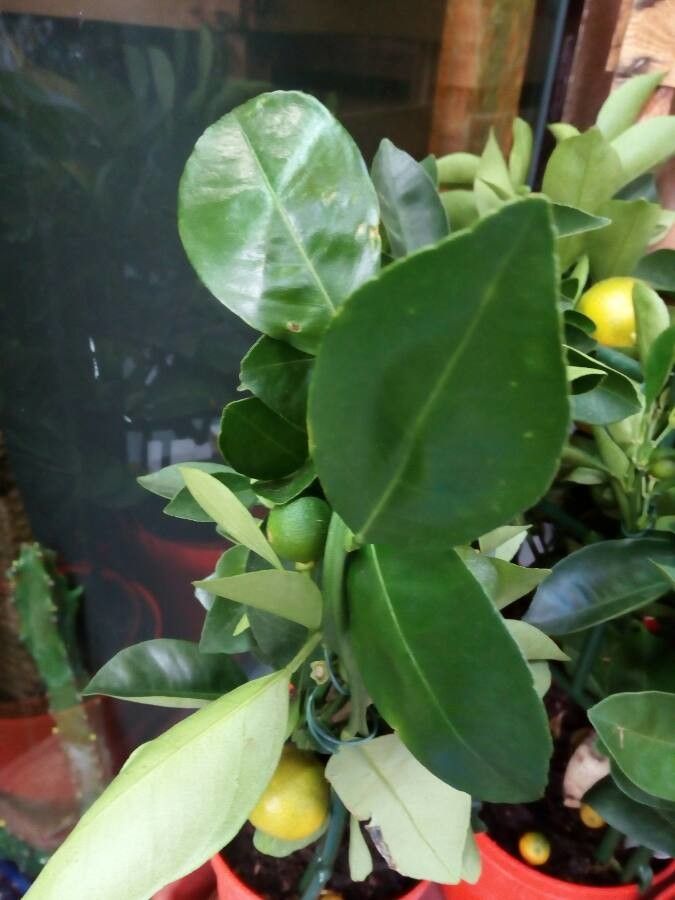
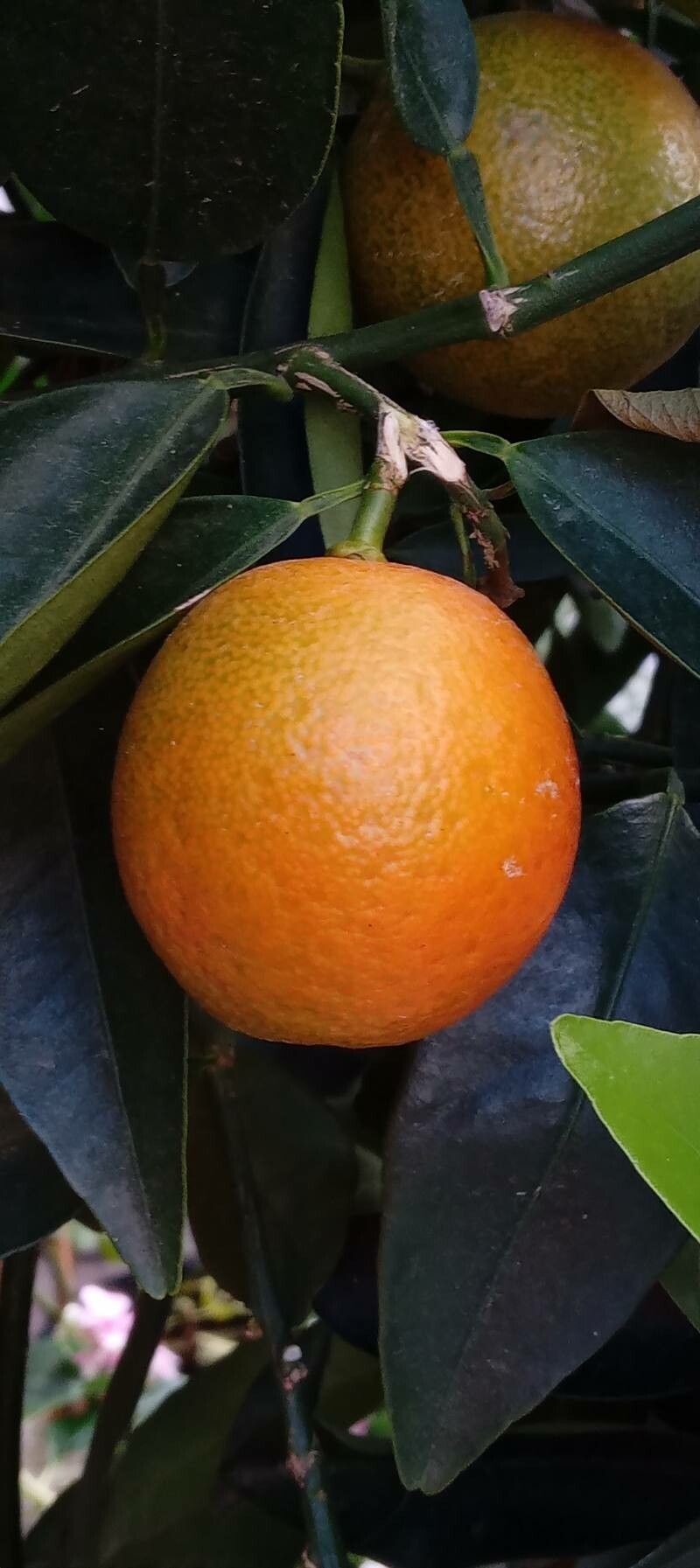
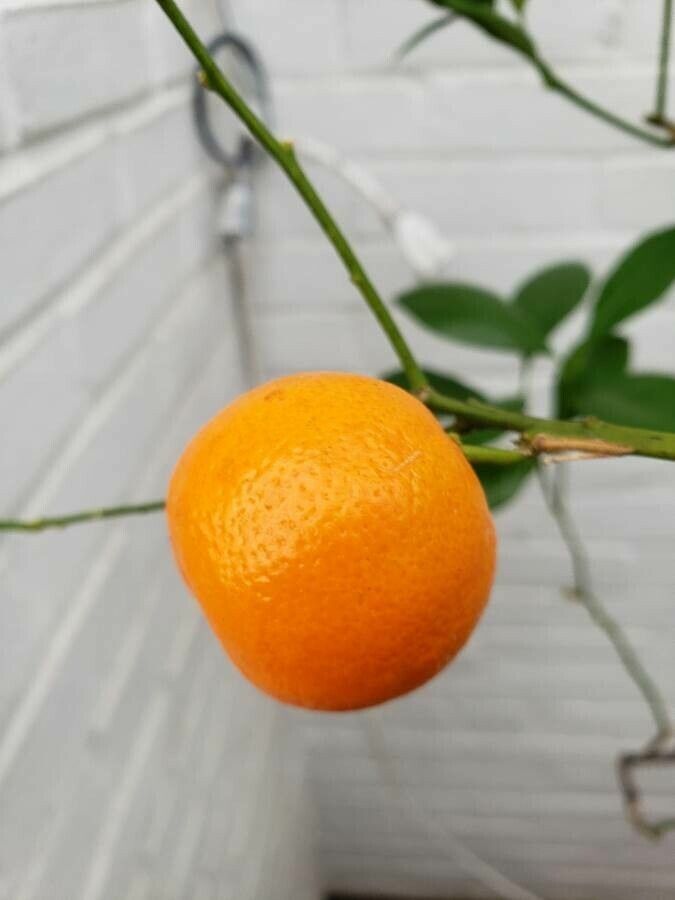
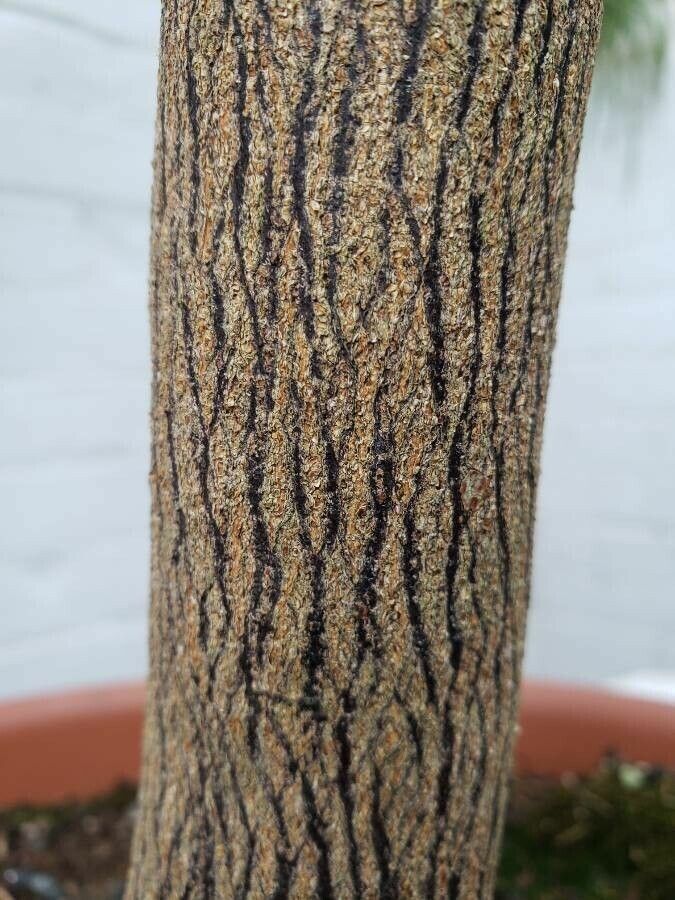
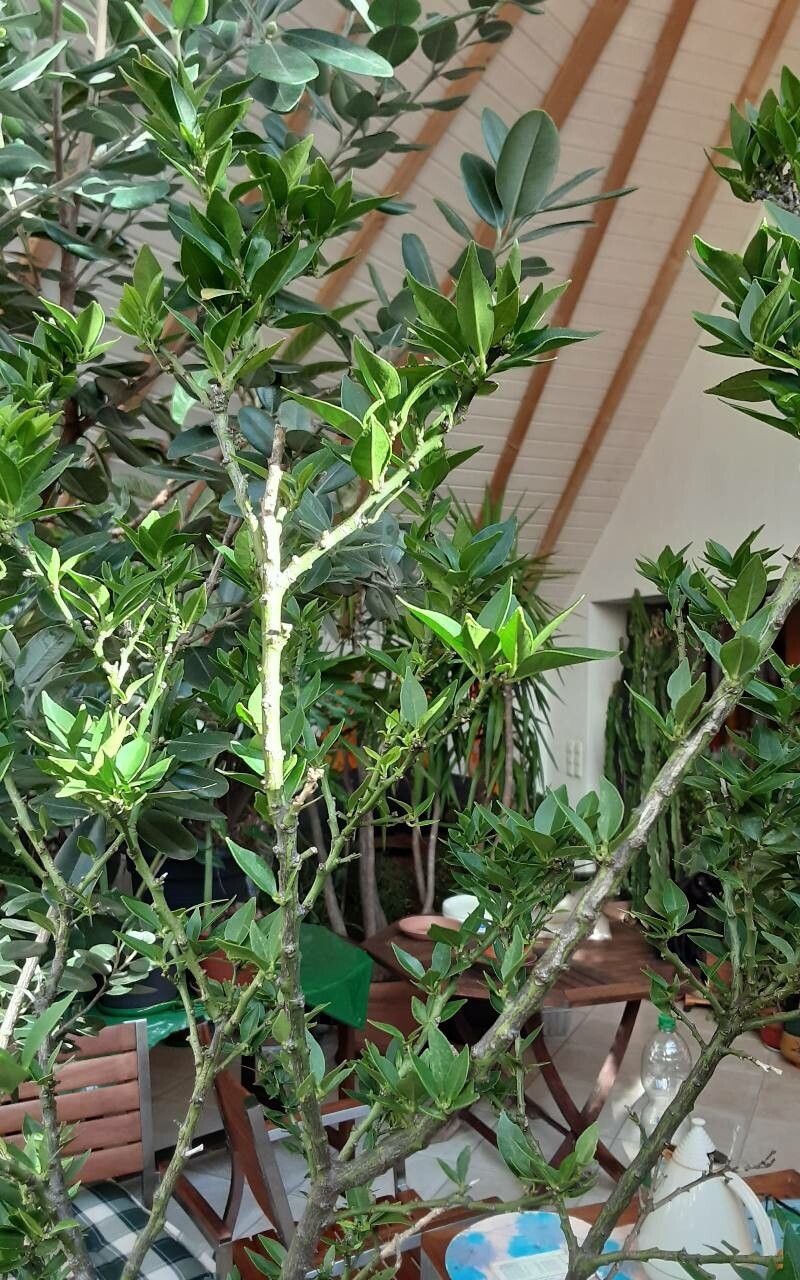
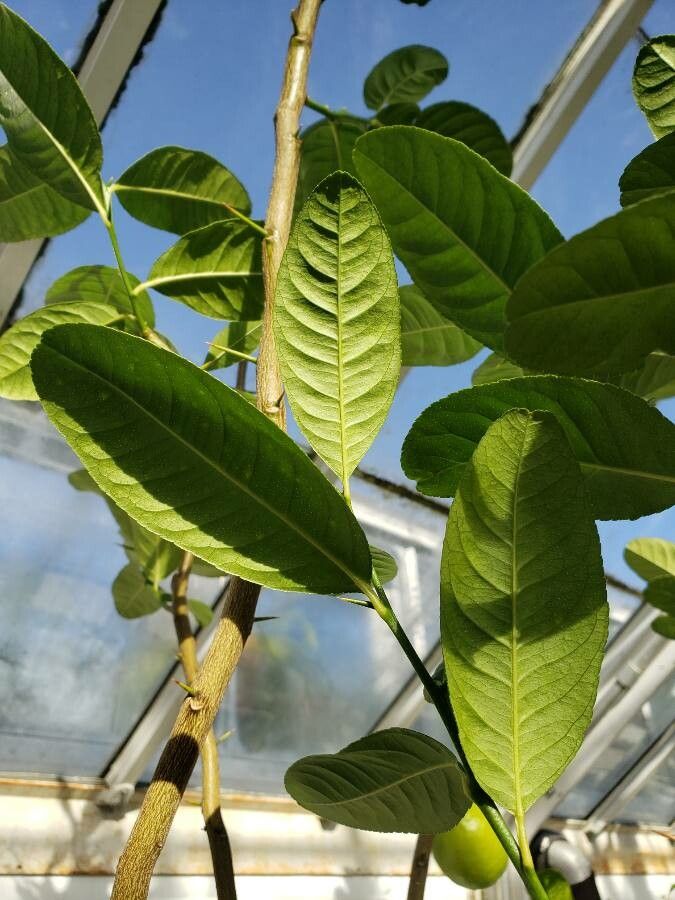
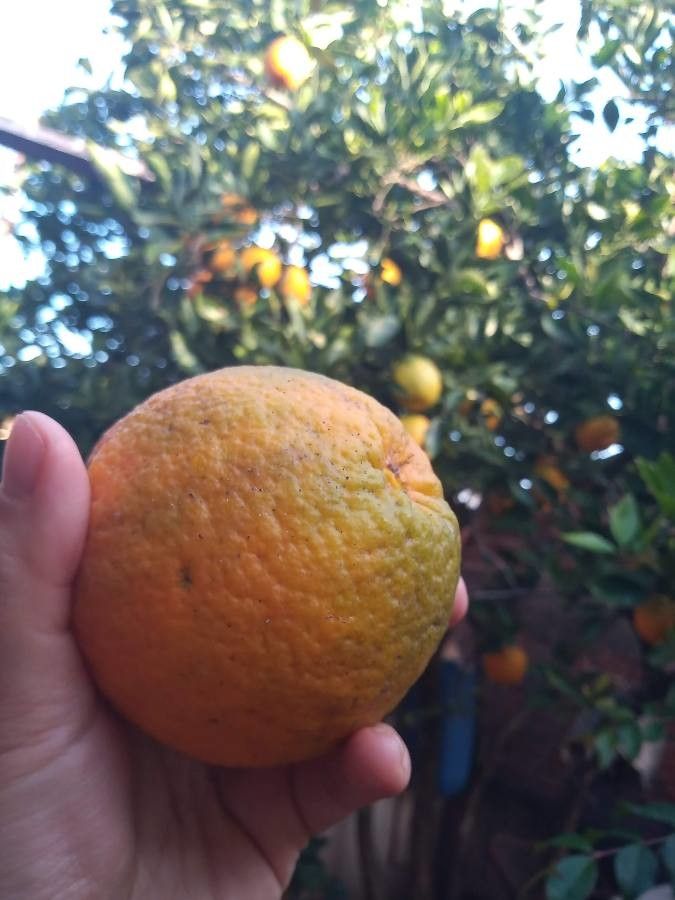
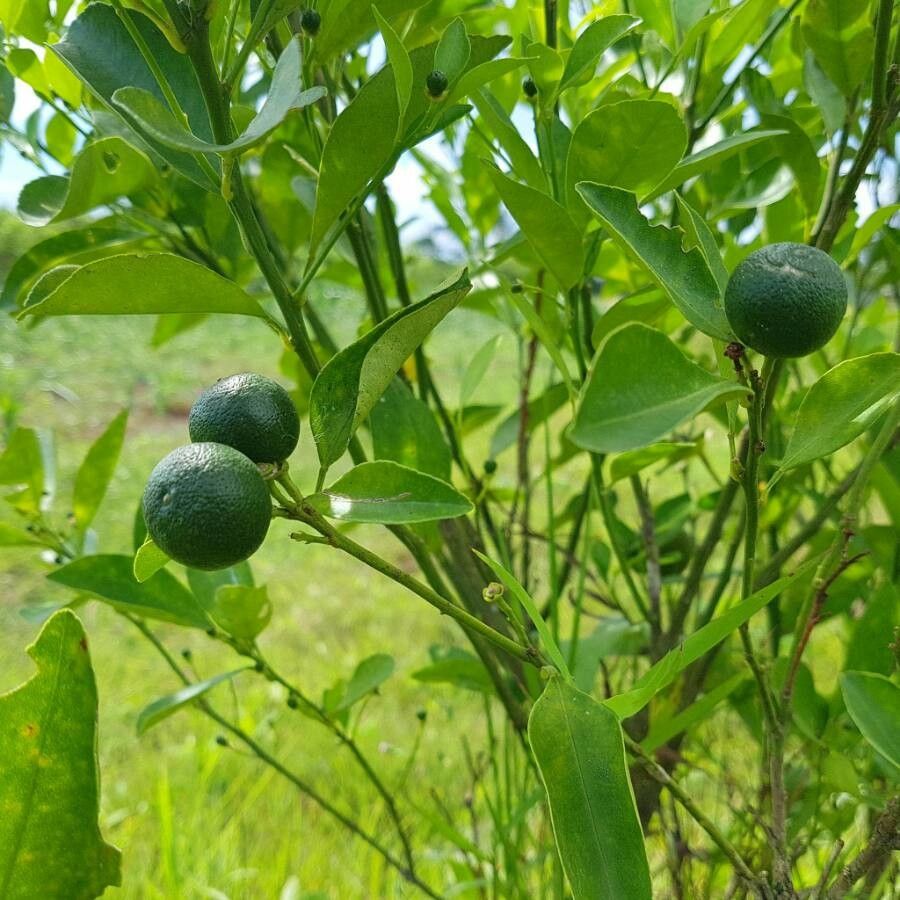
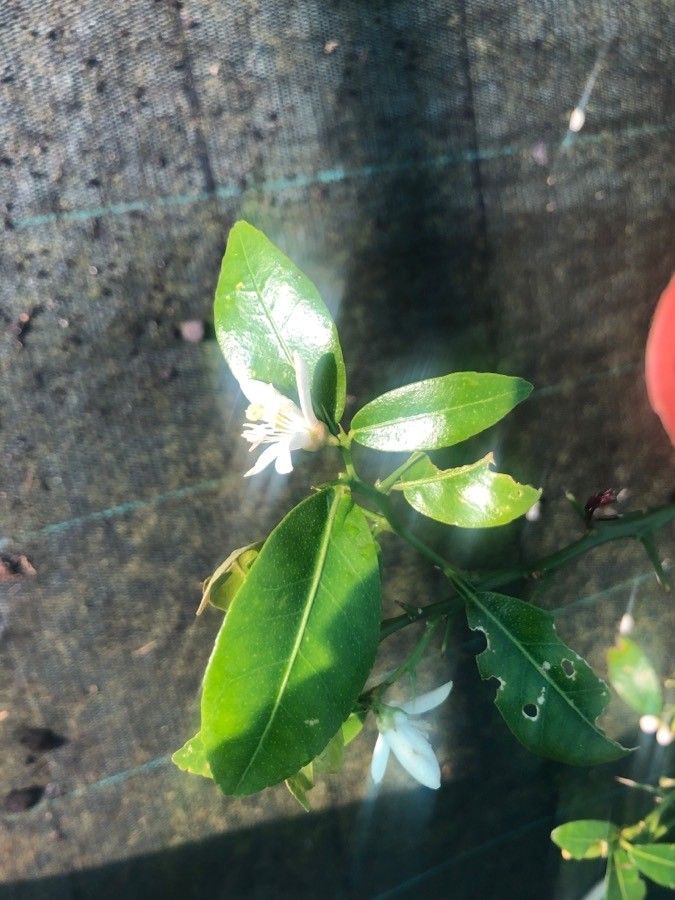
Calamansi (Citrus × microcarpa), also known as calamondin, Philippine lime, or Philippine lemon, is an economically important citrus hybrid predominantly cultivated in the Philippines. It is native to the Philippines, Borneo, Sumatra, and Sulawesi in Indonesia in Southeast Asia, as well as southern China and Taiwan in East Asia. Calamansi is ubiquitous in traditional Filipino cuisine. It is naturally very sour, and is used in various condiments, beverages, dishes, marinades, and preserves. Calamansi is also used as an ingredient in Malaysian and Indonesian cuisines. Calamansi is a hybrid between kumquat (formerly considered as belonging to a separate genus Fortunella) and another species of Citrus (in this case probably the mandarin orange).
Calamansi has moderate resistance to disease and can be vulnerable to problems like leaf spot. Its vulnerability to insect pests varies by variety, but most cultivars are relatively less resistant to pests. For care, Calamansi requires regular watering and fertilizing, along with frequent removal of yellow leaves. It is necessary to manage pests and diseases when they occur and to harvest the plant promptly. Calamansi is appropriate for people who can spend some time and energy on regular maintenance.
How to keep Citrus Mitis.
Light
Calamansi grows best in direct sunlight for most of the day but can tolerate lower light levels. Outdoor plants might need their shade adjusted seasonally, while potted specimens can be relocated more easily. A lack of adequate sunlight can hinder growth and lower fruit production.
Temperature
Calamansi is naturally suited to moderate climates and thrives when average temperatures are between 68 and 100 °F (20 and 38 ℃). Seasonal adjustments may be required to keep temperatures within the optimal range.
Fertilizer
To feed Calamansi, apply natural or commercial fertilizer high in nitrogen for leaf growth, phosphorus for roots and flowers, and potassium for photosynthesis and maximum fruit production. Plant in spring, enrich the soil with compost or manure, and fertilize seedlings when they reach a height of 2-4 inches. Lack of macronutrients causes slow growth, wilting, and poor fruit quality.
Botanical profile.
- Plant Type
- Tree
- Life Cycle
- Perennial
- Genus
- Citrus
- Family
- Rutaceae
- Hardiness Zone
- 10-11
- Mature Height
- 91 cm
- Mature Spread
- 76 cm
- Leaf Color
- Green
- Leaf Type
- Evergreen
- Flower Color
- White
- Flower Size
- 1.02 cm to 2.03 cm
- Bloom Time
- All year round
- Planting Time
- Spring, Summer, Autumn
- Harvest Time
- All year round
Other names.