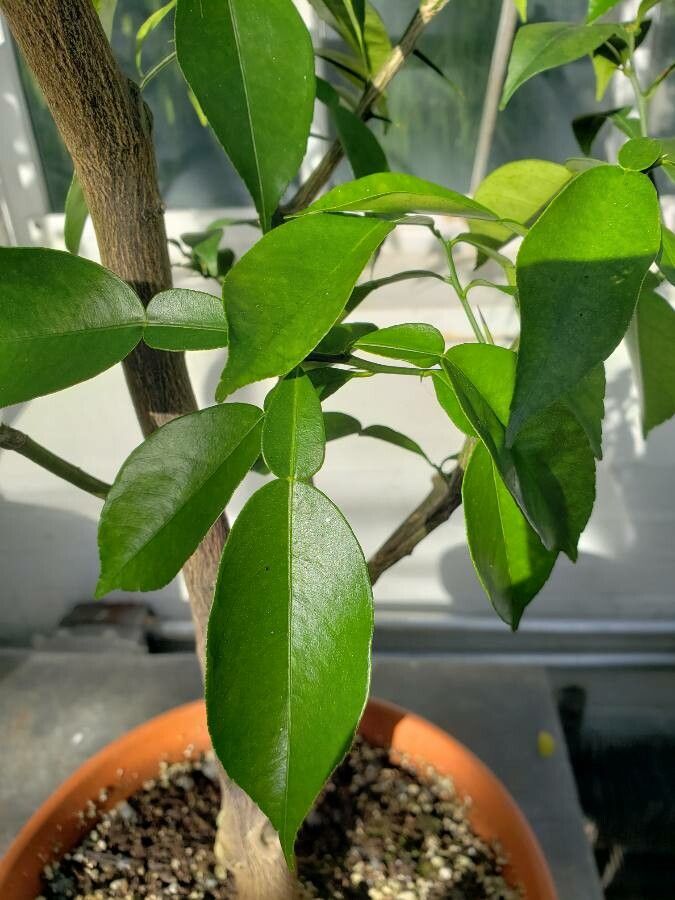
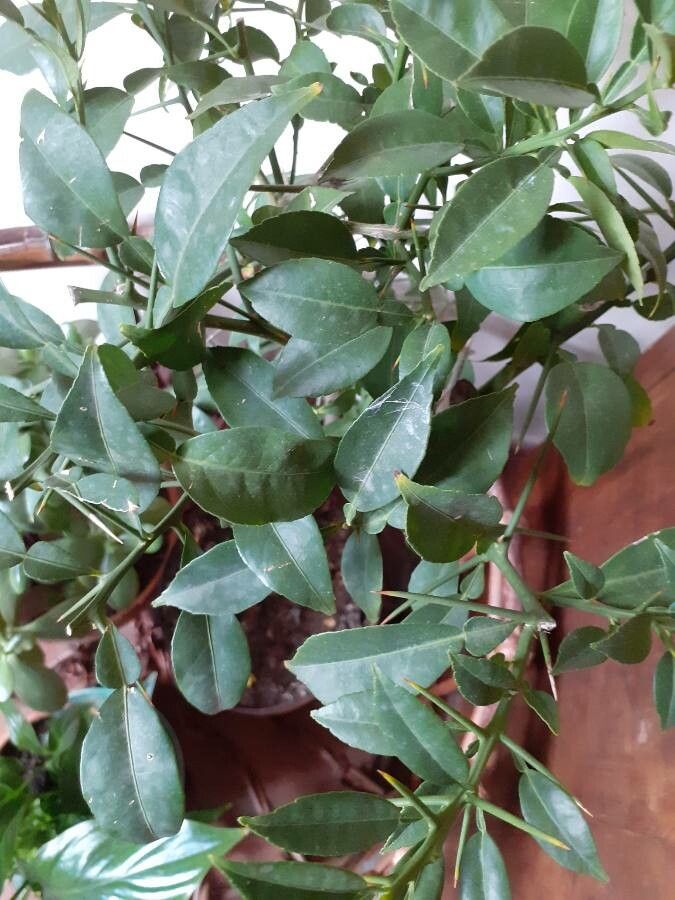
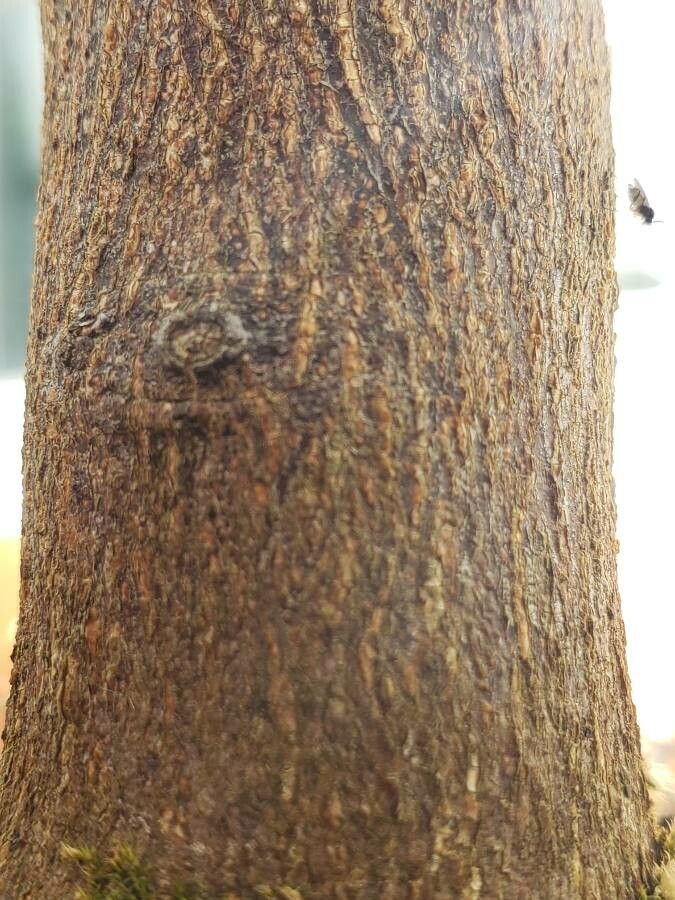
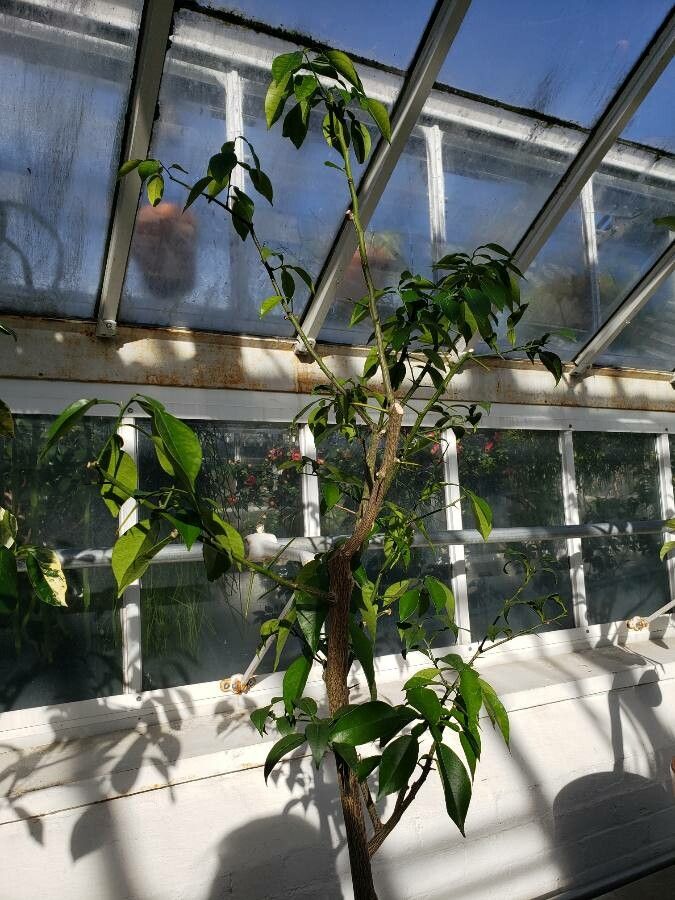
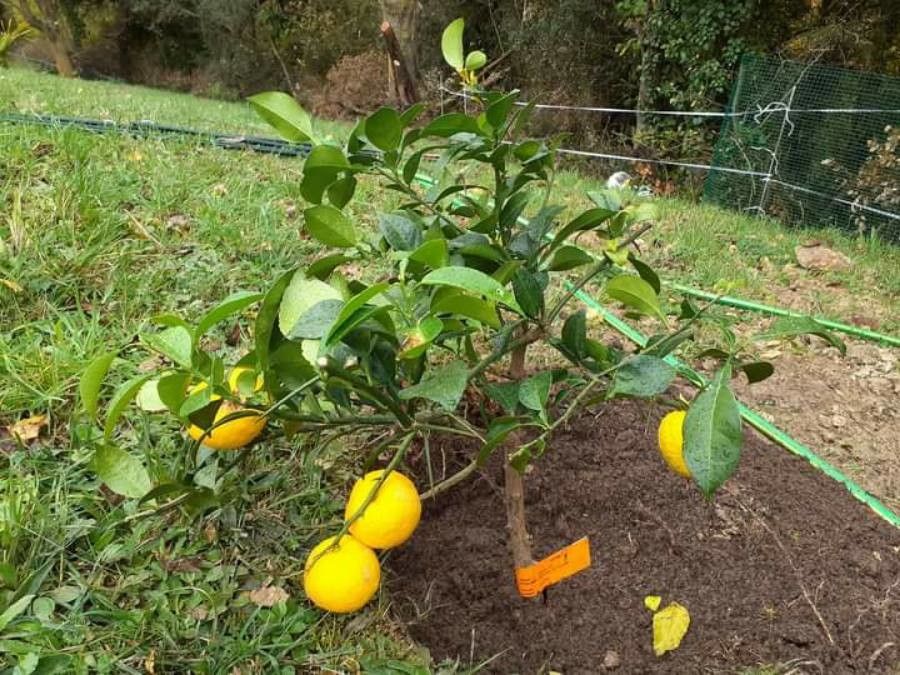
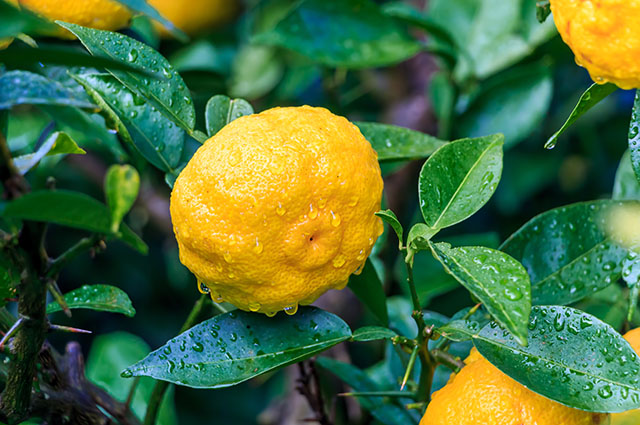
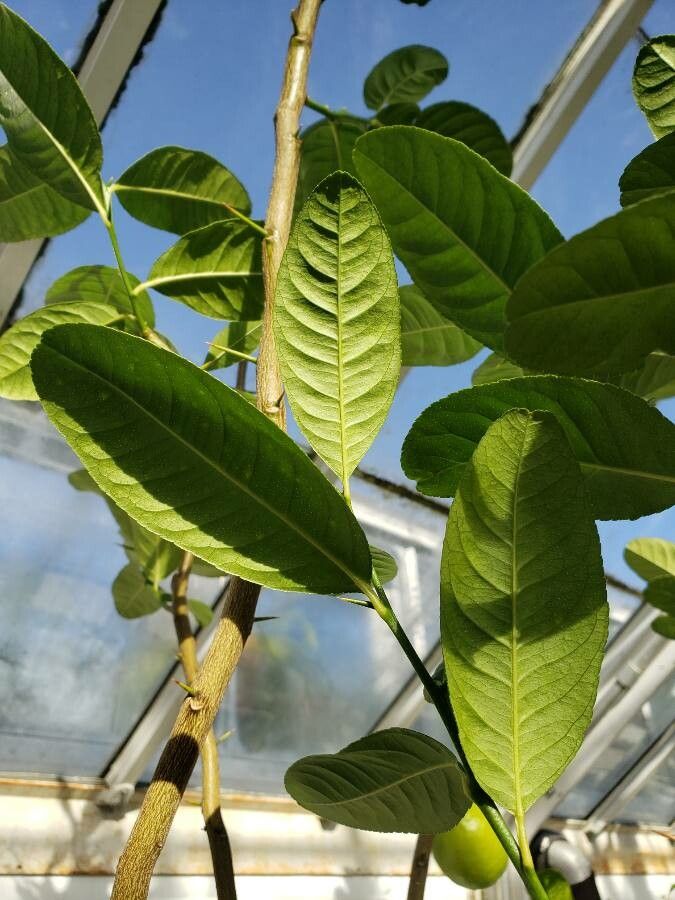
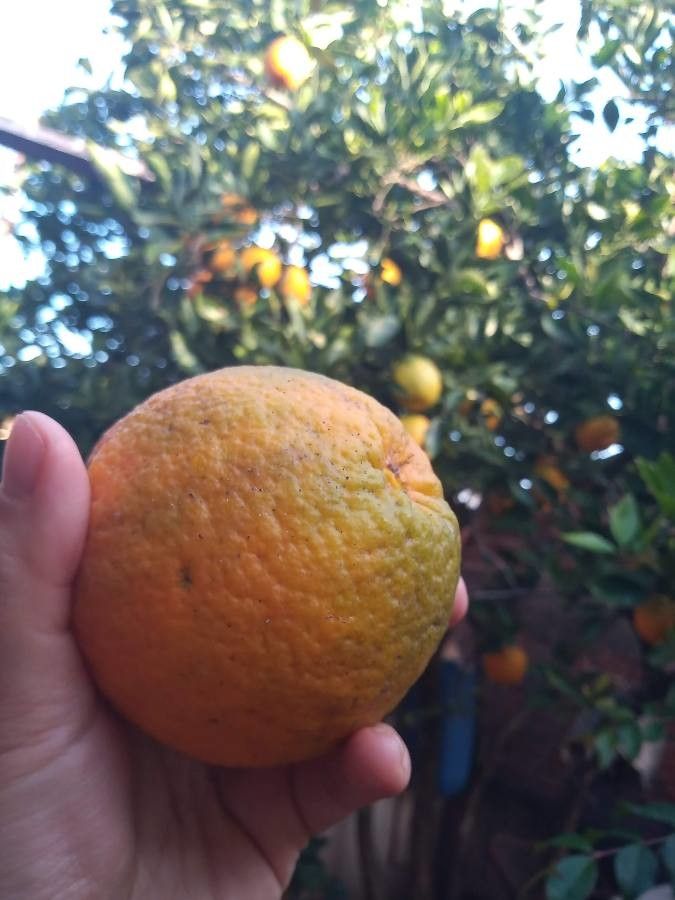
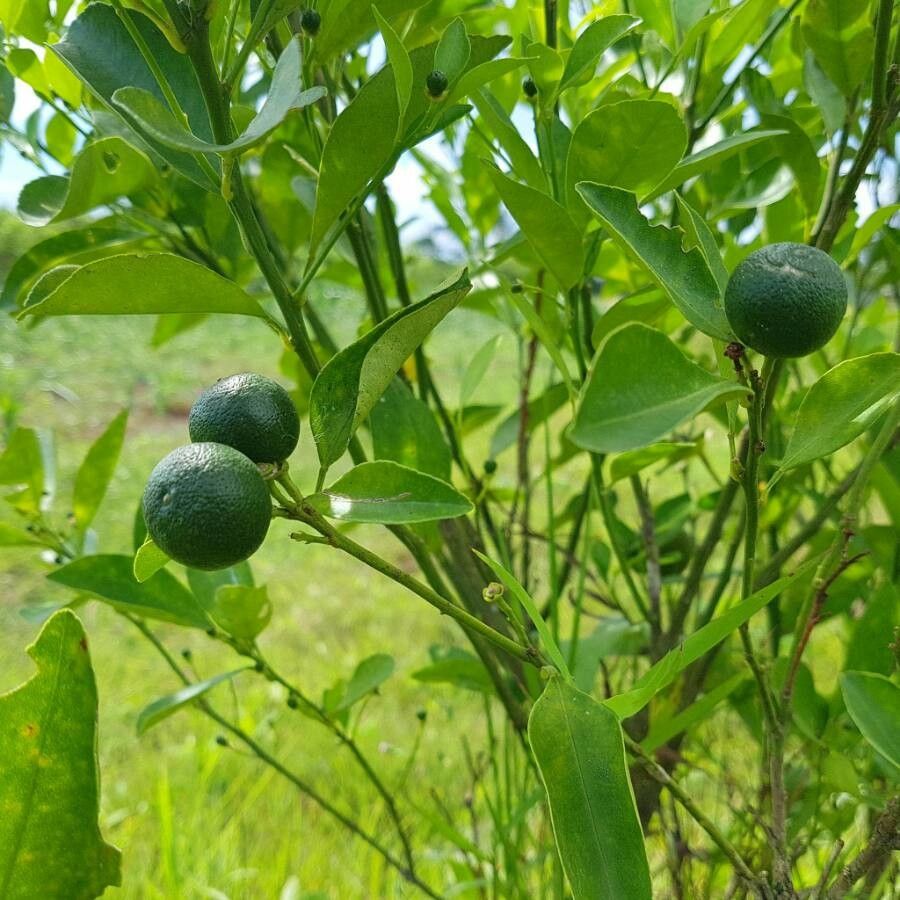
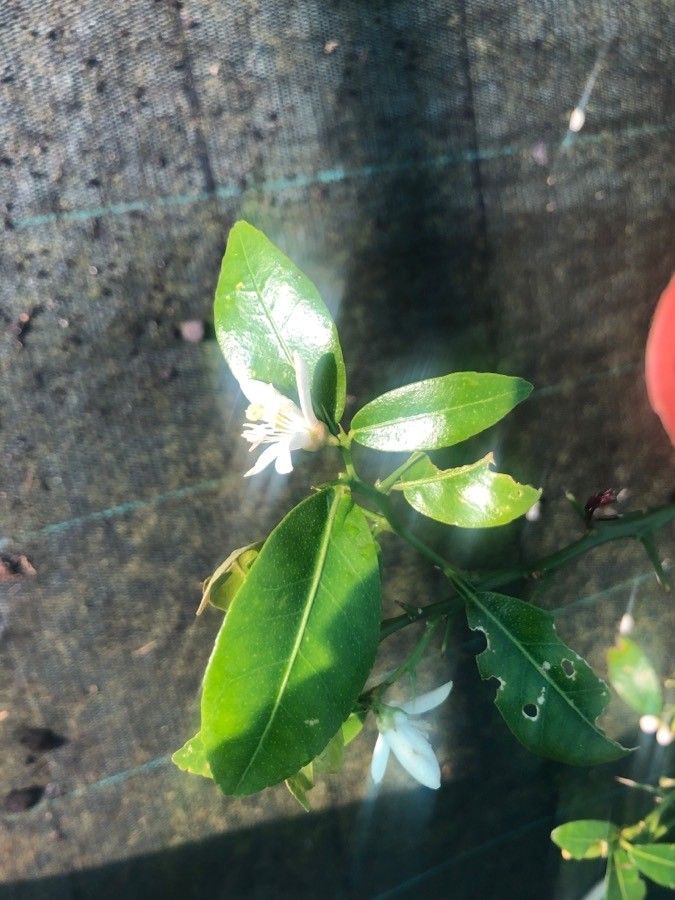
Yuzu (Citrus junos, from Japanese 柚子 or ユズ) is a citrus fruit and plant in the family Rutaceae of East Asian origin. Yuzu has been cultivated mainly in East Asia, though recently also in New Zealand, Australia, Spain, Italy, and France.It is believed to have originated in central China as an F1 hybrid of the mangshanyeju subspecies of mandarin orange and the ichang papeda.
Yuzu is resistant to many diseases and is generally not easily affected by them. In terms of care, this plant is fairly low-maintenance. When grown outdoors it needs little watering, and larger specimens usually do not require pruning. Smaller plants, however, should be pruned after they bloom. Yuzut is suitable for anyone with an outdoor area, such as a garden or deck, and does not require much prior care experience.
How to keep Citrus Junos.
Light
Yuzu comes from open spaces like sunny fields and the borders of forests where there's plenty of light. It flourishes in conditions of Full Sun but is also capable of managing in Partial Sun, exhibiting great adaptability to different amounts of sunlight.
Water
Yuzu, a fruit native to East Asia, grows best in subtropical climates with moderate humidity and well-drained soil. It needs watering every 1-2 weeks to maintain evenly moist conditions. During dry spells, additional watering is necessary to keep the plant healthy and vigorous.
Humidity
This plant will thrive in moderate humidity, which is probably the level in your home. However, misting it a few times a week can be very beneficial. Make sure the room has good ventilation.
Temperature
Yuzu shows a significant ability to adjust to temperature fluctuations, being capable of enduring higher temperatures and broader temperature swings. It's vital to monitor watering and furnish suitable shelter to avoid sun exposure when temperatures are elevated. Nevertheless, Yuzu's resistance to low temperatures is comparatively weaker. Although it can endure a certain level of chilliness, harshly cold conditions can cause frost harm.
Fertilizer
For the Yuzu plant to produce the best fruit, it needs enough nutrients. To stimulate new growth and bud formation, fertilize in the early spring. Routine fertilization aids the plant in staying well, growing tastier fruit, and avoiding problems linked to nutrient deficiency, such as yellowing leaves and inadequate fruit output.
Pruning
During the summer, prune the yuzu tree by removing dense, weak, or infested branches. This helps improve the distribution of nutrients. After harvesting in the fall or winter, trim away any dead, leggy, or overcrowded branches. This enhances air circulation and light penetration, thereby reducing the risk of pests and diseases.
Toxicity
While being absolutely toxin-free for humans, citrus trees are poisonous for cats and dogs because of the oils and psoralens contained in the plant’s skin.
Further reading →
The toxicity and danger assessments provided are for reference only. We do not assure their accuracy, so it's crucial not to depend on them. Seek professional advice when necessary for accurate guidance.
Botanical profile.
- Plant Type
- Shrub, Tree
- Life Cycle
- Perennial
- Genus
- Citrus
- Family
- Rutaceae
- Hardiness Zone
- 8-10
- Mature Height
- 1.83 m
- Mature Spread
- 1.52 m
- Leaf Color
- Green
- Leaf Type
- Evergreen
- Flower Color
- White
- Flower Size
- 2.03 cm to 3.05 cm
- Bloom Time
- Mid spring, Late spring
- Planting Time
- Summer, Autumn, Winter
- Harvest Time
- Mid fall, Late fall, Early winter
- Native Area
- Asia
Other names.