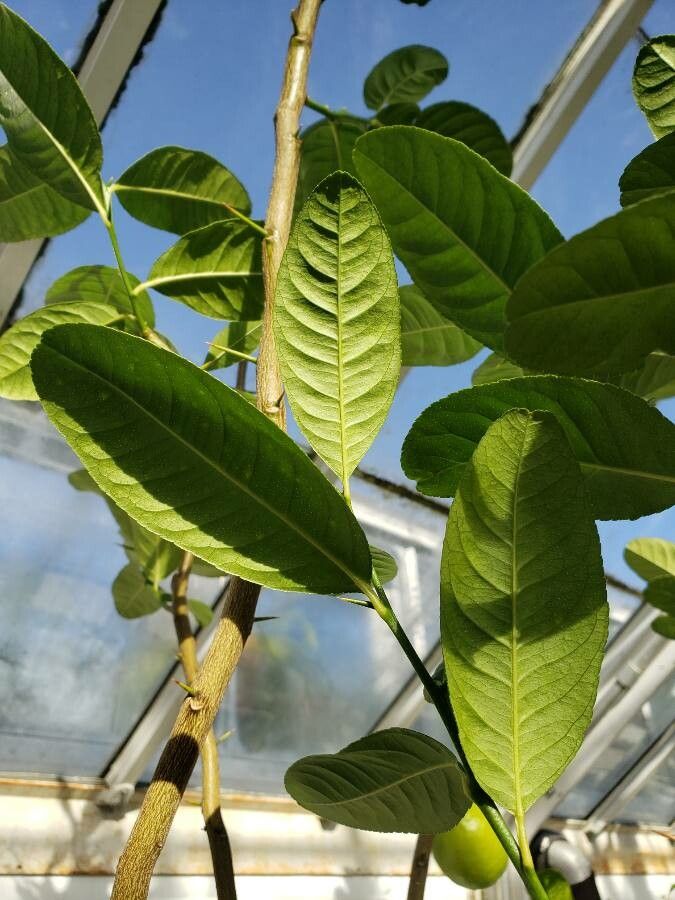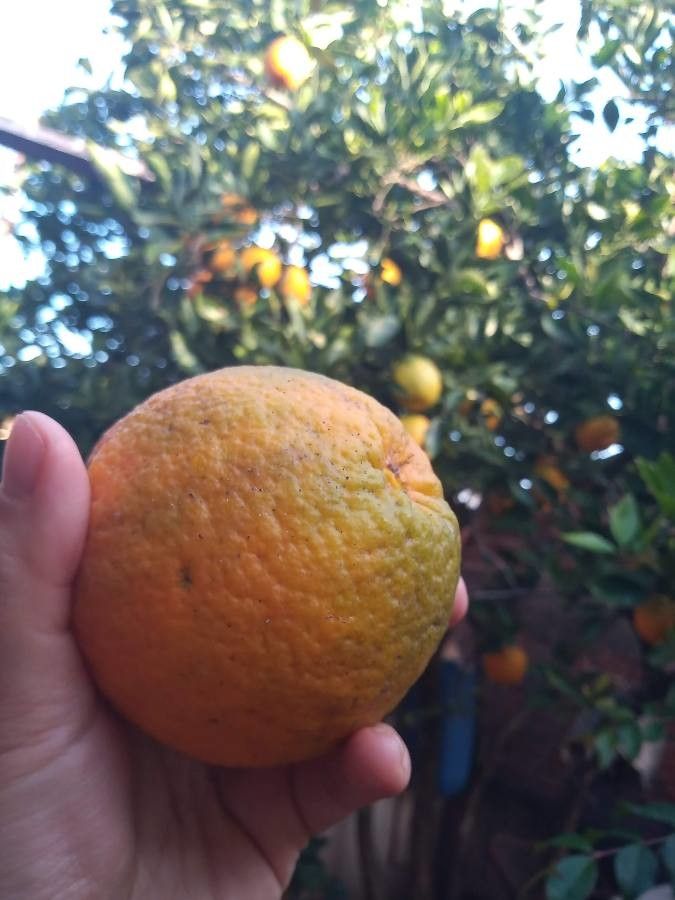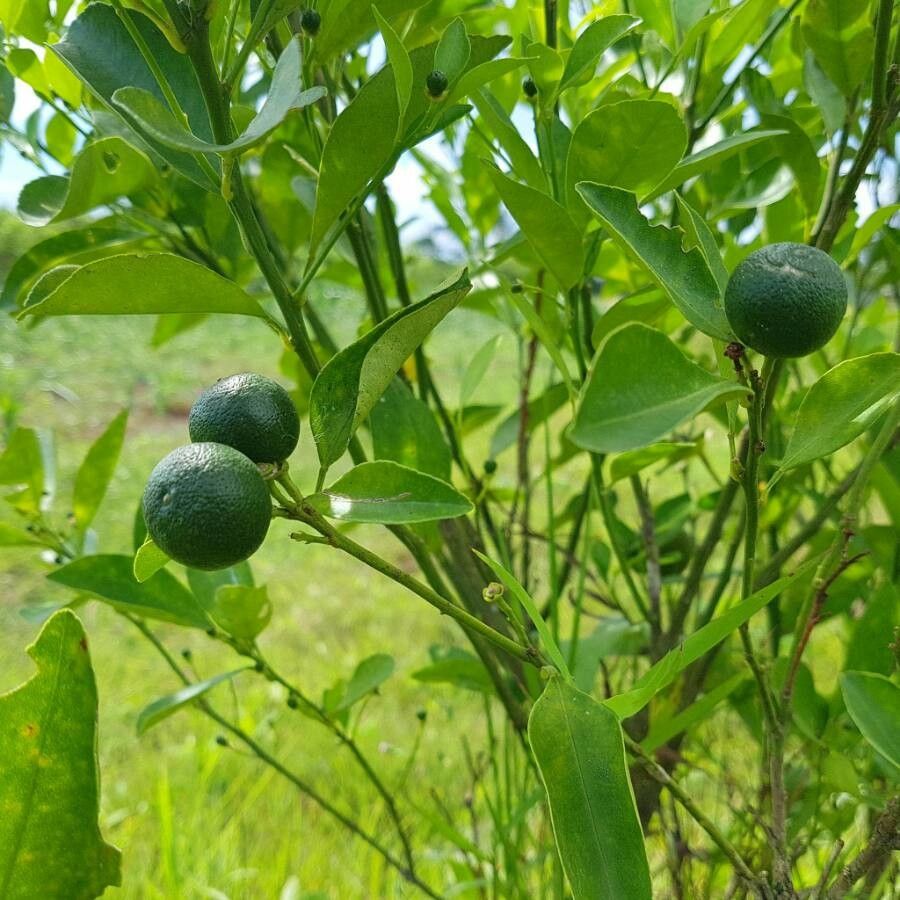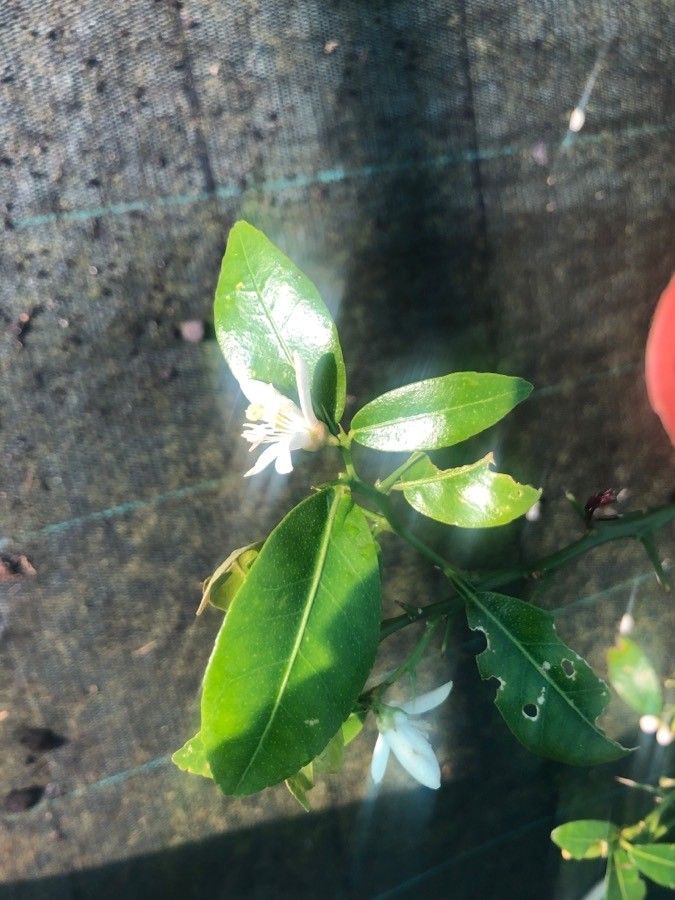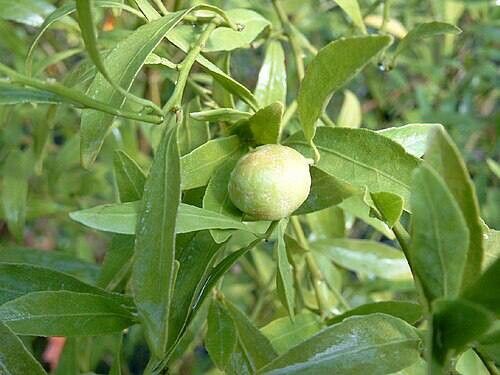
Citrus glauca, commonly known as the desert lime, is a thorny shrub or small tree native to Queensland, New South Wales, and South Australia. The 1889 book The Useful Native Plants of Australia records the common names native kumquat and desert lemon.
The Australian desert lime is highly resistant to disease and generally not susceptible to illnesses. As for maintenance, this plant is fairly low-maintenance. When grown outdoors it needs only minimal watering, and larger plants typically do not require pruning. Smaller plants, however, should be trimmed after they have finished blooming. The Australian desert limet is suitable for anyone with outdoor space, such as a garden or a deck, and does not need extensive care experience.
How to keep Citrus Glauca.
Light
The Australian desert lime is native to open habitats that provide plenty of light, for example, sunny fields and edges of forests. It grows best in full sunlight but can also survive quite well in partial sunlight, demonstrating its adaptability to different light situations.
Water
The Australian desert lime flourishes in moist soil and can tolerate drought, but it's important to avoid waterlogged conditions. Water the plant deeply in the spring and once a week during the budding stage. Make sure the soil is well-drained, especially during rainy periods, to prevent bud drop. In dry conditions, increase watering to prevent fruit loss.
Temperature
The Australian desert lime demonstrates excellent adaptability to various temperatures, handling greater heat and larger temperature changes effectively. When temperatures soar, it is crucial to ensure proper watering and provide sufficient shade to avoid sun damage. Nevertheless, the Australian desert lime has a comparatively reduced tolerance to cooler temperatures. It can endure a certain extent of cold, but extremely cold conditions may result in frost harm.
Fertilizer
For optimal fruit yield, the Australian desert lime plant needs an ample supply of nutrients. Apply fertilizer in the beginning of spring for encouraging new growth and blossom formation. Consistent fertilization aids the plant in maintaining its health, producing tastier fruit, and warding off nutrient shortage problems such as yellowing of leaves and subpar fruit yield.
Pruning
Selective pruning in early spring can significantly benefit the Australian desert lime. By removing dead or damaged branches, you improve air circulation and encourage healthy growth. This practice not only enhances fruit production but also helps maintain manageable plant shapes and reduces the risk of disease, resulting in a more productive plant.
Botanical profile.
- Plant Type
- Tree
- Life Cycle
- Perennial
- Genus
- Citrus
- Family
- Rutaceae
- Hardiness Zone
- 8-11
- Mature Height
- 3.05 m to 6.1 m
- Mature Spread
- 2.13 m to 3.96 m
- Leaf Color
- Gray, Light Green
- Leaf Type
- Evergreen
- Flower Color
- White
- Flower Size
- 1.02 cm to 1.52 cm
- Bloom Time
- Mid spring, Late spring, Early summer
- Planting Time
- Spring, Summer, Autumn
- Harvest Time
- Late summer, Fall