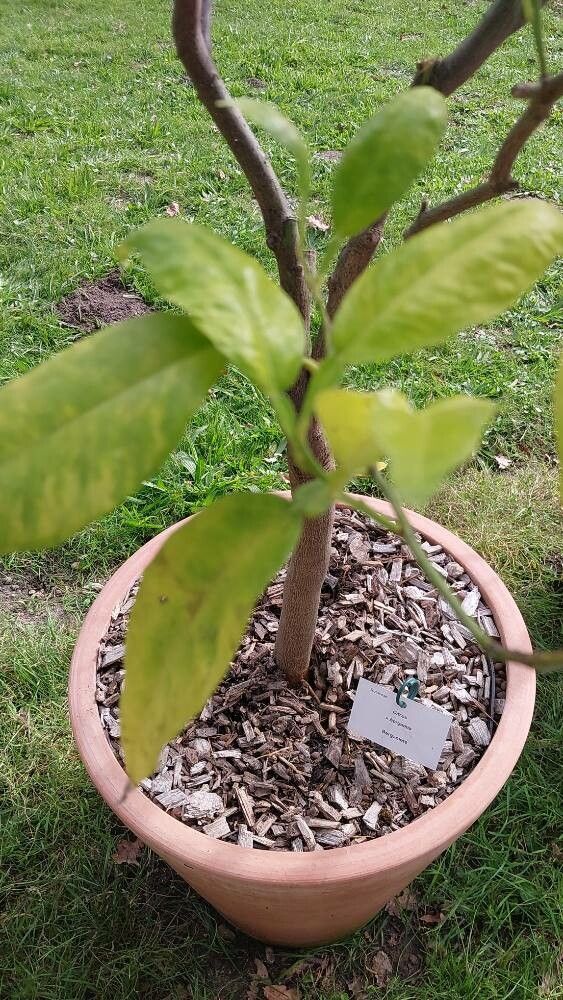
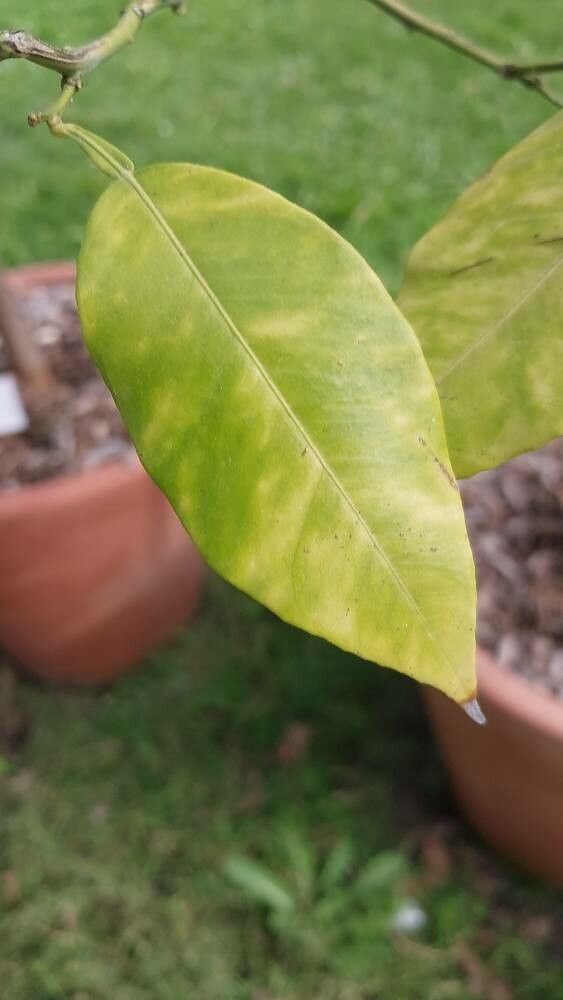
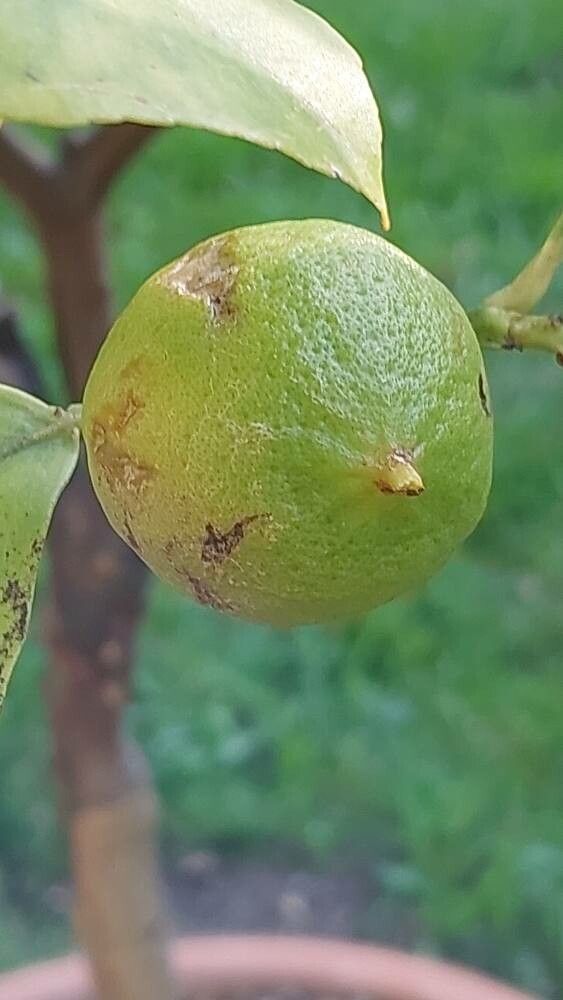
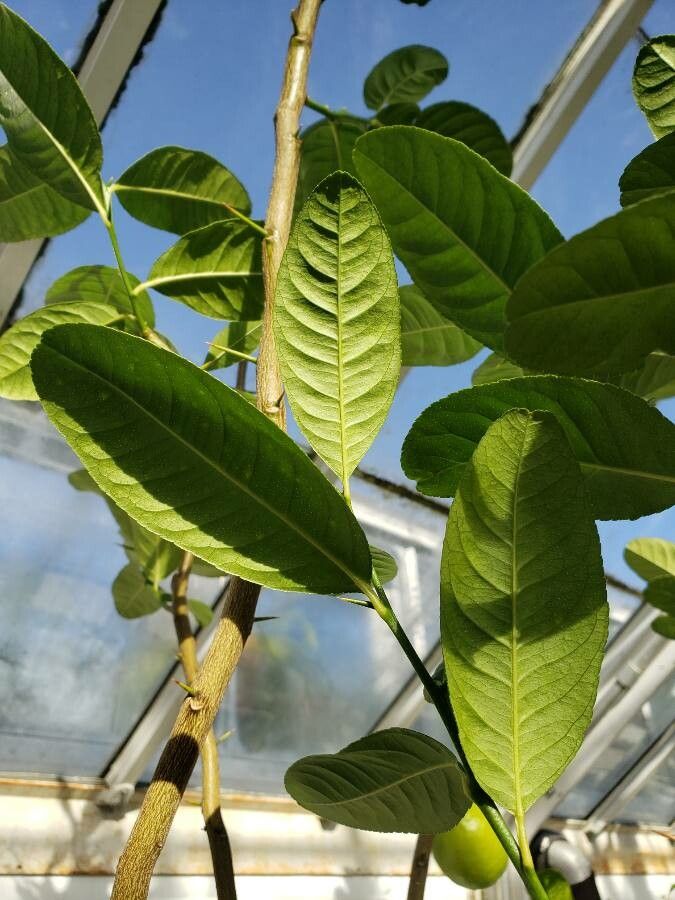
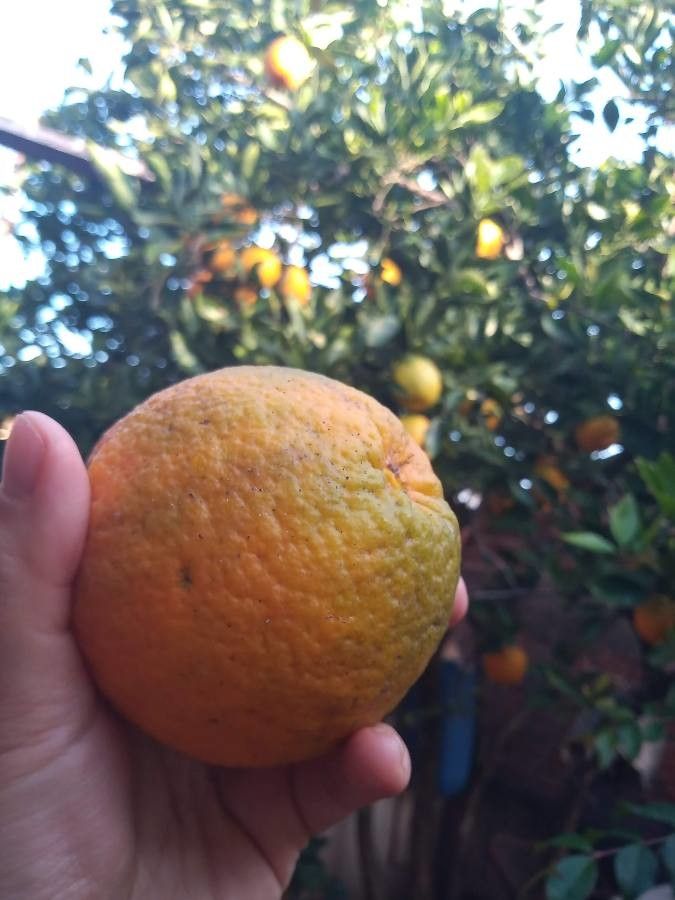
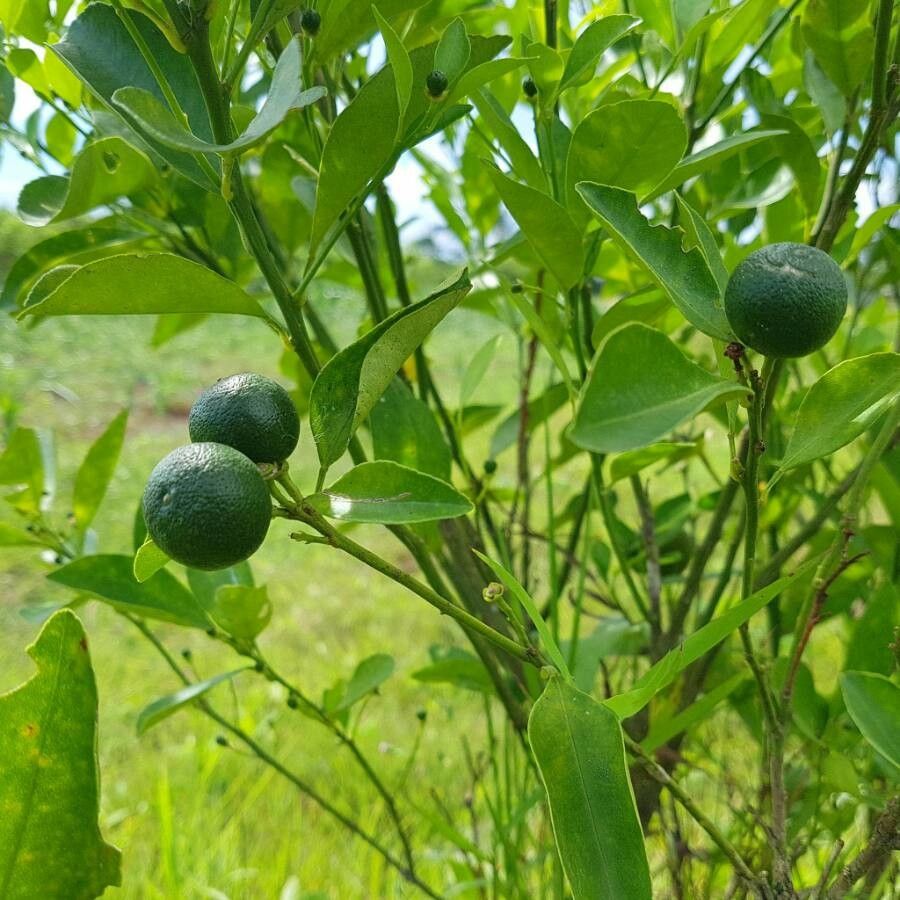
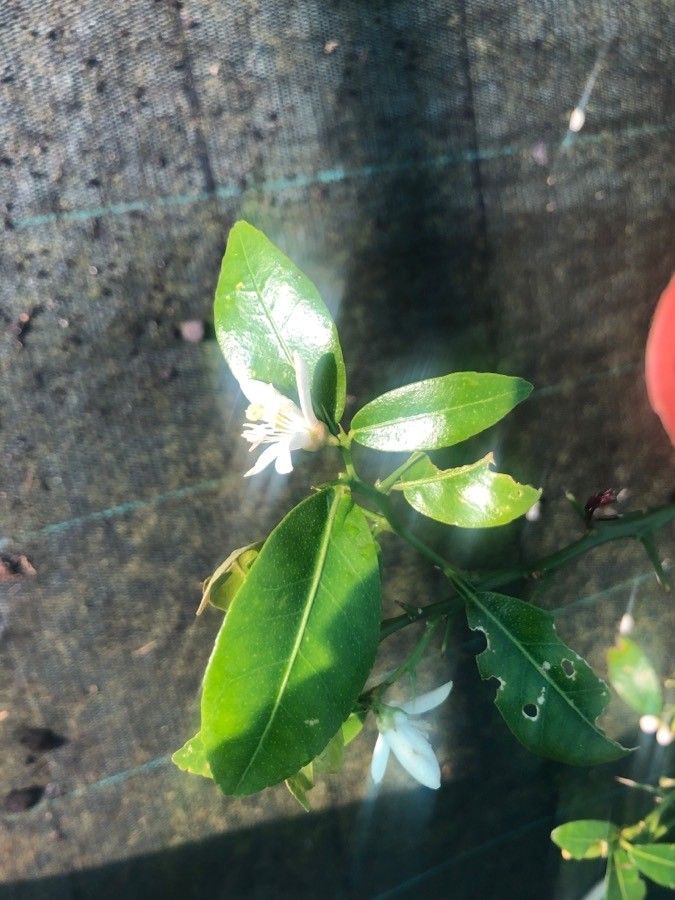
Citrus bergamia, commonly known as the bergamot orange, is a fragrant citrus fruit the size of an orange, with a yellow or green colour similar to a lime, depending on ripeness.
Lemon has a strong level of disease resistance and generally is not prone to illnesses. However, if it is kept in a poor environment it can become more susceptible to disease. This plant also encounters few insect pests. In terms of care, it has moderate requirements. It is important to supply plenty of sunlight, because insufficient light can make it more disease-prone and lead to thin growth. It is often kept indoors, so it may need to be moved regularly to a well-lit spot. It does not require frequent watering. Overall, Lemon is suitable for most people, though it is best for those who can provide good light conditions.
How to keep Citrus Bergamia.
Light
The lemon does best with plentiful sunlight, which supports its health and growth. During its developmental phases it can cope with less sunlight. Its native habitat receives abundant sun. Still, too much light can cause leaf scorch, while too little can impede growth.
Temperature
The native temperature range for lemon growth is generally 20 to 38 ℃ (68 to 100 ℉). These temperate woody plants favor a warm, humid climate but can tolerate cooler winter temperatures of about 10 ℃ (50 ℉). During warmer months, keeping the temperature between 26 to 32 ℃ (79 to 90 ℉) is recommended for optimal growth and fruit production.
Fertilizer
Opt for organic fertilizers like fish emulsion or compost instead of chemical ones when caring for Lemon. Supplement young plants with high levels of nitrogen and phosphorus during spring. Ensure you incorporate the compost or fertilizer either before or after planting. For older plants, apply either balanced or specific fertilizers to correct any deficiencies during spring. The signs of nutrient deficiency include small leaves, short branches, yellow or bronze leaves, acidic fruits, fruit dropping prematurely, and splitting.
Pot & Repot
When repotting a lemon, pick a pot 1-2 inches (2.5–5.1 cm) larger with good drainage. Use a well-draining potting mix. Repot in spring or fall, making sure the root ball sits slightly below the rim of the flower pot. Water thoroughly after repotting and place it in a warm spot with indirect sunlight.
Botanical profile.
- Plant Type
- Shrub, Tree
- Life Cycle
- Perennial
- Genus
- Citrus
- Family
- Rutaceae
- Hardiness Zone
- 9-11
- Mature Height
- 2.13 m to 6.1 m
- Mature Spread
- 0.91 m to 2.44 m
- Leaf Color
- Green
- Leaf Type
- Evergreen
- Flower Color
- White
- Flower Size
- 1.52 cm to 2.03 cm
- Bloom Time
- Late spring, Early summer, Mid summer
- Planting Time
- Spring, Autumn
- Harvest Time
- Early spring, Mid summer, Late summer, Fall, Winter
- Native Area
- India
Other names.