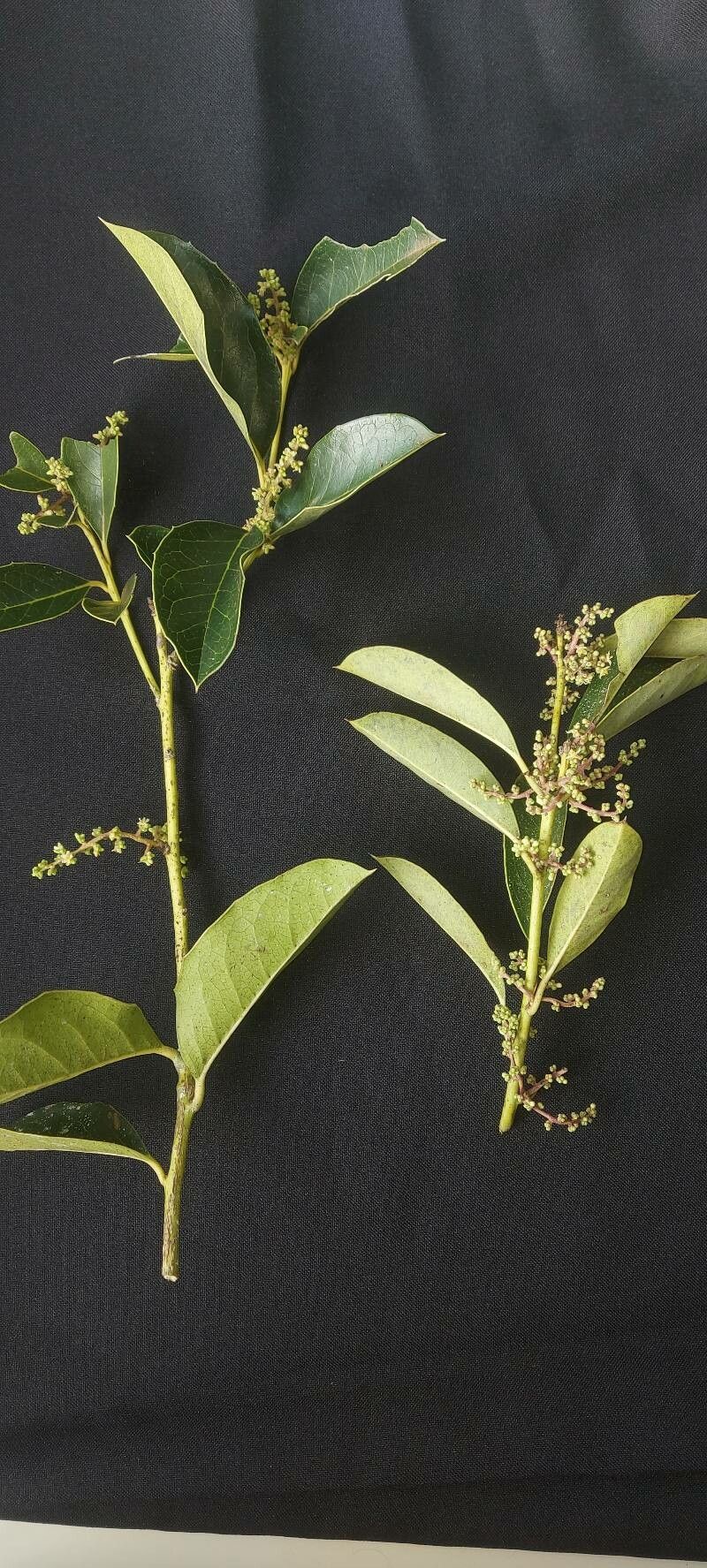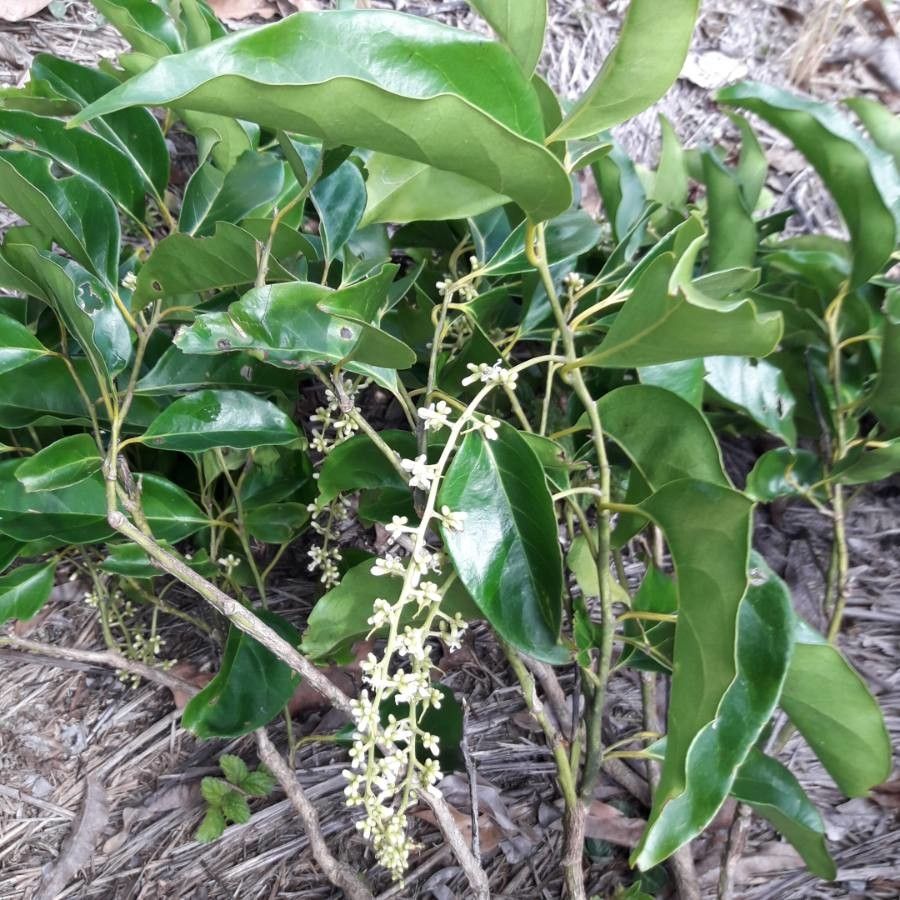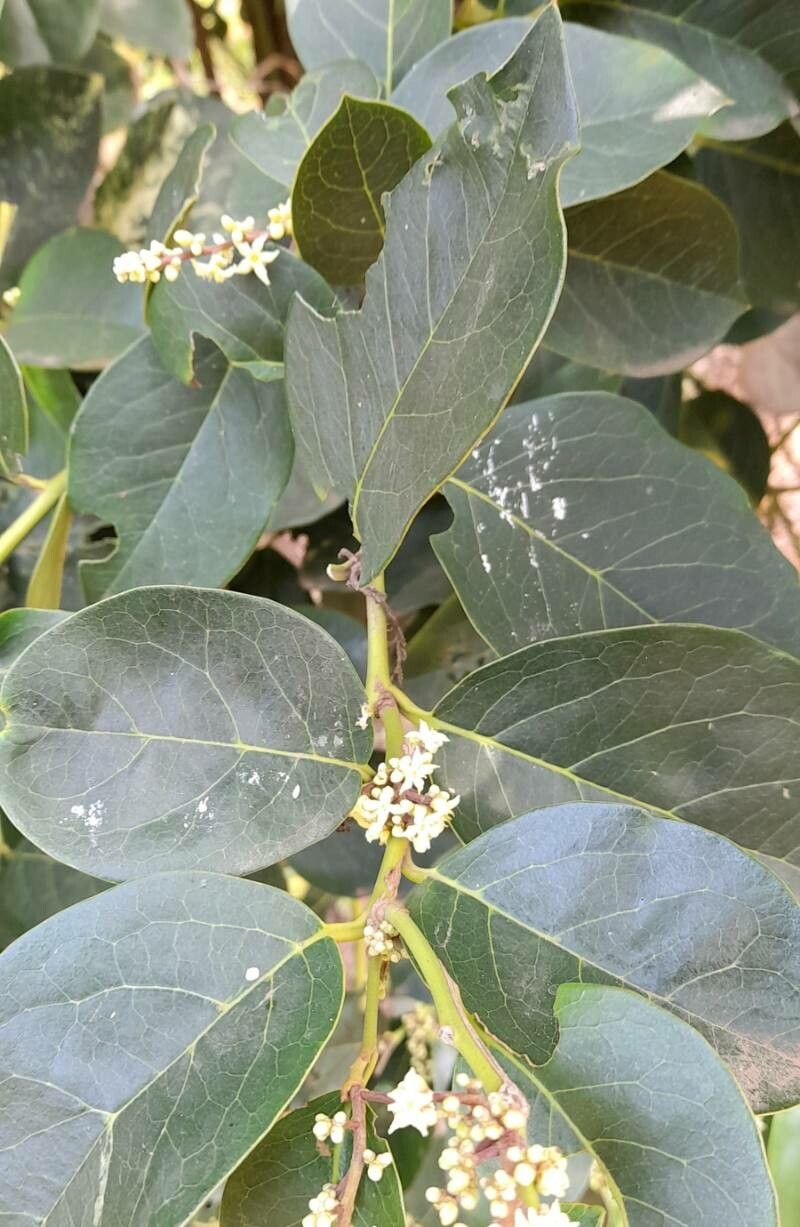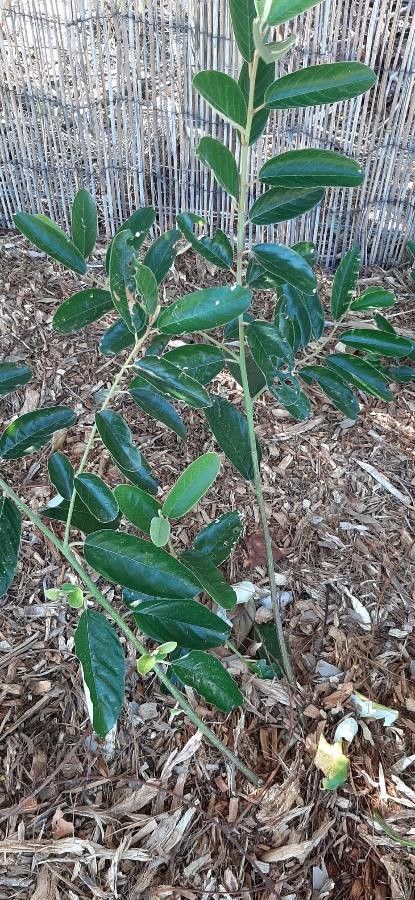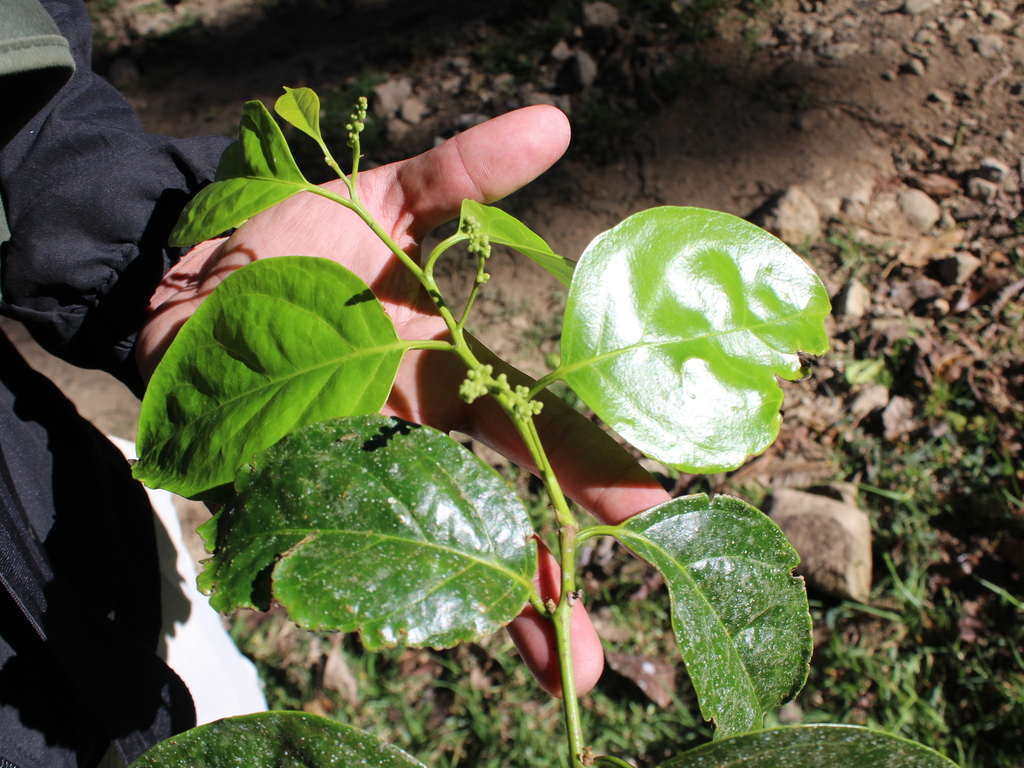
Citronella costaricensis: An Overview Citronella costaricensis is a perennial plant species from the Poaceae family, commonly known as Costa Rican citronella or Nardo de Costa Rica. Native to Central America, it is found predominantly in Costa Rica, Panama, and Nicaragua. This plant has a clumping growth habit and can reach up to 1.5 meters in height. Its long, narrow green leaves emit a lemon-like scent when crushed or rubbed, adding to its distinct characteristics. Notably, Citronella costaricensis is valued for its essential oil, which contains compounds such as citral, geraniol, and limonene—well-known for their insect-repellent properties. Additionally, the oil can serve as an antifungal agent. The plant prefers well-drained soil with moderate moisture and partial shade. It can be propagated through the division of clumps or seeds. Overall, Citronella costaricensis is a significant medicinal plant, primarily due to its insect-repellent properties. These properties are especially useful in preventing mosquito-borne diseases such as malaria and dengue fever.
Citronella costaricensis has strong disease resistance and is usually not prone to illnesses. However, it can be affected by pests and diseases present in its environment. These problems are typically not serious. For care, the plant requires moderate maintenance. It should be pruned regularly to preserve a good appearance and support healthy growth. Fertilizing can also help encourage flowering. Citronella costaricensis is suitable for anyone with outdoor space, such as a garden or patio, and does not demand extensive gardening experience. It may need more care if grown indoors.
How to keep Citronella Costaricensis.
Light
Citronella costaricensis originates from habitats such as forest understories and rocky sites, where it is found in naturally shaded conditions. It prefers partial sun but can tolerate full sun or deep shade, reflecting its adaptable and hardy character.
Temperature
Citronella costaricensis comes from tropical areas, where the climate is generally warm and humid. Therefore it is adapted to high temperatures and moisture. It does not respond well to sudden temperature changes and prefers a steady thermal environment, so avoiding indoor temperature fluctuations is important. It typically cannot tolerate cold and needs warmer conditions to grow. If the ambient temperature falls too low, the plant may stop growing or even die.
Fertilizer
Citronella costaricensis needs the most fertilizer during its active growth period, which takes place mainly in spring, summer, and early fall. Fertilizing is required to supply essential nutrients that might be absent from the soil, supporting healthy root and stem development and the attractive foliage that is a characteristic of this plant.
Botanical profile.
- Plant Type
- Herb
- Life Cycle
- Perennial
- Genus
- Citronella
- Family
- Cardiopteridaceae
- Hardiness Zone
- 10-12
- Mature Height
- 4.88 m to 10.06 m
- Mature Spread
- 3.05 m to 4.88 m
- Leaf Color
- Dark Green, Forest Green
- Leaf Type
- Evergreen
- Flower Size
- 0.51 cm to 0.76 cm
- Bloom Time
- Late spring, Summer
- Planting Time
- Spring, Summer, Autumn
- Harvest Time
- Late summer, Fall
- Native Area
- Colombia, Costa Rica, Panama, Venezuela