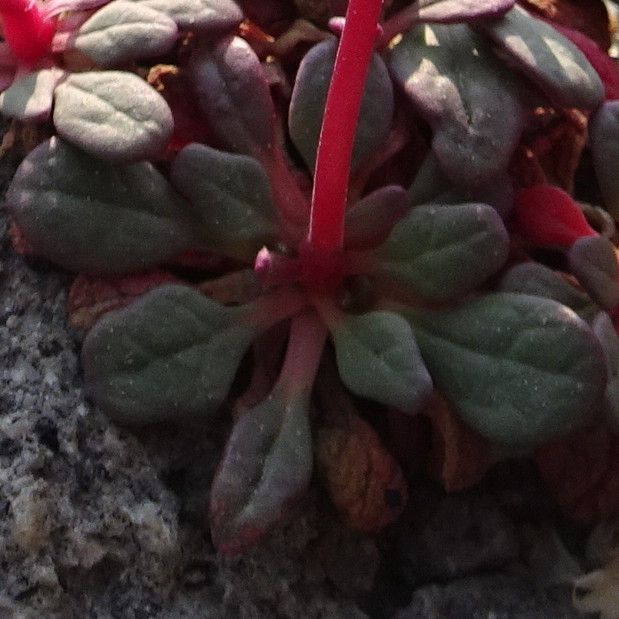
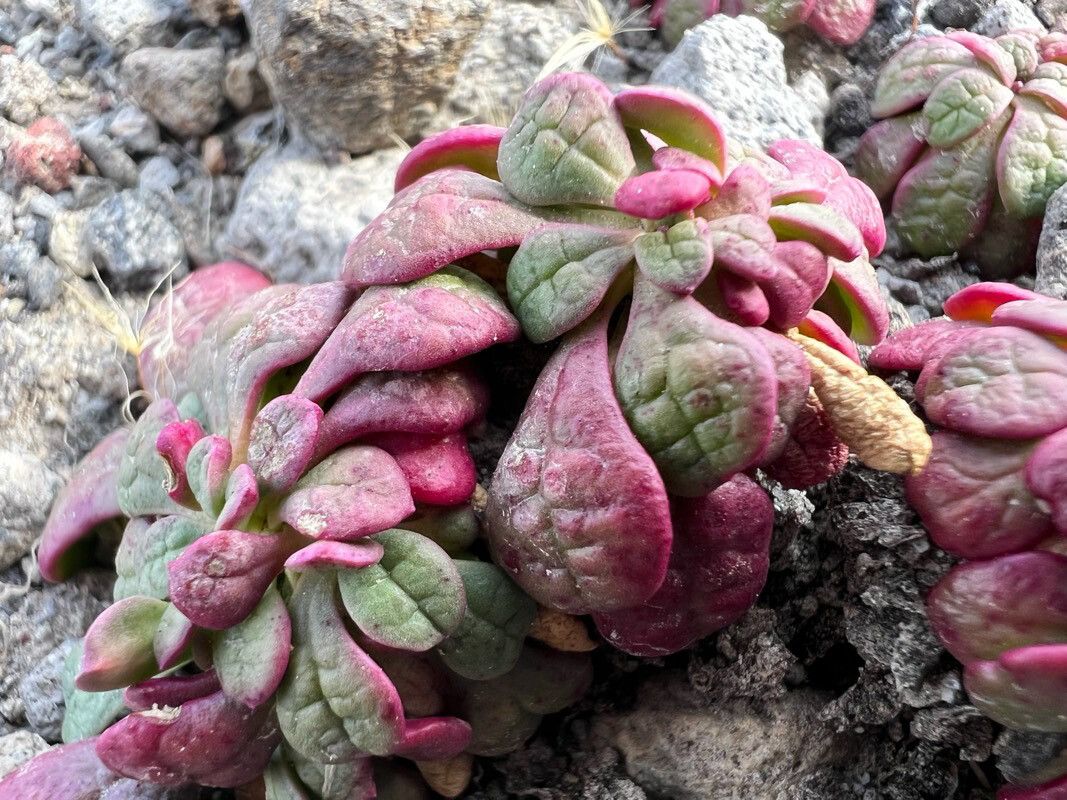
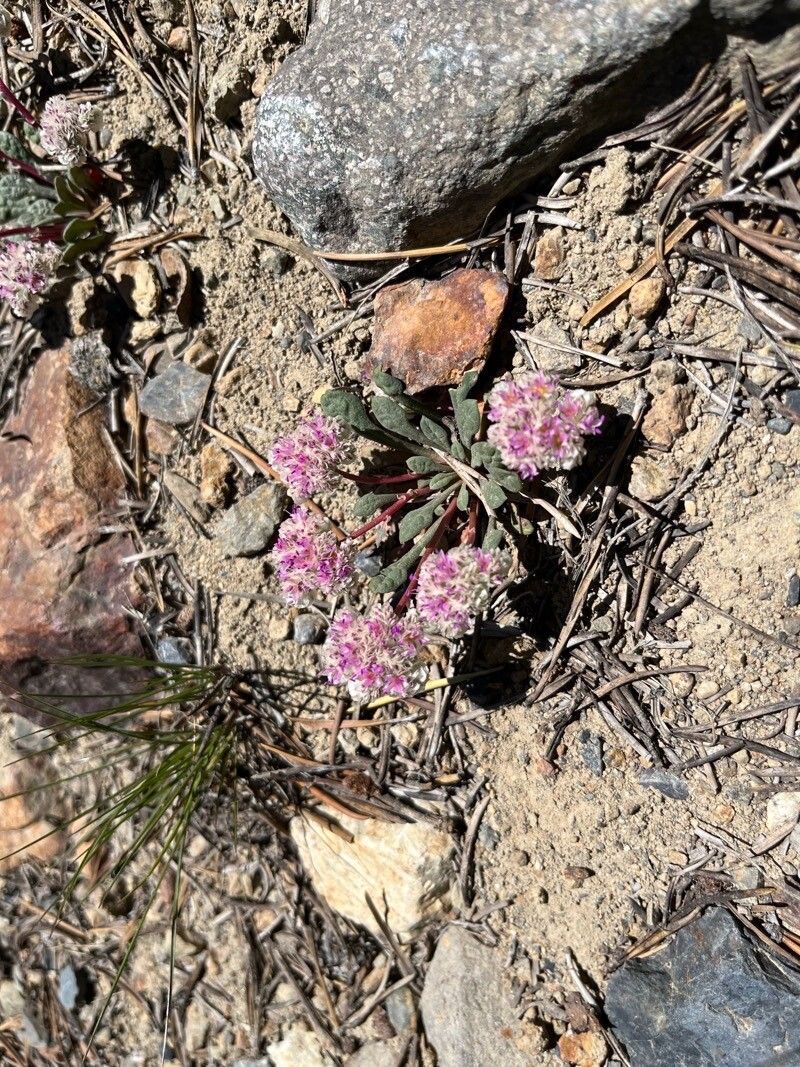
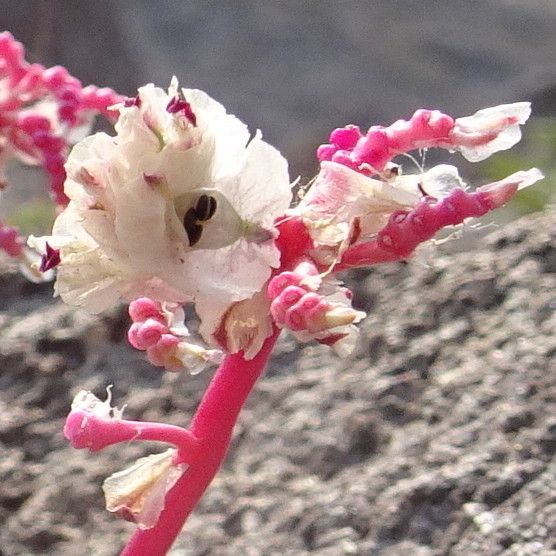
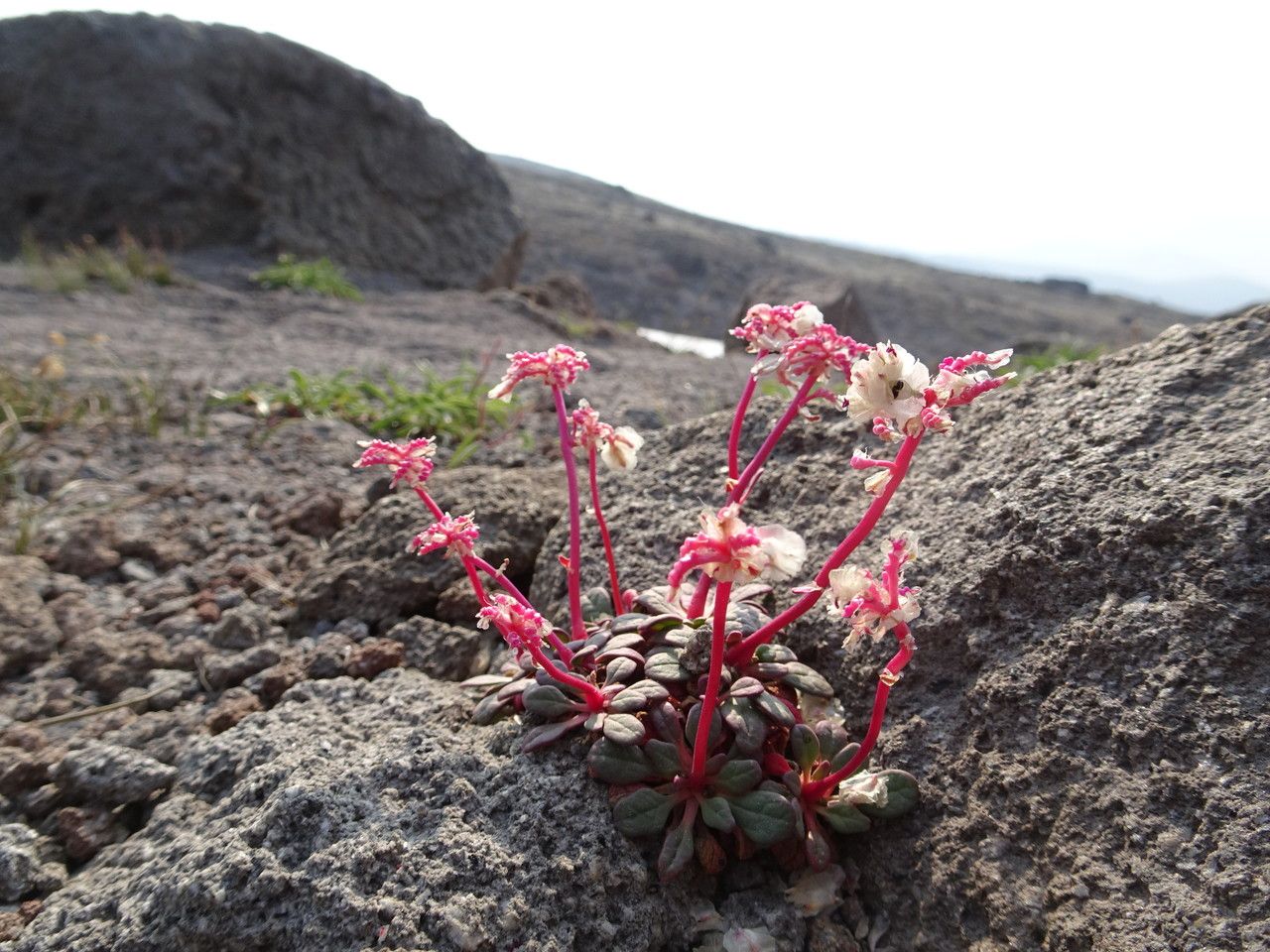
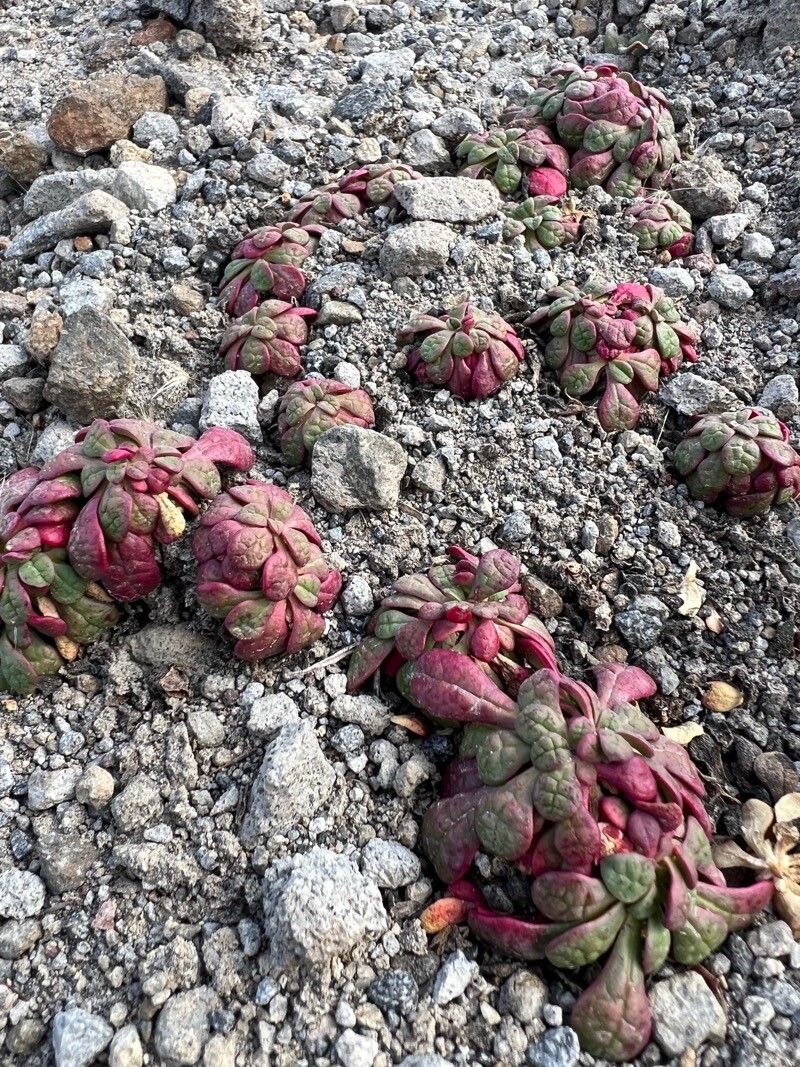
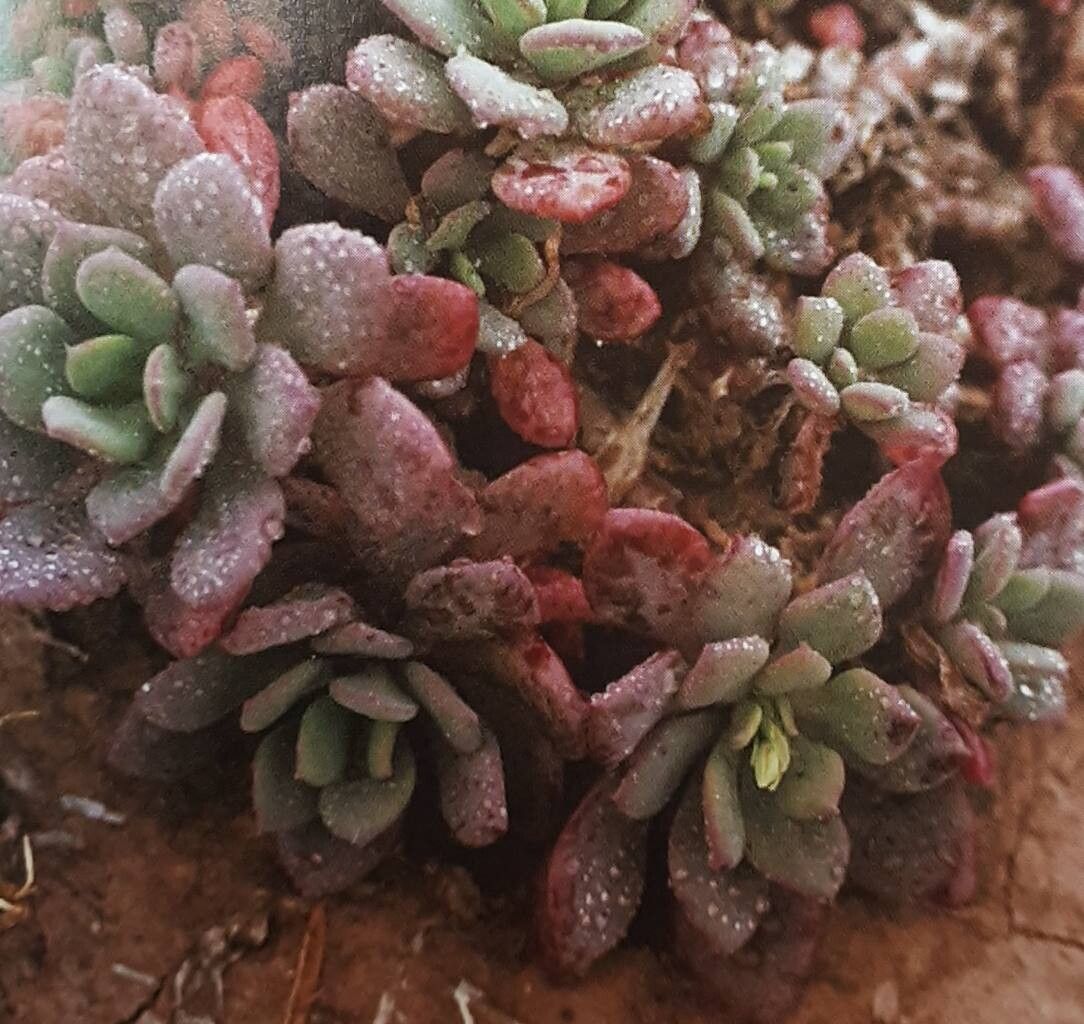
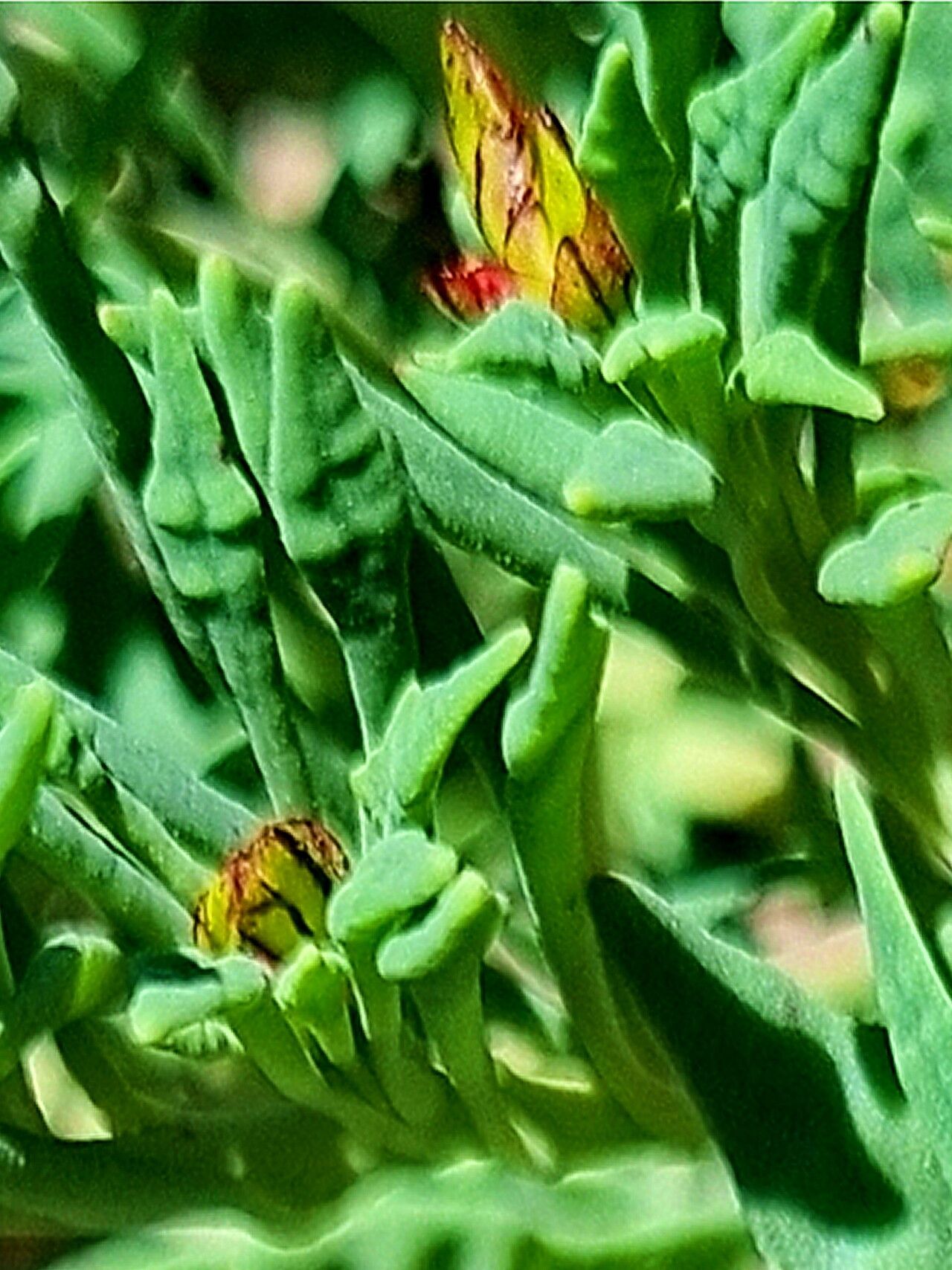
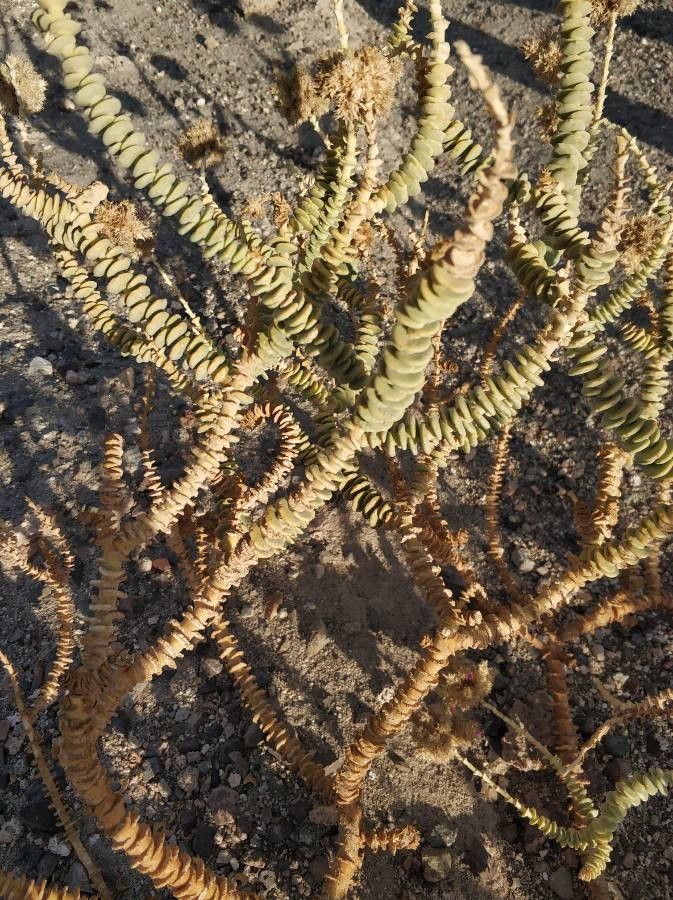
Calyptridium umbellatum, synonym Cistanthe umbellata, is a species of flowering plant in the montia family known by the common name Mount Hood pussypaws or — especially outside the Pacific Northwest — simply pussy-paws.
Mt. hood pussypaws is fairly resistant to disease and is generally not easily affected by it. However, it can be vulnerable to pests and diseases present in its surroundings. Such infections are typically not severe. This plant requires moderate maintenance. It should be pruned regularly to maintain an attractive appearance and healthy growth. Fertilizing can also help encourage flowering. Mt. hood pussypaws is suitable for anyone with an outdoor area, such as a garden or patio, and does not demand a great deal of care experience. It may need more attention when grown indoors.
How to keep Cistanthe Umbellata.
Light
The Mt. Hood pussypaws plant flourishes in circumstances where there is ample sunlight throughout all its developmental phases. It originates from regions where abundant sun exposure significantly contributes to its rigorous growth. Conversely, excess light can cause burning, while inadequate light can lead to arrested development.
Water
Mt. Hood pussypaws excels in dry, rocky areas due to its outstanding drought tolerance. To mimic its natural environment, it should be watered once a week. Its ability to conserve water makes it an ideal choice for xeriscaping or rock gardens, where efficient water use is essential.
Temperature
The Mt. Hood Pussypaws plant predominantly originates from regions where the temperature oscillates between 68 and 95 °F (20 to 35 ℃). It prospers most effectively under this climate. If the atmosphere deviates from this temperature bandwidth, adjusting for the season would be required.
Fertilizer
The primary fertilizing period for Mt. hood pussypaws is at the start of spring when blossoms are developing. Appropriate fertilization enhances flower quality and aids Mt. hood pussypaws in generating attractive blooms. By fertilizing at the outset of spring, one can guarantee exceptional flowers for the season while also providing energy for periods of inactive growth.
Pruning
Mt. Hood pussypaws is characterized by its clusters of pink flowers and succulent leaves. To keep the plant healthy and promote new growth, it is best to prune it from late winter to early spring. During pruning, remove any dead stems. This not only enhances the plant’s shape and improves air circulation but also helps prevent infections. Be sure to use clean, sharp tools for the job.
Botanical profile.
- Plant Type
- Herb
- Life Cycle
- Perennial, Annual
- Genus
- Cistanthe
- Family
- Portulacaceae
- Hardiness Zone
- 3-10
- Mature Height
- 5 cm to 8 cm
- Mature Spread
- 15 cm to 30 cm
- Leaf Color
- Green
- Leaf Type
- Evergreen
- Flower Color
- Pink
- Flower Size
- 2.54 cm
- Bloom Time
- Mid spring, Late spring
- Planting Time
- Spring, Summer
- Harvest Time
- Early summer, Mid summer
Other names.
Reader questions.
What are the sunlight requirements for Mt. hood pussypaws?
Mt. hood pussypaws (Cistanthe umbellata) thrives in environments that provide full sun, which translates to more than 6 hours of sunlight daily. It's vital to observe how sunlight sweeps through your garden to find the perfect balance of light and shade that ensures the plants' growth and health. In their natural habitats, abundant sunlight plays a crucial role in their growth. However, it's important to note that too much light might cause scorching, while insufficient light can lead to stunted growth.
What is the ideal temperature range for Mt. hood pussypaws?
Mt. hood pussypaws, also known as Cistanthe umbellata, flourishes in environments where the temperature is between 68 to 95 °F (20 to 35 °C). It is within these conditions that the plant thrives best. If the ambient temperature falls outside of this range, adjustments will be needed to ensure the plant continues to grow optimally.
How should artificial lighting be used for indoor plants?
When natural sunlight is not sufficient, especially in winter or less sunny spaces, artificial lighting becomes essential for indoor plant growth. Optimal growth is fostered by selecting the right type of artificial light, with LED lights being a popular choice because they can be customized to provide specific wavelengths needed by plants. For full sun plants, 30-50W/sq ft of artificial light is recommended, partial sun plants need 20-30W/sq ft, and full shade plants require 10-20W/ sq ft. The light source should be placed 12-36 inches above the plant, mimicking natural sunlight as closely as possible. Most plants will benefit from 8-12 hours of light per day to mimic natural daylight hours effectively.
Is there a need for frost protection for Mt. hood pussypaws during winter?
Mt. hood pussypaws possesses strong cold resistance, usually negating the need for special frost protection measures during the winter months. However, in cases where temperatures are expected to plummet below -35°C, it becomes crucial to provide cold protection. This can be achieved by covering the plant with insulating materials such as soil or straw. Additionally, it's recommended to water the plant abundantly before the first freeze of autumn to keep the soil moist and in a frozen state, which helps to prevent drought and scarcity of water during winter and early spring.
What signs indicate that Mt. hood pussypaws is getting too little or too much light?
Symptoms of inadequate lighting in Mt. hood pussypaws include small new leaves, leggy or sparse growth, faster leaf drop, slower or no new growth, and leaves displaying lighter color or chlorosis. Conversely, excessive sunlight can cause symptoms such as sunscald, leaf curling, wilting, leaf scorching, and chlorosis. These symptoms help identify whether the plant is being overexposed to sunlight or suffering from light deficiency.
What should be done if Mt. hood pussypaws experiences temperatures below -35°C?
If temperatures fall below -35°C, Mt. hood pussypaws, which is known for its cold tolerance, may not demonstrate immediate adverse symptoms during the winter. However, such extreme cold can lead to a decrease in sprouting or potentially no sprouting at all come springtime. In the event of reduced or absent sprouting, it's advisable to remove any parts of the plant that have failed to sprout as part of its spring care routine.
What are the recommended solutions for light-related issues in Mt. hood pussypaws?
To address light-related issues in Mt. hood pussypaws, for indoor conditions, gradually acclimate the plant to receive at least 6 hours of direct sunlight daily by moving it closer to a south-facing window each week. If moving the plant is not feasible due to its size, consider supplementing with artificial light for at least 8 hours each day. Outdoors, move plants to better sunlight spots gradually to avoid shock, and ensure they adapt by adjusting them to increased sunlight exposure each week. When it comes to physical obstructions blocking sunlight, pruning or relocating plants may be necessary. For smaller plants, transplanting during the dormant season to a location with ample sunlight and good drainage is advisable.
How does high temperature affect Mt. hood pussypaws and what are the solutions?
During the summer months, it's essential to ensure that Mt. hood pussypaws is kept in temperatures below 35°C. Exposure to temperatures exceeding 41°C can result in the plant's leaves becoming lighter, prone to curling, susceptible to sunburn, and in severe cases, the entire plant may wilt and become dry. To mitigate these effects, trim away any sunburned and dried-up parts of the plant. Relocating the plant to a shaded area or using a shade cloth to protect it from the midday and afternoon sun can be beneficial. It is also advisable to water the plant in the morning and evening to maintain soil moisture.