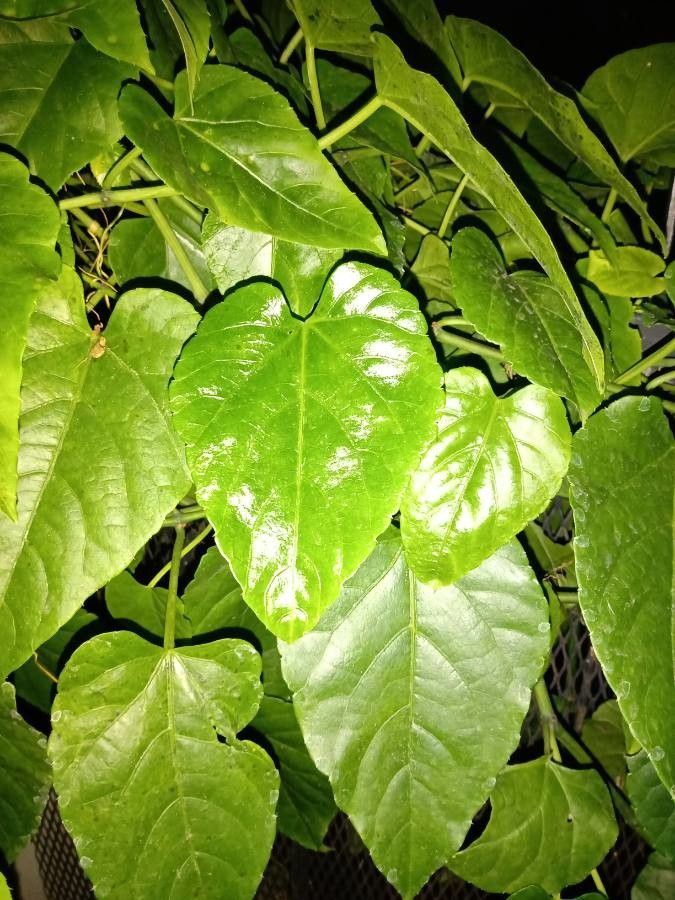
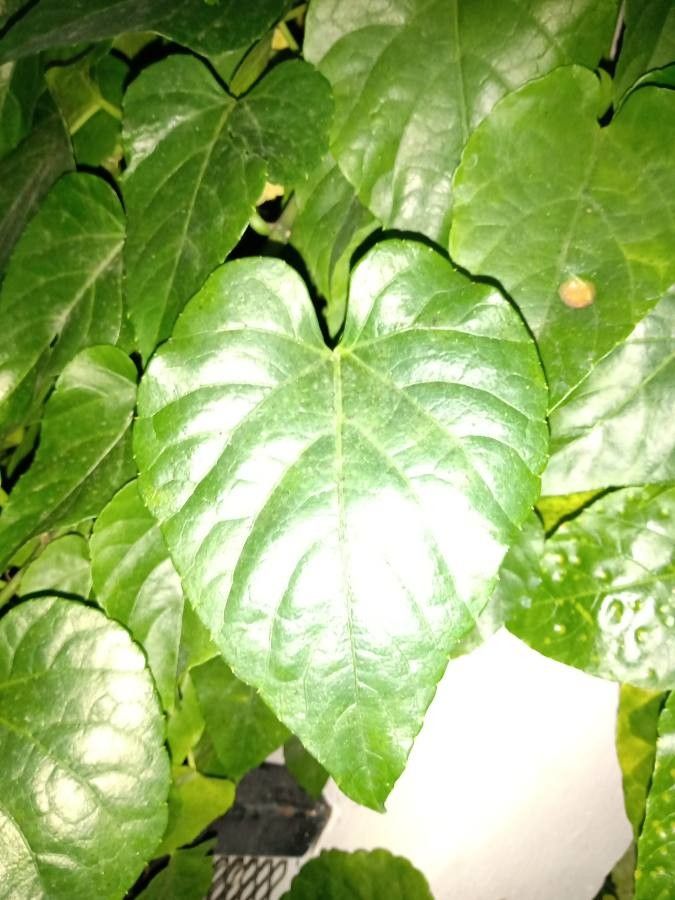
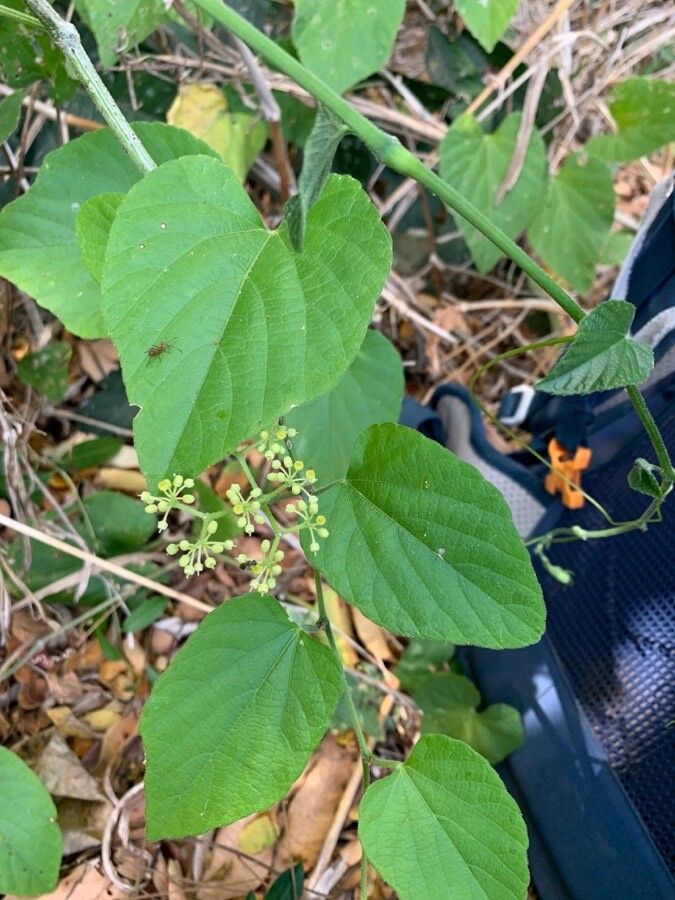
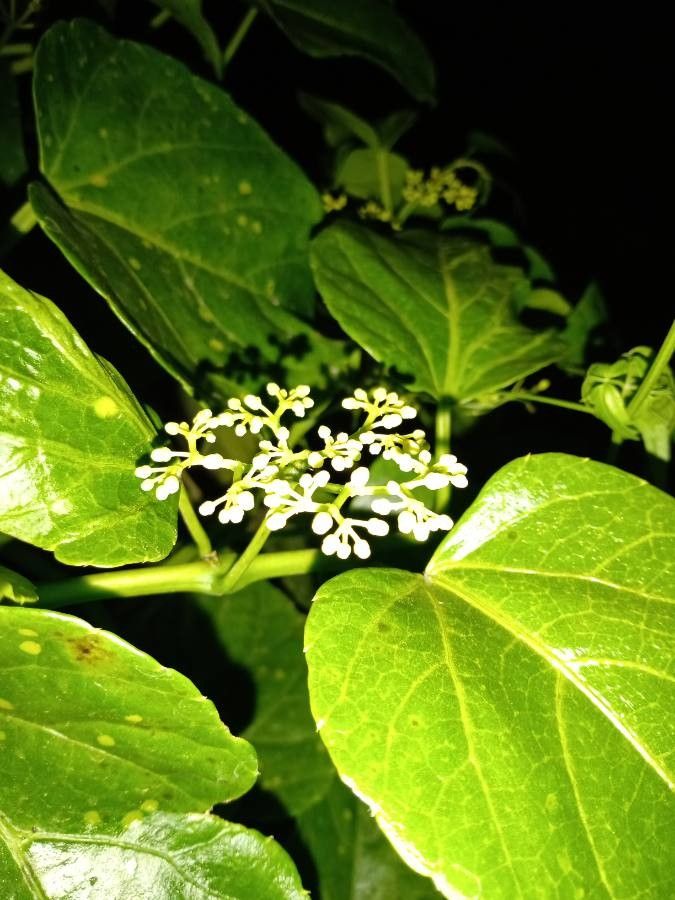
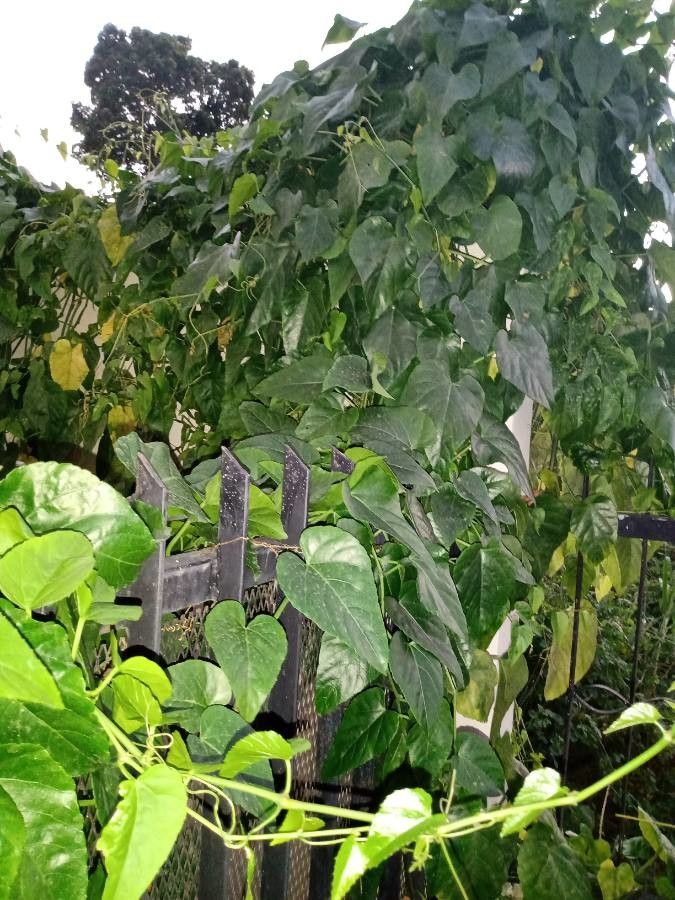
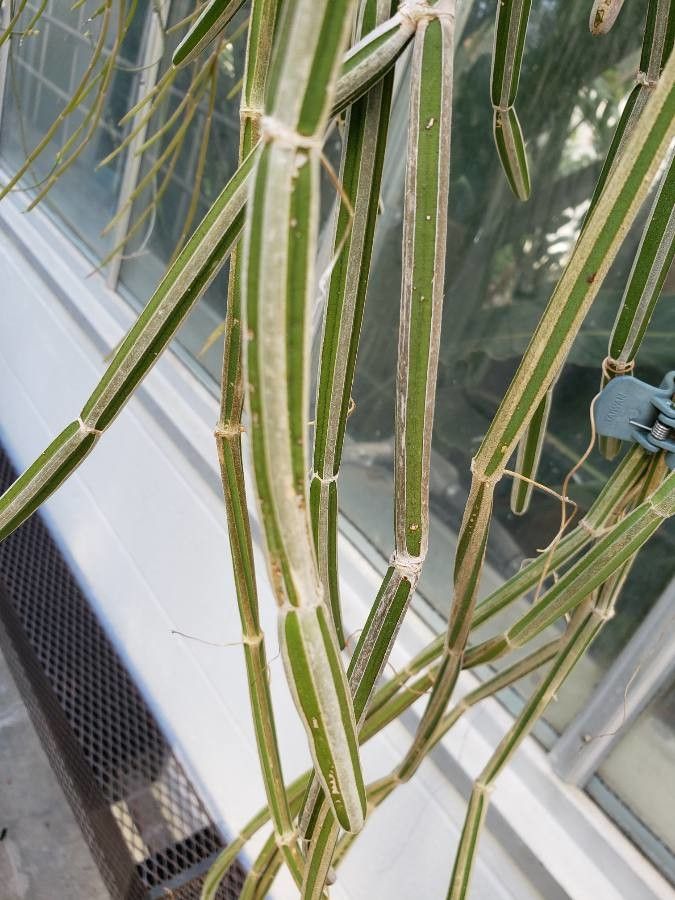
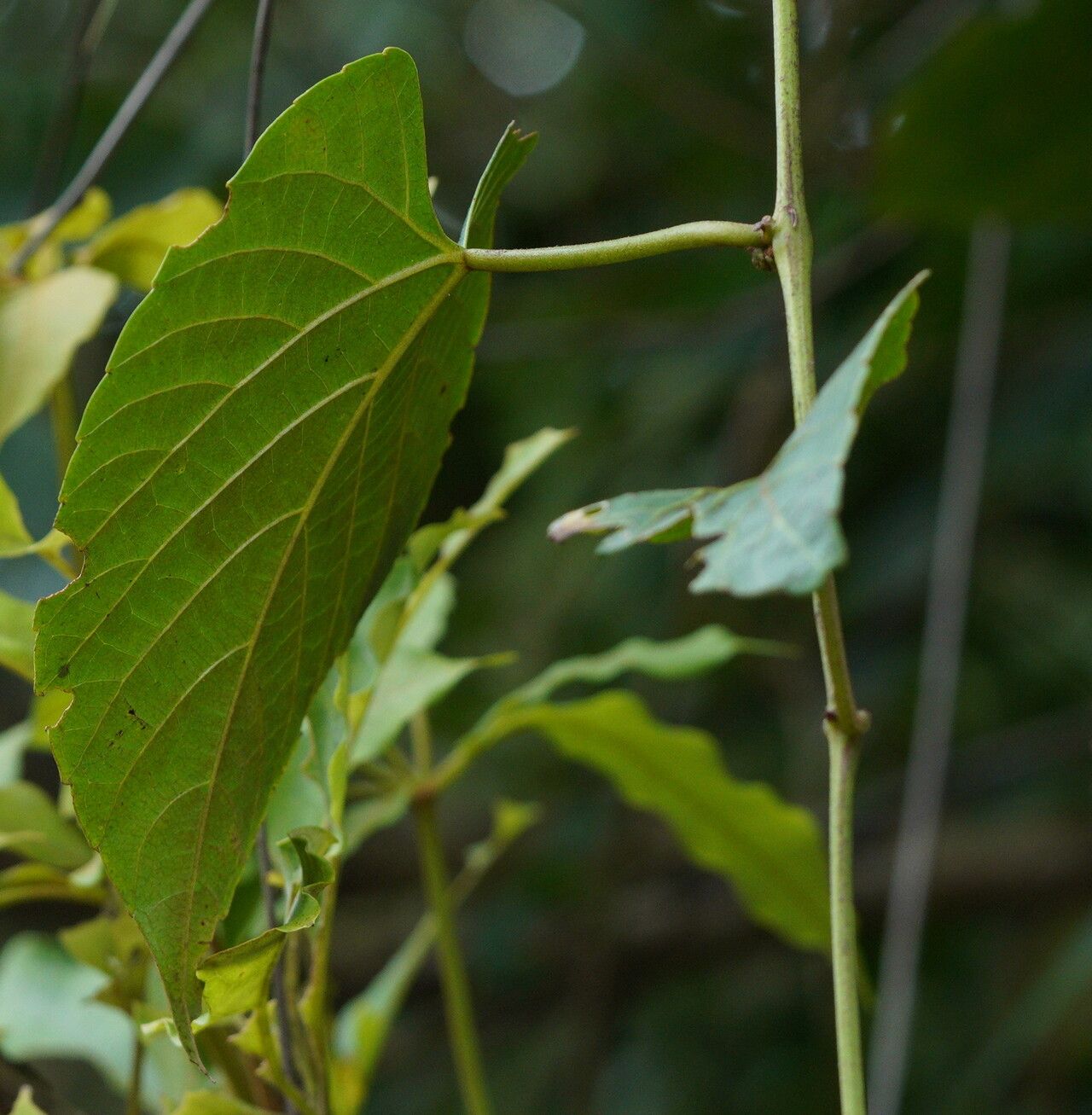
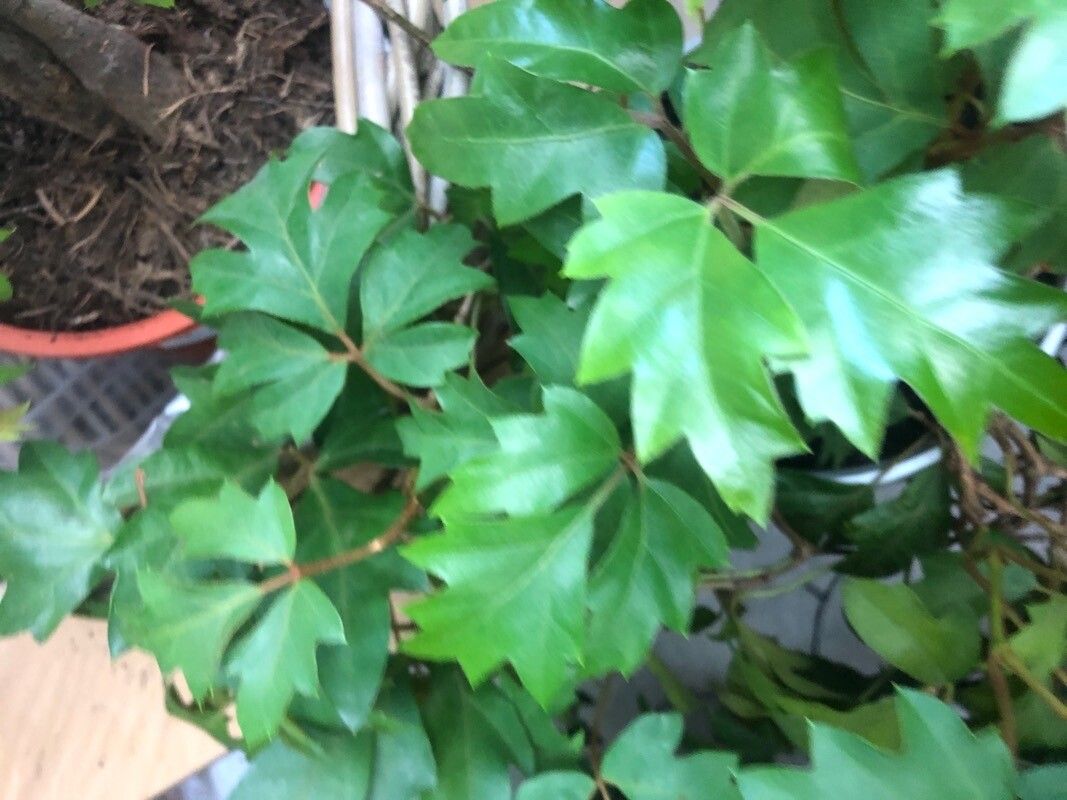
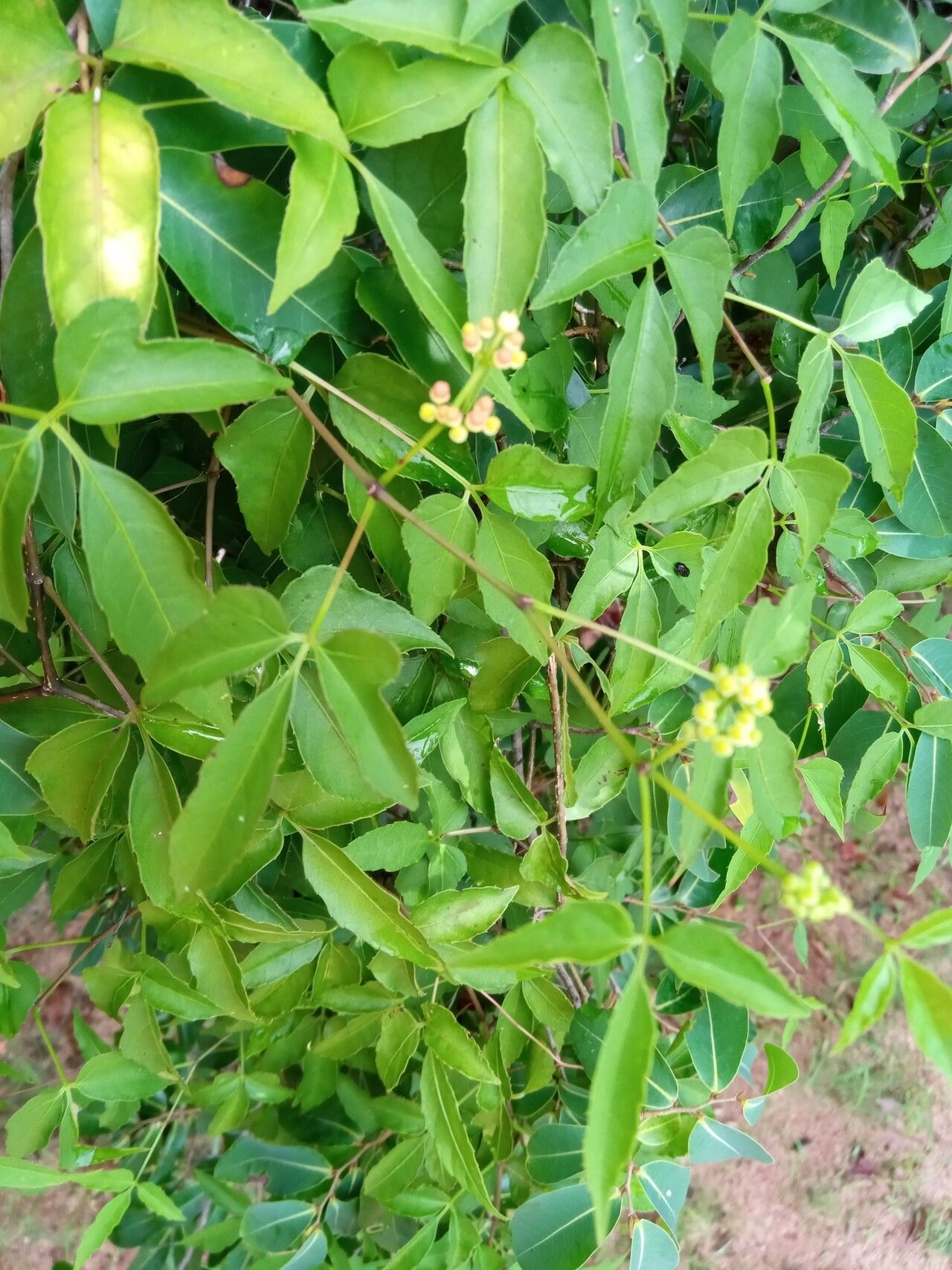
Cissus verticillata, commonly known as the Princess Vine or Whorled Stemmed Grape, is a flowering plant in the grape family Vitaceae. Native to tropical regions of Central and South America, this plant is widely cultivated for its attractive foliage.
The plant features long, slender stems that can reach up to 10 feet and produce small clusters of greenish-white flowers that bloom during the summer. Its dark green, glossy leaves are arranged in whorls around the stem, adding to its ornamental appeal.
Cissus verticillata thrives in bright, indirect light but can tolerate some shade, making it an excellent choice for indoor settings with limited natural light. It requires moderate watering, with the soil allowed to dry out slightly between waterings to prevent root rot. With proper care, Cissus verticillata can thrive for many years, serving as a beautiful addition to any indoor space or garden.
Possum grape is resistant to disease and, overall, is not likely to suffer from illnesses. Regarding care, this plant is fairly low-maintenance. When grown outdoors it needs little watering, and larger plants usually do not require pruning. Smaller plants, however, should be pruned after they finish flowering. Possum grapet is appropriate for anyone with an outdoor area, like a garden or deck, and does not demand extensive care experience.
How to keep Cissus Verticillata.
Light
Possum grape prefers plentiful sunlight for healthy growth. Insufficient sunlight can impede its development, whereas excessive exposure doesn't cause major problems, as it can withstand lower light conditions. Native to regions with strong sunlight, it continues to thrive in similar conditions throughout its growth stages.
Water
Possum grape flourishes in environments with high humidity and occasional rainfall. It thrives best with consistent moisture but can tolerate moderate drought. It is recommended to water the plant every 1-2 weeks, while ensuring proper drainage. Usually grown outdoors, possum grape benefits from rainwater, which provides natural irrigation and essential nutrients.
Temperature
Possum grape is naturally suited to temperate climates and does well in temperatures of 68 to 100 °F (20 to 38 °C). To maintain healthy growth through seasonal shifts, adjust the temperature as needed, particularly during winter months.
Fertilizer
The best time to fertilize a Possum grape is in early spring, when it comes out of dormancy. This supports overall growth and flower development. Fertilizing improves the foliage, stems, and branches, and encourages flowers that are larger, more vibrant, and longer-lasting. It also helps transfer nutrients from the roots to the flowers and boosts the plant's health and disease resistance.
Pruning
To maintain the health and size of possum grape, prune it in early spring. Start by removing any dead or diseased wood to promote healthy growth. This not only stimulates new growth but also improves airflow and light penetration, which helps decrease fungal problems. Proper pruning helps preserve the plant's natural shape, ensuring it stays lush throughout the growing season.
Botanical profile.
- Plant Type
- Vine, Shrub
- Life Cycle
- Perennial
- Genus
- Cissus
- Family
- Vitaceae
- Hardiness Zone
- 10-11
- Mature Height
- 6.1 m to 10.06 m
- Mature Spread
- 2.13 m to 4.88 m
- Leaf Color
- Forest Green, Dark Green
- Leaf Type
- Evergreen
- Flower Color
- Green, Yellow, Red
- Flower Size
- 2.54 cm
- Bloom Time
- Late spring, Early summer, Mid summer
- Planting Time
- Spring, Autumn
- Harvest Time
- Mid summer, Late summer, Fall
- Native Area
- Chile, Belize, Honduras, Mexico, Guatemala, Peru, Dominican Republic, Trinidad and Tobago, Panama, Jamaica, Colombia, Cuba, Paraguay, Argentina, Haiti, Bolivia, Venezuela, Brazil, Guyana, El Salvador, Nicaragua, Ecuador, Suriname, Costa Rica
Other names.
Reader questions.
How should I water my Possum grape plant in the best way?
To ensure excellent root development for your plants, consider using a garden hose at the base of each plant. It's best to avoid directly spraying the leaves, as this can lead to more watering needs, especially if the plants are exposed to direct sunlight outdoors. To moisten the roots efficiently, you can use bubblers for individual plants or soaker hoses that cover the entire garden or bed when adding or removing plants. Remember to drain any excess water and allow the soil to dry before watering again. Watering at ground level can help prevent diseases. If it's a sunny day, you may want to spray the entire bush with water. Whether your plants are potted or in the ground, keep in mind that Possum grapes prefer deep watering rather than just light sprinkling.
Why should I put fertilizer on my Possum grape?
Possum grapes need regular fertilization mainly because they have showy leaves that require a significant amount of energy to produce and keep healthy. The challenge lies in the fact that in addition to supporting the leaves, the Possum grape also needs enough energy to develop its stems, branches, roots, and other essential structures. If you neglect fertilization, two likely outcomes may occur. Firstly, the leaves of your Possum grape will gradually lose their natural color and texture, resulting in an overall unhealthy appearance that greatly diminishes its aesthetic appeal. Secondly, the growth of your Possum grape will slow down or produce weak growth that is susceptible to breakage.
What are the sunlight requirements for Possum Grape?
Possum Grape, or Cissus verticillata, thrives in conditions with abundant sunlight, favoring healthy growth in full sun, which is above 6 hours of direct sunlight daily. It can also adapt to partial sun, about 3-6 hours of sunlight a day. These plants originate from areas with strong sunlight and continue to thrive in similar conditions as they grow. Despite this preference for abundant light, Possum Grape can endure lower light conditions without major issues, highlighting its adaptability and resilience to varying light environments.
What climates are best for Possum grape?
Possum grape (Cissus verticillata) thrives in temperate climates, preferring temperatures between 68 to 100 °F (20 to 38 °C). It is extremely fond of heat and can be harmed by cold temperatures. During winter, it is important to keep the plant indoors in a warm environment, ensuring that it is placed near a bright window but at a safe distance from heaters to avoid any damage from cold temperatures. Maintaining an indoor temperature above 20°C is beneficial for the plant's growth, while temperatures nearing 5°C can be detrimental.
What should I do if I give too much or too little water to the Possum grape?
If you overwater a Possum grape, it may develop yellow leaves that eventually drop off. The plant may also look unhealthy with mushy stems. Adjust your watering schedule when you notice these signs. On the other hand, if the plant is underwatered, the leaves may become crispy and dry. Check the soil regularly and give the plant a thorough watering when it is dry. However, be aware that even with enough water, the damaged root system may still cause the plant to have dry and yellow leaves for a few days. Once the plant returns to normal, the yellowing will stop. When growing a Possum grape indoors, always check the moisture levels and avoid overwatering. Look out for black spots, and if present, allow the soil to dry out for a few days. Overwatering can lead to root rot, so transfer the plant to a different pot if you notice discolored and slimy roots. Also, be careful not to let the soil become too soggy. When planting a Possum grape outdoors, ensure the soil is adequately moist. If the soil feels too dry, it may indicate underwatering, so make sure to water the plant appropriately.
When should I fertilize my Possum grape?
Possum grape plants do not require a set feeding schedule upon planting, as occasional feedings are beneficial. To fertilize your Possum grape, you can simply apply fertilizer when watering the plant. Adequate watering is also important during the growing season. Feeding the plant once every two to three weeks, consistently throughout its period of new growth, is recommended.
How can artificial lighting support Possum Grape indoors?
When natural sunlight is insufficient for Possum Grape, especially during winter or in less sunny indoor spaces, artificial lighting becomes a crucial support. LED lights, customizable to provide specific wavelengths needed by plants, are a popular choice. The general guideline for artificial lighting is 30-50W/sq ft for full sun plants, 20-30W/sq ft for partial sun plants, and 10-20W/sq ft for full shade plants. Position the light source 12-36 inches above the plant to mimic natural sunlight efficiently, and ensure the plants receive 8-12 hours of light daily to promote faster, healthier growth.
How do you care for Possum grape in low temperatures?
Possum grape prefers warm environments and struggles in low temperatures, thriving best when the temperature remains above 20°C and always kept above 5°C during winter. If the temperature falls below 1°C, the leaves may lighten in color, with frost damage turning them brown or black, leading to wilting and drooping. To care for Possum grape in low temperatures, trim off the frost-damaged parts and move the plant indoors to a warm spot near a south-facing window for sunlight. Ensure the plant is not placed near heaters or air conditioning vents to avoid air dryness.
How often do I need to water my Possum grape?
The Possum grape prefers deep, infrequent watering. When planting them in pots, it's important to soak them in a gallon of water each time, as pots have limited water storage and the soil dries out faster. In cold regions, water every 3 to 5 days, preferably in the morning when the soil is dry. To determine if watering is necessary, check the top 2-3 inches of soil; if it's dry, give the plant a full watering. During hot days, check the moisture levels daily as the heat can quickly dry out the soil in the pot. If you have a garden, irrigation of the soil is necessary. In hot climates, water once a week, but only if about 2 to 3 inches of soil become too dry. Take rainfall into account and avoid overwatering to prevent root rot. Mulch about 3 to 4 inches deep when the Possum grape is outdoors to conserve more water. Sandy soil requires more frequent watering, while clay soil needs less watering to avoid root rot. Keep track of watering dates and monitor the plant's leaves for drooping, as it could indicate a need for water.
When is the best time to not fertilize my Possum grape?
For most of the year, you can fertilize your Possum grape regularly. This should be done during the active growing season, which includes spring, summer, and early fall. However, it is important to note that during the winter, fertilizer should not be applied to the plant. This is because the Possum grape enters a dormant growth phase during this time, meaning it does not experience much or any new growth. Due to the lack of active growth, the plant requires less energy and therefore does not need to be fertilized.
What are the symptoms of light deficiency in Possum Grape?
Possum Grape exhibits several easily noticeable symptoms when subjected to insufficient lighting. These include the development of smaller new leaves compared to mature ones, leggy or sparse growth characterized by stretched appearances due to elongated spaces between leaves or stems, premature leaf drop as the plant conserves resources, and slowed or halted new growth. Additionally, lighter colored new leaves, chlorosis (yellowing of leaves due to chlorophyll breakdown), sunscald, leaf curling as a defense mechanism against excessive sunlight, wilting due to increased water loss, and leaf scorching marked by brown, dry edges on leaves are also common symptoms of light stress.
How should you handle high temperatures for Possum grape?
During the summer months, it is crucial to keep Possum grape below 38°C. Exposing the plant to temperatures above 43°C can lighten the color of the leaves and increase susceptibility to sunburn. In case of high temperature exposure, trim away sunburned or dried parts of the plant. Relocate the plant to a shaded area during midday and afternoon sunlight. Watering the plant in the mornings and evenings will help keep the soil moist, providing relief from the high temperatures.