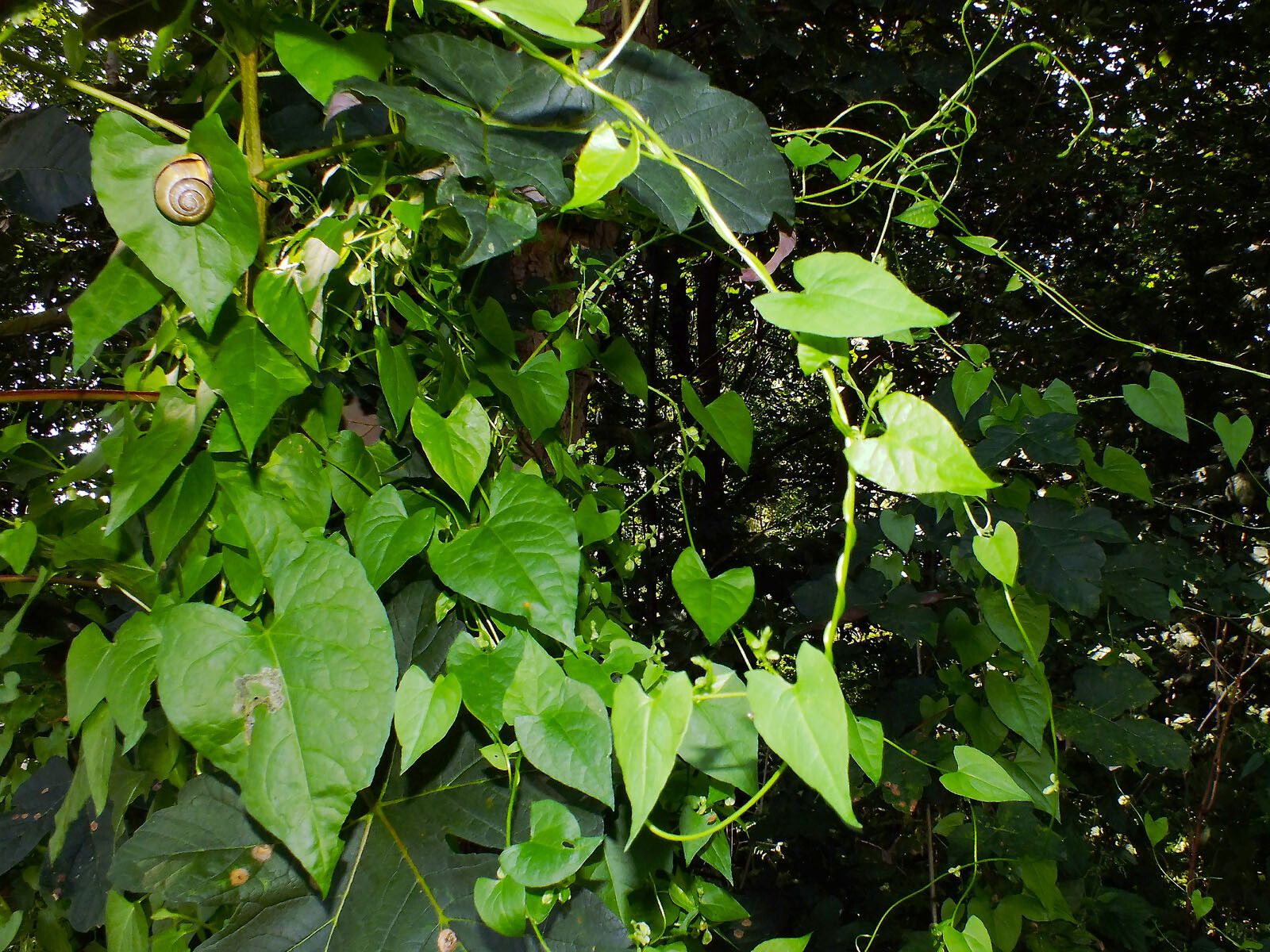
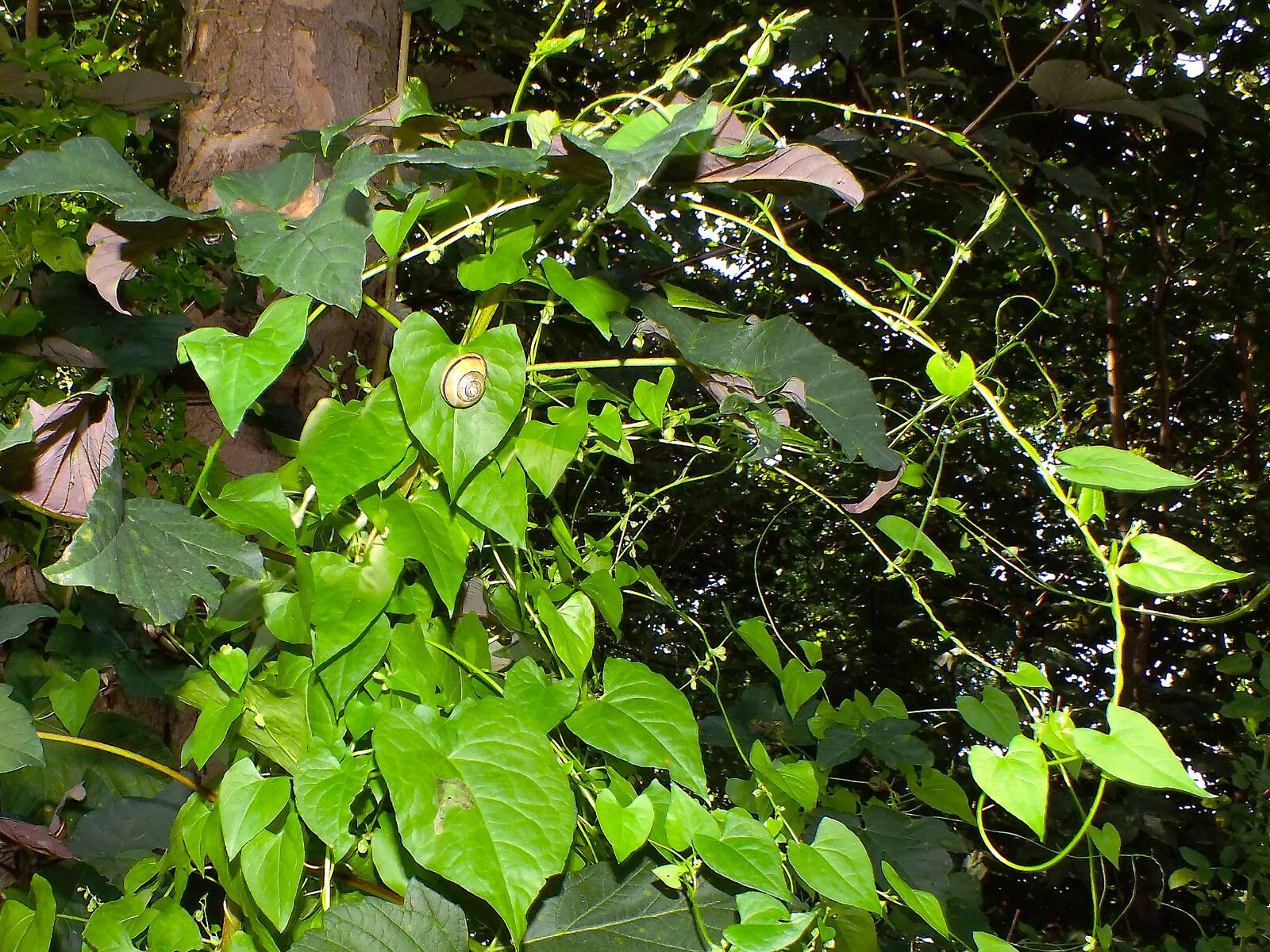
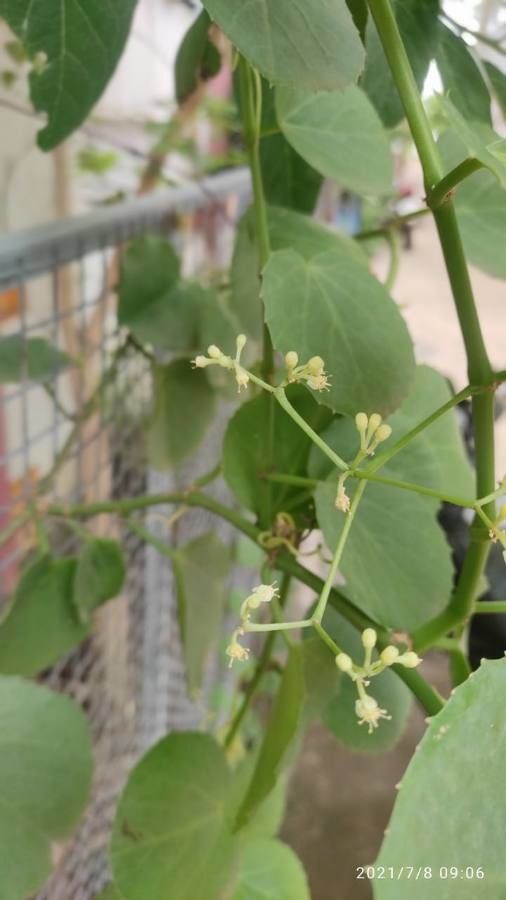
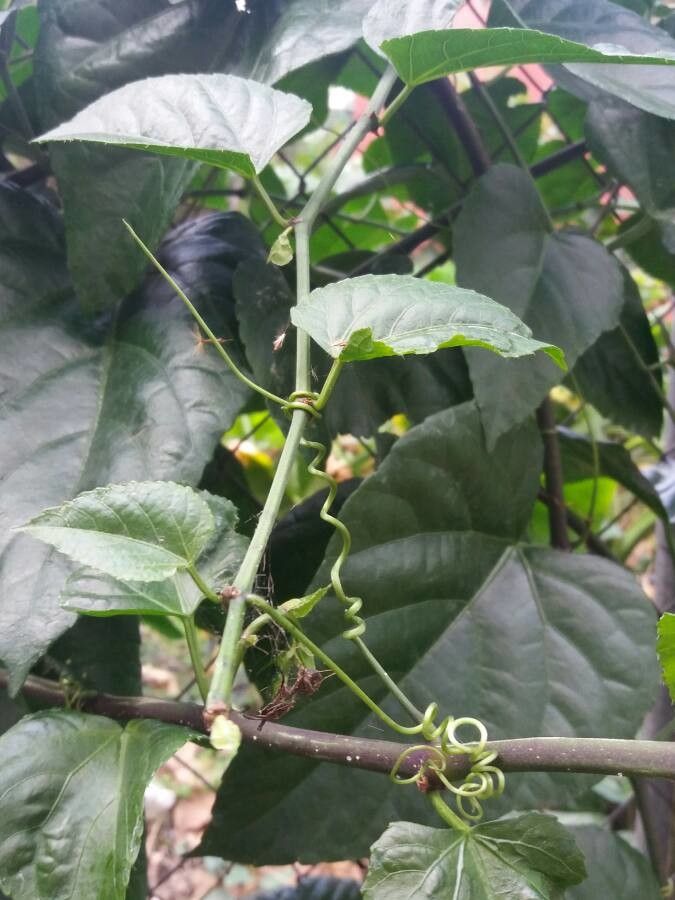
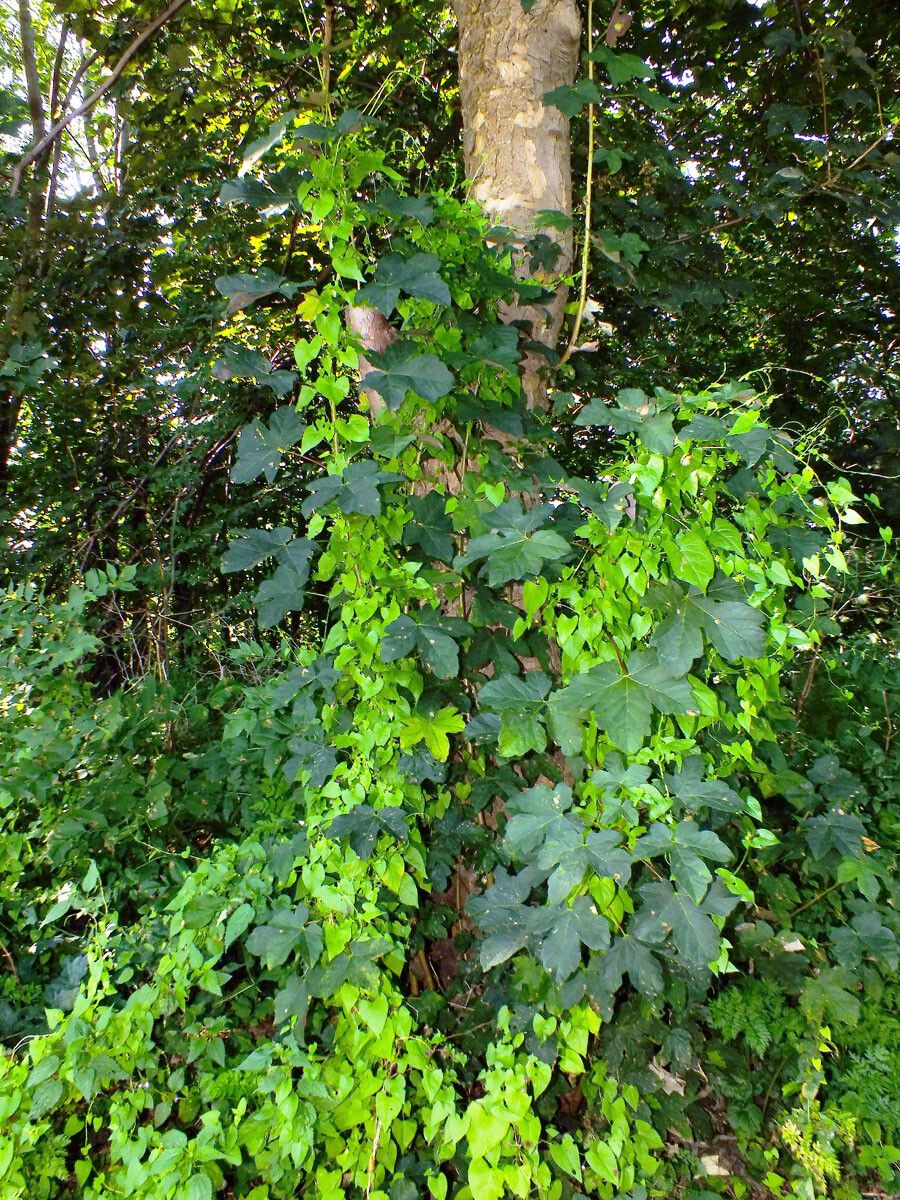
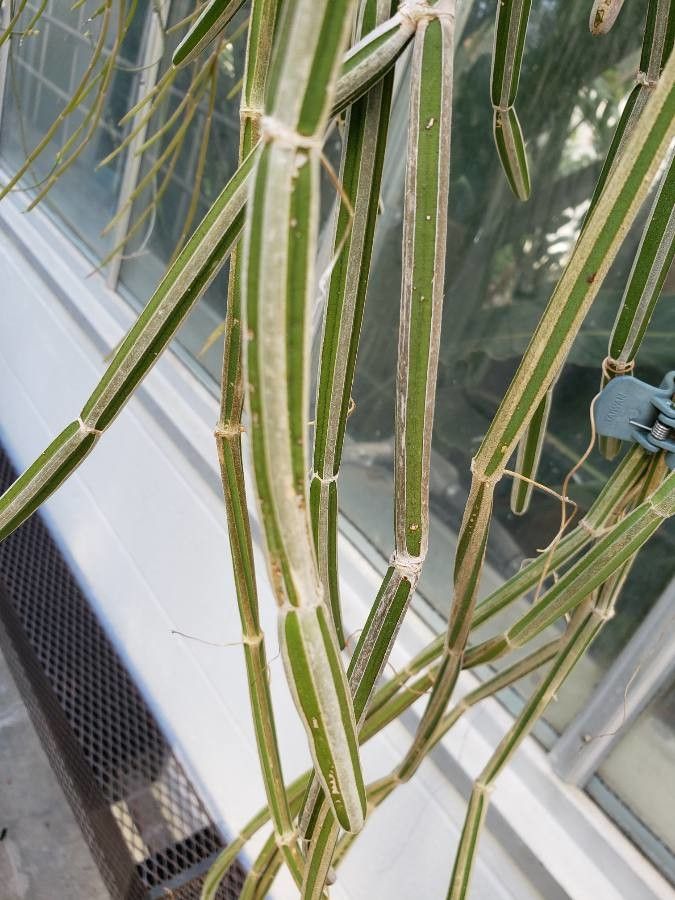
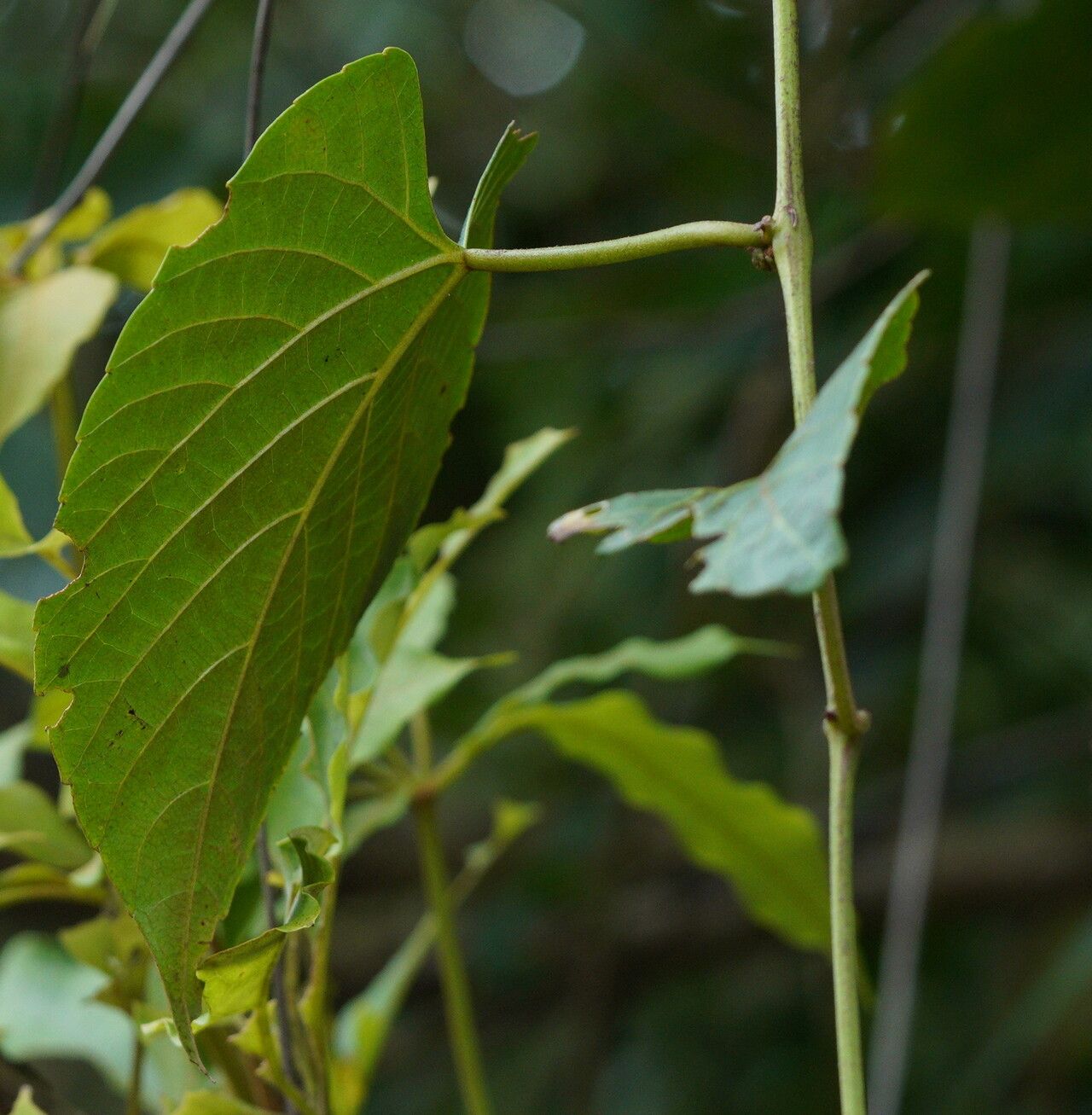
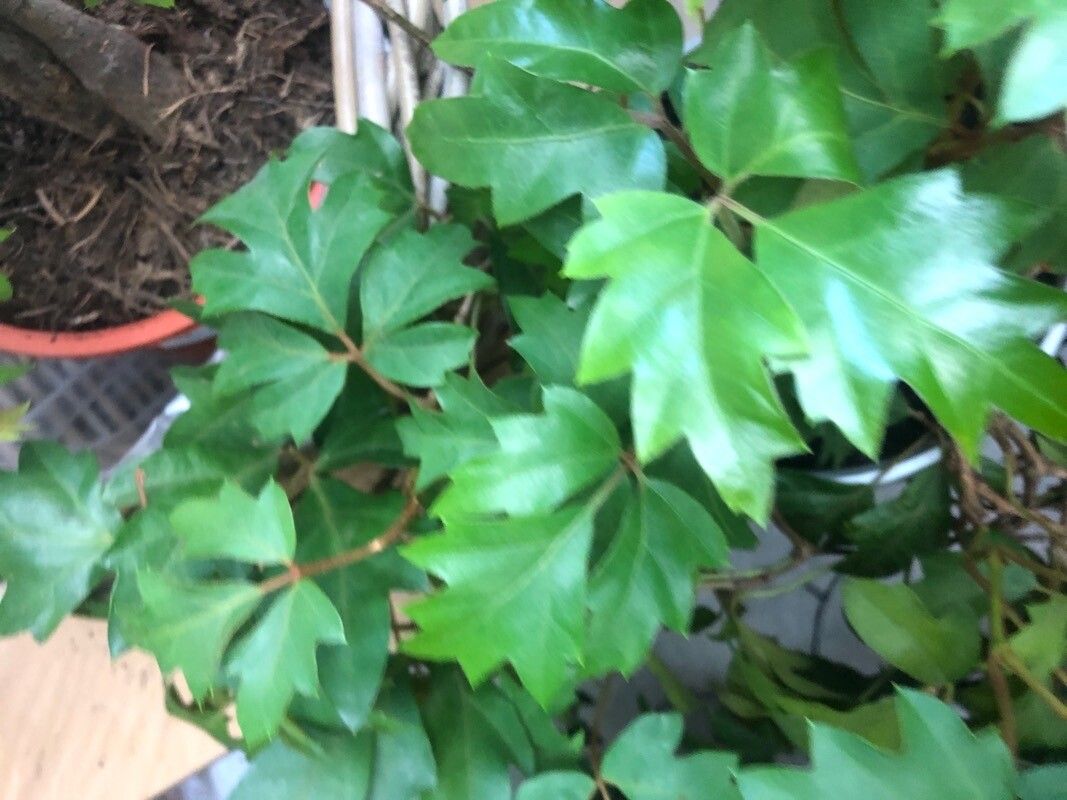
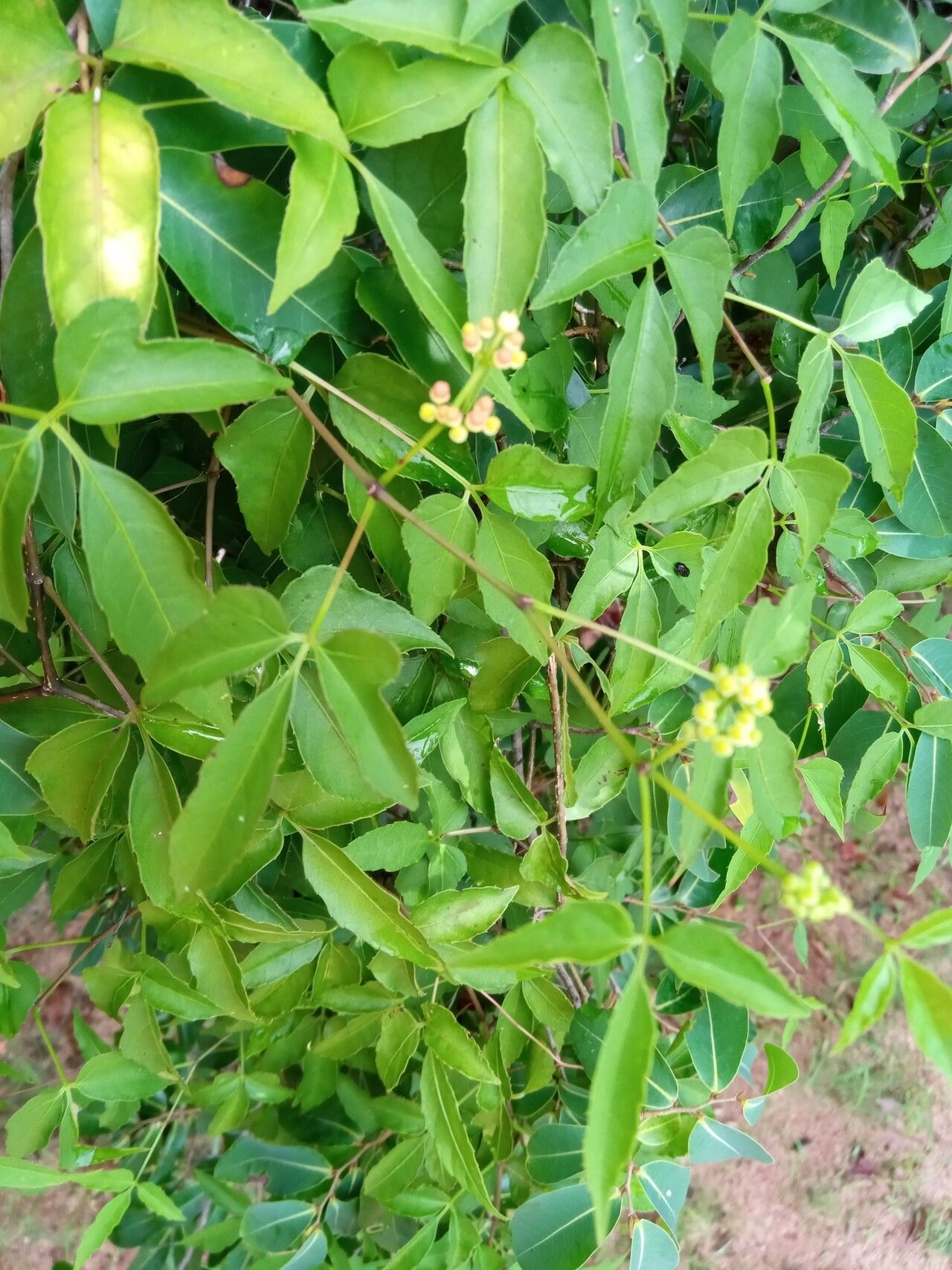
Cissus repens is a species of tropical rainforest vine in the grape family. It is found in various parts of Asia including Malaysia. This vine is recorded as far south as Cape York Peninsula and the wet tropics region of north eastern Queensland, Australia. It has heart shaped leaves, near them on the stem is the tendril. The specific epithet repens is from the Latin, meaning “creeping”.
Creeping Treebine resists disease well and is usually not susceptible to illnesses. Regarding maintenance, this plant is fairly low-maintenance. Planted outdoors, it needs little watering, and larger specimens typically do not require pruning. Smaller specimens, however, should be trimmed once they have finished blooming. Creeping Treebinet is appropriate for anyone who has an outdoor area, such as a garden or deck, and it does not demand extensive gardening experience.
How to keep Cissus Repens.
Light
Creeping Treebine is native to the understory of tropical forests, does well in full shade with occasional dappled sunlight, and can adapt to environments with little direct sunlight.
Water
Creeping Treebine thrives in high humidity and consistently moist conditions. To prevent over-saturation, water it every three weeks. Although it is primarily grown indoors, the plant benefits from occasional misting to mimic its tropical habitat, which enhances its growth and vibrancy.
Temperature
Creeping Treebine comes from tropical areas where the climate is generally warm and humid. Consequently, it is well suited to high temperatures and moisture. It does not tolerate abrupt temperature changes and prefers a stable thermal environment, so avoiding temperature fluctuations indoors is important. It typically cannot withstand cold and requires higher temperatures to grow. If the surrounding temperature falls too low, the plant may stop growing or even die.
Fertilizer
The best time to fertilize a Creeping Treebine is in early spring when it breaks dormancy. This supports overall growth and flower development. Fertilization improves leaves, stems, and branches, while encouraging large, colorful, and long-lasting blooms. It helps transport nutrients from the roots to the flowers and boosts the plant’s health and resistance to disease.
Pruning
To ensure the Creeping Treebine thrives, it's best to prune it in early spring. This timing encourages new growth and helps keep the plant's size in check. Important pruning techniques include removing dead stems, thinning out overcrowded areas, and controlling its spread. These practices improve airflow, lower the risk of disease, and promote a healthy, attractive plant.
Botanical profile.
- Plant Type
- Vine
- Life Cycle
- Perennial
- Genus
- Cissus
- Family
- Vitaceae
- Hardiness Zone
- 10-12
- Mature Height
- 3.05 m to 4.88 m
- Mature Spread
- 2.13 m to 3.05 m
- Leaf Color
- Dark Green, Forest Green
- Leaf Type
- Semi-evergreen
- Flower Size
- 0.25 cm to 0.51 cm
- Bloom Time
- Summer, Early fall, Mid fall
- Planting Time
- Spring, Summer, Autumn
- Harvest Time
- Fall, Early winter, Mid winter
- Native Area
- Nepal, India, Malaysia, Indonesia, Cambodia, Vietnam, Myanmar, Philippines, Bhutan, Singapore, Bangladesh, Laos, Thailand, China
Other names.