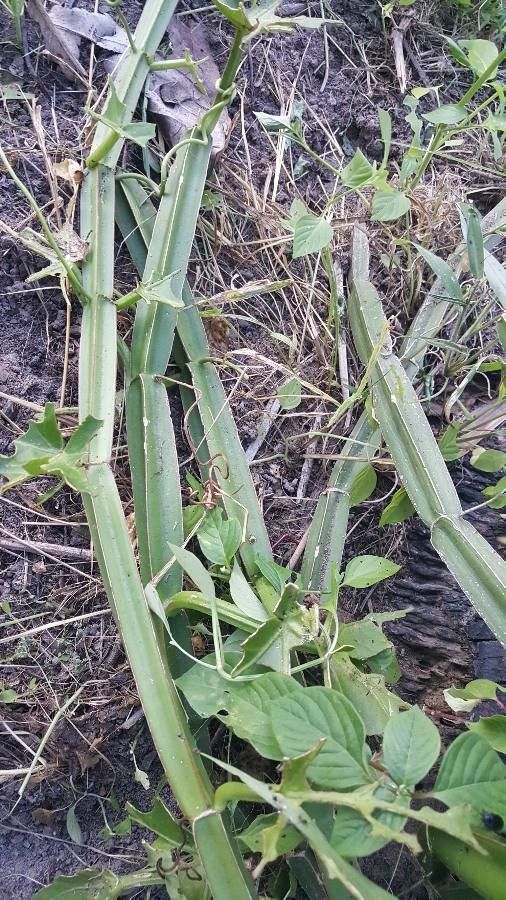
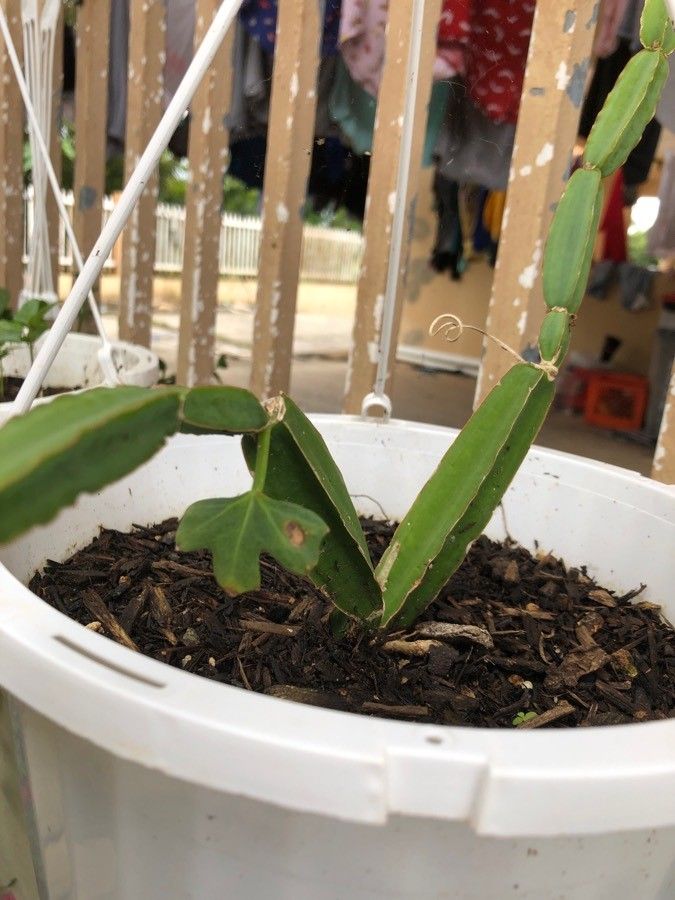
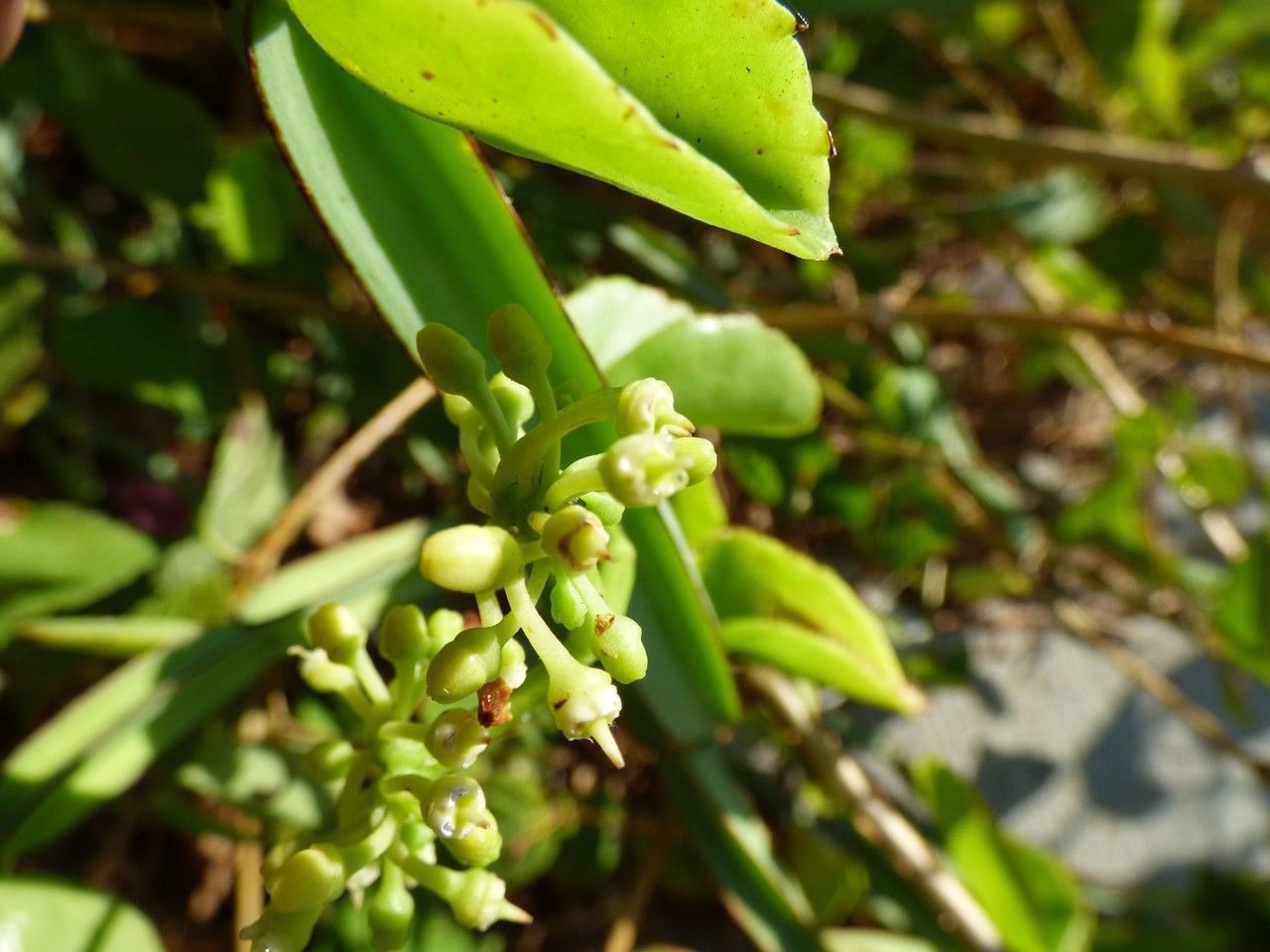
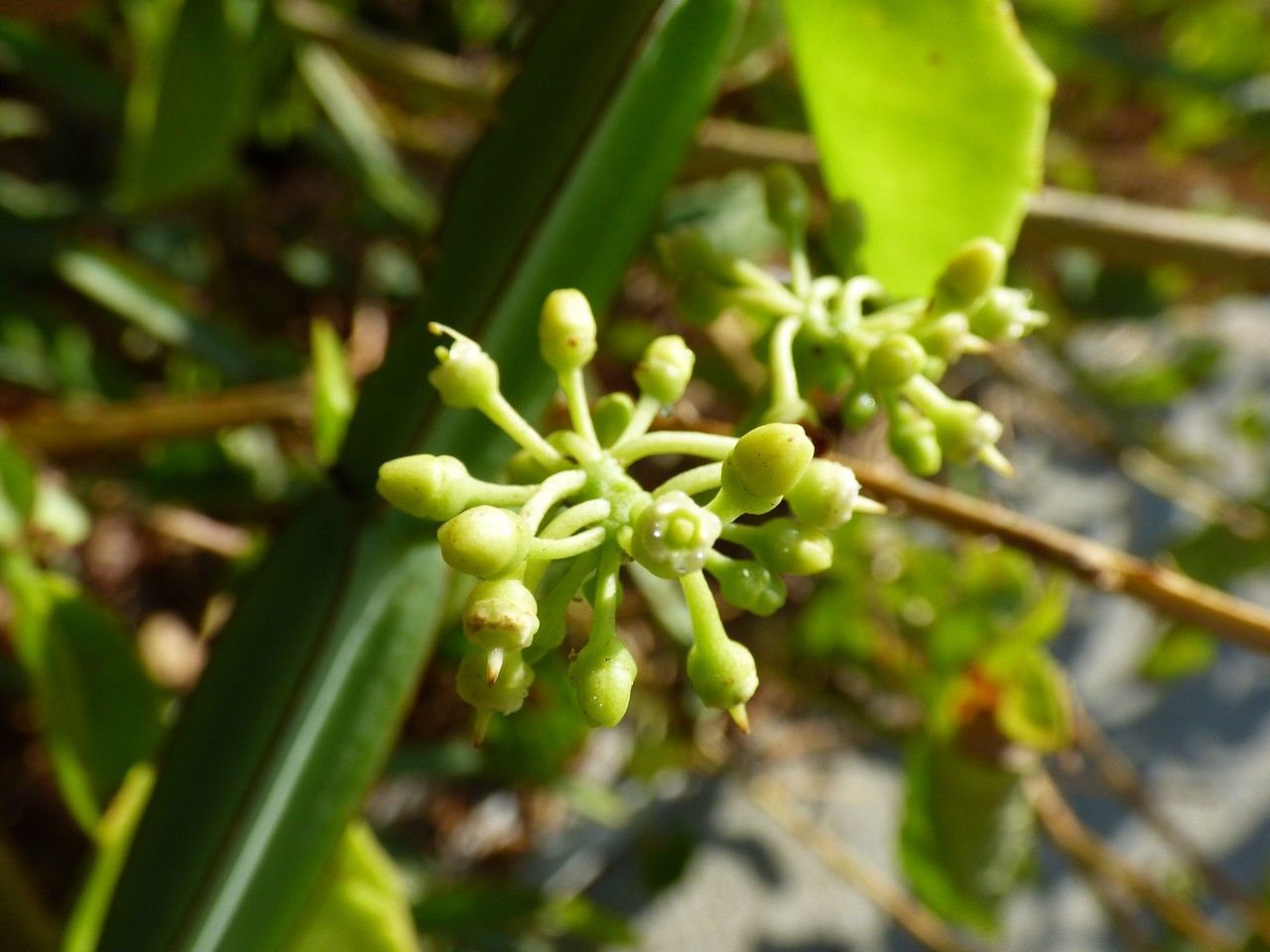
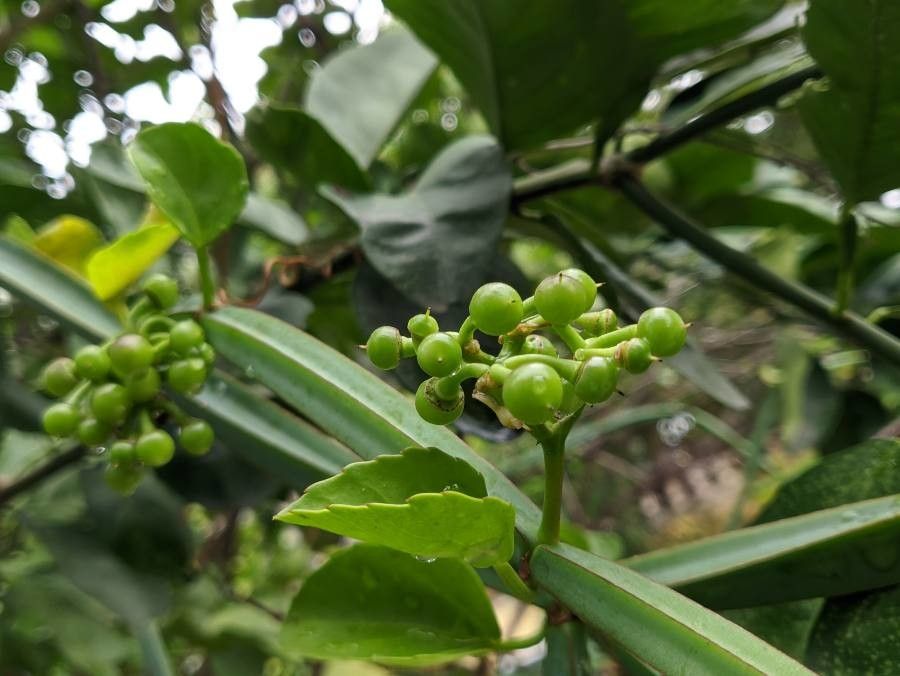
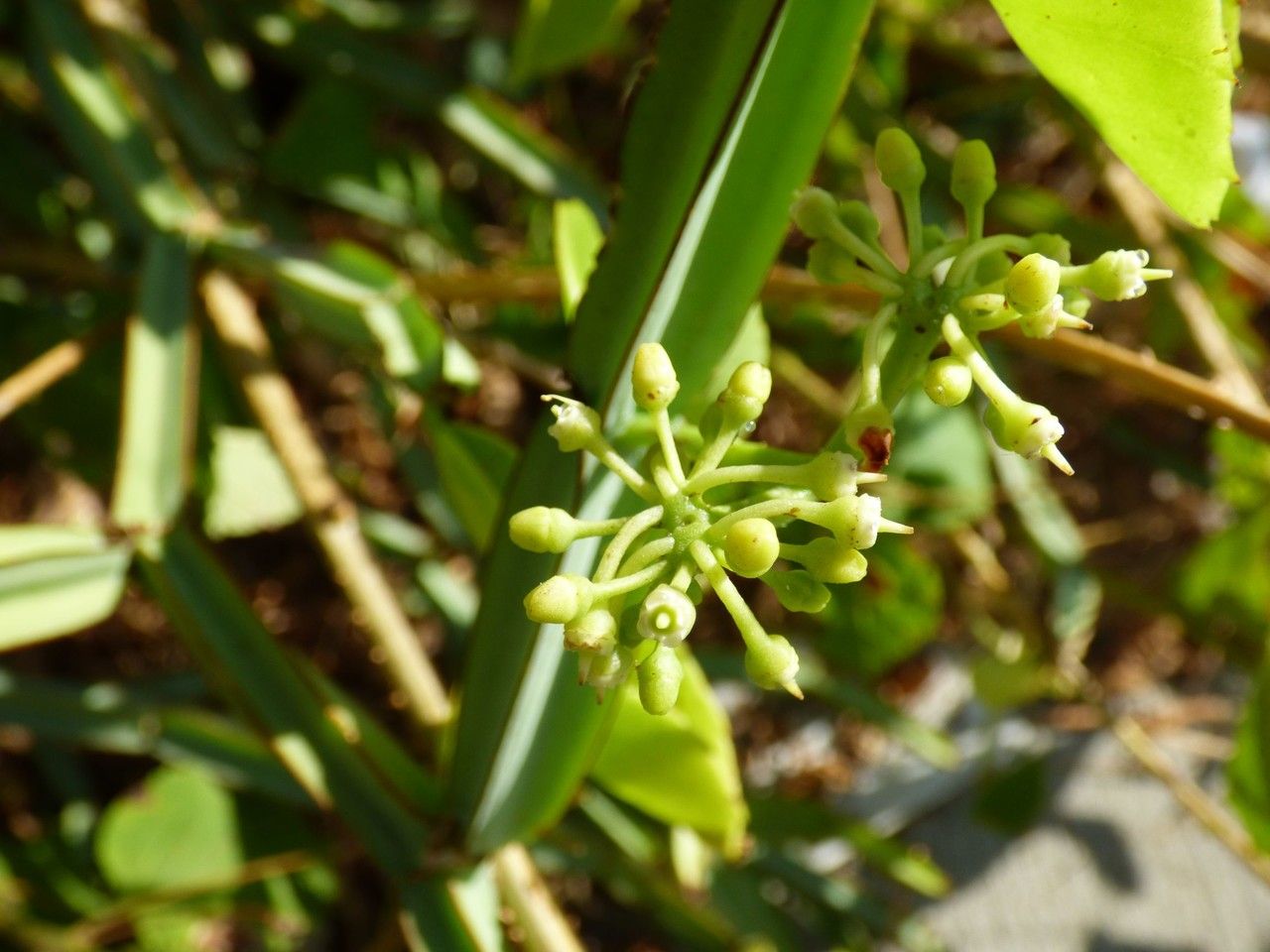
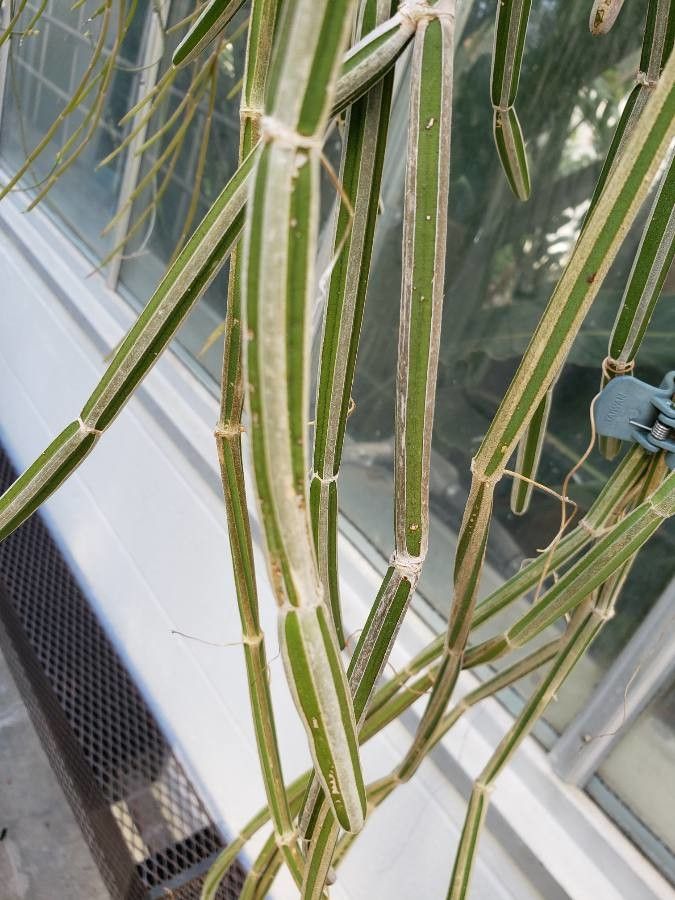
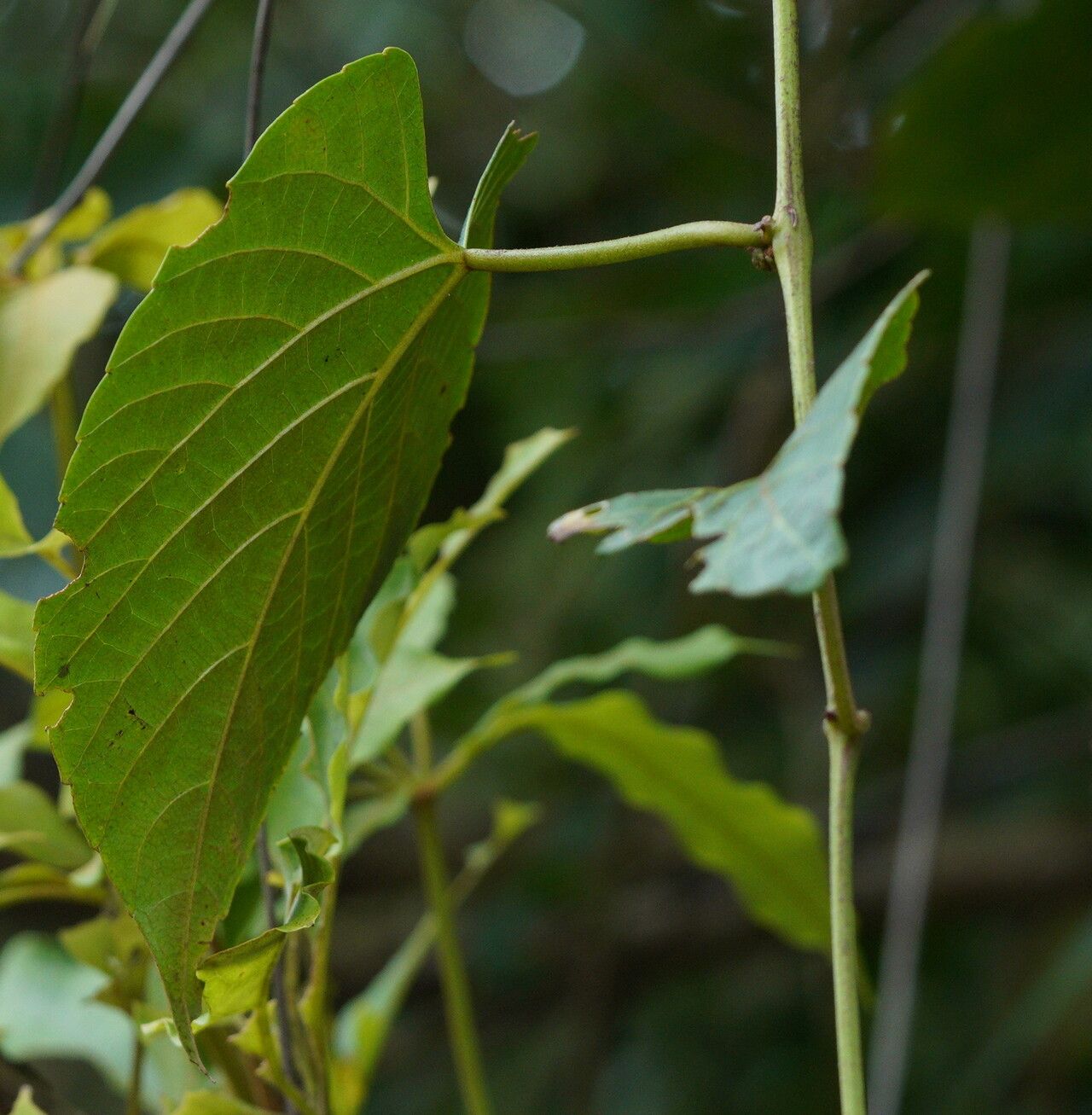
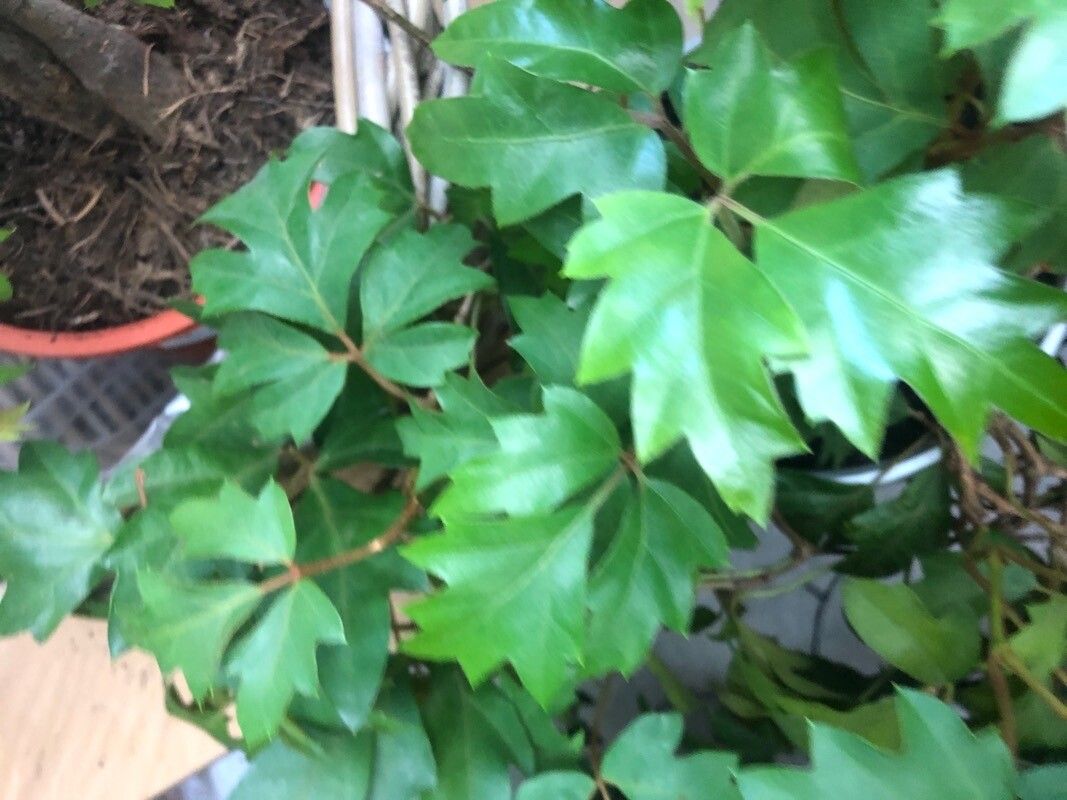
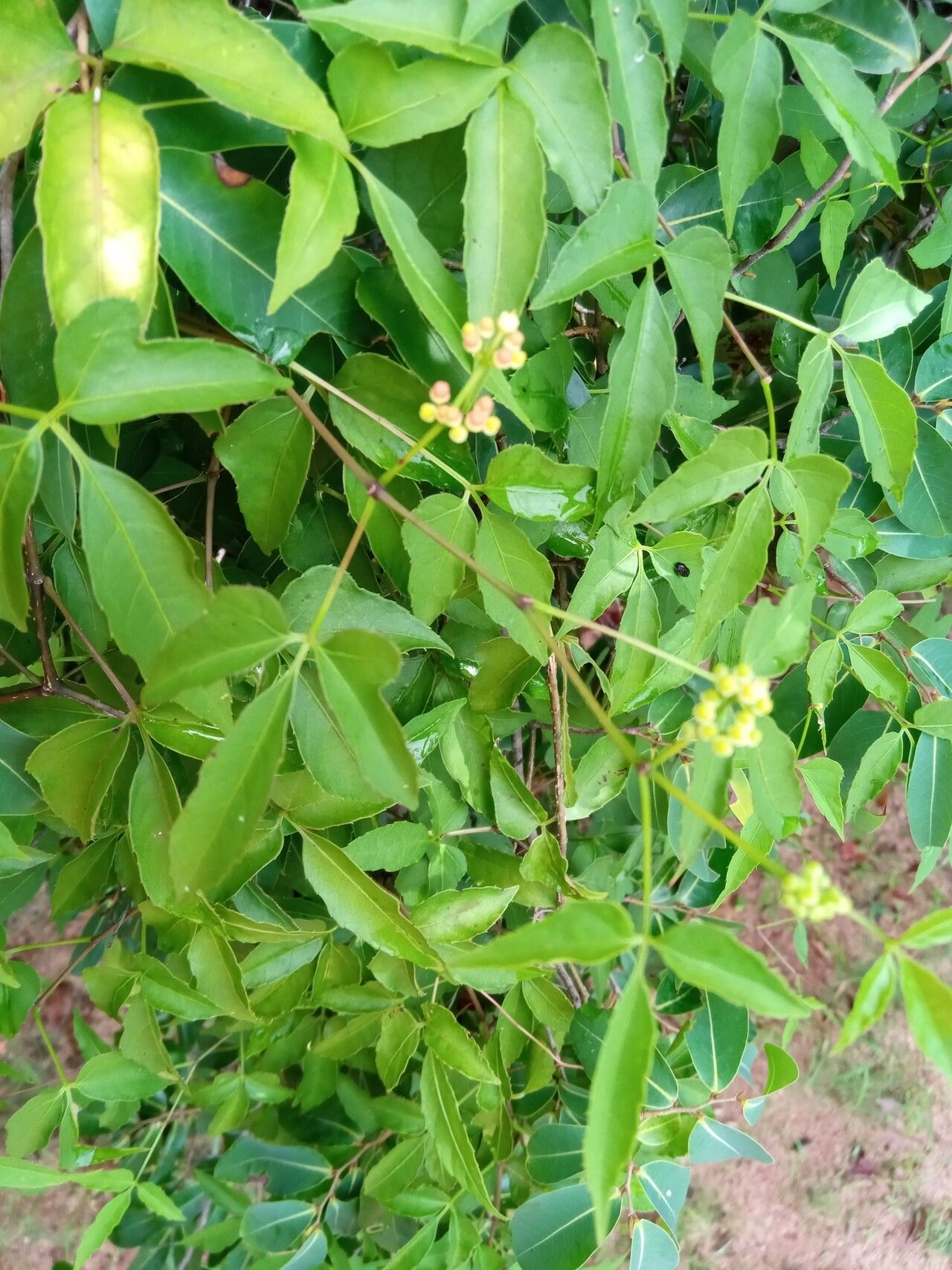
Cissus quadrangularis, commonly known as "Veldt Grape," is a perennial plant belonging to the grape family. Native to Asia, Africa, and Arabia, this plant has a long history of use in traditional medicine due to its diverse health benefits. It features a woody stem with four distinct angles, which is the origin of its common name. The leaves are simple, green, and succulent with a leathery texture.
One of the most notable benefits of Cissus quadrangularis is its ability to promote bone health. It can enhance bone density and reduce the risk of fractures. Additionally, the plant possesses anti-inflammatory properties that can alleviate pain associated with conditions such as arthritis. Some studies suggest that it may also aid in weight loss by curbing appetite and boosting metabolism.
Cissus quadrangularis can be cultivated both indoors and outdoors in well-draining soil with ample sunlight. It requires minimal care but should be watered regularly during its growing season.
Overall, Cissus quadrangularis is an intriguing plant with numerous potential health benefits, making it a valuable addition to your natural medicine cabinet or garden.
Veldt-grape demonstrates good resistance to disease and is generally not susceptible to illnesses. As for care, this plant is relatively low-maintenance. When grown outdoors it needs little watering, and larger specimens usually do not require pruning. Smaller plants, however, should be pruned after they finish blooming. Veldt-grapet is appropriate for anyone with outdoor space, such as a garden or a deck, and does not demand much gardening experience.
How to keep Cissus Quadrangularis.
Light
Veldt-grape strongly prefers sites that get abundant sunlight throughout the day. It can also do adequately in areas with average sun exposure. However, both excessive light that causes foliage burn and insufficient sun that slows growth can negatively affect its overall health. Its original habitat is characterized by prevalent sun exposure, which supports robust growth.
Water
Veldt-grape, native to Africa and Asia, thrives in dry conditions. It requires watering once a week, but it's crucial to let the soil dry out slightly between waterings. Occasional misting can help increase humidity, which promotes growth and reduces leaf drop. This plant is drought-tolerant, allowing it to store water in its stems.
Temperature
Veldt-grape occurs naturally in climates with temperatures ranging from 68 to 100 °F (20 to 38 ℃). This temperate woody plant favors the warmer part of that range but can adapt to slightly cooler conditions when necessary. In colder seasons, modify the plant's environment to mimic its native temperature requirements.
Fertilizer
Fertilizing is essential for the care of Veldt-grape. Regular nutrient applications during the growing season help maintain the energy for attractive foliage and support overall growth. Failing to fertilize can cause unhealthy leaves, reduced ornamental value, and stunted or weakened growth that is prone to breaking.
Pruning
The Veldt-grape is a plant with succulent, jointed stems that grows rapidly. For optimal health and appearance, prune it in early spring to remove any dead stems and to maintain its shape. This practice also helps improve airflow and light penetration, reducing the risk of disease. Ensure you use clean, sharp tools for the best healing results, and time your pruning to align with the plant’s active growth phase.
Pot & Repot
The Veldt grape is a hardy, succulent climbing plant that thrives when repotted every 2-3 years, ideally in the spring. To ensure its healthy growth, choose a container that is just slightly larger than the plant’s root ball. Place it in a spot with bright, indirect light, and water the plant only when the soil feels dry. This will promote optimal recovery and growth.
Botanical profile.
- Plant Type
- Vine
- Life Cycle
- Perennial
- Genus
- Cissus
- Family
- Vitaceae
- Hardiness Zone
- 10-12
- Mature Height
- 4.88 m
- Mature Spread
- 49 cm
- Leaf Color
- Green, Blue
- Leaf Type
- Evergreen
- Flower Color
- Yellow, Green, Red, White
- Flower Size
- 2.54 cm
- Bloom Time
- Summer, Early fall
- Planting Time
- Spring
- Harvest Time
- Late summer, Fall
- Native Area
- Sri Lanka, Djibouti, Somalia, Lesotho, India, Malaysia, Egypt, Burkina Faso, Angola, Namibia, Madagascar, Eritrea, Pakistan, Nigeria, Yemen, Kenya, Uganda, Tanzania, Zimbabwe, Niger, Mali, Guinea-Bissau, Benin, Cambodia, Cameroon, Mozambique, Oman, Ghana, Ethiopia, Botswana, Central African Republic, Nepal, Saudi Arabia, Malawi, South Africa, Zambia, Sudan, Philippines, Mauritania, Laos, Bangladesh, Guinea, Chad, Vietnam, Myanmar, Togo, Côte d'Ivoire, Eswatini, Gambia, Congo (DRC), Thailand
Other names.
Reader questions.
How should I water my Veldt-grape plant?
To ensure excellent root development, consider placing a garden hose at the base of the plant. Avoid spraying water directly on the leaves, as this can be detrimental. If the plant is exposed to direct sunlight outdoors, the leaves may require additional watering. Using bubblers or soaker hoses can help keep the roots moist. When adding or removing plants, consider using soaker hoses to ensure deep root penetration across the entire garden or bed. After watering, make sure to drain any excess water and allow the soil to dry before watering again. To prevent diseases, it is best to water at ground level rather than from above. On a sunny day, you may choose to spray the whole bush with water. Whether the plant is potted or in the ground, remember that Veldt-grape prefers deep watering rather than light sprinkling.
Why is it important to put fertilizer on my Veldt-grape?
Regular fertilization is necessary for Veldt-grapes because their showy leaves require a lot of energy to grow and stay healthy. This is challenging because the Veldt-grape needs to allocate enough energy for leaf maintenance as well as support the growth of its stems, roots, and other important structures. If fertilization is neglected, two likely outcomes will occur. First, the leaves will lose their natural color and texture, appearing unhealthy and detracting from the plant's ornamental appeal. Second, the overall growth of the Veldt-grape will slow down or produce weak growth that may be susceptible to breakage.
How much sunlight does Veldt-grape need to grow?
Tropical ornamental plants that thrive in full sun require at least 6 hours of direct sunlight each day. These plants are well-suited to areas with strong and direct sunlight, as they need this light to flourish. In their natural habitats, they tend to grow in open fields or along forest edges, where they can enjoy abundant sunlight all day long.
What is the ideal temperature range for Veldt-grape?
Veldt-grape, or Cissus quadrangularis, thrives in temperatures between 68°F to 100°F (20°C to 38°C). This temperate woody plant prefers warmer climates but can adjust to slightly cooler conditions if necessary. To ensure optimal growth, it's recommended to maintain environmental conditions that replicate its native temperature range, especially during colder seasons. Keeping the plant indoors near a bright window, yet at a safe distance from heaters, helps in maintaining the required warmth during winter, ideally above 20°C. It's important to protect the plant from temperatures nearing 5°C, as such cold conditions can be detrimental.
What should I do if I give Veldt-grape too much or too little water?
An overwatered Veldt-grape will show signs such as yellow, dropping, and wilting leaves, as well as a dull and unhealthy appearance with mushy stems. Adjusting your watering schedule is recommended when these signs begin to appear. Wilting can also be a sign of under watering, in which case the leaves will become crispy and dry instead of soft and wilted. When the soil is dry and watering alone is not enough, give the plant a thorough watering. However, even with enough water, the Veldt-grape may still have dry and yellow leaves due to a damaged root system, although this will eventually stop as the plant recovers. When keeping the Veldt-grape indoors, always check the moisture levels in the pot and avoid overwatering. If you notice black spots, allow the soil to dry out by refraining from watering for a few days. Overwatering can lead to root rot, indicated by discolored and slimy roots. If root rot is present, consider transferring the plant to a different pot and take precautions to prevent further rot, ensuring the soil is not overly soggy. When planting the Veldt-grape outdoors, ensure the soil is adequately moist; if it feels too dry when checked with your fingers, it may be underwatered. Proper watering is necessary for the plant's recovery.
When should I fertilize my Veldt-grape?
Veldt-grape plants will benefit from occasional feedings, so you don't have to stick to a fixed feeding schedule when you first plant them. A simple way to fertilize your Veldt-grape is to apply fertilizer when you water it occasionally. It's important to give the plant a sufficient amount of water during the growing season. A feeding every two to three weeks should be enough, and this should be done consistently while the plant is producing new growth.
What happens if Veldt-grape doesn't receive sufficient sunlight?
Tropical ornamental plants that need full sun may face issues if they don't receive enough sunlight. They might become leggy and weak, and their leaves could turn yellow or pale. Furthermore, they may stop producing flowers. Ultimately, if these plants continue to lack the required amount of direct sunlight, there is a possibility that they may die.
How does low temperature affect Veldt-grape and what are the solutions?
Veldt-grape is sensitive to cold temperatures and shows clear signs of distress when exposed to conditions below its preferred temperature threshold. At temperatures falling below 1°C, the leaves may start to lighten in color, a precursor to more serious damage such as frostbite, which turns the plant's color to brown or black. Symptoms following frost damage include wilting and drooping. To counteract low temperature damage, frost-damaged parts should be trimmed away, and the plant should be moved indoors to a warm environment immediately. Placing Veldt-grape near a south-facing window ensures it receives ample sunlight without the risk of excessive dryness from heaters or air conditioning vents.
How often do I need to water my Veldt-grape?
The Veldt-grape prefers deep and infrequent watering. When they are planted in pots, it's important to soak them in a gallon of water each time since pots have limited water storage and the soil dries out faster. In cold regions, watering is required every 3 to 5 days. Water the plant early in the morning when the soil is dry, both indoors and outdoors. You can also check if watering is needed by examining the soil inside. If the top 2-3 inches of soil is dry, it's time for a full watering. On hot days, monitor the moisture daily as the pot's soil can quickly dry out due to heat. If you have a garden, you'll need to irrigate the soil as well. In a hot climate, watering once a week is recommended when about 2-3 inches of soil is too dry. Take into account the rainfall and avoid overwatering to prevent root rot. If rainfall is abundant, additional watering may not be necessary. Veldt-grape plants usually grow in spring and fall, and when they are outdoors, adding mulch about 3 to 4 inches deep helps conserve water. Sandy soil requires more frequent watering due to faster drainage, whereas clay soil requires less frequent watering, allowing the plant to dry for 2-3 days and avoid root rot. You can keep track of watering dates on a calendar and watch for drooping leaves as a sign that watering might be needed soon.
When is it not a good time to fertilize my Veldt-grape plant?
For most of the year, you can fertilize your Veldt-grape regularly. This includes the growing season of spring, summer, and early fall. However, during winter, it's important to refrain from fertilizing the plant. During this time, the Veldt-grape enters a dormant phase where it either doesn't grow much or not at all. Because it's not actively growing, it requires less energy and therefore doesn't need fertilizer during winter.
What happens if Veldt-grape gets too much sunlight?
Tropical ornamental plants that thrive in full sun require ample direct sunlight, but excessive exposure to intense sunlight can harm them. Prolonged periods of direct sunlight can cause sunburned leaves or the development of unsightly brown spots. Additionally, if the soil dries out too rapidly in full sun, these plants may become dehydrated.
How does high temperature affect Veldt-grape and what remedies can be applied?
Veldt-grape is equally sensitive to excessively high temperatures. During summer, it's crucial to ensure the plant is kept below 38°C to prevent stress. Temperatures surpassing 43°C can lighten the leaves' color and increase susceptibility to sunburn. In such cases, it's advisable to trim away sunburned and dried parts, moving the plant to a shaded area to protect it from the midday and afternoon sun. Proper watering routines, preferably in the morning and evening, will help keep the soil moist and alleviate stress from high temperatures.