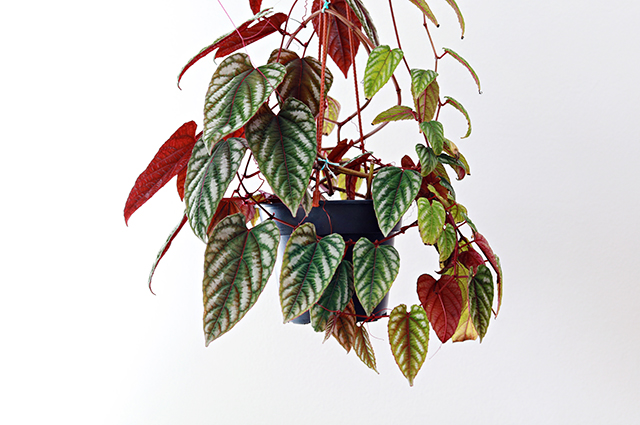
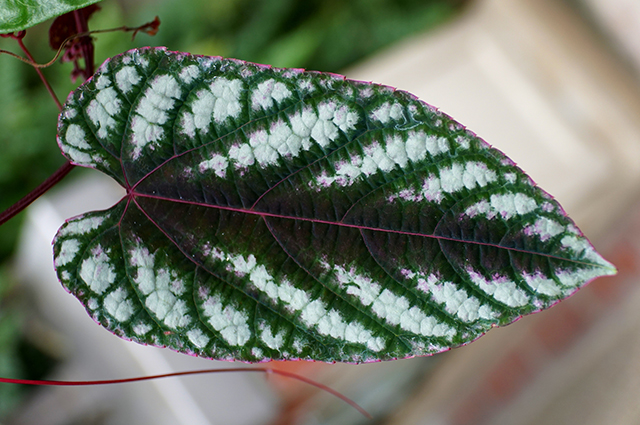
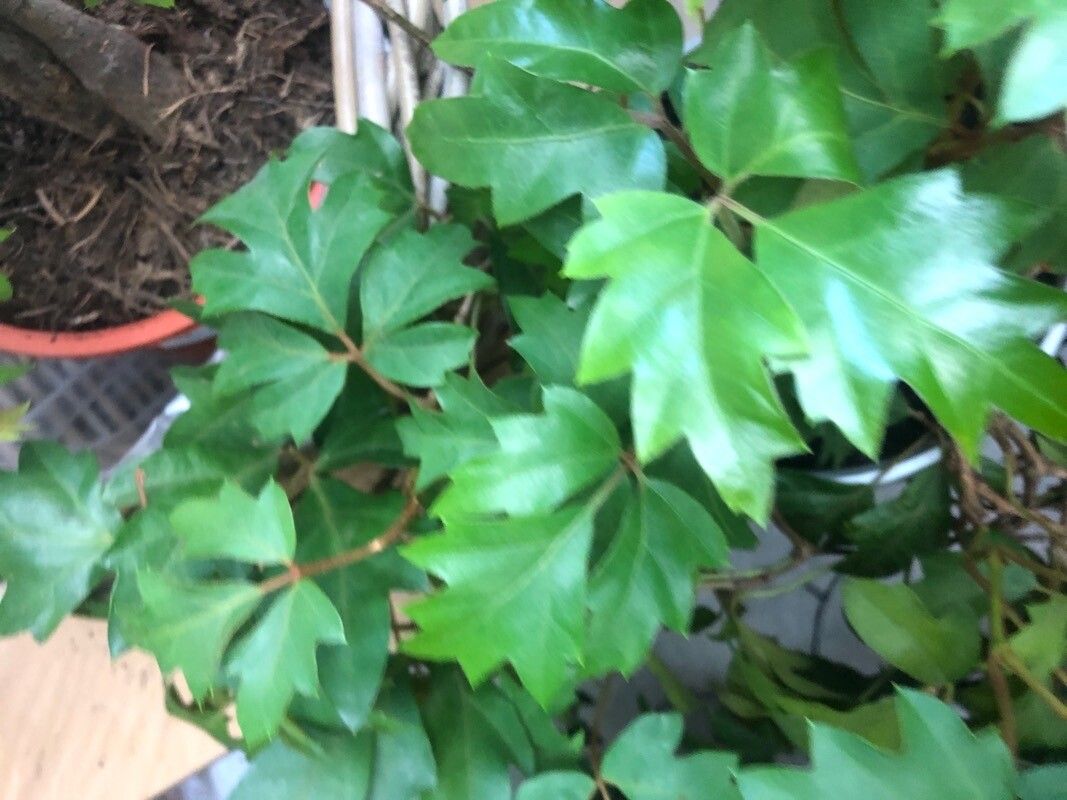
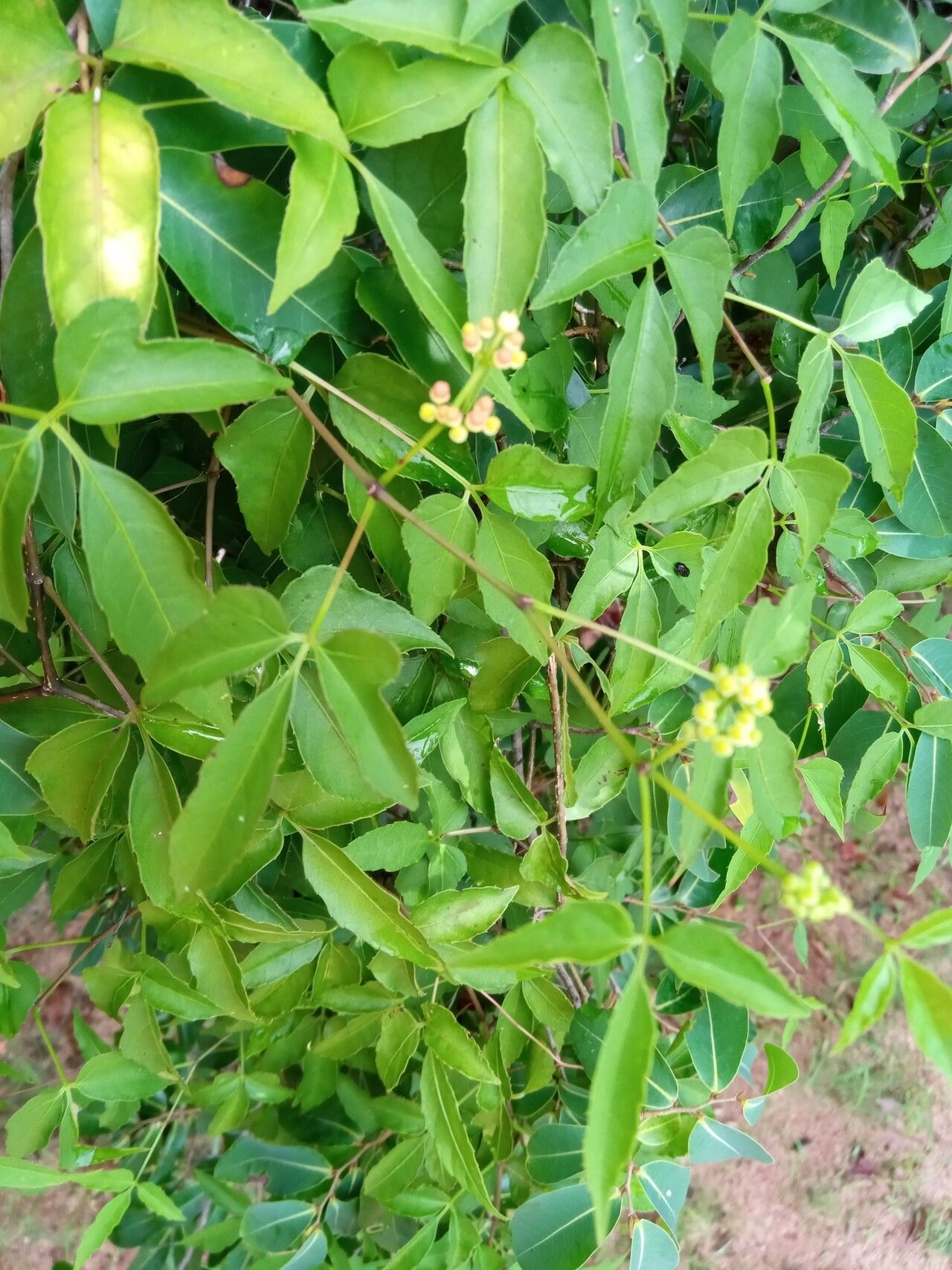
Southeast Asia, particularly Java Island and Cambodia, is home to the evergreen, perennial, flowering trailing plant known as Cissus discolor, commonly referred to as the rex begonia vine. Cissus alata, also known as grape ivy or Cissus rhombifolia, chestnut vine (Tetrastigma voinierianum), and Cissus amazonica are other houseplants of the Vitaceae family. Beautifully formed, heart-shaped, deep green leaves with silvery-white mottling and a dark reddish-purple underside are prized on this plant, which is also prized as a houseplant. The name comes from the foliage's resemblance to salsa on some rex begonias. It's not a begonia, though.
The Rex begonia vine is fairly disease-resistant and usually does not develop illnesses. As for maintenance, this plant is fairly low-maintenance. When grown outdoors it needs only light watering, and larger specimens typically do not need pruning. Smaller specimens, however, should be trimmed after they finish blooming. The Rex begonia vine is well suited to anyone with an outdoor area, such as a garden or deck, and does not require extensive care experience.
How to keep Cissus Discolor.
Light
The Rex begonia vine tends to prefer spots with filtered or moderate sunlight, mirroring its natural growing conditions. Excessive light can cause leaf scorch, while too little light can slow its growth or make it sparse. Its light needs do not change significantly between different stages of growth.
Temperature
Rex begonia vine does best in conditions that resemble its native tropical habitat, preferring temperatures of 68 to 100 °F (20 to 38 °C). During cooler seasons, keeping it in a warm room will help recreate its preferred conditions.
Fertilizer
The best time to fertilize a Rex begonia vine is in early spring, as it breaks dormancy. This encourages overall growth and flower development. Fertilizing improves foliage, stems, and branches, and helps produce flowers that are larger, more vibrant, and longer-lasting. It assists in moving nutrients from the roots to the blooms and boosts the plant’s health and resistance to disease.
Pruning
Pruning Cissus discolor doesn't need to be extensive. Use sterile pruning shears or scissors to regularly remove any dry, damaged, or dead leaves. Using unsterilized scissors could potentially infect your plant. Additionally, you can prune unruly, lanky, or exceptionally long vines to assist keep the desired shape. But please, don't go overboard.
Toxicity
Cats, dogs, and other pets are not toxic or poisoned by Cissus discolor. It is not poisonous or detrimental to humans, making it a great option for people who have children or pets. The Rex Begonia, which bears its name and is a member of the Begoniaceae family, is poisonous to dogs, cats, and horses because it contains soluble calcium oxalates.
Further reading →
The toxicity and danger assessments provided are for reference only. We do not assure their accuracy, so it's crucial not to depend on them. Seek professional advice when necessary for accurate guidance.
Botanical profile.
- Plant Type
- Vine
- Life Cycle
- Perennial
- Genus
- Cissus
- Family
- Vitaceae
- Hardiness Zone
- 11-12
- Mature Height
- 2.44 m to 3.05 m
- Mature Spread
- 30 cm to 34 cm
- Leaf Color
- Green, Silver, White, Red, Variegated, Purple
- Leaf Type
- Evergreen, Deciduous
- Flower Color
- Yellow, Green
- Flower Size
- 2.54 cm
- Bloom Time
- Summer, Early fall, Mid fall
- Planting Time
- Spring, Summer, Autumn
- Harvest Time
- Fall, Early winter, Mid winter
- Native Area
- South-eastern Asia
Other names.