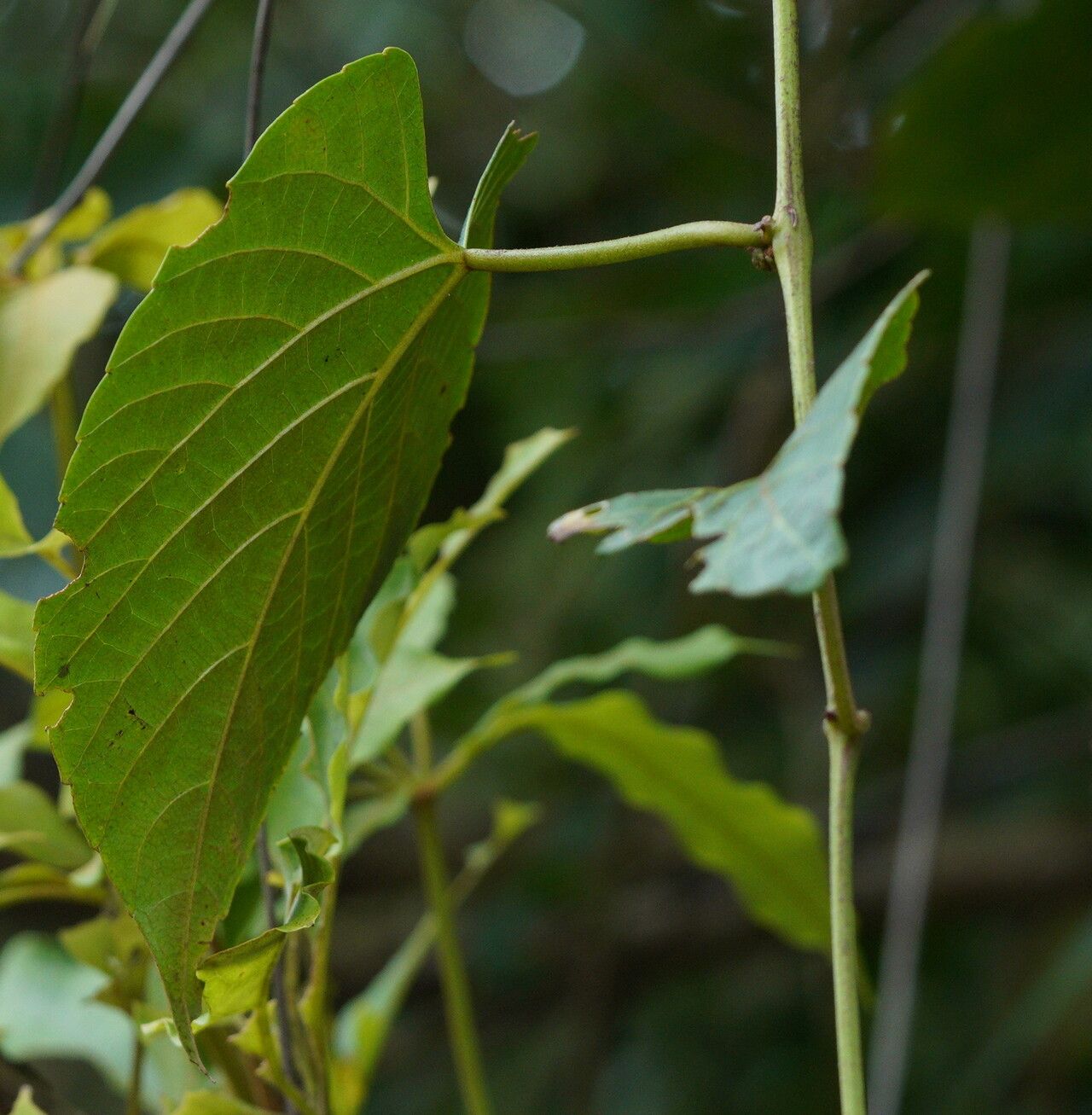
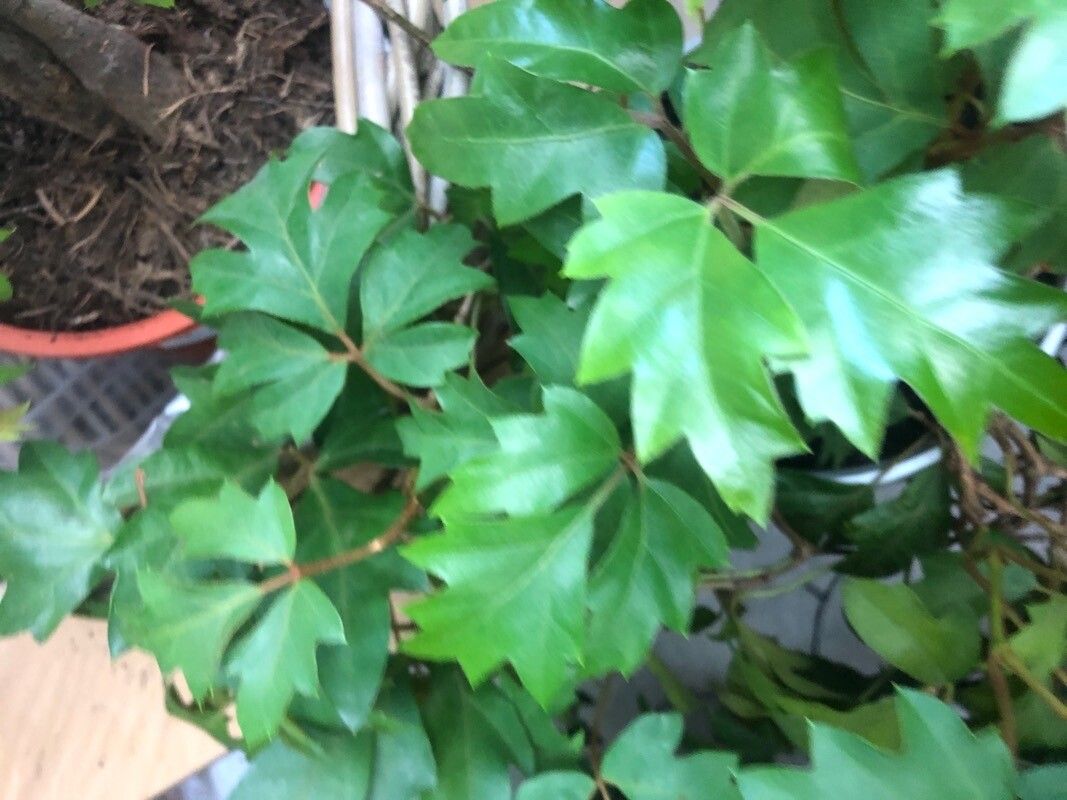
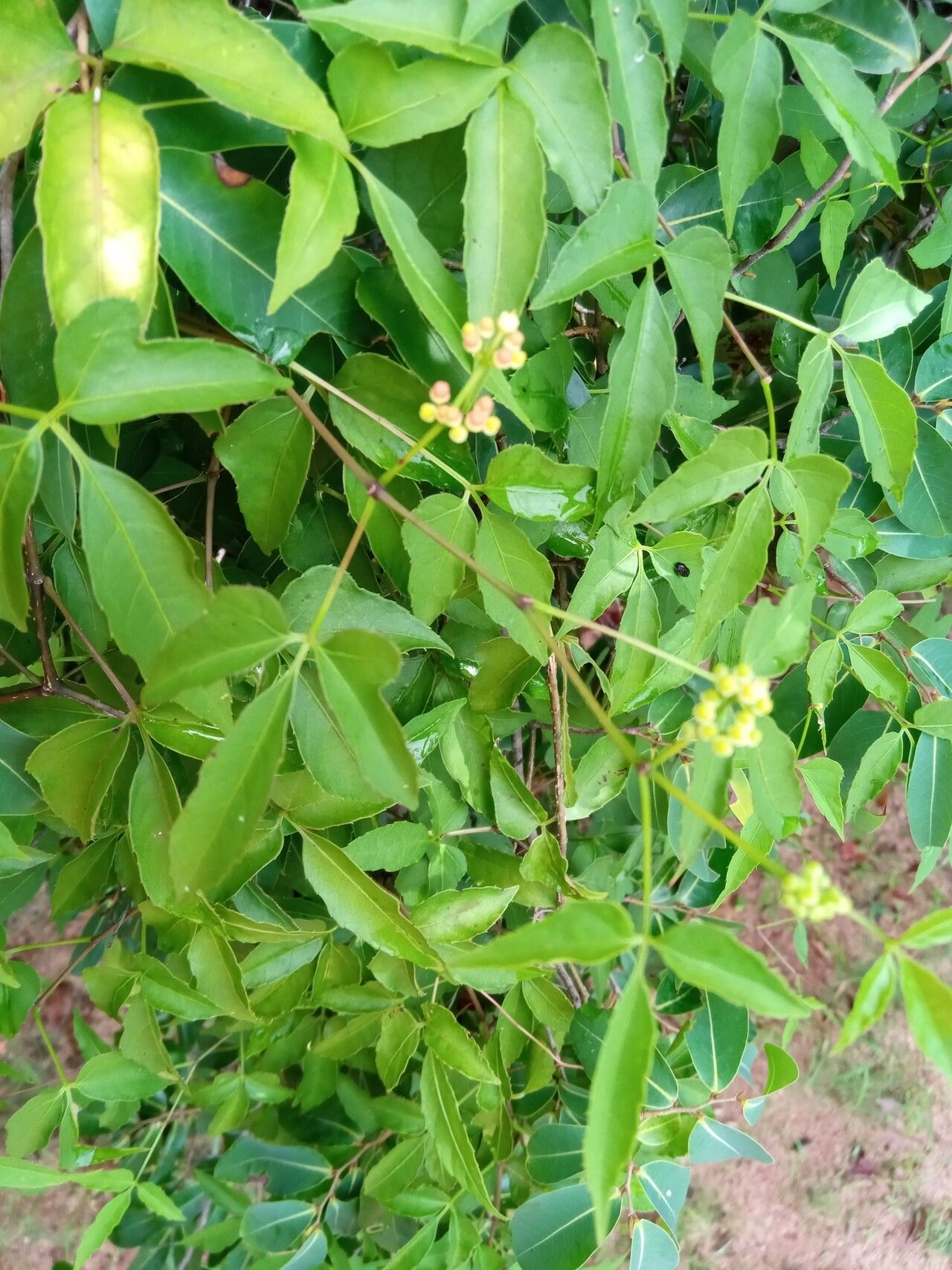
Cissus antarctica, commonly known as Kangaroo Vine or Kangaroo Grape, is a flowering plant species in the grape family, Vitaceae. Native to Australia and New Zealand, it thrives in various habitats, including rainforests, woodlands, and coastal areas.
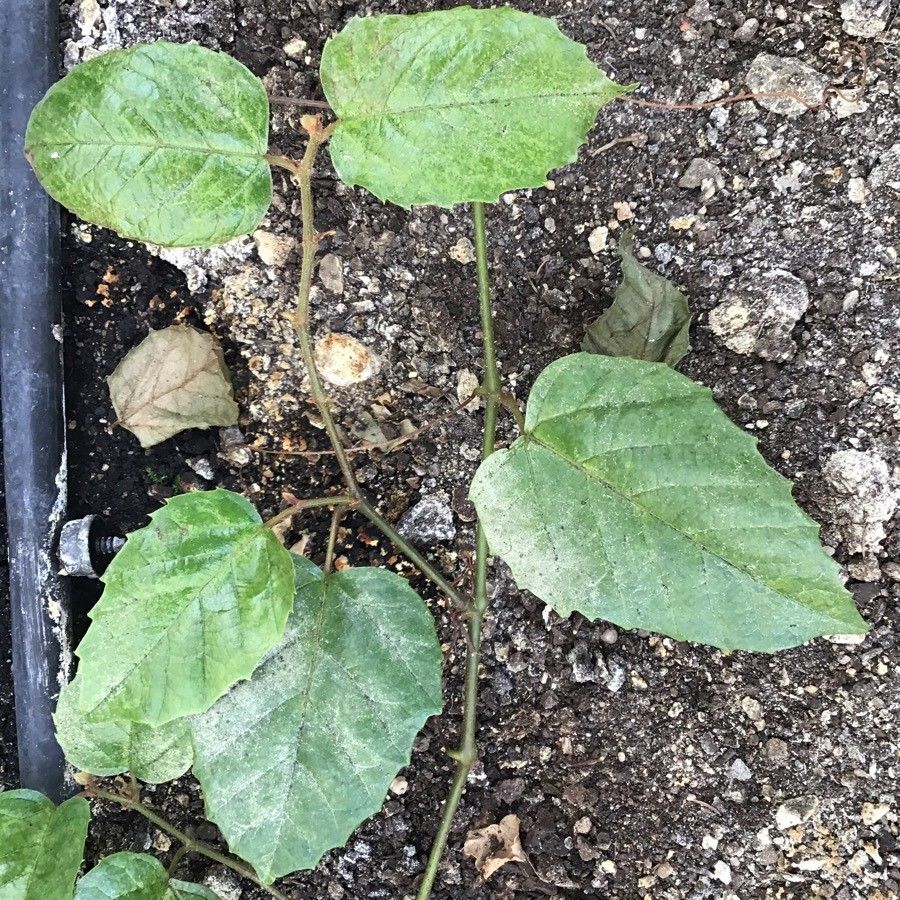
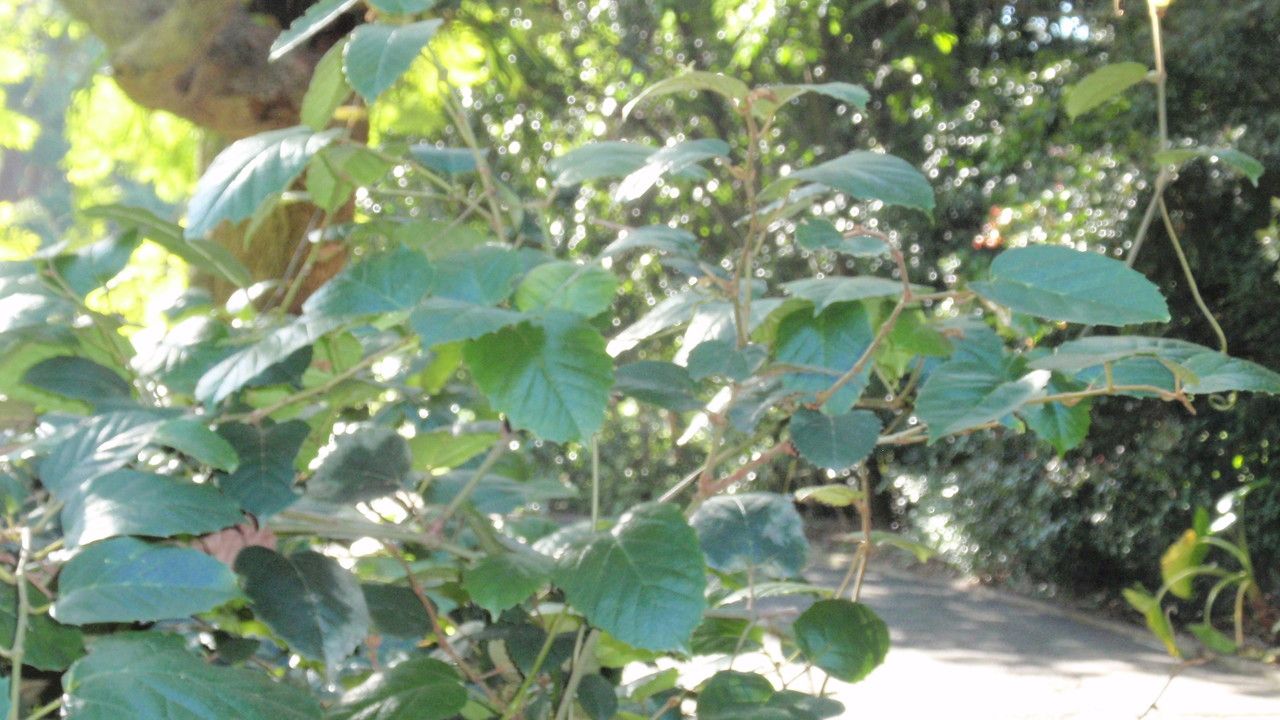
The plant features long stems that can grow up to 10 meters in length. Its glossy green leaves are oval-shaped with serrated edges, thick, and leathery—adaptations that help the plant retain moisture during dry periods.
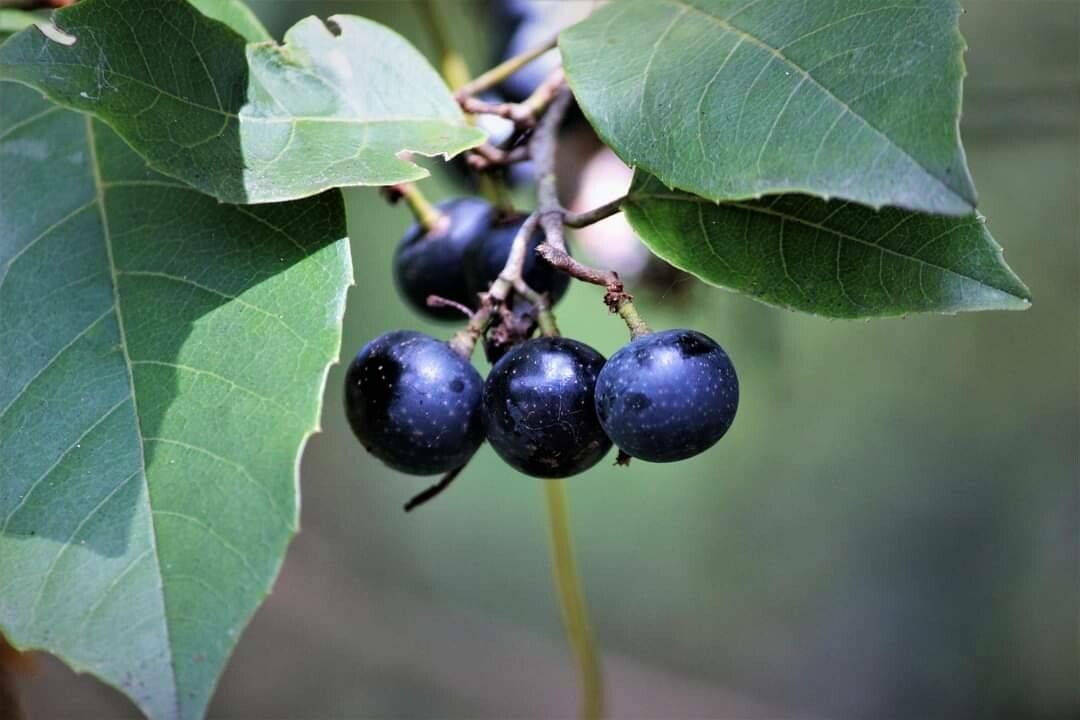
Cissus antarctica produces small, greenish-yellow flowers that bloom from spring to summer, followed by small purple-black berries. These berries are edible but are not commonly consumed by humans.
The botanical name of the genus Cissus comes from the Latin word "kissos," meaning ivy. Carl Linnaeus chose this name to describe a group of European plants known for their climbing and twining nature. FUN FACT · FROM THE LIBRARY
Indigenous Australians have used the plant for medicinal purposes for centuries due to its anti-inflammatory properties. Its attractive foliage also makes it a popular ornamental houseplant.
Cissus antarctica requires well-draining soil and prefers partial shade or filtered sunlight, making it suitable for both indoor and outdoor potted environments. Although it is relatively easy to care for, it may require pruning if grown indoors due to its rapid growth.
In summary, Cissus antarctica is a versatile and attractive vine species that enhances both indoor and outdoor spaces while offering potential health benefits through its medicinal properties.
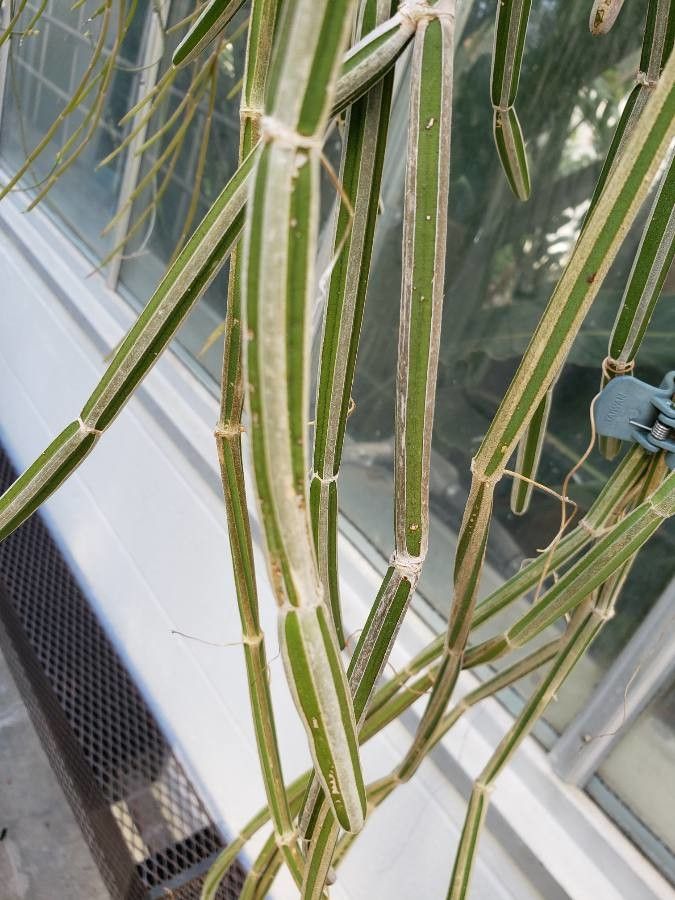
Water Vine: The name "Water Vine" is derived from its unique ability to provide drinkable water. The vine's wooden sections release drops of water that are safe for human consumption.
Kangaroo vine is disease-resistant and is usually not prone to illness. In terms of care, the plant is fairly low-maintenance. When grown outdoors it needs only minimal watering, and larger plants typically do not require pruning. Smaller plants, however, should be pruned after they finish blooming. Kangaroo vine is suitable for anyone with an outdoor area, like a garden or deck, and does not demand much prior plant-care experience.
How to keep Cissus Antarctica.
Light
Kangaroo vine does best with moderate sunlight but can also tolerate very bright or very low light. Excessive light may scorch its leaves, while too little light can hinder its growth. Its native habitats explain this flexibility in light tolerance.
Water
The Kangaroo vine, native to the understories of Australian forests, thrives in environments with high humidity and consistently moist soil. For optimal growth, water it weekly and mist it regularly to mimic its natural habitat. This evergreen climber is commonly grown indoors, prized for its attractive leaves and trailing habit.
Humidity
This plant will thrive in moderate humidity, which is probably the level in your home. However, misting it a few times a week can be very beneficial. Make sure the room has good ventilation.
Temperature
Kangaroo vine is fairly adaptable to temperature, able to withstand high heat and considerable temperature fluctuations. In hot weather, attention should be paid to proper watering and providing suitable shade to prevent sunburn. However, Kangaroo vine is not very tolerant of low temperatures. Although it can endure some cold, very cold conditions can cause frost damage.
Fertilizer
Proper timing is essential for fertilizing Kangaroo vine. Apply fertilizer in early spring and continue every month until early summer. Fertilizer encourages attractive blooms and provides energy during both dormant and active growth periods.
Pruning
Prune kangaroo vine in early spring to promote healthy growth. Trim any overgrown vines and remove damaged leaves to maintain the plant's shape and encourage a bushier appearance. Clear out weak or crossing stems to improve air circulation. Make sure to use clean, sharp tools to prevent the spread of disease, ensuring the plant's optimal health and aesthetics.
Pot & Repot
Kangaroo vine is a robust climber that thrives when repotted every 2-3 years in the spring. Use a medium-sized pot to allow room for root growth. After repotting, keep the soil consistently moist and avoid placing the plant in direct sunlight. This care will help the vine recover and flourish in its new setting.
Botanical profile.
- Plant Type
- Vine
- Life Cycle
- Perennial
- Genus
- Cissus
- Family
- Vitaceae
- Hardiness Zone
- 9-12
- Mature Height
- 15 cm to 20 cm
- Mature Spread
- 49 cm
- Leaf Color
- Green
- Leaf Type
- Evergreen
- Flower Color
- Green, Yellow
- Flower Size
- 2.54 cm
- Bloom Time
- Summer
- Planting Time
- Spring, Autumn
- Harvest Time
- Late summer, Early fall, Mid fall
Other names.
Reader questions.
How should I water my Kangaroo vine?
To ensure excellent root development, place a garden hose at the base of the plant. Avoid spraying the leaves directly and keep in mind that outdoor leaves in direct sunlight may require more watering. For moistening the roots, you can use bubblers on each plant or soaker hoses that cover the entire garden. When adding or removing plants, use soaker hoses to help push the roots deep. After watering, drain any excess water and wait for the soil to dry before watering again. To prevent diseases, water at ground level. On sunny days, consider spraying the entire bush with water. Whether potted or in-ground, remember that Kangaroo vine prefers deep watering rather than light sprinkling.
Why should I put fertilizer on my Kangaroo vine?
To achieve great overall health for your Kangaroo vine, regardless of its type, regular fertilization is key. Supplying the right nutrients will promote vigorous growth and increase resilience to tough conditions, while also enhancing the plant's ability to combat diseases and pests. Maintaining the foliage of your Kangaroo vine is crucial, as it is one of its most attractive features. It is important to establish and follow a fertilization schedule tailored to your specific Kangaroo vine. This will result in leaves with a rich color and a luxuriant appearance.
How much sunlight does Kangaroo vine need to grow?
To help Kangaroo vine thrive, it requires 3-6 hours of direct sunlight daily. However, during the hottest parts of the day, some shade is needed to avoid sun damage. Ideally, morning sunlight suits Kangaroo vine best, but it can handle some afternoon sun if it's not too hot. The best way to achieve the right amount of sunlight is by planting Kangaroo vine in a spot with partial sun, like under a tree or on the east side of a building.
What is the common name of Cissus antarctica?
The common name of Cissus antarctica is Kangaroo vine.
What should I do if I give too much or too little water to Kangaroo vine?
If you overwater your Kangaroo vine, its leaves may turn yellow, drop off, and wilt. The plant might also look dull and unhealthy, with mushy stems. To prevent these signs, adjust your watering schedule. On the other hand, wilting can be a sign of under watering too. Underwatered leaves may become crispy and dry, while overwatered leaves will be soft and wilted. Check the soil to determine if watering is necessary. If it's dry, give it a thorough watering. However, even with enough water, the Kangaroo vine may still have dry and yellow leaves due to root damage. Once the plant recovers, the yellowing will stop. When growing a Kangaroo vine indoors, always check the moisture levels and avoid overwatering. Look out for black spots, and if present, let the soil dry out by withholding water for a few days. Overwatering can lead to root rot, so if you notice discolored and slimy roots, consider transferring the plant to a different pot. It's important to prevent root rot by avoiding overly soggy soil. When planting the Kangaroo vine outdoors, make sure to dig a little deeper. If the soil feels too dry when you check with your fingers, it may indicate underwatering. Adequate watering is necessary for the plant's recovery.
When should I fertilize my Kangaroo vine?
The best time to fertilize your Kangaroo vine is during late winter or early spring. This will provide the necessary nutrients for healthy growth when the weather warms up. If you live in a warm climate region, it's also helpful to fertilize again in early fall. This will give your Kangaroo vine extra nutrients for the following growing season and make it more resistant to winter cold. Fertilizing earlier in the fall will allow new branches to grow and withstand the cold winter better.
What happens if Kangaroo vine doesn't get enough sunlight?
If Kangaroo vine is exposed to too much direct sunlight, it may have a few negative reactions. Its leaves could turn yellow, dry out, or even burn. Additionally, the plant may wilt or become stunted. To avoid these issues, it's important to provide some shade for the Kangaroo vine during the hottest times of the day. You can achieve this by using a shade cloth or planting the Kangaroo vine near taller plants that can offer natural shade.
How often should I give water to my Kangaroo vine?
The Kangaroo vine prefers deep and infrequent watering, especially when planted in pots. Watering them with one gallon of water at a time is recommended, as the limited water storage in pots causes the soil to dry out faster. In colder regions, watering is required every 3 to 5 days. It is best to water the plant early in the morning when the soil is dry, whether it's outdoors or indoors. You can check if watering is needed by examining the soil. When the top 2-3 inches of soil are dry, it is time to give the plant a full watering. On hot days, it may be necessary to monitor the moisture daily, as the heat can quickly dry out the pot's soil. If you have a garden, irrigating the soil is also necessary. In hot climates, watering once a week may be sufficient. Only water when you notice that about 2 to 3 inches of soil have become too dry, both outdoors and indoors. Take into account any rainfall the plant has received, and avoid adding additional water to prevent root rot. If there is ample rainfall, you may not need to water the plants at all. The Kangaroo vine typically grows during spring and fall. When they are outdoors, applying a 3 to 4-inch deep layer of mulch will help conserve water. In sandy soil, more frequent watering is required due to its fast draining nature. However, with clay soil, less frequent watering is necessary, allowing the plant to dry out for 2-3 days without developing root rot. To keep track of watering, you can mark the date on the calendar and pay attention to any drooping leaves, which may indicate that watering is needed.
When is it not a good time to add fertilizer to my Kangaroo vine?
There are specific periods when you should avoid fertilizing your Kangaroo vine. Firstly, during the early and mid-winter months, when the plant is dormant and does not require additional nutrients. Secondly, it is not advisable to fertilize the plant during the late spring and summer, as the weather is likely to be hotter and drier. These conditions increase the chances of a negative reaction to fertilization. To prevent any issues, it is recommended to follow a fertilization schedule that involves feeding only in early spring and early fall.
What happens if Kangaroo vine gets too much sunlight?
If Kangaroo vine doesn't receive sufficient sunlight, it could grow tall and thin, with few leaves. The leaves may also become yellow or pale green, which indicates that the plant is not getting enough sunlight to produce chlorophyll. To fix this, you can try moving Kangaroo vine to a sunnier location or pruning nearby foliage to increase the amount of light reaching the plant.
How much water does my Kangaroo vine need?
For the Kangaroo vine, it is generally recommended to water it with about a gallon of water on a regular schedule. If you have potted plants, make sure to water them deeply until you see water dripping from the bottom of the pot. After that, wait for the soil to dry before watering again. To determine how much water you've given your plant in a week, you can use a water calculator or a moisture meter. During the flowering period, it's important to provide ample water to the Kangaroo vine. However, allow the moisture to evaporate afterwards to prevent root rot. If you have planted the Kangaroo vine outdoors and it receives enough rainfall, you may not need to water it additionally. For young or newly planted Kangaroo vine, make sure it receives 1-2 inches of rain per week. As the vine continues to grow, it can survive solely on rainfall. Only water the Kangaroo vine fully during cooler parts of the day when the weather is too hot or when there has been no rainfall for 2-3 weeks. This will help prevent the plant from suffering heat damage. Additional watering will be necessary during prolonged dry periods.
Which fertilizer should I use for my Kangaroo vine?
Kangaroo vines primarily require nitrogen as a key nutrient, although phosphorus and potassium should not be overlooked. A balanced fertilizer like a 10-10-10 can suffice, but a more refined nutrient ratio often produces better results. Generally, slightly higher nitrogen levels, such as a 10-6-4 ratio, can enhance the growth of Kangaroo vines. Both granular and liquid fertilizers can be used for this purpose.