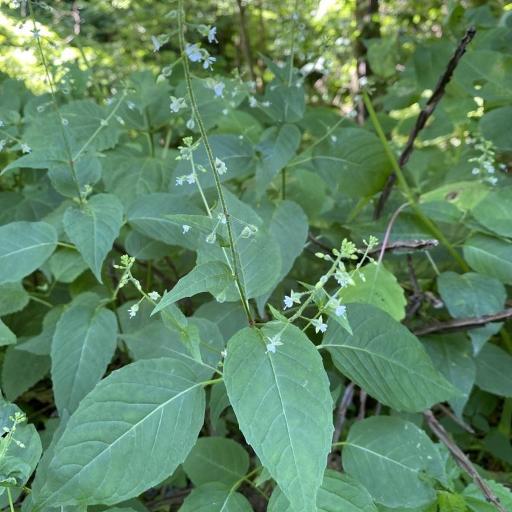
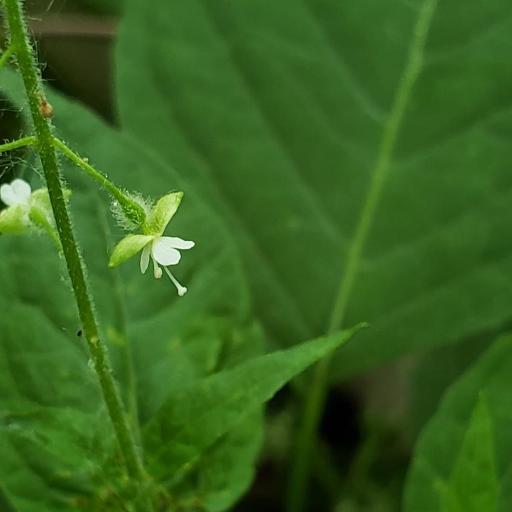
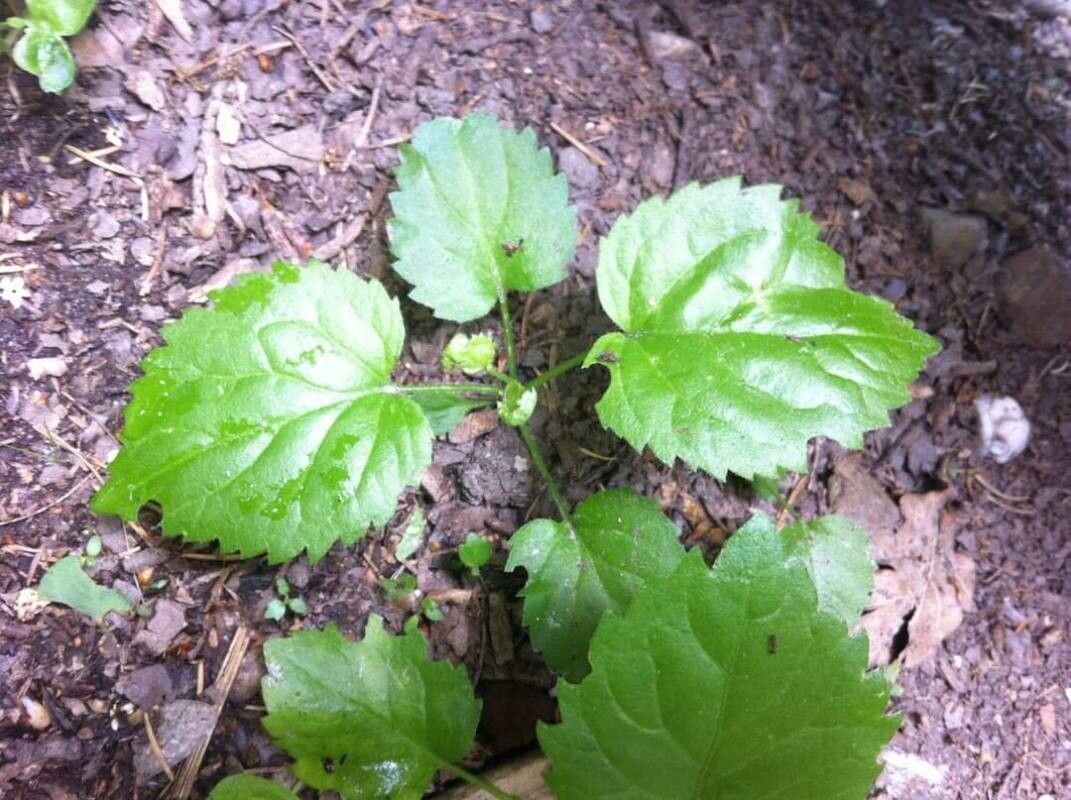
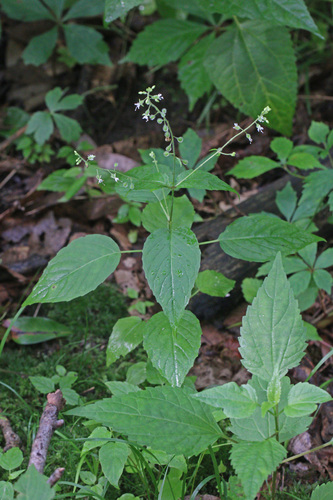
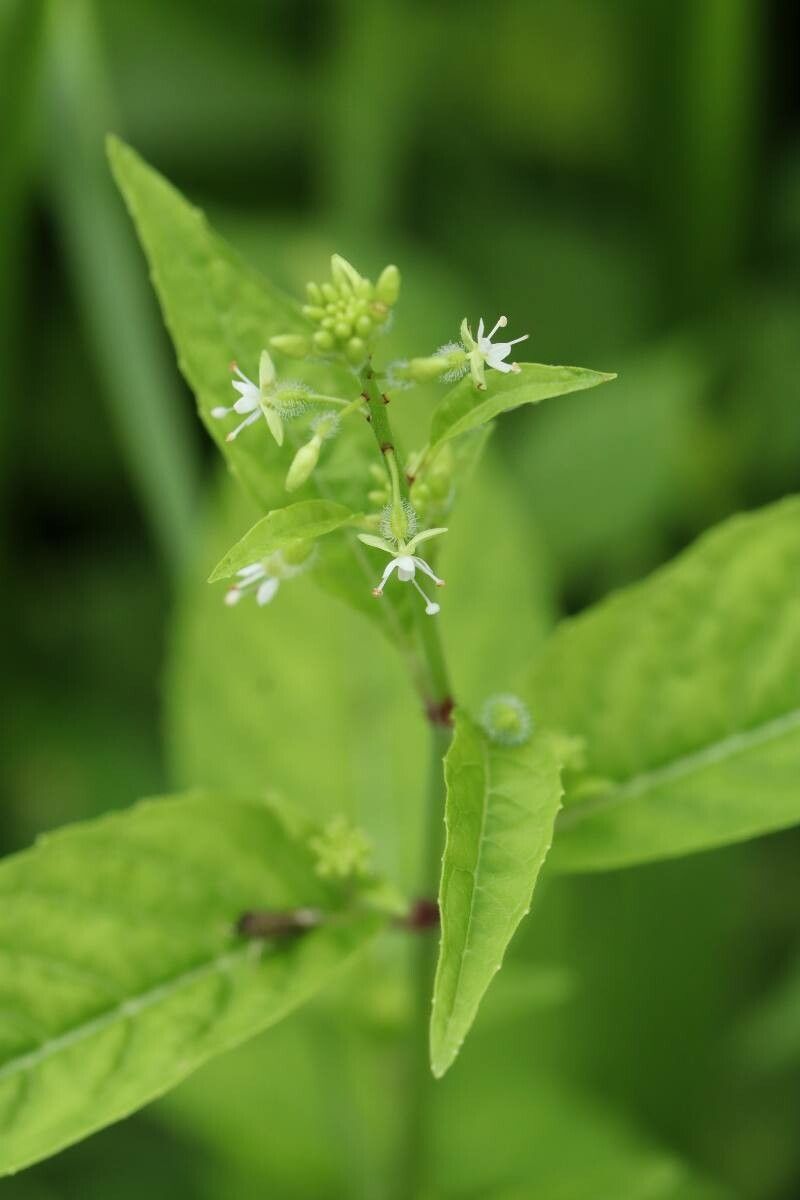
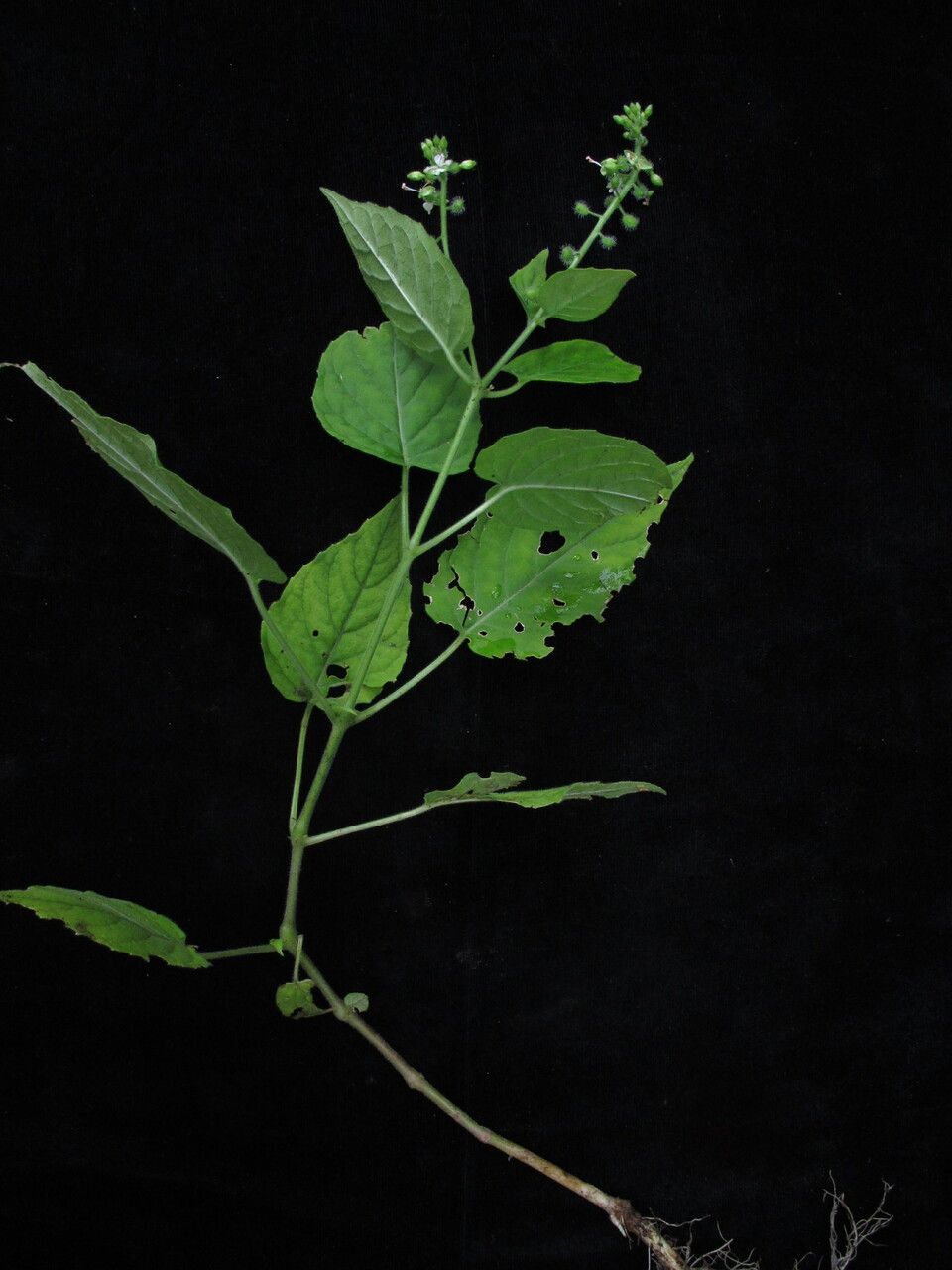
Circaea canadensis, known as eastern enchanter's nightshade, Canada enchanter's nightshade, broad-leaved enchanter's nightshade, is a perennial herbaceous plant found in forests of eastern North America. It is very similar to its sister species, Circaea lutetiana, and was formerly considered conspecific (part of the same species).
Eastern Enchanter's Nightshade has strong disease resistance and is generally not affected by diseases. However, it can be vulnerable to pests and diseases present in its environment. These infections are generally mild. Regarding care, this plant needs moderate maintenance. It should be pruned regularly to preserve a good appearance and support healthy growth. Applying fertilizer can also encourage flowering. Eastern Enchanter's Nightshade is appropriate for anyone with an outdoor area, such as a garden or patio, and does not demand extensive care experience. Growing it indoors may require more attention.
How to keep Circaea Canadensis.
Light
The eastern Enchanter's Nightshade grows best with some daily sunlight yet also tolerates deep shade. Its native habitat has limited sun exposure, indicating it can withstand low-light conditions. However, extended periods of strong light may impair its growth and vigor.
Water
Eastern Enchanter's Nightshade flourishes in moist, well-drained soil with consistent humidity. It prefers evenly moist conditions but can tolerate moderate drought. For vibrant growth, it requires weekly watering and benefits from rainwater during its active growing season, which is typical of its native deciduous forest habitat.
Temperature
Eastern Enchanter's Nightshade naturally occurs in temperate woodlands, which indicates a liking for cool to mild temperatures. Its preferred temperature range is 41 to 95 ℉ (5 to 35 ℃). It's important to adjust temperatures across seasons to prevent the plant from undergoing temperature shock. In colder periods, maintain temperatures above 41 ℉ (5 ℃) to avoid freezing. In warmer periods, keep temperatures below 95 ℉ (35 ℃) to prevent overheating.
Fertilizer
One application of fertilizer in spring is generally adequate for Eastern Enchanter's Nightshade, though multiple feedings can optimize growth. Feed every month to every month and a half. Fertilization improves the leaves' appearance and function, helping maintain uniform color and a healthy texture. It also promotes root development and nutrient uptake for long-term plant health.
Pruning
Eastern Enchanter's Nightshade is characterized by its small white flowers and spreading growth habit. To maintain healthy plants, key pruning tasks include removing dead stems in early spring and trimming overgrown areas later on. This promotes better growth and airflow. When pruning, make cuts above leaf nodes and use sterilized tools to prevent disease. Regular pruning helps enhance flowering and control the plant's spread.
Botanical profile.
- Plant Type
- Herb
- Life Cycle
- Perennial
- Genus
- Circaea
- Family
- Onagraceae
- Hardiness Zone
- 4-9
- Mature Height
- 30 cm to 61 cm
- Mature Spread
- 20 cm to 40 cm
- Leaf Color
- Green
- Leaf Type
- Deciduous
- Flower Color
- White
- Flower Size
- 0.25 cm to 0.51 cm
- Bloom Time
- Early summer, Mid summer
- Planting Time
- Spring, Summer
- Harvest Time
- Mid summer
Other names.