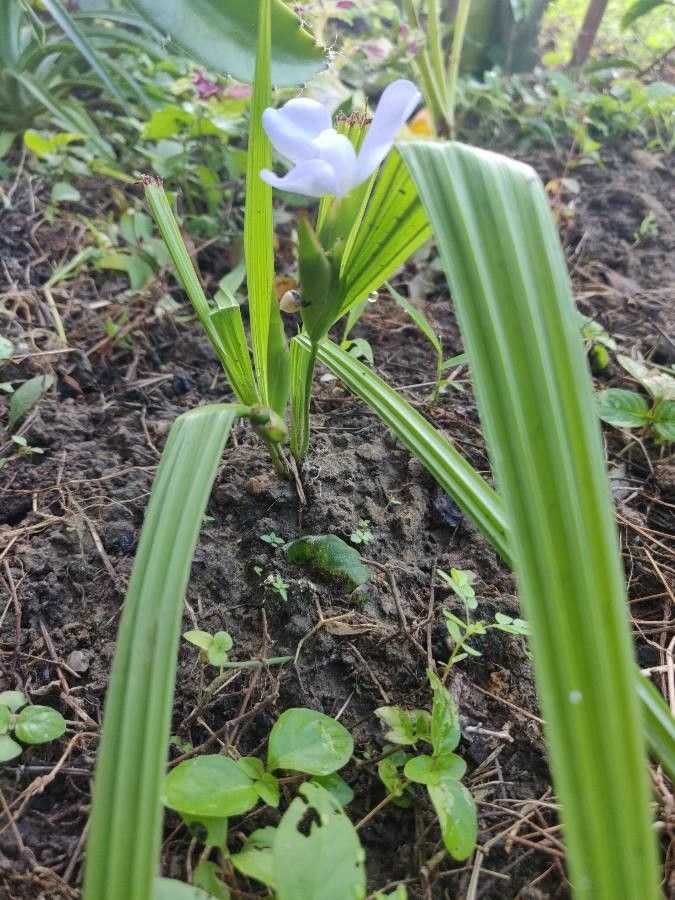
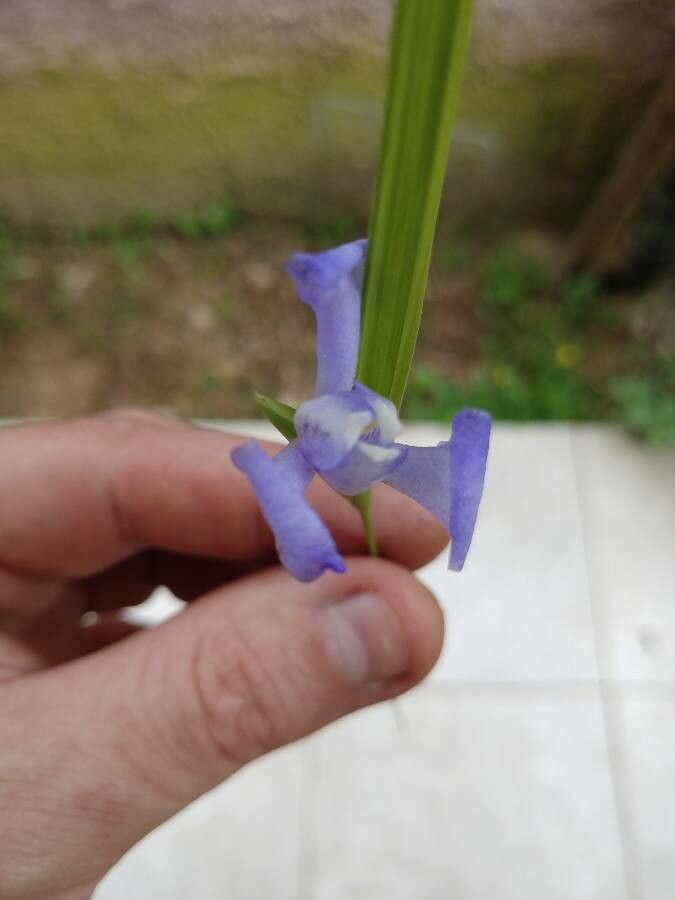
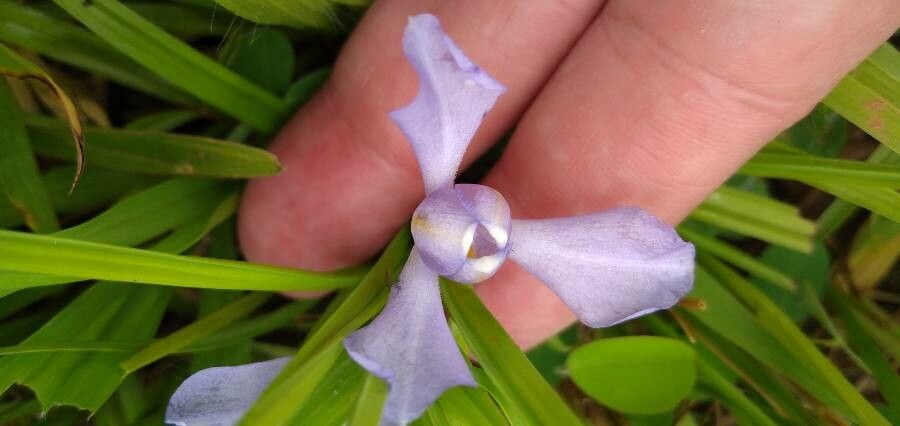
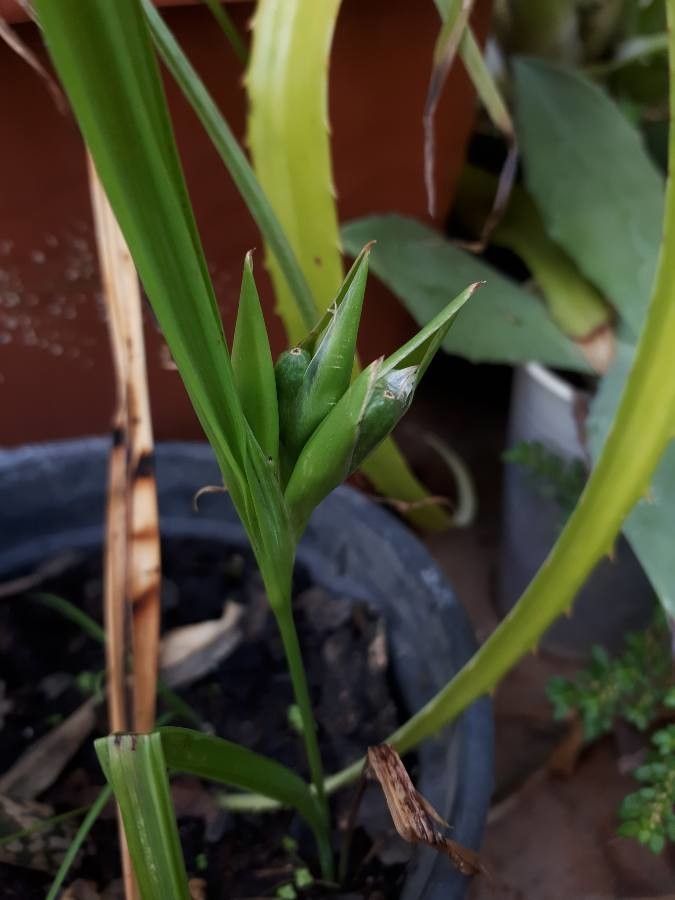
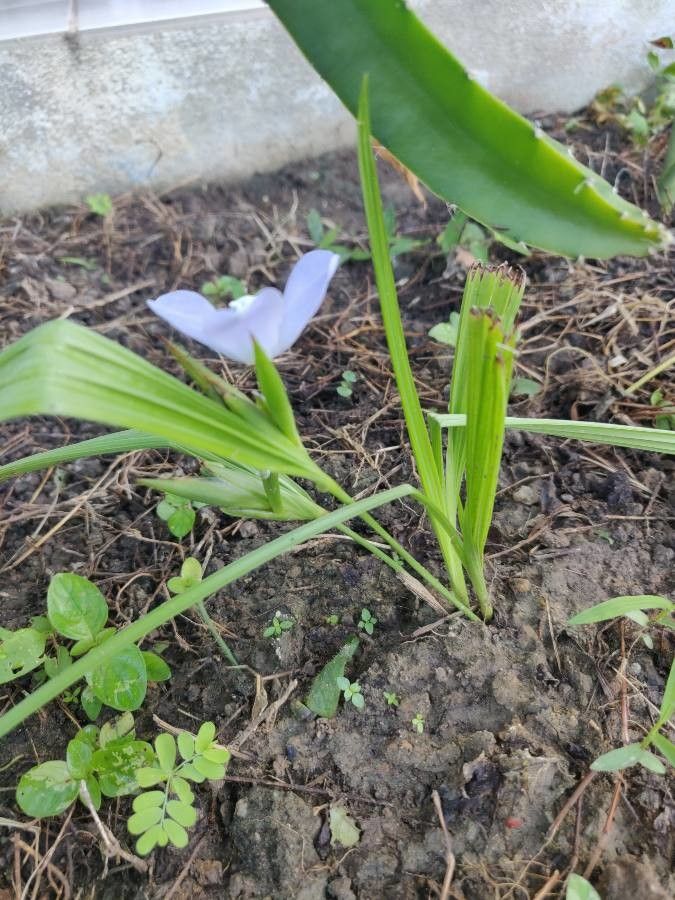
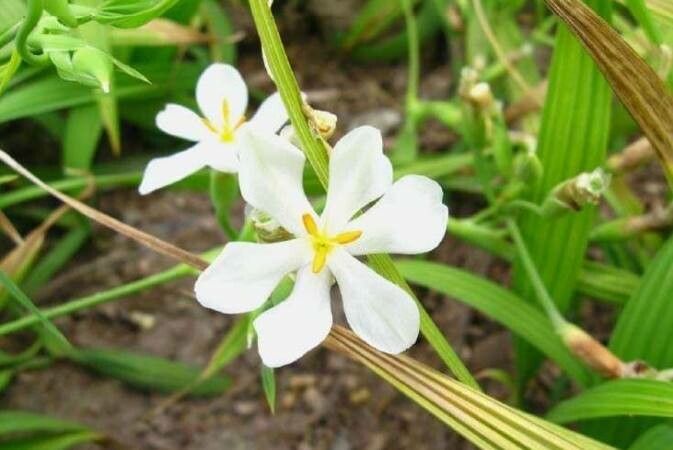
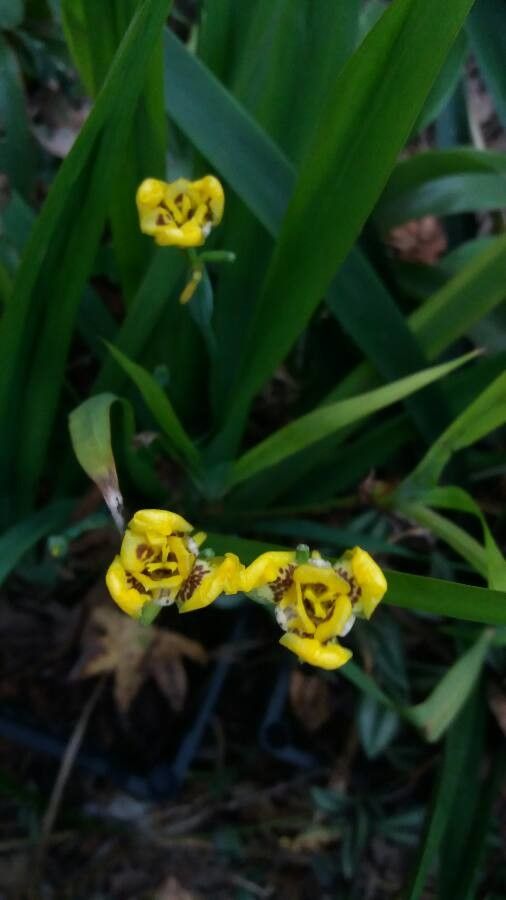
Cipura paludosa, commonly known as the marsh cipura, is a species of flowering plant belonging to the family Melastomataceae. It is native to tropical regions of South America, including Brazil and Venezuela. The plant typically thrives in marshy areas and along riverbanks, where it can grow up to 2 meters in height.
The leaves of Cipura paludosa are large and oval-shaped with prominent veins. Its flowers are small, pink or purple, and feature four petals that form a star shape. These flowers bloom throughout the year, with the highest abundance occurring during the rainy season.
Indigenous communities in South America have traditionally used Cipura paludosa for medicinal purposes. The plant is believed to possess anti-inflammatory properties and has been utilized to treat various ailments, such as fever, diarrhea, and respiratory infections.
Ecologically, Cipura paludosa plays a significant role by providing habitat for various species of birds and insects. These creatures either feed on the plant's nectar or use its leaves for shelter.
Overall, Cipura paludosa is an important plant both culturally and ecologically within its native range.
Botanical profile.
Other names.