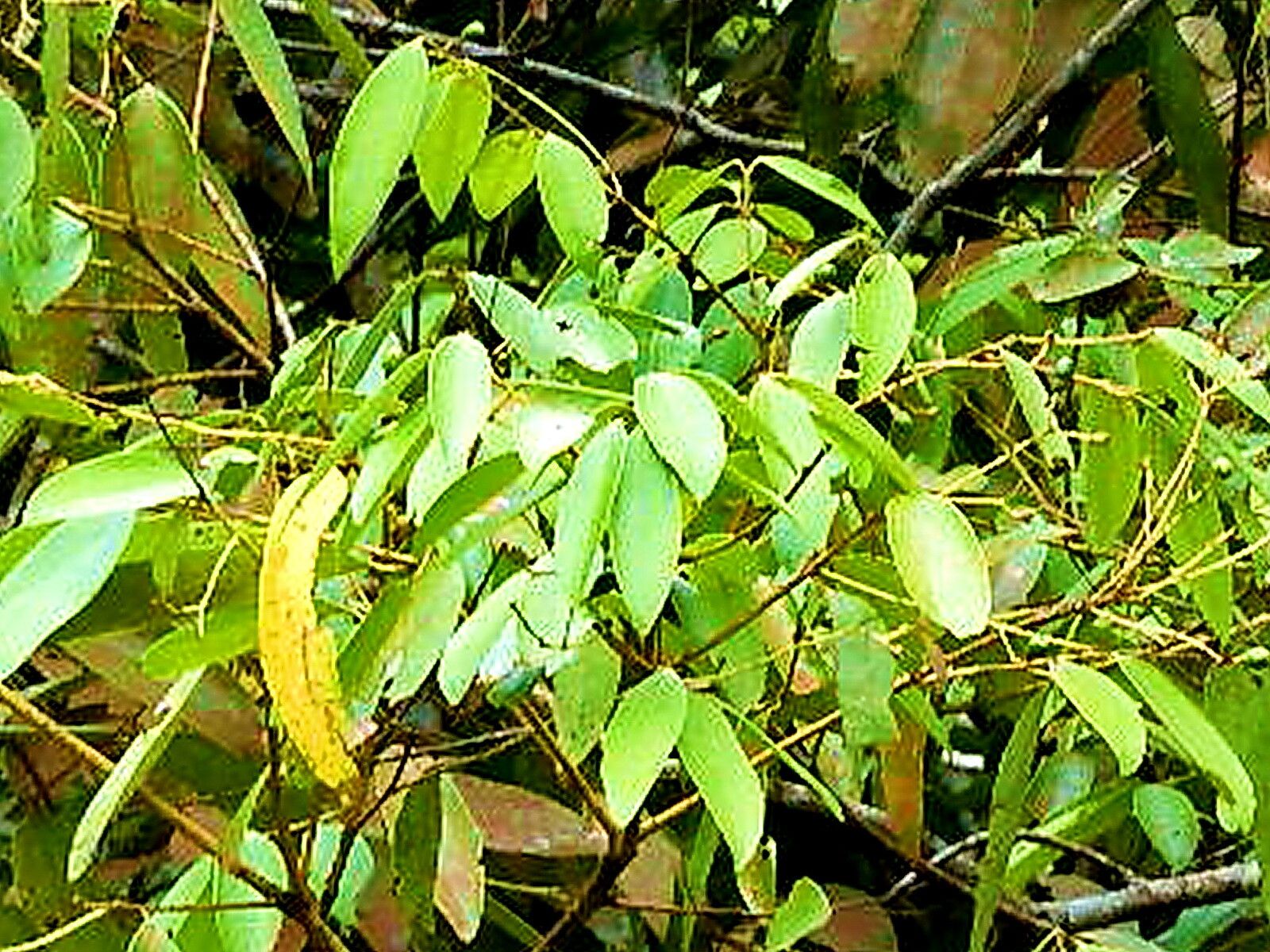
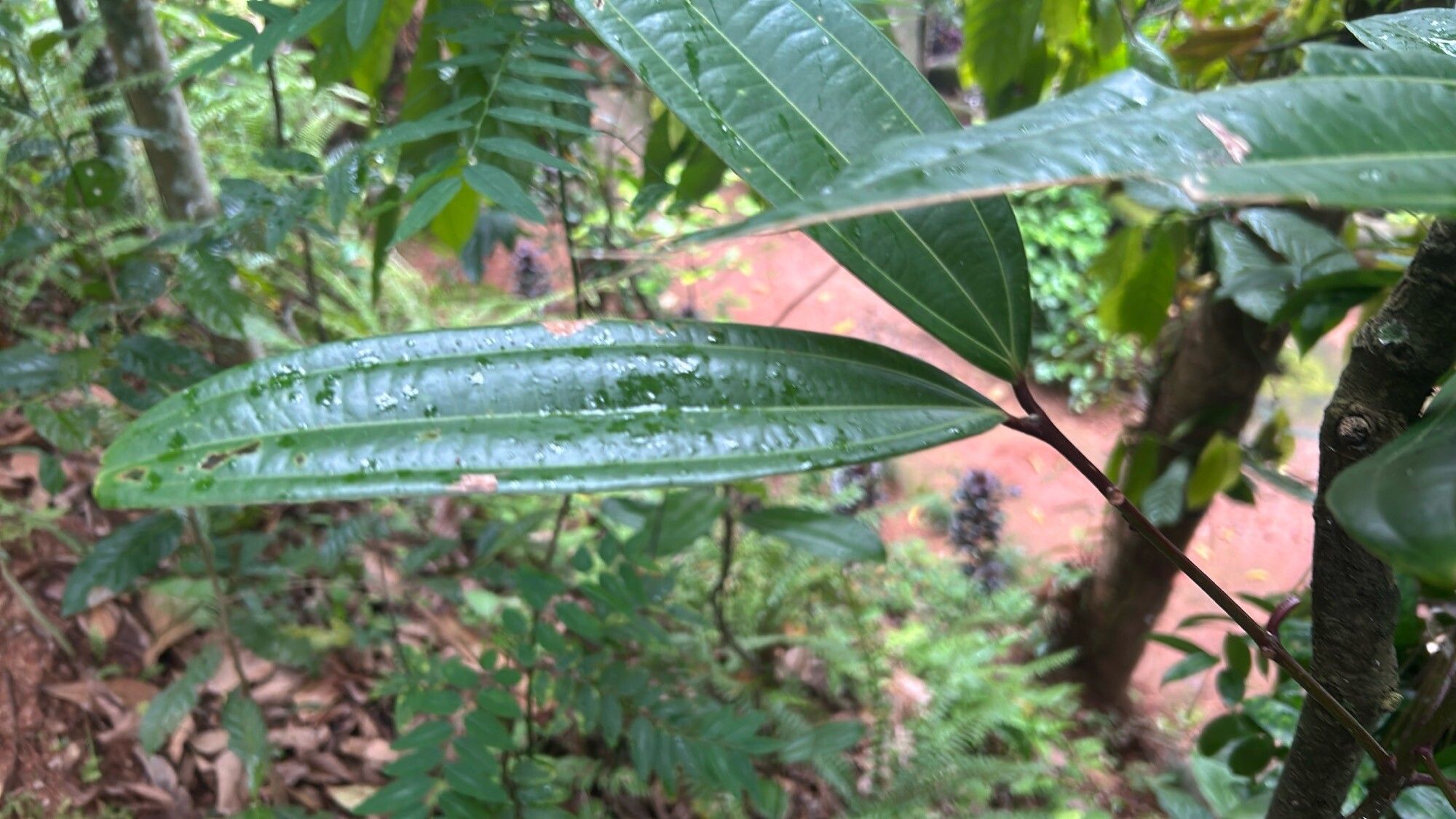
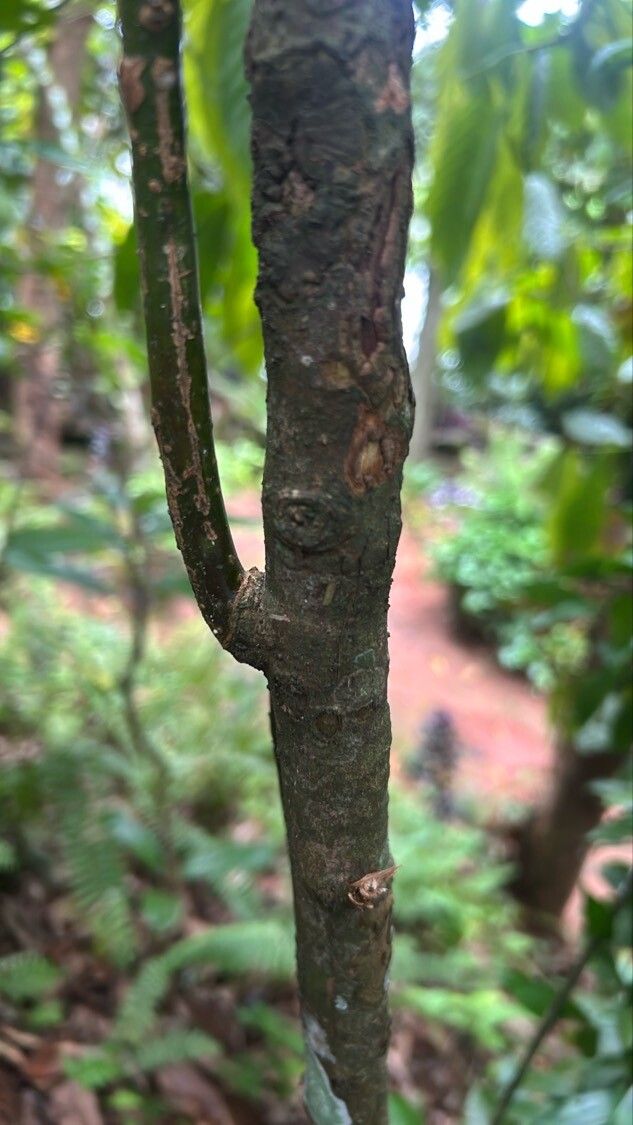
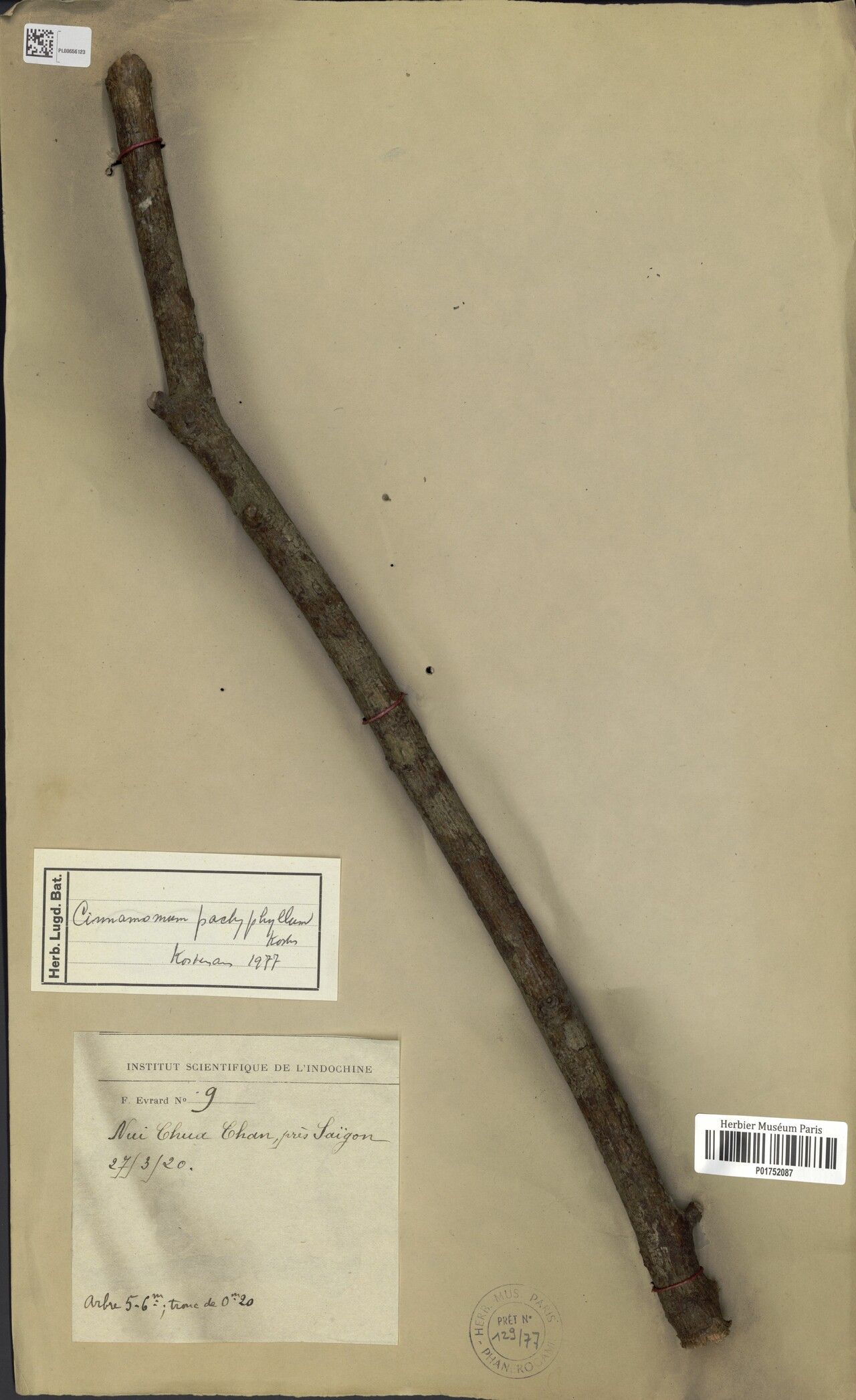
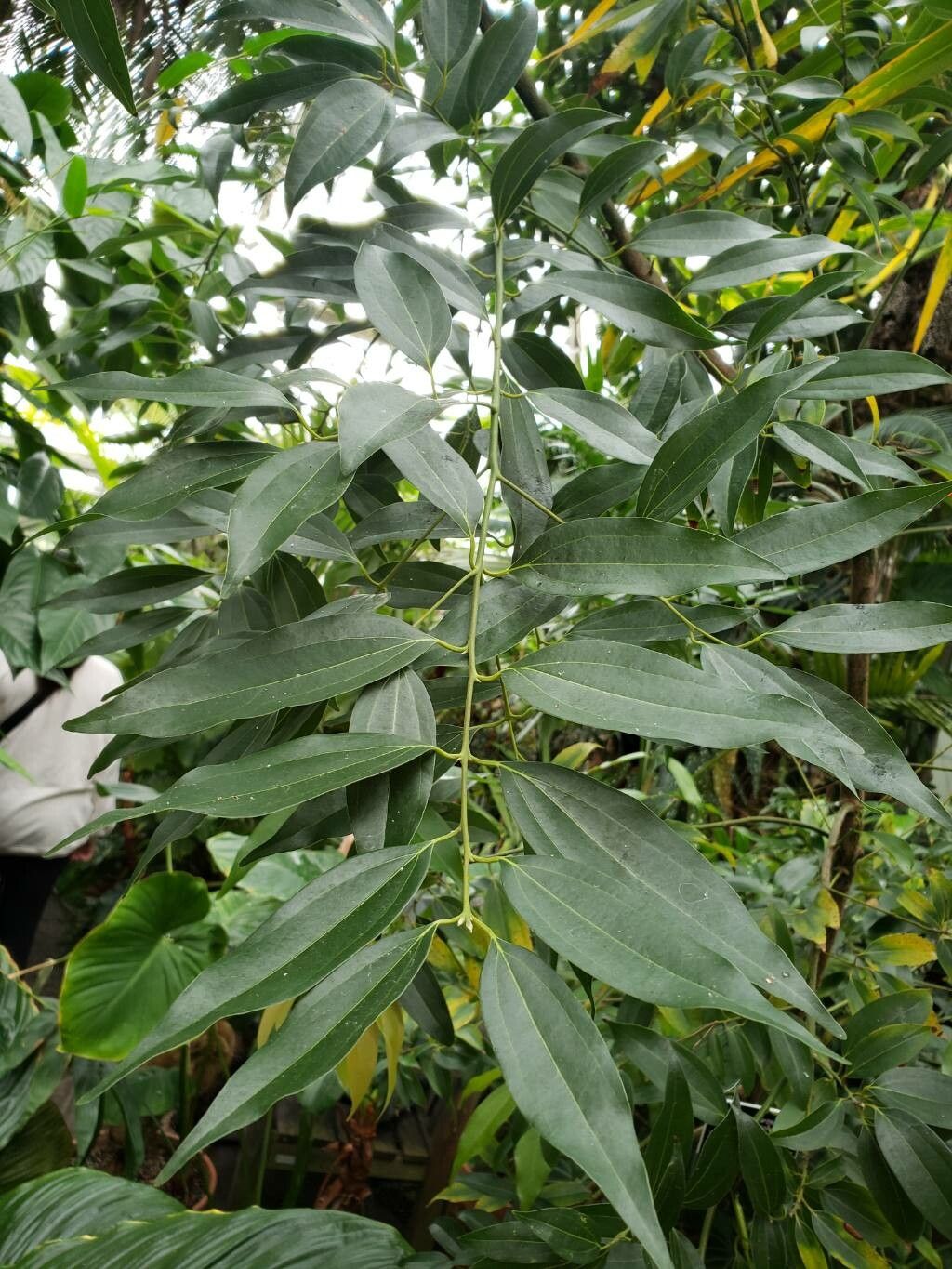
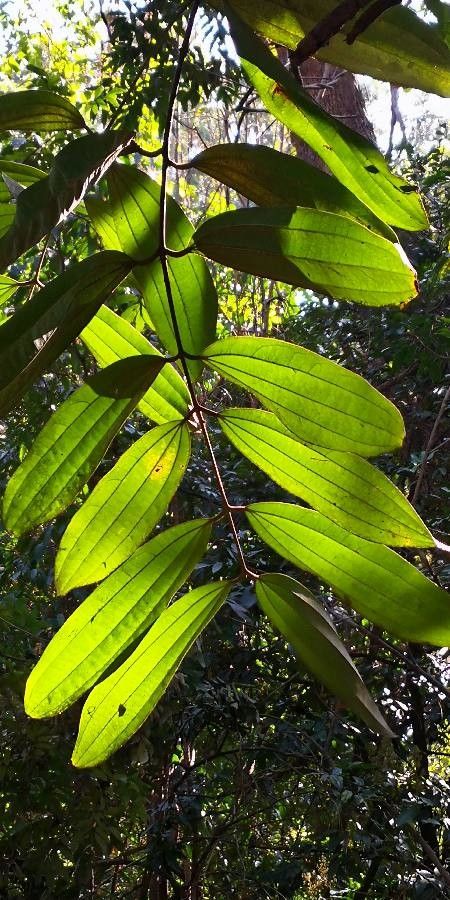
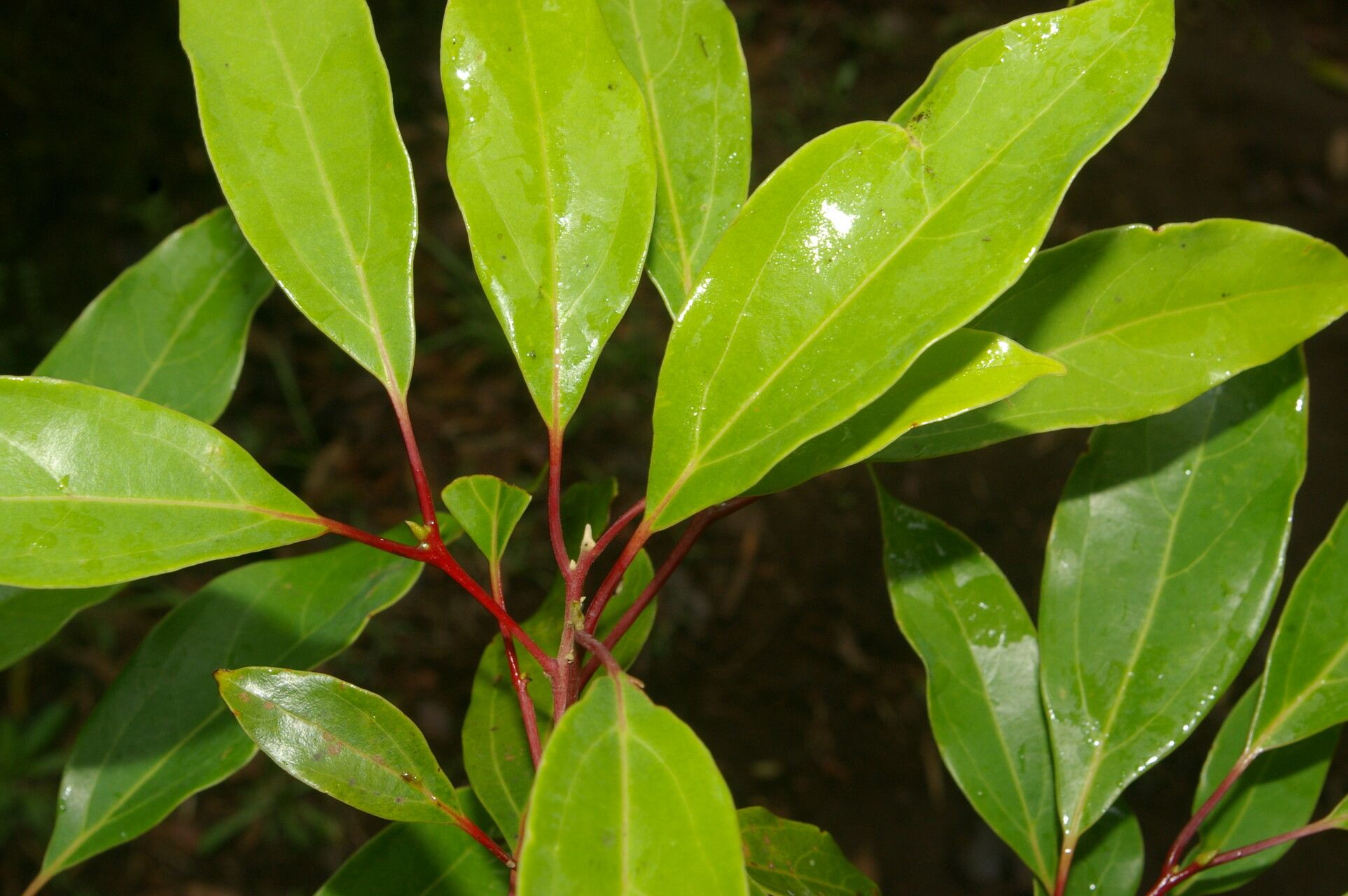
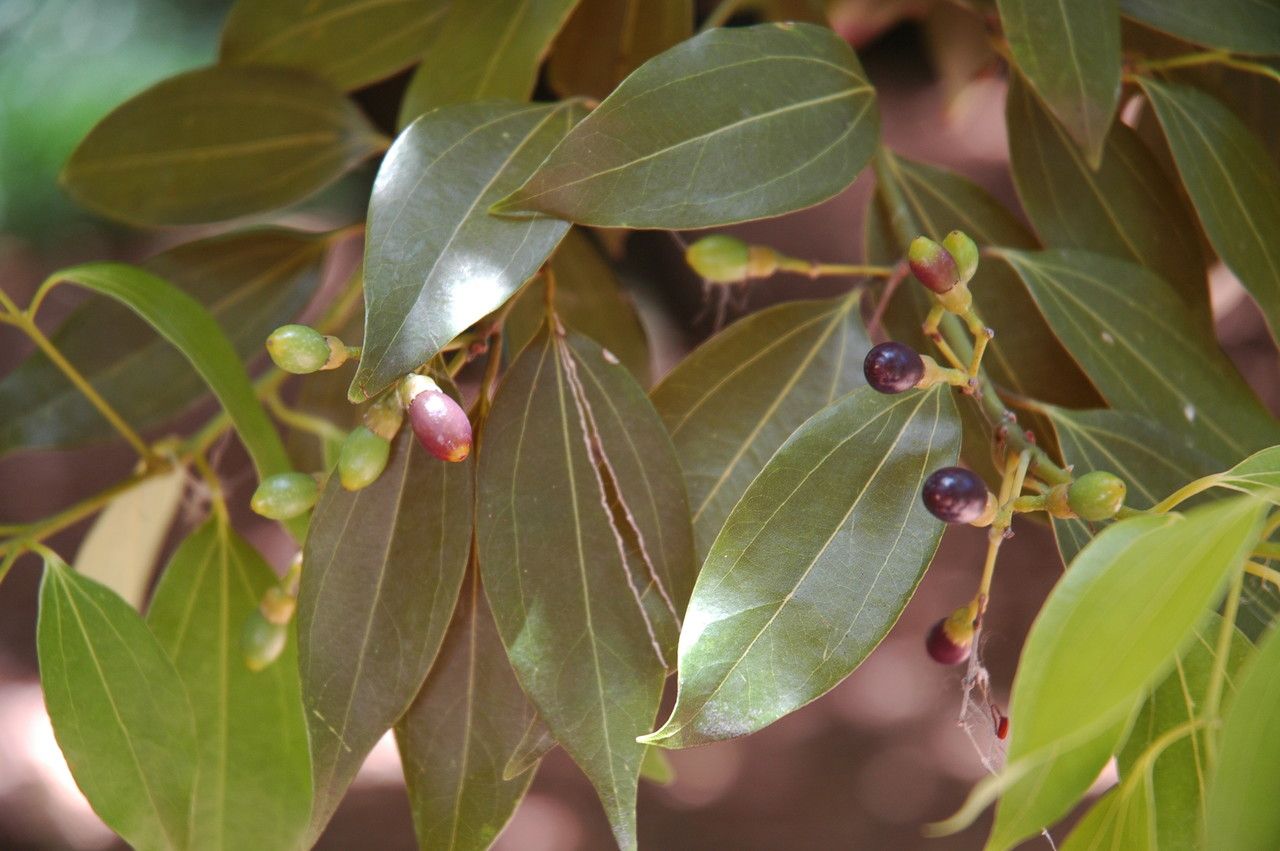
Cinnamomum iners is a tree species in the family Lauraceae described by Reinwardt and Blume. No subspecies are listed in the Catalogue of Life. It occurs naturally in Myanmar, Thailand, Laos, Cambodia, Vietnam, Malaysia, Indonesia, Brunei, Singapore, the Philippines and southern China.
True cinnamon tree has moderate resistance to disease and can be prone to problems like leaf spot. Its vulnerability to insect pests varies by variety, though most are relatively less resistant to pests. For care, the true cinnamon tree requires consistent watering and fertilizing, along with regular removal of yellow leaves. It is important to manage pests and diseases as they arise and to harvest the plant at the proper time. True cinnamon tree is appropriate for people who can spare some time and effort for regular maintenance.
How to keep Cinnamomum Iners.
Light
The true cinnamon tree does best with direct, unshaded sunlight for most of the day, which promotes its growth and overall vigor. While it can tolerate some shade, that can hinder its ideal development. Its native habitat generally has plenty of sun. Both excessive and insufficient light can negatively affect the tree's health.
Water
Wild cinnamon thrives in environments with high humidity and moderate rainfall, needing balanced watering every 2-3 weeks to prevent the soil from drying out completely. As an evergreen plant, it keeps its leaves throughout the year, so it requires consistent moisture to maintain its vibrant appearance.
Temperature
The true cinnamon tree does best in temperatures of 68 to 100°F (20 to 38°C). Native to warmer regions, it favors a hot climate. When seasons change, you may need to adjust conditions to recreate the warmth of its natural habitat, taking care with extreme cold.
Fertilizer
For the True cinnamon tree, use natural organic materials such as compost, grass clippings, or manure. You may also use a slow-release granular fertilizer or commercial fertilizer, but apply it sparingly. Work the organic fertilizer into the soil before planting. Generally, one to two fertilizer applications per growing season are enough for a bountiful harvest.
Pruning
Wild cinnamon benefits greatly from pruning, which helps maintain its health by removing dead branches and thinning out crowded areas. The best time to prune is during winter, when the plant is dormant, as this minimizes stress. Regular pruning encourages growth and enhances the plant's appearance. Be sure to use sterilized tools to prevent the spread of disease.
Pot & Repot
When repotting a True cinnamon tree, pick a pot 1-2 inches (2.5–5.1 cm) larger that has good drainage. Use a well-draining potting mix. Repot in spring or fall, making sure the root ball sits slightly below the rim of the pot. Water thoroughly after repotting and place the tree in a warm spot with indirect sunlight.
Botanical profile.
- Plant Type
- Tree
- Life Cycle
- Perennial
- Genus
- Cinnamomum
- Family
- Lauraceae
- Hardiness Zone
- 10-12
- Mature Height
- 10.06 m to 14.94 m
- Mature Spread
- 4.57 m to 9.14 m
- Leaf Color
- Green, Bronze
- Leaf Type
- Evergreen
- Flower Color
- White, Yellow, Green
- Flower Size
- 0.25 cm to 0.51 cm
- Bloom Time
- Early spring, Winter
- Planting Time
- Spring, Summer, Autumn
- Harvest Time
- Mid spring, Late spring, Early summer
- Native Area
- Sri Lanka, India, Malaysia, Indonesia, Myanmar
Other names.