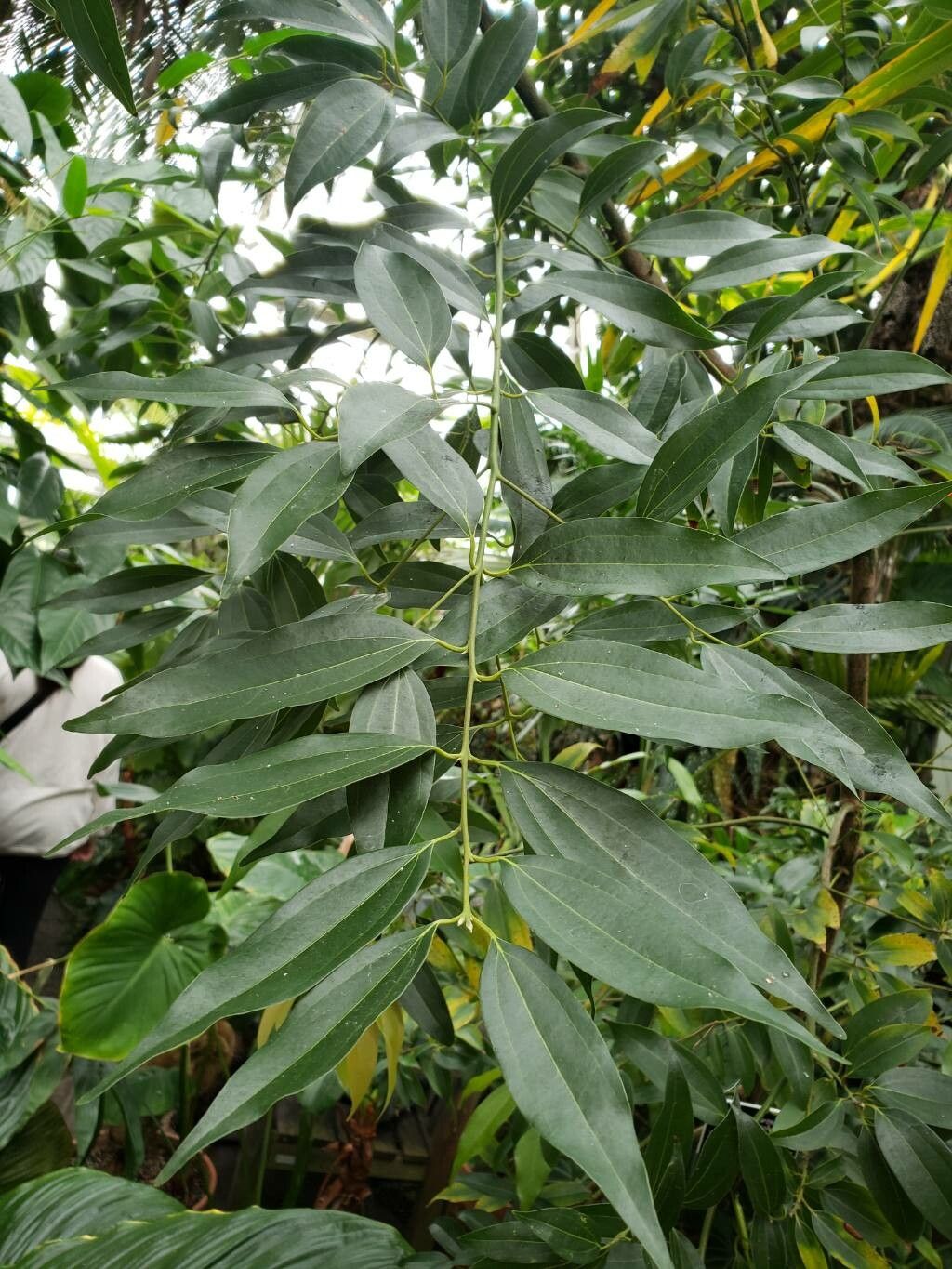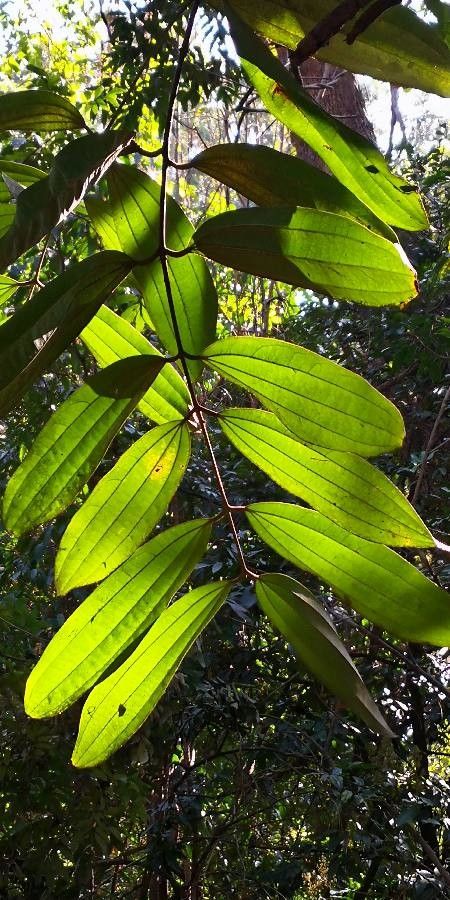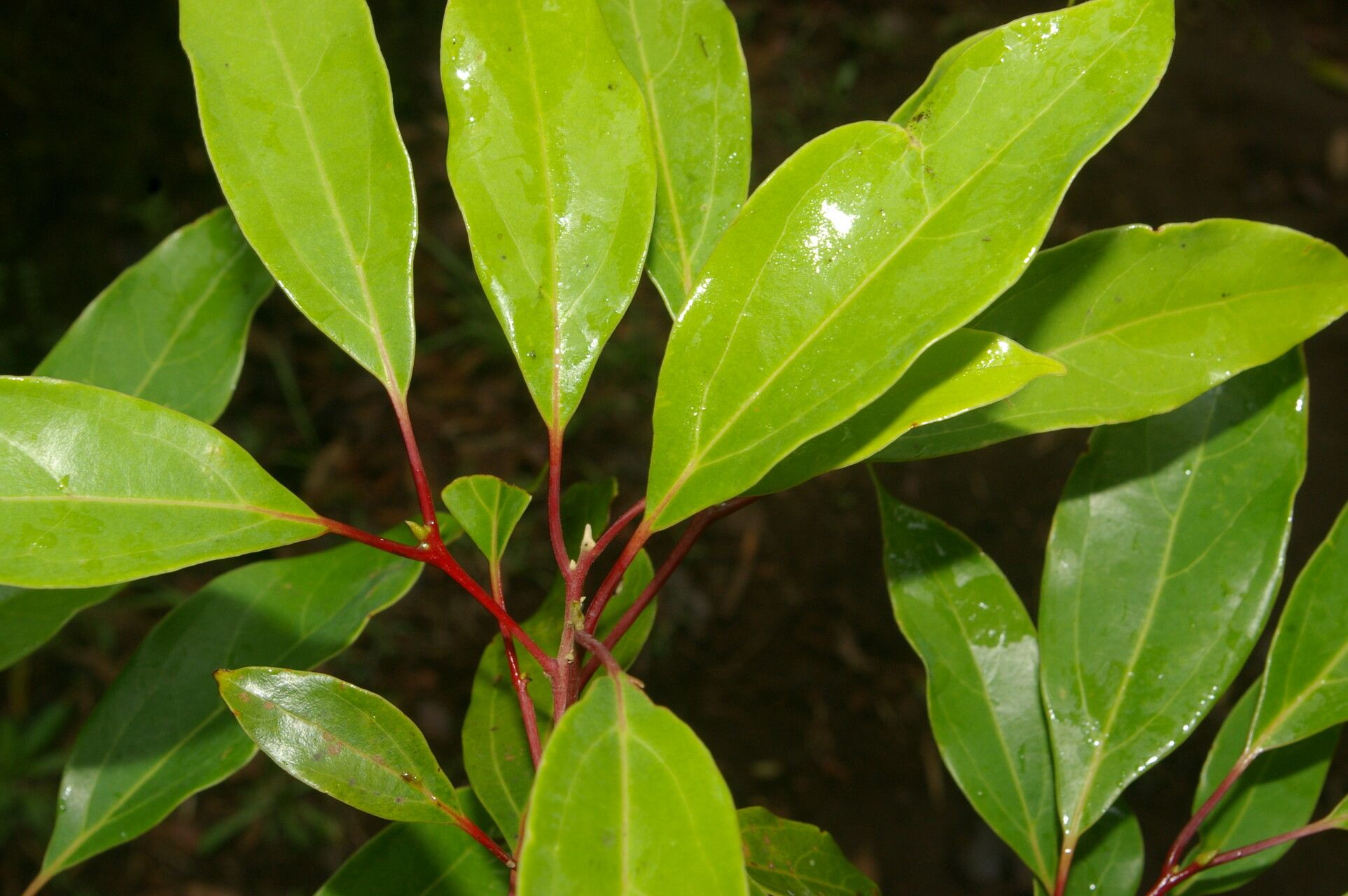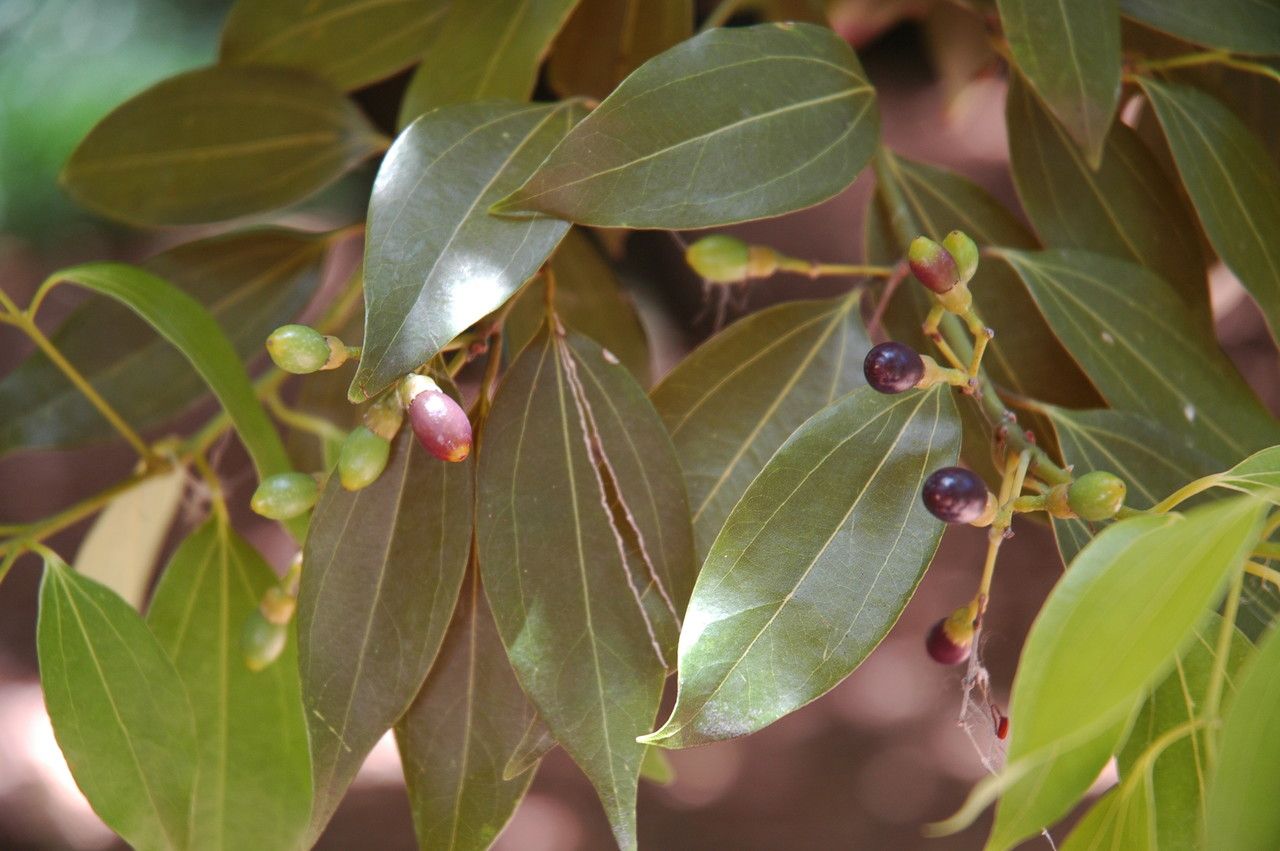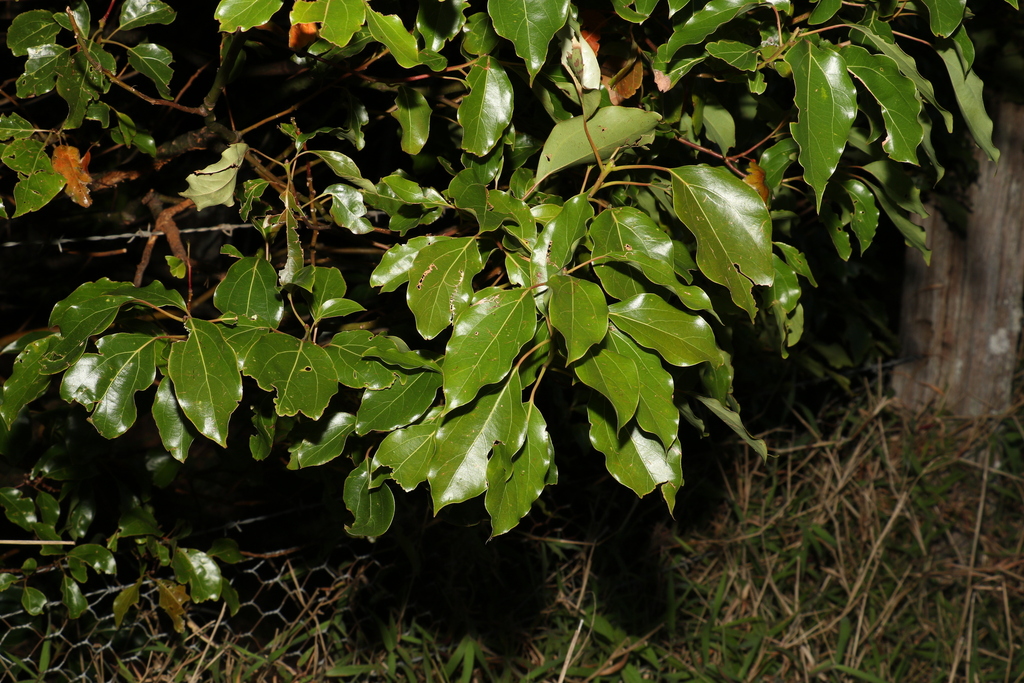
Cinnamomum camphora, commonly known as the camphor tree, is a large evergreen native to East Asia. It can grow up to 40 meters tall and features a broad crown with dense foliage. The leaves are glossy and dark green with a leathery texture, while the bark is grayish-brown and rough.
The tree produces small white flowers that bloom in the spring, followed by small black berries in the fall. One of the most notable characteristics of Cinnamomum camphora is its strong aroma, caused by the presence of essential oils in its leaves and bark.
For centuries, this plant has been used for medicinal purposes due to its antiseptic, anti-inflammatory, and analgesic properties. It has also served as an insect repellent and a key ingredient in perfumes.
In Chinese tradition, when a family welcomes a daughter, they plant a camphor tree by the entrance of their home. As their daughter grows up and eventually marries, the family cuts down this tree to craft furniture for her dowry. FUN FACT · FROM THE LIBRARY
Cinnamomum camphora is extensively cultivated for various commercial purposes, such as timber production and the extraction of essential oils from its leaves and wood chips. These oils are used in industries including pharmaceuticals, cosmetics, and food flavoring.
However, it is important to note that Cinnamomum camphora can become invasive outside its native range, potentially outcompeting local vegetation and causing ecological imbalances. Therefore, caution should be exercised when planting this tree outside East Asia, where it naturally occurs.
Camphor Tree: The leaves of the camphor tree have a glossy and waxy appearance. When crushed, they release the characteristic scent of camphor. The name "camphor" comes from the specific epithet camphora, which is why this tree is called the camphor tree.
The camphor tree has good resistance to disease and is generally not susceptible to illnesses. In terms of care, the plant is relatively low maintenance. When grown outdoors it needs minimal watering, and larger specimens usually do not require pruning. However, smaller plants should be pruned after they have finished blooming. The camphor tree is suitable for anyone with an outdoor space, such as a garden or deck, and does not demand much experience in plant care.
How to keep Cinnamomum Camphora.
Light
Camphor tree grows best in locations with steady sun exposure, though it can tolerate dappled or reduced light. The places where it originally grew indicate a preference for bright conditions for optimal growth. Excessive or inadequate sunlight can impede its normal development and undermine its health.
Water
The camphor tree, which originates from East Asia, thrives in humid subtropical climates and has a moderate tolerance for drought. To keep the soil slightly moist, water the tree every 1 to 2 weeks. As an evergreen, it grows well outdoors, especially when mulched to help retain moisture and reduce the need for frequent watering.
Temperature
The camphor tree is native to tropical and subtropical habitats and prefers temperatures of about 15℃ to 35℃ (59℉ to 95℉). It endures high heat well in summer. In winter, temperatures need to stay above 5℃ (41℉) to avoid frost damage. In spring and fall it handles fluctuating temperatures without issue.
Fertilizer
Fertilize your Camphor tree in early spring to encourage healthy growth. Regular feeding boosts the tree’s overall health, producing strong growth, better tolerance of harsh conditions, and enhanced resistance to pests and diseases. Follow a consistent fertilization routine for your Camphor tree to preserve vibrant, deeply colored foliage and a full, lush appearance.
Pruning
The Camphor tree benefits greatly from strategic pruning, which is crucial for its healthy growth. Effective techniques focus on removing dead branches to improve airflow and shaping the tree's canopy. The best time to prune is during the winter when the tree is dormant, as this helps prevent disease and encourages vigorous growth. Always use clean, sharp tools to reduce the risk of damage.
Pot & Repot
When repotting a Camphor tree, choose a pot 1-2 inches (2.5–5.1 cm) larger with ample drainage. Use a well-draining potting mix. Repot in spring or fall, ensuring the root ball sits slightly lower than the rim of the flower pot. Water thoroughly after repotting and place it in a warm spot with indirect sunlight.
Toxicity
Although its essential oils are used in a variety of medicinal preparations, the camphor tree is toxic to both humans and animals, particularly cats and dogs, when consumed.
Further reading →
The toxicity and danger assessments provided are for reference only. We do not assure their accuracy, so it's crucial not to depend on them. Seek professional advice when necessary for accurate guidance.
Botanical profile.
- Plant Type
- Tree
- Life Cycle
- Perennial
- Genus
- Cinnamomum
- Family
- Lauraceae
- Hardiness Zone
- 8-10
- Mature Height
- 20.12 m to 29.87 m
- Mature Spread
- 6.1 m
- Leaf Color
- Green
- Leaf Type
- Evergreen
- Flower Color
- White
- Flower Size
- 0.51 cm to 0.51 cm
- Bloom Time
- Late spring, Early summer
- Planting Time
- Spring, Autumn
- Harvest Time
- Mid summer, Late summer, Early fall
- Native Area
- Vietnam, Japan, Koppen, South Korea, China
Other names.
Reader questions.
How should I water my Camphor tree to keep it healthy?
Watering your Camphor tree is not complicated. You can use common watering tools like cans, hoses, or even cups. It's important to water the soil directly and make sure all areas are evenly moistened to support the entire root system. Filtered water is preferable, as tap water may contain harmful particles. It's also best to use water at or slightly above room temperature to avoid shocking the tree. However, the Camphor tree usually thrives with any type of water.
Why do I have to put fertilizer on my Camphor tree?
To ensure your Camphor tree is healthy and resilient, it is important to regularly fertilize it. By providing the appropriate nutrients, your tree will experience stronger growth and be better equipped to withstand challenging conditions, as well as fend off diseases and pests. The foliage of your Camphor tree is a notable attribute, so it is essential to maintain its integrity. This can be achieved by following a consistent fertilization schedule tailored to your specific tree. By doing so, you can expect to see leaves with rich color and an overall lush appearance.
What are the sunlight requirements for a Camphor tree?
The Camphor tree thrives in areas that get constant exposure to sunlight, showing a preference for well-lit environments for optimal growth. It requires full sun, defined as over 6 hours of direct sunlight per day, but can also tolerate partial sun, which is about 3-6 hours of sunlight. However, excessive or insufficient sunlight might affect its growth and overall health negatively. It's important to watch how sunlight moves through your garden to ensure plants get a balanced amount of light and shade, which is crucial for their well-being.
What is the native growth environment of the Camphor tree?
The Camphor tree (Cinnamomum camphora) thrives in tropical and subtropical regions. It flourishes in temperatures ranging from 15°C to 35°C (59°F to 95°F), tolerating high temperatures well during summer. In winter, the temperature should not drop below 5°C (41°F) to prevent frost damage, while in spring and fall, it adapts well to varying temperatures. Despite some cold tolerance, temperatures below -5°C require temporary cold protection measures.
What should I do if I give my Camphor tree too much or too little water?
When it comes to outdoor plants, especially newly planted ones or seedlings, they are prone to not getting enough water. It's important to make sure you water them adequately for the first few months, especially when the tree is small or just recently planted. Once the roots are established, Camphor trees can rely on rain most of the time. If your Camphor tree is in a pot, the opposite problem of overwatering becomes more likely. If you accidentally overwater your tree, you should take immediate action to fix the situation. Stop watering your plant right away to minimize the effects of overwatering. Then, remove the Camphor tree from its pot to check its roots. If none of the roots have root rot, you can place your plant back in its container. If you do find signs of root rot, trim away any affected roots and consider applying a fungicide to prevent further damage. Finally, repot your Camphor tree in well-draining soil. On the other hand, if you underwater your Camphor tree, the solution is simpler. The leaves will droop, dry out, and eventually fall off. However, they will quickly regain their fullness after sufficient watering. So, make sure you correct your watering frequency as soon as you notice underwatering.
When should I put fertilizer on my Camphor tree?
To ensure healthy growth, it's best to fertilize your Camphor tree in late winter or early spring. This gives the tree the nutrients it needs for growth when the weather warms up. If you live in a warm climate region, it's also helpful to provide another fertilizer feeding in early fall. This adds nutrients for the following growing season and helps the tree survive winter without foliage damage. Fertilizing earlier in the fall will give the new branches more time to grow and withstand the cold winter.
How can artificial lighting supplement sunlight for indoor Camphor trees?
Indoor Camphor trees require adequate lighting for optimal growth, especially when natural sunlight is insufficient. Artificial lights, such as LED lights, can provide the specific wavelengths needed by the plants. For full sun plants, 30-50 watts per square foot is recommended, partial sun plants need 20-30 watts per square foot, and full shade plants require 10-20 watts per square foot. The light source should be placed 12-36 inches above the plant to mimic natural sunlight, and the duration of exposure should be similar to natural daylight hours, generally 8-12 hours per day.
How does the Camphor tree react to low temperatures?
The Camphor tree has a moderate tolerance to low temperatures and performs best when the temperature is above 15°C. If winter temperatures fall below -5°C, it's advisable to keep the tree protected. Exposure to temperatures below -10°C may lead to drooping leaves. Although the tree can recover from mild frost damage, severe cases result in wilted leaves that eventually fall off. Solutions include trimming frost-damaged parts and using protective measures like wrapping the plant in non-woven fabric or constructing a wind barrier.
How frequently should I give water to my Camphor tree?
Most outdoor plants can grow naturally with rainfall. If your area doesn't get enough rain, water your plants every 2 weeks in spring and fall, and more often in the summer. In winter, when growth slows down, water sparingly or not at all. Young or newly planted Camphor trees need more frequent watering to establish themselves. For potted Camphor trees, there are two ways to determine watering frequency. You can set a regular schedule, but that may not always work as it doesn't consider the specific growing conditions. Alternatively, you can check the soil moisture and water when the top few inches are completely dry.
When is it not a good idea to fertilize my Camphor tree?
There are a few times during the year when you should avoid fertilizing your Camphor tree. The first time is in early and mid-winter when the tree is dormant and doesn't need feeding. It's also not recommended to fertilize during late spring and summer when the weather is hotter and drier. These conditions can have a negative impact on the tree if fertilized. To avoid any issues, stick to a fertilization schedule that only involves feeding in early spring and early fall.
What are common symptoms of improper sunlight exposure in Camphor trees?
Camphor trees exhibit several symptoms when they don't receive adequate sunlight, including small and lighter-colored new leaves, leggy or sparse growth, faster leaf drop, slower or no new growth, and signs of chlorosis or sunscald. Excessive sunlight can lead to leaf curling, wilting, and leaf scorching due to increased water loss and damage from intense sunlight exposure. Each of these symptoms indicates a challenge in maintaining the right balance of sunlight for the tree's health.
How does the Camphor tree respond to high temperatures?
During summer, it is crucial to prevent the Camphor tree from exceeding temperatures of 35°C. Exceeding 41°C can lighten the color of the leaves, cause dry and withered leaf tips, curl the leaves, and increase susceptibility to sunburn. To mitigate damage, trim sunburned and dried parts, relocate the plant to a shaded area during midday and afternoon sun, or use a shade cloth. Additionally, keeping the soil moist through morning and evening watering can help the tree endure high temperatures.