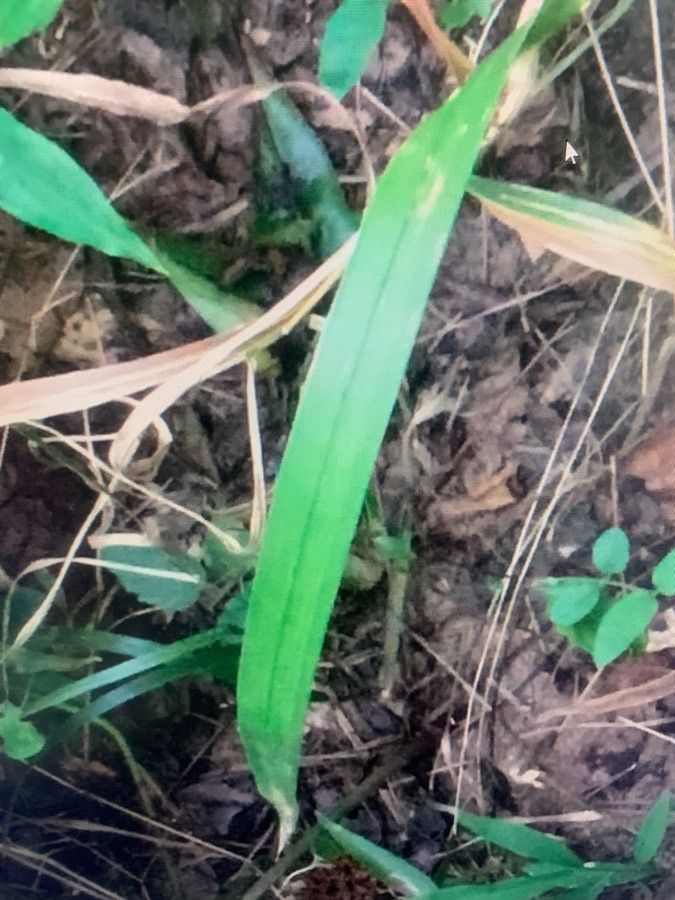
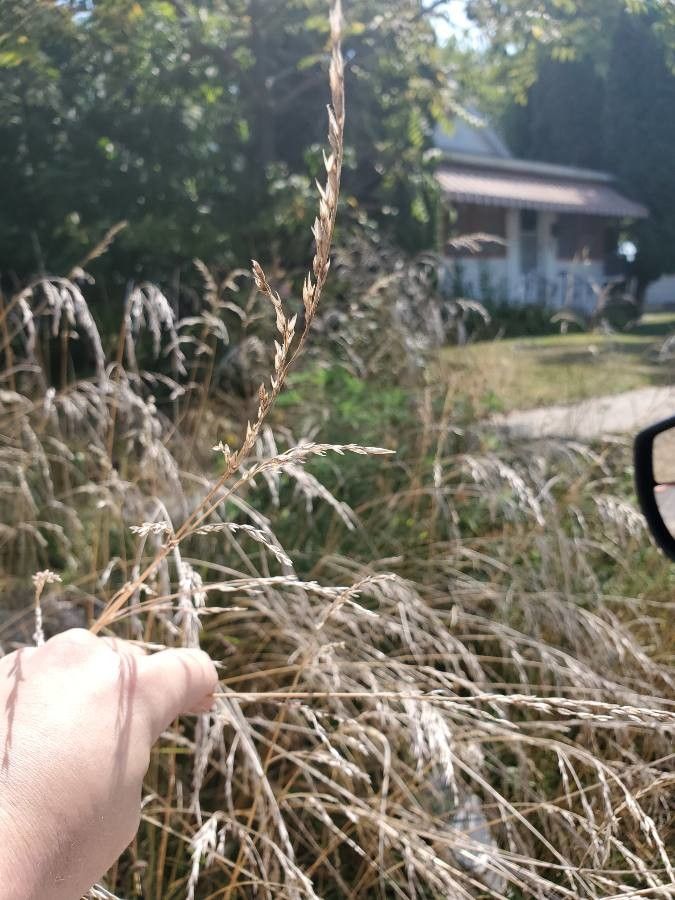
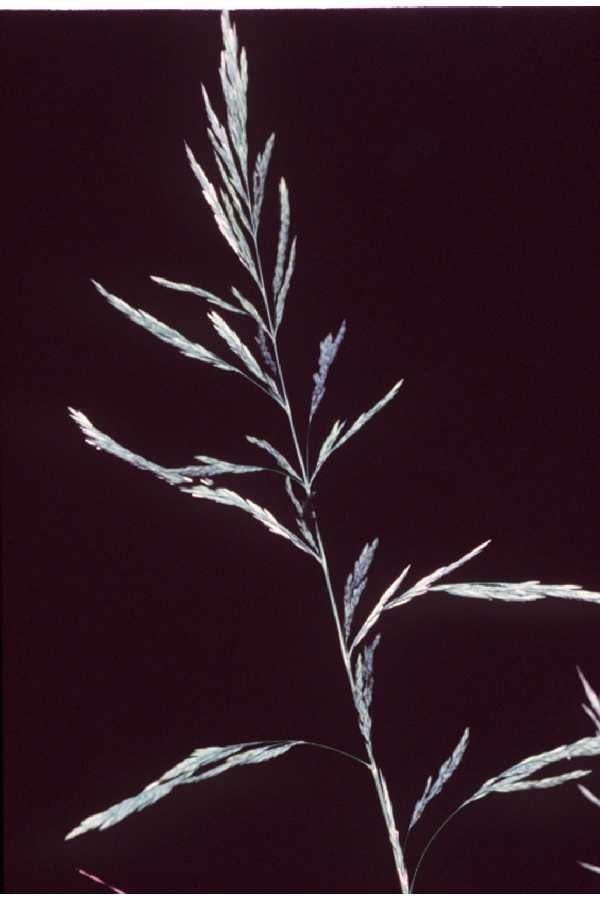
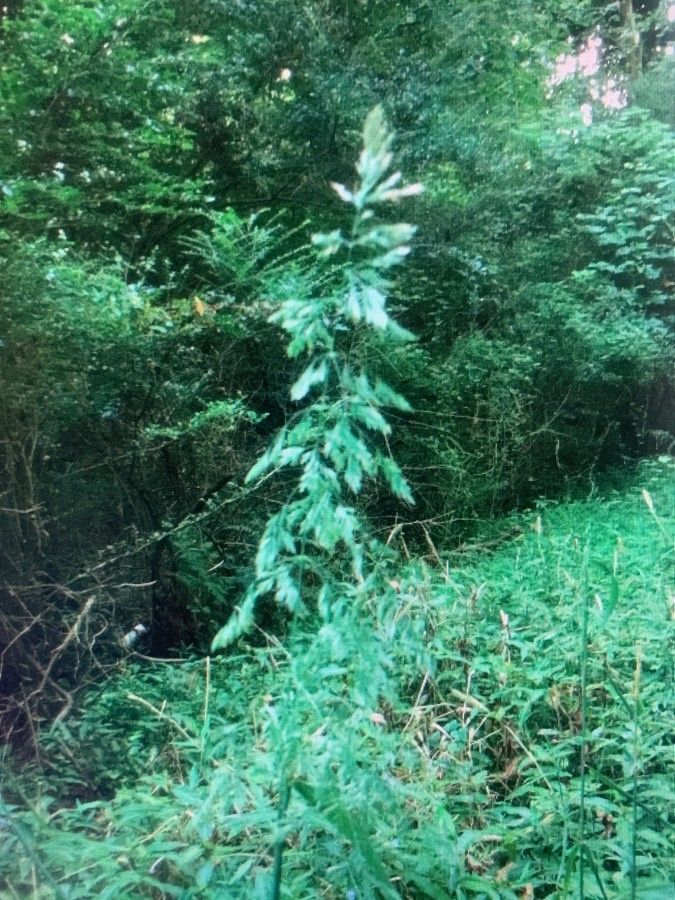
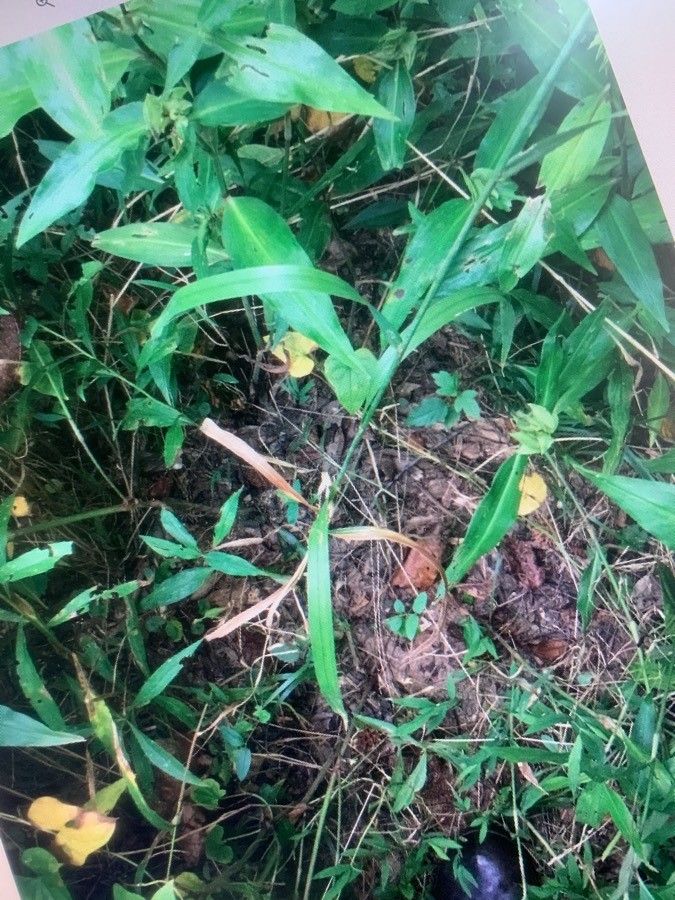
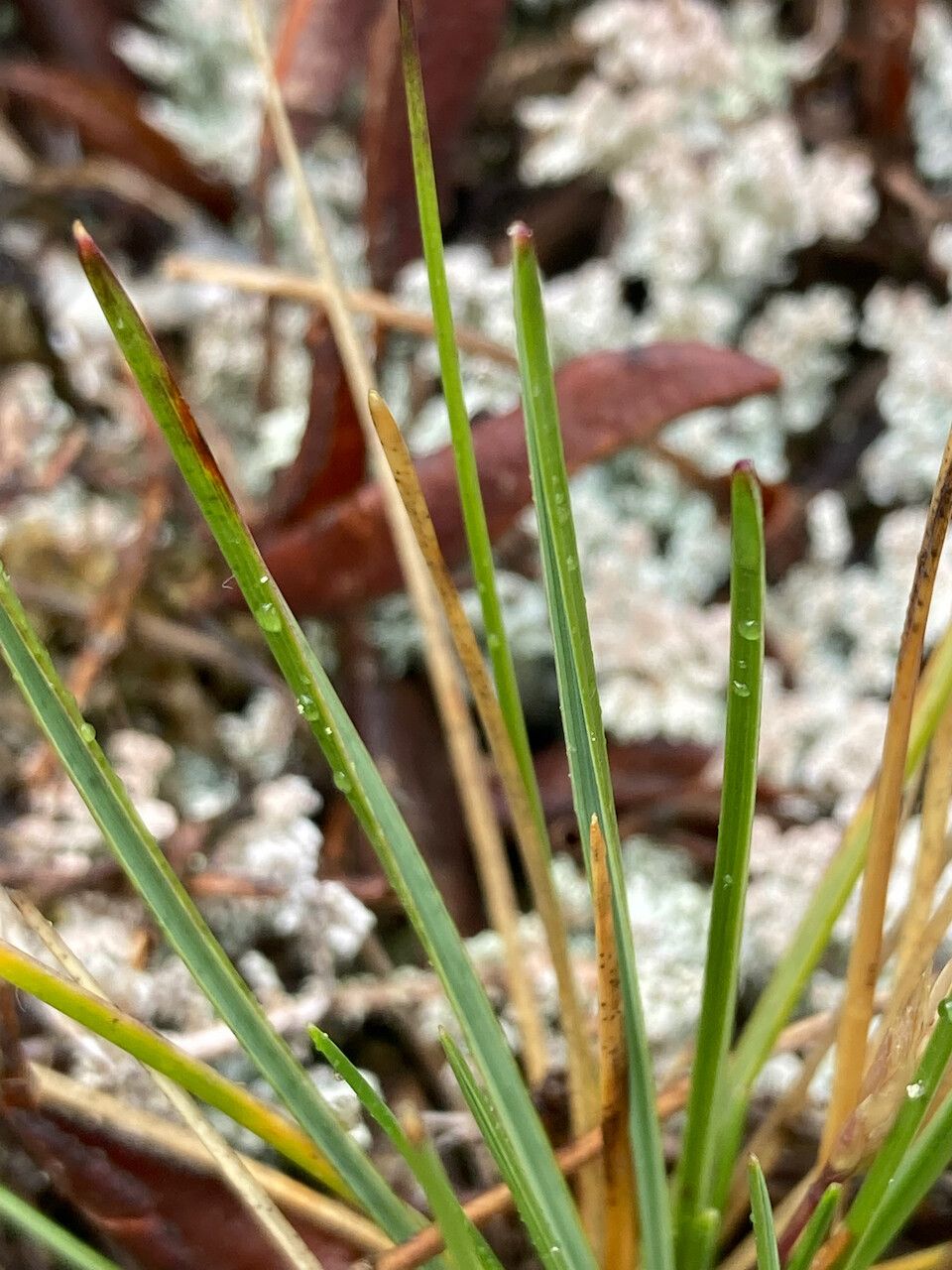
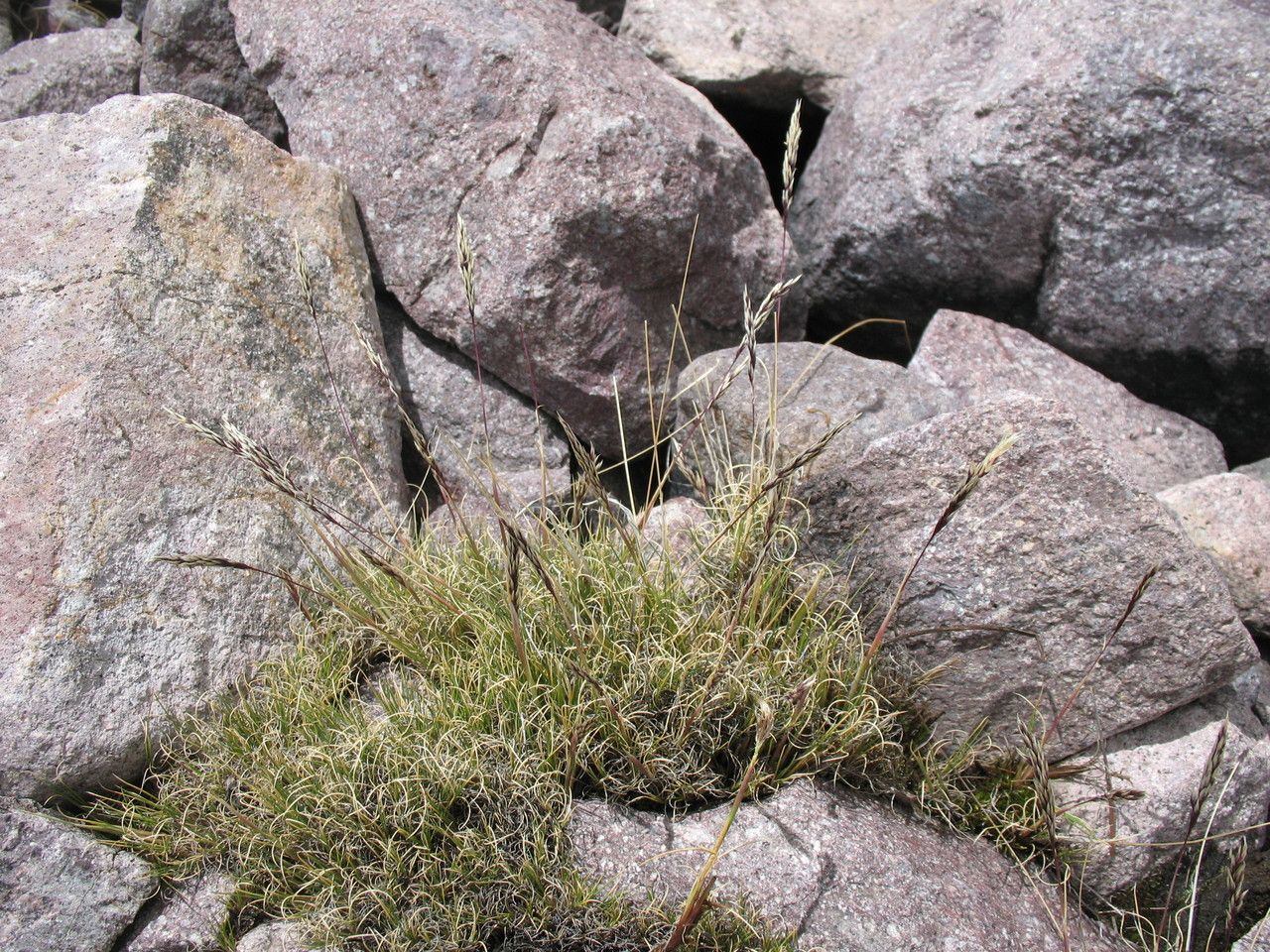
Cinna arundinacea, the stout woodreed or sweet woodreed, is a species of flowering plant in the grass family Poaceae. It is native to Canada and the United States east of the Rockies. A perennial reaching 6 ft (1.8 m), it is usually found growing in wet areas.
Rough small-reed shows strong resistance to disease and is generally not easily affected by illnesses. Regarding care, this plant is relatively low-maintenance. When grown outdoors it needs minimal watering, and larger plants usually do not require pruning. However, smaller plants should be pruned after they have bloomed. Rough small-reedt is suitable for anyone with an outdoor area, such as a garden or deck, and does not require much experience in plant care.
How to keep Cinna Arundinacea.
Light
For survival and optimal growth, rough small-reed requires ample sun exposure, although it can tolerate moderate sunlight. Originating from habitats characterized by abundant sunshine, sunlight is vital for its health and development. Both too much and too little sun can negatively affect rough small-reed, causing stunted growth or discoloration.
Water
Stout woodreed, which naturally grows in moist meadows, thrives in consistently damp conditions, but it can also endure short periods of dryness. It should be watered weekly, needing less frequent care compared to more water-dependent plants. Its growth cycle is synchronized with the availability of natural water sources, allowing it to efficiently absorb water when it is plentiful.
Temperature
Rough small-reed is native to environments with moderate temperature requirements. Preferring a range of 59 to 89.6 °F (15 to 32 °C), it may require seasonal temperature adjustments to thrive in cooler or warmer climates.
Fertilizer
Rough small-reed needs extra nutrients to encourage healthy new growth. In spring, applying compost around the base of the plant will supply the nutrition it requires. Fertilizing supports vigorous growth and helps the plant withstand diseases and pests.
Pruning
Stout woodreed thrives in moist environments and has sturdy stems. For optimal growth, prune it in early spring. Cut the stems back to ground level and thin out any crowded areas to improve air circulation. Be careful not to over-prune, as this will encourage healthy growth, denser foliage, and reduce the risk of disease, resulting in a more attractive appearance throughout the growing season.
Botanical profile.
- Plant Type
- Grass
- Life Cycle
- Perennial
- Genus
- Cinna
- Family
- Poaceae
- Hardiness Zone
- 7
- Mature Height
- 0.91 m to 1.22 m
- Mature Spread
- 91 cm
- Leaf Color
- Green, Blue, Yellow
- Leaf Type
- Deciduous
- Flower Color
- Yellow, Purple, Brown
- Flower Size
- 15.24 cm to 30.48 cm
- Bloom Time
- Early summer, Mid summer
- Planting Time
- Spring, Summer
- Harvest Time
- Mid summer, Late summer, Early fall
- Native Area
- Turkey, Sweden, India, Austria, Slovakia, Montenegro, Pakistan, Slovenia, Croatia, Belarus, Russia, Germany, Estonia, Koppen, South Korea, Latvia, Romania, Belgium, Portugal, France, Czech Republic, Philippines, Bulgaria, Armenia, Poland, Greece, Ukraine, Serbia, China, Lithuania, Norway, Italy, Kazakhstan, Spain, Switzerland, Denmark, Japan, Finland, Bhutan, Albania, Azerbaijan, Hungary
Other names.
Reader questions.
What are the sunlight requirements for Stout Woodreed?
Stout woodreed, known botanically as Cinna arundinacea, thrives in environments with plentiful sunlight, requiring more than 6 hours of sunlight for optimal growth (full sun), though it can also tolerate about 3-6 hours of sunlight (partial sun). The plant's well-being can be negatively impacted by either too much or too little sunlight. It's beneficial to watch how sunlight moves through your garden, selecting spots that balance light and shade to ensure your plants' happiness.
What is the ideal climate for growing Stout woodreed?
Stout woodreed (Cinna arundinacea) thrives in a temperate climate with temperatures ranging from 41 to 89.6 °F (5 to 32 °C). For optimal development, it's crucial to consistently monitor the temperature throughout each season. This plant is highly cold-tolerant and does not require additional frost protection measures during winter. However, to ensure the soil remains moist and enters a frozen state, which helps prevent drought and water scarcity for the plant during winter and early spring, it is recommended to water the plant generously before the first freeze in autumn.
How does artificial lighting support Stout Woodreed's growth indoors?
Indoor Stout woodreed plants benefit significantly from artificial lighting, especially when natural sunlight is insufficient, like during winter or in less sunny spaces. Artificial lights, particularly LED lights, can be customized to provide specific wavelengths needed for the plant's growth, promoting faster, healthier development. For full sun plants, 30-50W/sq ft of artificial light is recommended, with partial sun plants requiring 20-30W/sq ft, and full shade plants needing 10-20W/sq ft. The light source should be placed 12-36 inches above the plant for 8-12 hours per day to mimic natural sunlight conditions best.
How does Stout woodreed respond to low temperatures?
Stout woodreed is extremely cold-tolerant, managing well in winter temperatures above -25°C. If temperatures fall below this threshold, there may not be noticeable changes during the winter, but you could see a decrease in sprouting or even no sprouting at all in the spring. In spring, it's advised to remove any parts of the plant that have failed to sprout to mitigate this issue.
What are the symptoms of inadequate lighting for Stout Woodreed?
When Stout woodreed does not receive adequate light, several symptoms may emerge, including smaller new leaves, leggy or sparse growth, faster leaf drop, slower or halted growth, lighter-colored new leaves, chlorosis (yellowing leaves), sunscald on leaves or stems, leaf curling, wilting due to excessive transpiration, and leaf scorching with brown, crispy edges. These symptoms indicate either too much or too little light, impacting the plant's ability to photosynthesize and maintain overall health.
What should be done if Stout woodreed is exposed to high temperatures?
When exposed to temperatures above 32°C, the growth of Stout woodreed will halt, and the plant becomes more susceptible to rot. If this occurs, trim away the sunburned and dried-up parts of the plant. To protect the plant from the heat, move it to a location that offers shade during the midday and afternoon sun, or use a shade cloth. To keep the soil moist and further assist the plant in these conditions, water it in the morning and evening.
What solutions can be applied to address Stout Woodreed's light deficiency?
To combat light deficiency in Stout woodreed, gradually moving the plant to a sunnier location can help, aiming for at least 6 hours of direct sunlight daily, especially for indoor plants that might require a south-facing window or artificial light if they're large or not easily movable. Outdoor plants should also be moved gradually to avoid sunburn. Reducing obstructions like pruning trees or planting in areas with better sunlight exposure and drainage can also significantly benefit the plant. Note that while parts of the plant affected by poor light might not recover, new growth after adjusting light exposure should be healthier.