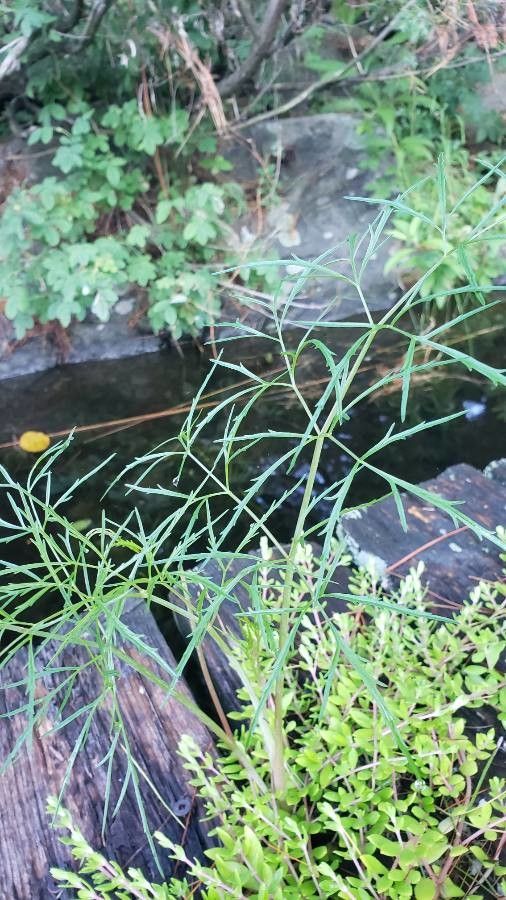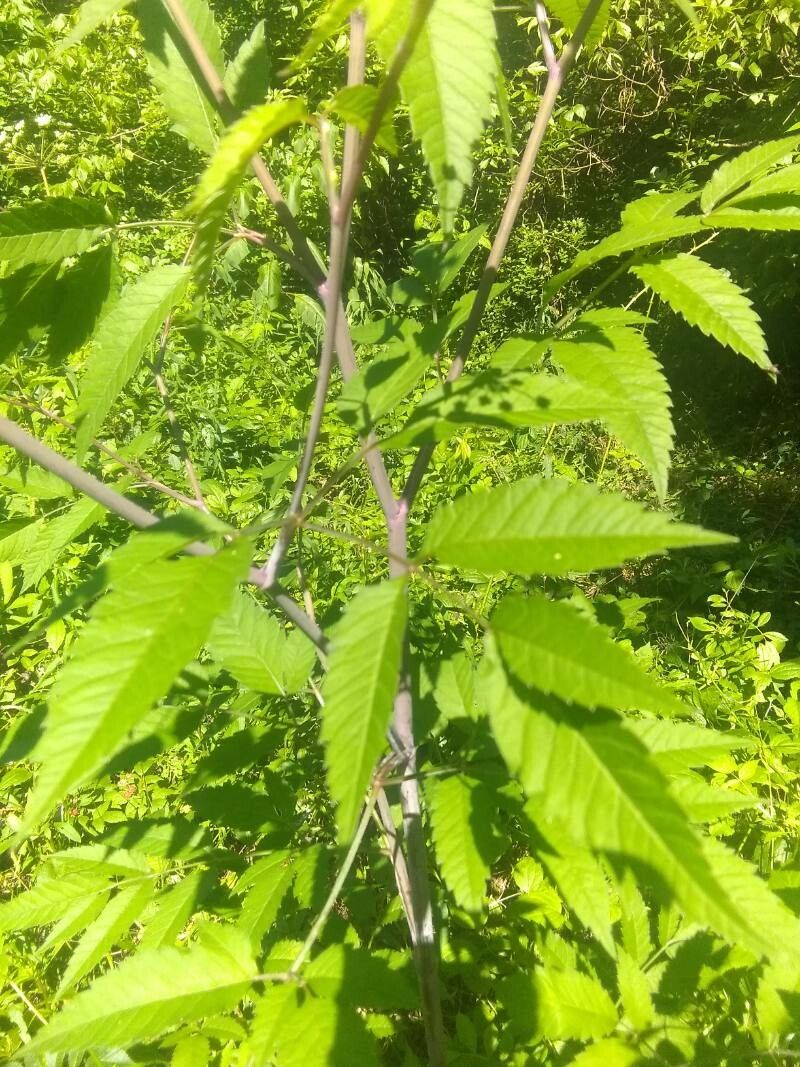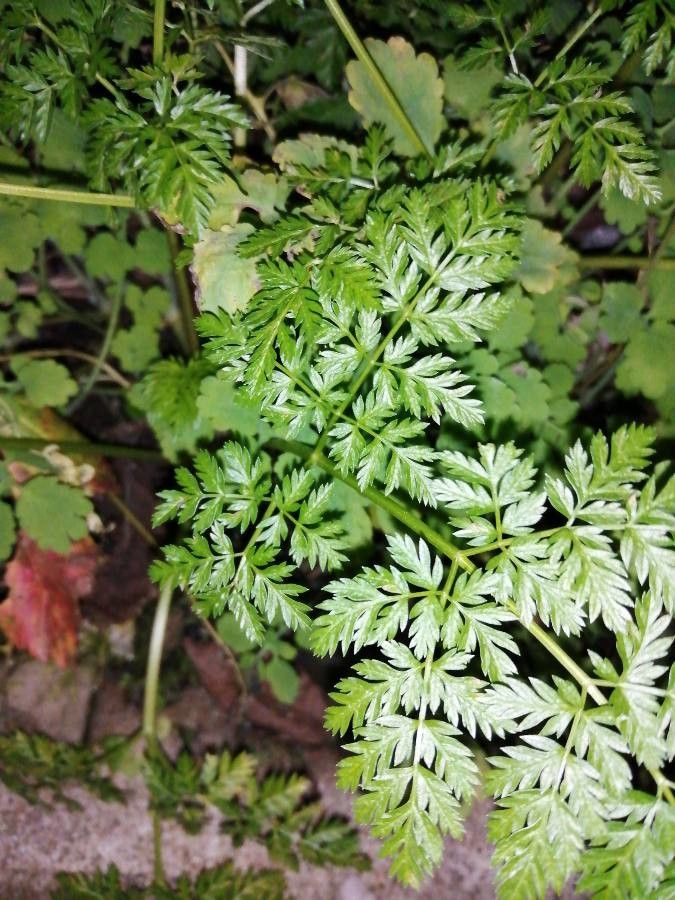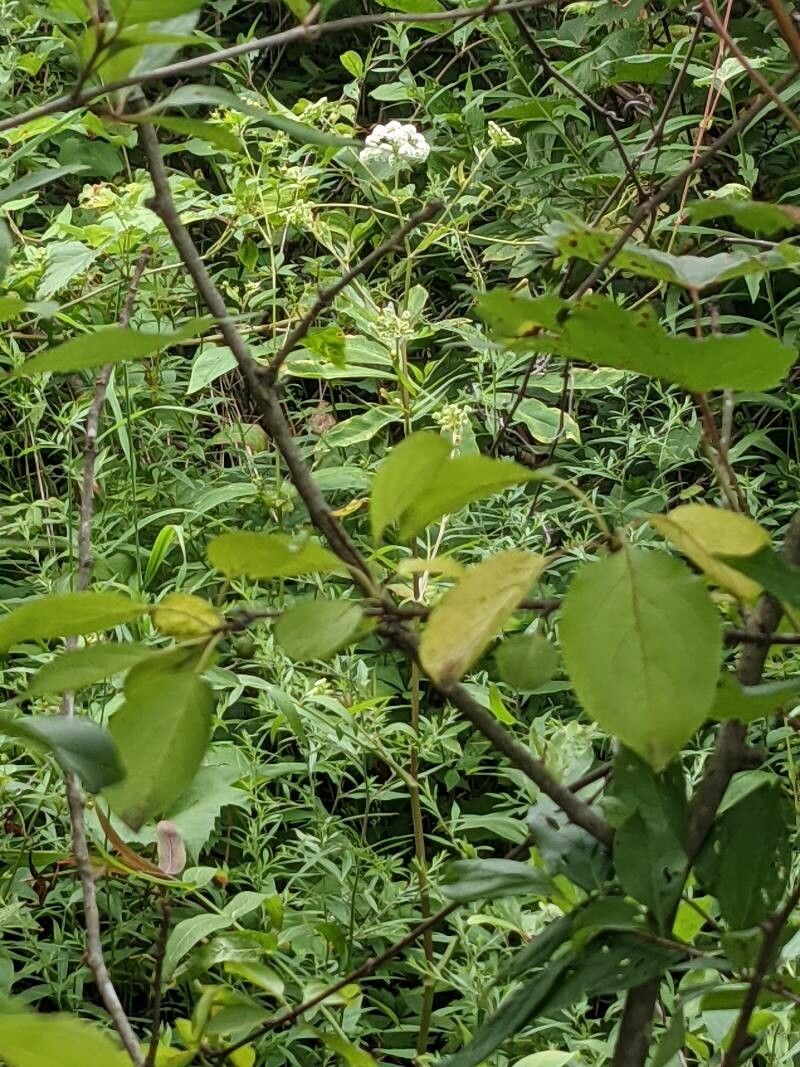
Cicuta douglasii, the western water hemlock, is a very poisonous perennial plant in the family Apiaceae.
Western water hemlock generally shows strong resistance to disease and is not typically affected by illnesses. Still, it can be vulnerable to pests and diseases present in its environment. When infections do occur, they are typically mild. Regarding care, this plant is moderately demanding. It should be pruned on a regular basis to preserve its appearance and support healthy growth. Applying fertilizer can also encourage blooming. Western water hemlock is appropriate for anyone with outdoor areas like a garden or patio and does not demand extensive gardening experience. It may need more attention if cultivated indoors.
How to keep Cicuta Douglasii.
Light
The Western water hemlock naturally inhabits environments like forest understories or rocky regions, where it naturally gets shaded. It favors conditions with partial sun, but it has the ability to adjust to either full sun or complete shade, showcasing its resilient and adaptable characteristics.
Water
Western water hemlock thrives in moist environments such as wet meadows, where it benefits from consistent moisture without becoming waterlogged. To maintain this ideal condition, watering the plant weekly is beneficial to keep the soil damp. Typically grown outdoors, this herbaceous plant flourishes with proper hydration, which mirrors its natural aquatic habitat.
Temperature
Western water hemlock is capable of acclimatizing to diverse temperature environments, yet its range can still be constrained by varying mixtures of water and temperature conditions. It flourishes optimally in summer's heated climates coupled with sufficient precipitation or irrigation. Extended spans of overcast and rainy climate, in addition to extended periods of elevated temperatures, can escalate the chances of Western water hemlock's death. During the winter season, appropriate safeguards against low temperatures can enhance the survival percentage of the plant.
Fertilizer
Typically, a one-time application of fertilizer in spring is enough for Western water hemlock, however, to optimize its growth, frequent feedings can help. Apply fertilizer every month to month and a half. Fertilizing improves the look and function of leaves by maintaining its color and promoting a healthy texture. Moreover, it encourages root development and nutrient uptake, contributing to the long-lasting health of the plant.
Pruning
Western water hemlock is a poisonous plant characterized by its small white flowers and hollow stems. It is important to prune the plant from early to late spring to remove dead stems and reduce its toxicity. When pruning, make sure to wear protective gloves. Pruning at the right time is crucial for the plant's healthy growth, minimizing pest problems, and promoting its longevity.
Botanical profile.
- Plant Type
- Herb
- Life Cycle
- Perennial
- Genus
- Cicuta
- Family
- Apiaceae
- Hardiness Zone
- 4-8
- Mature Height
- 0.61 m to 1.83 m
- Mature Spread
- 49 cm to 76 cm
- Leaf Color
- Green, Dark Green
- Leaf Type
- Deciduous
- Flower Color
- White
- Flower Size
- 0.20 cm to 0.25 cm
- Bloom Time
- Early summer, Mid summer
- Planting Time
- Spring, Summer, Autumn
- Harvest Time
- Late summer, Early fall
- Native Area
- Mexico