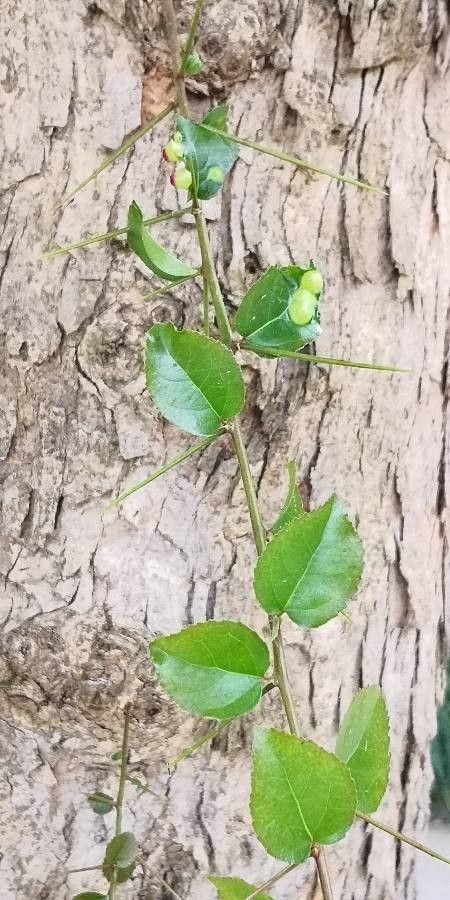
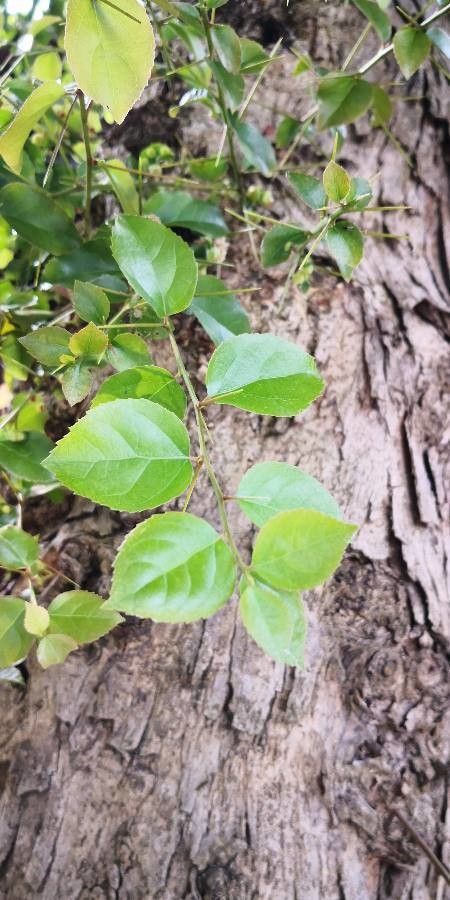
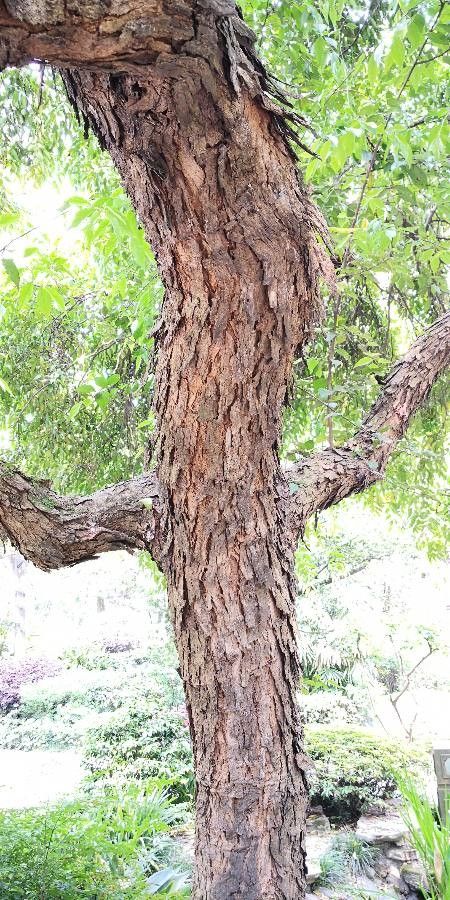
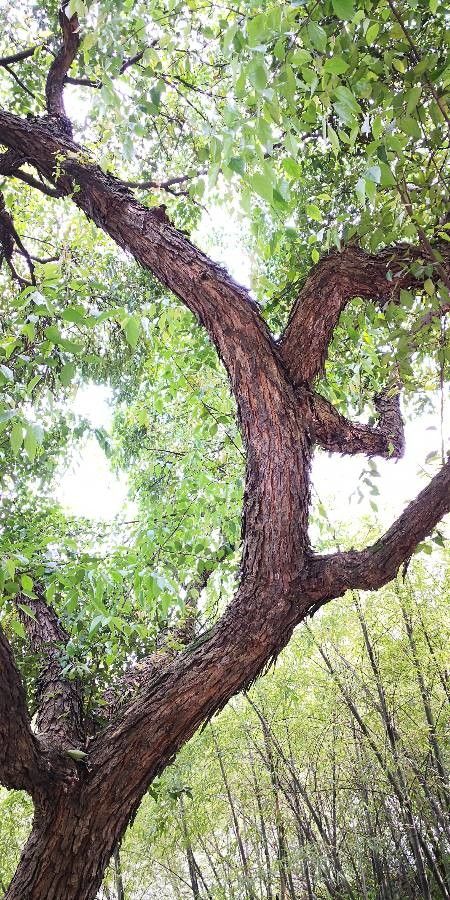
Chukrasia tabularis, commonly known as Indian mahogany or Chittagong wood, is a deciduous tree species native to Southeast Asia. It belongs to the Meliaceae family and can grow up to 30 meters tall with a trunk diameter of up to 1.5 meters. The tree has a straight, cylindrical trunk with grayish-brown bark that is smooth when young but becomes rough and fissured with age.
The leaves of Chukrasia tabularis are pinnate, featuring multiple leaflets arranged along either side of the stem. The leaflets are oblong with pointed tips and can grow up to 15 centimeters long.
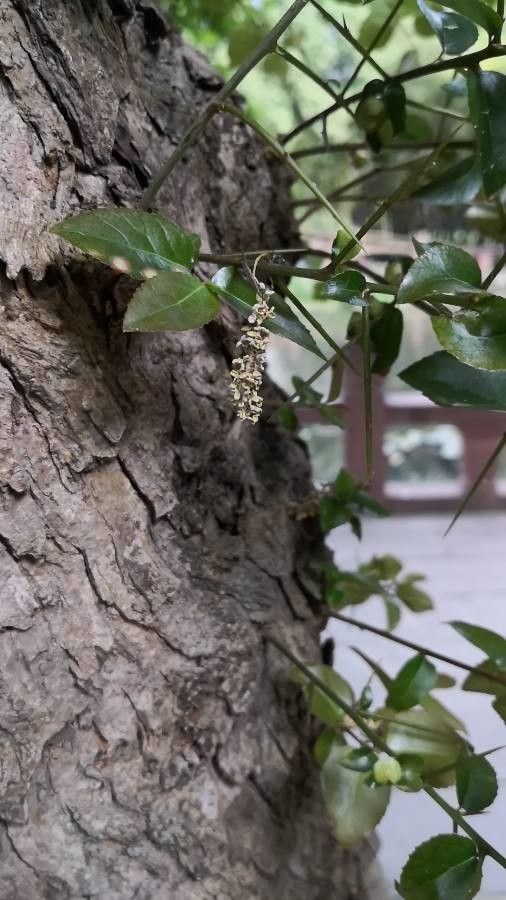
During spring, the tree produces small white or yellowish flowers that bloom in clusters. These flowers eventually develop into small fruit capsules that contain numerous seeds.
Chukrasia tabularis is highly valued for its timber, which is used in furniture making, construction work, boat building, and other applications requiring strong wood. Additionally, the bark has been used in traditional medicine for its anti-inflammatory properties.
Despite its wide distribution across Southeast Asia—including India, Bangladesh, Myanmar, Thailand, Laos, Cambodia, Vietnam, Indonesia, Malaysia, the Philippines, Sri Lanka, Nepal, Bhutan, China, and Taiwan—the tree has been classified as vulnerable by the IUCN. This is mainly due to habitat loss caused by deforestation, logging, urbanization, agricultural expansion, and other factors.
Chittagong wood has strong disease resistance and is generally not susceptible to illnesses. In terms of care, this plant is fairly low-maintenance. When grown outdoors it needs only minimal watering, and larger plants typically do not require pruning; smaller plants, however, should be pruned after they have bloomed. Chittagong wood is suitable for anyone with an outdoor area, such as a garden or deck, and does not demand much care experience.
How to keep Chukrasia Tabularis.
Light
Chittagong wood thrives with ample sunlight, showing a preference for environments with abundant light. Such conditions support strong growth and good health, indicating a clear need for sunlight. Insufficient light can cause poor growth and diminished plant health. The species originates from forest canopies that are naturally bathed in sunlight.
Water
Chittagong wood, which comes from regions with monsoon climates, grows well in environments that alternate between wet and dry conditions. To care for it, water the plant every 2 to 3 weeks to prevent overwatering or underwatering. It thrives in well-drained soil and benefits from natural rainfall if planted outdoors. If grown in a container, ensure the pot has adequate drainage.
Temperature
Chittagong wood is native to climates where temperatures usually range from 68 to 100 °F (20 to 38 ℃). It performs well in areas with steady warmth and may require protection or indoor growing when temperatures fall significantly.
Fertilizer
Fertilizing is essential for the care of Chittagong wood. Providing nutrients regularly during the active growing season preserves the energy needed for its showy foliage and encourages overall growth. Failing to fertilize can lead to unhealthy leaves, reduced ornamental value, and stunted or weak growth that is more likely to break.
Pruning
Chittagong wood is known for its tall, straight trunk and valuable hardwood. To promote growth and improve the tree's structure, it is best to prune it in early spring while the tree is still dormant. During pruning, remove any dead or crossing branches to improve air circulation. This practice not only enhances the quality of the timber but also helps reduce pests. For additional shaping, conduct light pruning later in the season.
Botanical profile.
- Plant Type
- Tree
- Life Cycle
- Perennial
- Genus
- Chukrasia
- Family
- Meliaceae
- Hardiness Zone
- 9-12
- Mature Height
- 24.99 m
- Mature Spread
- 14.94 m to 20.12 m
- Leaf Color
- Dark Green
- Leaf Type
- Deciduous
- Flower Color
- White
- Flower Size
- 15.24 cm to 25.40 cm
- Bloom Time
- Late spring, Early summer, Mid summer
- Planting Time
- Spring, Summer, Autumn
- Harvest Time
- Late summer, Early fall, Mid fall
- Native Area
- Nepal, Sri Lanka, India, Malaysia, Indonesia, Cambodia, Vietnam, Myanmar, Bangladesh, Laos, Thailand, China
Other names.
Reader questions.
What are the sunlight requirements for Chittagong wood?
Chittagong wood, also known by its botanical name, Chukrasia tabularis, thrives best in conditions where it can receive more than 6 hours of sunlight daily, indicating its preference for full sun. It's essential to observe how sunlight moves through your garden, ensuring to place your plants in spots that offer a harmonious balance of light and shade, crucial for their growth and well-being. In its native habitat, encompassing forest canopies, Chittagong wood is accustomed to basking in abundant sunlight, which is vital for its health and development. Insufficient sunlight could impede its growth and overall health.
What is the ideal temperature range for Chittagong wood?
Chittagong wood, also known as Chukrasia tabularis, thrives in climates with temperatures typically ranging from 68 to 100 °F (20 to 38 °C). It loves consistent warmth and might require protection or indoor growth in regions where temperatures significantly drop. It's crucial to keep the wood in temperatures above 20°C, especially during winter, to ensure its growth. Temperatures nearing 0°C can be harmful to the plant.
How can artificial lighting support Chittagong wood's growth indoors?
To facilitate optimal growth of Chittagong wood indoors, especially during winter or in areas lacking sufficient natural sunlight, artificial lighting can play a crucial role. It’s recommended to use LED lights as they can be customized to offer specific wavelengths necessary for plant growth. Full sun plants require between 30-50W/sq ft of light, partial sun plants need 20-30W/sq ft, and full shade plants need 10-20W/sq ft. The artificial light source should be positioned 12-36 inches above the plant, emulating natural sunlight conditions, and maintained for 8-12 hours per day, mimicking the natural day length.
How does low temperature affect Chittagong wood, and what are the solutions?
Chittagong wood prefers warm temperatures and does not tolerate the cold well. It thrives best when temperatures remain above 20°C. During winter, it's important to ensure the temperature stays above 0°C. Exposure to temperatures below -5°C may cause the leaves to lighten in color. Following frost damage, leaves may turn brown or black, and the plant might display wilting and drooping. To combat this, trim off the frost-damaged parts and bring the plant indoors to a warm environment, placing it near a south-facing window for ample sunlight, while avoiding proximity to heaters or air conditioning vents to prevent air dryness.
What are the symptoms of light deficiency in Chittagong wood?
When Chittagong wood is subjected to inadequate lighting conditions, several symptoms may emerge, reflecting its struggle to adapt. These symptoms include the development of smaller new leaves compared to older ones, leggy or sparse growth due to elongated spaces between leaves or stems, early shedding of older leaves to conserve resources, a slowdown or complete halt in new growth indicating a survival mode, pale or irregularly colored new leaves lacking sufficient chlorophyll, and conditions like chlorosis, sunscald, leaf curling, wilting, and leaf scorching which are indicative of excessive sunlight exposure or severe deficiencies in lighting.
How does high temperature affect Chittagong wood, and what remedies can be applied?
During summer, it's essential to keep Chittagong wood below 38°C to avoid heat stress. Exposure to temperatures above 43°C might cause the leaves to pale and increase the plant's susceptibility to sunburn. To address this, trim away the sunburnt and dried parts of the plant. Relocate the plant to a shaded area during the peak sun of midday and afternoon. Additionally, water the plant in the early morning and evening to keep the soil moist and help the plant remain hydrated.
What solutions can improve Chittagong wood's exposure to sunlight?
To enhance sunlight exposure for Chittagong wood, a gradual adjustment to sunnier conditions is beneficial. For indoor plants, progressively moving them to locations with at least 6 hours of direct sunlight daily helps, utilizing south-facing windows for natural light or employing artificial grow lights for sufficient illumination. Outdoors, acclimatizing plants to brighter spots while avoiding abrupt exposure changes prevents sunburn. Additionally, reducing obstructions that hinder sunlight and considering transplantation for smaller plants during their dormant periods can immensely improve their light intake and overall health. The integration of proper care after increasing light exposure is crucial for nurturing new, healthy growth.