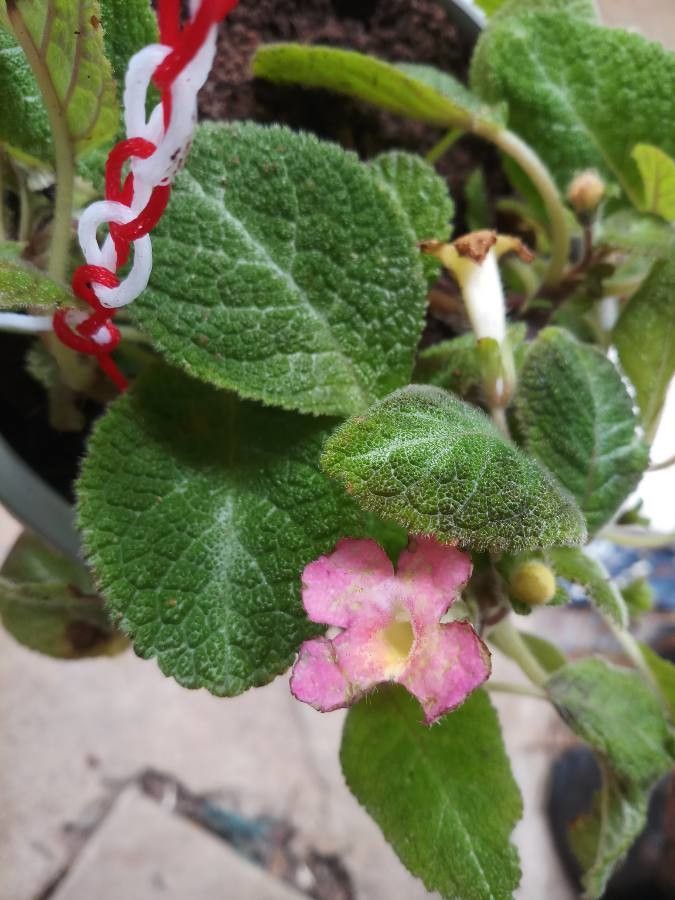
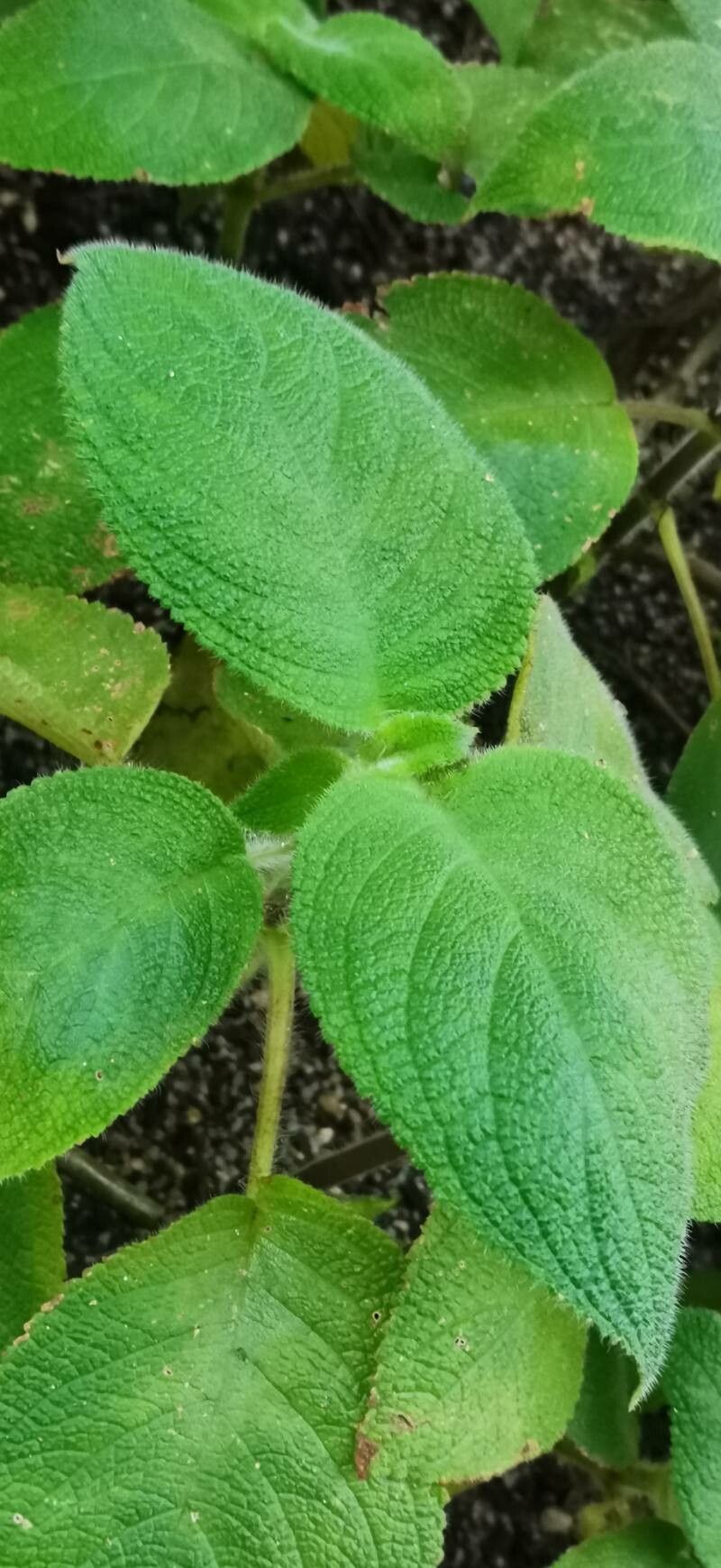
Chrysothemis pulchella, commonly known as the Golden Spider Lily, is a perennial herbaceous plant in the Amaryllidaceae family. Native to South Africa, it is widely cultivated as an ornamental plant in gardens and parks around the world.
The Golden Spider Lily reaches a height of 30-40 cm and features long, narrow green leaves. The trumpet-shaped flowers, with six bright yellow or orange-red petals, bloom from late summer through fall on tall stems above the foliage.
This plant thrives in well-drained soil with full sun exposure but can also tolerate partial shade. It requires moderate watering during its growing season but should be kept dry during its dormant period.
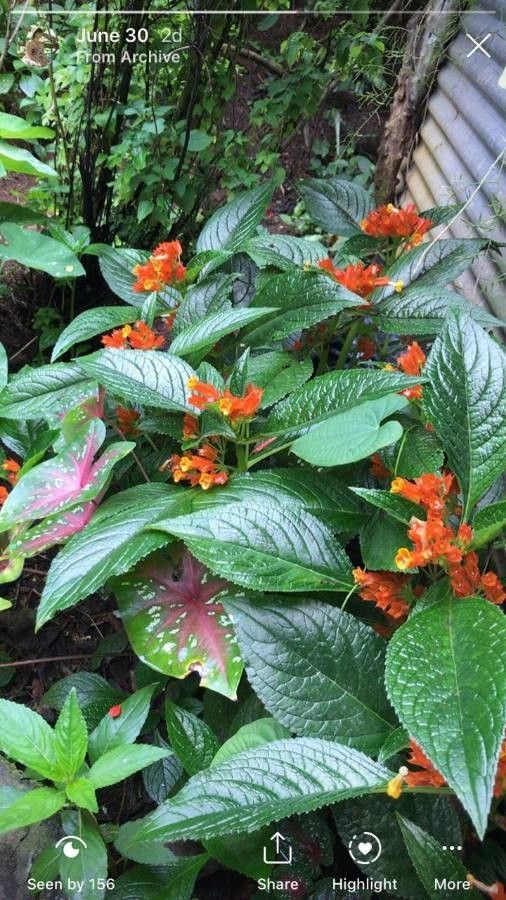
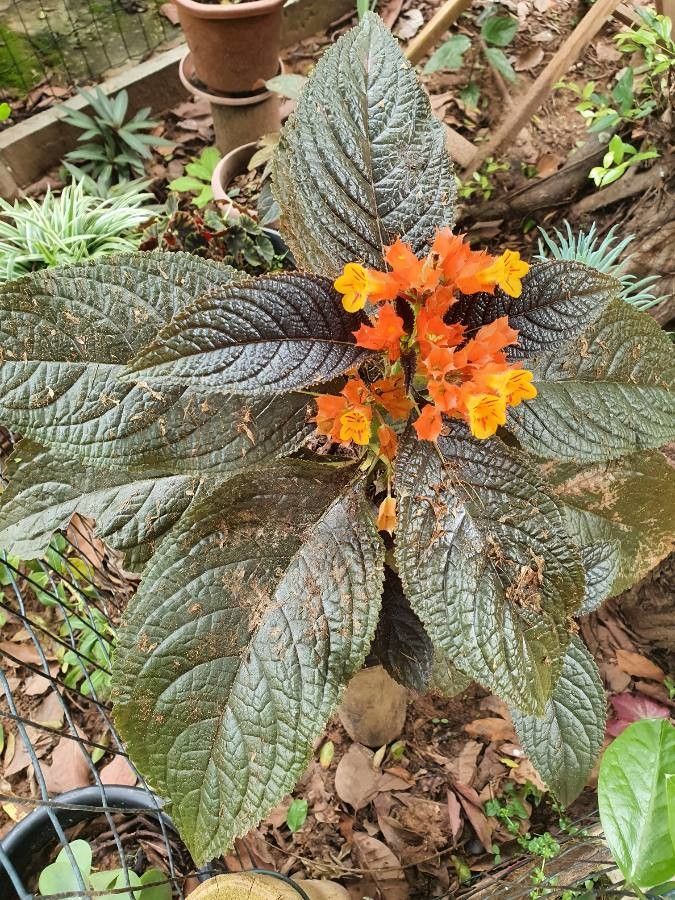
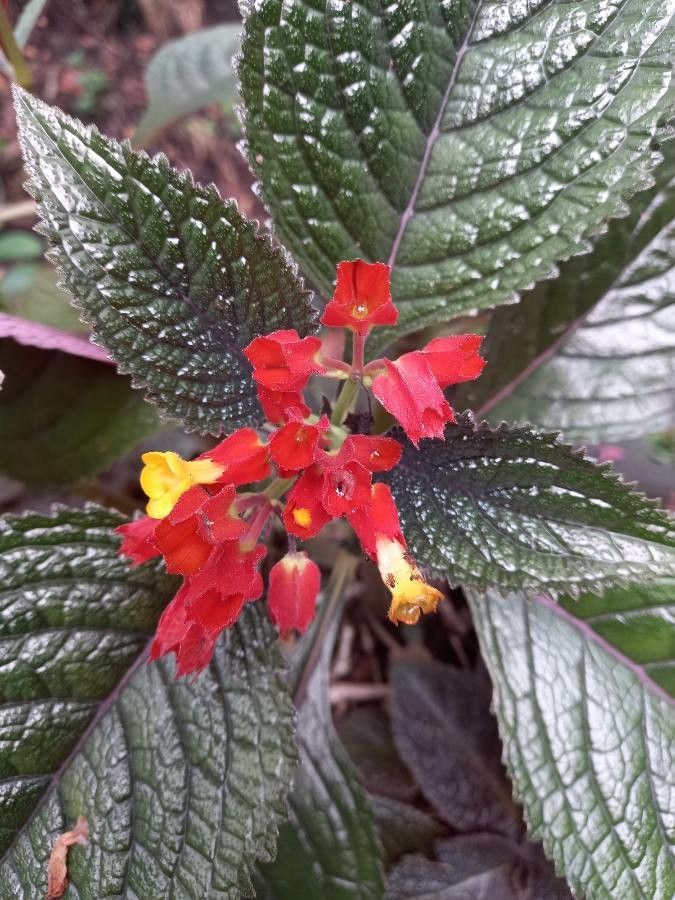
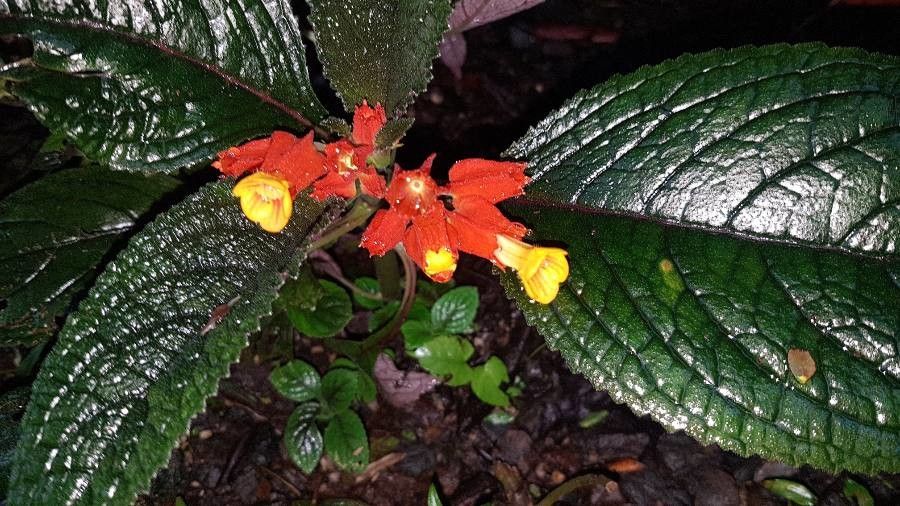
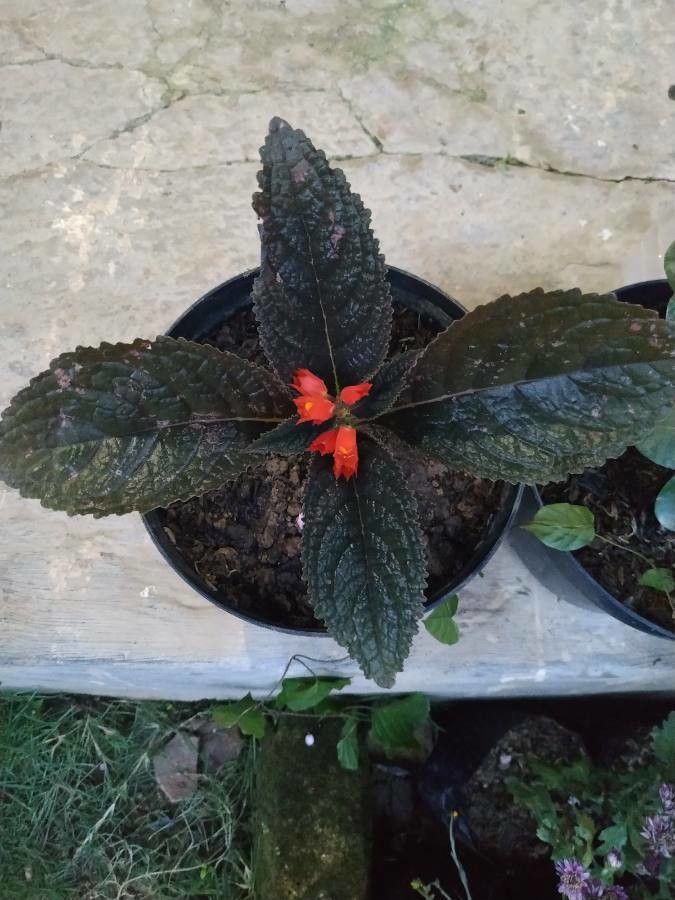
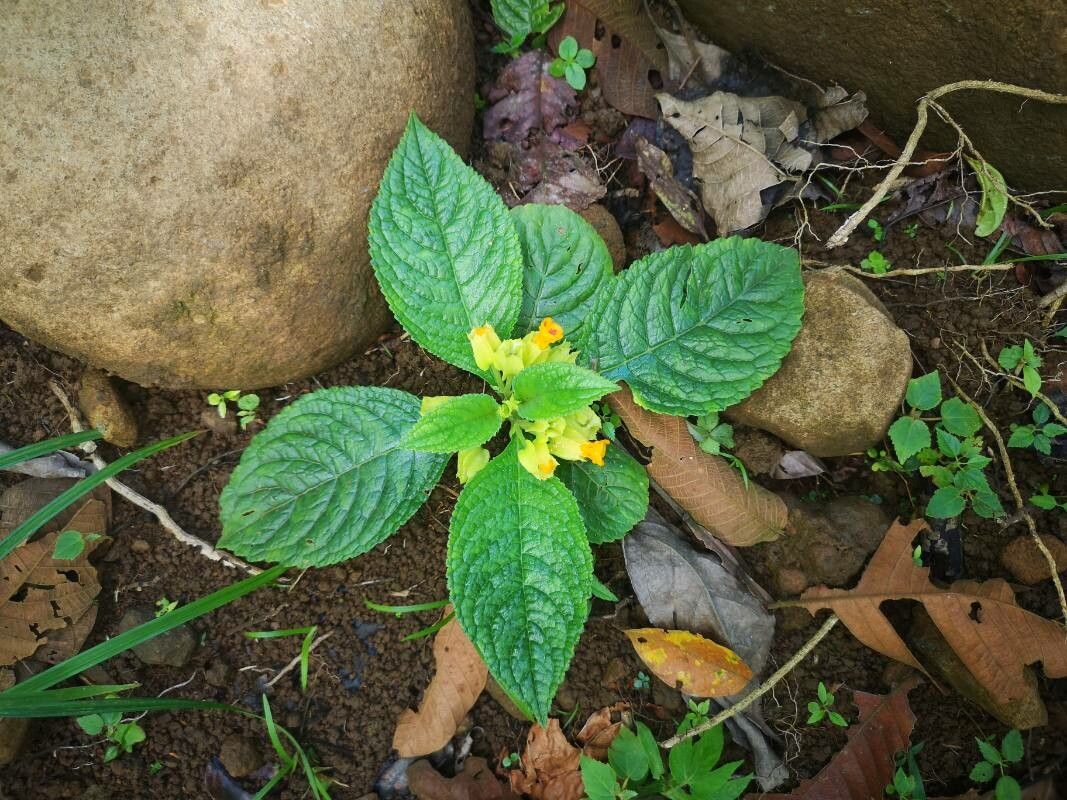
Native to the Caribbean, the sunset bells plant features lush, textured green leaves and stunning bell-shaped flowers. What makes it particularly interesting is the vibrant yellow flowers, which are nestled in striking bright orange sepal cups. While the flowers themselves fade quickly, the sepal cups remain for an extended period, creating the illusion of continuous blooms. FUN FACT · FROM THE LIBRARY
The Golden Spider Lily has been used medicinally by indigenous people for centuries due to its antibacterial properties. However, it is important to note that all parts of this plant are toxic if ingested and can cause skin irritation if not handled properly.
Overall, Chrysothemis pulchella is a beautiful addition to any garden or landscape, thanks to its vibrant flowers and easy-to-grow nature.
Sunset Bells: Sunset Bells is aptly named for its stunningly beautiful flowers. These bell-shaped blooms resemble the vibrant orange hues of a flaming sunset. The plant's Latin name, Chrysothemis pulchella, draws inspiration from Greek mythology. Chrysothemis was the daughter of Agamemnon and Clytemnestra. Additionally, the word "pulchella" translates to "beautiful," reflecting the gorgeous flowers produced by this plant.
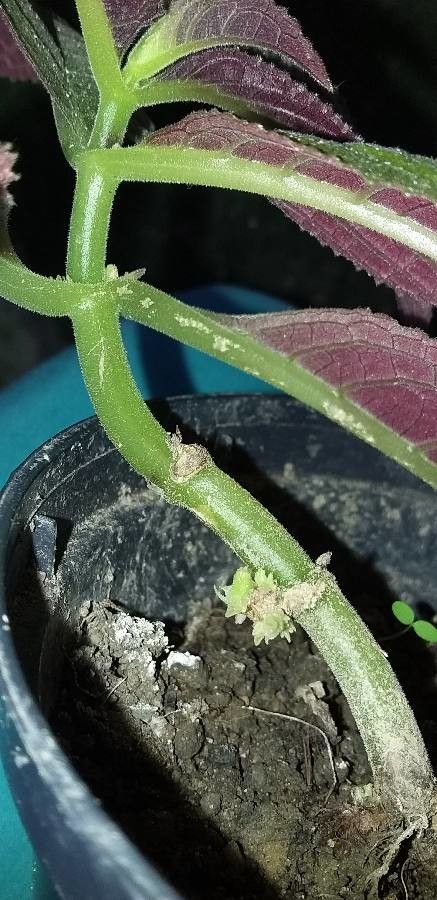
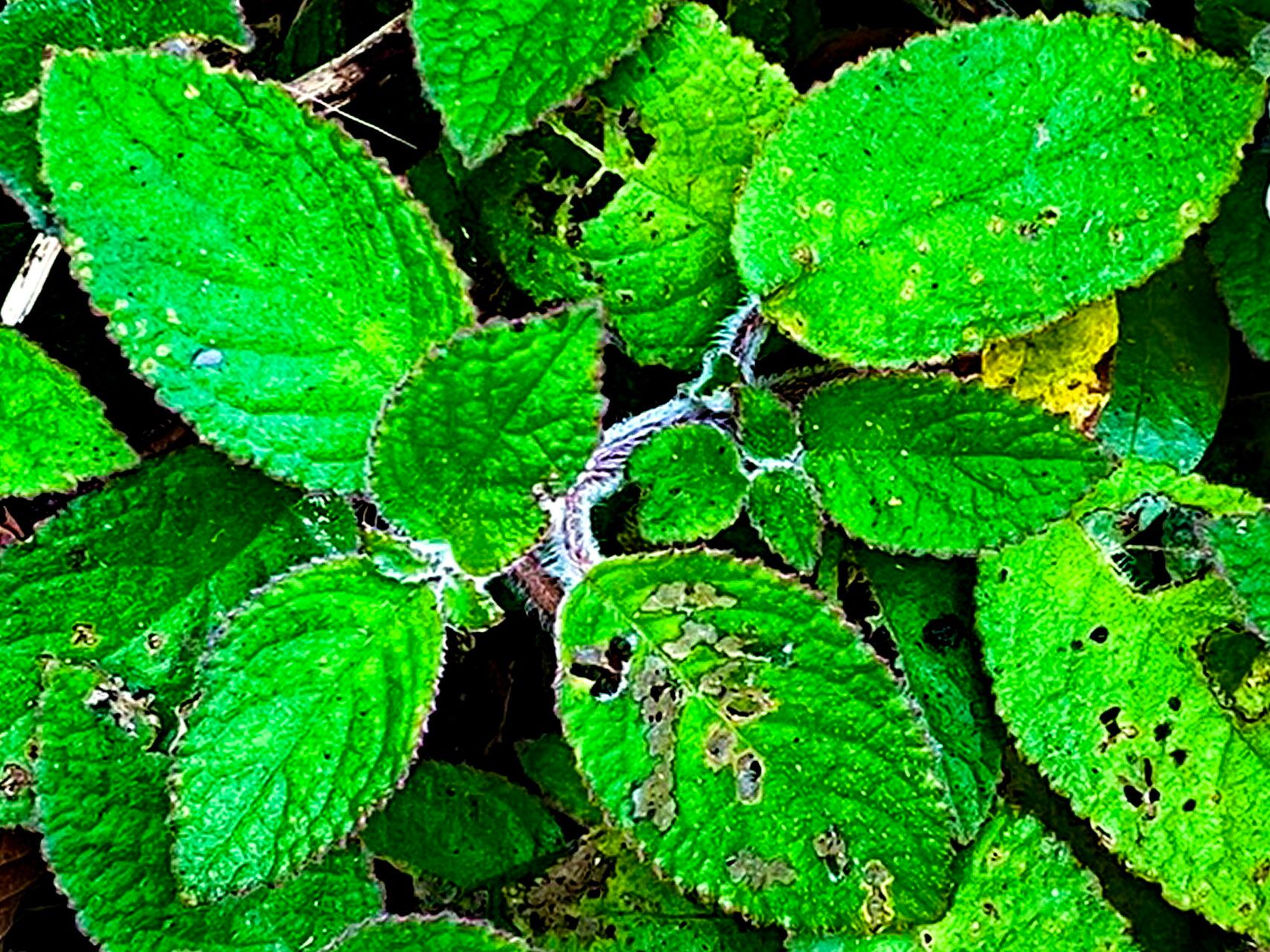
Sunset bells has strong disease resistance and is generally not prone to ailments. Nevertheless, it can develop leaf spots when light and air circulation are inadequate and when it is overwatered. Its care level is rated easy, since it mainly needs routine watering and little else. Sunset bells is a good choice for people who lack the time and energy to provide intensive regular care.
How to keep Chrysothemis Pulchella.
Light
Sunset bells tolerate a range of sunlight conditions, from full sun to complete shade. A setting that gives them a moderate amount of sun each day promotes healthy growth. Too much sun can lead to scorching, while too little can result in stunted growth and reduced vitality.
Water
Sunset bells, native to the humid regions of Central and South America, thrive in environments with consistent humidity. This plant requires weekly watering but can tolerate moderate droughts. When grown indoors, sunset bells should be kept evenly moist during their active growing season, while avoiding overly waterlogged conditions.
Humidity
This plant will thrive in moderate humidity, which is probably the level in your home. However, misting it a few times a week can be very beneficial. Make sure the room has good ventilation.
Temperature
Sunset bells do best at temperatures from 68 to 100 ℉ (20 to 38 ℃) and naturally occur in warm and temperate environments. Modify the temperature according to the season by keeping them in a warm environment during winters and giving them shade in hot summers.
Fertilizer
Sunset bells requires the most fertilizer during its active growth phase, which takes place mainly in spring, summer, and early fall. Fertilization supplies essential nutrients the soil may lack, supporting healthy root and stem development as well as the attractive foliage that is a key characteristic of this plant.
Pruning
Sunset bells benefit from strategic pruning carried out between early and late spring. To encourage healthy growth, remove spent blooms and dead stems. Pinching back new growth will help make the plant bushier. Pruning not only enhances the plant's appearance but also improves air circulation and reduces the risk of disease. For the best results, always use clean and sharp tools.
Pot & Repot
When repotting Sunset bells, select a pot 1-2 inches (2.5–5.1 cm) larger with good drainage. Use a well-draining potting mix. Repot in spring or fall, ensuring the root ball sits slightly below the rim of the pot. Water thoroughly after repotting and place in a warm spot with indirect sunlight.
Botanical profile.
- Plant Type
- Herb
- Life Cycle
- Perennial
- Genus
- Chrysothemis
- Family
- Gesneriaceae
- Hardiness Zone
- 9-11
- Mature Height
- 49 cm
- Mature Spread
- 20 cm to 30 cm
- Leaf Color
- Green, Brown
- Leaf Type
- Evergreen
- Flower Color
- Red, Orange
- Flower Size
- 2.54 cm to 5.08 cm
- Bloom Time
- All year round
- Planting Time
- Spring
- Harvest Time
- All year round
- Native Area
- Colombia, Cuba, Honduras, Mexico, Venezuela, Guyana, El Salvador, Nicaragua, Ecuador, Costa Rica, Panama, Jamaica
Other names.
Reader questions.
How should I water my Sunset bells?
When watering the Sunset bells, it is recommended to use filtered water at room temperature. Tap water may contain harmful particles, so it's better to use filtered water for this plant. The water temperature should be at room temperature or slightly warmer to avoid shocking the plant, as it is accustomed to a warm environment. It is best to avoid overhead watering, as it can lead to foliage complications. Instead, it is advised to apply filtered room temperature water directly to the soil until it is completely soaked. This method benefits the plant by moisturizing the roots and aiding in their spread through the soil to gather necessary nutrients.
Why is it important to fertilize my Sunset bells?
All plants, including the Sunset bells, rely on soil nutrients for their growth. However, there is no guarantee that the soil where your plants grow will have all the necessary nutrients. To address this, you can use fertilization and soil amendments to ensure your garden plants have the basic nutrients they need, as well as specific nutrients required for optimal growth. In the case of Sunset bells, it needs fertilizer to support the healthy development of its roots and stems during the growing season. Fertilization also plays a crucial role in helping Sunset bells produce a stunning set of leaves, which is especially important as its foliage is its primary ornamental feature.
What are the sunlight requirements for Sunset Bells (Chrysothemis pulchella)?
Sunset Bells tolerates a wide range of sunlight conditions, from full sunlight to complete shade. However, for optimal growth, these plants thrive best when exposed to moderate amounts of sunlight each day. It's essential to ensure the plant does not suffer from excessive sunlight, leading to scorching, or too little, causing stunted growth and reduced vitality. The plant benefits from about 3-6 hours of direct sunlight daily. Observing how sunlight moves through your garden will help in choosing the appropriate spots that ensure a balance of light and shade, which is crucial for the wellbeing of your plants.
What are the ideal temperature conditions for Sunset Bells?
Sunset Bells (Chrysothemis pulchella) thrive in a temperature range of 68 to 100°F (20 to 38°C) and prefer warm and temperate environments. To ensure their health, it's crucial to adjust their exposure to temperatures with the changing seasons. During winter, maintain a warm environment and in hot summers, provide some shade. It's particularly sensitive to cold; therefore, in autumn, if grown outdoors, the plants should be brought indoors to a location near a bright window but away from direct heat sources. Keeping the temperature above 20°C during winter is beneficial, while temperatures near 0°C or lower can be harmful.
What should I do if I give my Sunset bells plants too much water or too little water?
Sunset bells can suffer if they are either overwatered or underwatered, but overwatering is a more common problem. When Sunset bells receive excessive water, their stems and leaves may wilt and turn from green to yellow. Over time, overwatering can also lead to diseases like root rot, mold, and mildew, which can be fatal. Underwatering is less likely with Sunset bells, as they are fairly drought tolerant. However, it is still possible, and in this case, the leaves may become brittle and brown. It is crucial to recognize the signs of overwatering early to prevent irreversible damage. If you notice symptoms, reduce your watering schedule immediately. Additionally, check the soil drainage and replace it with a loose, well-draining potting mix if it drains poorly. Conversely, if you observe signs of under watering, increase your watering frequency until the symptoms improve.
When should I fertilize my Sunset bells?
Sunset bells require the highest amount of fertilizer during their active growing seasons, which typically occur throughout spring, summer, and early fall. After winter, it is recommended to feed your Sunset bells every two to four weeks until fall approaches. Once fall begins, gradually decrease the frequency and amount of fertilizer given, eventually stopping completely in preparation for the low growth period during winter.
How do artificial lights benefit indoor Sunset Bells plants?
Indoor plants, including Sunset Bells, require adequate lighting to grow well, especially when natural sunlight is insufficient. This can be during winter or in less sunny areas within a house. Artificial lights, such as LED lights, are highly beneficial as they can be tailored to provide the specific wavelengths needed by plants. Full sun plants require 30-50W/sq ft, partial sun plants need 20-30W/sq ft, and full shade plants need 10-20W/sq ft of artificial light. The lights should be placed 12-36 inches above the plants to simulate natural sunlight, and most plants will need 8-12 hours of light each day. This arrangement encourages faster, healthier growth by providing a consistent light source.
How do you care for Sunset Bells in low temperature conditions?
Sunset Bells prefer warm temperatures and are not tolerant of the cold, thriving best above 20°C and needing protection during winter to stay above 0°C. Exposure to temperatures below -5°C can cause the leaves to lighten in color, leading to brown or black discoloration, wilting, and drooping after frost damage. To care for Sunset Bells in cold conditions, trim off the frost-damaged parts and move the plant indoors to a warm spot, ideally near a south-facing window for ample sunlight. Ensure the plant is not placed near heaters or air conditioning vents to avoid air that is too dry.
How often do you need to water my Sunset bells plant?
If your Sunset bells plant is in a pot, the easiest way to determine if it needs water is by sticking your finger into the soil. If you find that the top two to three inches of soil are dry, it's time to water it. The same method can be used if you have your Sunset bells plant growing outdoors in the ground. When you find that the top few inches of soil have dried out, it's time to water it. Typically, during the spring and early fall, you'll need to water this plant about once a week using this method. However, during extremely hot weather, you may need to water it twice or even more frequently per week. Nonetheless, mature and well-established Sunset bells plants have shown admirable resilience to drought.
When is it not a good time to fertilize my Sunset bells?
For most of the year, including spring, summer, and most of fall, regularly feed your Sunset bells. However, if you notice that your Sunset bells has received too much fertilizer or if you have fertilized it incorrectly, causing issues like fertilizer burn, you should remedy the situation before resuming regular feeding. The only time you should not fertilize a Sunset bells is during winter. If you grow this plant indoors in a cold winter area, it will become dormant during this time. Feeding the plant during its dormant phase is not only unnecessary and unhelpful for its growth, but it can also cause fertilizer burn.
What are common symptoms of inadequate light in Sunset Bells?
Inadequate light can lead to various issues in Sunset Bells, such as irregular or pale color patterns in new leaves, indicating a lack of chlorophyll and necessary nutrients. Growth may become delayed or completely halt if the plant enters a survival mode due to poor lighting. Furthermore, plants may experience chlorosis, where leaves lose their green color and turn yellow due to the breakdown of chlorophyll. Sunscald, leaf curling, wilting, and leaf scorching are other problems that can arise from extreme sunlight exposure, affecting the plant's health significantly.
What should you do if Sunset Bells experience high temperature conditions?
During the summer, Sunset Bells should be kept in conditions below 38°C to avoid heat stress. Temperatures exceeding 43°C can lead to lighter leaf coloration and increased susceptibility to sunburn. If your Sunset Bells suffer from high temperature stress, trim the sunburned and dried-up parts of the plant. Relocate it to an area with shade during the peak sun hours of midday and afternoon. Ensure the plant is watered in the morning and evening to keep the soil adequately moist and help it deal with the heat.