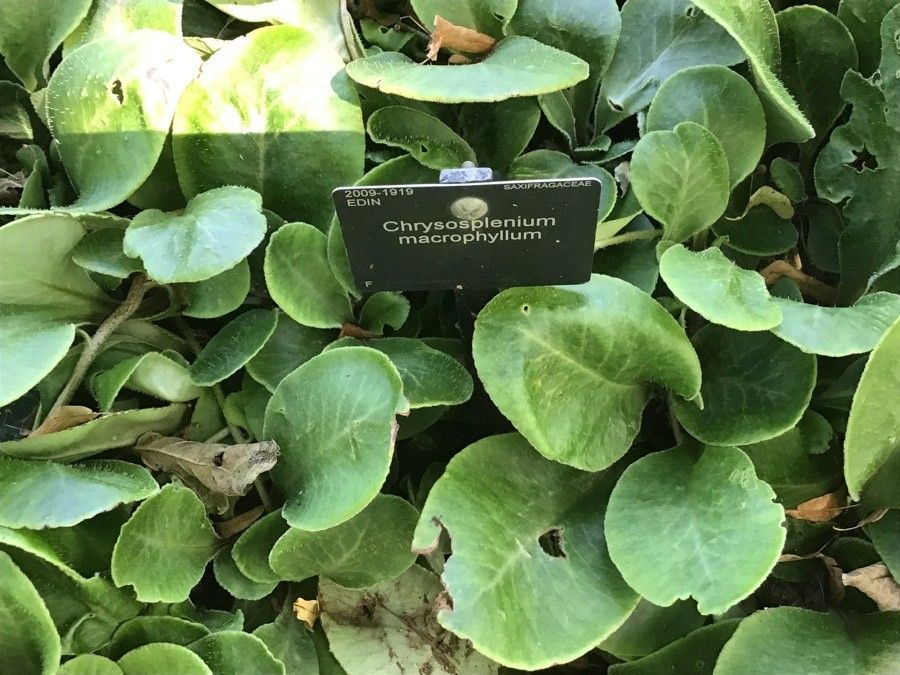
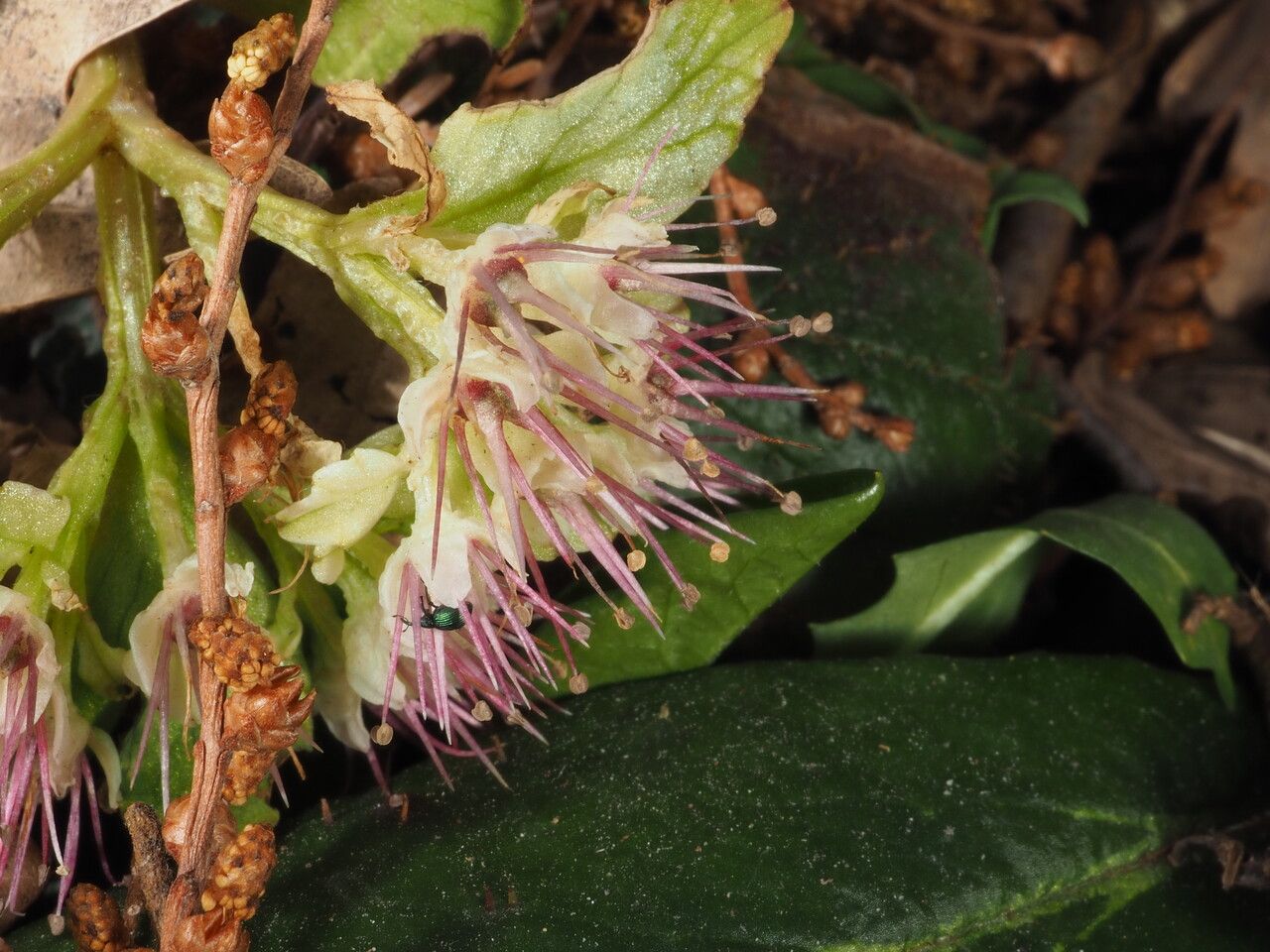
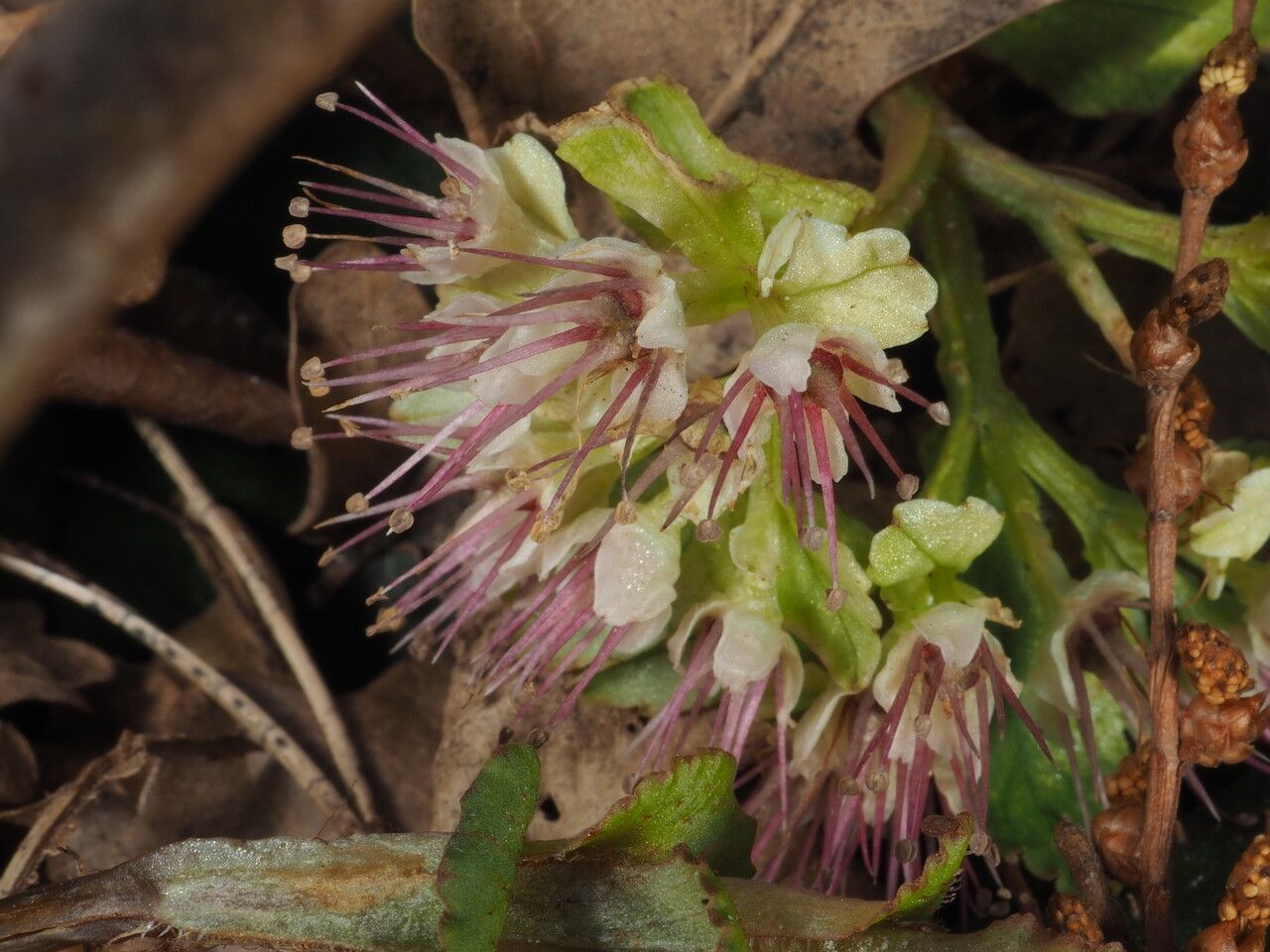
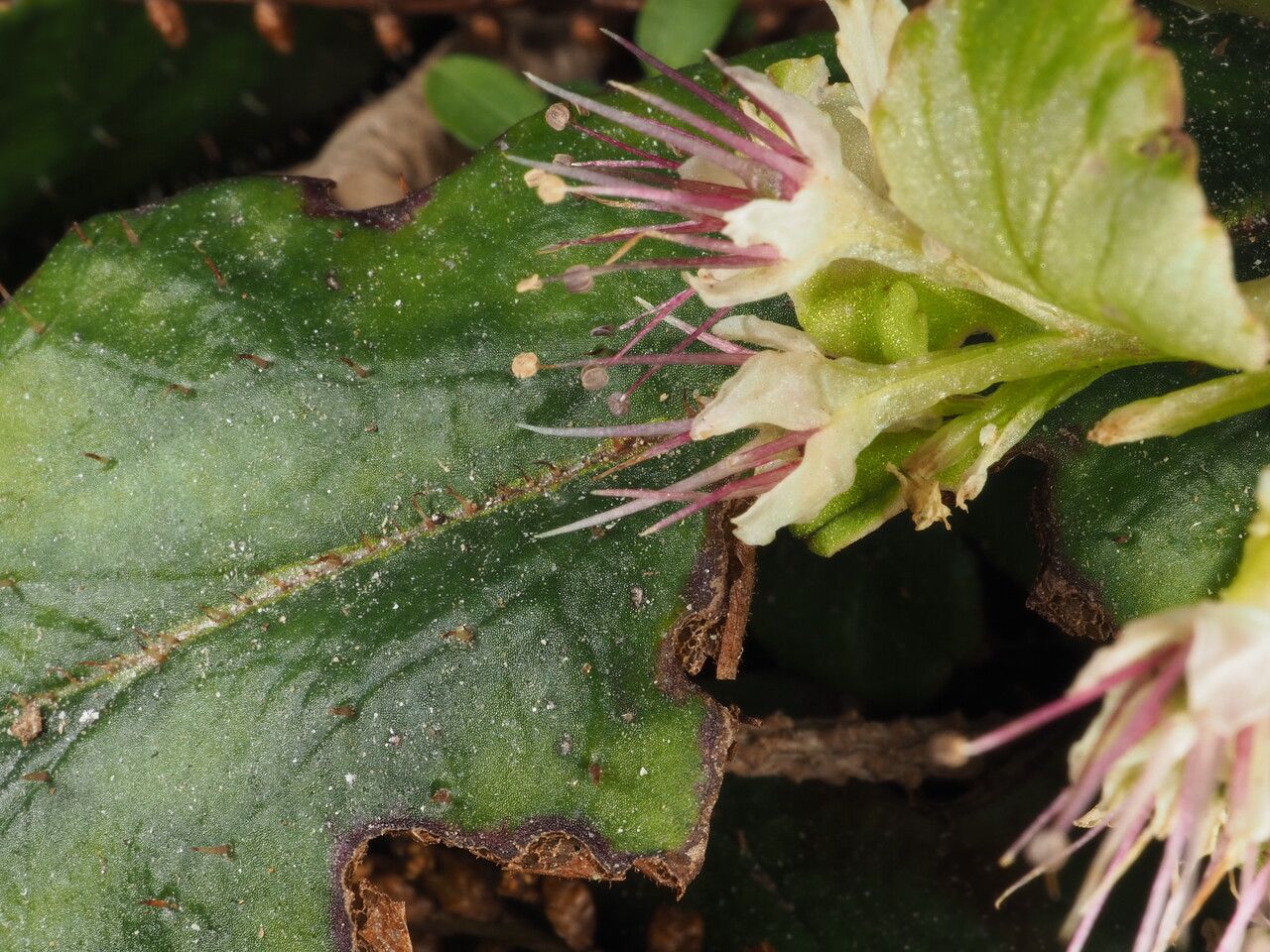
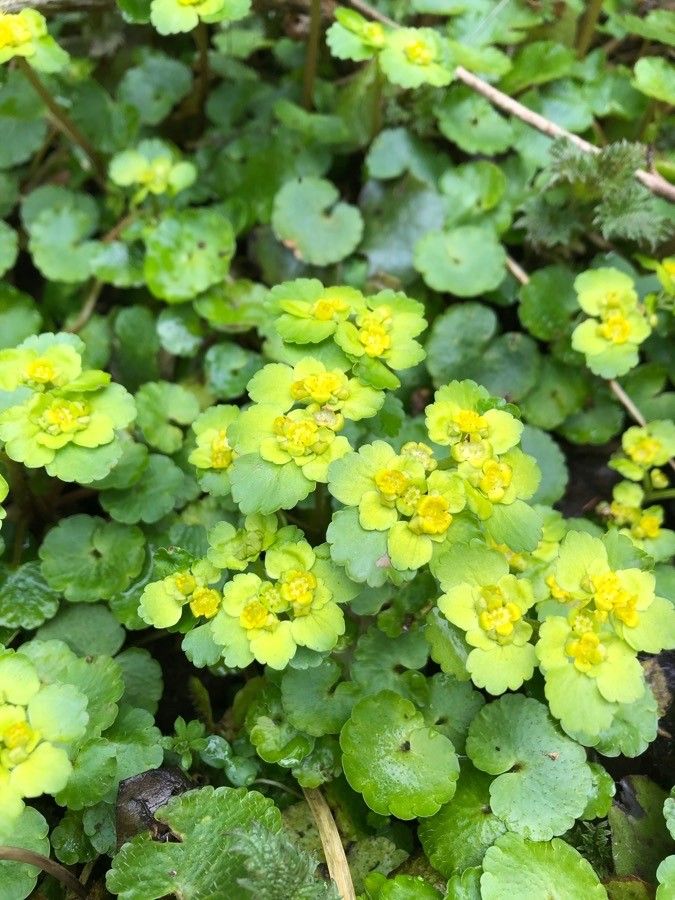
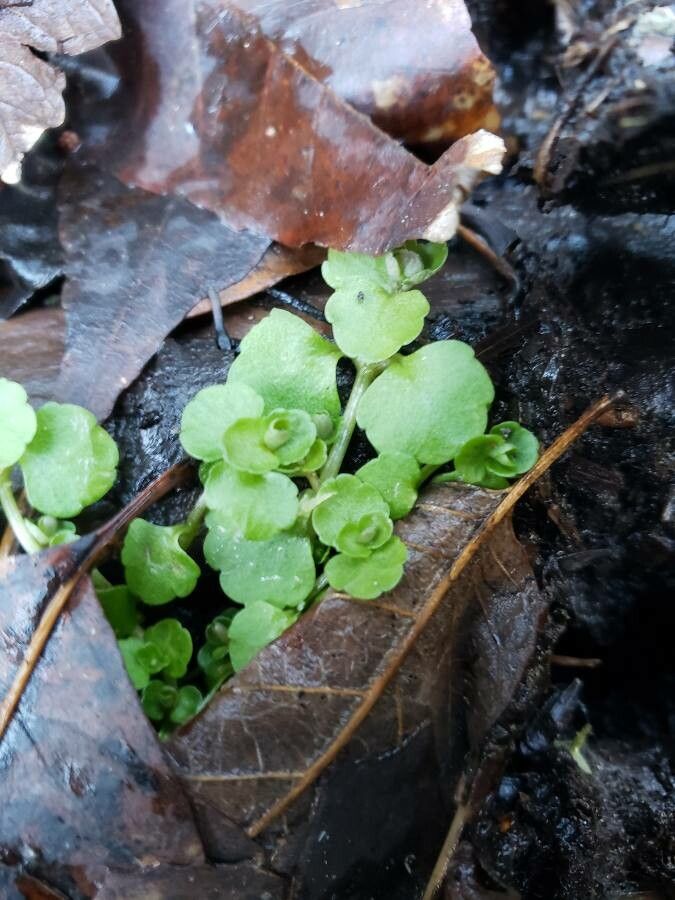
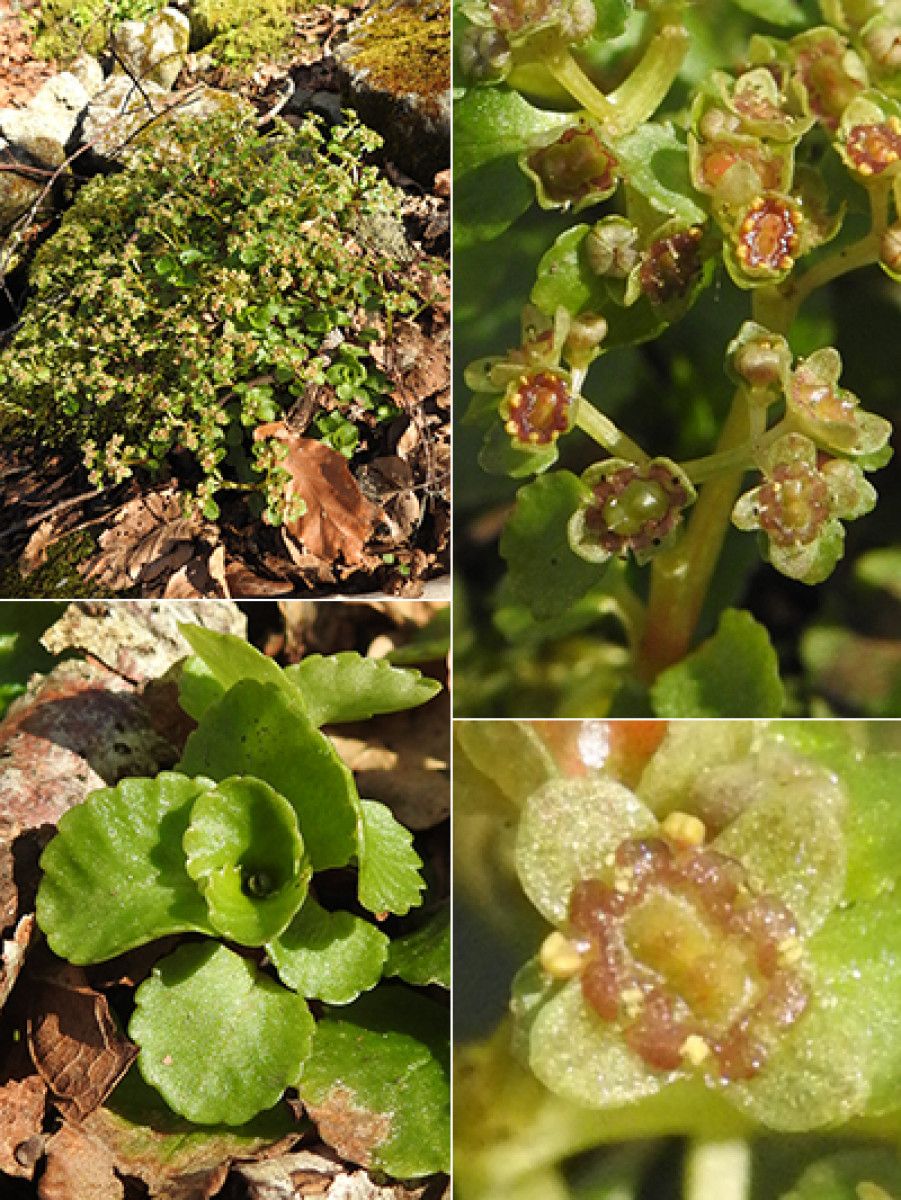
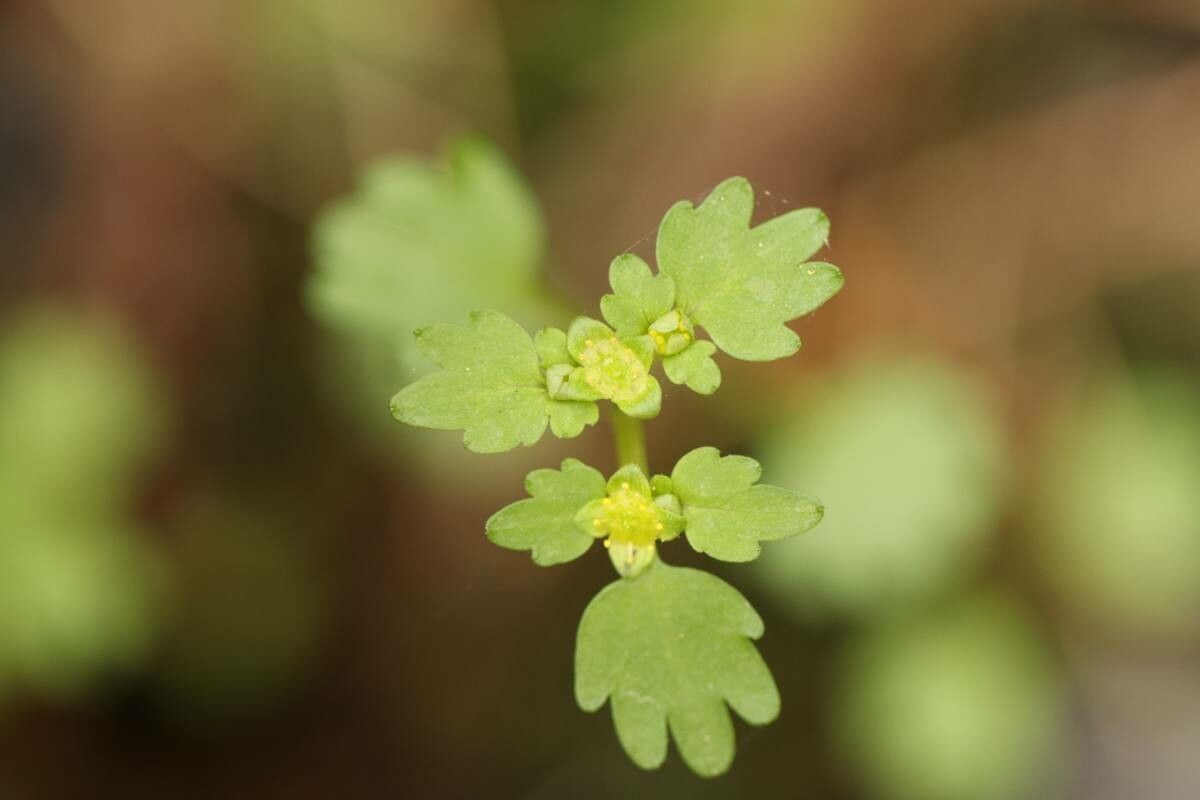
Giant golden saxifrage has strong disease resistance and is usually not prone to illnesses. Nevertheless, it can be affected by pests and diseases present in its environment. Such infections are typically mild. Carewise, this plant needs moderate maintenance. It should be pruned regularly to preserve a good appearance and support healthy growth. Fertilizing can also help encourage flowering. Giant golden saxifrage is well suited to anyone with outdoor space, like a garden or a patio, and does not demand extensive care experience. It may need more attention when grown indoors.
How to keep Chrysosplenium Macrophyllum.
Light
Giant golden saxifrage occurs naturally in settings like forest understories or rocky areas, where it grows in natural shade. It favors partial sun but can tolerate full sun or full shade, demonstrating its versatility and hardiness.
Water
Giant golden saxifrage, which originates from moist environments, thrives best in consistently damp soil but also has a moderate tolerance for drought. To keep the plant healthy, it is recommended to water it weekly. As an herbaceous perennial, this plant benefits from natural rainfall, which aids its growth during the growing season.
Temperature
Giant golden saxifrage naturally occurs in regions where temperatures range from 59 to 90°F (15 to 32°C). It grows best in these temperate conditions. To keep it healthy across the seasons, slightly adjusting room temperature to replicate its native environment is recommended.
Fertilizer
One application of fertilizer in spring is typically enough for Giant golden saxifrage, though repeated feedings can boost growth. Feed every month to a month and a half. Fertilizing improves leaf appearance and function, supporting uniform color and a healthy texture. It also encourages root development and enhances nutrient uptake for the plant's long-term health.
Pruning
Pruning is crucial for maintaining the shape and health of giant golden saxifrage. It is best to carry out this task from early to late spring. By removing dead stems and thinning out dense growth, you can improve air circulation. Regular pruning encourages vigorous growth, enhances blooming, and keeps the plant looking tidy, while also helping to prevent disease.
Botanical profile.
- Plant Type
- Herb
- Life Cycle
- Perennial
- Genus
- Chrysosplenium
- Family
- Saxifragaceae
- Hardiness Zone
- 7-8
- Mature Height
- 18 cm to 20 cm
- Mature Spread
- 49 cm to 91 cm
- Leaf Color
- Red, Green, Gray, Silver
- Leaf Type
- Semi-evergreen
- Flower Color
- Yellow
- Flower Size
- 0.51 cm to 0.76 cm
- Bloom Time
- Early spring, Mid spring
- Planting Time
- Spring, Summer
- Harvest Time
- Late spring, Early summer
- Native Area
- China
Reader questions.
What are the sun requirements for Giant Golden Saxifrage (Chrysosplenium macrophyllum)?
Giant Golden Saxifrage (Chrysosplenium macrophyllum) thrives in conditions that offer varying levels of sunlight throughout the day. For optimal growth, it requires partial sun, which means about 3-6 hours of sunlight daily, or full sun, which involves more than 6 hours of sunlight. It's essential to observe the movement of sunlight in your garden to find spots that provide a harmonious balance of light and shade, ensuring the plants remain healthy and happy.
What is the original habitat of the Giant golden saxifrage?
The Giant golden saxifrage, known botanically as Chrysosplenium macrophyllum, is originally found in areas where the temperature ranges from 59 to 90°F (15 to 32°C). It thrives best in these temperate conditions, and mimicking this temperature range in its growing environment is recommended for maintaining healthy growth throughout different seasons.