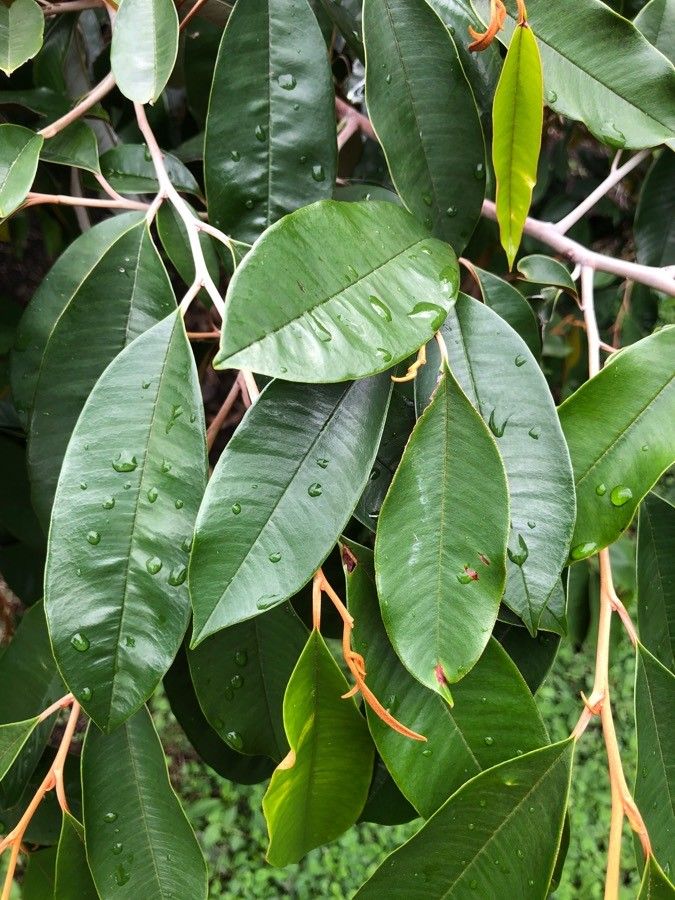
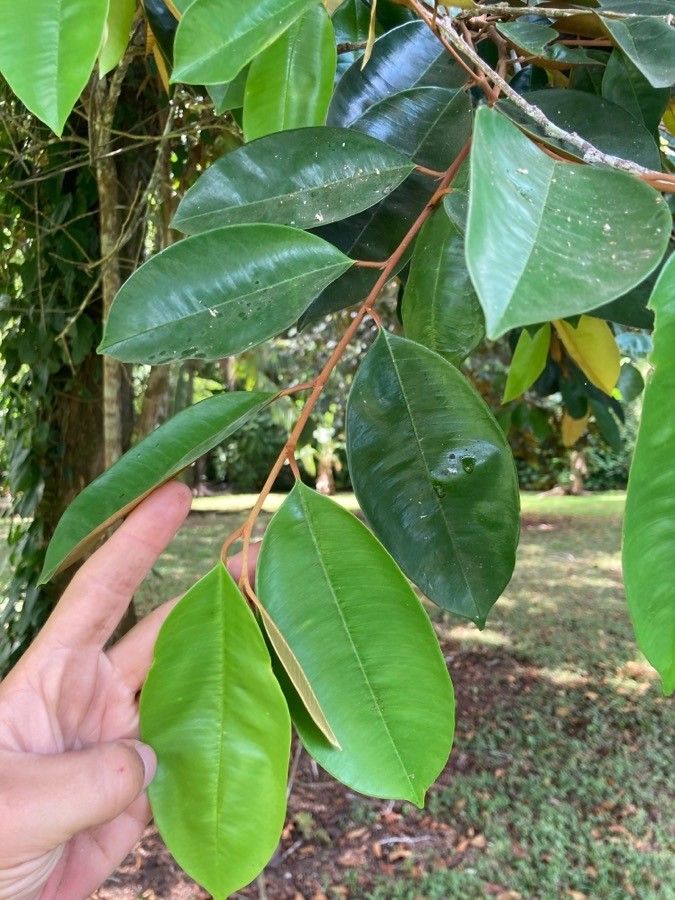
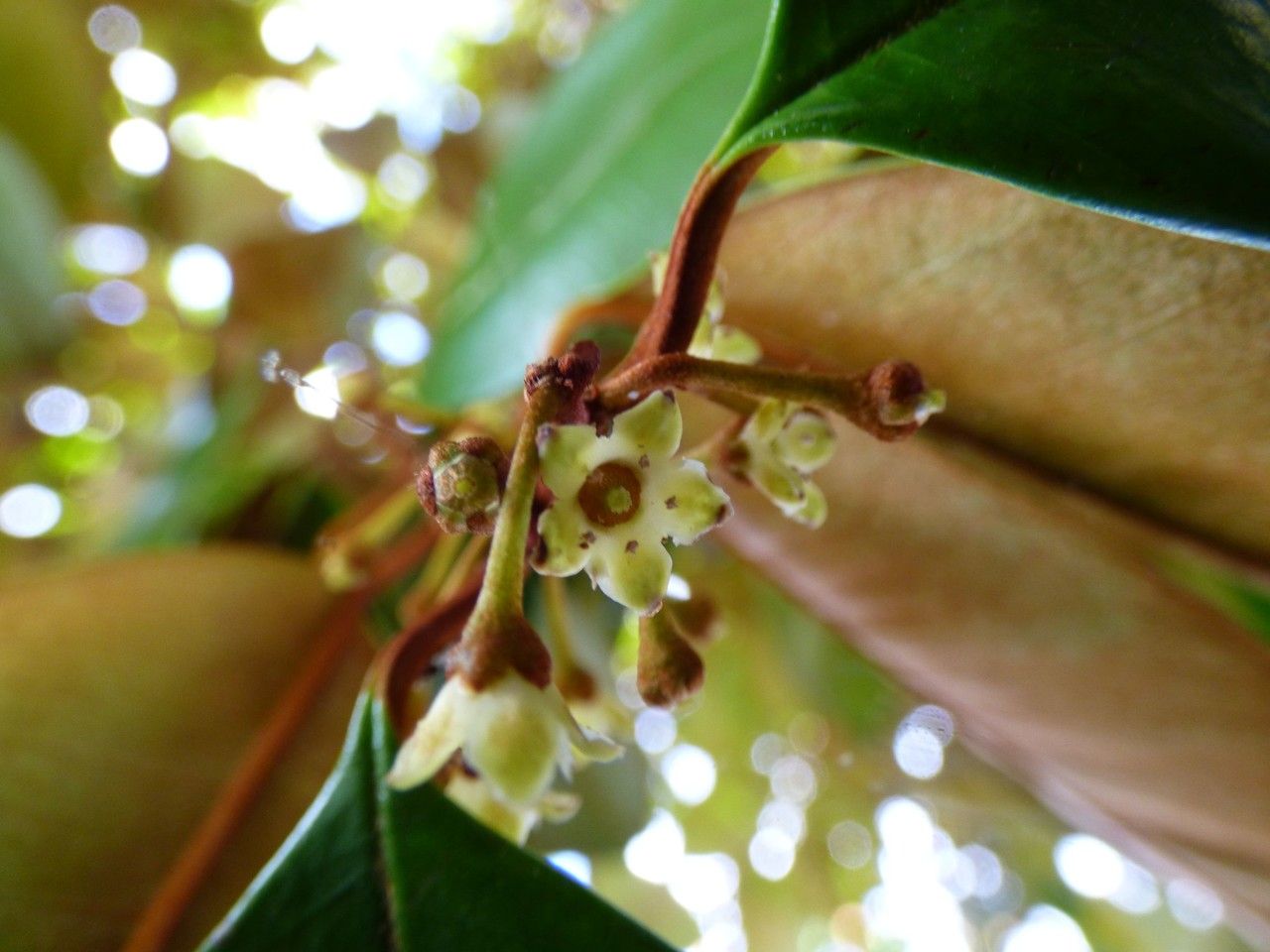
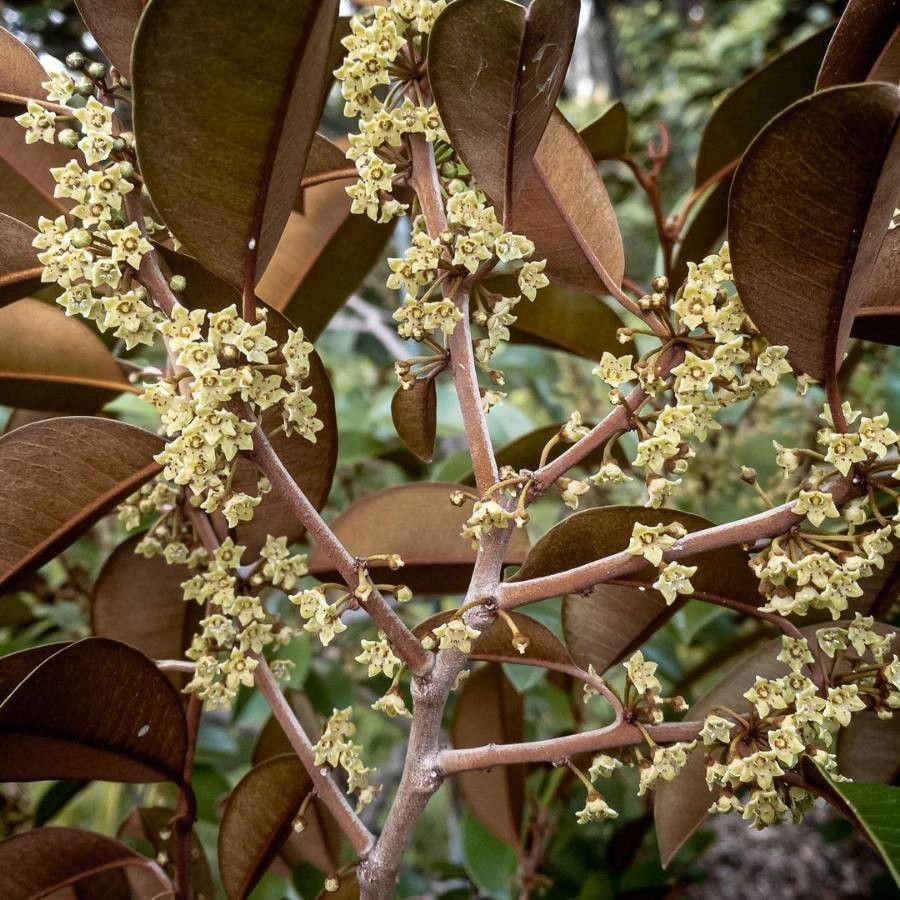
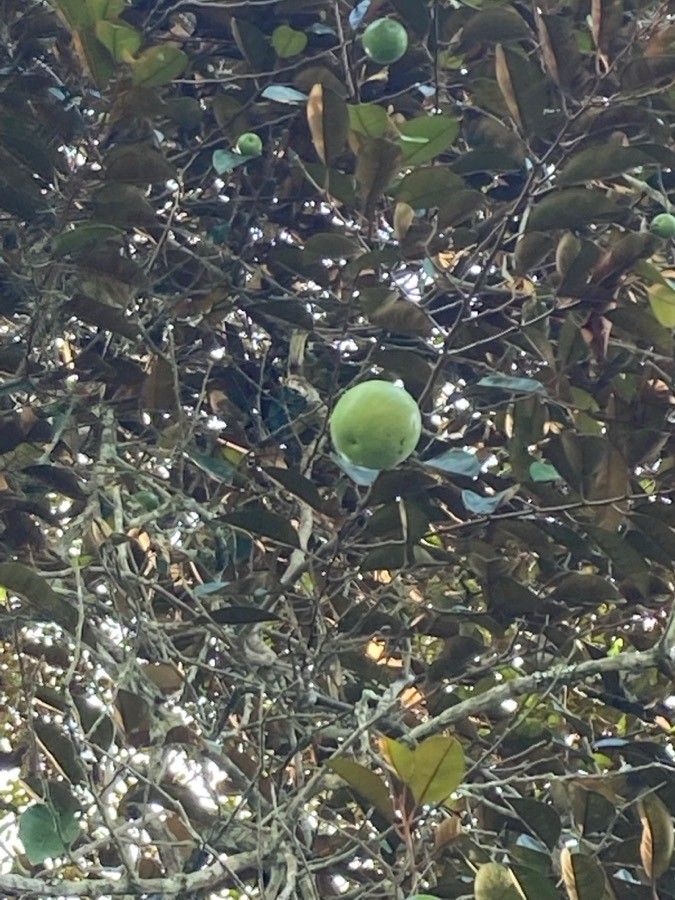
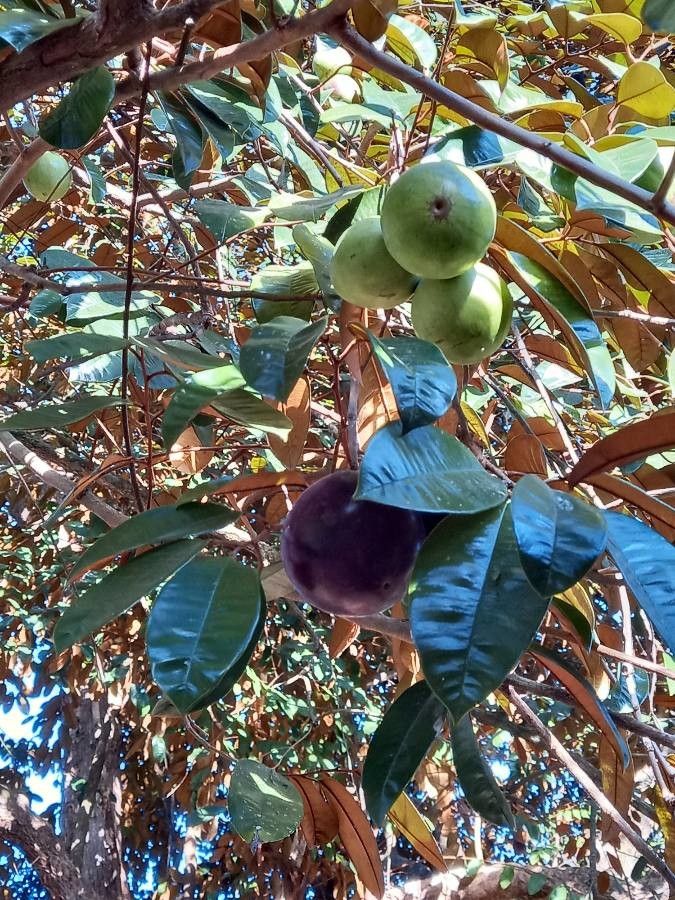
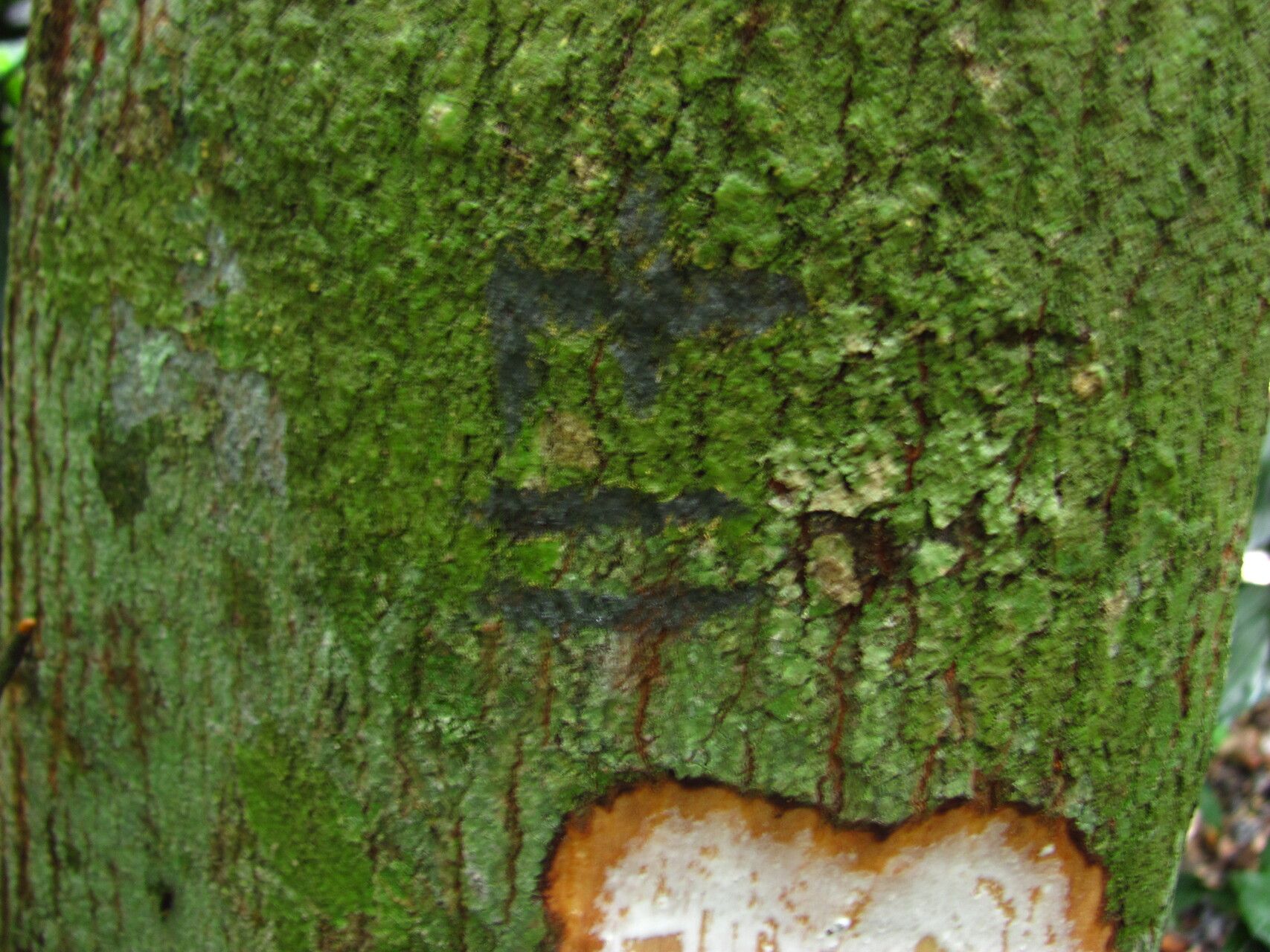
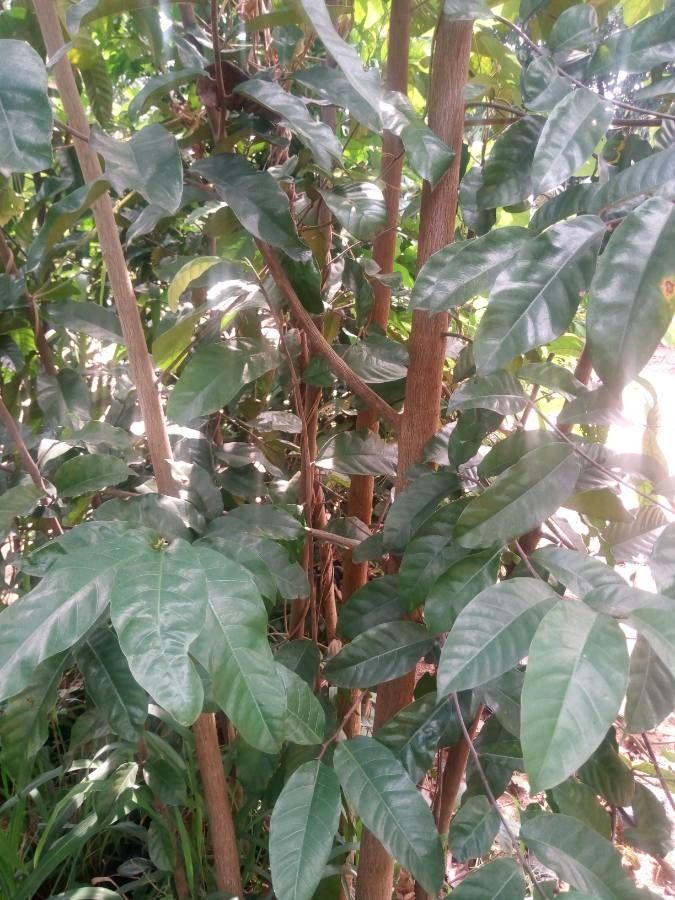
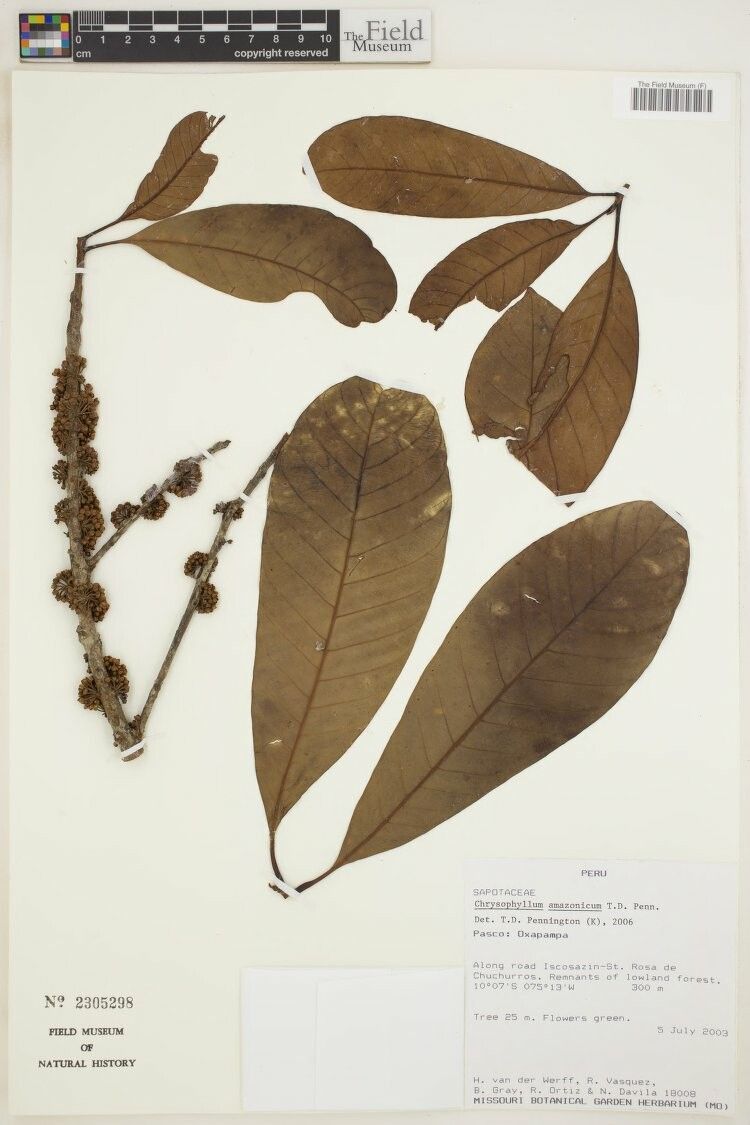
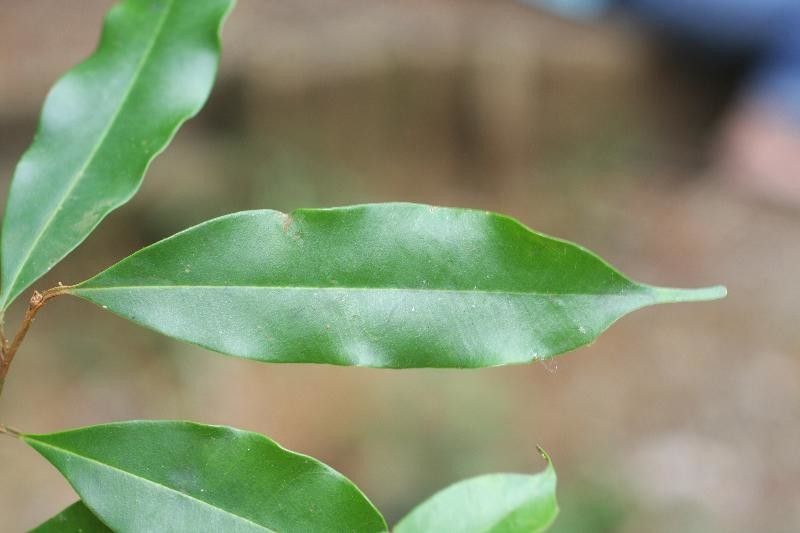
Chrysophyllum cainito, commonly known as star apple, is a tropical fruit tree native to the Caribbean and Central America. Belonging to the Sapotaceae family, this tree can grow up to 20 meters tall. It features a dense canopy of glossy green leaves that offer ample shade, making it well-suited for hot climates.
The fruit of Chrysophyllum cainito is round or oval-shaped, boasting a smooth, waxy skin that varies in color from purple to green. When sliced open, the fruit reveals a white or purple pulp embedded with small black seeds. The pulp has a sweet flavor and is often eaten fresh or used in desserts.
Beyond its culinary uses, Chrysophyllum cainito also possesses medicinal properties. The leaves are utilized as an herbal remedy for diabetes and high blood pressure due to their ability to regulate blood sugar levels.
Overall, Chrysophyllum cainito is a significant tropical fruit tree, offering both nutritional benefits and medicinal properties to those who consume it.
The star apple has strong resistance to disease and is generally not prone to illness. In terms of care, this plant is fairly low maintenance. When grown outdoors it needs only minimal watering, and larger specimens typically do not require pruning. Smaller plants, however, should be pruned after they have bloomed. The star apple is suitable for anyone who has outdoor space, such as a garden or deck, and does not demand extensive care experience.
How to keep Chrysophyllum Cainito.
Light
Star apple tends to obtain its nutrients from sunlight, which supports its optimal growth. All growth stages likewise need this light exposure, a trait adapted from its native environment’s emphasis on solar exposure. Both too much exposure and too little can threaten the plant’s wellbeing.
Water
The star apple thrives in environments with high humidity and consistent rainfall, although it can tolerate periods of drought. It is best to water the plant every 2-3 weeks, allowing the soil to dry out slightly between waterings. Typically grown outdoors, the star apple benefits from mulching, which helps retain moisture during the growing season.
Temperature
The star apple comes from a climate where temperatures typically range from 68 to 100 °F (20 to 38 ℃). It does best in warmer conditions and has difficulty thriving in cooler climates. Care may need to be adjusted as the seasons change.
Fertilizer
Use organic fertilizers (for example fish emulsion or compost) instead of chemical fertilizers for the star apple. Supply higher levels of nitrogen and phosphorus to young plants in spring. Work compost or fertilizer into the soil before or immediately after planting. For mature trees, apply a balanced fertilizer or one that addresses specific deficiencies in spring. Nutrient deficiency results in small leaves, short branches, yellow or bronze foliage, acidic fruits, premature fruit drop, and splitting.
Pruning
The star apple is a tropical evergreen tree known for its star-shaped fruit and glossy leaves. It is best to prune the tree from early to late winter while it is dormant. During pruning, focus on removing dead branches and improving air circulation. Be careful not to over-prune, as this can stress the tree. Always use clean, sharp tools for the best results.
Botanical profile.
- Plant Type
- Tree
- Life Cycle
- Perennial
- Genus
- Chrysophyllum
- Family
- Sapotaceae
- Hardiness Zone
- 10-12
- Mature Height
- 20.12 m
- Mature Spread
- 20.12 m
- Leaf Color
- Green
- Leaf Type
- Evergreen
- Flower Color
- White
- Flower Size
- 2.54 cm
- Bloom Time
- Mid spring, Late spring, Early summer
- Planting Time
- Spring, Summer, Autumn, Winter
- Harvest Time
- Mid summer, Late summer, Early fall
- Native Area
- Nicaragua, Belize, Venezuela
Other names.
Reader questions.
How should I water my Star apple tree?
Your Star apple is not picky when it comes to watering. You can use any common watering tool like watering cans, hoses, or cups to moisten the soil. It's important to water the Star apple by directly applying water to the soil and making sure all areas receive equal moisture for the root system. Using filtered water is recommended as tap water may contain harmful particles. Additionally, it is better to use water at or slightly above room temperature to avoid shocking the Star apple. However, the Star apple generally responds well to any type of water.
Why should I put fertilizer on my Star apple tree?
Regular fertilization is crucial for Star apple because it has showy leaves that require a lot of energy to produce and maintain. The challenge is that the tree needs enough energy not only to keep its leaves healthy, but also to support the growth of its stems, branches, roots, and other vital structures. If you neglect fertilization, there are two likely outcomes. First, the leaves will lose their natural color and texture, making them look unhealthy and detracting from the tree's ornamental appeal. Second, the overall growth of the tree will slow down or become weak, increasing the risk of breakage.
What are the sunlight requirements for a Star Apple plant?
The Star Apple plant requires above 6 hours of sunlight daily. Watching the movement of sunlight through your garden is crucial for selecting spots that offer a perfect balance of light and shade, ensuring your plants' health. Star Apple has a predilection for sun-derived nutrients, supporting its growth optimally at different stages. Adapting to solar exposure from its native environment is critical, and both overexposure or lack thereof can be detrimental to the plant's wellbeing.
What are the essential growing conditions for Star apple?
Star apple originates from climates where temperatures range between 68 to 100°F (20 to 38°C), thriving best in warmer environments and struggling in cooler ones. It requires adjustments in care with changing seasons, being extremely heat-loving. Exposure to cold temperatures can harm the plant. In autumn, it's advised to move outdoor-grown Star apples indoors near a bright window, keeping them at a distance from heaters. Maintaining temperatures above 20°C during winter promotes growth, while temperatures nearing 5°C are harmful.
What do I do if I give my Star apple too much or too little water?
Outdoor plants, especially newly planted ones or seedlings, are prone to lack of watering. It's important to remember to water them enough for a few months while they are small or newly planted, as once the roots are established, they can rely on rain most of the time. When Star apple plants are in pots, overwatering is more likely. If you accidentally overwater your Star apple, take immediate action to remedy the situation. Stop watering the plant to minimize the effects of overwatering. Check the roots by removing the plant from the pot. If no root rot is found, you can return the plant to its container. If root rot is present, trim affected roots and apply a fungicide to prevent further damage. Repot the Star apple in well-draining soil. In the case of underwatering, simply water the plant more frequently. This is an easy fix, as the leaves will droop, dry out, and fall off when underwatered, but they will quickly return to fullness after sufficient watering. Make sure to adjust your watering frequency as soon as you notice underwatering.
When should I fertilize my Star apple tree?
To ensure the well-being of your Star apple plant, occasional feedings are beneficial. Therefore, it is unnecessary to establish a fixed feeding schedule when you first plant the Star apple. A simple way to fertilize the plant is to apply fertilizer when watering it occasionally. Additionally, during the growing season, the Star apple requires a sufficient amount of water. It is recommended to feed the plant every two to three weeks, consistently throughout its period of new growth.
What are the essentials for Star Apple plant growth?
Essential to the Star Apple's growth are adequate sunlight and nutrient acquisition, particularly adapted from its native environment focusing on solar exposure. In situations where natural sunlight is insufficient, especially during winter or in less sunny spaces, artificial lighting becomes crucial. Indoor plants benefit from artificial lights, such as LEDs, which can be customized to supply specific light wavelengths needed by the plants. Full sun plants require 30-50W/sq ft of artificial light, partial sun plants need 20-30W/sq ft, and full shade plants need 10-20W/sq ft. The light source should be placed 12-36 inches above the plant, mimicking the natural daylight hours specific to the plant species, which is generally 8-12 hours a day.
What should I do if my Star apple experiences low temperatures?
Star apple is not tolerant of low temperatures, preferring environments above 20°C and requiring temperatures to stay above 5°C during winter. Exposure to temperatures below 1°C may cause the leaves to lighten in color, and after frost damage, they may turn brown or black, with wilting and drooping symptoms. If your Star apple experiences low temperatures, trim off the frost-damaged parts and move the plant indoors to a warm environment for protection. Place it near a south-facing window for ample sunlight and avoid placing it near heaters or air conditioning vents to prevent air dryness.
How frequently should I water my Star apple?
To ensure the healthy growth of outdoor plants, it is usually sufficient to rely on rainfall. However, if your area experiences limited rainfall, you should water the plants adequately every two weeks in the spring and fall. In the summer, when plants require more water due to increased growth, water them more frequently. During the slower growth period of winter, reduce watering. In fact, you may not need to water at all during winter. For young or newly planted Star apple trees, more frequent watering is necessary to help them establish and become adaptable and drought tolerant as they mature. When it comes to potted Star apple plants, there are two approaches to determine watering frequency. The first is to follow a set schedule, watering once a week or every other week. However, this method may not consider the specific growing conditions of your plant. Another option is to adjust the watering frequency based on the moisture level of the soil. Ideally, wait until the top two to four inches of soil, around ⅓ to ½ the depth of the pot, have completely dried before watering again. It is important to note that during the summer, when the plant's water needs are highest, a set watering schedule may not be sufficient.
When is a bad time to add fertilizer to my Star apple tree?
For most of the year, you can regularly fertilize your Star apple. This is especially important during the growing seasons of spring, summer, and early fall. However, do not fertilize the plant during the winter, as it enters a dormant phase. During this phase, the Star apple doesn't experience much or any new growth. Since it uses less energy during this time, there's no need for fertilization.
What are the potential symptoms of inadequate sunlight on Star Apple plants?
Star Apple plants thrive in full sunlight but can tolerate partial shade. Inadequate lighting, especially indoors during winter, can lead to symptoms like small leaves, leggy or sparse growth, faster leaf drop, slower or no new growth, lighter-colored new leaves, chlorosis, sunscald, leaf curling, wilting, and leaf scorching. These symptoms result from either too little or too much sunlight exposure, affecting the plant's ability to perform photosynthesis efficiently, leading to poor health or growth.
How should I care for my Star apple during high temperatures?
During summer, it's crucial to keep the Star apple's temperature below 38°C to prevent heat stress. Temperatures exceeding 43°C can cause the leaves to lighten and increase susceptibility to sunburn. To care for your Star apple in high temperatures, trim away sunburned and dried-up parts of the plant. Move it to a shaded location to protect it from the midday and afternoon sun. Additionally, water the plant in the morning and evening to keep the soil moist, ensuring it stays healthy during hotter periods.