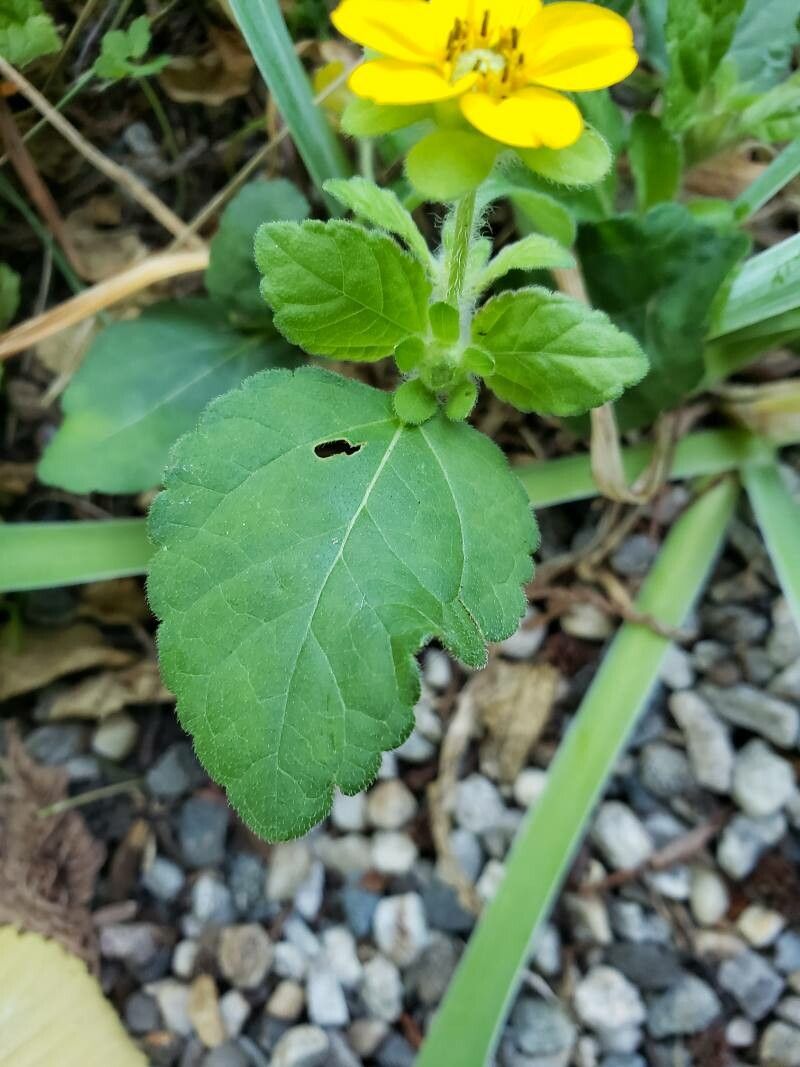
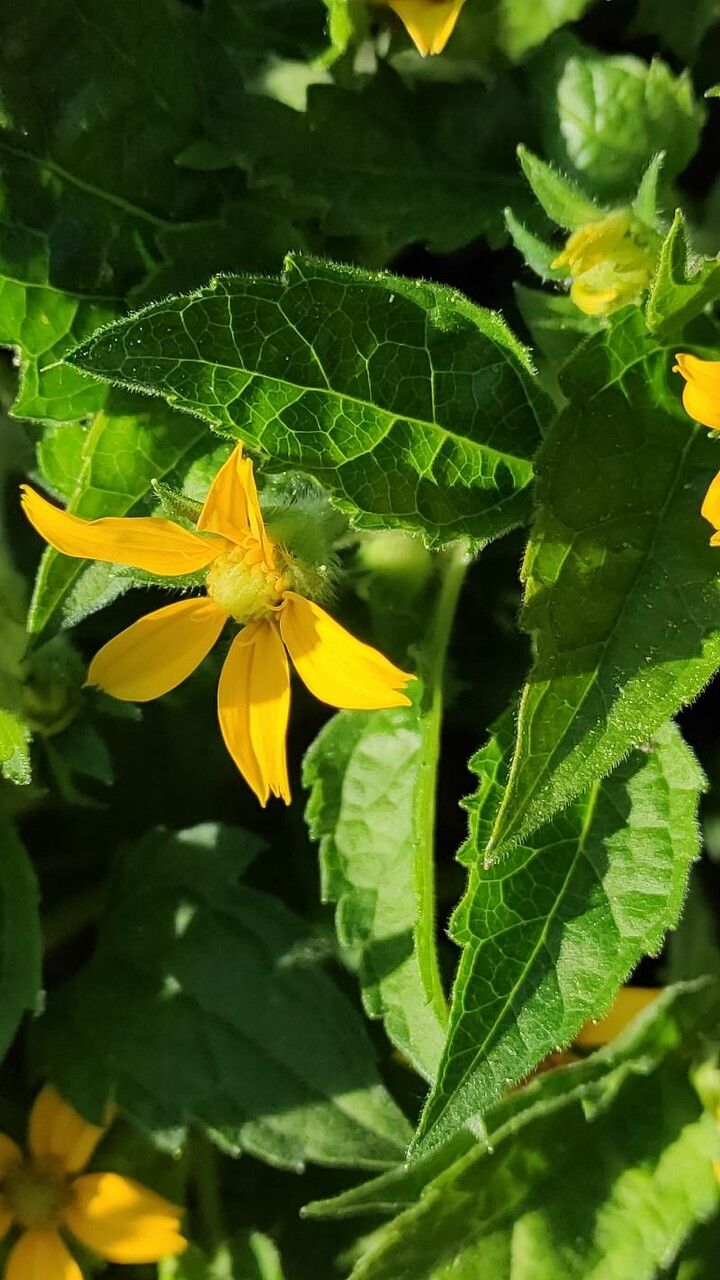
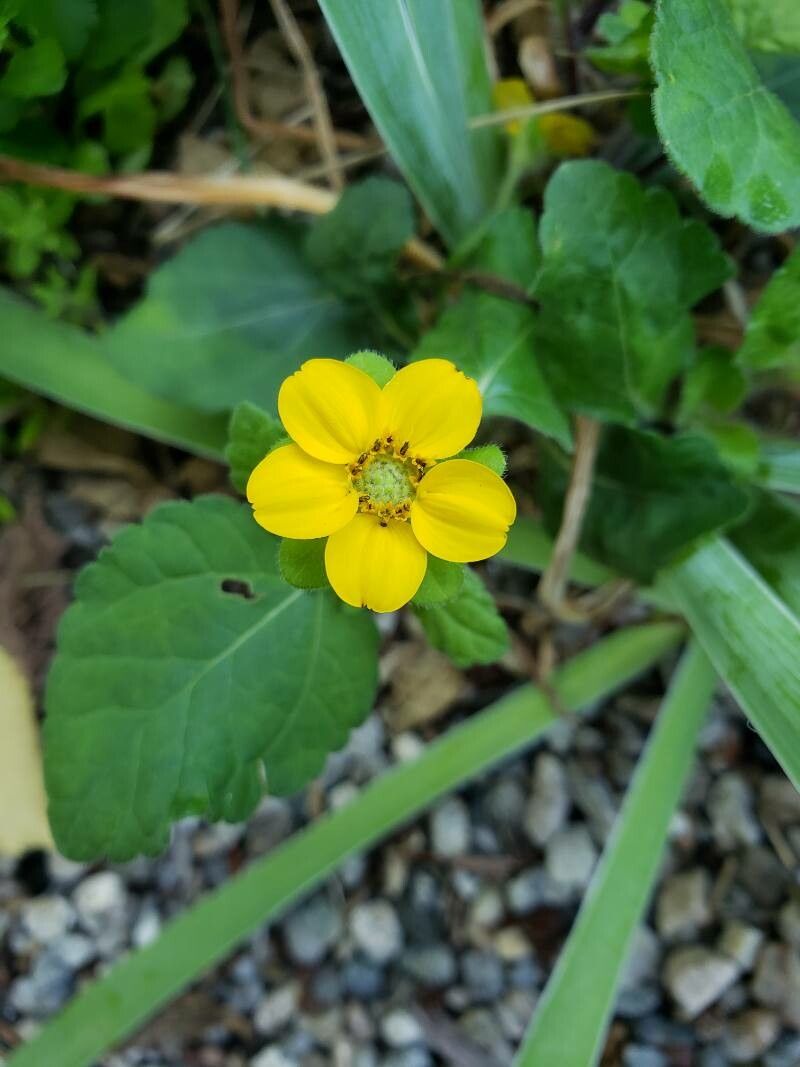
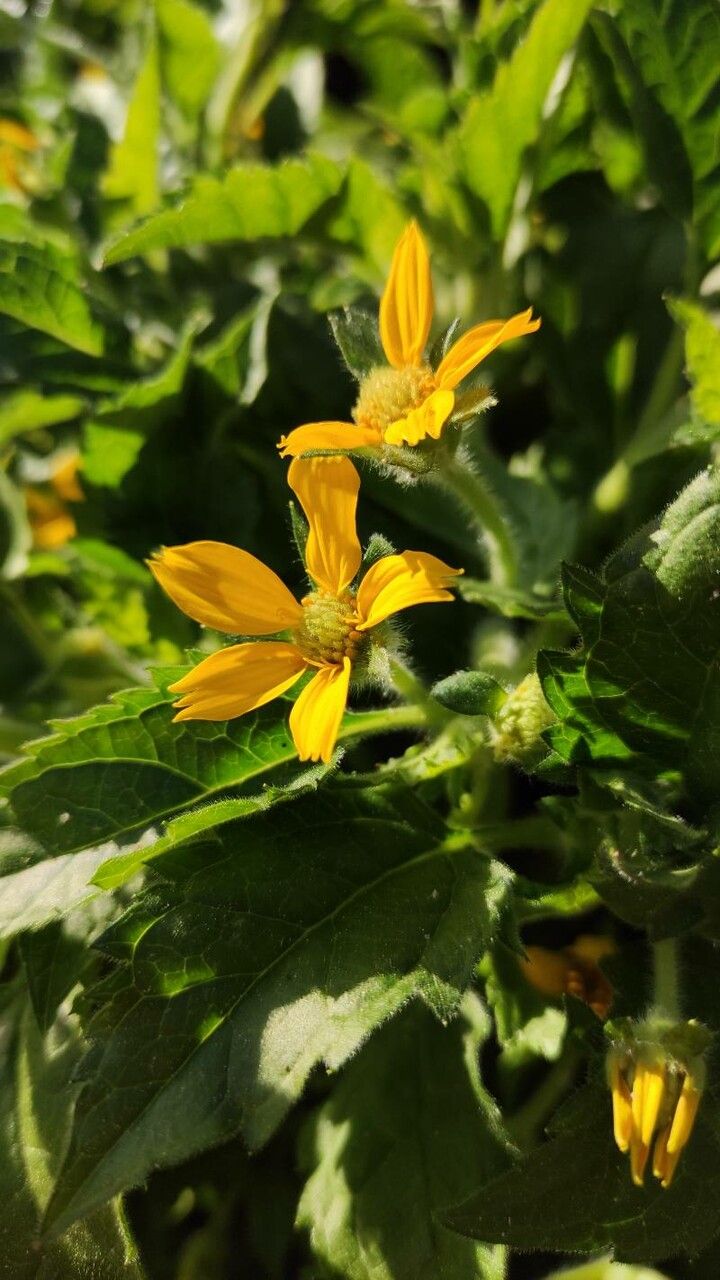
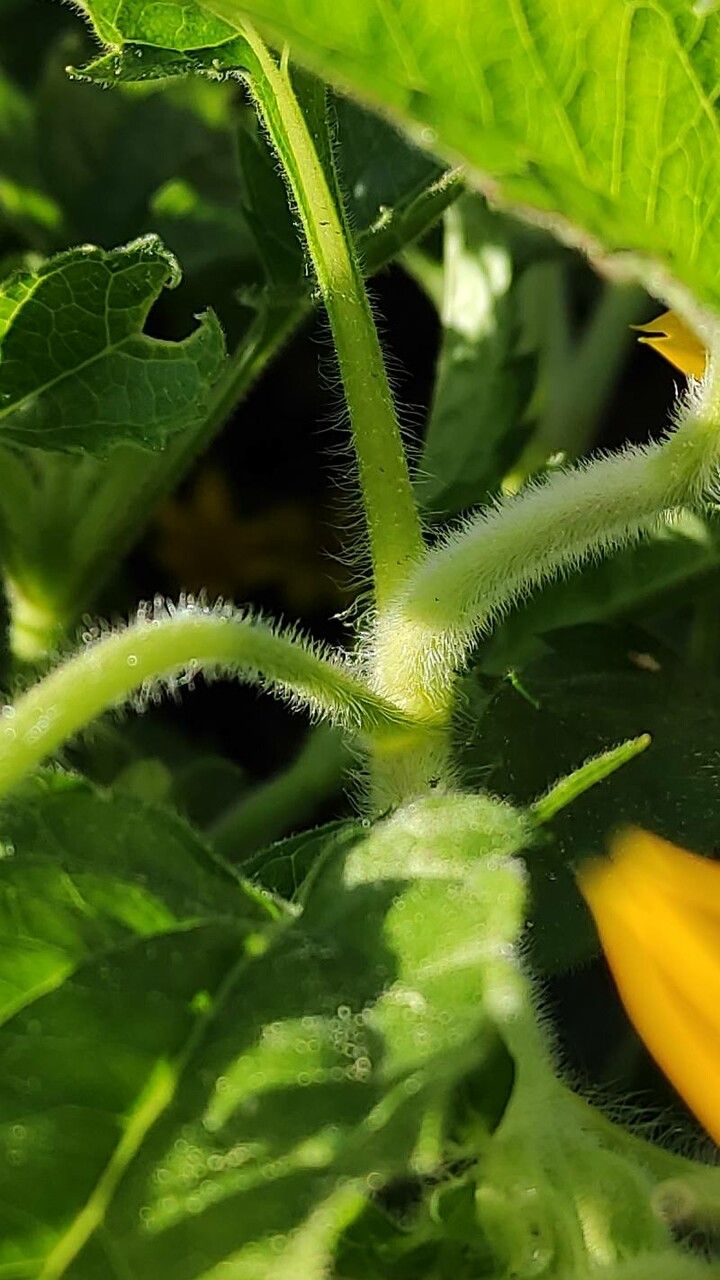
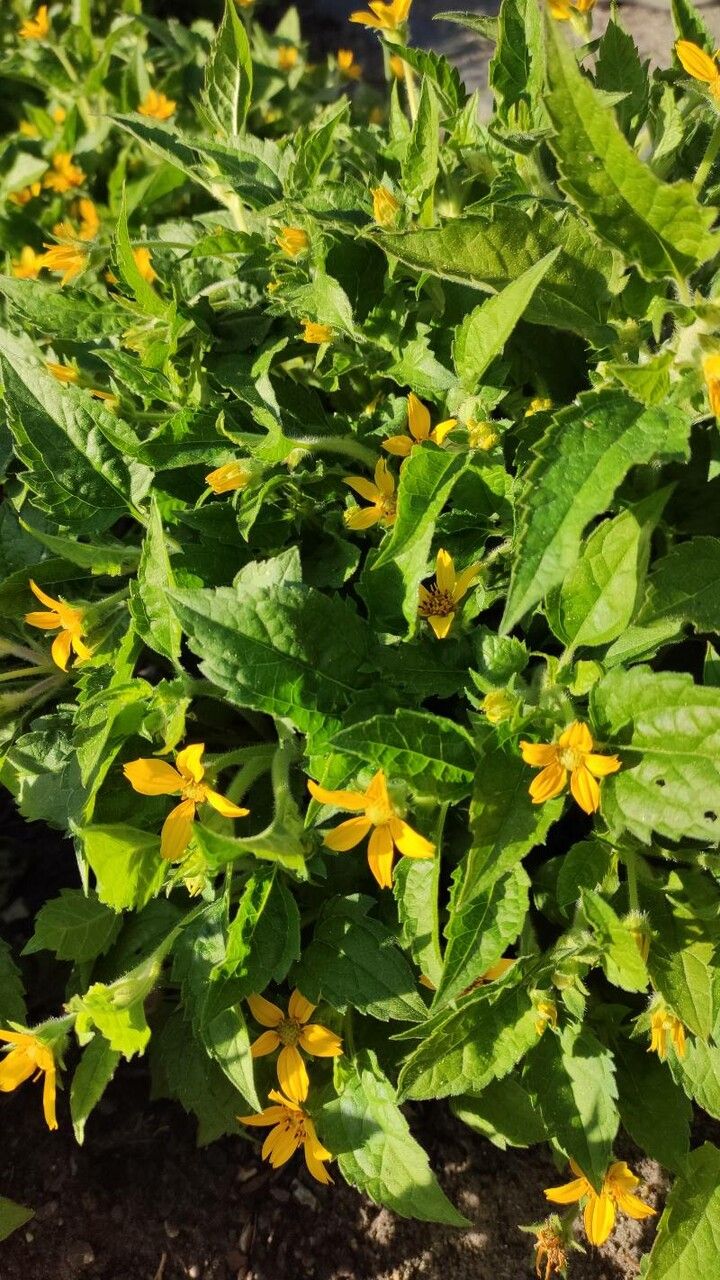
Chrysogonum virginianum, commonly known as "green and gold," is a perennial herbaceous plant native to the eastern United States. This member of the Asteraceae family typically grows to a height of about 6 to 12 inches. The plant is known for its bright yellow flowers, which bloom in late spring and early summer and attract pollinators such as bees and butterflies.
Green and gold thrives in moist soils and partial shade but can also tolerate full sun. It is commonly found in woodlands, meadows, and along stream banks or other moist environments.
The plant's leaves are evergreen or semi-evergreen, boasting a glossy green color that turns bronze during the winter months. Chrysogonum virginianum spreads by rhizomes, forming dense mats of foliage that can serve as ground cover.
Historically, Native Americans used green and gold for medicinal purposes to treat ailments including fever, diarrhea, and stomach cramps.
Overall, Chrysogonum virginianum is an attractive, low-maintenance perennial that adds vibrant color to gardens while also providing ecological benefits through its pollinator-friendly flowers.
Green and gold has strong resistance to disease and is generally not prone to illnesses. However, it can be vulnerable to pests and diseases present in its environment. Those infections are typically mild. Regarding care, this plant requires moderate maintenance. Regular pruning is necessary to keep a good appearance and encourage healthy growth. Applying fertilizer can also help promote flowering. Green and gold is suitable for anyone with outdoor space, such as a garden or patio, and does not demand extensive care experience. It may need extra attention when grown indoors.
How to keep Chrysogonum Virginianum.
Light
Green and gold thrives with a balance of sunlight, preferring a combination of shady and sunny exposures. Though it can tolerate full sun and deep shade, moderate light yields the healthiest growth. Native to places with diffuse light, too much direct sun can stunt its development, while too little light can result in leggy growth.
Water
The green and gold plant flourishes in humid conditions, needing consistent moisture and weekly watering to maintain its lush growth. While it can handle short periods without perfect water balance, it doesn't tolerate drought well. When grown outdoors, rainwater during the growing season helps enhance its vibrant green and gold colors.
Temperature
Green and gold is native to temperate regions and performs best in temperatures from 41 to 95 °F (5 to 35 ℃). In extreme conditions, temperature adjustments may be necessary.
Fertilizer
The best time to fertilize Green and gold is in early spring, as it is coming out of dormancy and beginning active growth. Fertilizing supplies essential nutrients for healthy development. Although Green and gold has relatively low fertilizer requirements, applying fertilizer once a year can improve its survival and encourage better, longer-lasting flowers.
Pruning
Green and Gold produces vibrant yellow blooms and thrives with light pruning. For best results, prune in early spring or late winter to encourage growth. Trim spent flowers regularly to promote continuous blooming, and rejuvenate older plants by trimming back one-third of their growth. Be cautious of heavy pruning, as it can cause stress and affect the plant's overall health.
Botanical profile.
- Plant Type
- Herb
- Life Cycle
- Perennial
- Genus
- Chrysogonum
- Family
- Asteraceae
- Hardiness Zone
- 5-9
- Mature Height
- 15 cm to 30 cm
- Mature Spread
- 30 cm to 61 cm
- Leaf Color
- Green
- Leaf Type
- Evergreen
- Flower Color
- Yellow
- Flower Size
- 3.81 cm
- Bloom Time
- Spring, Summer
- Planting Time
- Spring, Autumn
- Harvest Time
- Summer, Early fall, Mid fall
- Native Area
- United States
Other names.
Reader questions.
What's the best way to water my Green and gold plant?
To properly water the Green and gold plant, it is recommended to use filtered water at room temperature. Tap water may contain harmful particles, so filtering it is preferable. It is important to use water that is at room temperature or slightly warmer since this plant is accustomed to a warm environment, and cold water can be a shock to its system. It is also advised to avoid overhead watering as it can cause problems with the plant's foliage. Instead, water the plant by applying filtered room temperature water directly to the soil until it is completely soaked. This will benefit the plant by keeping the roots moist and allowing them to spread and absorb nutrients from the soil.
Why should I put fertilizer on my Green and gold plant?
Fertilization is important for Green and gold plants because it provides essential nutrients for their growth above and below the ground. However, Green and gold plants have relatively low fertilization needs and can survive without it at times. Annual fertilization, though, can greatly benefit Green and gold plants by keeping them healthy and promoting better, longer-lasting flowers. Therefore, those who want their Green and gold plants to look their best should regularly fertilize them.
What are the sunlight requirements for Green and Gold plants?
Green and Gold (Chrysogonum virginianum) plants require a range of sunlight exposures to thrive. They can endure conditions from partial sun, which is about 3-6 hours of sunlight, to full sun or full shade, which implies more than 6 hours of sunlight. It's essential to monitor how sunlight moves through your garden to identify spots that offer an optimal balance of light and shade, ensuring the best growth conditions for these plants.
What are the ideal temperature conditions for Green and Gold (Chrysogonum virginianum)?
Green and Gold, also known as Chrysogonum virginianum, is native to temperate climates, thriving best in temperatures ranging between 41 to 95 °F (5 to 35 °C). This plant has a strong resistance to cold, making it quite resilient in lower temperatures. During extreme cold, particularly if winter temperatures are expected to dip below -25°C, it is still advisable to take precautions to protect the plant from frost. This involves covering the plant with protective materials such as soil or straw, and ensuring the soil remains moist before the first freeze of autumn to prevent drought stress during winter and early spring.
What do I do if I give my Green and gold plant too much or too little water?
Overwatering is a common issue for the health of Green and gold plants. When Green and gold plants receive too much water, their stems and leaves may wilt and turn yellow. Overwatering over a prolonged period can also cause diseases like root rot, mold, and mildew, which can be fatal to the plant. Underwatering is less common, as Green and gold plants can tolerate drought. However, if underwatering does happen, the leaves will become brittle and brown. It is important to recognize the signs of overwatering early when taking care of Green and gold plants. Diseases like root rot may not be reversible if left unchecked. If you see early signs of overwatering, reduce the watering schedule immediately. Also, check the quality of the soil for proper drainage. If the soil drains poorly, replace it with a loose, well-draining potting mix. On the other hand, if you notice signs of underwatering, simply water the plant more regularly until the signs improve.
When should I fertilize my Green and gold plant?
The best time to fertilize a Green and gold plant is in late winter to early spring when it transitions from its dormant phase to active growth. Fertilizing at this time will promote healthy growth and give the plant a great start for the season. It is also possible to fertilize in the fall, although it is generally more beneficial during the early spring. However, it is not recommended to fertilize in the summer or winter.
How does sunlight affect the growth of Green and Gold plants?
The growth of Green and Gold plants significantly depends on their exposure to sunlight. These plants flourish under a mix of shade and sun, with moderate levels of light fostering the healthiest growth. They originate from environments where light is naturally diffused; hence, too much direct sunlight can inhibit their growth, while insufficient sunlight may lead to leggy growth. It's important to strike a balance to promote optimal health and development.
How does Green and Gold react to low temperatures, and what are the recommended precautions?
Green and Gold is noted for its cold tolerance, particularly thriving when temperatures remain above 5°C and needing precautionary measures when winter conditions cause temperatures to drop below -20°C. If temperatures fall below -25°C, while the plant might not show immediate damage during winter, there might be a notable decrease in sprouting or even a complete lack of sprouting in spring. To mitigate this, it is recommended to remove any parts of the plant that fail to sprout in spring.
How frequently should I water my Green and gold?
To determine if your Green and gold plant needs water, there are different methods depending on whether it's in a pot or in the ground. For potted plants, stick your finger in the soil and if the top 2-3 inches are dry, it's time to water. For plants in the ground, use the same method and water when the top few inches of soil are dry. In spring and early fall, you'll generally need to water once a week, but during hot weather, you may need to water twice a week or more. However, mature and well-established Green and gold plants are quite resilient and can tolerate periods of drought.
When is the best time to not use fertilizer on my Green and gold plants?
To ensure optimal growth and prevent complications, it is important to know when to fertilize your Green and gold plant. Late winter and early spring are the only suitable times for fertilization, as this plant has low fertilization needs and a single annual feeding is sufficient. Fertilizing during spring, summer, and fall can easily result in overfertilization and related issues. The exception to this rule is if you skipped fertilizing in the spring, in which case it is acceptable to feed the plant in the fall. During the majority of the growing season, it is best to avoid fertilizing altogether. Additionally, fertilizing should be avoided during winter when the plant is in a dormant growth phase and does not produce new growth.
Can artificial lighting be used for Green and Gold plants and how?
Yes, artificial lighting can be a beneficial supplement for Green and Gold plants, especially when natural sunlight is inadequate, such as during winter or in less sunny locations. LED lights are recommended due to their ability to be customized to provide specific wavelengths needed by plants. Full sun plants require 30-50W per square foot of light, partial sun plants need 20-30W, and full shade plants need 10-20W. The light source should be placed 12-36 inches above the plant, simulating natural sunlight conditions, and kept on for 8-12 hours per day to mimic the natural daylight hours for your plant species.
How should Green and Gold be cared for during high temperatures?
In periods of high heat, particularly when the thermometer climbs above 35°C, care should be taken to ensure that Green and Gold does not suffer. Symptoms of stress from high temperatures include leaves turning lighter in color, curling, becoming prone to sunburn, and, in severe cases, the entire plant wilting and drying out. Solutions include trimming away any sunburned and dried-up sections of the plant, relocating it to a shaded area away from intense midday and afternoon sun, or using a shade cloth. Additionally, maintaining soil moisture through watering in the morning and evening can help alleviate heat stress.