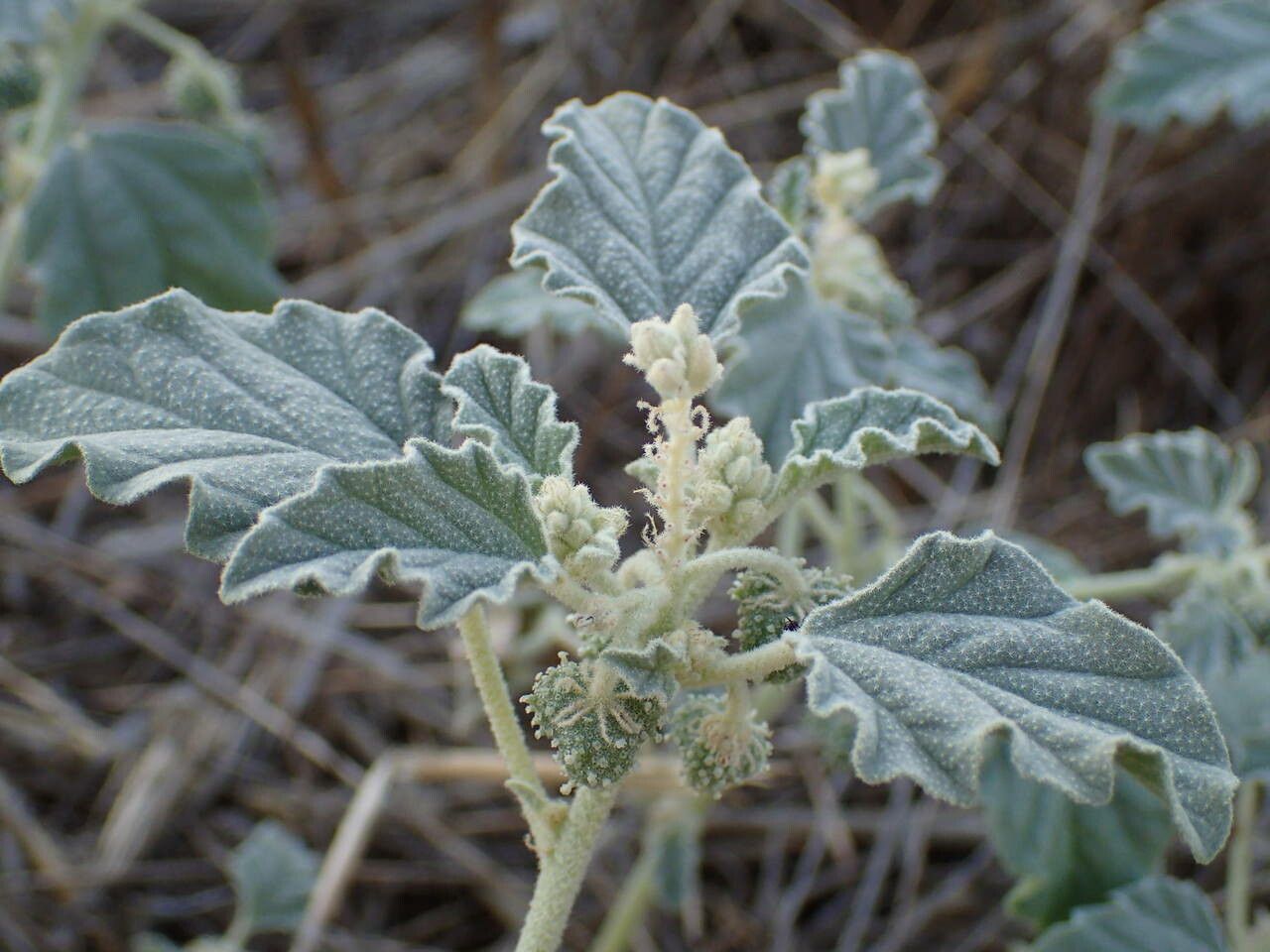
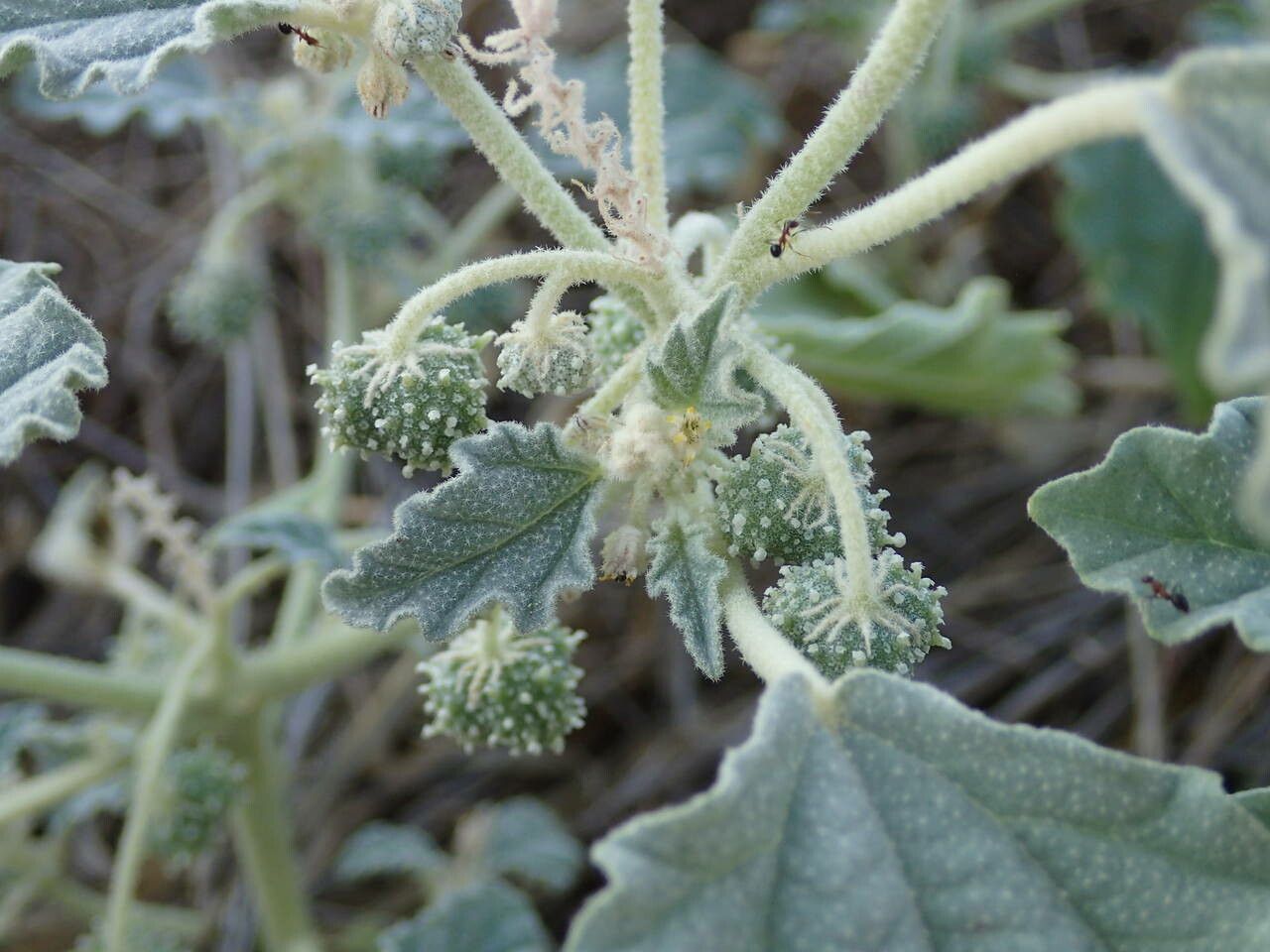
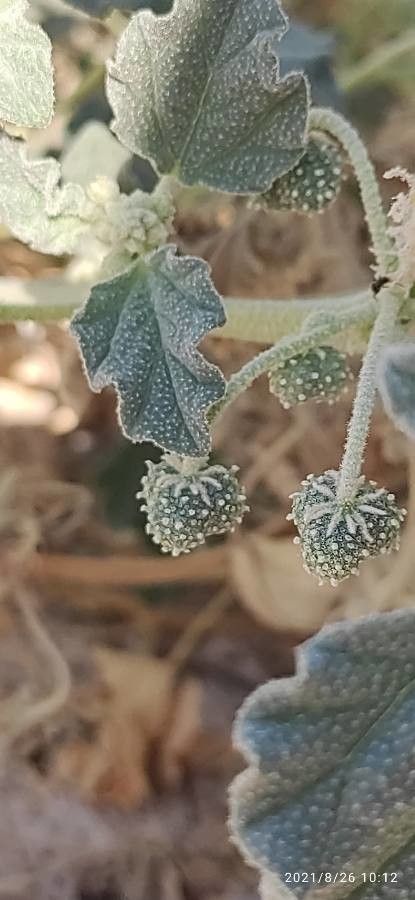
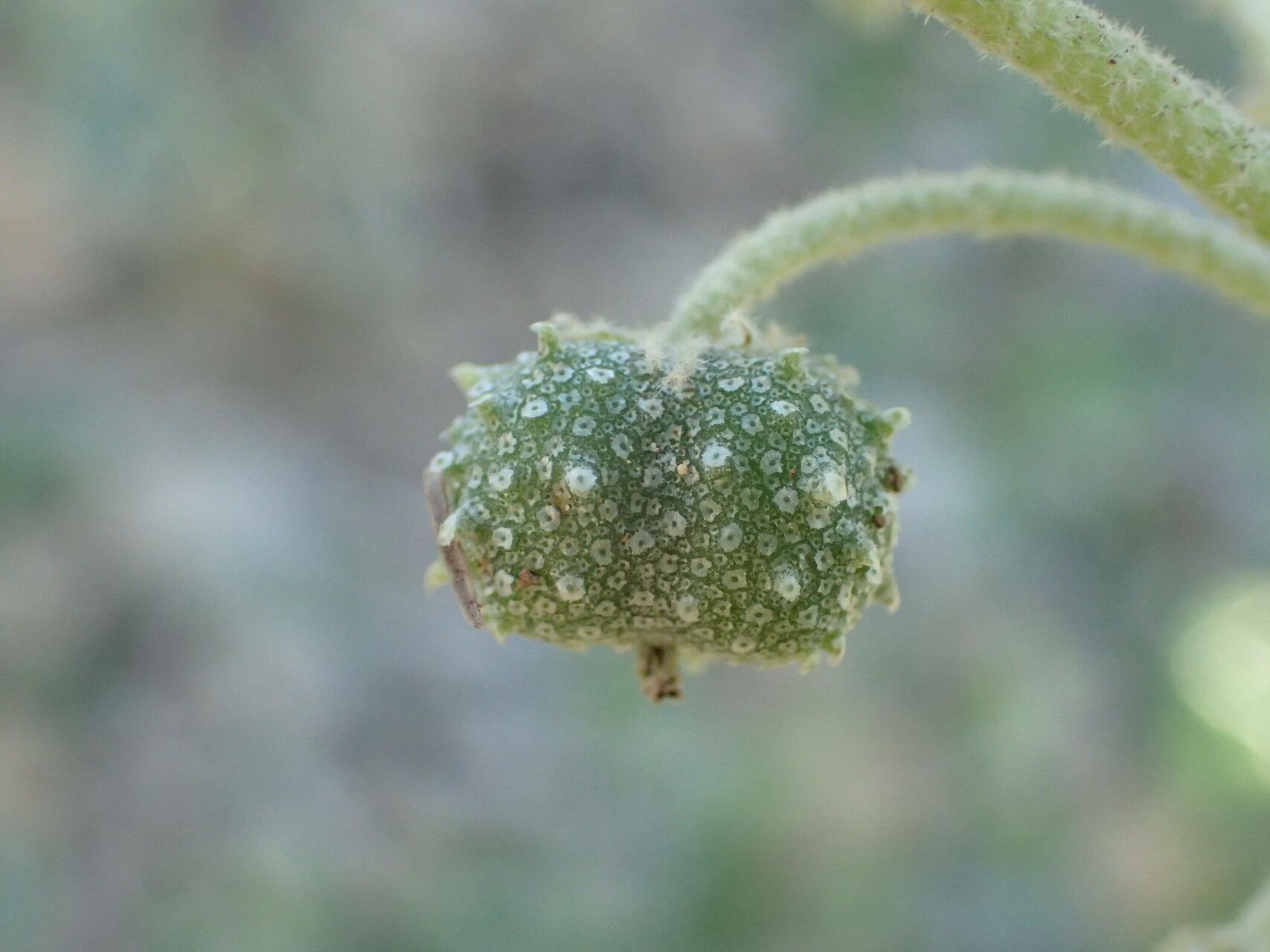
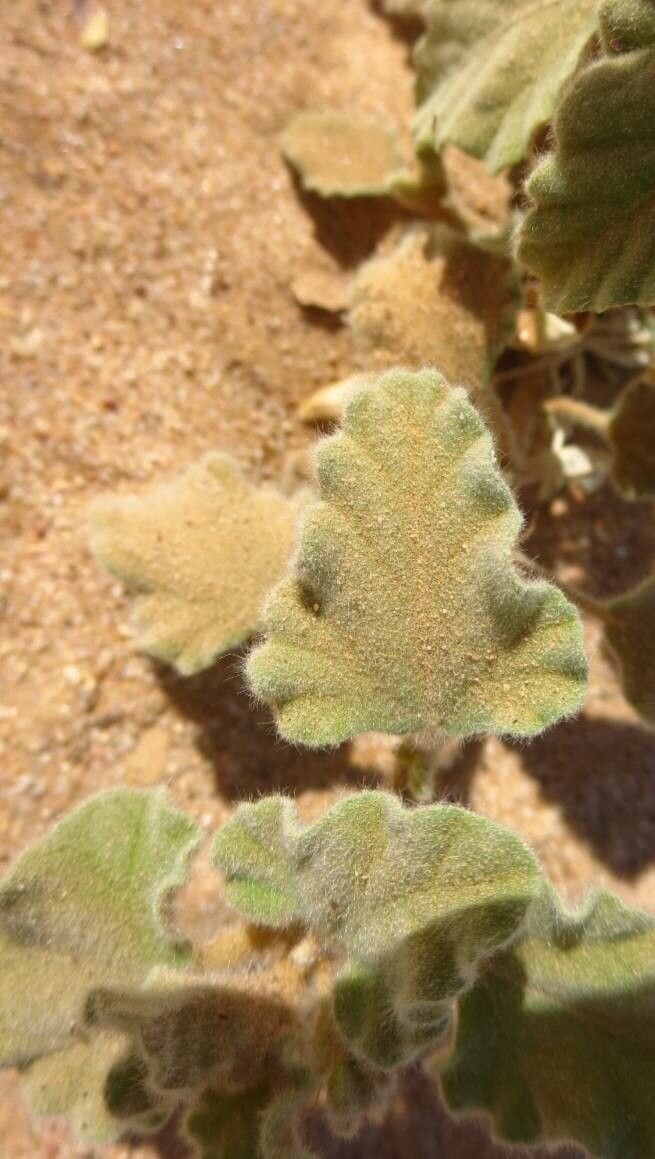
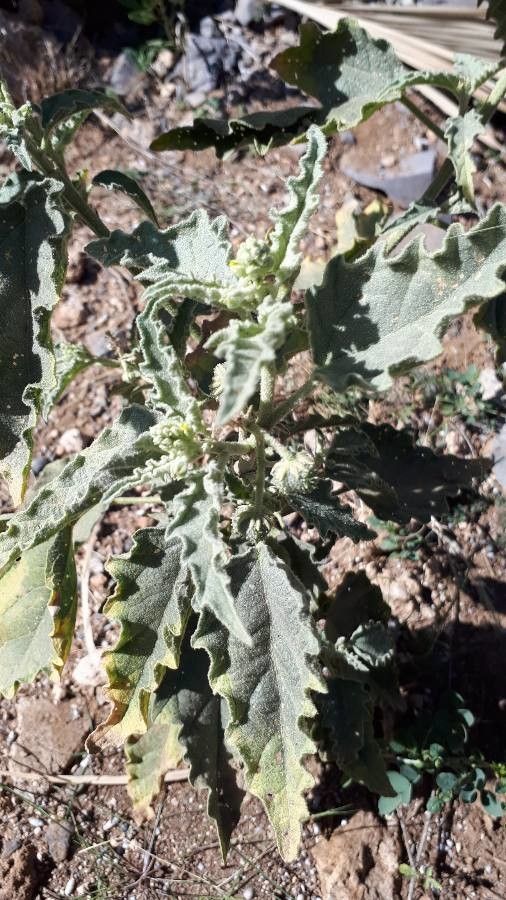
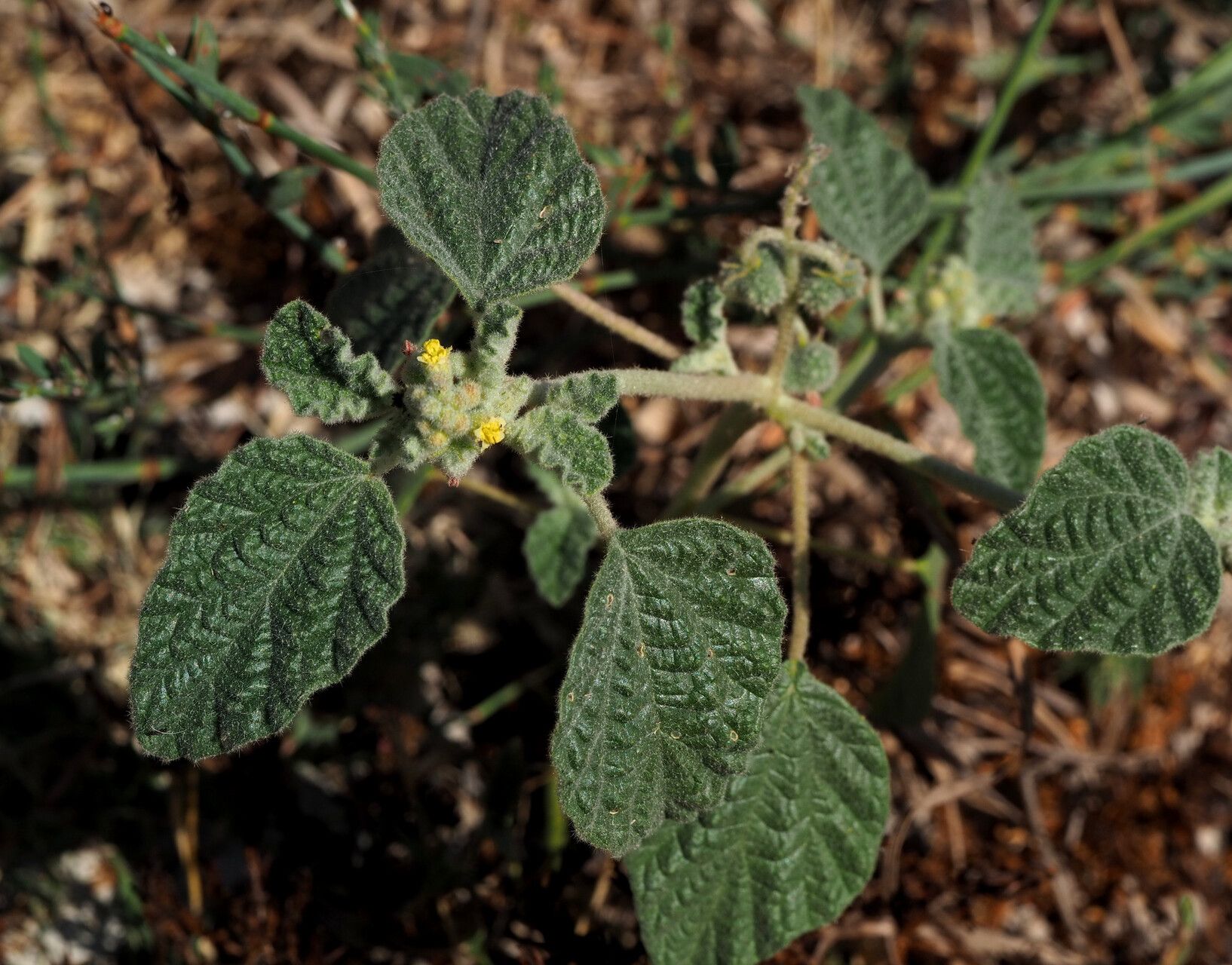
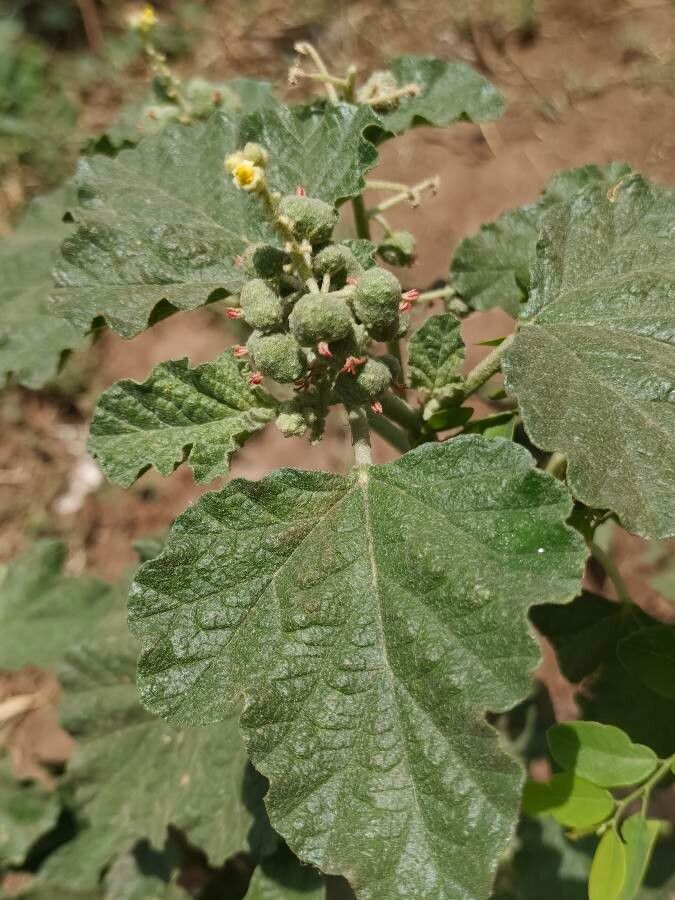
Chrozophora tinctoria, commonly known as dyer's croton or giradol, is a perennial herbaceous plant belonging to the Euphorbiaceae family. Native to the Mediterranean region, it can be found in North Africa, Europe, and Asia. The plant reaches a height of up to 50 cm and has a woody stem with multiple branches. Its oval-shaped leaves have serrated edges and are covered in fine hairs, giving them a velvety texture.
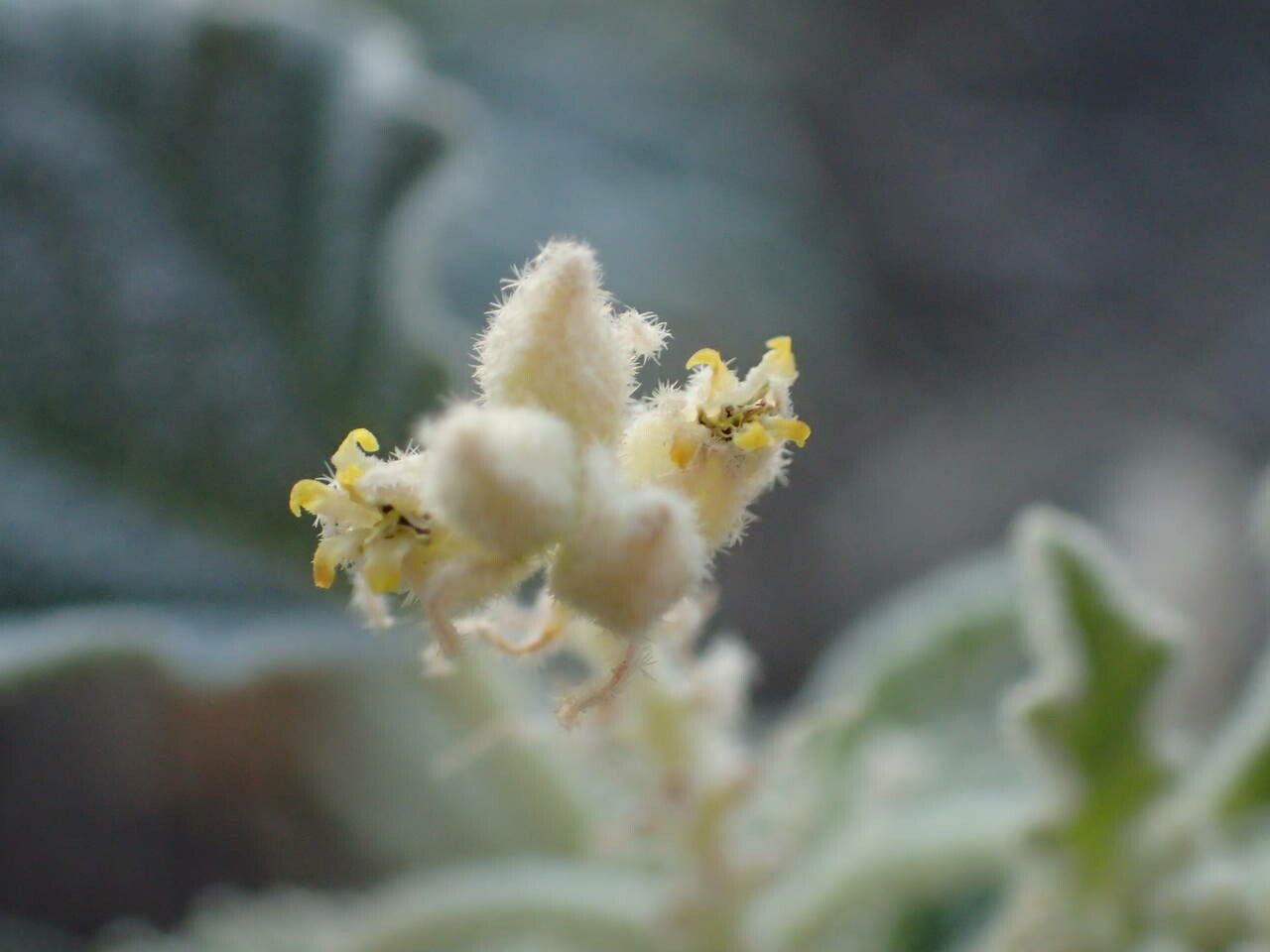
The flowers of Chrozophora tinctoria are small and either greenish-yellow or white. They grow on long spikes at the ends of branches and typically bloom from May to August, depending on the location.
Historically, Chrozophora tinctoria has been used as a natural dye for textiles due to its high content of yellow pigments known as flavonoids. Traditionally, it was also used for medicinal purposes, treating conditions such as skin diseases, rheumatism, fever, and digestive problems.
This plant thrives in dry, sandy soils with good drainage but can also grow well in rocky areas or disturbed habitats such as roadsides or abandoned fields. While it is drought-tolerant, it cannot withstand frost conditions.
In summary, Chrozophora tinctoria is a fascinating plant with both cultural significance, due to its use as a natural dye, and potential medicinal properties that warrant further scientific research.
Dyer's litmus has strong disease resistance and is usually not vulnerable to illnesses. However, it can be affected by pests and diseases present in its environment, and these issues are typically minor. Regarding care, this plant requires moderate maintenance. It should be pruned regularly to keep a neat appearance and support healthy growth. Fertilizing can also help encourage flowering. Dyer's litmus is well suited for anyone with outdoor space, such as a garden or patio, and does not demand extensive care experience. It may need more attention when grown indoors.
How to keep Chrozophora Tinctoria.
Light
Dyer's litmus grows most successfully in places that provide plenty of light, though it can survive with only a small amount. Its native habitat indicates it is adapted to areas of strong brightness. While it can tolerate stretches of reduced sun exposure, too little or too much light may impede its healthy growth.
Water
Dyer's litmus, native to semi-arid regions, is exceptionally drought-tolerant and only requires weekly watering when cultivated. Its ability to adapt to different moisture levels makes it perfect for outdoor gardening and xeriscaping. Additionally, its growth cycle aligns with seasonal rainfall patterns.
Temperature
Dyer's litmus is a plant that grows best in climates where temperatures range from 68 to 106 °F (20 to 41 ℃). It is native to regions with these temperature levels and favors warmer conditions. Seasonal temperature adjustments may be necessary to recreate its natural habitat.
Fertilizer
Dyer's litmus responds well to regular, dilute applications of fertilizer to encourage healthy leaf development. You should fertilize Dyer's litmus about once a month during the summer. Nitrogen is important for foliage, and supplying nitrogen-rich sources helps Dyer's litmus thrive.
Pruning
To ensure the plant dyer's litmus thrives, it's best to prune it from early to late spring. Focus on removing dead stems, thinning crowded areas to improve airflow, and shaping the plant's leggy growth. This practice promotes healthier development and produces more blooms. Always use clean, sharp tools to prevent the spread of disease.
Botanical profile.
- Plant Type
- Herb
- Life Cycle
- Annual, Perennial
- Genus
- Chrozophora
- Family
- Euphorbiaceae
- Hardiness Zone
- 10-13
- Mature Height
- 30 cm to 49 cm
- Mature Spread
- 20 cm to 40 cm
- Leaf Color
- Green, Light Green
- Leaf Type
- Semi-evergreen
- Flower Color
- Yellow
- Flower Size
- 0.10 cm to 0.20 cm
- Bloom Time
- Summer, Early fall
- Planting Time
- Spring, Summer
- Harvest Time
- Late summer, Fall
- Native Area
- Libya, Egypt, Turkey, India, Montenegro, Pakistan, Croatia, Morocco, Uzbekistan, Russia, Iraq, Oman, Qatar, France, Portugal, Saudi Arabia, Tajikistan, Tunisia, Bulgaria, Armenia, Greece, Lebanon, Serbia, Afghanistan, Syria, Kyrgyzstan, Kazakhstan, Italy, Spain, Iran, Albania, Azerbaijan, Algeria, Turkmenistan
Other names.
Reader questions.
How should I water my Dyer's litmus plant?
To water Dyer's litmus, there are a few different tools you can use like a garden hose with a spray nozzle or a watering can. This plant is not too picky about the type of water it receives, so rainwater, tap water, or filtered water all work fine. However, it's best to avoid watering this plant from above as it can harm the leaves and flowers and even lead to disease. Instead, using a drip irrigation system is often the most effective method. These systems provide water evenly and directly to the soil. If you have a Dyer's litmus in a container, the same watering principles apply but you can switch up the tools you use. A cup, watering can, or your tap can be used to apply water directly to the soil in the container.
What are the sunlight requirements for Dyer's litmus?
Dyer's litctoria, commonly known as Dyer's litmus, requires full sun, which means it should receive above 6 hours of sunlight daily. However, it can also tolerate partial sun, meaning about 3-6 hours of sunlight each day. It’s crucial to watch how sunlight moves through your garden to find the perfect balance of light and shade that ensures the plant's health and happiness.
What is the ideal temperature range for growing Dyer's litmus?
Dyer's litmus, or Chrozophora tinctoria, thrives in temperatures ranging from 68 to 106 °F (20 to 41 °C). It is well-suited to warmer climates and requires seasonal temperature adjustments to mimic its natural habitat. During the winter, it's important to keep the plant above 20°C and protect it from temperatures nearing 5°C, as cold temperatures can cause significant harm.
What should I do if I give too much or too little water to my Dyer's litmus?
To prevent underwatering Dyer's litmus, simply water it more regularly when you notice it lacking moisture. Overwatering, on the other hand, can lead to serious issues if not caught early. It can cause diseases that harm and kill the plant. To avoid this, choose a suitable location for growth with adequate sunlight and drainage. If you overwater a potted Dyer's litmus, consider changing to a new pot with better drainage. Use loose soil and an efficiently draining pot when repotting the overwatered plant.
How essential is lighting for the growth of Dyer's litmus?
Lighting is crucial for the growth of Dyer's litmus, which thrives best under abundant illumination but can also persevere with a moderate amount of light. Originating from bright environments, it requires a significant amount of light, although it can withstand some deviation from this. Inadequate lighting can hamper its healthy growth, so it’s essential to ensure it gets enough light, whether naturally or through artificial means.
How should I care for Dyer's litmus during the winter?
In the winter, Dyer's litmus should be brought indoors and placed near a bright window to ensure it receives enough light. Care should be taken to maintain temperatures above 20°C and keep the plant at a safe distance from heaters to avoid overheating. Any exposure to temperatures approaching 5°C or lower is detrimental to the plant's health.
How frequently should I water my Dyer's litmus?
To keep your Dyer's litmus plant healthy, make sure to water it regularly throughout the growing season. In the spring, watering once a week should be sufficient. However, as the weather gets warmer, you may need to increase watering to two or three times a week. Be cautious not to exceed this rate, as it can harm your plant. Regardless of the watering frequency, it's important to keep the soil moist but not wet. If you have a potted Dyer's litmus, you'll need to water it more often compared to a plant in the ground. Generally, watering a container-grown Dyer's litmus a few times per week should be enough, whereas an in-ground plant can be watered once per week.
Can artificial lighting be beneficial for Dyer's litmus growth? If so, how?
Yes, artificial lighting can significantly benefit the growth of Dyer's litmus, especially in conditions where natural sunlight is insufficient. Indoor plants can thrive with the aid of artificial lights, which promote faster, healthier growth. LED lights are particularly beneficial because they can be customized to provide specific light wavelengths needed by the plants. For best results, full sun plants require 30-50W/sq ft of light, partial sun plants 20-30W/sq ft, and full shade plants 10-20W/sq ft. The light source should be placed 12-36 inches above the plant to mimic natural sunlight accurately, and most plants will need 8-12 hours of light per day.
What are the symptoms and solutions for low temperature exposure in Dyer's litmus?
When exposed to temperatures below its ideal range, Dyer's litmus may show symptoms such as lightening of leaf color, wilting, drooping, and, after frost damage, browning or blackening of leaves. To remedy this, trim off the frost-damaged parts and move the plant indoors to a warm spot, preferably near a south-facing window. This location should ensure ample sunlight while keeping the plant away from heaters and air conditioning vents to avoid dry air.
How much water does my Dyer's litmus require?
Determining how much water to give your Dyer's litmus plant can be approached in a few different ways. Some gardeners prefer to assess soil moisture by feeling the soil, suggesting that you should water until the top six inches of soil feels moist. Alternatively, you can use a specific measurement as a guideline, such as giving your Dyer's litmus about two gallons of water per week, adjusting based on temperature and soil dryness. It's important not to blindly follow strict guidelines, as your plant may need less than two gallons per week. When growing Dyer's litmus in a container, you'll need a different approach. Simply moisten all the dry layers of soil, which can be tested by feeling the soil with your finger. Another method is to water until you notice a slight trickle of excess water draining from the pot's holes.
What are the symptoms of inadequate light for Dyer's litmus?
Symptoms of inadequate light for Dyer's litmus include small leaves, leggy or sparse growth, faster leaf drop, slower or no new growth, and lighter-colored new leaves. These signs indicate the plant is not receiving enough light, leading to various growth and health issues. Additionally, excessive sunlight can cause symptoms like chlorosis, where leaves turn yellow, sunscald, leaf curling, wilting, and leaf scorching.
How does high temperature affect Dyer's litmus and what are the solutions?
Exposure to temperatures above 41°C can cause the leaves of Dyer's litmus to lighten and increase susceptibility to sunburn. If the temperature exceeds 45°C, immediate steps should be taken to mitigate damage, including trimming sunburned or dried parts of the plant, relocating it to a shaded area during intense midday and afternoon sun, and ensuring the soil remains moist by watering in the morning and evening.