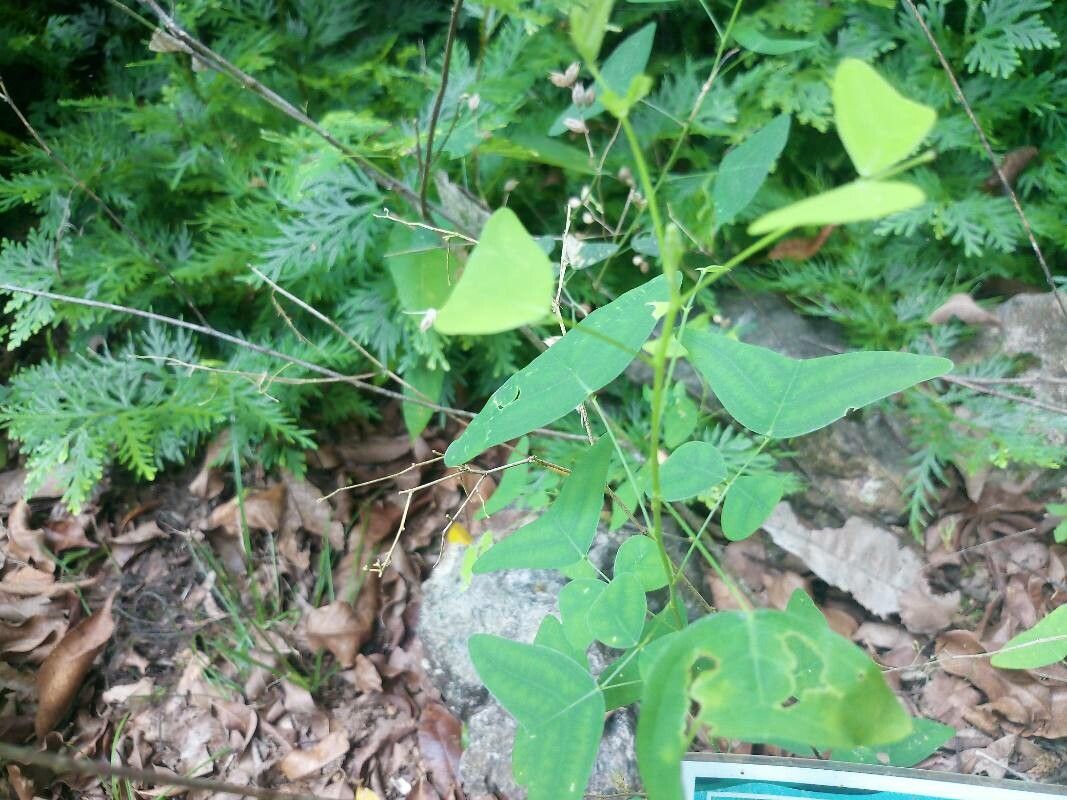
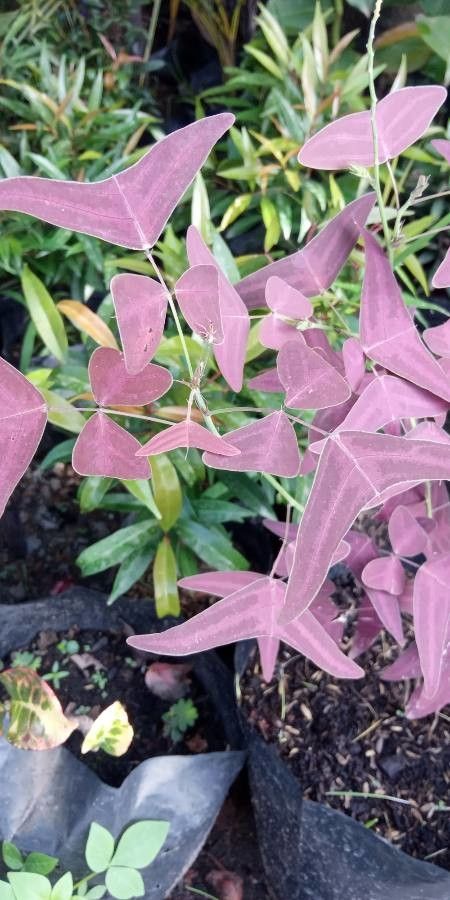
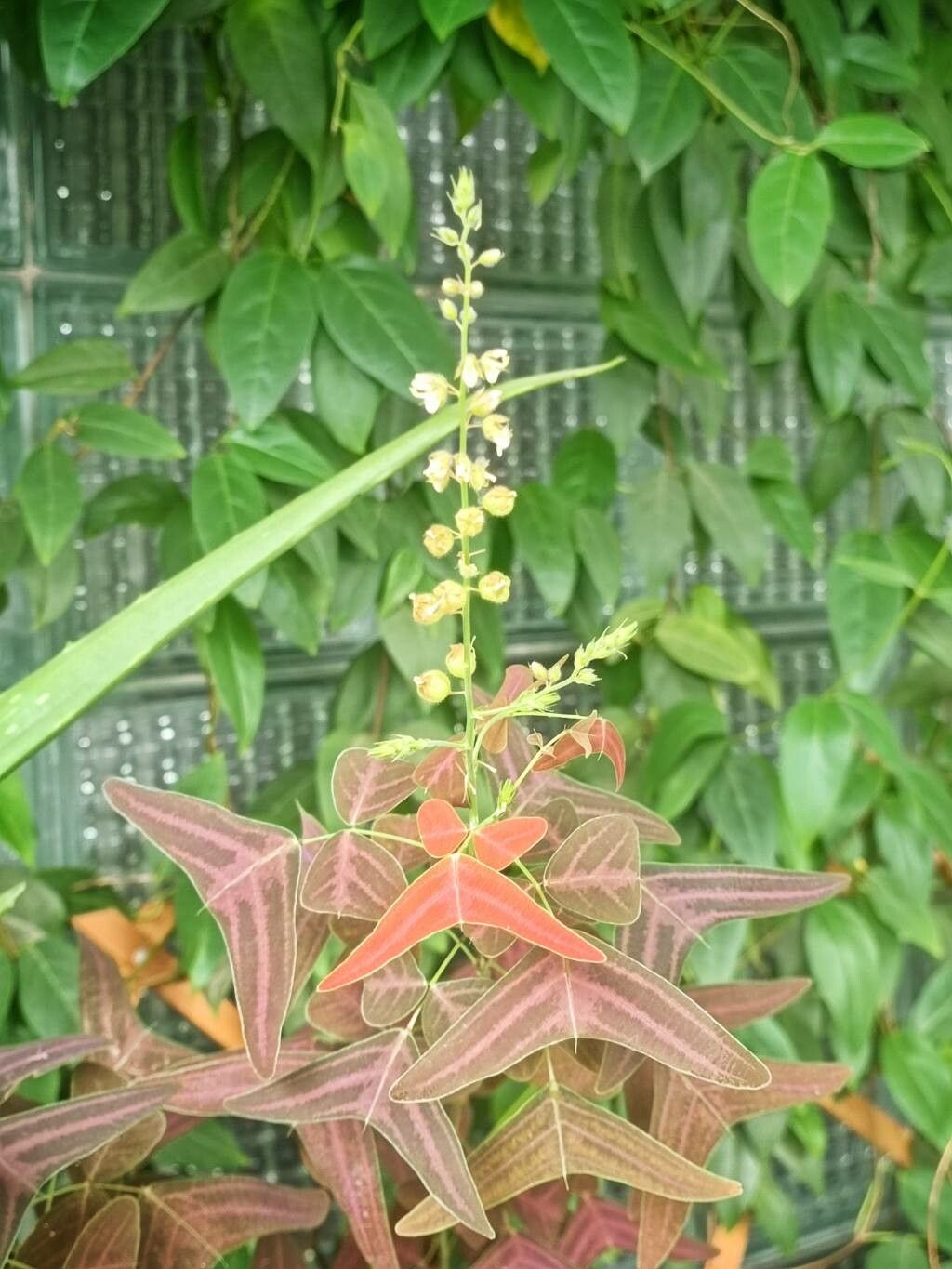
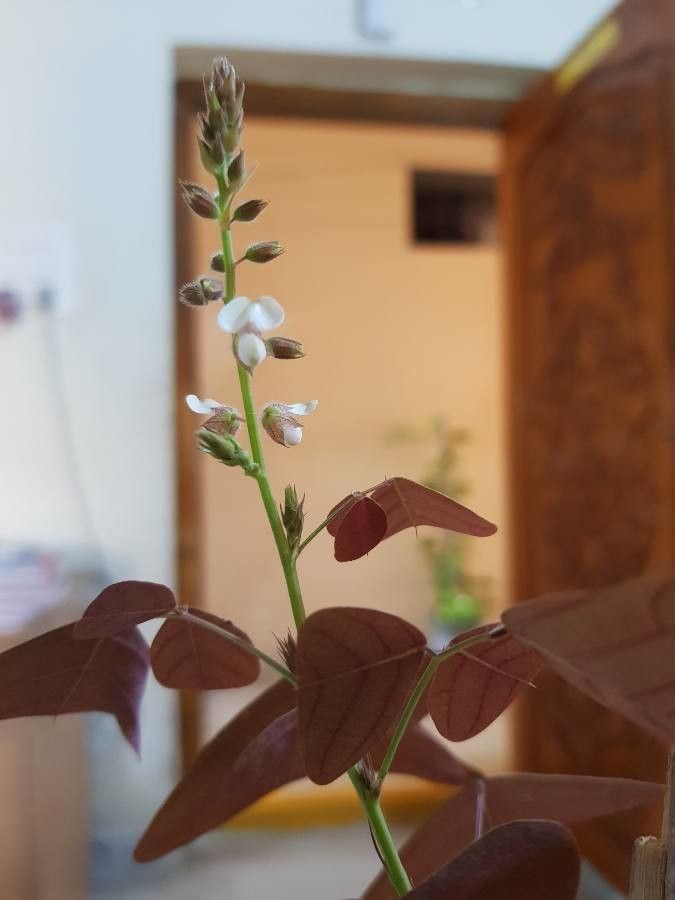
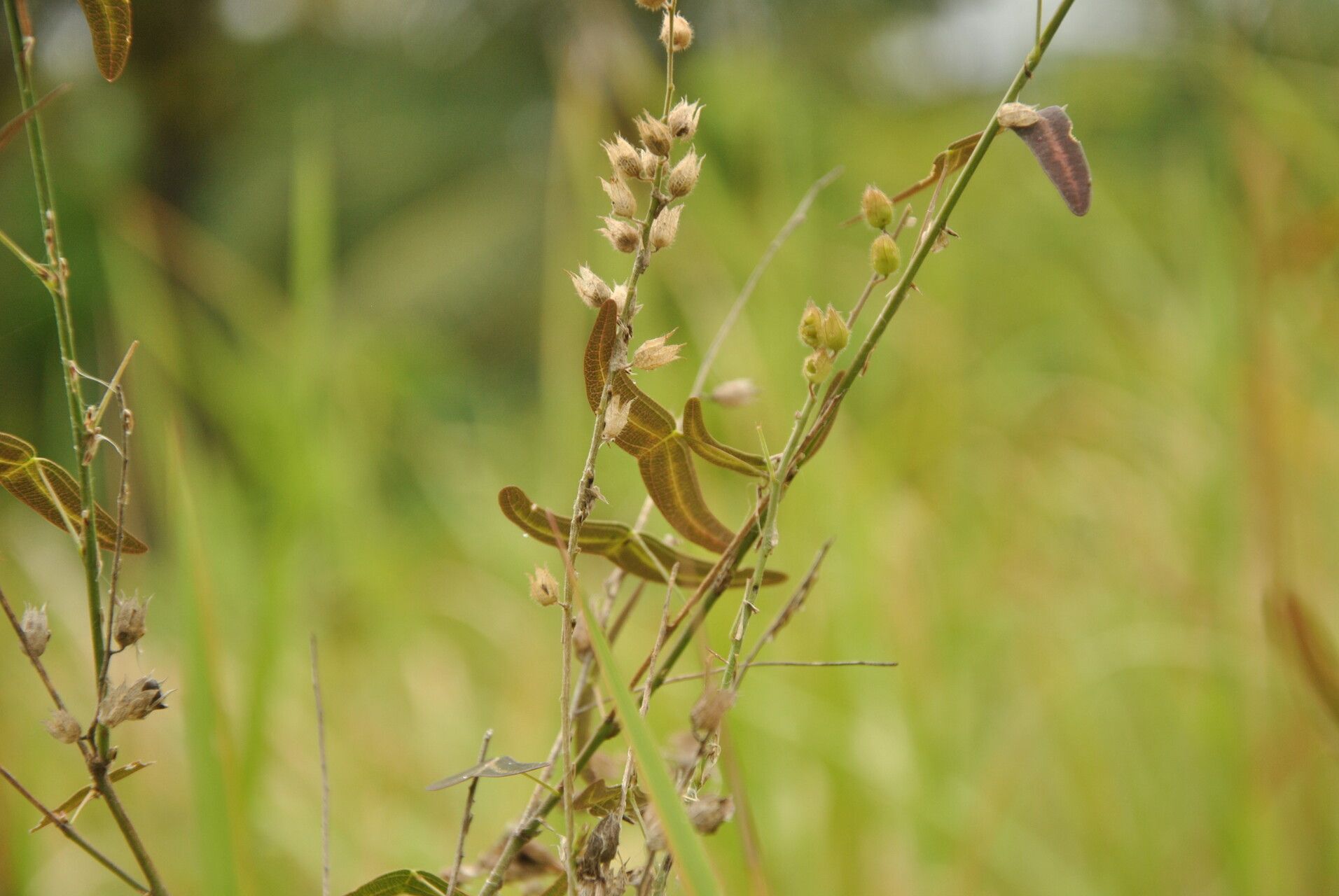
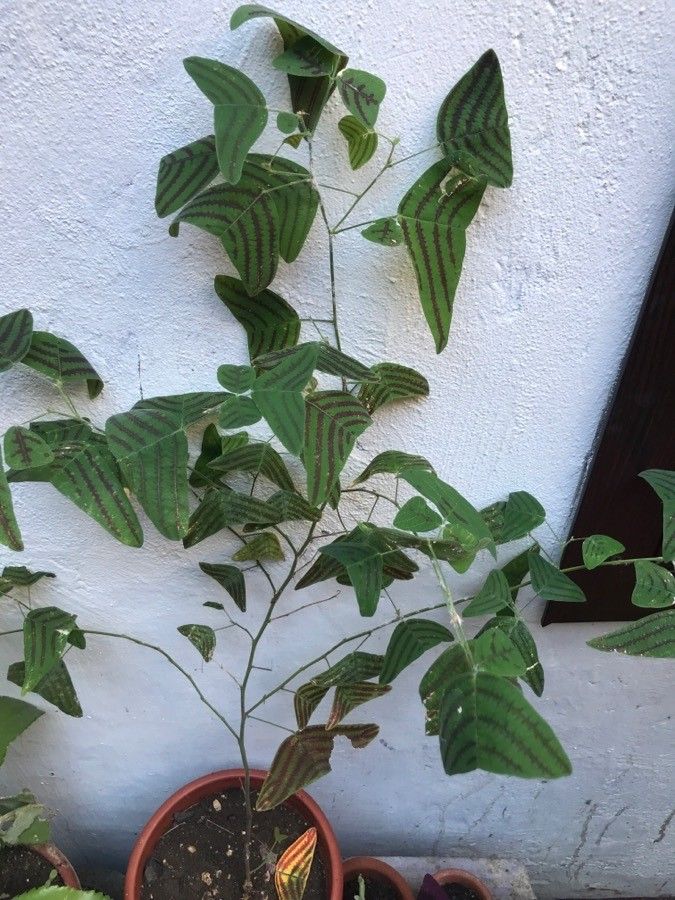
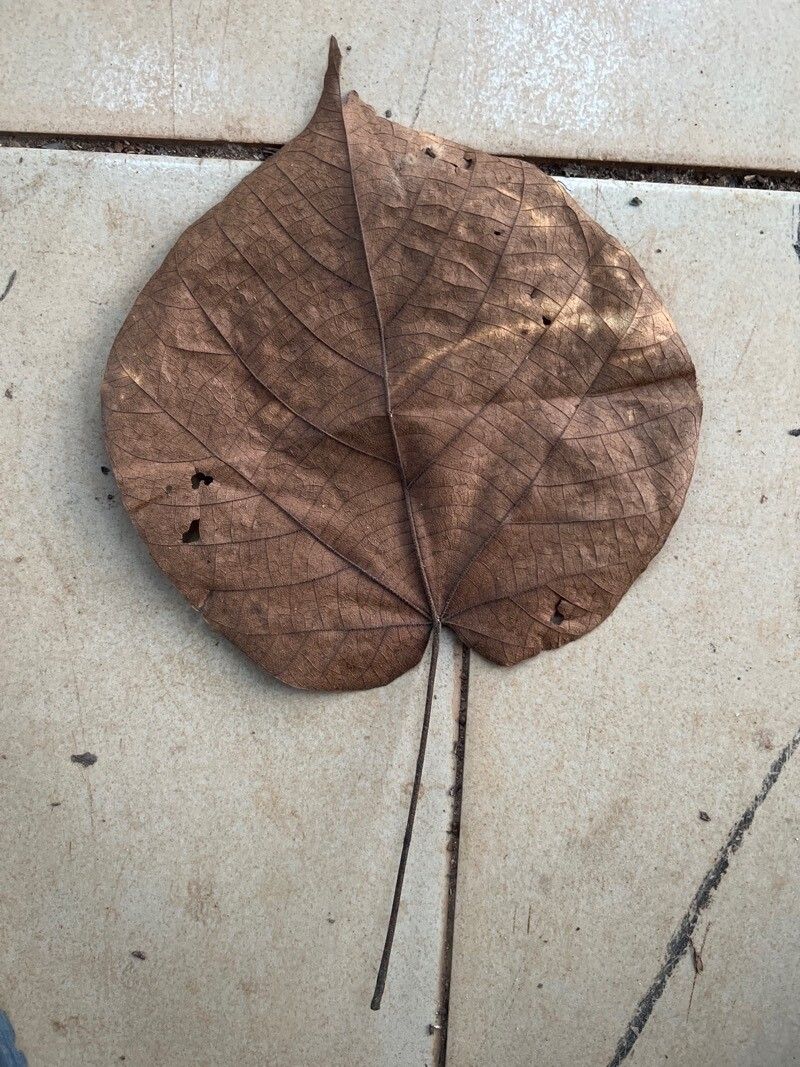
Christia vespertilionis, the red butterfly wing, is a species of perennial flowering plant in the family Fabaceae. Its native range extends from Southeast China to Tropical Asia. Additionally, it has been introduced into multiple territories, ranging from the Philippines to Myanmar to Pakistan, also reaching countries such as Jamaica and the Dominican Republic.
Red butterfly wing is fairly disease-resistant and typically does not suffer from illnesses. Still, it can be affected by pests and diseases present in its environment. These infections are usually mild. In terms of care, the plant needs moderate upkeep. Regular pruning is required to keep a neat appearance and support healthy growth. Fertilizing can also help encourage flowering. Red butterfly wing is suitable for people with outdoor spaces like a garden or patio and does not demand extensive care experience. It may need more attention if kept indoors.
How to keep Christia Vespertilionis.
Light
Red butterfly wing favors locations where sun and shade are mixed, ensuring healthy growth. It can also thrive in spots with very low light. Although it tolerates a range of light conditions, too much sun can scorch the leaves, while a severe lack of sunlight may inhibit its growth.
Water
The Red Butterfly Wing plant flourishes in high humidity and prefers consistently damp soil, ideally watered twice a week. Since it has low drought tolerance, it requires regular misting to replicate its tropical origins, which encourages lush growth. Often grown indoors, this plant thrives when moisture is maintained without causing the soil to become waterlogged.
Temperature
Red butterfly wing is native to temperate climates and favors environments with typical temperatures ranging from 68 to 100°F (20 to 38°C). In different seasons, it will require careful monitoring and likely adjustments to ensure the temperature stays within its preferred range.
Fertilizer
Correct fertilization is essential for the health and appearance of the Red butterfly wing. Fertilize the Red butterfly wing during summer, repeating the application monthly throughout the season. Nutrients fuel growth and help maintain the plant's parts. Fertilization improves the Red butterfly wing's flower display, ensuring the best blooms.
Pruning
The Red Butterfly Wing plant displays distinctively red, butterfly-shaped leaves and benefits from pruning in early to late spring. To maintain its health and aesthetic appeal, trim any dead branches and thin out crowded areas to improve air circulation. This practice enhances the plant's growth, flowering, and overall vigor, ensuring that the Red Butterfly Wing remains healthy and visually striking all year round.
Pot & Repot
When repotting Red butterfly wing, choose a pot 1–2 inches (2.5–5.1 cm) larger with ample drainage. Use a well-draining, potting mix. Repot in spring or fall, ensuring that the root ball is slightly lower than the rim of the flower pot. Water thoroughly after repotting and place in a warm spot with indirect sunlight.
Botanical profile.
- Plant Type
- Herb, Shrub
- Life Cycle
- Perennial
- Genus
- Christia
- Family
- Fabaceae
- Hardiness Zone
- 10-11
- Mature Height
- 0.61 m to 1.22 m
- Mature Spread
- 30 cm to 46 cm
- Leaf Color
- Purple, Red
- Leaf Type
- Deciduous
- Flower Color
- Pink, White
- Flower Size
- 2.54 cm
- Bloom Time
- Summer, Early fall, Mid fall
- Planting Time
- Summer
- Harvest Time
- Late summer, Fall, Early winter
- Native Area
- India, Malaysia, Indonesia, Cambodia, Vietnam, Bhutan, Bangladesh, Laos, Thailand, China
Other names.
Reader questions.
What are the sunlight requirements for Red butterfly wing (Christia vespertilionis)?
Red butterfly wing thrives in conditions where sunlight and shade are intermixed, indicating its preference for partial sun, which equates to about 3-6 hours of sunlight per day. It can also grow in full shade, which is described as receiving less than 3 hours of sunlight each day. The plant's health could be compromised if exposed to excessive sunlight leading to leaf scorching, while a significant lack of sunlight might inhibit growth. Observing the movement of sunlight through your garden and selecting areas that balance light and shade can greatly benefit the happiness and growth of your plants.
What is the native climate of the Red Butterfly Wing?
The Red Butterfly Wing, botanically known as Christia vespertilionis, is native to temperate climates. It flourishes in environments where temperatures range from 68 to 100°F (20 to 38°C). To maintain its health, close attention and possible adjustments are necessary throughout varying seasons to keep the temperature within this preferred range. The plant loves heat and is vulnerable to cold temperatures, highlighting the need for careful temperature management.
How do I use artificial lighting for Red butterfly wing if natural sunlight is insufficient?
When natural sunlight is insufficient for the Red butterfly wing, especially during winter or in less sunny spaces, artificial lighting becomes a vital growth support. LED lights are recommended for their capability to provide specific light wavelengths needed by plants. For full sun plants, 30-50W/sq ft of artificial light is needed; for partial sun plants, 20-30W/sq ft; and for full shade plants, 10-20W/sq ft. The light source should be placed 12-36 inches above the plant to mimic natural sunlight. Additionally, to duplicate natural daylight duration, most plant species will require between 8-12 hours of light per day.
How should the Red Butterfly Wing be cared for in autumn and winter?
In autumn, it's advisable to move the Red Butterfly Wing indoors if it was grown outside, positioning it near a bright window but away from direct contact with heaters to prevent damage from excessive heat. During winter, keeping the plant in temperatures above 20°C is crucial for its growth, as exposure to temperatures nearing 5°C or lower can be harmful. The primary goal is to protect the plant from cold stress while ensuring it receives adequate light and warmth.
What are the symptoms of improper lighting on Red butterfly wing?
Improper lighting can lead to various health issues for the Red butterfly wing. Symptoms of light deficiency may include smaller new leaves, leggy or sparse growth, faster leaf drop, and a halt in new growth indicating a survival mode due to poor light conditions. Insufficient sunlight can also lead to lighter-colored new leaves or chlorosis, where leaves lose their green color and turn yellow, impacting photosynthesis. Excessive sunlight exposure might result in sunscald, where leaves or stems get damaged, leaf curling as a defense mechanism to minimize water loss, wilting due to increased water loss through transpiration, and leaf scorching, characterized by brown, dry edges on leaves.
What are the symptoms of low temperature damage on the Red Butterfly Wing, and how can it be treated?
The Red Butterfly Wing does not tolerate low temperatures well and shows clear signs of distress when exposed to cold. Symptoms of low temperature damage include a lightening of the leaves' color when temperatures drop below 1°C, followed by browning or blackening after frost damage, along with wilting and drooping. To counteract this damage, frost-affected parts should be trimmed off, and the plant should be moved immediately to a warmer indoor environment. Placing the plant near a south-facing window ensures it gets enough sunlight, but it should be kept away from heaters or air conditioning vents to avoid dry air.
What solutions can help improve lighting conditions for Red butterfly wing indoors and outdoors?
Improving lighting conditions for Red butterfly wing involves several strategies, both for indoor and outdoor plants. Indoors, gradually shift plants to sunnier spots each week until they achieve 3-6 hours of direct sunlight daily for optimal growth, or use artificial light, such as desk lamps or professional grow lights, for at least 8 hours daily. Outdoors, also move plants gradually to sunnier locations weekly to avoid sunburn from sudden changes in light intensity. Ground plants benefit from reducing obstructions like pruning tree branches to allow more sunlight or transplanting during the dormant period to a location with better sunlight and drainage. While parts of the plant already affected may not recover, new growth should be healthy with improved light exposure.
How does high temperature affect the Red Butterfly Wing and what measures should be taken?
During summer, it's important to ensure that the temperature surrounding the Red Butterfly Wing does not exceed 38°C. Exposure to temperatures above 43°C can lead to a lighter leaf coloration and increase the plant's susceptibility to sunburn. In case of high temperature damage, trim away the sunburned and dried parts of the plant. Moving the plant to a shaded area, especially during the midday and afternoon sun, can help protect it. Additionally, watering the plant in the morning and evening helps maintain soil moisture and supports the plant's health under high temperatures.