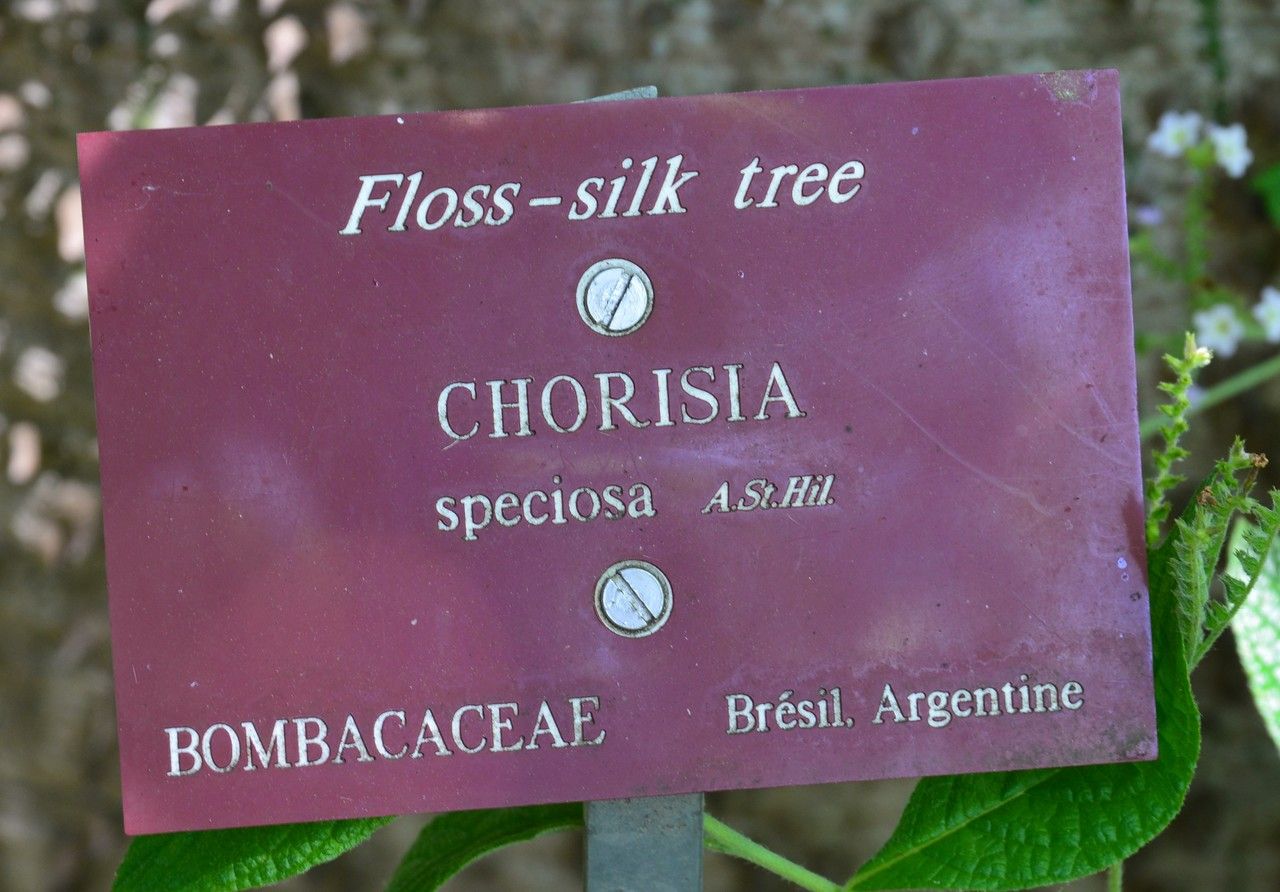
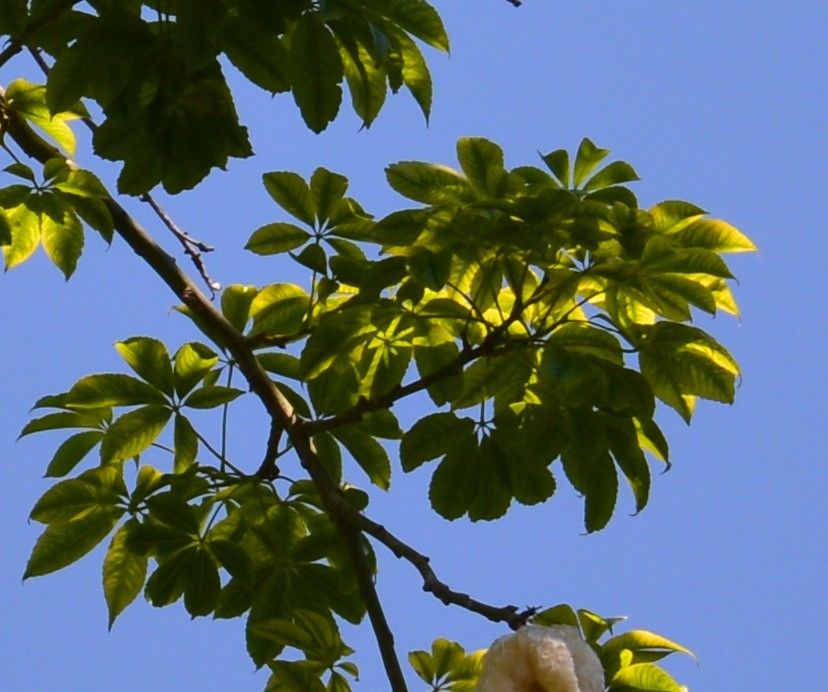
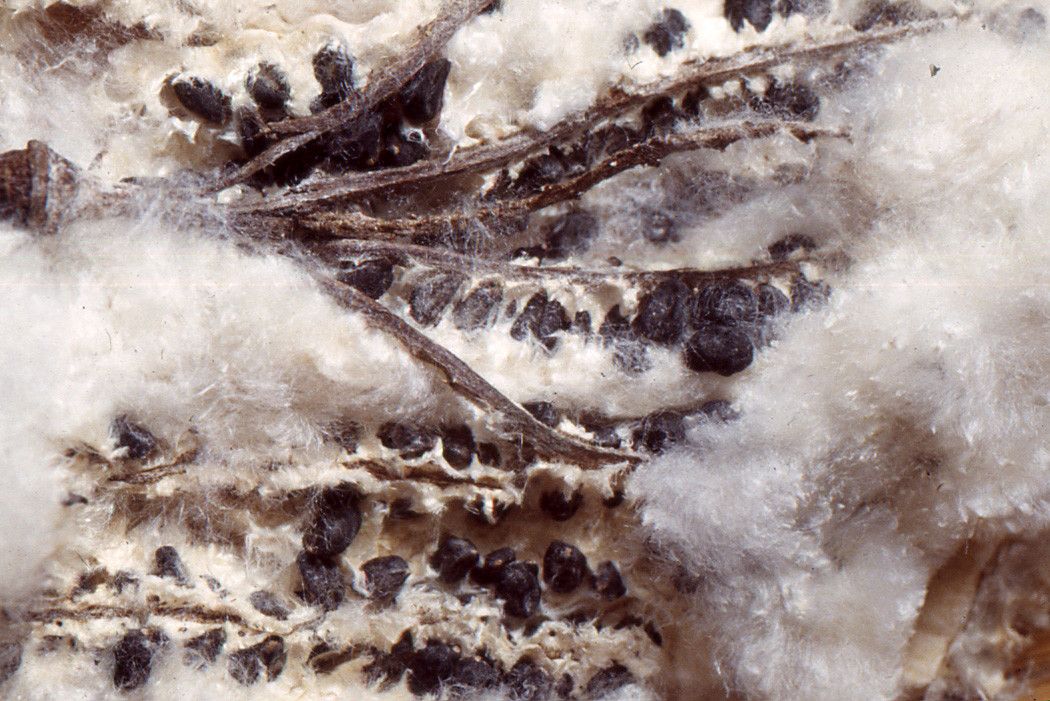
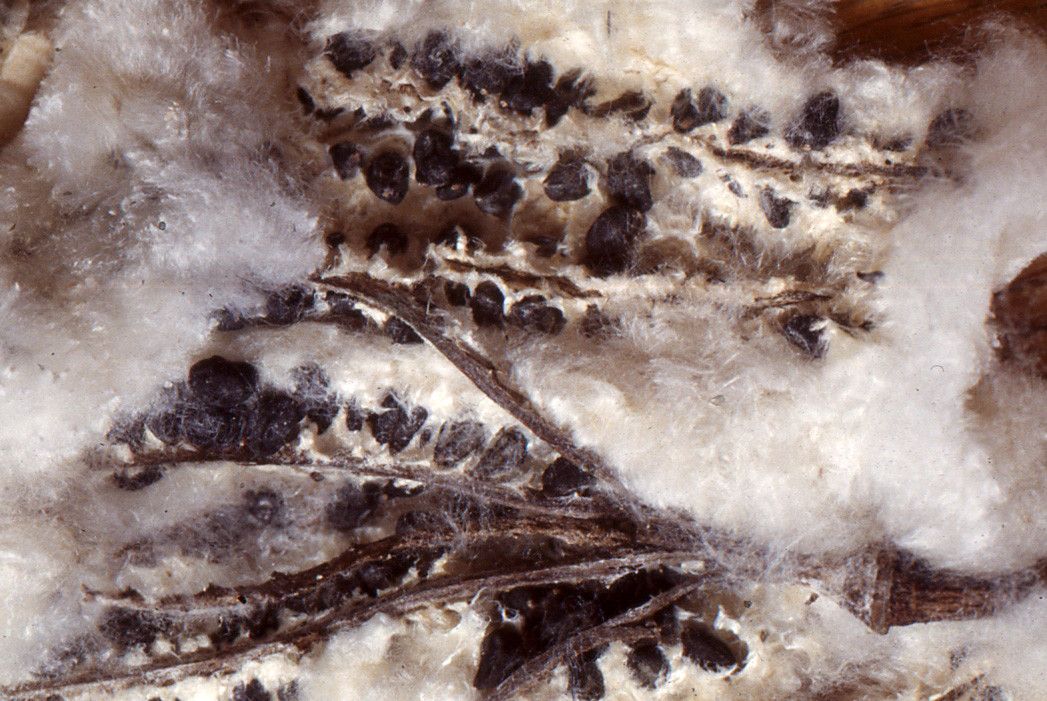
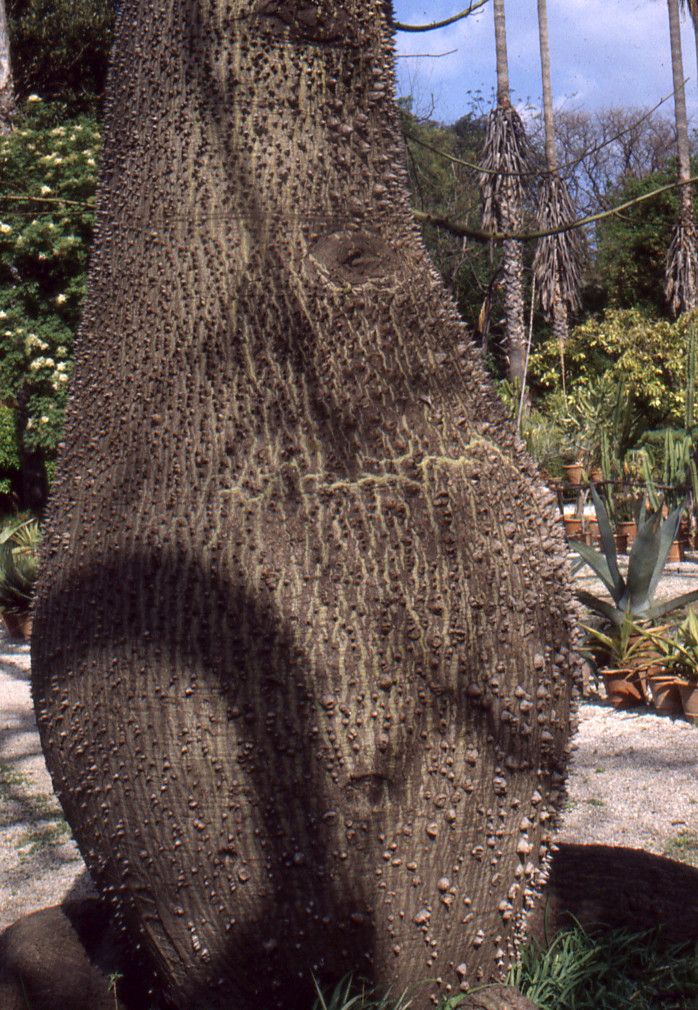
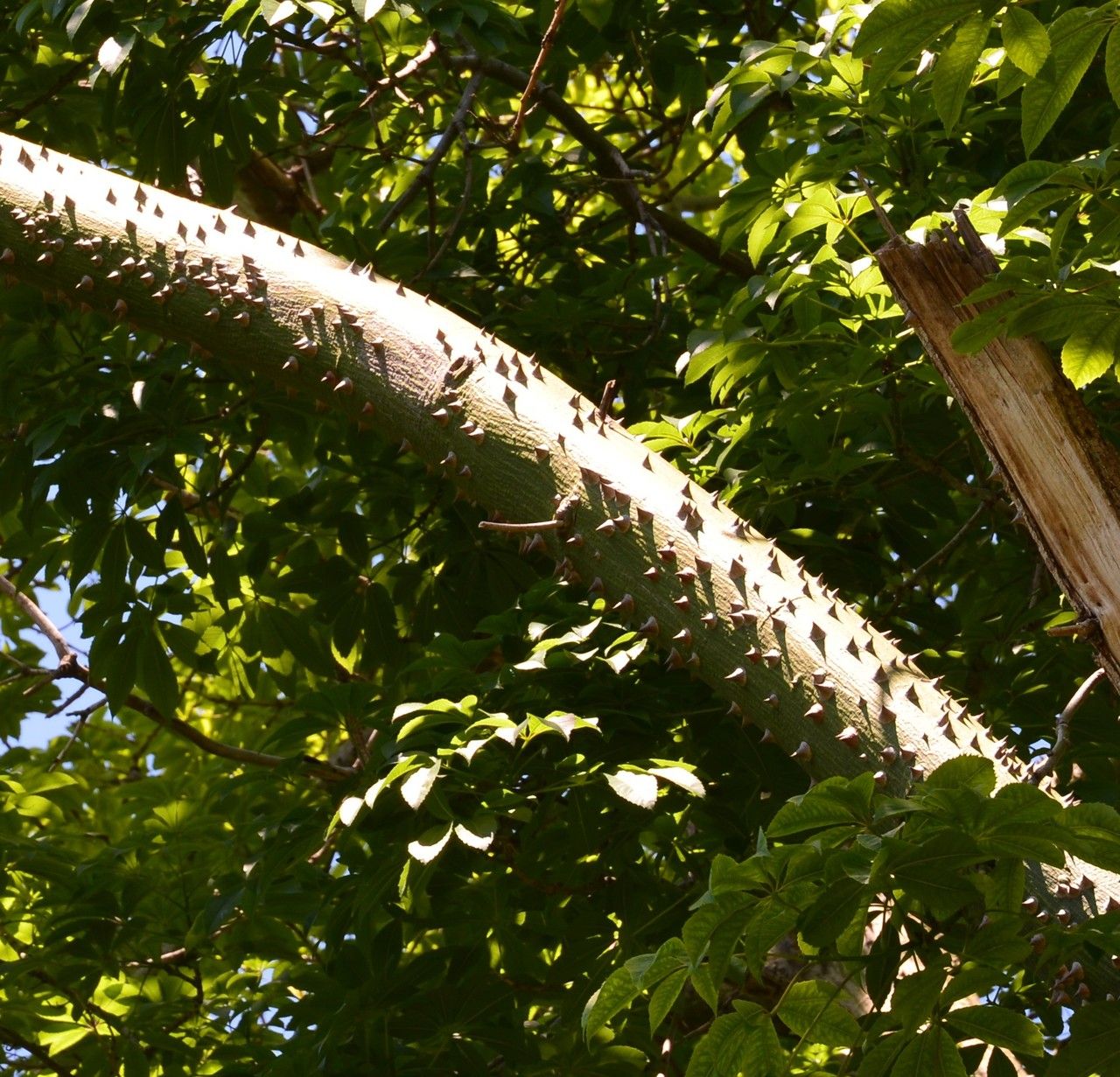
Ceiba speciosa, the floss silk tree (formerly Chorisia speciosa), is a species of deciduous tree native to the tropical and subtropical forests of South America. It has several local common names, such as palo borracho (in Spanish literally "drunken stick") or árbol del puente, samu'ũ (in Guarani) or paineira (in Brazilian Portuguese). In Bolivia, it is called toborochi, meaning "tree of refuge" or "sheltering tree". It belongs to the same family as the baobab and the kapok. Another tree of the same genus, Ceiba chodatii, is often referred to by the same common names.
Floss silk tree has good disease resistance and is generally not prone to illnesses. In terms of care, this plant is relatively low-maintenance. When planted outdoors, it requires minimal watering, and larger plants typically do not need pruning. However, smaller plants should be pruned after they have finished blooming. Floss silk tree is suitable for anyone with an outdoor space, such as a garden or a deck, and does not require much care experience.
How to keep Chorisia Speciosa.
Light
The floss silk tree flourishes in direct sunlight, taking in large quantities of light effortlessly. This requirement reflects the full sun exposure of its native locale. During its growth stages, plentiful sunlight is advantageous. However, it can also tolerate a certain degree of shade. Excessive but also insufficient sunlight can obstruct its development.
Temperature
The floss silk tree naturally thrives in temperatures between 64 and 104 ℉ (18 to 40 ℃), making it suitable for both subtropical and tropical regions. Its preferred temperature range is between 68 and 106 ℉ (20 to 41 ℃), although it can endure temporary exposure to temperatures as low as 23 to 41 ℉ (-5 to 5 ℃). During cold seasons, it's advisable to offer a protective cover to shield the plant from frost.
Fertilizer
The best period to fertilize a Floss silk tree is at the onset of spring, when it is coming out of dormancy. This uplifts the overall growth and promotes flower formation. Fertilizing improves the leaves, stems, and branches, and encourages the growth of big, colorful, and enduring flowers. It assists in shifting nutrients from the roots to the flowers and boosts the tree's immunity and resistance to diseases.
Pot & Repot
For the repotting of a Floss silk tree, select a pot that is 1-2 inches (2.5-5 cm) bigger and provides significant drainage. Opt for a potting mix that drains well. The best times to repot are either spring or autumn, and make sure the root ball sits a touch below the top edge of the flower pot. After the repotting, drench it with water and situate it somewhere warm where it will receive indirect sunlight.
Botanical profile.
- Plant Type
- Tree
- Life Cycle
- Perennial
- Genus
- Chorisia
- Family
- Malvaceae
- Hardiness Zone
- 10-13
- Mature Height
- 24.99 m
- Mature Spread
- 10.36 m to 13.41 m
- Leaf Color
- Green
- Leaf Type
- Deciduous
- Flower Color
- Pink, White
- Flower Size
- 10.16 cm to 15.24 cm
- Bloom Time
- Mid summer, Late summer, Early fall
- Planting Time
- Spring, Autumn
- Harvest Time
- Early spring, Mid spring, Mid fall, Late fall, Winter
- Native Area
- Colombia, Bolivia, Peru, Brazil, Ecuador, Costa Rica, Panama
Other names.