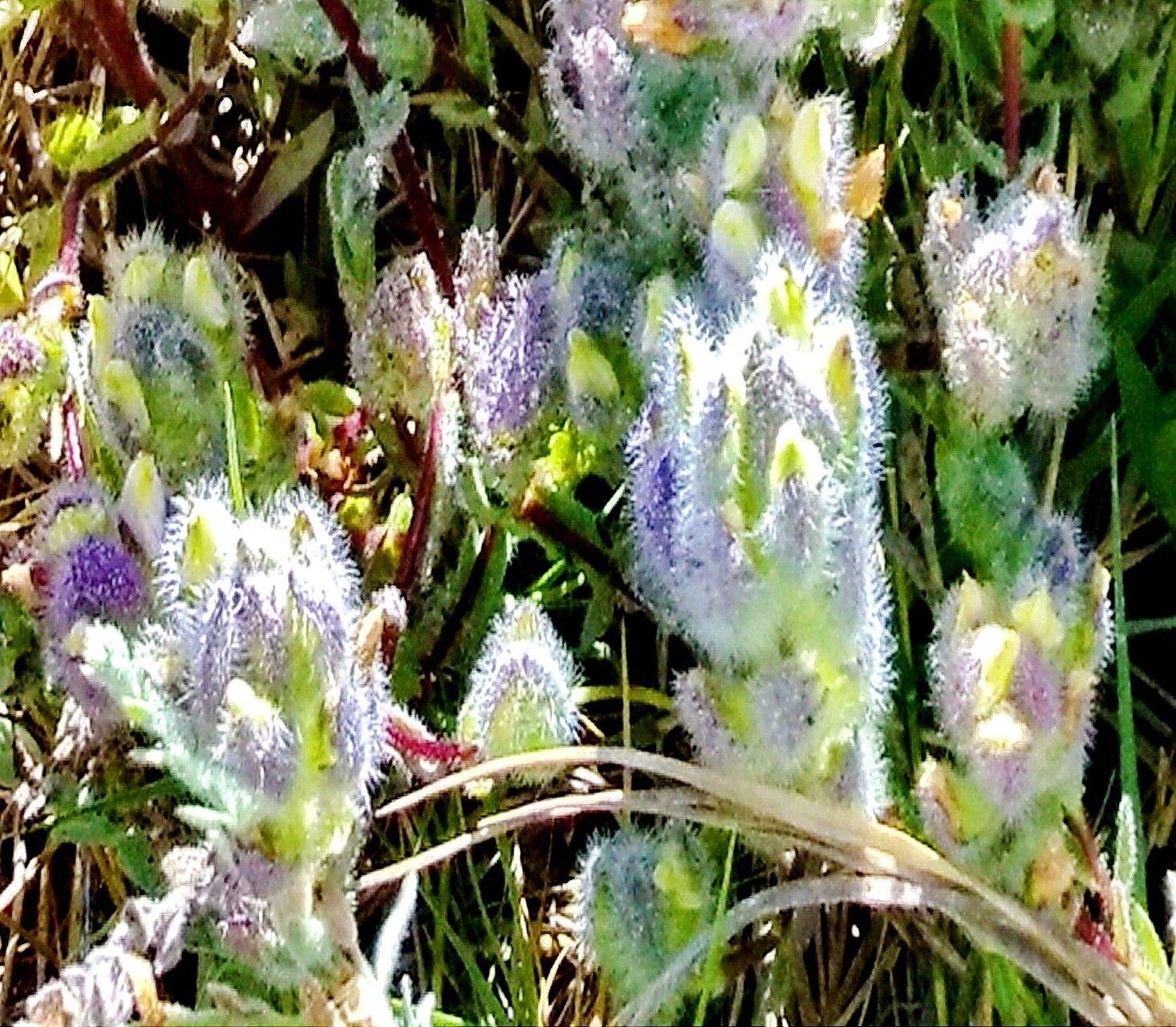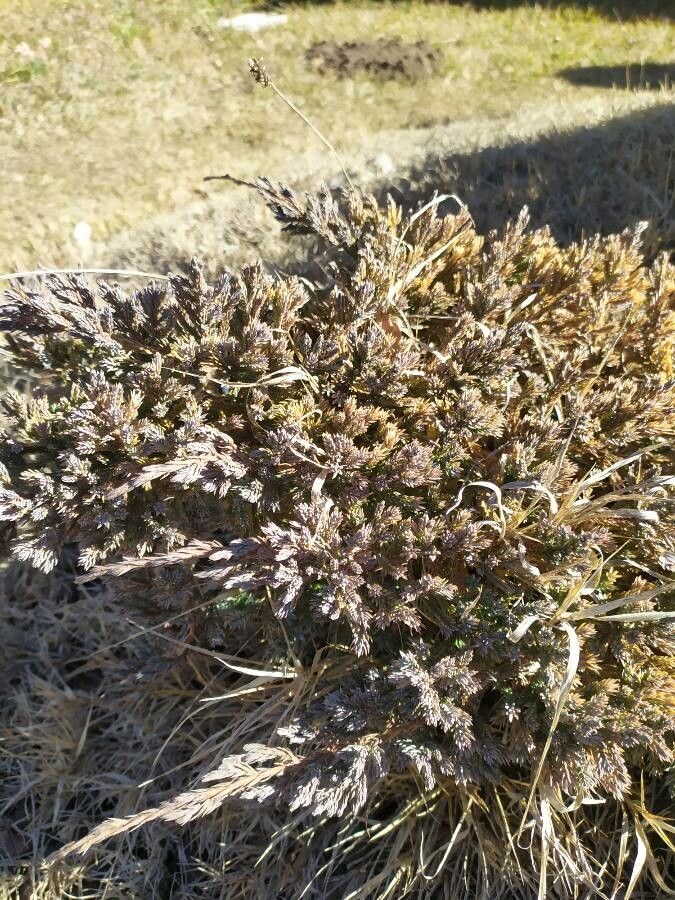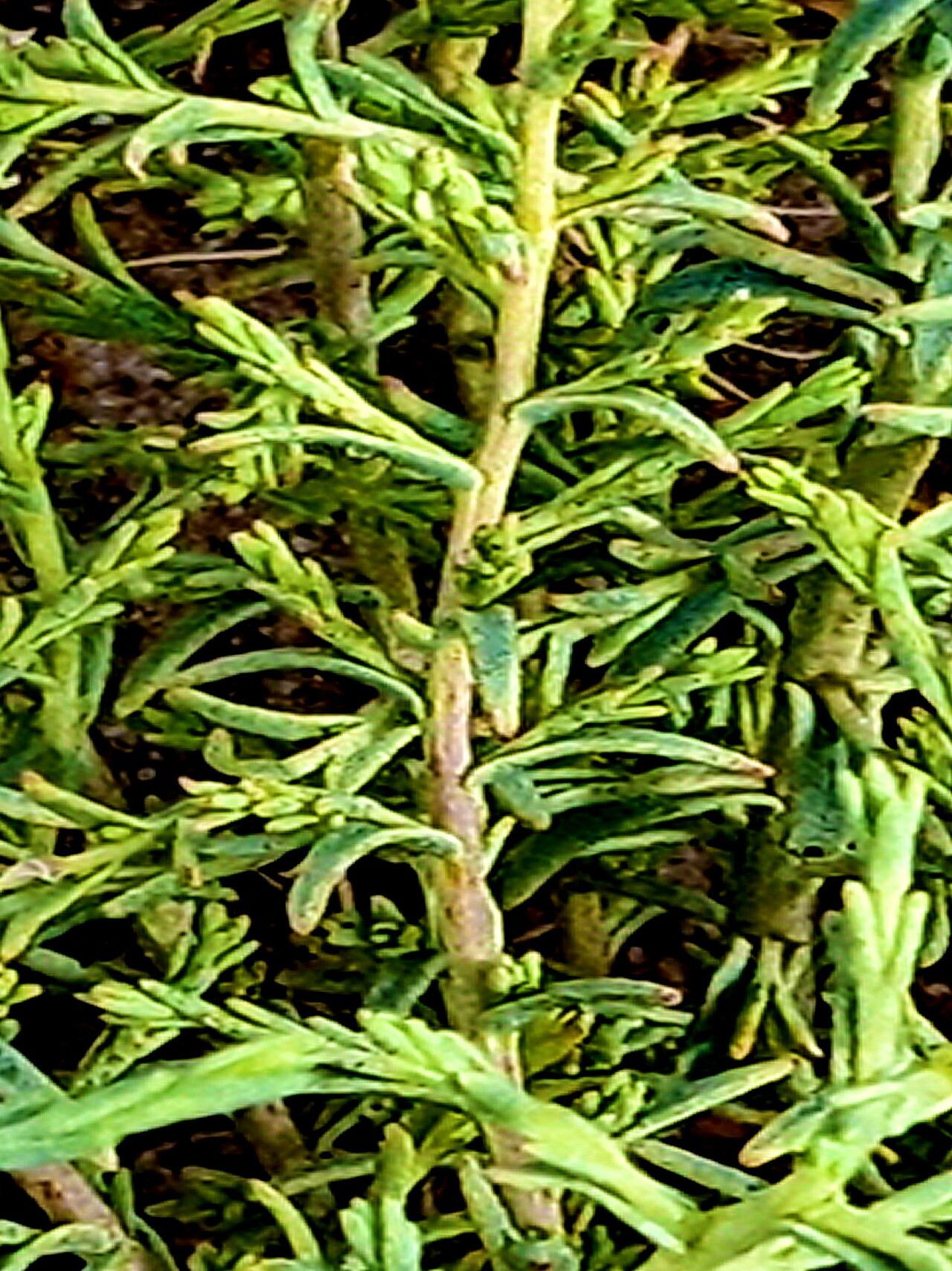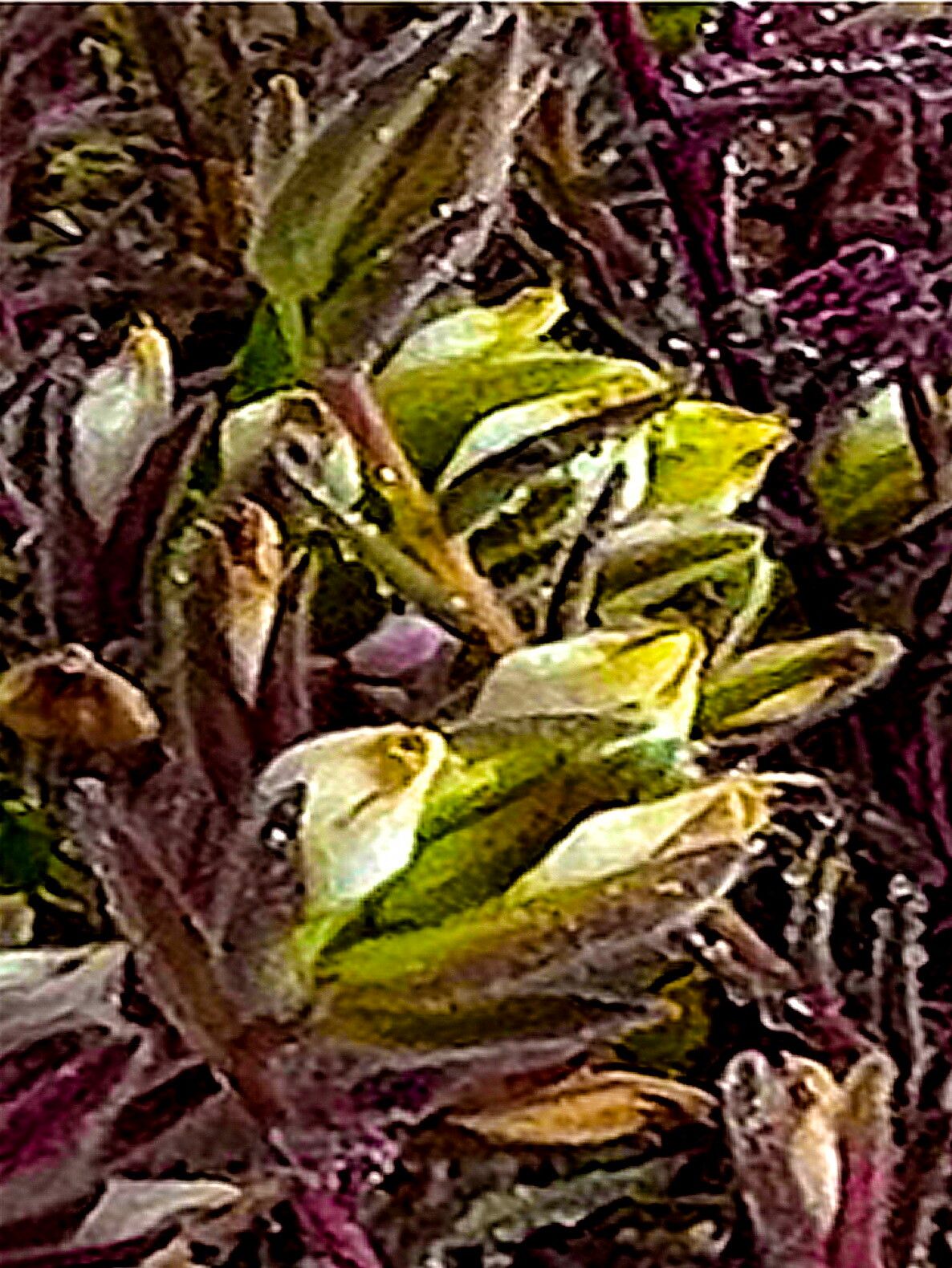
Chloropyron maritimum is a rare species of flowering plant in the family Orobanchaceae native to western North America. It is known by the common names saltmarsh bird's beak and Point Reyes bird's beak, depending on the specific subspecies.
Salt marsh bird's beak is fairly disease-resistant and generally not vulnerable to illnesses. Still, it can be affected by pests and diseases present in its environment, though such infections are typically mild. Regarding upkeep, this plant needs moderate maintenance. Regular pruning is needed to keep a neat appearance and support healthy growth. Feeding it with fertilizer can also encourage flowering. Salt marsh bird's beak is appropriate for anyone with an outdoor area, like a garden or patio, and does not demand extensive care experience. It may require additional attention when cultivated indoors.
How to keep Chloropyron Maritimum.
Light
Salt marsh bird's-beak comes from bright, open habitats and does best in full sun. It can tolerate partial sun but prefers direct sunlight for optimal growth. This annual and biennial plant is noted for its sun-loving habit.
Temperature
Salt marsh bird's beak has good temperature adaptability, able to withstand higher temperatures and wide temperature fluctuations. In hot weather, attention should be paid to watering and providing suitable shade to avoid sunburn. However, salt marsh bird's beak is relatively sensitive to low temperatures; although it can endure some cold, excessively low temperatures may cause frost damage.
Fertilizer
Salt marsh bird's beak does well with regular, light applications of fertilizer to encourage healthy leaf growth. You should apply fertilizer to Salt marsh bird's beak about once a month during the summer. Nitrogen is important for foliage, and providing nitrogen-rich sources helps Salt marsh bird's beak thrive.
Botanical profile.
- Plant Type
- Herb
- Life Cycle
- Annual, Perennial
- Genus
- Chloropyron
- Family
- Orobanchaceae
- Hardiness Zone
- 9-11
- Mature Height
- 10 cm to 30 cm
- Mature Spread
- 15 cm to 40 cm
- Leaf Color
- Green, Dark Green
- Leaf Type
- Deciduous
- Flower Color
- White
- Flower Size
- 1.02 cm to 2.03 cm
- Bloom Time
- Early summer, Mid summer
- Planting Time
- Summer
- Harvest Time
- Late summer, Early fall