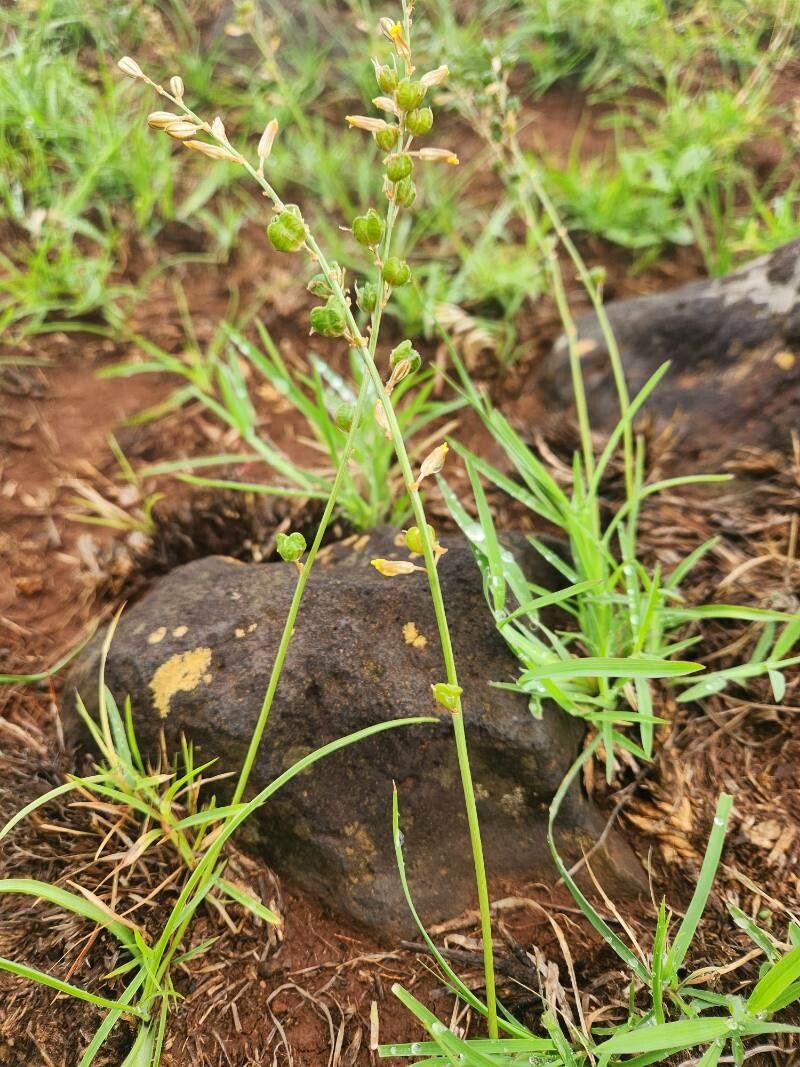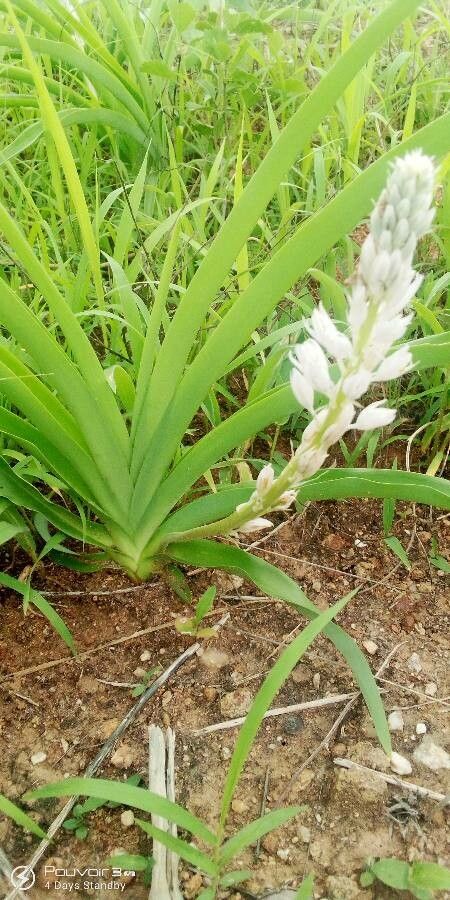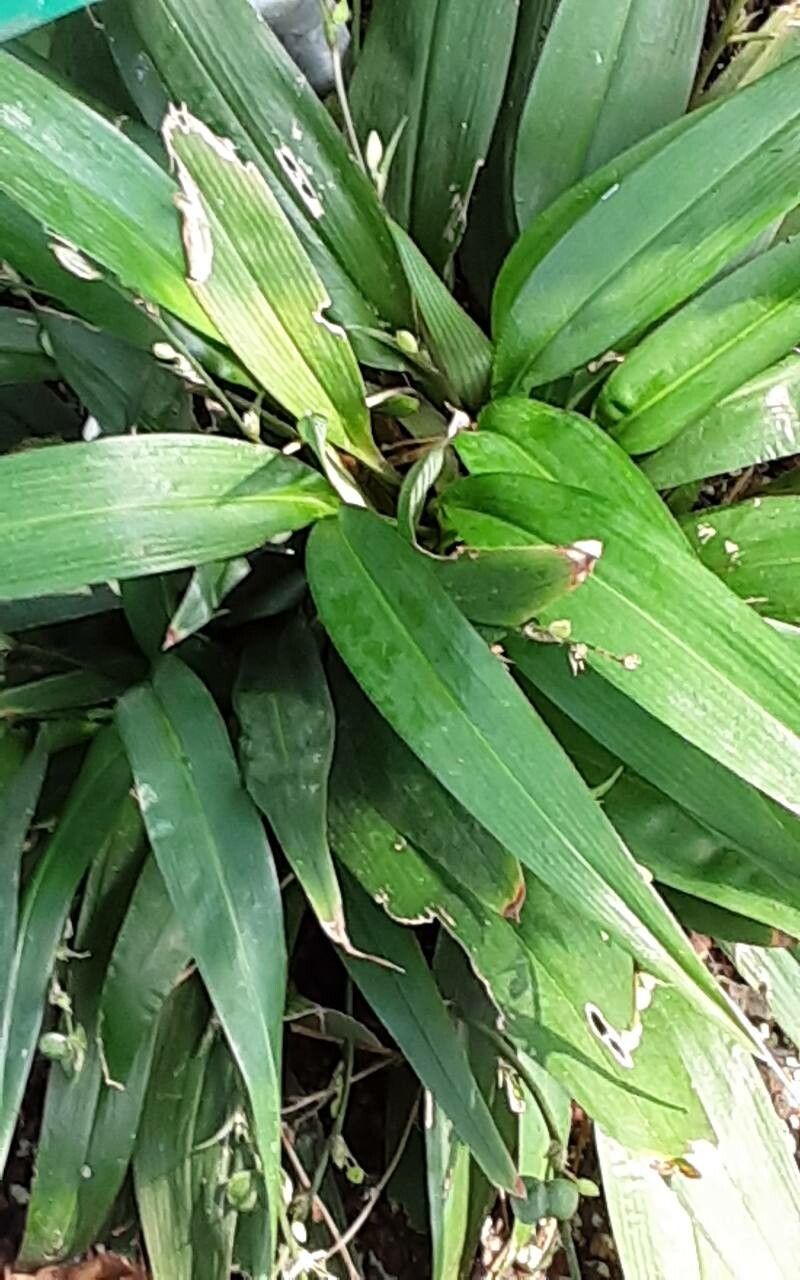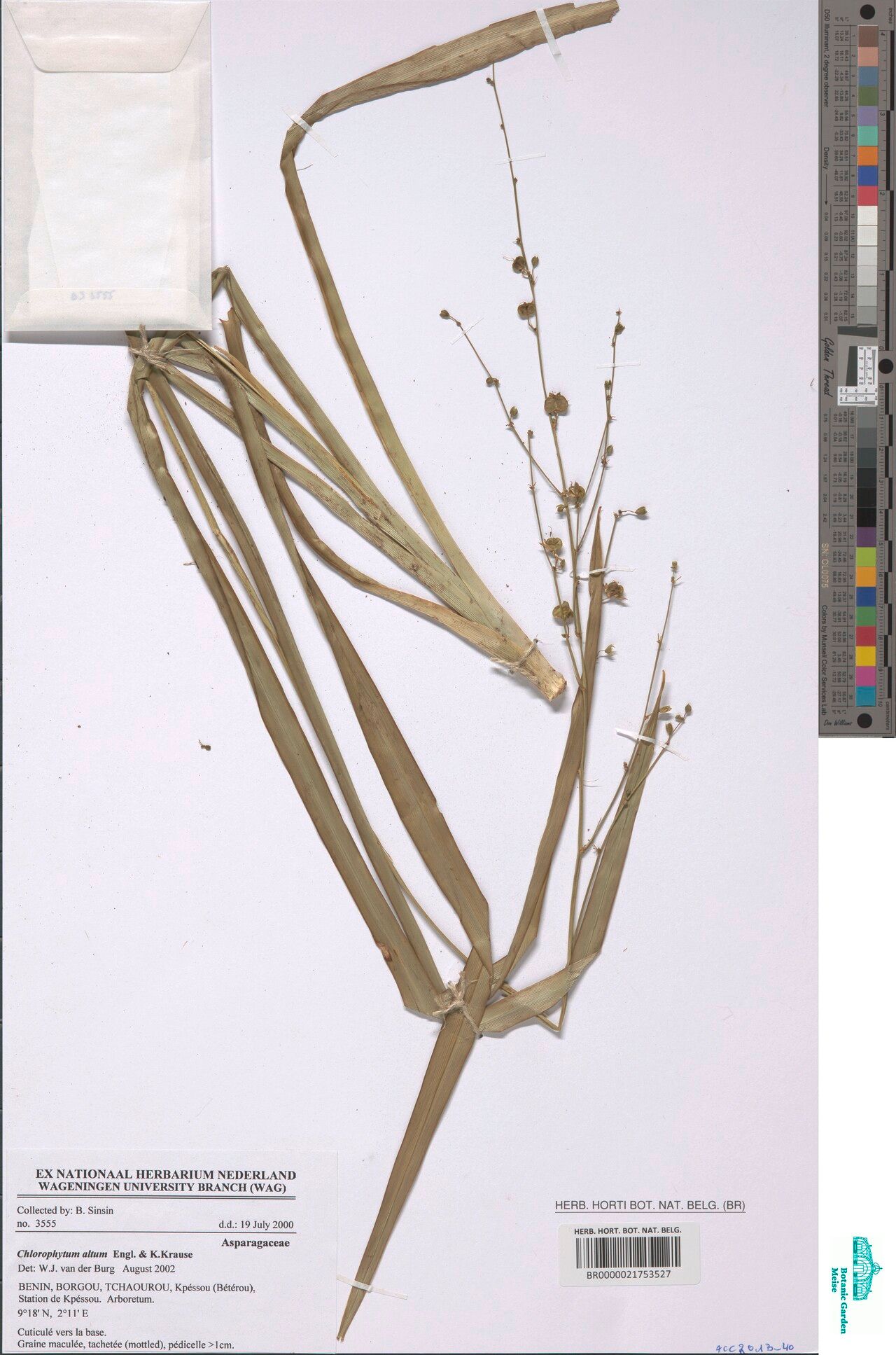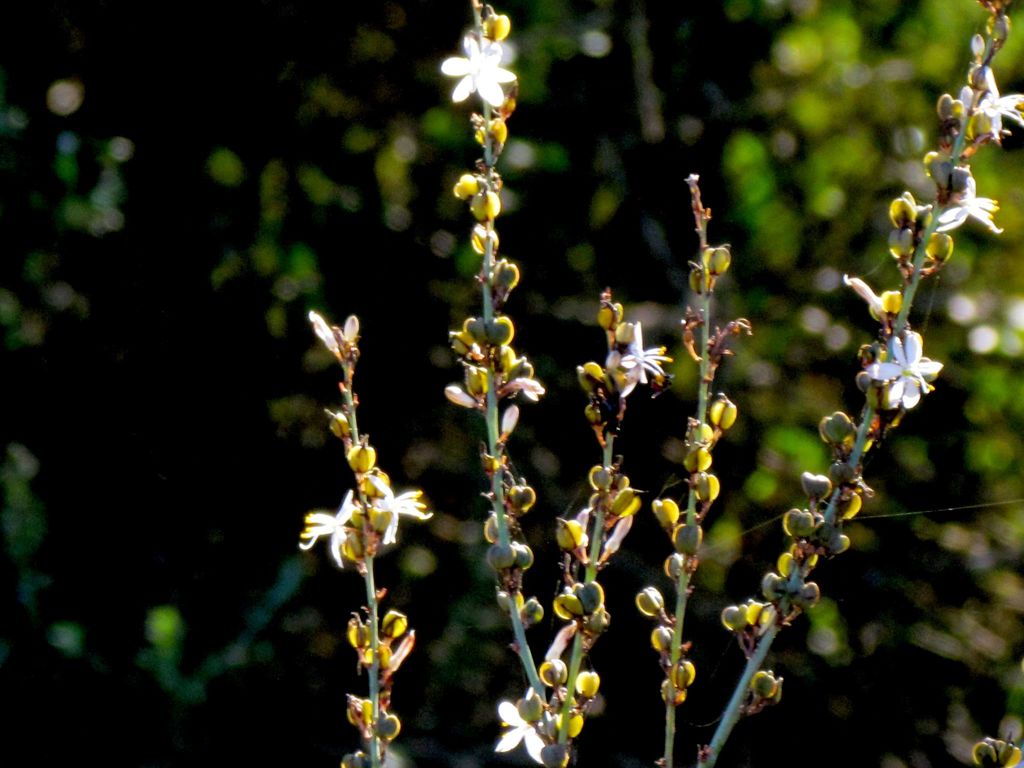
Despite having an unsettling name, spider plants (Chlorophytum comosum) are among the most widely grown indoor plants. These warm-weather perennials may thrive in less-than-ideal conditions when cultivated indoors, and they look lovely if you can accurately replicate their natural tropical habitat by giving warm temperatures and humid air. These plants produce rosettes of long, slender leaves that gently arch, ranging in length from around 12 to 18 inches. The leaves might have green or green and white stripes. Regularly, mature plants produce tall stalks that are covered in tiny, star-shaped blooms.
The scientific name "Chlorophytum" comes from two Greek words: "chloros," meaning "green," and "phyton," meaning "plant." The word "capensis" means "from the Cape," referring to its Southern African origin.
Spider plants are generally resistant to disease and are usually not vulnerable to infections. Still, they can develop leaf spots if kept in poor light with inadequate ventilation or if overwatered. The plant is regarded as easy to care for, since it mainly needs regular watering and little else. Spider plants are well suited to people who don't have much time or energy to spend on ongoing care.
How to keep Chlorophytum Capense.
Light
Spider plant does best with a moderate amount of light—just enough to cast a shadow—but can tolerate substantial sunlight. Native to areas with limited sun, it can be scorched by too much light, while too little light impedes healthy growth.
Water
The spider plant, which is native to tropical underbrush, thrives in environments with consistent moisture and high humidity. To replicate these conditions, water your spider plant weekly. As an indoor plant, it also benefits from occasional misting. This helps promote growth and maintains its vibrant, variegated leaves.
Humidity
This plant will thrive in moderate humidity, which is probably the level in your home. However, misting it a few times a week can be very beneficial. Make sure the room has good ventilation.
Temperature
Spider plant originates from temperate regions and prefers a temperature range of 68 to 95°F (20 to 35℃). Care adjustments may be needed during the colder months to keep it within that temperature range.
Fertilizer
The best time to fertilize a spider plant is in early spring, as it comes out of dormancy and moves into active growth. Fertilizing supplies essential nutrients for healthy development. Although spider plants have relatively low fertilizer requirements, feeding them once a year can improve their survival and encourage better, longer-lasting flowers.
Pruning
The spider plant, known for its long, arching, grass-like leaves and small white flowers, benefits greatly from regular pruning. To promote healthier growth, it's best to prune in early to late spring. This helps remove dead leaves and spent flowers, improving air circulation, reducing pests, and encouraging vigorous foliage. Always use clean, sharp tools for the best results.
Pot & Repot
When repotting Spider plant, select a pot 1–2 inches (2.5–5.1 cm) larger with ample drainage. Use a well-draining potting mix. Repot in spring or fall, ensuring the root ball sits slightly below the rim of the pot. Water thoroughly after repotting and place in a warm location with indirect sunlight.
Botanical profile.
- Plant Type
- Herb
- Life Cycle
- Perennial
- Genus
- Chlorophytum
- Family
- Asparagaceae
- Hardiness Zone
- 9-10
- Mature Height
- 20 cm to 30 cm
- Mature Spread
- 61 cm
- Leaf Color
- Green
- Leaf Type
- Evergreen
- Flower Color
- White
- Flower Size
- 1.02 cm to 2.03 cm
- Bloom Time
- Late spring, Early summer, Mid summer
- Planting Time
- Summer, Autumn
- Harvest Time
- Summer
- Native Area
- South Africa
Other names.
Reader questions.
How should I water my Spider plant in the best way?
To properly water a Spider plant, it is best to use filtered water that is at room temperature or slightly warmer. Tap water should be avoided because it may contain particles that could harm the plant. The Spider plant prefers warm temperatures, so cold water can be a shock to its system. Additionally, it is important to avoid watering from above as it can cause issues with the plant's foliage. Instead, water the plant by applying filtered room temperature water directly to the soil until it is completely soaked. This watering method benefits the plant by hydrating the roots and allowing them to spread throughout the soil to access necessary nutrients.
Why is it important to put fertilizer on my Spider plant?
The Spider plant's leaves are crucial to its structure, so fertilization is important for both their appearance and function. When you properly fertilize, it results in consistent color and a healthy texture of the leaves. Fertilization also benefits the plant beneath the soil by promoting the growth of new roots and maintaining existing ones. This ensures not only the current health of the plant but also its ability to absorb soil nutrients in the future.
What are the sunlight requirements for plants?
Plants have varying sunlight requirements to thrive. Some plants need partial sun, which is about 3-6 hours of sunlight, while others require full sun, meaning they need more than 6 hours of sunlight daily. It's essential to observe your garden's sunlight patterns to select the perfect spots for your plants, ensuring they receive a balanced amount of light and shade for optimal growth.
What is the native climate of the Spider plant?
The Spider plant, scientifically known as Chlorophytum capense, is native to temperate climates. It thrives in a comfortable temperature range of 68 to 95°F (20 to 35°C). During the colder months, care adjustments might be necessary to keep it within this temperature range.
What should I do if I give too much or too little water to my Spider plant?
Overwatering is a more common problem than underwatering for Spider plants. When a Spider plant gets too much water, its stems and leaves can wilt and turn yellow. Over time, overwatering can also lead to diseases like root rot, mold, and mildew, which can be fatal for the plant. While underwatering is less likely to occur with Spider plants, it can still happen and cause the leaves to become brittle and brown. It's important to recognize the signs of overwatering early on. Some diseases, like root rot, can't be fixed if you wait too long. If you notice early signs of overwatering, reduce your watering schedule and check the soil quality. If the soil doesn't drain well, replace it with a loose, well-draining potting mix. If you suspect underwatering, simply water the plant more regularly until the signs improve.
When should I put fertilizer on my Spider plant?
If you grow your Spider plant outdoors, it will start growing new leaves in early spring, which is when you can start fertilizing it. Usually, one application of fertilizer is sufficient for the plant's health. However, if you want to promote even more growth, you can feed it multiple times during the spring and early summer. In this case, you can apply fertilizer every month to a month and a half.
How much light does a Spider plant need?
The Spider plant thrives in moderate light conditions, which is sufficient to cast a shadow but can also endure generous sunlight exposure. Originating from environments with limited sun, it is crucial to avoid exposing it to too much light intensity, which can scorch the plant, yet ensure it receives enough light to prevent hindered growth.
How does the Spider plant react to cold temperatures?
The Spider plant has a moderate tolerance to low temperatures and generally does best when the temperature is above 20°C. If temperatures are expected to fall below 0°C but stay above -5°C, the plant can survive without extra measures. However, dropping below -5°C can cause the leaves to droop, and if the condition is severe, leaves may wilt and eventually fall off. To protect the plant from such cold, wrapping it with materials like non-woven fabric or establishing a wind barrier can be effective solutions.
How frequently should I water my Spider plant?
To determine if your Spider plant needs water, follow these steps depending on where it is planted. If your plant is in a pot, insert your finger into the soil. If the top two to three inches feel dry, it's time to water it. For Spider plants grown outdoors in the ground, use the same method. When the first few inches of soil are dry, water the plant. In the spring and early fall, you'll likely need to water once a week. In hot weather, water twice a week or more. However, mature Spider plants can tolerate drought well.
When is it better to not use fertilizer for Spider plants?
During the late fall and winter, your Spider plant goes into a dormant phase, meaning it stops growing. Consequently, you should refrain from fertilizing it during this time. In the spring and summer, if you decide to fertilize multiple times, start reducing the amount of fertilizer as summer nears because the Spider plant's growth rate also slows down. In general, it is not advisable to fertilize your Spider plant when the weather is unusually hot or the soil is exceptionally dry. Fertilizing in such conditions can stress your plant and lead to premature death.
What are the benefits of artificial lighting for indoor plants?
Indoor plants greatly benefit from adequate lighting to achieve optimal growth, particularly when natural sunlight is insufficient, like during winter or in less sunny spaces. Artificial lighting serves as an invaluable solution, encouraging faster, healthier growth. LED lights, for instance, are favored for indoor plant lighting because they can provide the specific wavelengths of light needed by plants. Full sun plants generally require 30-50W/sq ft of artificial light, partial sun plants need 20-30W/sq ft, while full shade plants should have 10-20W/sq ft. It's important to place the artificial light source 12-36 inches above the plant and mimic natural daylight hours, with most plants needing 8-12 hours of light per day.
What should I do if my Spider plant is exposed to temperatures below freezing?
If the temperature is expected to drop below freezing (0°C), you should take temporary measures to protect your Spider plant. This includes wrapping the plant with plastic film, fabric, or other materials suitable for cold protection. Once the temperature rises again, these protective materials should be removed promptly to prevent any potential damage from overheating or reduced air circulation.