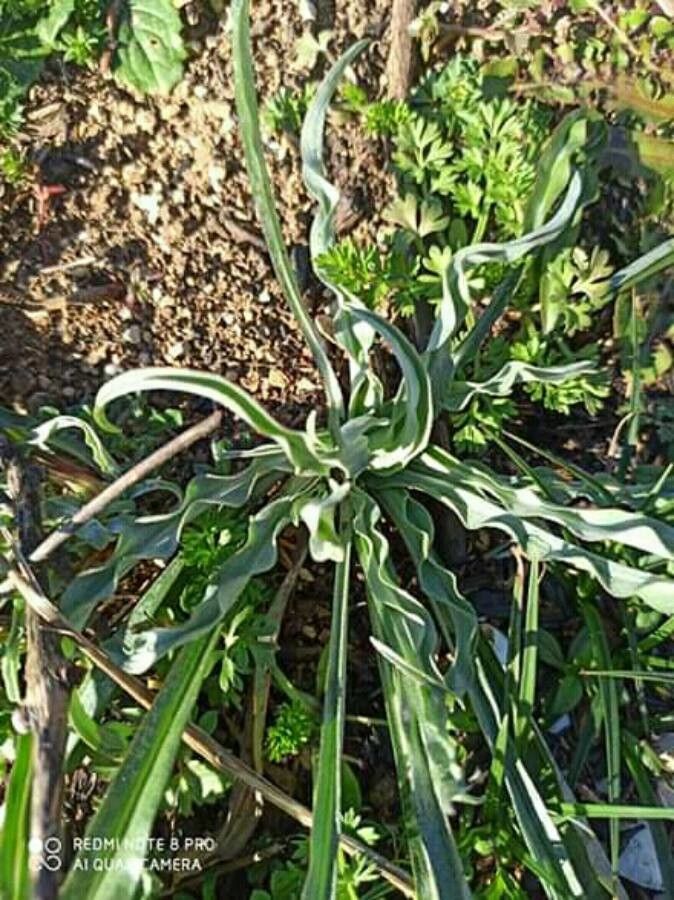
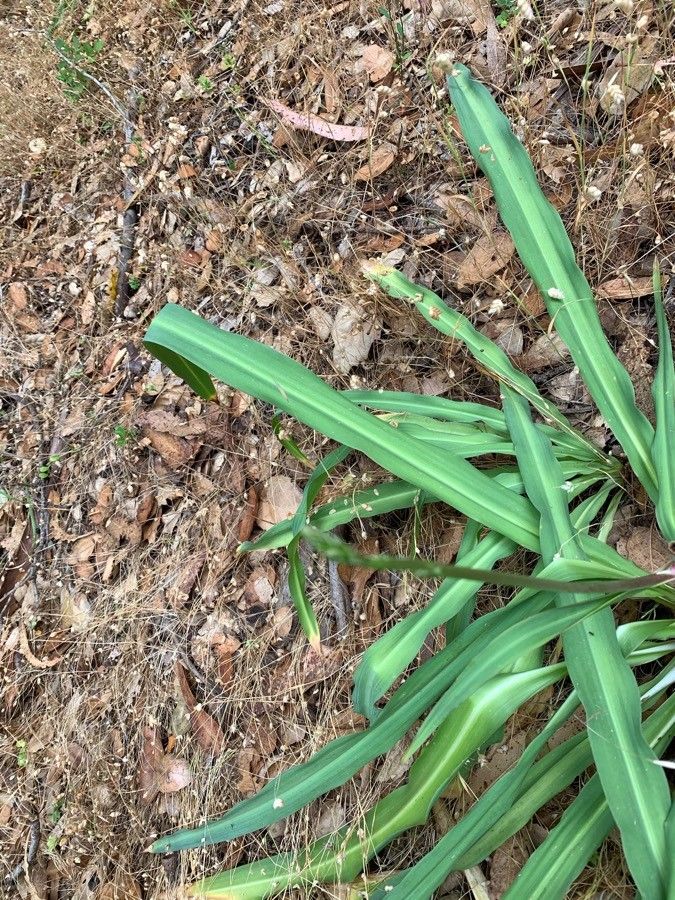
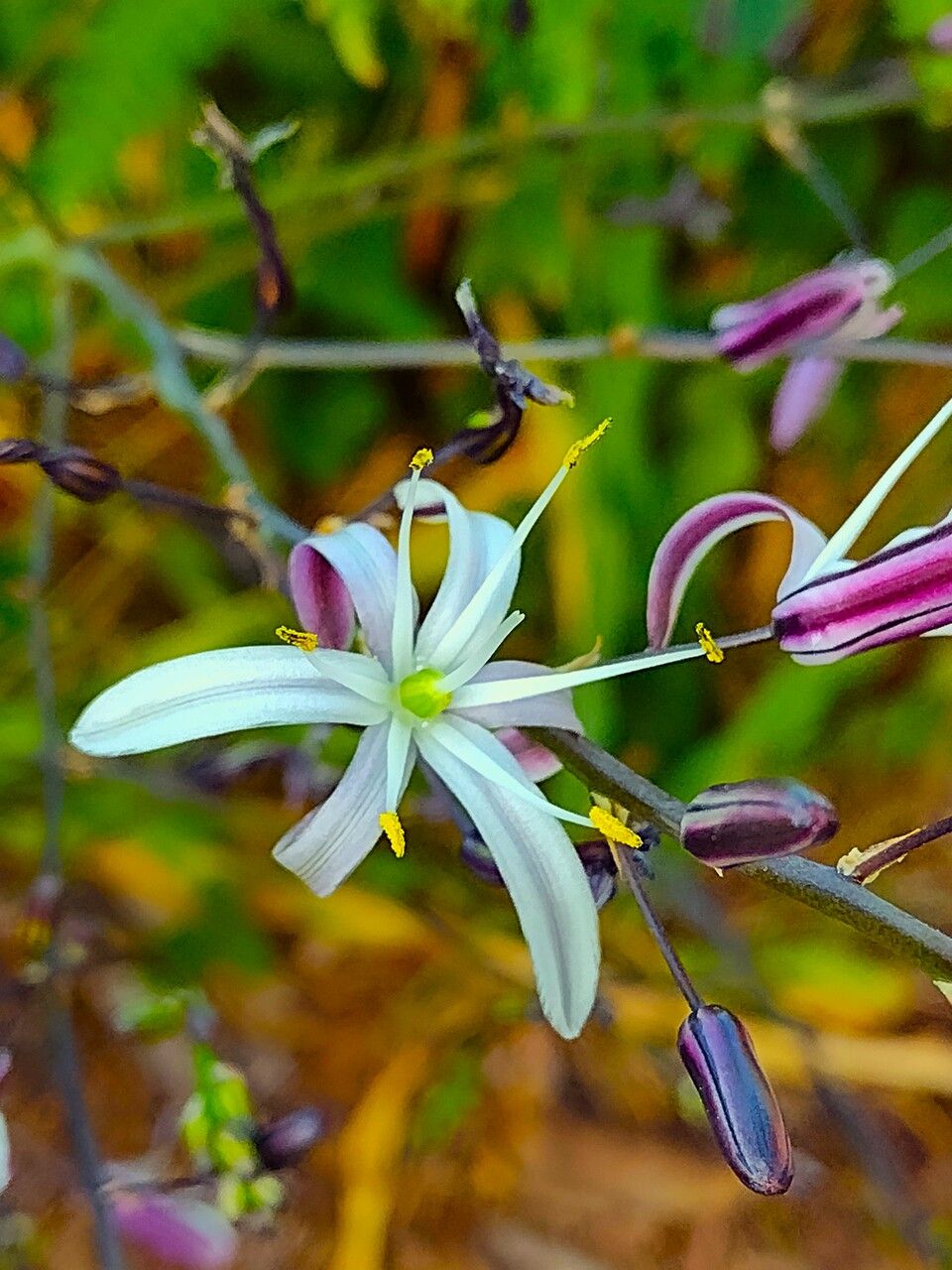
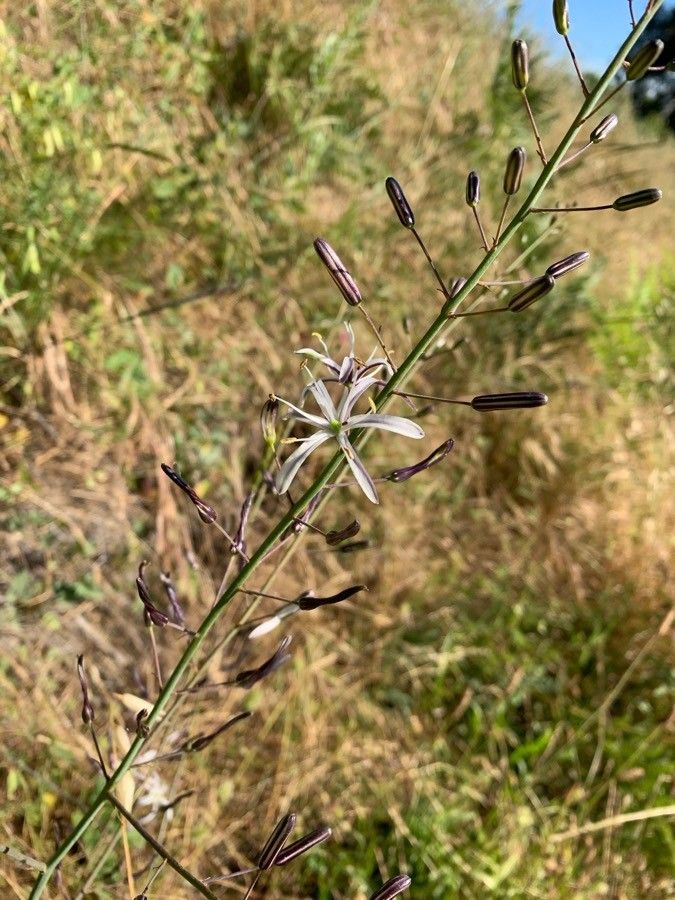
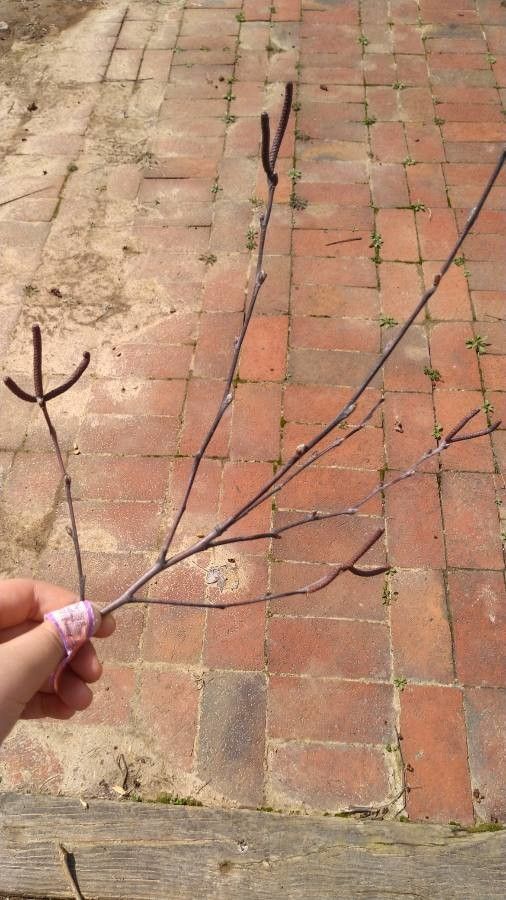
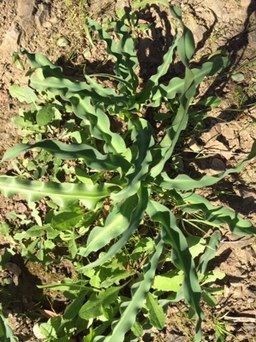
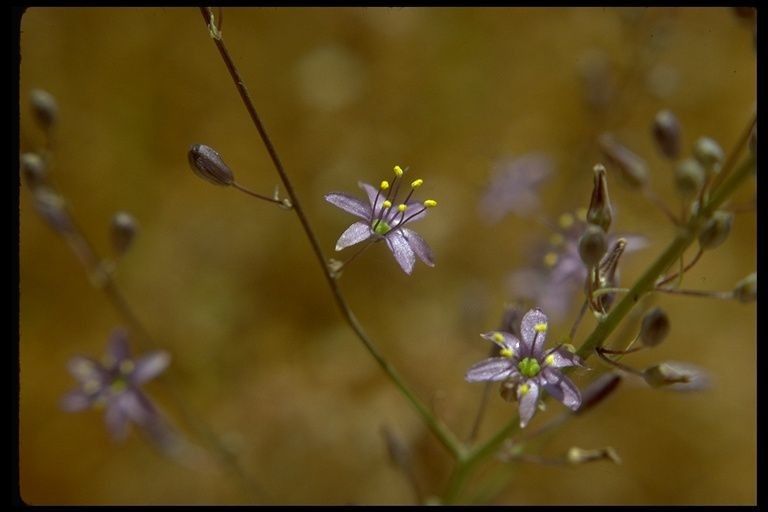
Chlorogalum pomeridianum, the wavy-leafed soap plant, California soaproot, or Amole, is the most common and most widely distributed of the soap plants, soaproots or amoles, which make up the genus Chlorogalum of flowering plants. It is occasionally known as the "wild potato", but given the plant's lack of either resemblance or relationship to the potato, this name is not recommended. It is found in most of California from the coasts to the western foothills of the Sierra Nevada, and in the Klamath Mountains in southwestern Oregon, but not in either state's desert regions. Wavy-leafed soap plant grows on rock bluffs, grasslands, chaparral, and in open woodlands.
The wavy-leaf soap plant has strong disease resistance and is generally not susceptible to illnesses. However, it can be affected by pests and diseases present in its environment. These problems are usually not serious. Regarding care, this plant requires moderate maintenance. It should be pruned regularly to keep a neat appearance and support healthy growth. Fertilizing can also encourage flowering. The wavy-leaf soap plant is suitable for anyone with outdoor space, such as a garden or patio, and does not demand much experience in plant care. It may need more attention when kept indoors.
How to keep Chlorogalum Pomeridianum.
Light
The wavy-leaf soap plant generally does best when it receives plentiful sunlight throughout the day. It can, however, tolerate situations with only sporadic sun exposure. Its native habitat reflects this, resembling regions that enjoy extended periods of sunlight. Nevertheless, either excessive or insufficient sun can impede its growth and overall health.
Water
The wavy-leaf soap plant thrives in California's dry environments, as it is well-suited to areas with low water availability and is highly adaptable to drought conditions. A weekly watering schedule is enough to prevent the soil from becoming too saturated. Commonly found in grasslands, this plant benefits from occasional rainfall, making it an ideal choice for xeriscaping and low-water garden designs.
Temperature
Wavy-leaf soap plant, native to California's coastal areas, prefers temperatures between 59 and 95 ℉ (15 to 35 ℃). It can tolerate colder temperatures in winter, but should be protected from frost. In summer, give it some shade to prevent overheating.
Fertilizer
One application of fertilizer in spring is generally enough for the Wavy-leaf soap plant, though additional feedings can boost growth. Apply fertilizer every month to every month and a half. Fertilizing improves the leaves' appearance and function, helping to maintain even color and a healthy texture. It also promotes root development and better nutrient uptake for long-term plant health.
Pruning
The wavy-leaf soap plant is known for its distinctive wavy leaves and soap-like properties. For optimal health, it is best to prune the plant from early to late spring. Focus on removing dead foliage to enhance the plant's health and reduce the risk of disease. Light pruning can also improve airflow and invigorate the plant, helping to maintain its attractiveness with regular care.
Pot & Repot
When repotting Wavy-leaf soap plant, select a pot 1-2 inches (2.5–5.1 cm) larger with good drainage. Use a well-draining potting mix. Repot in spring or fall, making sure the root ball is slightly lower than the rim of the flower pot. Water thoroughly after repotting and place in a warm spot with indirect sunlight.
Botanical profile.
- Plant Type
- Herb
- Life Cycle
- Perennial
- Genus
- Chlorogalum
- Family
- Asparagaceae
- Hardiness Zone
- 7-10
- Mature Height
- 1.52 m
- Mature Spread
- 30 cm
- Leaf Color
- Green
- Leaf Type
- Evergreen
- Flower Color
- White
- Flower Size
- 1.52 cm to 2.54 cm
- Bloom Time
- Late spring, Early summer, Mid summer
- Planting Time
- Spring
- Harvest Time
- Mid summer
Other names.
Reader questions.
What do I do if I give my Wavy-leaf soap plant too much or too little water?
The Wavy-leaf soap plant is prone to overwatering. It doesn't need much water, and overwatering can cause bulb rot. Signs of overwatering include mushy bulb, flopping stems, droopy flowers, and yellowed stalk. If the leaves turn yellow before blooming, it means there is too much water. Unfortunately, bulb rot cannot be reversed, but if caught early, you can dig up the bulb, remove the rotten parts, and sterilize the pot and tools. For outdoor plants, replant in a different spot. Underwatering is less of a problem, and signs include no blooms, sagging stalks, and browning of flower petals. If underwatered, give the plant a good drink without saturating the soil. Avoid overwatering, as extended periods in water can cause root rot and fungus growth on the bulb. This is seen as spots on leaves and buds, and the tips of leaves may discolor and die.
Why do I have to add fertilizer to my Wavy-leaf soap plant?
The Wavy-leaf soap plant relies heavily on its leaves for structure, and fertilization is key to maintaining their appearance and function. By properly fertilizing, you can ensure the leaves of your plant maintain a consistent color and healthy texture. Fertilization also benefits the plant below ground by supporting the growth of new roots and preserving existing ones. This means that fertilization not only keeps your plant healthy in the present, but also enhances its ability to absorb soil nutrients in the future.
What are the sunlight requirements for the Wavy-leaf soap plant?
The Wavy-leaf soap plant, or Chlorogalum pomeridianum, flourishes in environments with abundant sunlight but can also tolerate intermittent sun exposure. Ideal growth occurs when the plant receives more than 6 hours of sunlight daily (full sun), though it can still survive with about 3-6 hours of sunlight (partial sun). To ensure the plant's health and growth, it's important to monitor the sunlight in your garden closely and position the plants in areas that achieve a good balance of light and shade.
What are the ideal temperature conditions for the Wavy-leaf soap plant?
The Wavy-leaf soap plant, also known as Chlorogalum pomeridianum, thrives in temperatures ranging from 59 to 95 °F (15 to 35 °C), native to the coastal areas of California. It exhibits strong cold resistance and can adapt to colder temperatures during winter. However, it requires protection from frost and should be provided shade in summer to prevent overheating. If winter temperatures are expected to drop below suitable limits, protecting the plant from the cold by covering it with soil or straw is essential. Additionally, watering the plant abundantly before the first freeze in autumn to ensure the soil remains moist can help prevent drought and water scarcity during winter and early spring.
How often should I give water to my Wavy-leaf soap plant?
The wavy-leaf soap plant is a low-maintenance and resilient plant. It thrives when grown directly in the ground in the hottest and brightest area of your garden, although it can also be grown in a pot. Since this plant grows from a bulb, be cautious not to overwater it as it can cause the bulb to rot. After planting, water the wavy-leaf soap plant well once, which will stimulate its growth. Then, you can leave it alone until you see new shoots appear. For optimal results, check the soil moisture after the new leaves have grown. To do this, insert your finger about 2-3 inches below the soil surface. If it is still wet, there is no need to water the plant. If you have a potted plant, also inspect the water collection tray for any standing water. If you find any, refrain from watering the plant. For a more precise moisture reading, use a moisture sensor inserted 2-3 inches into the soil. The reading should indicate a moisture level in the middle of the "moist" category. It is recommended to water the wavy-leaf soap plant once per week.
What is the ideal time to fertilize my Wavy-leaf soap plant?
When you grow your Wavy-leaf soap plant outdoors, it will start growing new leaves in early spring. This is a sign that it's time to fertilize the plant. Usually, one application of fertilizer in the spring is sufficient for the plant's growth. However, if you want to maximize growth, you can fertilize it multiple times during the spring and early summer. If you choose to do this, you can feed the plant once every month to a month and a half.
How can artificial lighting be used for the Wavy-leaf soap plant indoors?
When natural sunlight is insufficient, especially during winter or in spaces that receive less sunlight, artificial lighting becomes crucial for the Wavy-leaf soap plant's growth. LEDs are recommended due to their ability to offer specific light wavelengths needed by plants. For full sun plants, 30-50W per square foot is advisable; for partial sun plants, 20-30W per square foot; and for full shade plants, 10-20W per square foot. The artificial light source should be placed 12-36 inches above the plant, mimicking the natural sunlight's distance, and kept on for 8-12 hours daily to simulate natural daylight hours.
What are the issues caused by low temperatures for the Wavy-leaf soap plant and how can they be solved?
The Wavy-leaf soap plant is relatively cold-tolerant, best thriving above a suitable minimum temperature. During winter, it should be kept above a tolerable minimum temperature. Exposure to temperatures below the critical limit may not show noticeable changes during winter but can lead to decreased sprouting or even absence of sprouting in spring. To help the plant recover from such conditions, it's advised to remove any parts that have failed to sprout in spring as a solution to this issue.
How should I change my watering routine for my Wavy-leaf soap plant depending on the conditions?
The Wavy-leaf soap plant is a hardy plant that can survive in various tough conditions. If you plant it outdoors, you can rely on natural rainfall for watering, as it doesn't require much water and can withstand long droughts. Just ensure that the soil you use has good drainage. For potted Wavy-leaf soap plants, you need to be cautious with watering. Since it is a bulb plant, overwatering can lead to bulb rot. You can water it less frequently indoors, and make sure that the pots have proper drainage holes. Choose well-drained soil and add sand or rocks to enhance drainage. During the plant's growing phase, the most watering it needs is about one inch per week to encourage flowering. Start watering when the stalk appears. The frequency of watering during this phase depends on the humidity and temperature of your environment. In hot and dry climates, water may evaporate faster, requiring more frequent watering. In more humid climates, watering can be less frequent. Always check the soil moisture level to avoid excessive wetness. Wavy-leaf soap plants prefer well-drained, moist soil.
When is the best time to not put fertilizer on my Wavy-leaf soap plant?
During the late fall and winter, your Wavy-leaf soap plant will go dormant and stop growing. It's important to avoid fertilizing the plant during this time. If you choose to fertilize in the spring and summer, gradually reduce the amount as summer approaches because the plant's growth rate will also slow down. It's never a good idea to fertilize the plant when it's extremely hot or the soil is very dry, as this can stress and potentially kill it.
What are the symptoms of inadequate or excessive sunlight for the Wavy-leaf soap plant?
Symptoms of inadequate sunlight include smaller new leaves, leggy or sparse growth, faster leaf drop, slower or no new growth, and lighter-colored or chlorotic leaves indicating a lack of chlorophyll and essential nutrients. Excessive sunlight can result in chlorosis, sunscald with pale or necrotic areas on leaves, leaf curling as a defense against water loss, wilting from increased transpiration, and leaf scorching characterized by brown, dry edges. These symptoms highlight the plant’s struggle to maintain its health under unsuitable light conditions.
How does high temperature affect the Wavy-leaf soap plant, and what remedies are suggested?
In summer, the Wavy-leaf soap plant should ideally be kept below a certain maximum temperature. Exceeding this tolerable maximum can result in the leaves becoming lighter in color, curling, being susceptible to sunburn, and, in severe cases, leading to the wilting and drying out of the entire plant. The recommended remedies for these high-temperature issues include trimming away the sunburned and dried-up parts, moving the plant to a shaded location during the midday and afternoon sun, or using a shade cloth. Additionally, watering the plant in the morning and evening to maintain soil moisture can significantly mitigate these effects.