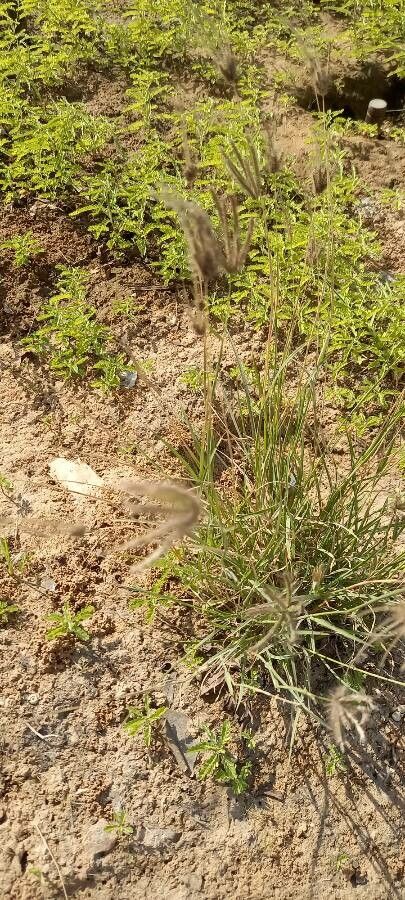
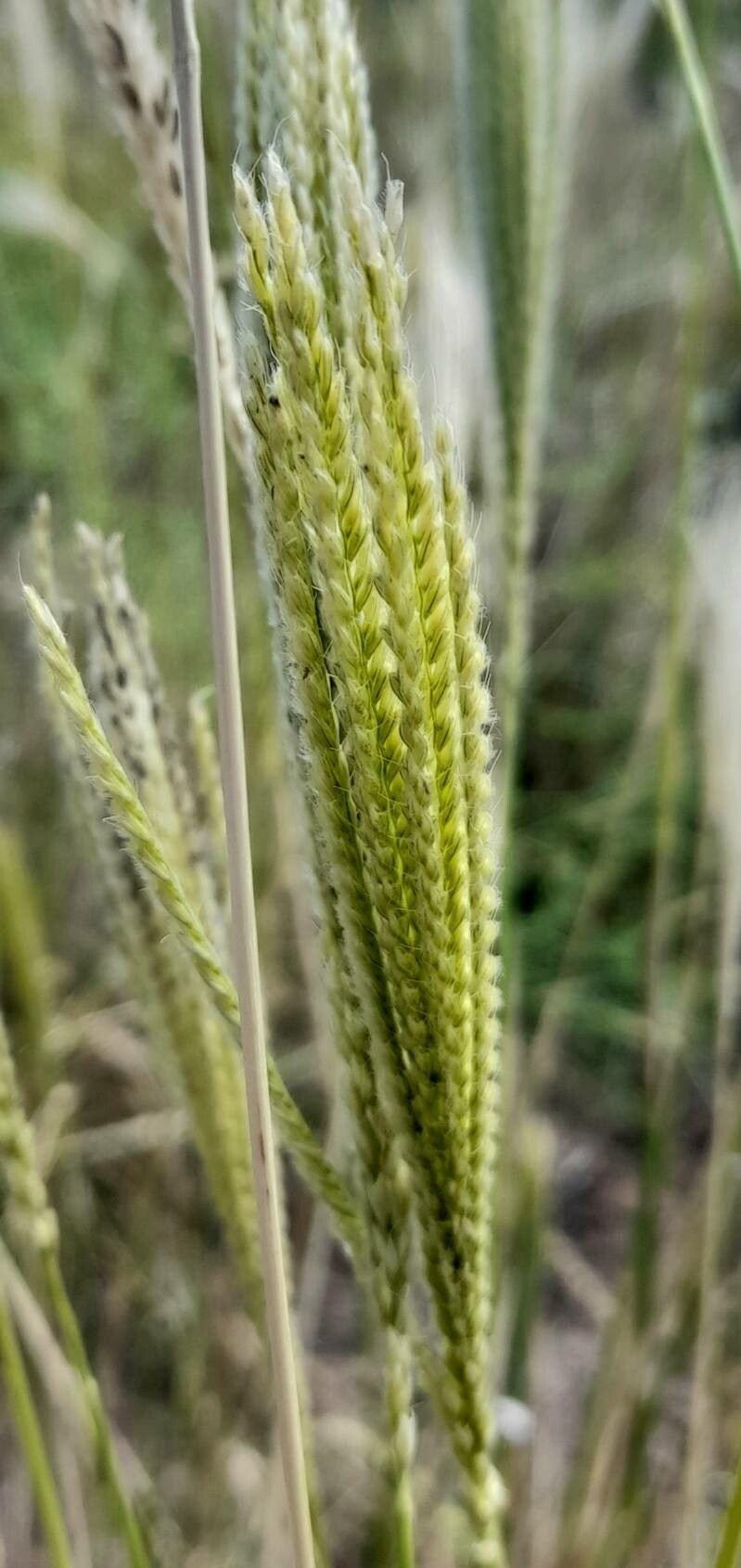
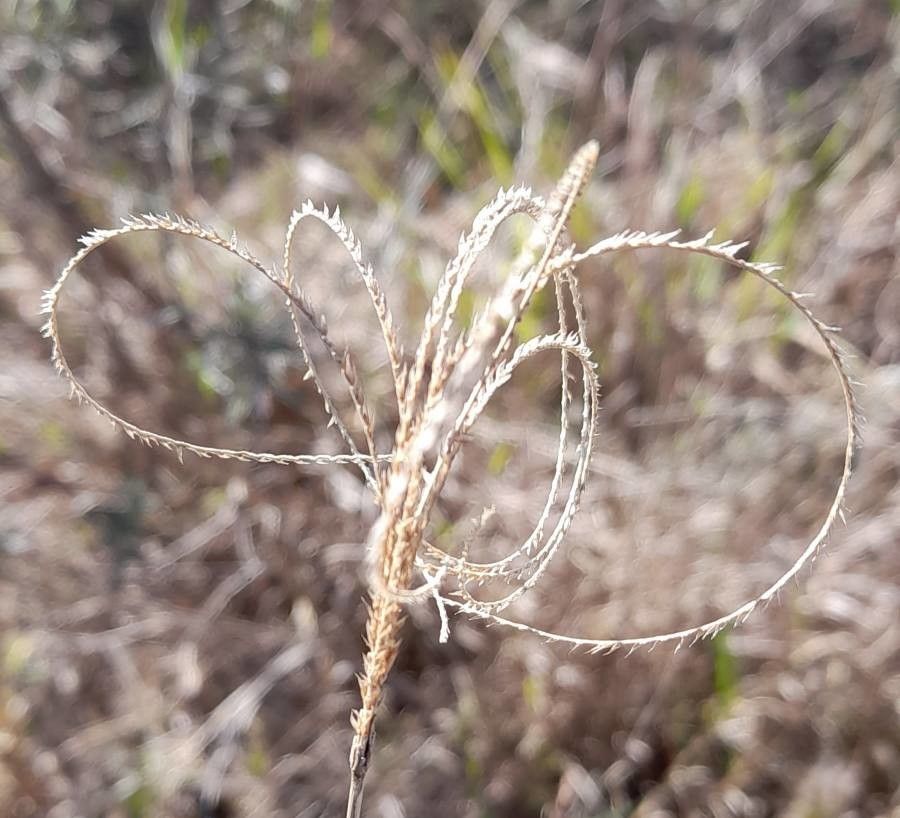
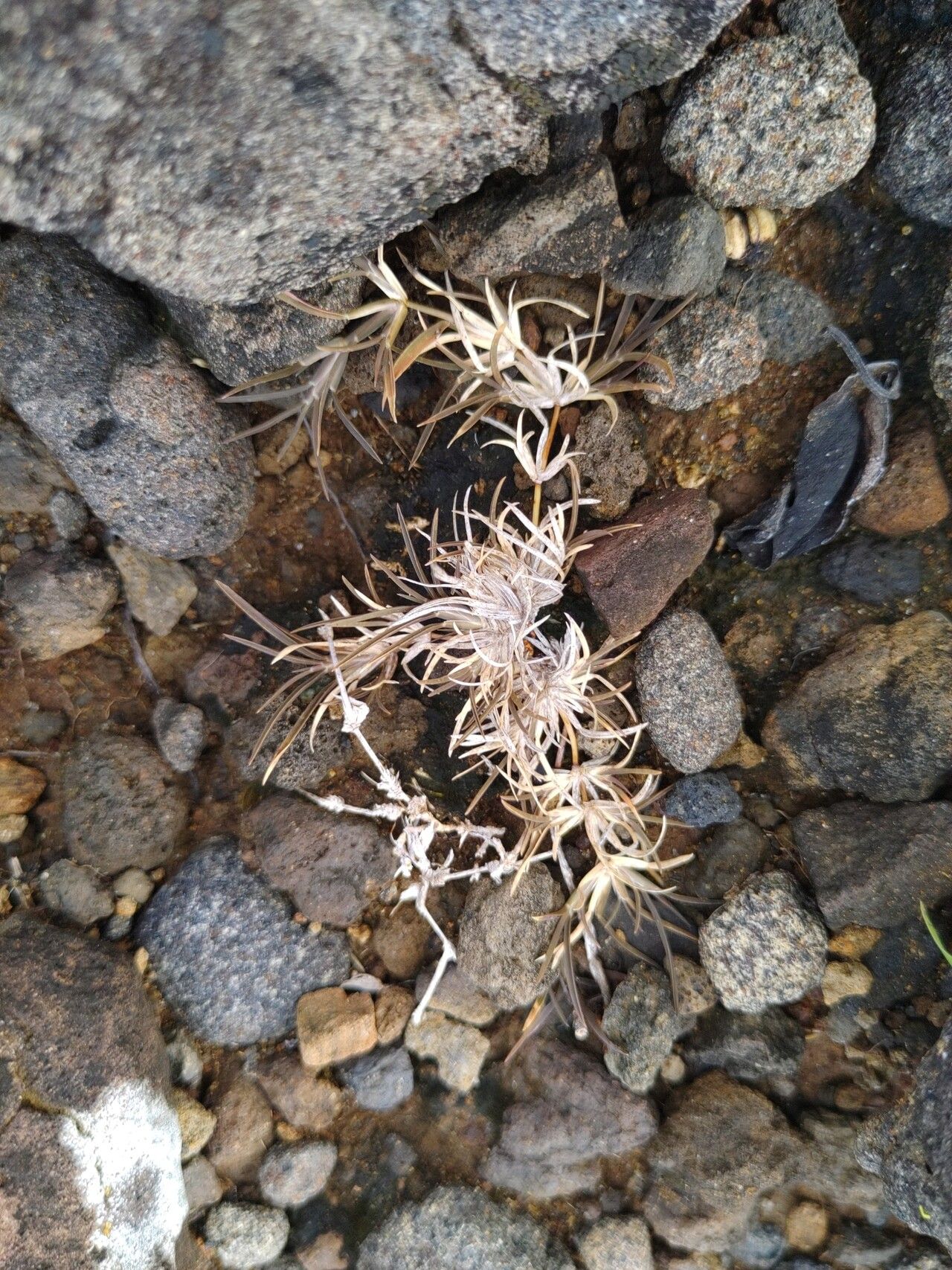
Chloris cucullata is a species of grass known by the common name hooded windmill grass. It is native to the United States, particularly the states of Texas and New Mexico, and adjacent Mexico.This is a clump-forming perennial grass with erect stems up to 60 centimeters tall. The leaf blades are up to 20 centimeters long, the longer ones located around the base. The panicle contains whorls of spikelets, each whorl with several branches up to 5 centimeters long. The branches are purplish, drying brown.
Hooded windmill grass is fairly disease-resistant and usually does not suffer from diseases. As for care, this species is relatively low-maintenance. When grown outdoors it needs minimal watering, and larger plants generally do not need pruning. Smaller plants, however, should be pruned after they finish blooming. Hooded windmill grasst is suitable for anyone with outdoor space, such as a garden or deck, and does not require extensive care experience.
How to keep Chloris Cucullata.
Light
Hooded windmill grass is a perennial herbaceous species that favors sunny locations and originates from open habitats, commonly flourishing in meadows and grasslands. It prefers full sun but can also tolerate partial sun conditions.
Water
Hooded windmill grass originally comes from tropical savanna-like environments and thrives with occasional moisture without the soil becoming completely dry. It has a moderate tolerance to drought but prefers consistent humidity. Watering it once a week is ideal, particularly outdoors during its active growth season when its water needs increase.
Temperature
Hooded windmill grass comes from tropical areas, where the climate is generally warm and humid. As a result, it is adapted to high temperatures and humidity. It is not fond of sudden temperature shifts and prefers a stable temperature range, so it's important to avoid temperature fluctuations indoors. It normally does not tolerate cold and requires higher temperatures to grow. If the ambient temperature falls too low, the plant may stop growing or even die.
Fertilizer
Hooded windmill grass needs extra nutrients to encourage healthy new growth. In spring, placing compost around the base of the plant will effectively supply the nutrients it requires. Fertilizing supports vigorous growth and helps the plant resist diseases and pests.
Pruning
Hooded windmill grass is known for its distinctive hooded spikelets and its ability to grow robustly. To encourage new growth, remove dead stems, and improve air circulation, it's best to prune the grass in early spring. Be sure to use clean cuts and sterile tools to prevent disease, which will enhance the plant's overall health and appearance.
Botanical profile.
- Plant Type
- Grass
- Life Cycle
- Perennial
- Genus
- Chloris
- Family
- Poaceae
- Hardiness Zone
- 8-11
- Mature Height
- 15 cm to 61 cm
- Mature Spread
- 20 cm to 40 cm
- Leaf Color
- Light Green
- Leaf Type
- Semi-evergreen
- Flower Color
- Yellow, Green, Red, Brown
- Flower Size
- 0.25 cm to 0.51 cm
- Bloom Time
- Summer, Early fall, Mid fall
- Planting Time
- Spring, Summer
- Harvest Time
- Mid summer, Late summer, Fall
- Native Area
- Mexico
Other names.
Reader questions.
What are the sunlight requirements for Hooded windmill grass?
Hooded windmill grass, or Chloris cucullata, thrives in full sun conditions, requiring more than 6 hours of sunlight daily. However, it can also tolerate partial sun, which is about 3-6 hours of sunlight each day. Watching how sunlight moves through your garden to find the perfect balance of light and shade is crucial for ensuring the happiness and health of your plants.
What essentials should be considered for growing Hooded windmill grass?
Hooded windmill grass is a sun-loving perennial that originates from open habitats like meadows and grasslands. Apart from its preference for full to partial sun, when natural lighting is insufficient, especially during winter or in less sunny spaces, implementing artificial lighting can be beneficial. LED lights are recommended because they can be customized to provide specific wavelengths needed by plants. Full sun plants need 30-50W/sq ft of artificial light, and partial sun plants require 20-30W/sq ft.
What are the symptoms of inadequate lighting for Hooded windmill grass?
When Hooded windmill grass receives insufficient lighting, several symptoms can manifest. These include smaller new leaves, leggy or sparse growth, faster leaf drop, halted growth, lighter-colored new leaves or chlorosis, sunscald, leaf curling, wilting, and leaf scorching. These symptoms reflect the plant's struggle under poor light conditions, emphasizing the importance of adequate sunlight for healthy growth.
What solutions can address light deficiency in Hooded windmill grass?
To remedy light deficiency in Hooded windmill grass, gradually expose the plant to more sunlight, aiming for at least 6 hours of direct sunlight daily. This can be done by moving the plant to a south-facing window or using artificial light sources like desk or ceiling lamps for at least 8 hours a day. Outdoors, avoid sudden changes in light intensity to prevent sunburn. Internally, consider pruning obstructive branches or transplanting the grass to sunnier spots with good drainage to encourage healthy growth. Note that previously affected parts may not recover, but new growth will be healthy with improved lighting.