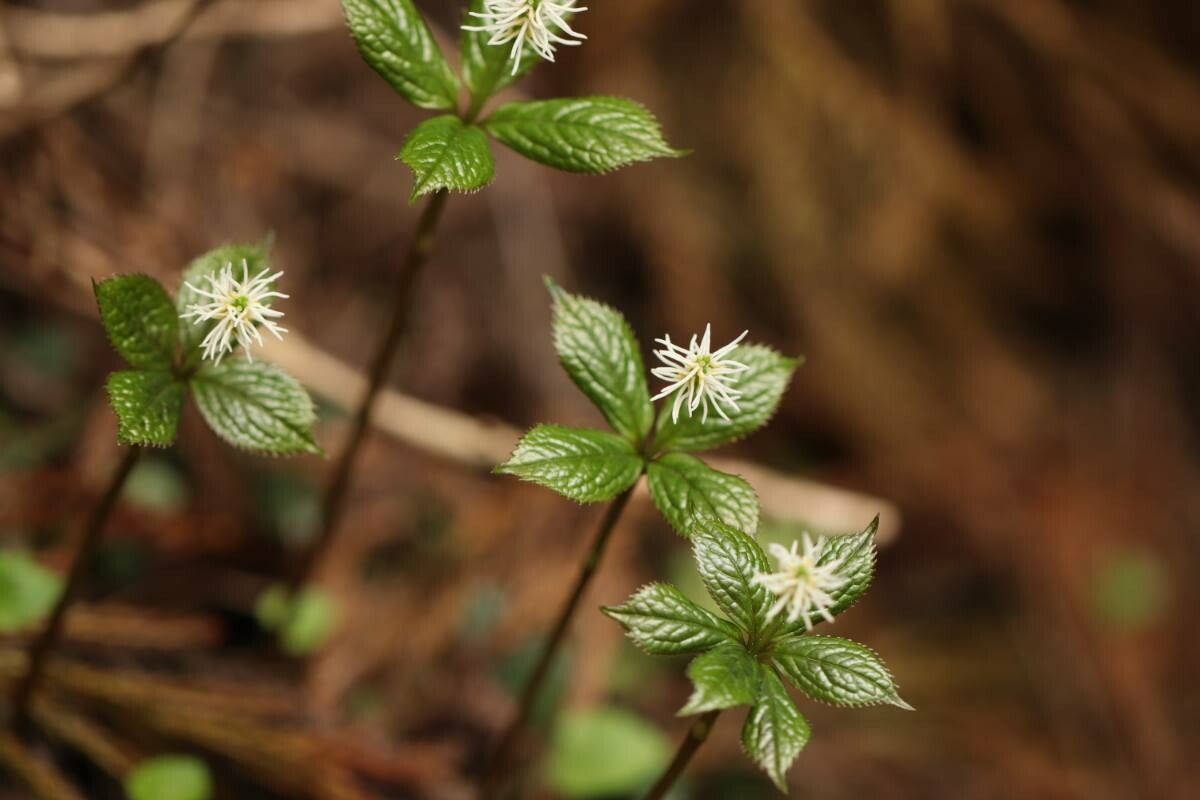
Serrate-leaf chloranthus is fairly resistant to disease and is usually not prone to illnesses. That said, it can be affected by pests and diseases present in its environment. These infestations are typically mild. As for care, the plant needs moderate maintenance. It should be pruned regularly to keep a neat appearance and support healthy growth. Fertilizing can also encourage flowering. Serrate-leaf chloranthus is appropriate for anyone with outdoor space, such as a garden or patio, and does not demand much care experience. It may need more attention when cultivated indoors.
How to keep Chloranthus Quadrifolius.
Light
The serrate-leaf chloranthus grows best in places that receive full sunlight throughout the day. Excessive shade or too little sun can impede its growth and harm its health. Its native habitat is mainly in sunny regions, which explains its preference for ample sunlight.
Temperature
Serrate-leaf chloranthus is a plant native to habitats where temperatures typically range from 41 to 95 °F (5 to 35 ℃). It prefers a temperate climate to grow well. In colder or hotter seasons, make sure to adjust its environment to satisfy its temperature requirements.
Fertilizer
The best time to fertilize a Serrate-leaf chloranthus is in early spring, as it comes out of dormancy and begins active growth. Fertilization supplies essential nutrients for healthy growth. Although Serrate-leaf chloranthus has relatively low fertilizer requirements, fertilizing once a year can improve its survival and encourage better, longer-lasting flowers.
Botanical profile.
- Plant Type
- Herb
- Life Cycle
- Perennial
- Genus
- Chloranthus
- Family
- Chloranthaceae
- Hardiness Zone
- 5-9
- Mature Height
- 30 cm
- Mature Spread
- 61 cm to 91 cm
- Leaf Color
- Green, Dark Green
- Leaf Type
- Evergreen
- Flower Color
- White, Yellow
- Flower Size
- 2.54 cm
- Bloom Time
- Mid spring, Late spring
- Planting Time
- Summer, Autumn
- Harvest Time
- Mid summer, Late summer, Early fall
- Native Area
- Russia, South Korea, Japan, China