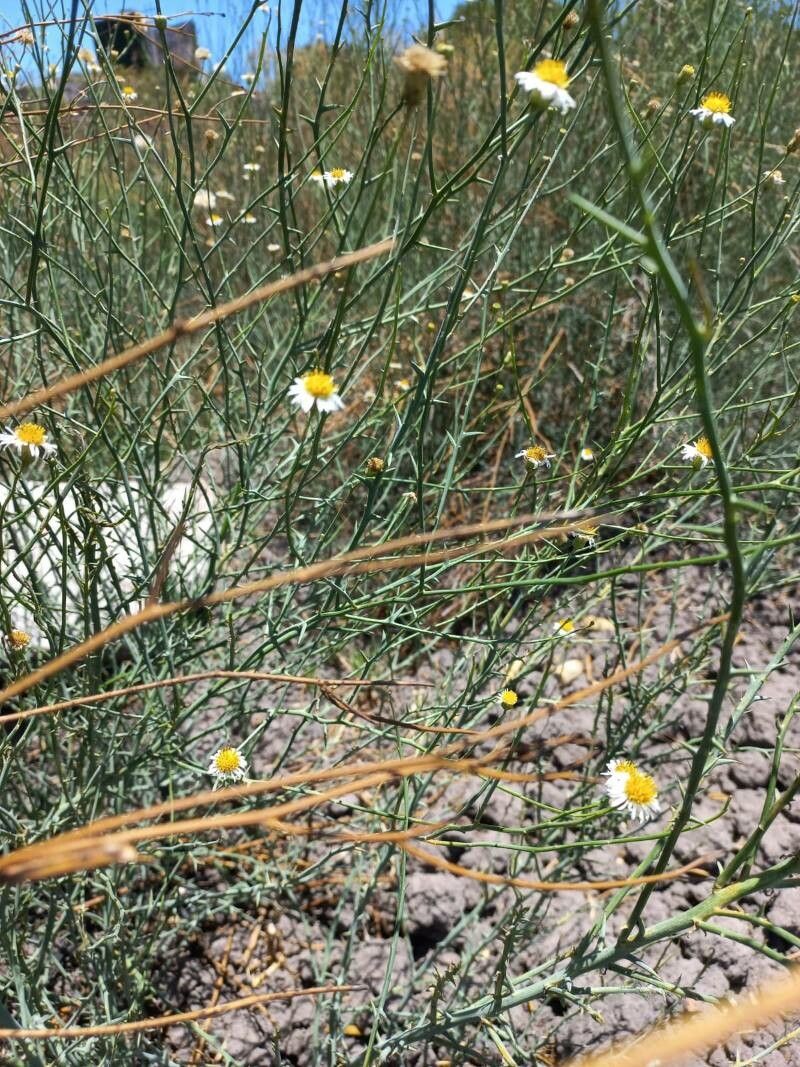
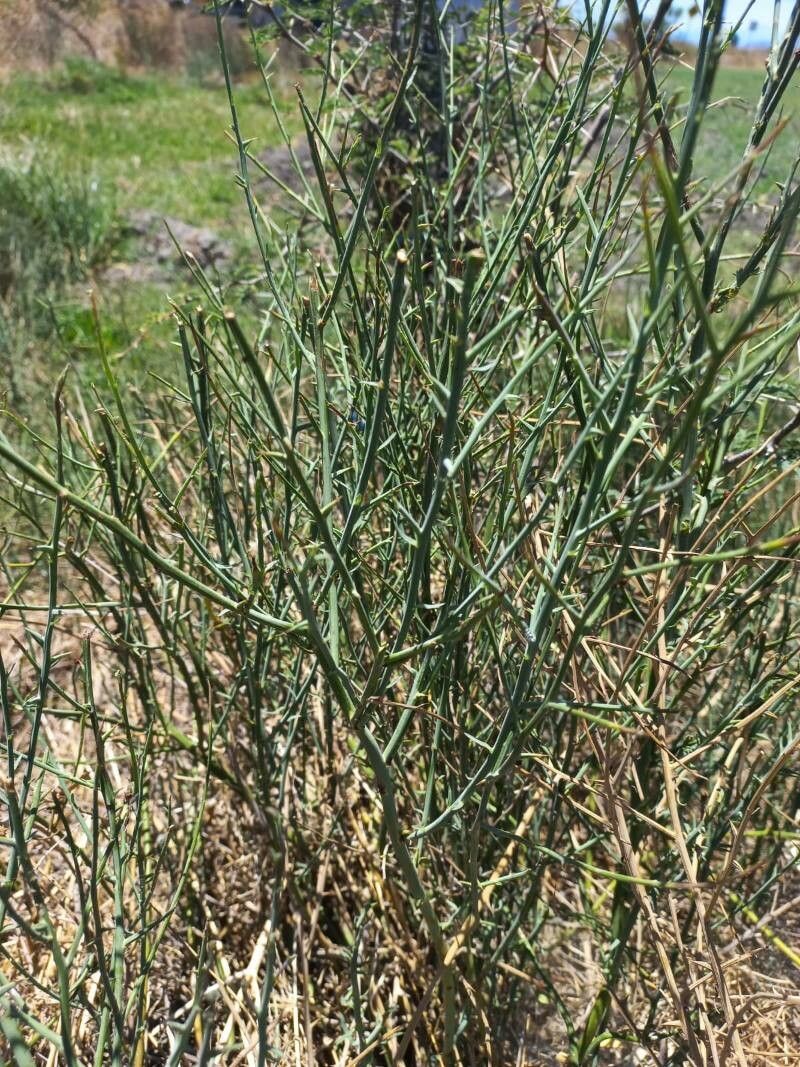
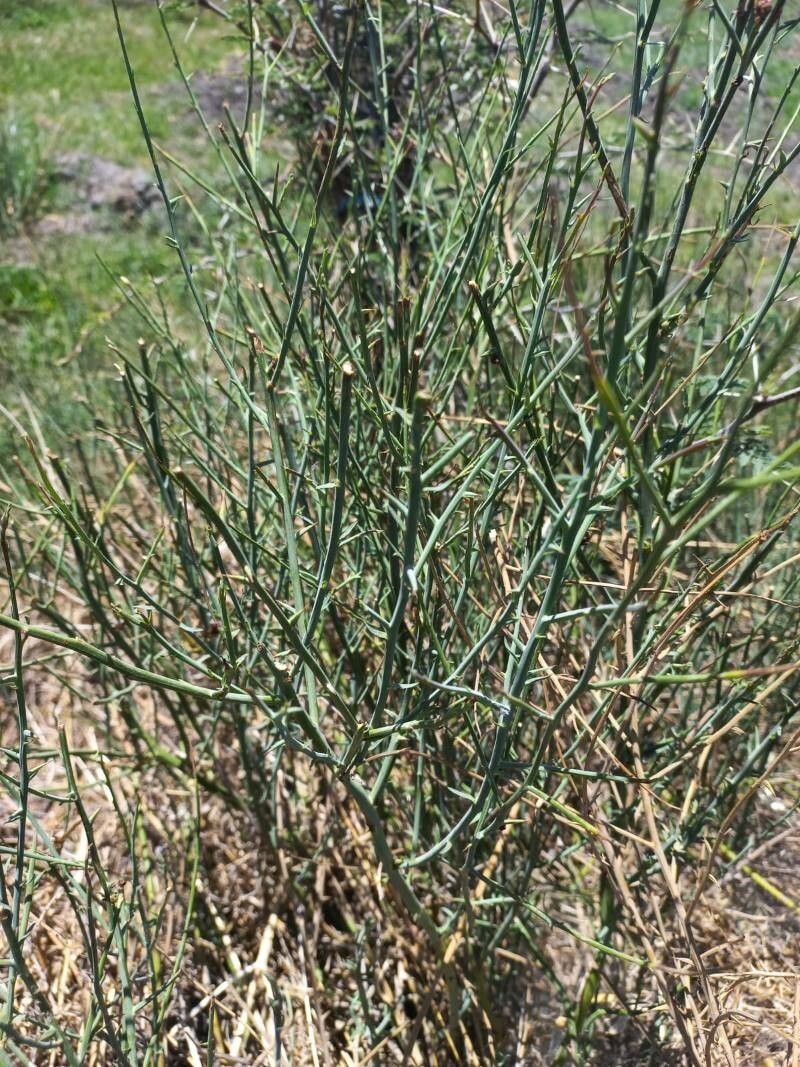
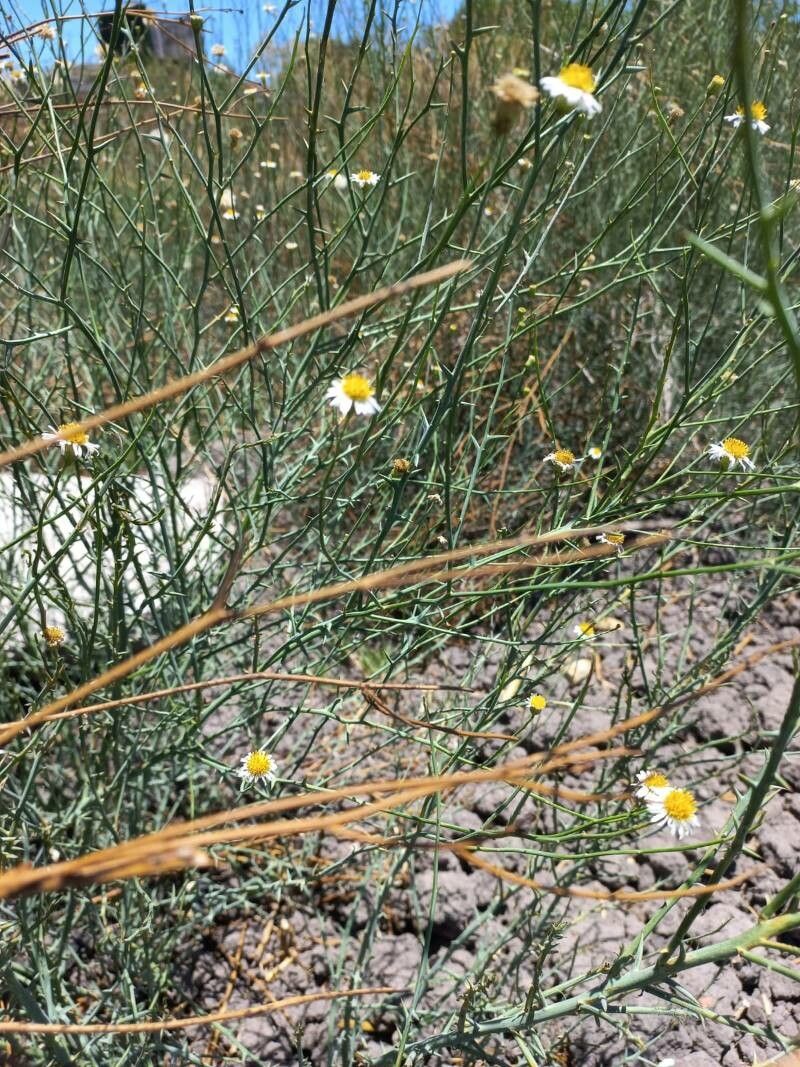
Chloracantha is a monotypic genus of flowering plants in the aster family, containing the single species Chloracantha spinosa. It is distributed in the southwestern and south-central United States, most of Mexico, and much of Central America. Its English language common names include spiny chloracantha, spiny aster, devilweed aster, and Mexican devilweed. In Spanish it is known as espina de agua, espinaza, and espinosilla.
Spiny chloracantha has strong disease resistance and is generally not prone to illnesses. It can, however, be affected by pests and diseases found in its surroundings. These problems are typically mild. In terms of care, the plant is medium maintenance. It should be pruned regularly to keep a good appearance and support healthy growth. Fertilizing can also encourage flowering. Spiny chloracantha is appropriate for anyone with outdoor space, such as a garden or patio, and does not require extensive care experience. It may need more attention when grown indoors.
How to keep Chloracantha Spinosa.
Light
Spiny chloracantha is a sun-loving perennial herbaceous plant native to open habitats, commonly found in meadows and grasslands. It prefers full sun but can also tolerate partial sun.
Water
Spiny Chloracantha, which originates from dry environments, is well-adapted to surviving with minimal moisture by storing water during the rare rains. For domestic care, water it once a week and ensure it is planted in well-draining soil to prevent root rot and boost its resilience. Its drought tolerance makes it an excellent choice for xeric landscapes.
Temperature
Spiny chloracantha originates from temperate regions and grows best at temperatures between 59 to 95 °F (15 to 35 ℃). It favors warmer conditions and may require acclimation to cooler climates; during cold seasons, consider providing additional warmth for optimal growth.
Fertilizer
One fertilizer application in spring is typically enough for Spiny chloracantha, though several feedings can help it reach maximum growth. Feed approximately once every month to a month and a half. Fertilizing improves the leaves' look and function, maintaining uniform color and a healthy texture. It also promotes root development and nutrient uptake, supporting the plant's long-term health.
Pruning
To enhance the growth and flowering of spiny chloracantha, it should be pruned from early to late spring. The main techniques include removing dead branches and shaping the plant. Make sure to make clean, 45-degree cuts to help prevent disease. Align your pruning efforts with the plant's active growth period for optimal recovery and improved appearance.
Botanical profile.
- Plant Type
- Herb, Shrub
- Life Cycle
- Perennial
- Genus
- Chloracantha
- Family
- Asteraceae
- Hardiness Zone
- 7-9
- Mature Height
- 1.52 m to 2.13 m
- Mature Spread
- 0.61 m to 1.22 m
- Leaf Color
- Green
- Leaf Type
- Evergreen
- Flower Color
- White, Yellow
- Flower Size
- 0.51 cm
- Bloom Time
- Summer, Fall
- Planting Time
- Spring, Summer, Autumn
- Harvest Time
- Late summer, Fall, Early winter
- Native Area
- Mexico
Other names.