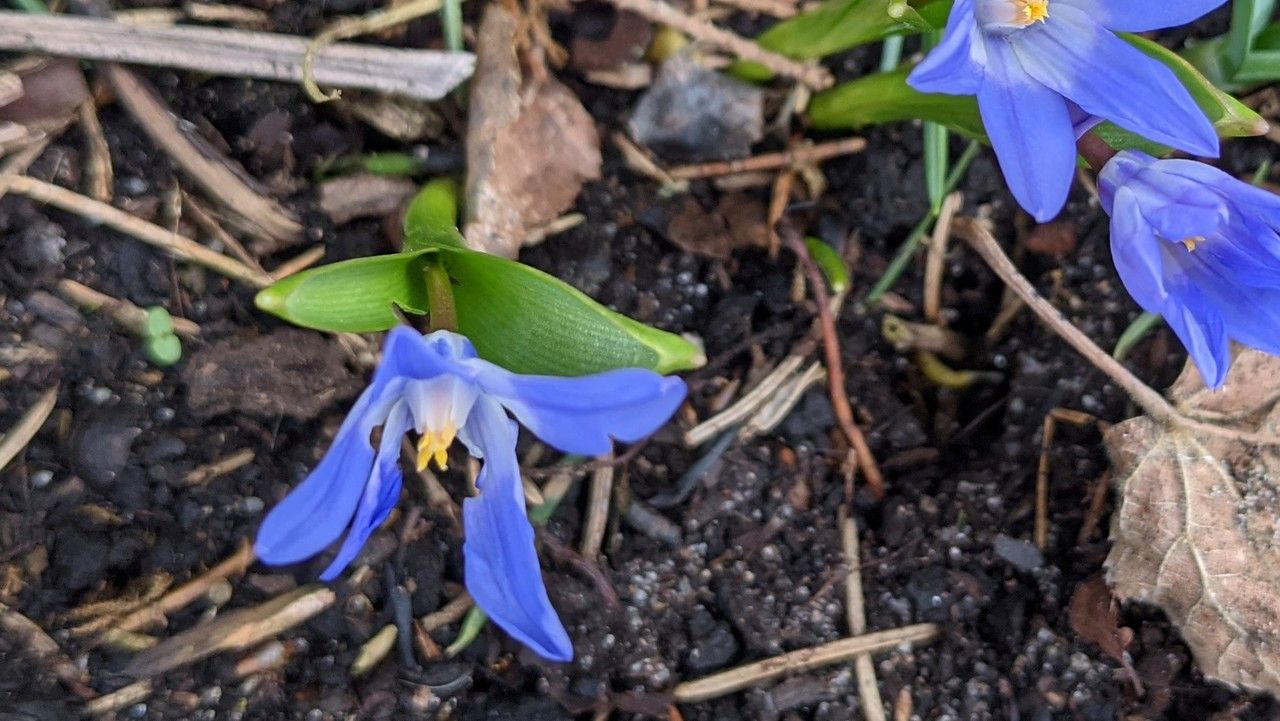
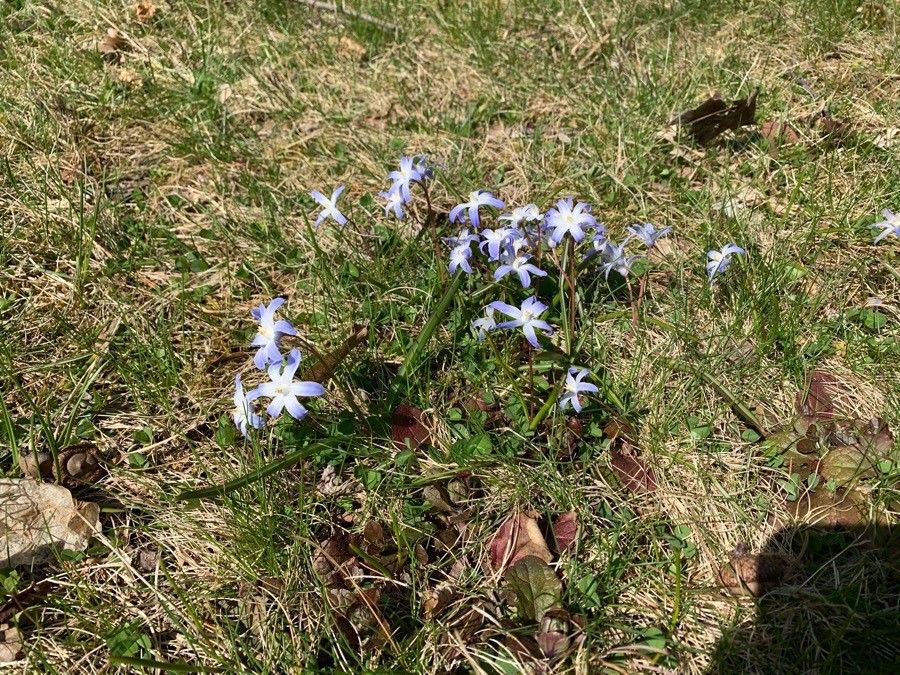
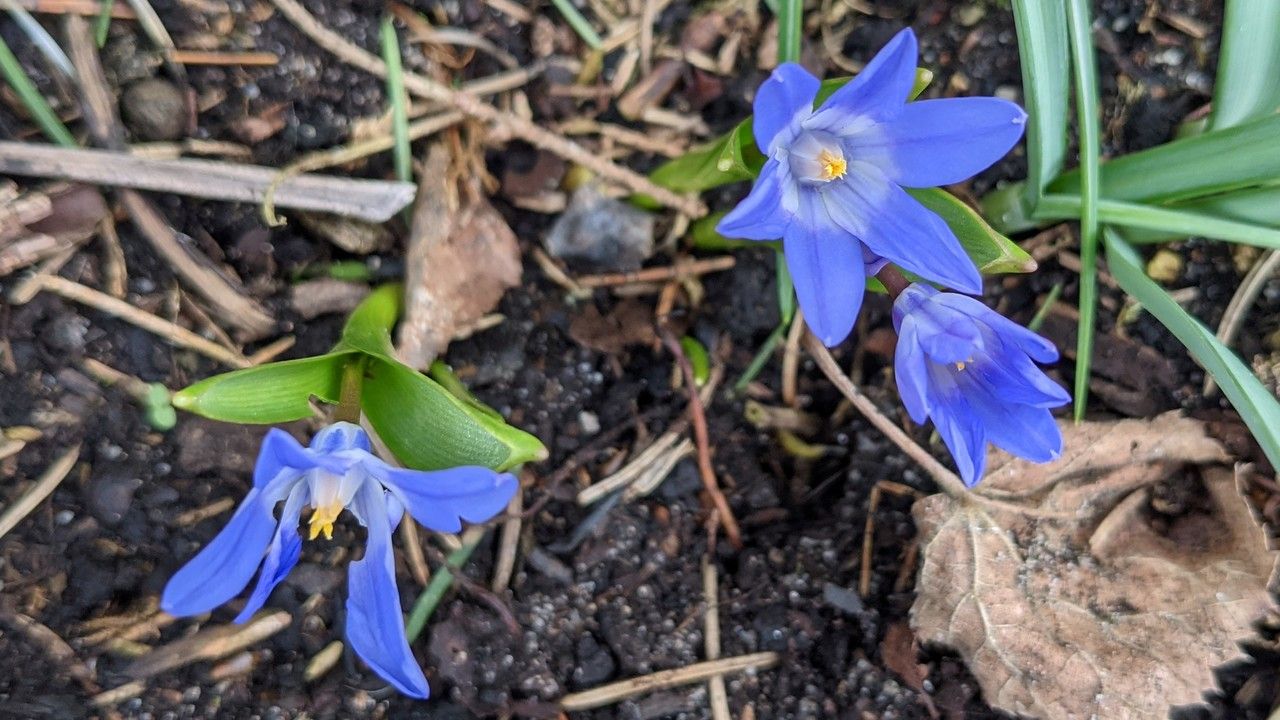
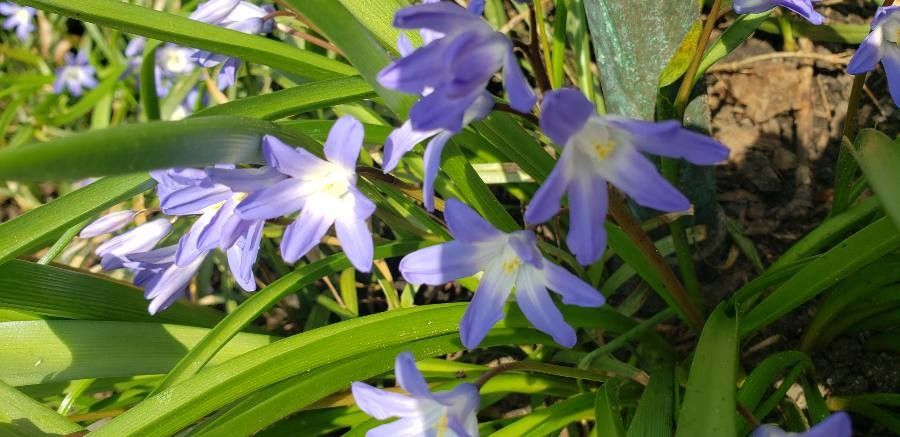
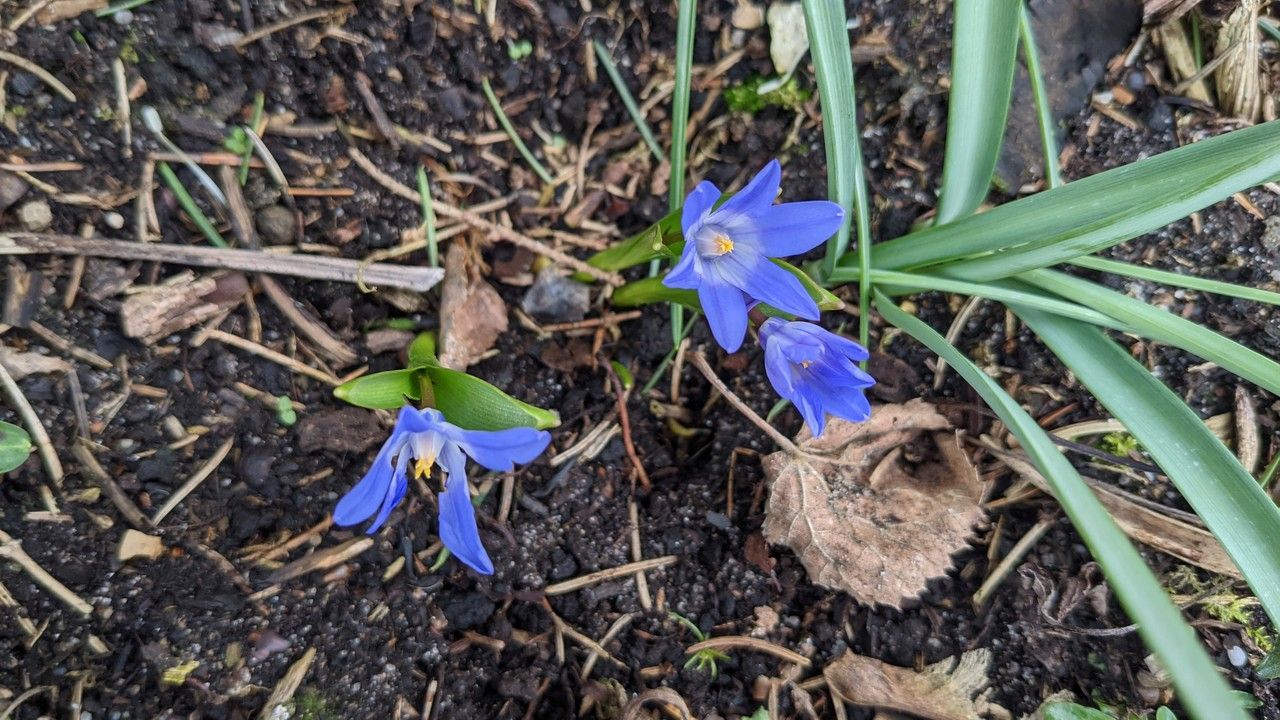
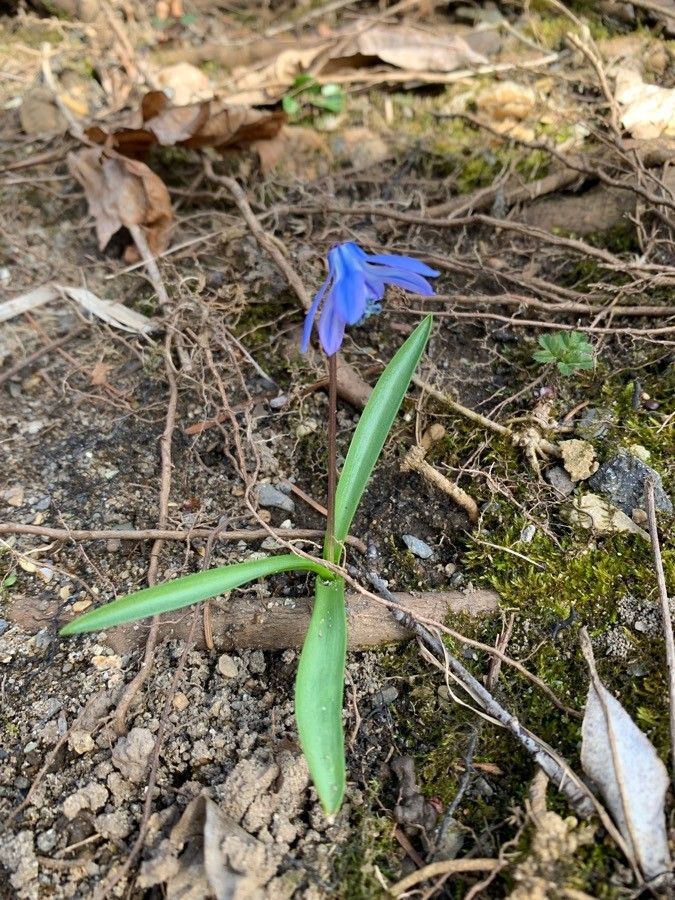
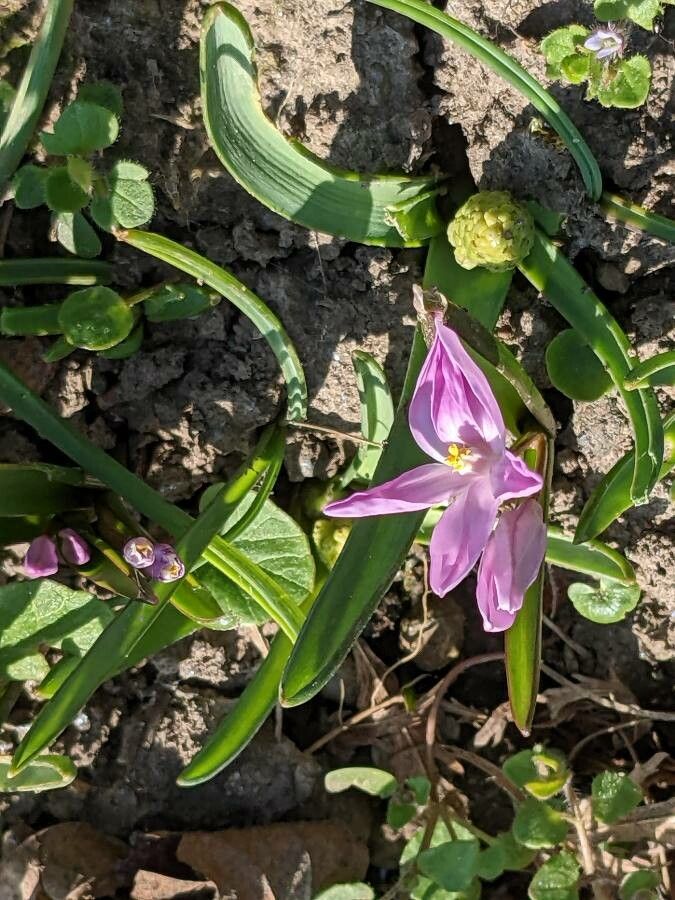
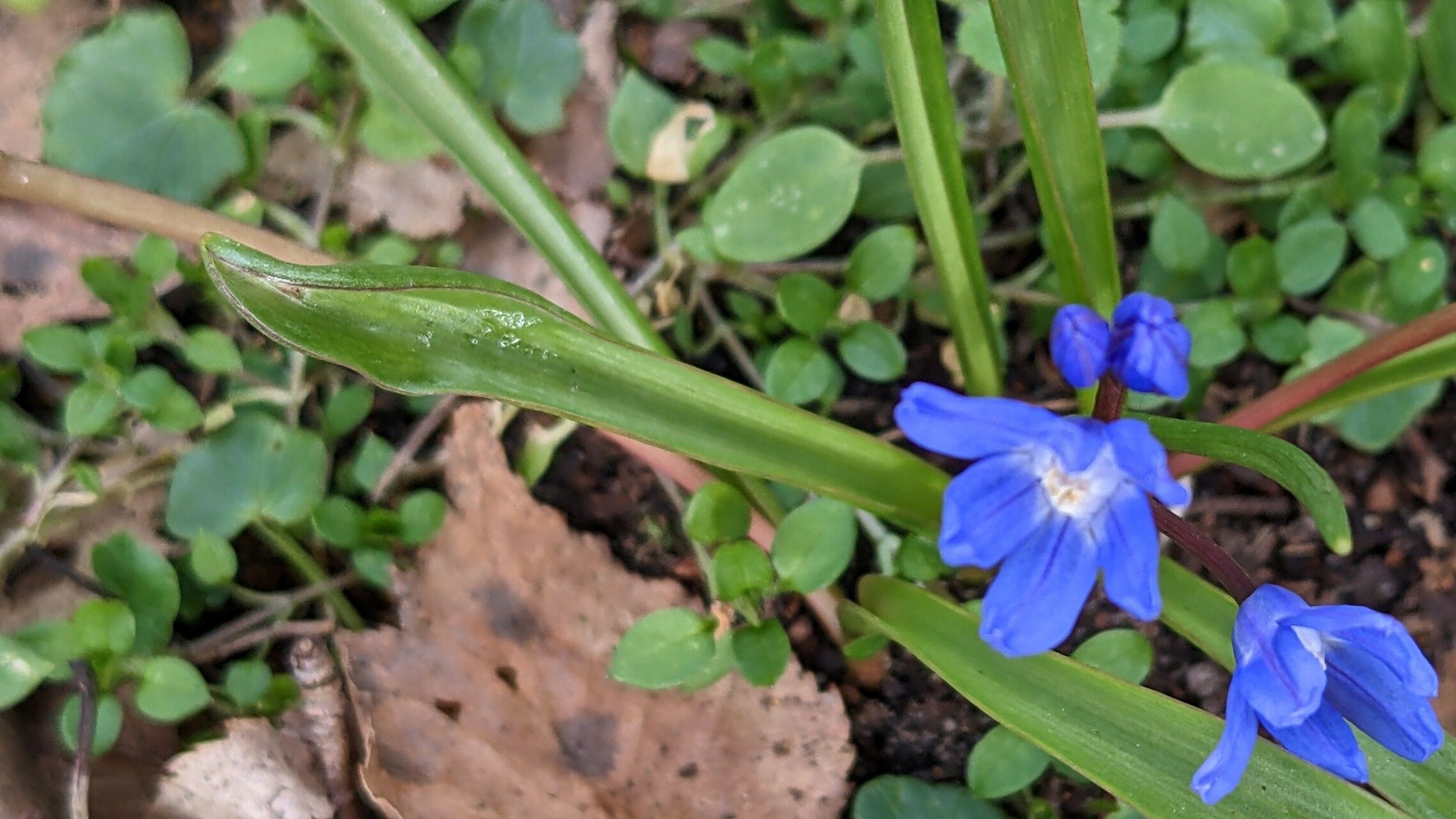
Scilla luciliae is a species of flowering plant in the family Asparagaceae. It is referred to by the common names Bossier's glory-of-the-snow or Lucile's glory-of-the-snow, and is a bulbous perennial from western Turkey that flowers in early spring. After flowering, it goes into dormancy until the next spring. The specific epithet is in honour of Lucile, the wife of the Swiss botanist Pierre Edmond Boissier (1810-1885). It belongs to a group of Scilla species that were formerly put in a separate genus, Chionodoxa, and may now be treated as Scilla sect. Chionodoxa.
Glory of the snow is fairly resistant to disease and generally not highly susceptible to illnesses. Still, it can be affected by pests and diseases present in its environment, though these problems are typically not serious. As for upkeep, this plant needs a moderate level of care. It should be pruned regularly to preserve a neat appearance and encourage healthy growth. Providing fertilizer can also aid in boosting its flowering. Glory of the snow is well suited for anyone with an outdoor area, like a garden or patio, and does not demand extensive care experience. If grown indoors, it may need more attention.
How to keep Chionodoxa Luciliae.
Light
Glory of the snow thrives in settings with abundant light, though it can tolerate moderate light levels. Originating from habitats with plentiful sunlight, insufficient light may hinder its growth, while excessive light causes little harm.
Temperature
Glory of the snow prefers a moderate temperature range of 50 to 90 ℉ (10 to 32 ℃) for ideal growth and flowering. Its native habitat supports this temperature preference, as it does well in cool to moderate climates. In warmer seasons, the plant benefits from partial shade to prevent too much heat exposure.
Fertilizer
The best time to fertilize a Glory of the snow is in early spring, as it comes out of dormancy and begins active growth. Fertilization supplies essential nutrients for healthy development. Although Glory of the snow has fairly low fertilization needs, applying fertilizer annually can improve its survival and encourage better, longer-lasting blooms.
Pot & Repot
Repot Glory of the snow in early spring. Choose a pot that is wider than it is deep and provides good drainage. Fill it with a loamy, well-draining potting mix enriched with compost. Gently remove old soil from the bulb and plant it at a depth equal to the bulb’s height. Water thoroughly after repotting and place the pot in a sunny spot. Avoid overwatering to prevent the bulb from rotting.
Botanical profile.
- Plant Type
- Herb
- Life Cycle
- Perennial
- Genus
- Chionodoxa
- Family
- Liliaceae
- Hardiness Zone
- 6-8
- Mature Height
- 10 cm to 20 cm
- Mature Spread
- 15 cm to 23 cm
- Leaf Color
- Green
- Leaf Type
- Deciduous
- Flower Color
- Blue
- Flower Size
- 2.54 cm
- Bloom Time
- Early spring, Mid spring
- Planting Time
- Spring
- Harvest Time
- Late spring, Early summer
- Native Area
- Turkey
Other names.