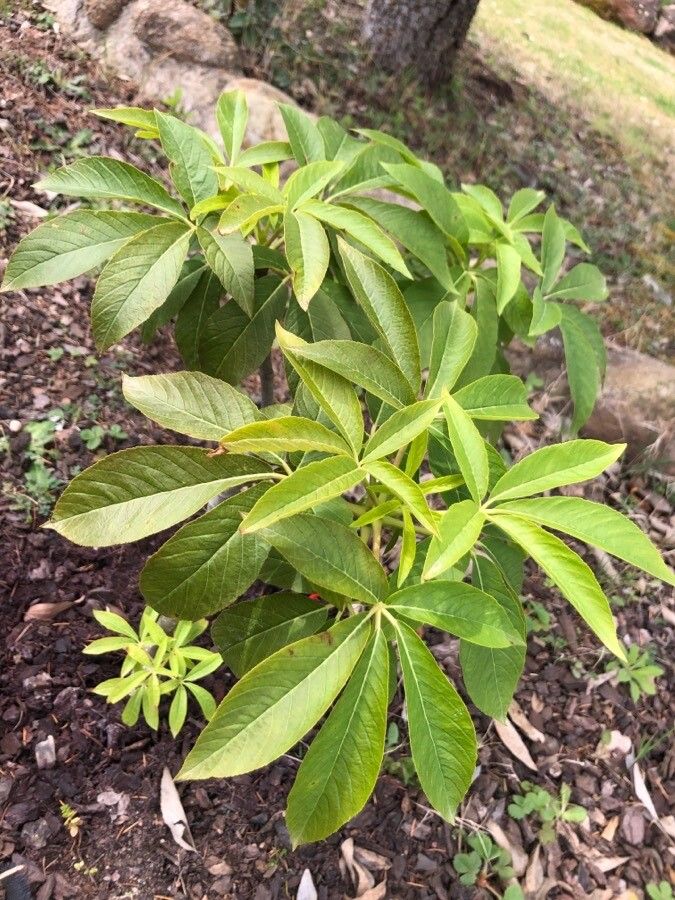
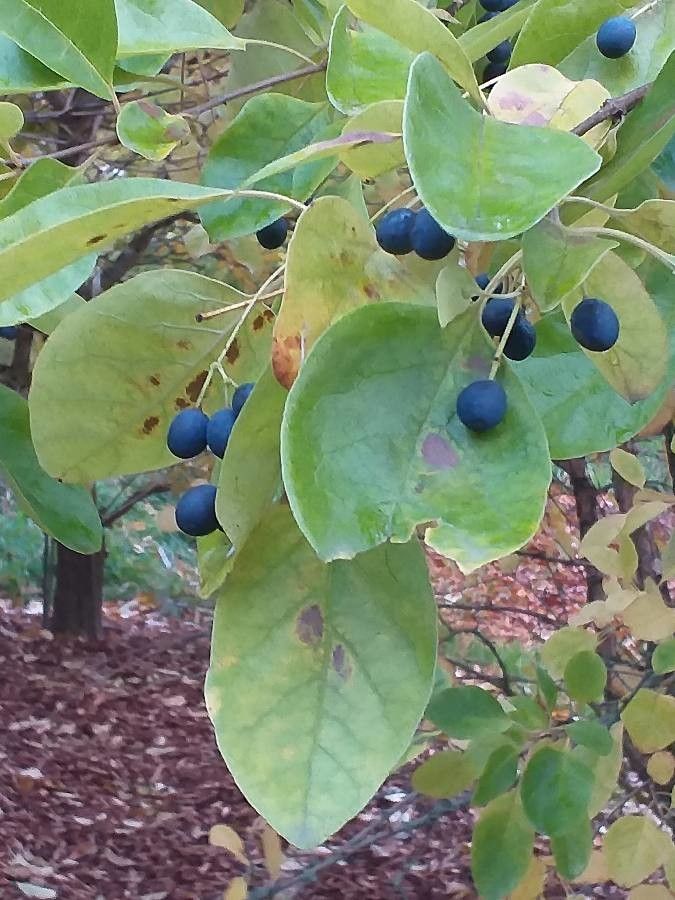
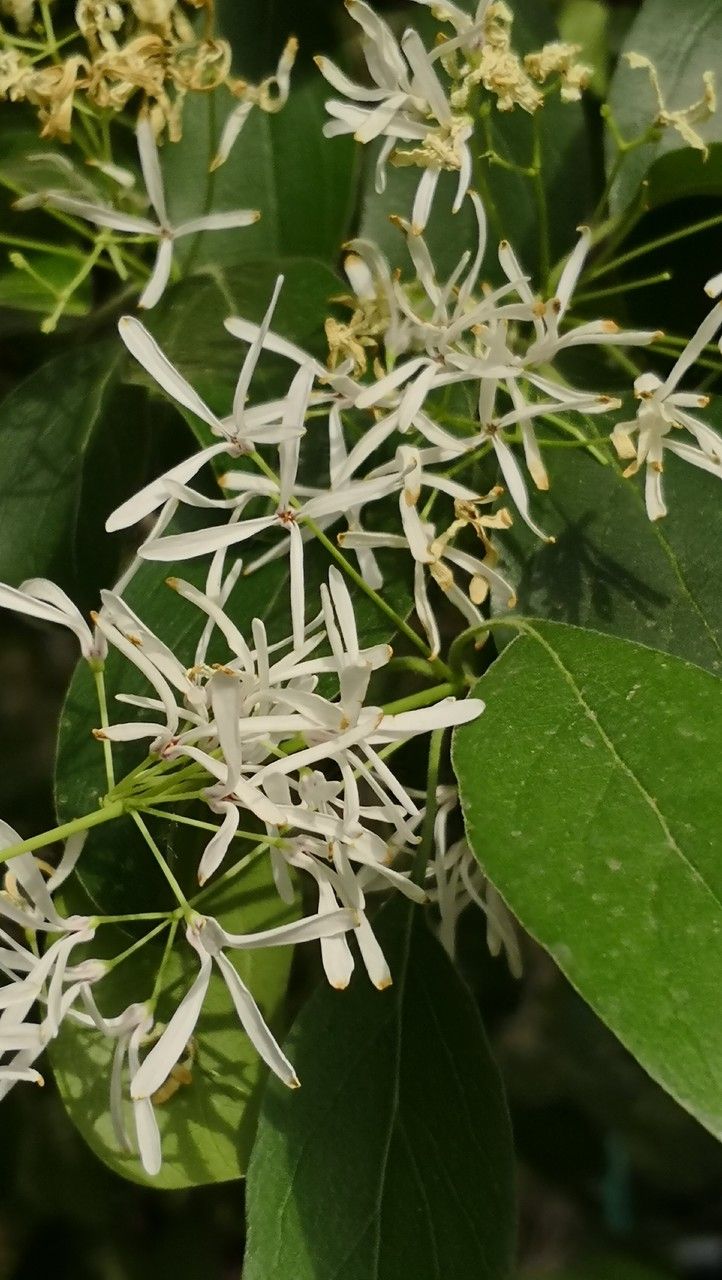
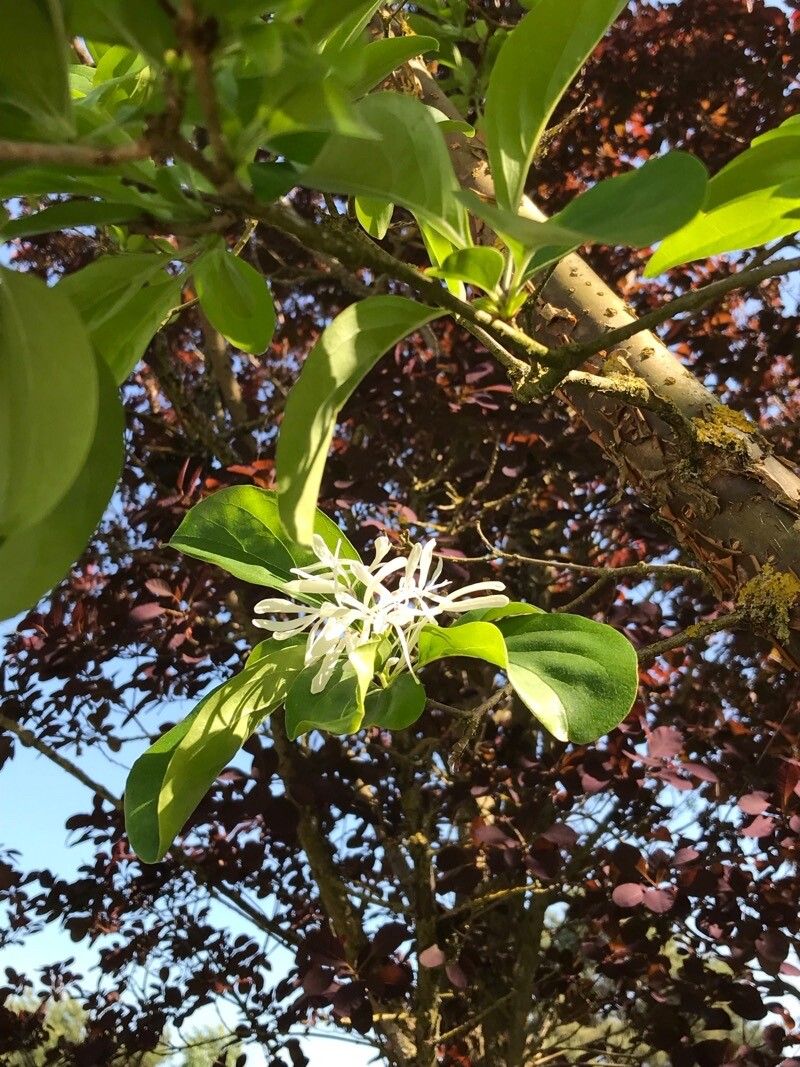
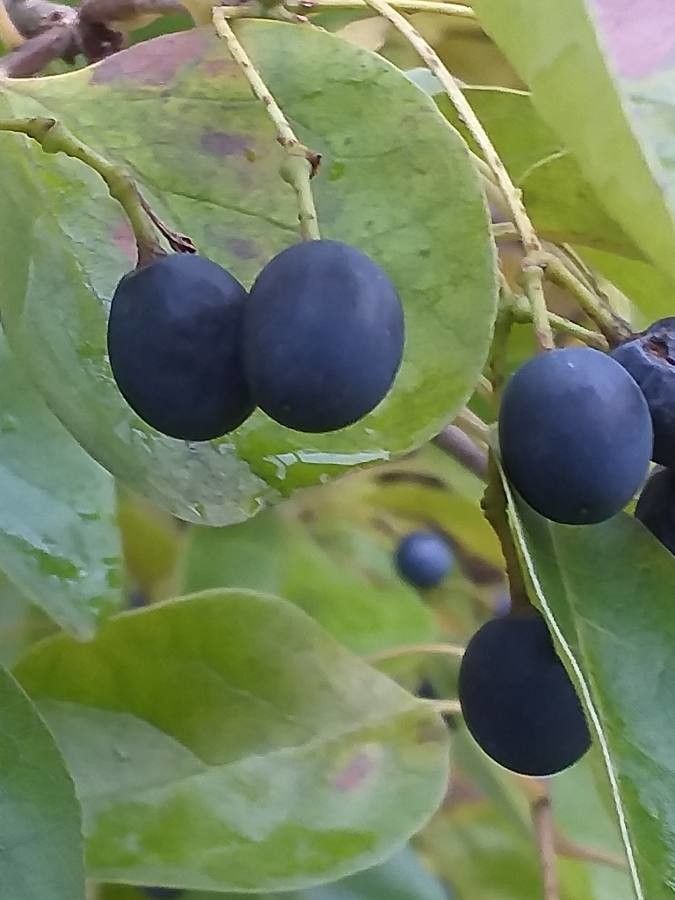
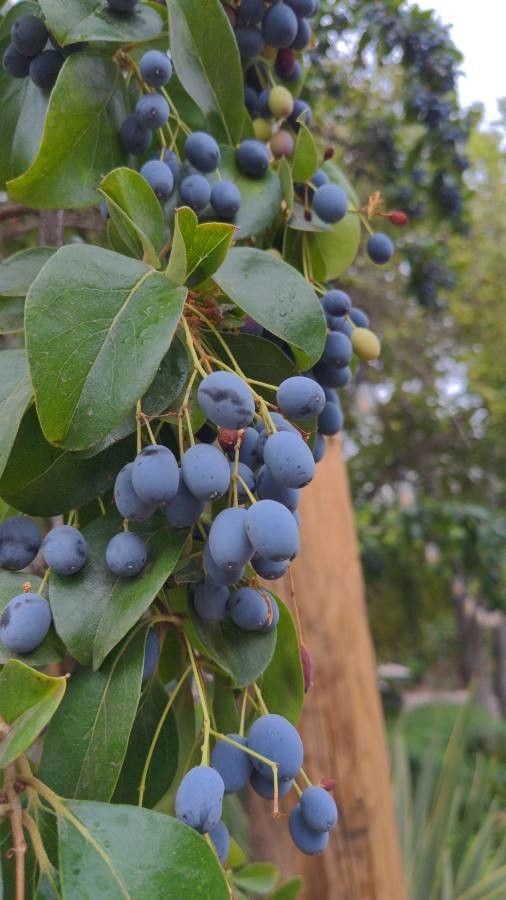
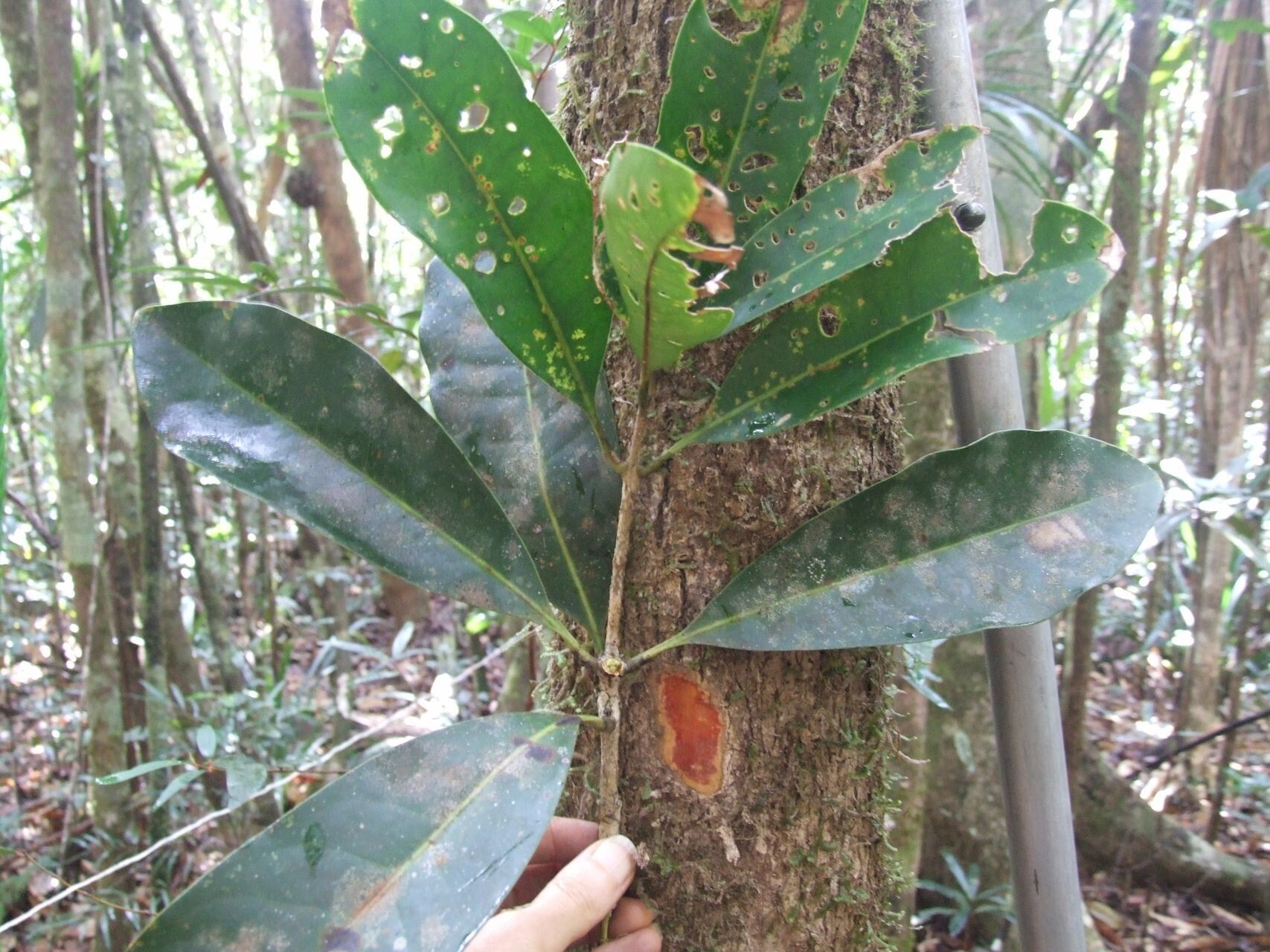
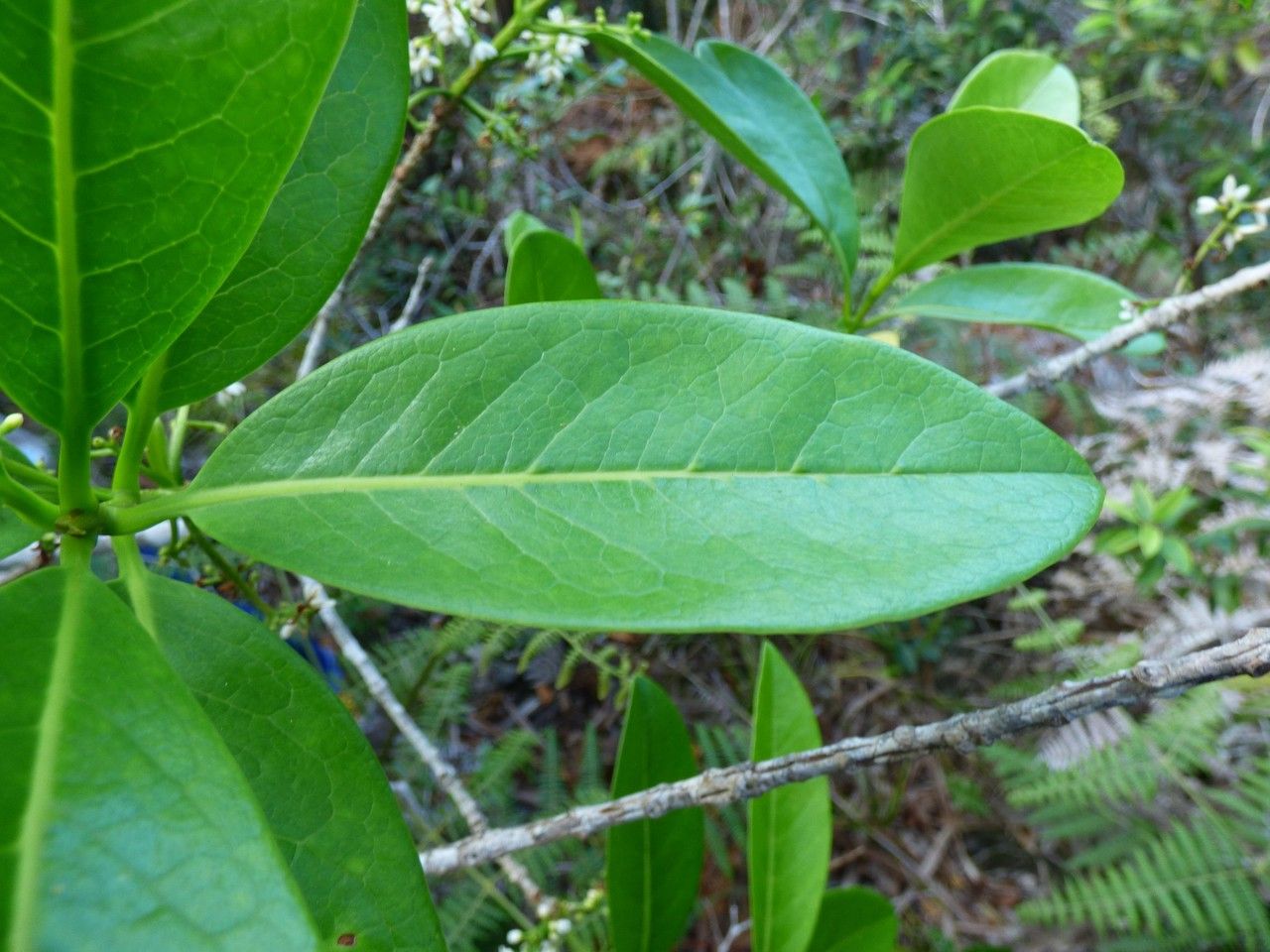
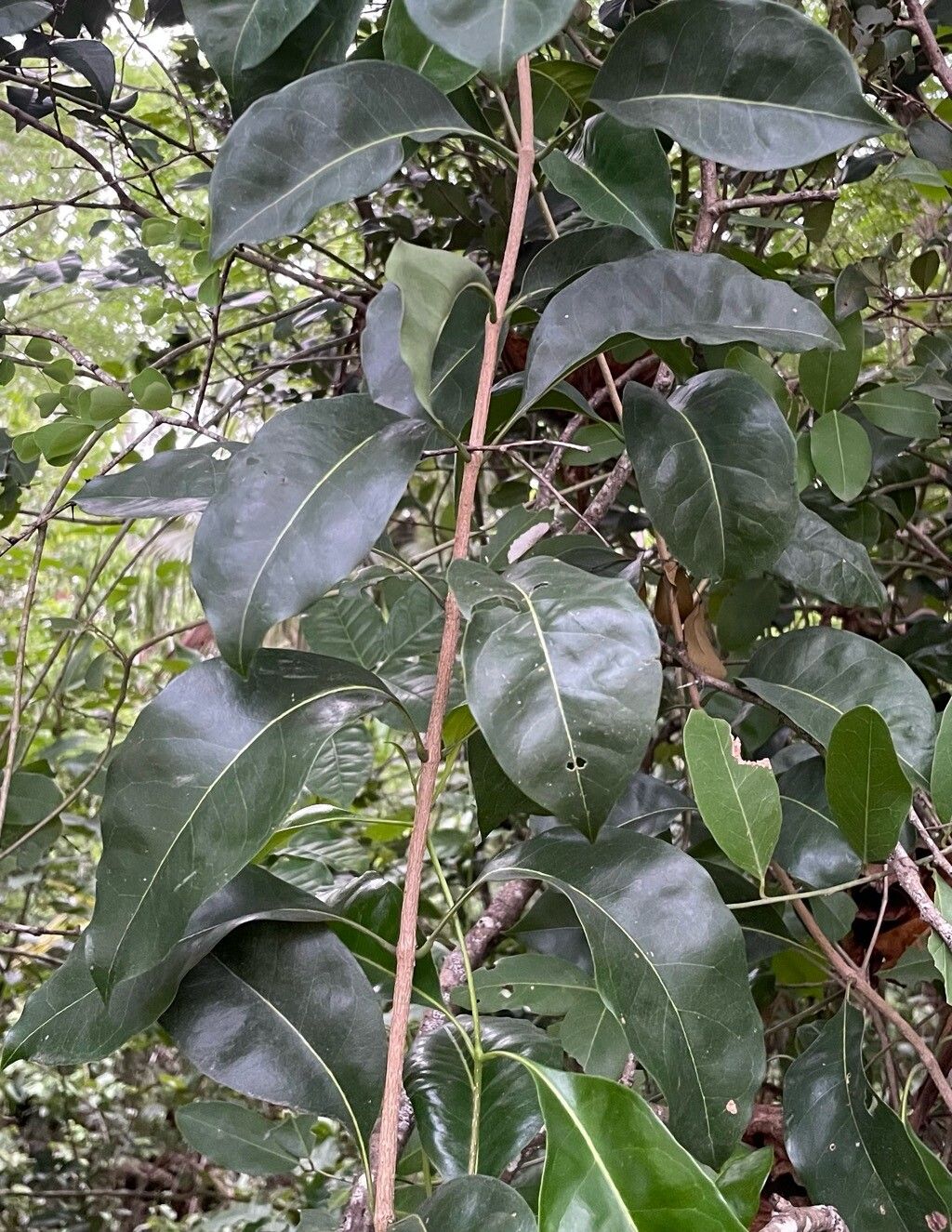
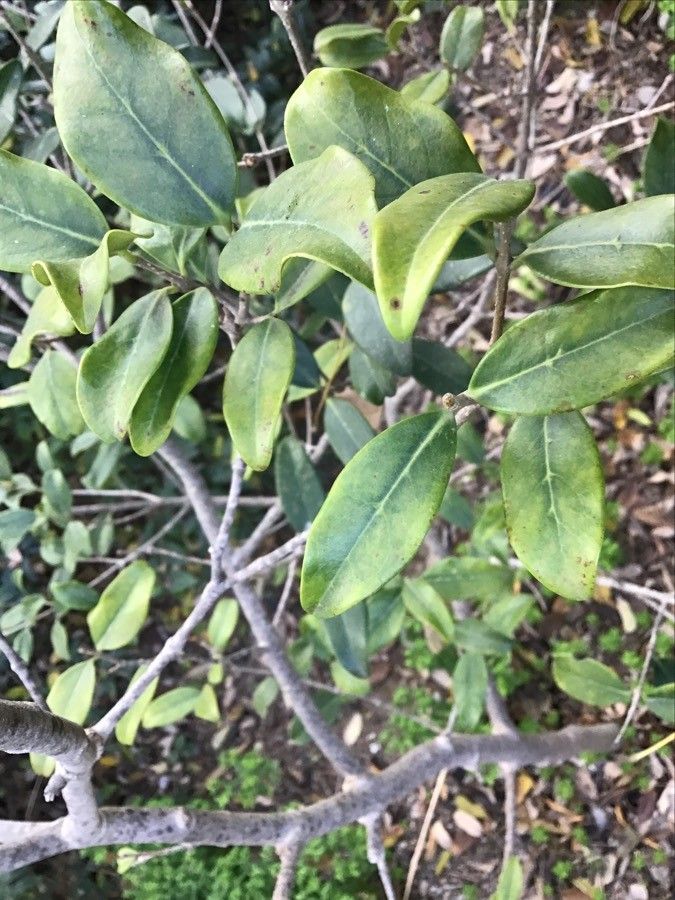
Chionanthus retusus, commonly known as the Chinese fringe tree, is a deciduous species native to China and Korea. This tree is highly favored as an ornamental plant due to its visually appealing white flowers that bloom in late spring or early summer. The fragrant blossoms resemble fringes, which is the origin of its common name, "fringe tree." The tree's glossy green leaves turn a striking yellow in the fall before they drop. Additionally, the grayish-brown bark, characterized by prominent ridges, adds to its textural beauty.
The Chinese fringe tree thrives in full sun or partial shade and prefers well-drained soil. It can reach a height of 20-30 feet and a spread of 15-20 feet upon maturity. Once established, Chionanthus retusus requires minimal maintenance, although occasional pruning may be necessary for shaping.
Beyond its ornamental value, Chionanthus retusus has been employed in traditional medicine to treat various ailments such as fever, coughs, and rheumatism, thanks to the anti-inflammatory properties of its bark extract.
In summary, Chionanthus retusus is a visually appealing deciduous tree that enhances any landscape while also offering medicinal benefits that have been utilized for centuries by traditional healers.
The Chinese fringetree is highly resistant to disease and typically does not develop illnesses. In terms of care, this plant is fairly low-maintenance. When grown outdoors it needs minimal watering, and larger specimens generally do not require pruning. However, smaller plants should be pruned after they finish blooming. The Chinese fringetree is suitable for anyone with an outdoor space, such as a garden or a deck, and does not demand extensive care experience.
How to keep Chionanthus Retusus.
Light
The chinese fringetree prefers abundant sunlight and generally performs best in unobstructed full sun throughout the day. It can also tolerate moderately filtered light, similar to its native woodland-edge habitat. Too little sun may reduce its flowering, while too much sun can occasionally scorch the leaves.
Water
The Chinese fringetree, native to regions with distinct seasons, thrives in well-drained soil and benefits from moderate watering about every two weeks. While it is drought-tolerant, it requires sufficient hydration to support its flowering cycle during the growing season, enhancing its ornamental appeal.
Temperature
The Chinese fringetree comes from areas with temperatures between 68 and 100 °F (20 and 38 °C). It does best within that ambient temperature range. Try to adjust the surrounding temperatures to match these conditions as closely as possible throughout the different seasons.
Fertilizer
The best time to fertilize a Chinese fringetree is in early spring, as it breaks dormancy. This stimulates overall growth and flower formation. Fertilizer improves the leaves, stems, and branches, and encourages flowers that are larger, more vivid, and longer-lasting. It also helps transport nutrients from the roots to the blooms and strengthens the plant’s health and disease resistance.
Pruning
The Chinese fringetree is known for its fragrant white flowers and benefits from pruning in early spring. By removing dead or crossing branches, you can improve air circulation and maintain the tree's shape. Light annual pruning encourages growth and blooming, enhances its ornamental appeal, prevents disease, and promotes overall vigor.
Botanical profile.
- Plant Type
- Tree, Shrub
- Life Cycle
- Perennial
- Genus
- Chionanthus
- Family
- Oleaceae
- Hardiness Zone
- 10-12
- Mature Height
- 20.12 m
- Mature Spread
- 3.05 m to 6.1 m
- Leaf Color
- Green
- Leaf Type
- Deciduous
- Flower Color
- White
- Flower Size
- 2.54 cm to 5.08 cm
- Bloom Time
- Late spring, Early summer
- Planting Time
- Spring, Autumn
- Harvest Time
- Mid summer
- Native Area
- South Korea, China
Other names.
Reader questions.
How should I water my Chinese fringetree in the best way?
To ensure excellent root development in your plants, place a garden hose at the base of each plant. Avoid spraying water directly on the leaves. If your plants are outdoors and exposed to direct sunlight, the leaves will need more watering. Consider using bubblers or soaker hoses to moisten the roots effectively. When adding or removing plants, use a soaker hose that covers the entire garden or bed to promote deep root growth. After watering, drain any excess water and allow the soil to dry before watering again. It is best to water at ground level to prevent diseases. On sunny days, you can spray the entire bush with water. Whether your plants are potted or in the ground, keep in mind that Chinese fringetree prefers deep watering rather than light sprinkling.
Why should I put fertilizer on my Chinese fringetree?
Fertilization plays a critical role in maintaining the overall health and well-being of a Chinese fringetree. Providing the right balance of energy and nutrients enables the tree to develop lush foliage and strong stems and branches. However, the flowers of the Chinese fringetree are particularly prized by gardeners. Thankfully, fertilization also enhances the production of large, vibrant, and long-lasting flowers. This is because the appropriate fertilizer aids in the efficient transfer of nutrients from the tree's roots to its flowers, promoting their growth. Additionally, proper fertilization helps to keep the tree in good health, improving its ability to resist diseases.
What are the sunlight requirements for plants?
Plants have varying sunlight requirements to thrive. Full sun plants require above 6 hours of sunlight daily, while partial sun plants need about 3-6 hours of sunlight. It's essential to observe how sunlight moves through your garden to choose the ideal spots that provide a balance of light and shade for your plants, ensuring their health and happiness.
What is the optimal temperature range for the Chinese fringetree?
The Chinese fringetree, also known as Chionanthus retusus, is native to regions where temperatures fluctuate between 68 to 100 °F (20 to 38 °C). It is extremely heat-loving and thrives in this ambient temperature range. To ensure the best growth conditions, it's recommended to adjust the surrounding temperatures to mirror these conditions as much as possible across different seasons. During the winter, maintaining temperatures above 20°C is beneficial for the tree's growth, while any temperatures nearing 5°C can be detrimental.
What should I do if I give the Chinese fringetree too much or too little water?
An overwatered Chinese fringetree may exhibit yellowing, dropping, and wilting of its leaves, as well as a dull and unhealthy appearance, and mushy stems. When these signs begin to appear, it's advisable to adjust your watering schedule if possible. Wilting can also indicate under watering, in which case the leaves may turn crispy and dry. If the soil is dry and simply watering is not enough, give the plant a thorough watering. This will help the Chinese fringetree recover, although it may still appear dry and have yellow leaves for a few days due to root damage. Once it returns to normal, the yellowing of the leaves will cease. When keeping the Chinese fringetree indoors, always check the moisture levels in the pot, and avoid overwatering. Look for signs of black spots, and if present, allow the soil to dry out by refraining from watering for a few days. Overwatering can lead to root rot, so if you observe discolored and slimy roots, consider transferring the plant to a different pot. Prevent root rot by ensuring the soil does not become too soggy. When planting the Chinese fringetree outdoors, dig a little deeper and check the soil with your fingers. If it feels too dry, it may indicate underwatering, and adequate watering is necessary to facilitate the plant's recovery.
When should I put fertilizer on my Chinese fringetree?
The best time to fertilize a Chinese fringetree is in early spring when it is coming out of dormancy and about to bloom. This will provide energy for overall growth and flower development. However, it is also beneficial to feed the tree in the fall, although this feeding does not have to be as large. Some gardeners choose to fertilize the tree when planting, but it is not always necessary.
How does the Chinese Fringetree respond to sunlight?
The Chinese Fringetree thrives best under ample solar exposure, typically enjoying unobstructed daylong sunlight. It can also tolerate partially filtered light, which mimics its natural habitat at the edge of woodlands. Insufficient sunlight may limit its blooming capabilities, and excessive exposure can sometimes lead to scorched leaves. Artificial lighting can be a vital solution in less sunny spaces or during winter, with LED lights often recommended for their ability to provide specific wavelengths needed for plant growth.
How should I care for a Chinese fringetree during cold conditions?
The Chinese fringetree prefers warm temperatures and does not tolerate low temperatures well. It thrives best when the temperature is above 20°C and should be kept above 5°C during winter. Exposure to temperatures below 1°C may cause the leaves to lighten in color and, following frost damage, turn brown or black with symptoms such as wilting and drooping occurring. If frost damage occurs, trim off the frost-damaged parts and immediately move the tree indoors to a warm environment for cold protection. Placing the plant near a south-facing window ensures ample sunlight, and it's important to avoid placing the tree near heaters or air conditioning vents to prevent excessive dryness in the air.
How often do I need to water my Chinese fringetree?
The Chinese fringetree prefers deep and infrequent watering. When planted in pots, it's important to soak them in a gallon of water each time due to limited water storage and faster drying of the soil. In cold regions, watering is required every 3 to 5 days. Watering should be done early in the morning when the soil is dry, both indoors and outdoors. To determine if watering is needed, check the soil inside and give the plant a full watering when the top 2-3 inches of soil are dry. During hot days, check the moisture daily as the heat can quickly dry out the soil in the pot. For garden irrigation, watering once a week is recommended in hot climates. Only water when about 2 to 3 inches of soil become too dry and consider existing rainfall to prevent root rot. Chinese fringetrees usually grow during spring and fall, and adding mulch about 3 to 4 inches deep when they are outdoors helps conserve water. Sandy soil drains faster, so more frequent watering is required, while clay soil needs less water and can go 2-3 days between watering to avoid root rot. You can mark the date on the calendar whenever you water and pay attention to drooping leaves as a sign that watering might be needed soon.
When should I not add fertilizer to my Chinese fringetree?
During the winter, Chinese fringetrees are in a dormant phase and do not require fertilization like many other plants. They do not need much energy from the soil during this time for new growth. Consequently, fertilizing in winter increases the risk of overfertilization and its negative effects. The ideal times to feed a Chinese fringetree are in early spring and fall. Hence, during most of spring and summer, fertilizer is not necessary. Moreover, it is advisable to refrain from feeding the plant if it is exposed to extremely hot or dry conditions.
What are the symptoms of insufficient sunlight in Chinese Fringetrees?
When Chinese Fringetrees receive inadequate sunlight, particularly indoors during winter, noticeable symptoms include small and lighter-colored new leaves, leggy or sparse growth, early leaf drop, halted growth, and conditions like chlorosis and sunscald. These symptoms reflect the plant’s struggle under low light conditions, indicating the need for better light exposure.
What should be done if a Chinese fringetree experiences high temperatures?
During summer, it's essential to keep the Chinese fringetree below 38°C. Exceeding temperatures of 43°C can cause the leaves' color to lighten and increase the plant's susceptibility to sunburn. To mitigate damage from high temperatures, trim away the sunburned and dried-up parts and move the plant to a location that provides shade during the midday and afternoon. It's also beneficial to water the plant in the morning and evening to keep the soil moist and help the tree cope with the heat.