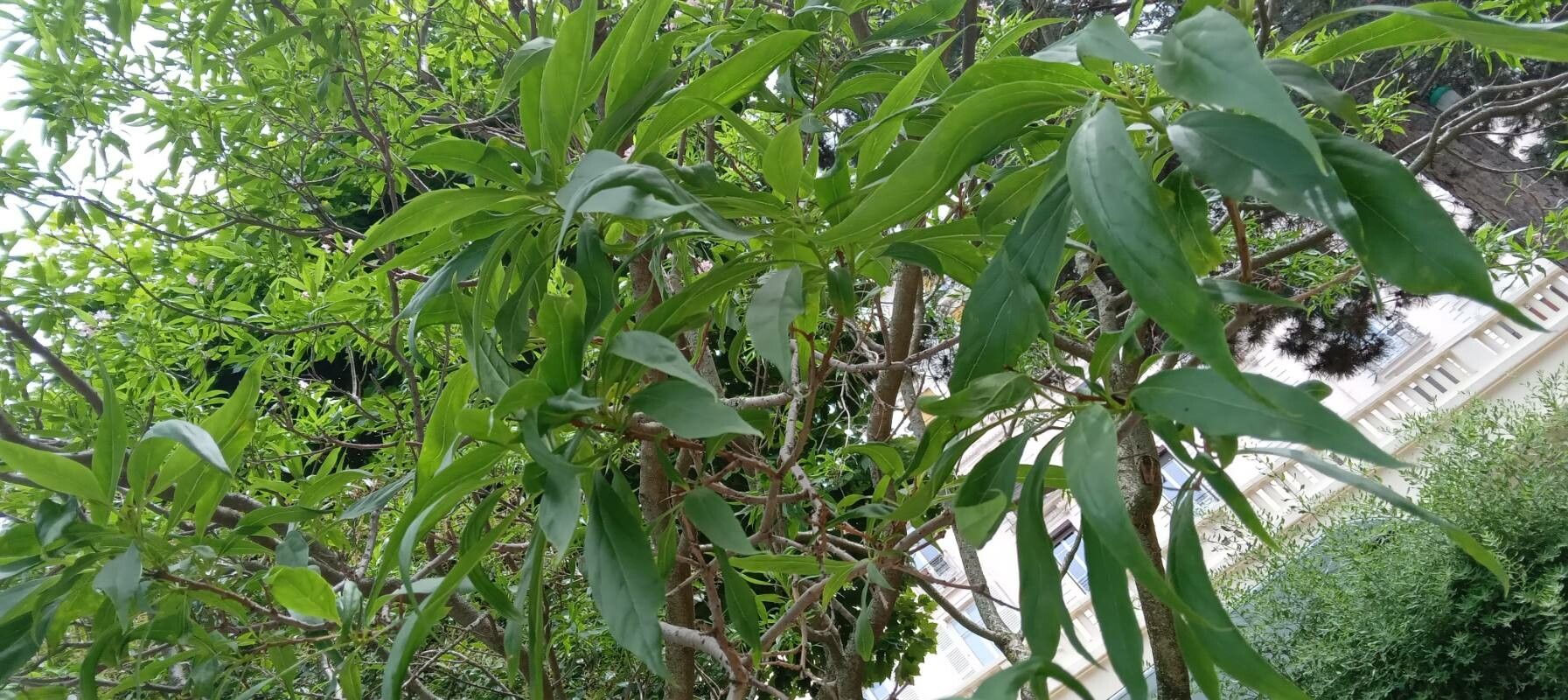
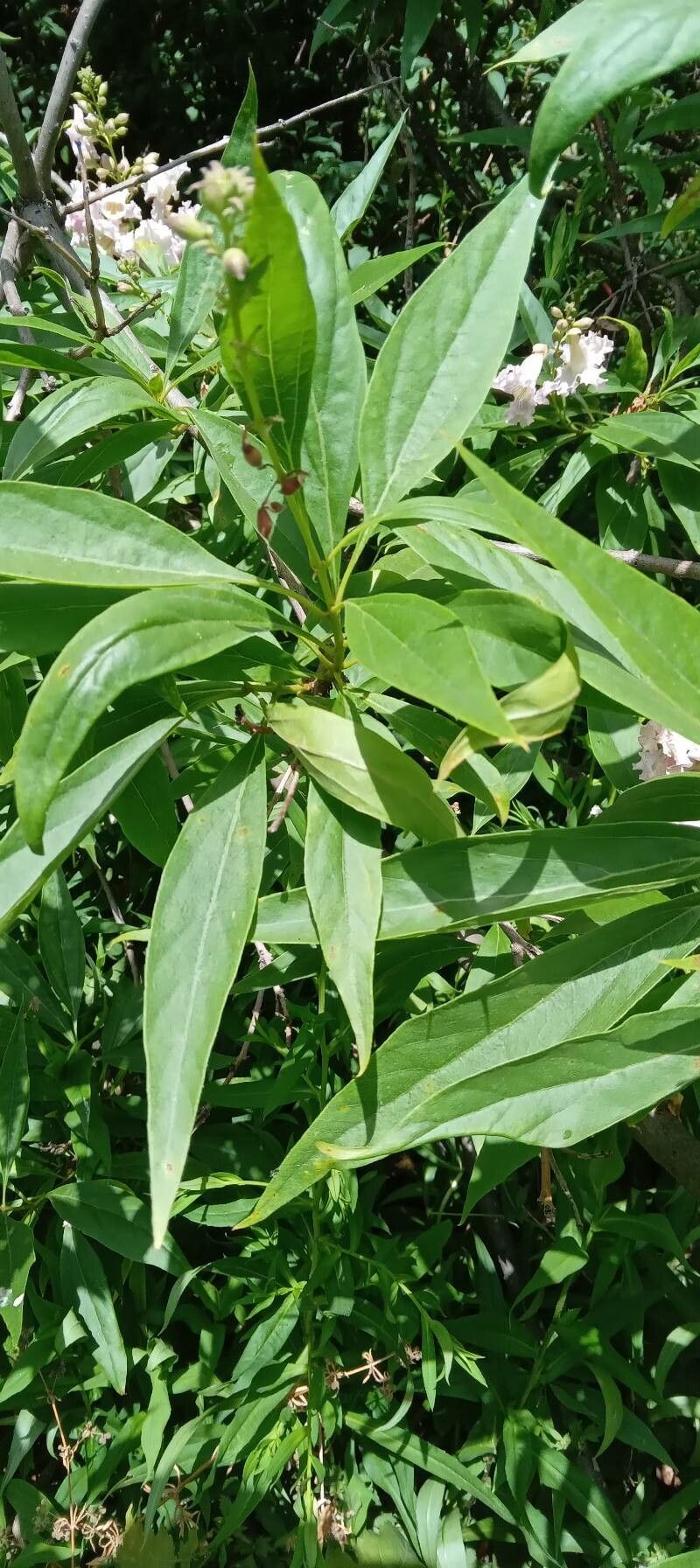
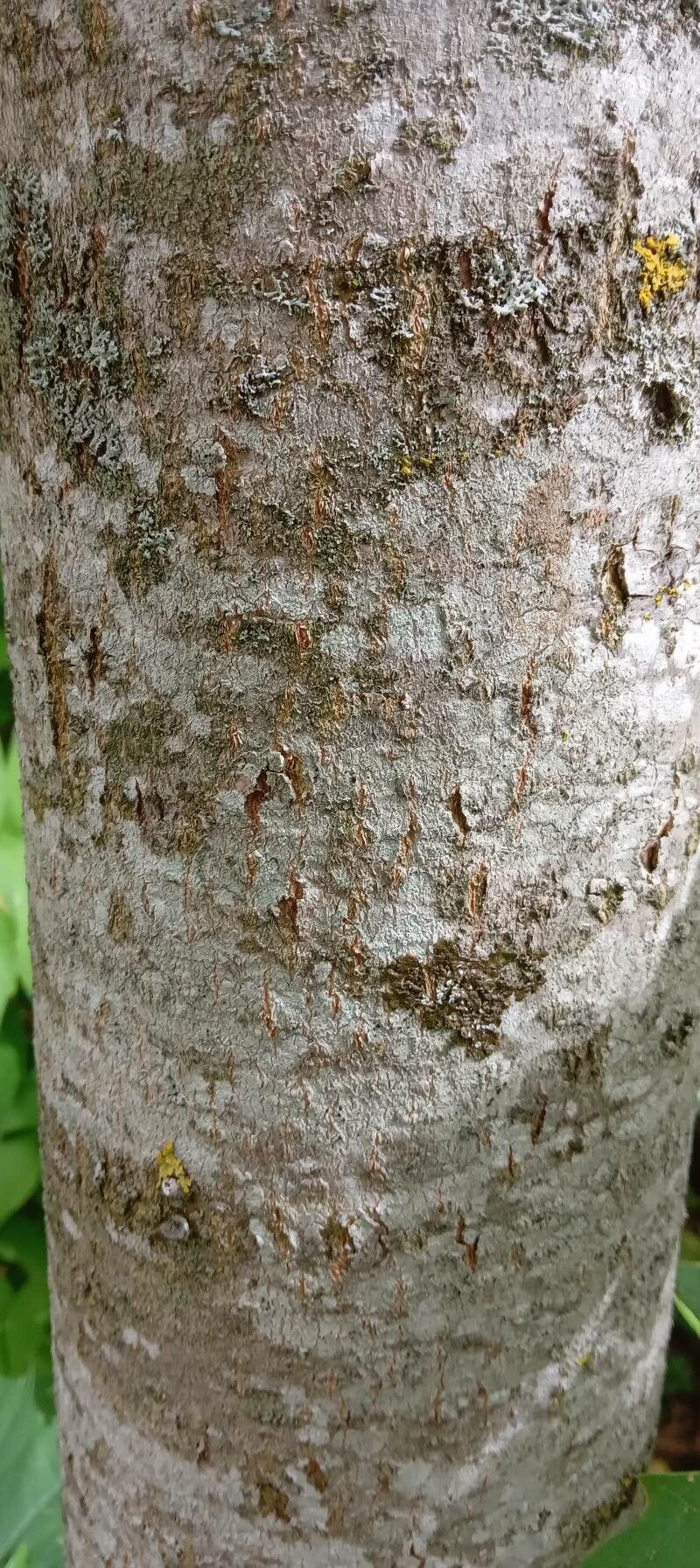
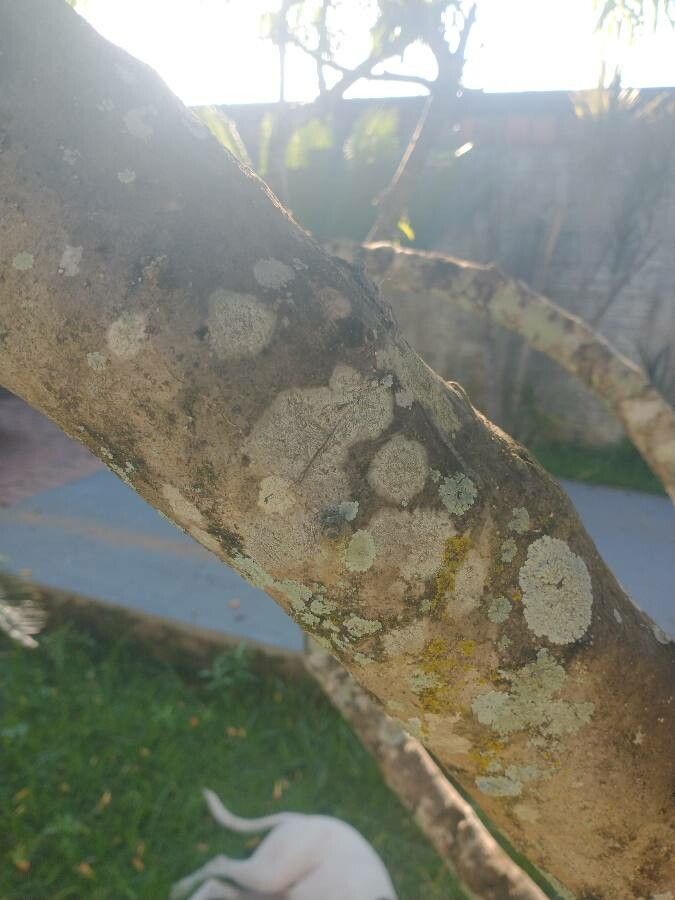
Chilopsis linearis, commonly known as Desert Willow, is a deciduous tree native to the southwestern United States and northern Mexico. Belonging to the Bignoniaceae family, this small to medium-sized tree can reach up to 30 feet in height with a spread of about 20 feet. It features a slender trunk with smooth gray bark and long, narrow green leaves.
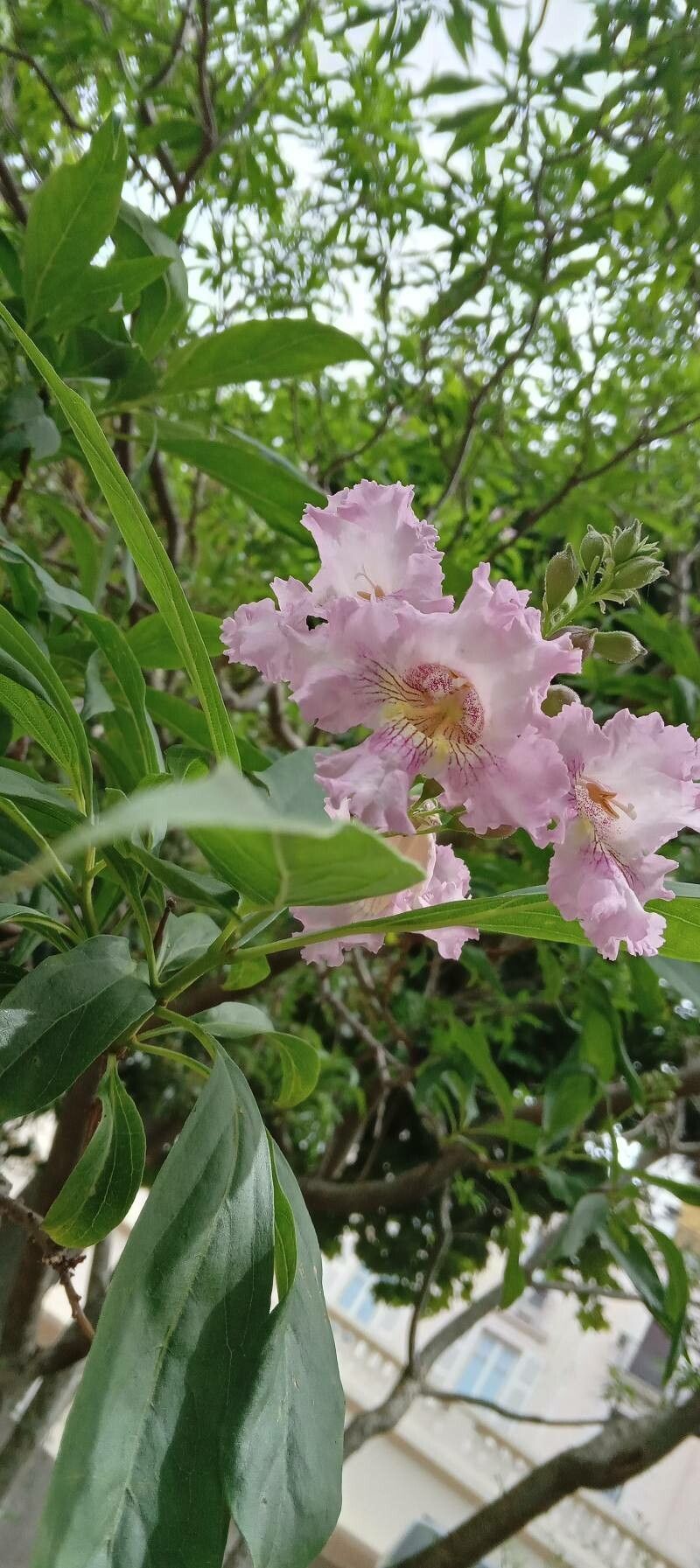
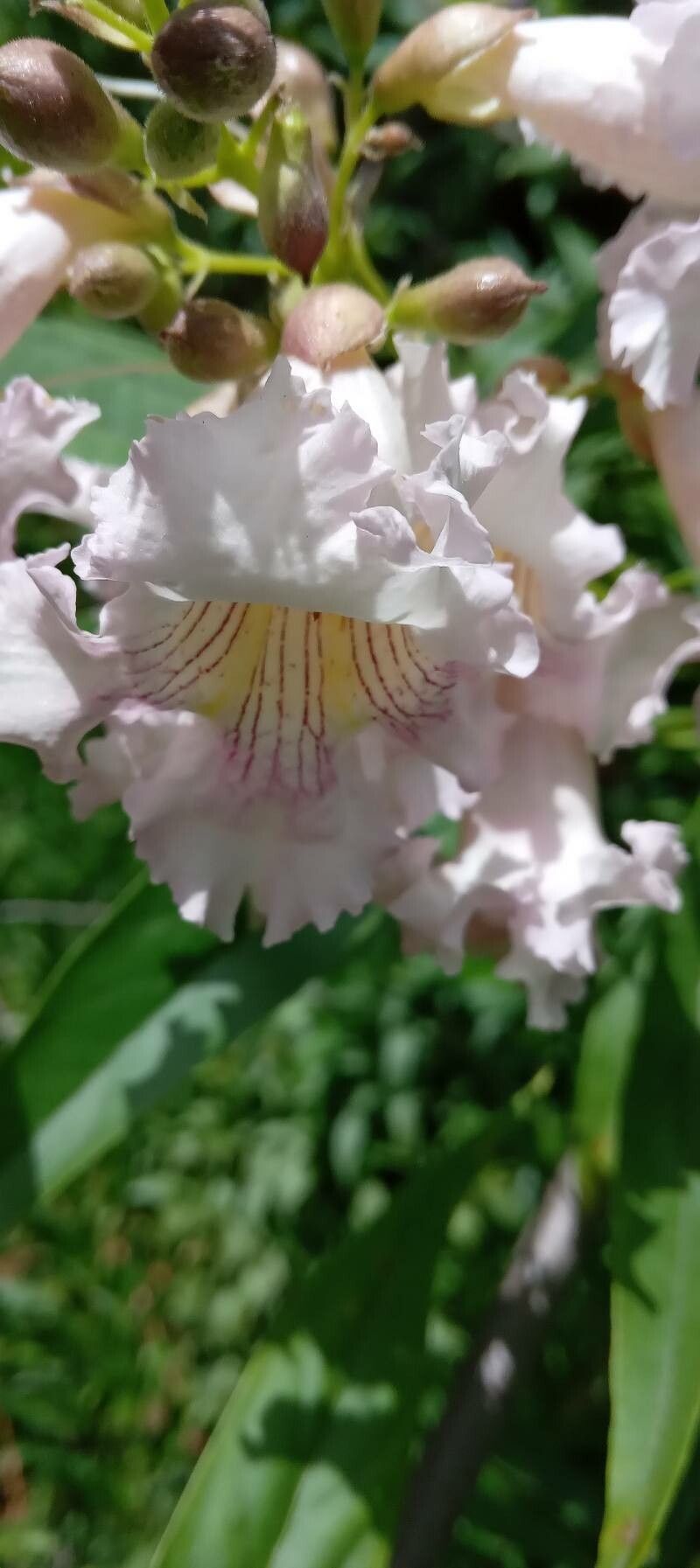
The Desert Willow produces striking, trumpet-shaped flowers in late spring or early summer, varying in color from pinkish-purple to white. These blossoms attract hummingbirds, bees, and other pollinators. Following the flowering season, the tree generates long seed pods that split open when mature.
Well-adapted to hot, arid climates, Chilopsis linearis tolerates drought once established, yet it also thrives in moist soils near water sources such as rivers or streams. It prefers full sun exposure but can also grow in partial shade.
Desert Willow is valued for its many uses, particularly in ornamental landscaping due to its attractive foliage and showy flowers. It provides shade for outdoor spaces like patios and decks and its wood is utilized for making furniture or fence posts. Additionally, the bark has medicinal properties historically used by Native Americans to treat various ailments, including fever reduction.
Overall, Chilopsis linearis not only adds beauty but also offers ecological benefits, making it an excellent choice for both aesthetically pleasing gardens and environmentally conscious landscapes.
Desert willow is a plant commonly known for its willow-like leaves. Despite its name, it is not a true willow and does not belong to the willow family; instead, it is part of the catalpa family.
Desert willow exhibits good resistance to disease and is generally not prone to it. Regarding care, this plant is relatively low-maintenance. When planted outdoors it requires minimal watering, and larger plants generally do not need pruning. However, smaller plants should be pruned after they have finished blooming. Desert willowt is suitable for anyone with an outdoor area, such as a garden or deck, and does not require much care experience.
How to keep Chilopsis Linearis.
Light
Desert willow prefers plentiful sunlight to reach its best growth and development. Native to regions with abundant sun, it is adapted to do well in such conditions. It can, however, tolerate some shading without major harm to its health, although reduced light may limit its optimal growth.
Water
The desert willow is native to dry regions and is highly drought-tolerant, requiring very little water. It needs watering only once every one to two weeks. When watered, it benefits from deep watering that mimics the heavy rains of its natural habitat. This makes it an excellent choice for xeriscaping in hot climates.
Temperature
For the desert willow, the native temperature-related growth environment is warm or hot low-altitude areas. It prefers temperatures ranging from 59 to 100 ℉ (15 to 38 ℃). To adjust to different seasons, it needs warm summer temperatures and well-drained soil. However, it can tolerate cold winters and even frost if the soil is not too wet.
Fertilizer
To encourage healthy growth, fertilize your Desert willow in early spring. Regular feeding improves overall health, producing vigorous growth, increased tolerance of harsh conditions, and enhanced resistance to pests and diseases. Stick to a consistent fertilization schedule for your Desert willow to preserve vibrant leaves with deep color and a lush appearance.
Pruning
The desert willow is a stunning addition to any garden, featuring graceful leaves and bright flowers. For optimal growth, it thrives with regular pruning in early spring. Focus on removing dead or crowded branches to improve air circulation and enhance flowering. Thinning the inner branches allows more sunlight to reach the plant, and managing its size helps maintain vibrant blooms.
Pot & Repot
When repotting Desert willow, select a pot 1-2 inches (2.5–5.1 cm) larger that has good drainage. Use a well-draining potting mix. Repot in spring or fall, making sure the root ball sits slightly below the rim of the flower pot. Water thoroughly after repotting and place it in a warm spot with indirect sunlight.
Botanical profile.
- Plant Type
- Tree, Shrub
- Life Cycle
- Perennial
- Genus
- Chilopsis
- Family
- Bignoniaceae
- Hardiness Zone
- 7-11
- Mature Height
- 3.96 m to 6.1 m
- Mature Spread
- 3.05 m to 6.1 m
- Leaf Color
- Green
- Leaf Type
- Deciduous
- Flower Color
- Pink, Lavender
- Flower Size
- 2.54 cm to 4.06 cm
- Bloom Time
- Early summer, Mid summer
- Planting Time
- Spring, Autumn
- Harvest Time
- Mid summer, Late summer, Early fall
- Native Area
- Southwestern United States and Mexico
Other names.
Reader questions.
How should I water my Desert willow tree?
Here are some suggestions to help improve root development for your plants: - Place a garden hose at the base of your plants to ensure proper watering. Avoid spraying the leaves directly, as this can cause issues. If your plants are outside and exposed to direct sunlight, keep in mind that the leaves will need more water. - Consider using bubblers that can be attached to each plant to keep the roots moist. Additionally, using soaker hoses that cover the entire garden or bed can help push the roots deeper into the soil, especially when adding or removing plants. - Make sure to drain any excess water and allow the soil to dry before watering again. Watering at ground level is recommended to prevent diseases. On sunny days, it might be helpful to spray the entire bush with water. - Whether your plants are potted or in the ground, it's important to remember that Desert willow prefers deep watering rather than light sprinkling.
Why should I add fertilizer to my Desert willow plant?
No matter which type of Desert willow you have, regularly fertilizing your plant is crucial for its overall health. Providing the proper nutrients will promote vigorous growth, making your Desert willow more resilient to harsh growing conditions, and better equipped to combat diseases and pests. The foliage of your Desert willow is a noteworthy feature, so it is important to keep it well-maintained. This can be achieved by establishing and following a specific fertilization schedule tailored to your Desert willow. By doing so, your plant will develop beautiful leaves with vibrant colors, resulting in a lush appearance.
What are the sunlight requirements for Desert Willow?
Desert Willow thrives best under abundant exposure to sunlight, ideally positioned in full sun for optimal growth and development. This means they need above 6 hours of sunlight daily. However, they can also manage with partial sun, about 3-6 hours of sunlight, although it may not promote the most favorable growth conditions. Observing how sunlight moves through your garden and choosing spots that offer a balance of light and shade is critical for the well-being of your Desert Willow.
What are the essential care needs for a desert willow?
Desert willow thrives in warm or hot, low-altitude areas with temperatures ranging from 59 to 100°F (15 to 38°C). It requires a warm summer temperature and well-drained soil but can tolerate cold winters and even frost, provided the soil isn't too wet. While desert willow has strong cold resistance and doesn't usually need special frost protection, in temperatures expected to drop below -15°C, measures such as wrapping the trunk and branches with non-woven fabric or cloth are recommended. Additionally, watering the plant abundantly before the first freeze in autumn helps prevent drought and water scarcity during winter and early spring.
What should I do if I give too much or too little water to the Desert willow plant?
If a Desert willow is overwatered, it can show symptoms such as yellowing leaves, leaf drop, and wilting. The plant may also appear unhealthy and dull, with mushy stems. It is important to adjust watering schedule when these signs appear. Wilting can also indicate under watering, which is characterized by crispy and dry leaves. In such cases, check the soil moisture and provide a thorough watering if needed. However, excessive watering can lead to a damaged root system, resulting in continued dryness and yellowing of leaves. Once the plant recovers, the yellowing will stop. When keeping a Desert willow indoors, regularly check the moisture in the pot and avoid overwatering. If black spots are observed, allow the soil to dry out by withholding water for a few days. Overwatering can cause root rot, so if discolored and slimy roots are present, consider repotting the plant. It is crucial to prevent root rot by avoiding excessively soggy soil. When planting a Desert willow outdoors, ensure the soil is adequately moist. If the soil feels too dry, it may indicate underwatering, in which case proper watering is necessary for recovery.
When should I fertilize my Desert willow tree?
To keep your Desert willow healthy and promote strong growth, it is recommended to fertilize it twice a year. The first time should be in late winter or early spring, which provides essential nutrients for the upcoming warm weather. If you live in a warm climate region, an additional fertilizer feeding in early fall is beneficial. This not only adds nutrients for the next growing season but also helps the Desert willow withstand winter cold without leaf damage. Fertilizing earlier in fall also allows new branches to grow and be prepared for the winter.
How does insufficient sunlight affect Desert Willow?
When Desert Willow experiences insufficient sunlight, it may exhibit several symptoms indicating light deficiency. The plant could have smaller new leaves, leggy or sparse growth, faster leaf drop, and slower or no new growth at all, indicating its struggle with poor light conditions. Pale or lighter-colored new leaves can also be a sign, along with chlorosis, where leaves lose their green color and turn yellow. Excessive sunlight, on the other hand, may cause symptoms like sunscald, leaf curling, wilting, and leaf scorching, which are signs of distress in Desert Willow.
What should I do if my desert willow experiences low temperatures?
Desert willow is cold-tolerant and performs best when the temperature stays above 15°C but should be kept from dropping below -10°C. When temperatures fall below -15°C, you might not notice immediate damage during winter, but come spring, the branches may become brittle and dry, failing to produce new shoots. To remedy this, prune away any dead branches that did not produce new leaves in spring.
How frequently should I give water to my Desert willow?
To properly care for the Desert willow, it is recommended to water them deeply but infrequently. This is especially important for potted plants, as they tend to dry out faster due to limited water storage. In colder regions, watering is needed every 3 to 5 days. It is best to water early in the morning when the soil is dry, both indoors and outdoors. You can check if watering is necessary by examining the soil. When the top 2-3 inches of soil are dry, it is time to give the plant a thorough watering. During hot days, it may be necessary to check the moisture levels daily as the pot's soil can dry out quickly. If you have a garden, watering is also required. In hot climates, watering once a week is usually sufficient. Only water when you observe that about 2 to 3 inches of soil have become too dry, indoors or outdoors. Take into consideration the amount of rainfall the plant receives, and avoid overwatering to prevent root rot. If there is sufficient rainfall, additional watering may not be necessary. Desert willows typically thrive in the spring and fall. When planting outdoors, adding a 3 to 4 inch layer of mulch can help conserve water. Sandy soil tends to drain faster, so more frequent watering is needed in this type of soil. On the other hand, clay soil requires less frequent watering, allowing the plant to dry out for 2-3 days to avoid root rot. You can use a calendar to mark the watering dates and pay attention to any drooping leaves, as this could indicate the need for watering, possibly a day earlier than scheduled.
When should I not put fertilizer on my Desert willow?
There are a few times during the year when you should avoid fertilizing your Desert willow. Firstly, in the early and mid-winter months, the plant is dormant and does not require any feeding. Secondly, it is not recommended to fertilize the plant during late spring and summer when the weather is hotter and drier. Fertilizing during this time can have a negative impact on the Desert willow. To prevent any issues, it is suggested to only fertilize in the early spring and early fall.
What are some solutions to improve light exposure for Desert Willow?
To ensure your Desert Willow receives adequate light, gradually introducing it to more sunlight can be beneficial, aiming for at least 6 hours of direct sunlight daily, especially if it's been kept in low light. For indoor plants, augmenting natural light with artificial sources like desk or ceiling lamps for at least 8 hours a day or using professional grow lights can help. Outdoors, moving plants to sunnier spots gradually to prevent shock is recommended. Reducing obstructions by pruning trees or relocating smaller plants to sunnier locations can also significantly improve light exposure. Remember, parts of the plant damaged by insufficient light may not recover, but new growth should be healthy with better lighting conditions.
How should I care for my desert willow in high temperatures?
During summer, it's best to keep the desert willow's surrounding temperature below 38°C. Should the temperature exceed 43°C, the leaves may lighten in color, and the tips could dry out and wither, making the plant more susceptible to sunburn. To combat this, trim away the sunburned and dried-up parts. Moving the plant to a location with shade from the midday and afternoon sun or using a shade cloth will protect it. Additionally, watering the plant in the morning and evening helps keep the soil moist.