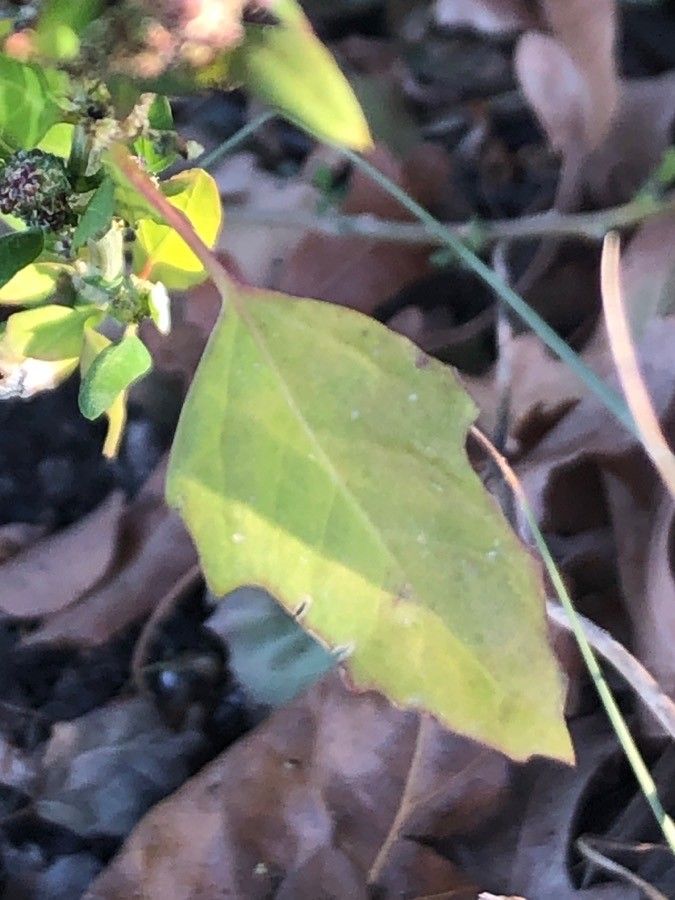
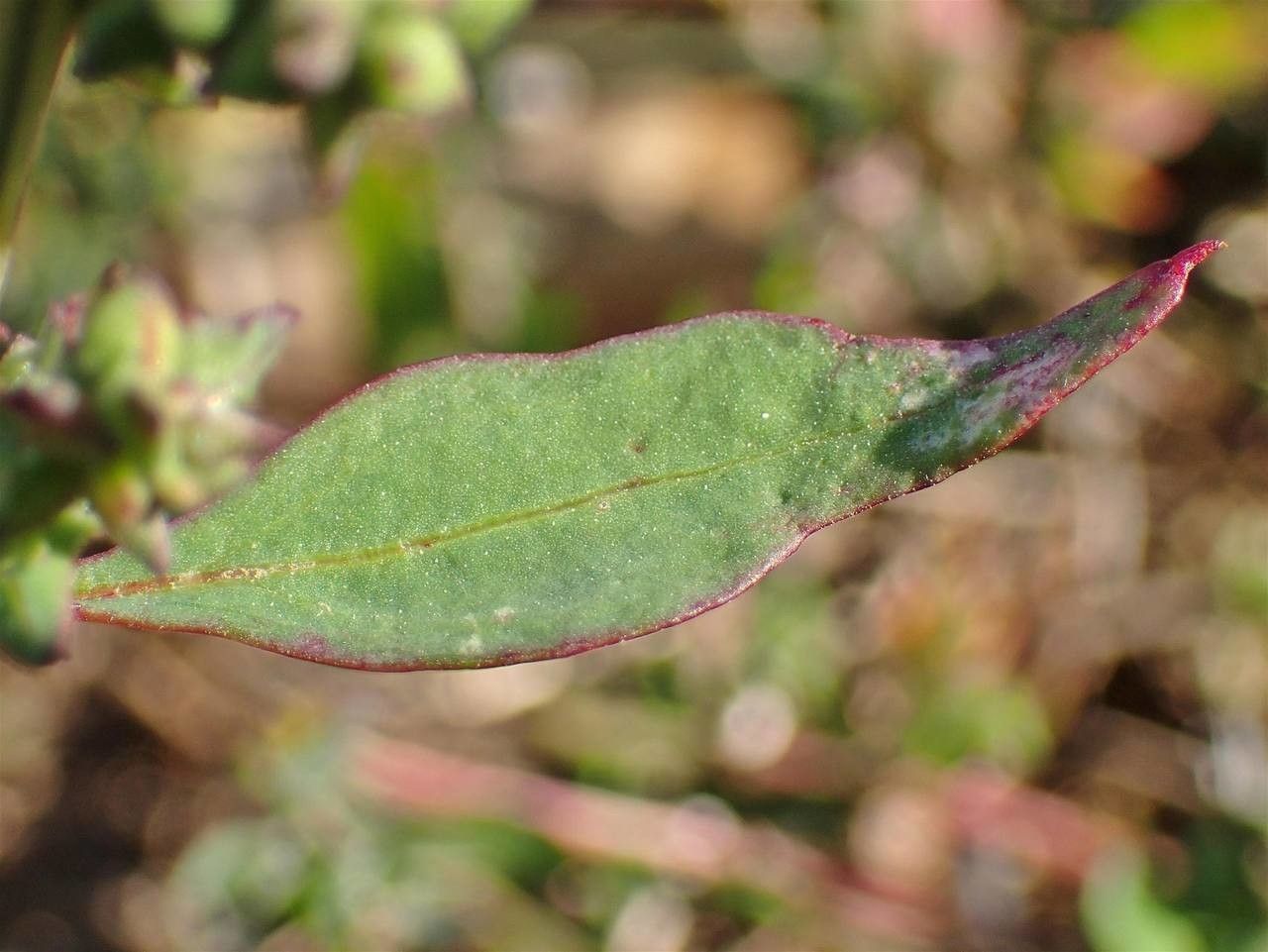
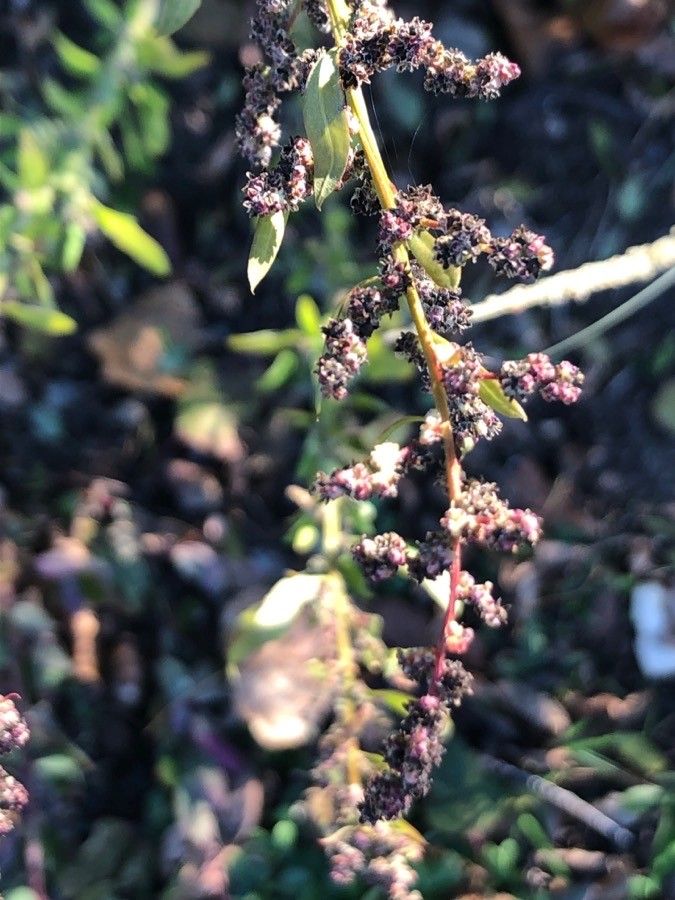
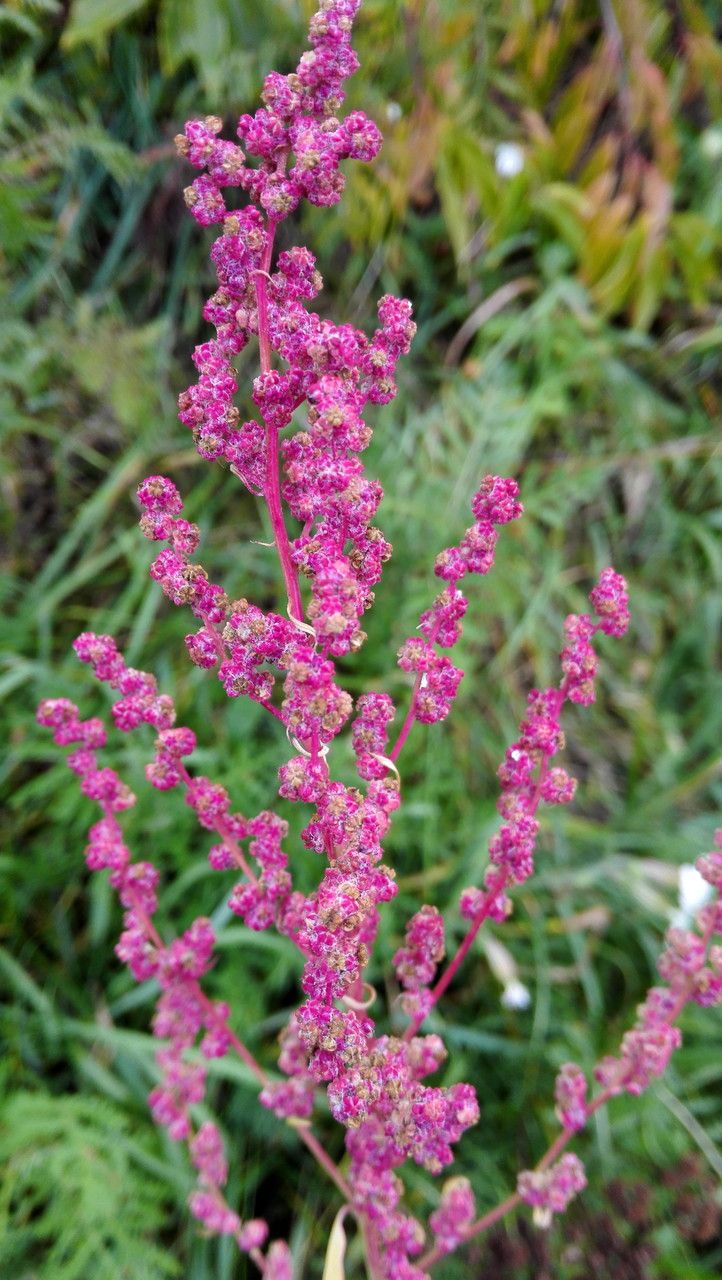
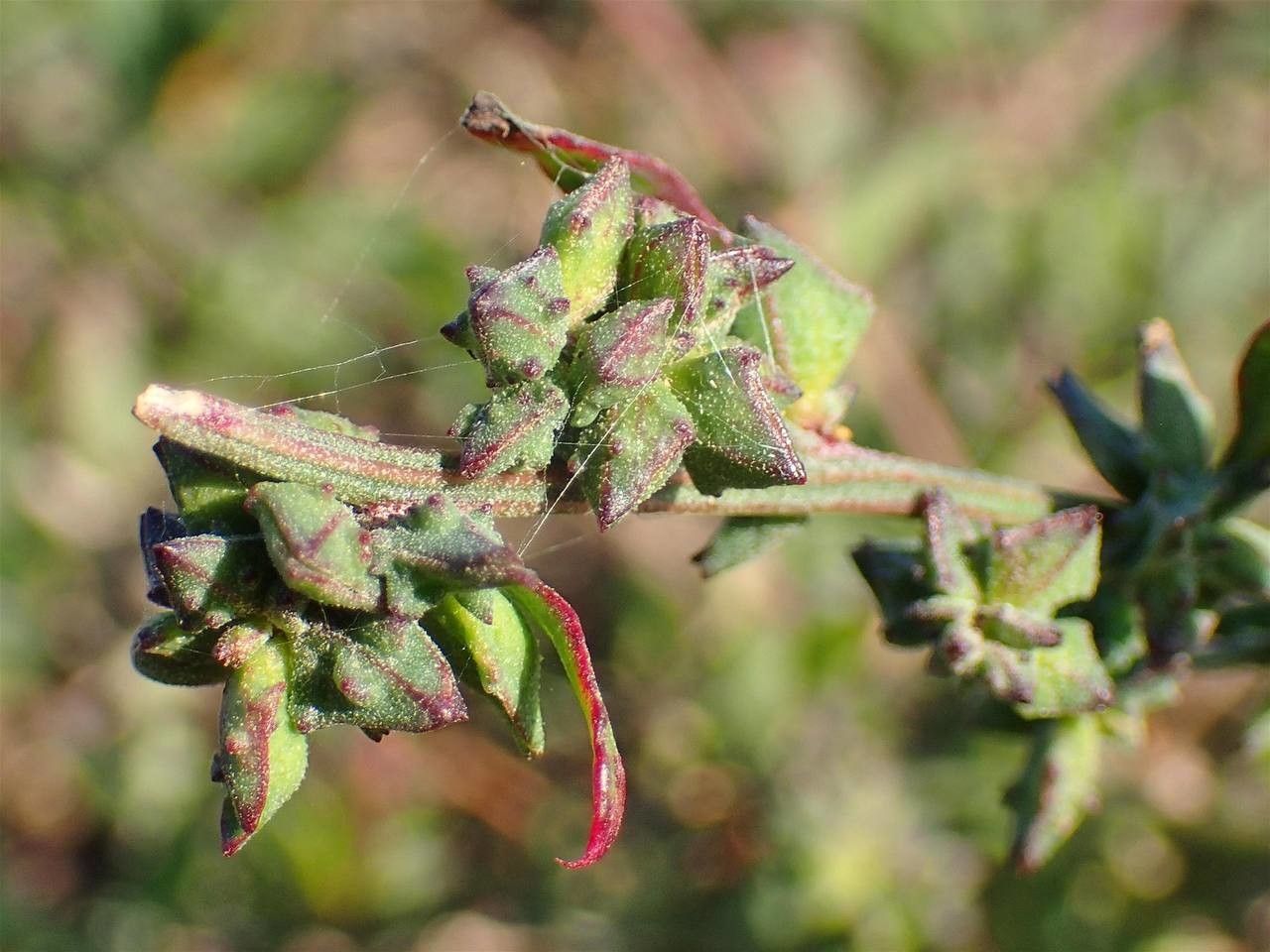
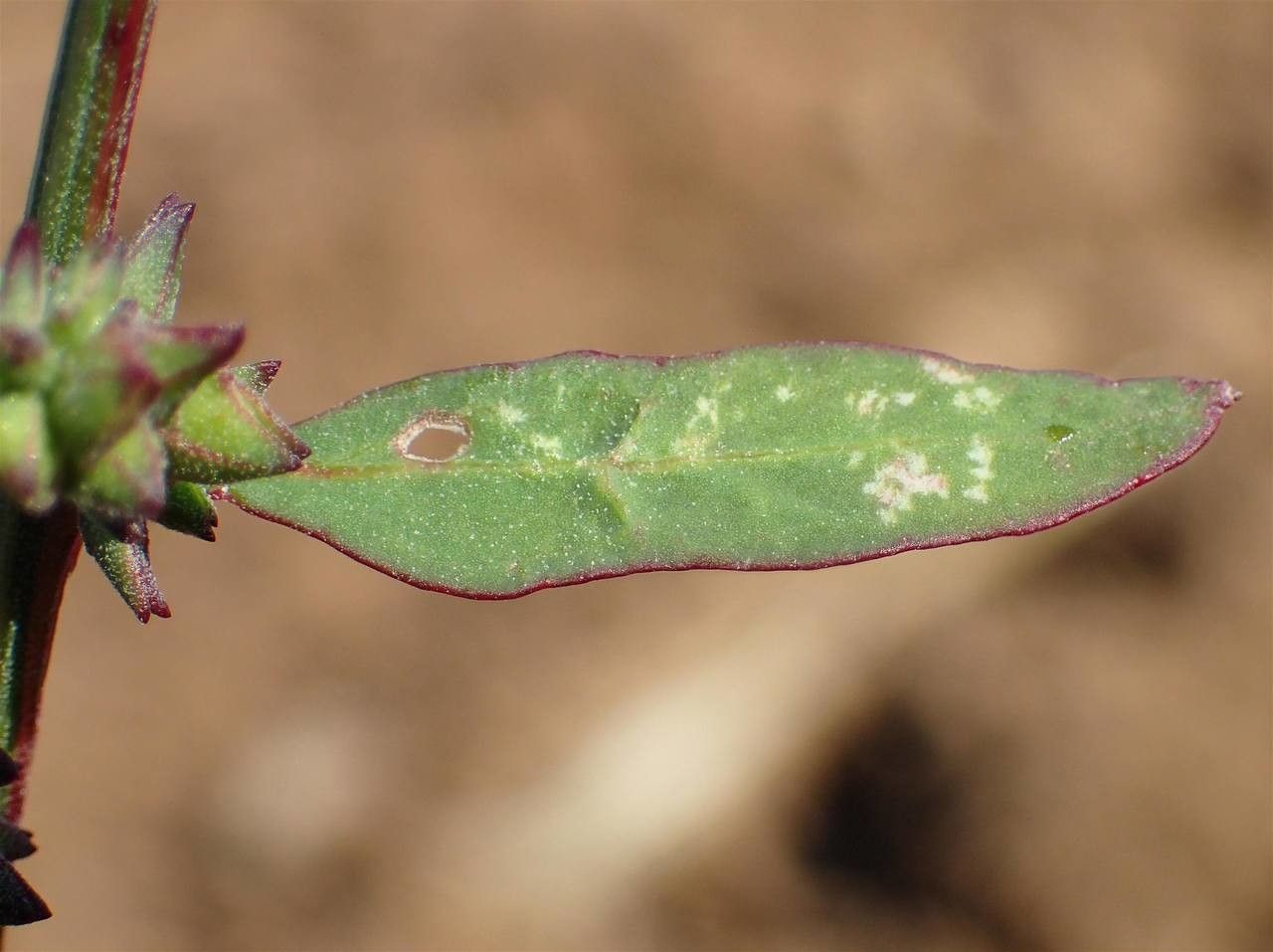
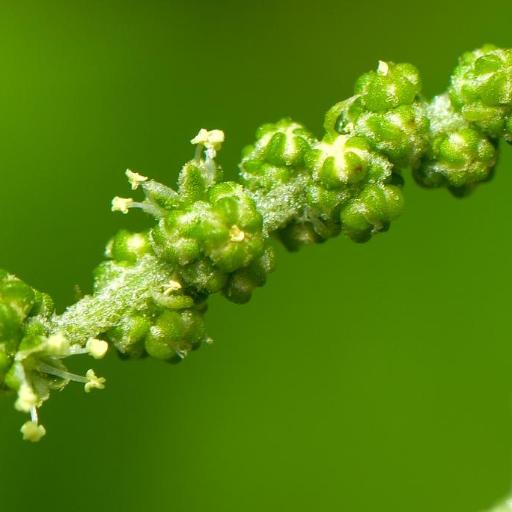
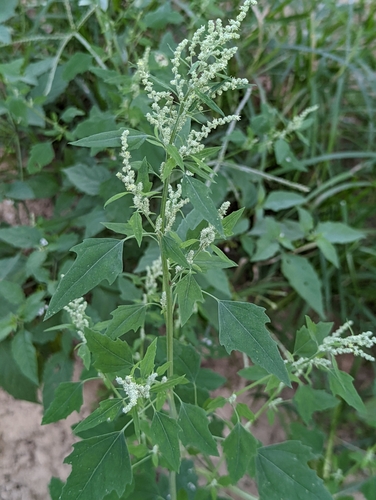
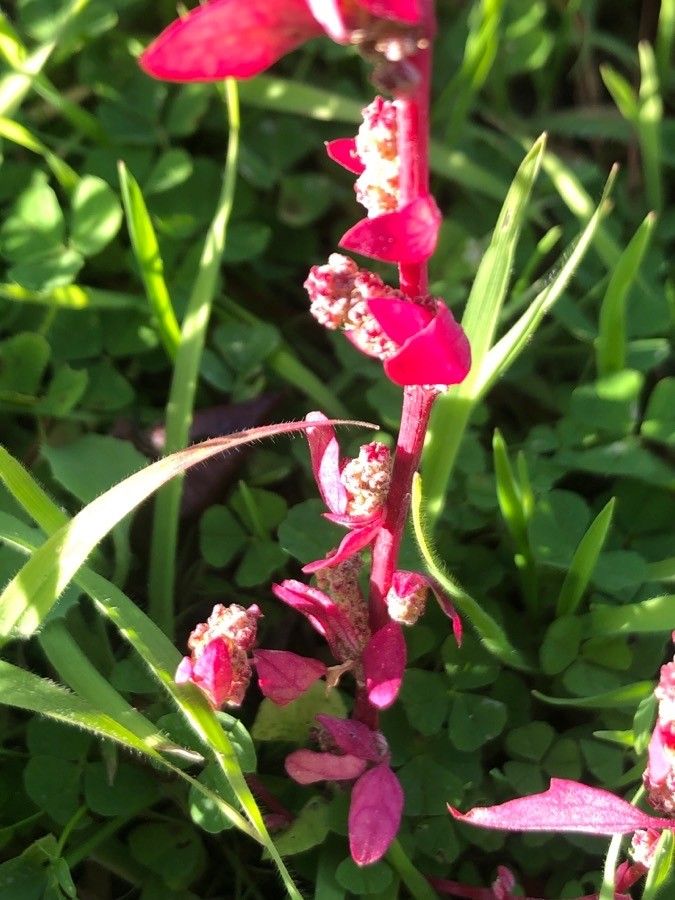
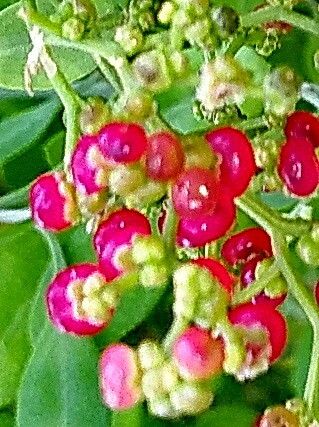
Chenopodium strictum, the lateflowering goosefoot, is a species of annual herb in the family Amaranthaceae (pigweed). They have a self-supporting growth form and simple, broad leaves. Individuals can grow to 55 cm tall.
Striped goosefoot shows good resistance to disease and is generally not prone to illness. Still, it can be vulnerable to pests and diseases present in its environment. Such infections are typically mild. Care-wise, the plant needs a moderate amount of maintenance. It should be pruned regularly to preserve a neat appearance and healthy growth. Applying fertilizer can also encourage flowering. Striped goosefoot is appropriate for anyone with an outdoor area, like a garden or patio, and does not demand extensive care experience. It may need more attention when cultivated indoors.
How to keep Chenopodium Strictum.
Light
Striped goosefoot does best with abundant sunlight and can tolerate moderate shade, matching its native environment of plentiful light. Too little or too much sun can disrupt normal growth and may cause the plant to become weak or show discoloration.
Water
Striped goosefoot thrives in environments similar to its native habitat, benefiting from weekly rainfall. It needs consistent moisture without becoming waterlogged, so watering it once a week is ideal. As an herbaceous plant, keeping the soil moist during its growing season supports robust growth and overall health.
Temperature
Striped goosefoot can tolerate a wide range of temperatures, but its distribution may still be restricted by various combinations of moisture and heat. It grows best in warm summer climates with sufficient rainfall or watering. Long stretches of cloudy, rainy weather, as well as prolonged high temperatures, can raise the chance of Striped goosefoot dying. In winter, adequate protection from cold can improve the plant's survival rate.
Fertilizer
Striped goosefoot benefits from regular, mild fertilizer applications to encourage healthy leaf development. You should fertilize Striped goosefoot about once a month during the summer. Nitrogen is essential for foliage, and adding nitrogen-rich sources helps Striped goosefoot thrive.
Pruning
Striped goosefoot is a hardy plant that benefits from regular pruning in the spring. To ensure healthy growth, remove any dead or damaged stems and thin out crowded areas to improve air circulation. This trimming not only enhances the plant's growth and appearance but also reduces its vulnerability to pests, promoting strong development.
Botanical profile.
- Plant Type
- Herb
- Life Cycle
- Annual
- Genus
- Chenopodium
- Family
- Amaranthaceae
- Hardiness Zone
- 4-9
- Mature Height
- 0.1 m to 1.52 m
- Mature Spread
- 20 cm to 61 cm
- Leaf Color
- Green, Dark Green
- Leaf Type
- Deciduous
- Flower Color
- White, Green, Purple, Brown
- Flower Size
- 0.10 cm to 0.20 cm
- Bloom Time
- Mid summer, Late summer, Early fall
- Planting Time
- Spring, Autumn
- Harvest Time
- Early fall, Mid fall
- Native Area
- India, Turkey, Austria, Slovakia, Montenegro, Pakistan, Croatia, Slovenia, Belarus, Uzbekistan, Russia, Germany, Estonia, Latvia, Belgium, France, Netherlands, Tajikistan, Czech Republic, Bulgaria, Greece, China, Lithuania, Afghanistan, Kyrgyzstan, Kazakhstan, Italy, Switzerland, Mongolia, Iran, Azerbaijan, Hungary, Turkmenistan
Other names.
Reader questions.
What are the sunlight requirements for Striped goosefoot?
Striped goosefoot requires full sun exposure for optimal growth, which means it should receive above 6 hours of sunlight daily. It can also tolerate partial sun, with about 3-6 hours of sunlight. It's vital to observe the movement of sunlight through your garden to select the ideal spots that will ensure your plants' happiness by providing a perfect balance of light and shade.
What are the essentials for growing Striped goosefoot?
Striped goosefoot thrives best with extensive exposure to sun rays, but it can also endure moderate shade, mimicking its native habitat known for abundant light. The plant's normal growth might be hindered by either a lack of sunlight or too much of it, leading to potential issues such as frailty or discoloration. For indoor plants, adequate lighting is crucial; in conditions of insufficient natural sunlight, artificial lighting serves as an important supplement. LED lights are recommended due to their ability to provide specific wavelengths needed for plant growth.
What are some symptoms of inadequate lighting for Striped goosefoot?
Symptoms of inadequate lighting in Striped goosefoot include new leaves growing smaller in size, a leggy or sparse appearance due to longer spaces between leaves or stems, faster leaf drop, sluggish or nonexistent new growth, and lighter-colored new leaves. Excessive sunlight can cause chlorosis or yellowing of leaves, sunscald, leaf curling, wilting, and leaf scorching, indicating damage to the plant.
How can I address light-related issues in Striped goosefoot?
To address light-related issues in Striped goosefoot, gradually acclimate the plant to more sunlight if it is receiving insufficient light by moving it to a sunnier spot each week until it gets at least 6 hours of direct sunlight. For large or immobile indoor plants that lack natural light, supplement with a desk or ceiling lamp on for at least 8 hours a day or use professional grow lights. Outdoors, ensure the plant is gradually adapted to brighter conditions without sudden changes to prevent sunburn. Reduce obstruction from trees or other barriers to increase sunlight and consider transplanting smaller plants during their dormant period for better light exposure and drainage.