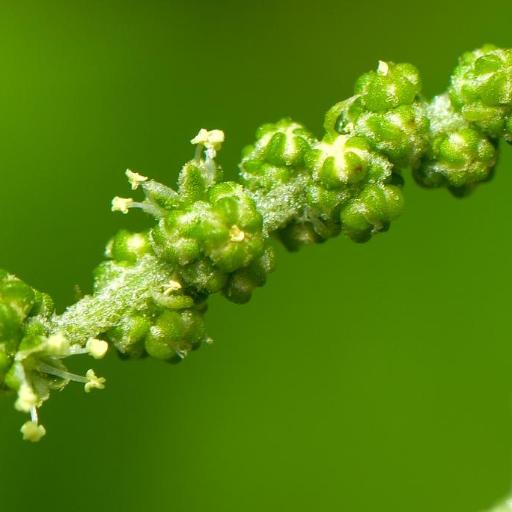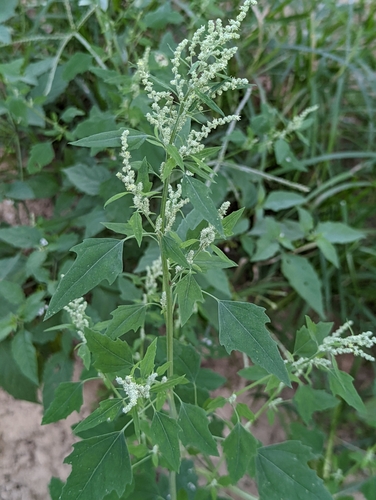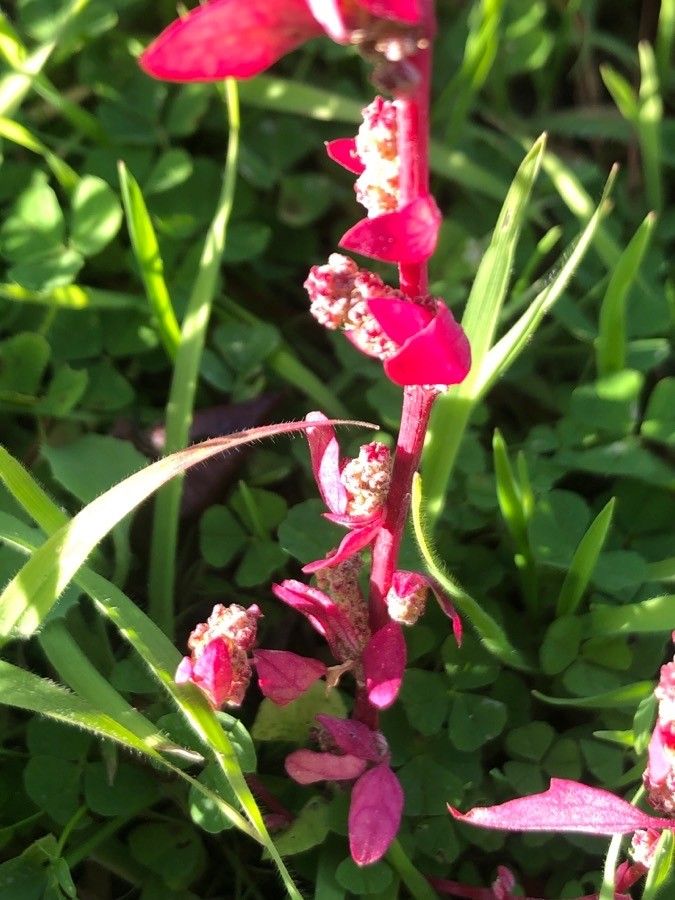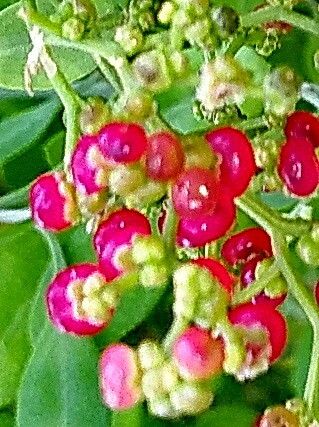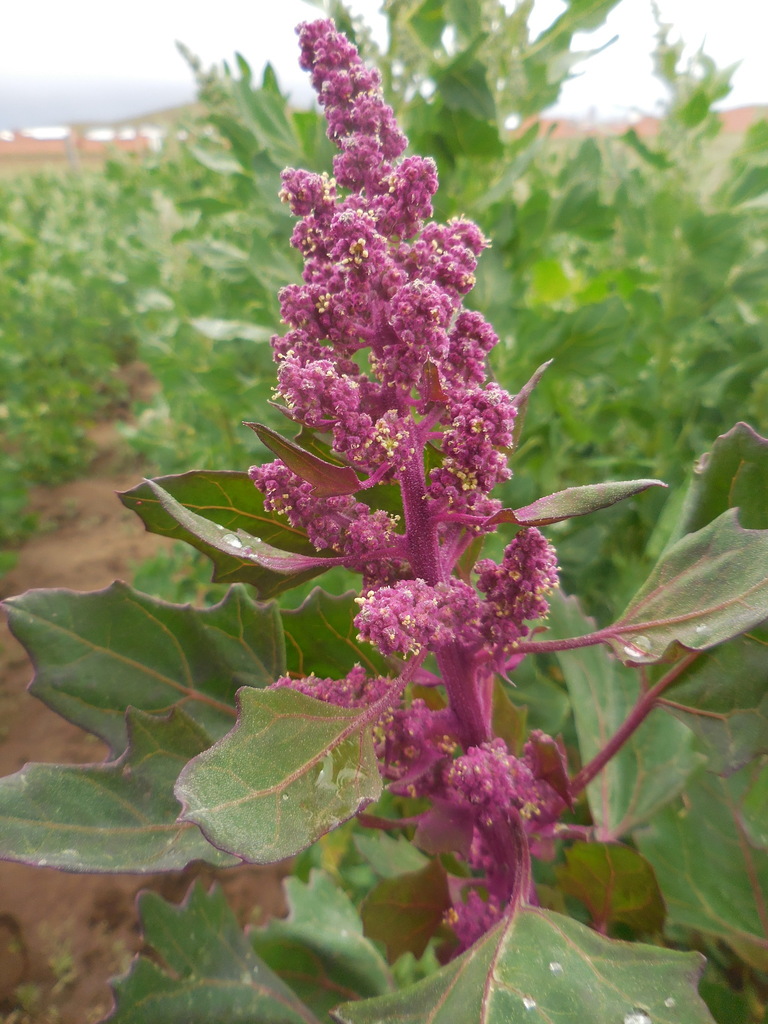
Chenopodium quinoa, commonly known as quinoa, is a flowering plant that belongs to the Amaranthaceae family. It is an annual herbaceous plant that grows up to 1-2 meters tall and has a branching stem with small green leaves. The plant produces small, inconspicuous flowers that are greenish-white or pink.
Quinoa is native to the Andean region of South America and has been cultivated for thousands of years by indigenous peoples for its edible seeds. The seeds are high in protein and contain all nine essential amino acids, making them a popular food source for vegetarians and vegans.
Quinoa plants can grow in a variety of soil types but prefer well-drained soils with moderate fertility. They require full sun exposure but can tolerate some shade. Additionally, quinoa plants are drought-tolerant and can thrive in areas with low rainfall.
Apart from its nutritional value, quinoa has been used medicinally by indigenous peoples for its anti-inflammatory properties. It has also been studied for its potential as an alternative crop due to its ability to grow well under adverse conditions such as high altitudes or low rainfall.
Overall, Chenopodium quinoa is an essential crop both nutritionally and culturally, with a long history of cultivation by indigenous peoples in South America.
Quinoa has moderate disease resistance but can be vulnerable to issues like leaf spot. Its susceptibility to insect pests varies by variety, though most varieties are relatively less resistant to pests. In terms of care, quinoa needs consistent watering and fertilization, and frequent removal of yellow leaves. It is important to control pests and diseases when they appear and to harvest the plant in a timely manner. Quinoa is suitable for people who have some time and energy to commit to regular care.
How to keep Chenopodium Quinoa.
Light
Quinoa thrives in direct sunlight and requires abundant light for healthy growth. Its native habitat, with extensive sun exposure, indicates this need. Although inadequate sunlight can hinder its development, it can still tolerate less-than-ideal light conditions.
Water
Originating from the Andes, quinoa thrives best in well-draining soil with moderate moisture. To keep the plant healthy and vigorous, it requires watering once a week. This resilient outdoor plant is adaptable to temperature fluctuations, which supports its robust growth and the production of nutrient-rich seeds throughout its growing season.
Temperature
Quinoa originates from cooler regions but has adapted to a broad range of temperatures. It does best at 68 to 95 °F (20 to 35 ℃), with optimal growth when nighttime temperatures drop below 50 °F (10 ℃).
Fertilizer
For optimal growth, Quinoa needs three fertilizer applications: before planting, one month after seedlings emerge, and a final application 1 to 1.5 months after the second. Some Quinoa varieties benefit from extra fertilizer at planting to support rapid growth.
Pruning
Quinoa, valued for its edible seeds, benefits from pruning techniques like thinning and selective cutting from early to late spring. To promote healthy growth and increase yields, regularly remove any damaged foliage. Be sure to use sharp, sanitized tools to prevent the spread of disease.
Toxicity
Quinoa plants are non-toxic and safe for consumption.
Further reading →
The toxicity and danger assessments provided are for reference only. We do not assure their accuracy, so it's crucial not to depend on them. Seek professional advice when necessary for accurate guidance.
Botanical profile.
- Plant Type
- Herb
- Life Cycle
- Annual, Biennial
- Genus
- Chenopodium
- Family
- Amaranthaceae
- Hardiness Zone
- 8-10
- Mature Height
- 61 cm to 76 cm
- Mature Spread
- 10 cm
- Leaf Color
- Green, Red, Purple
- Leaf Type
- Evergreen
- Flower Color
- Green, Red
- Flower Size
- 2.54 cm
- Bloom Time
- Early summer, Mid summer
- Planting Time
- Spring, Summer, Autumn
- Harvest Time
- Late summer, Early fall, Mid fall
- Native Area
- Chile, Argentina, Bolivia, Peru, Ecuador
Other names.
Reader questions.
How should I water my Quinoa plant?
Quinoa has specific water preferences and is particular about how you water it. Improper watering techniques can harm your tomatoes. The best way to water Quinoa is by applying water directly to the soil in a slow and gentle manner. Avoid pouring all the water at once or using overhead watering. While watering slowly, make sure to water deeply to ensure sufficient moisture throughout the Quinoa-growing soil.
Why should I put fertilizer on my Quinoa?
Whether or not you need to fertilize your Quinoa depends on the soil conditions in your garden. A good harvest indicates that fertilizer may not be necessary. However, the best way to determine if you need to fertilize is by testing the soil. You can do this yourself with a kit or send it to a lab. Understanding the nutrient levels will help you decide if additional fertilizer is needed.
What are the sunlight requirements for Quinoa?
Quinoa thrives in full sun, requiring more than 6 hours of sunlight daily for optimal growth. It can also manage in partial sun conditions, with about 3-6 hours of sunlight. It’s important to note that the plant's native habitat includes extensive exposure to sunlight, which is crucial for its healthy growth. Insufficient sunlight can lead to stunted growth, although Quinoa can endure less than optimal light situations. Observing how sunlight moves through your garden and choosing spots that offer a balance of light and shade can help ensure your plants' health and happiness.
What is the optimal temperature range for growing Quinoa?
Quinoa is native to cooler regions but has adapted to a wide range of temperatures. It thrives best in temperatures between 68 to 95 °F (20 to 35 °C), with nighttime temperatures ideally falling below 50 °F (10 °C) to support optimal growth. It's important to keep the plant in relatively warm temperatures, especially above 20°C during its winter cultivation to ensure healthy plant growth. The minimum temperature should remain above the freezing point to avoid freezing damage to the plant.
What should I do if I give my Quinoa plant too much or too little water?
If you have overwatered your Quinoa and are worried about potential disease, take immediate action. The best approach is to remove the plant from its current location and let the roots dry before replanting in soil with good drainage. If you grow in pots, consider using a pot with more or larger drainage holes. On the other hand, if you have underwatered your plant, simply increase the frequency of watering.
What's the ideal time to add fertilizer to my Quinoa plants?
To ensure a successful Quinoa harvest, it is recommended to follow these steps: First, mix organic fertilizer with the soil at least a week before planting. Then, apply another layer of fertilizer on top of the soil during the spring to give young plants an extra boost. Generally, one to two fertilizer applications during the growing season should be enough for a good Quinoa harvest.
How does artificial lighting support plant growth?
Artificial lighting can be a vital solution for indoor Quinoa plants when natural sunlight is insufficient, especially during winter or in less sunny spaces. LED lights are a popular option because they can be customized to provide specific wavelengths of light needed by the plants. Full sun plants require 30-50W/sq ft of artificial light, partial sun plants need 20-30W/sq ft, and full shade plants require 10-20W/sq ft. The light source should be placed 12-36 inches above the plant to mimic natural sunlight, and most plants need 8-12 hours of light per day to mimic the natural daylight hours for optimal growth.
How should Quinoa be cared for during winter?
During winter, care should be taken to maintain the temperature above freezing for Quinoa. When outdoor temperatures approach -5°C (25°F), it's advisable to bring Quinoa indoors or to provide protection by setting up a temporary greenhouse or using plastic film or fabric to wrap the plant. This helps in preventing frost damage and ensures the plant's survival through colder months.
How much water should I give my Quinoa?
Quinoa needs a lot of water during its growing season. To meet this need, water it regularly in the spring and summer. In the beginning, water the Quinoa once or twice a week. As the season goes on, increase the frequency of watering, potentially up to twice a day during hot summer weather. Once the Quinoa has finished its major growth stages, you can decrease watering to about once a week until the end of the growing season.
When should I not add fertilizer to my quinoa?
To save both your fertilizer and energy, it is advisable not to fertilize Quinoa after most of the vegetables have been harvested. This is because Quinoa needs to be replanted annually. Similarly, if you are already gardening in nutrient-rich soil, there is no need to fertilize Quinoa. This is because Quinoa thrives and produces abundant, flavorful vegetables without requiring excessive fertilizer. Only consider fertilizing Quinoa if a soil test reveals any deficiencies in nutrient levels in your garden soil.
What are the common symptoms of light deficiency in Quinoa?
When grown indoors or under limited light, Quinoa might show several symptoms of light deficiency, including small and pale new leaves, leggy or sparse growth, faster leaf drop, halted growth, chlorosis, sunscald, leaf curling, wilting, and leaf scorching. These signs typically appear when the plant does not receive adequate sunlight and can indicate the plant's inability to photosynthesize effectively, leading to a reduction in overall health and vigor.
What are the important symptoms of temperature stress in Quinoa?
Quinoa shows moderate tolerance to low temperatures but thrives best between 20°C and 35°C. Exposure to temperatures below 0°C can lead to darkening of leaves, and below -10°C can cause symptoms like water-soaked necrosis, wilting, and drooping, with leaves eventually turning brown. High temperatures above 35°C during summer slow the plant's growth, lighten the leaf color, and increase susceptibility to sunburn. Managing these temperature extremes is crucial for the healthy growth of Quinoa.