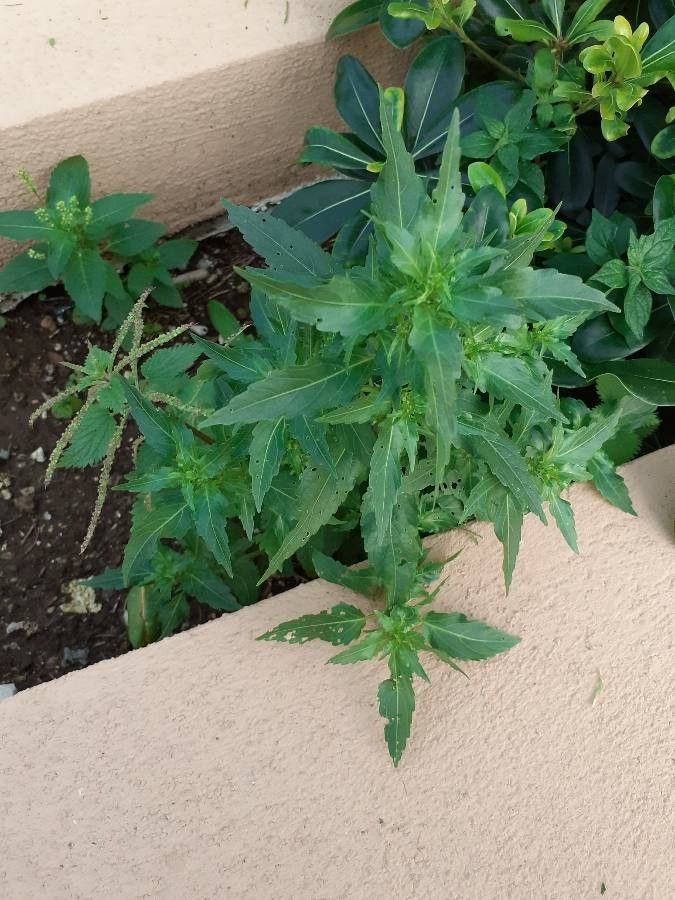
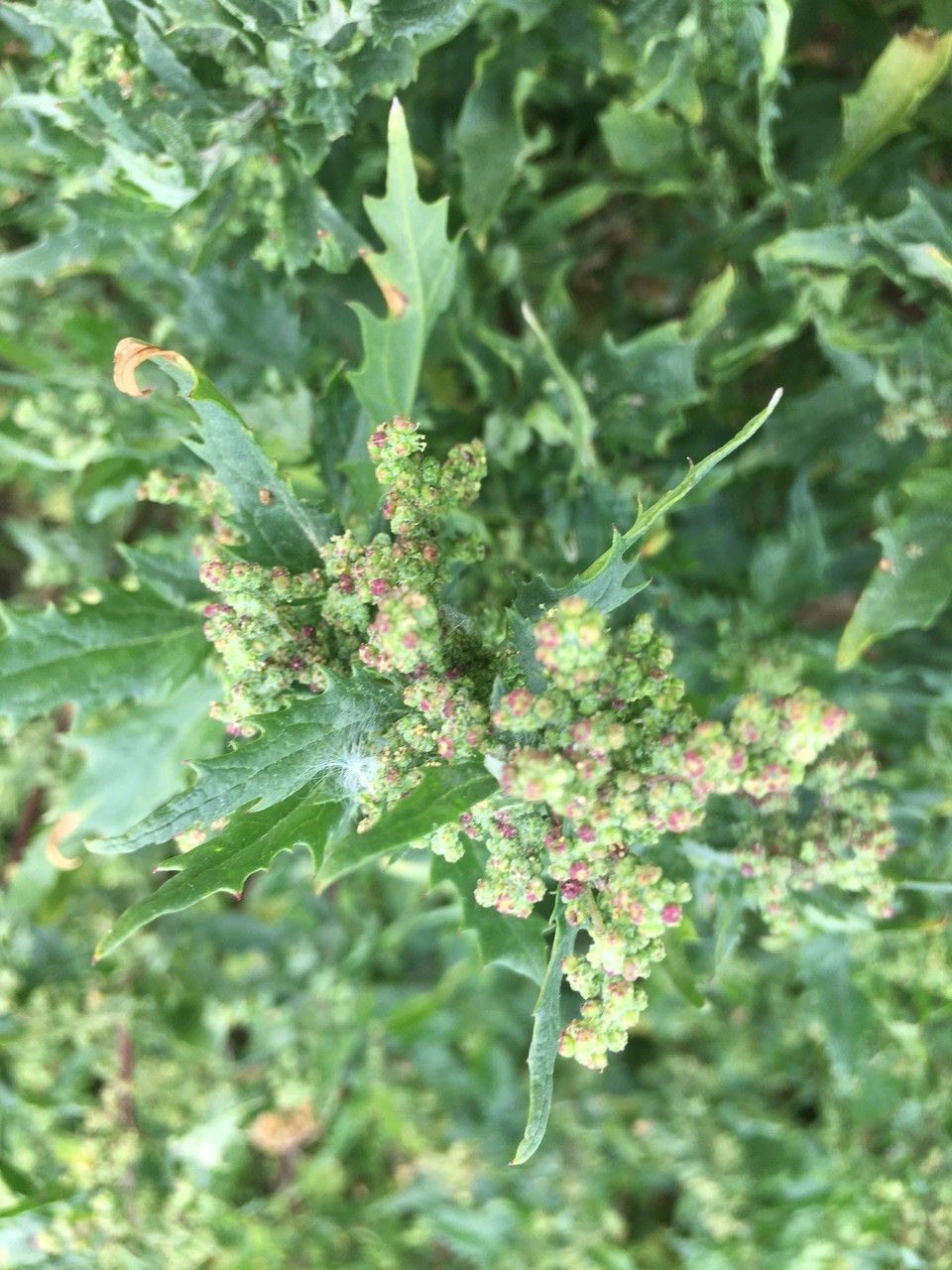
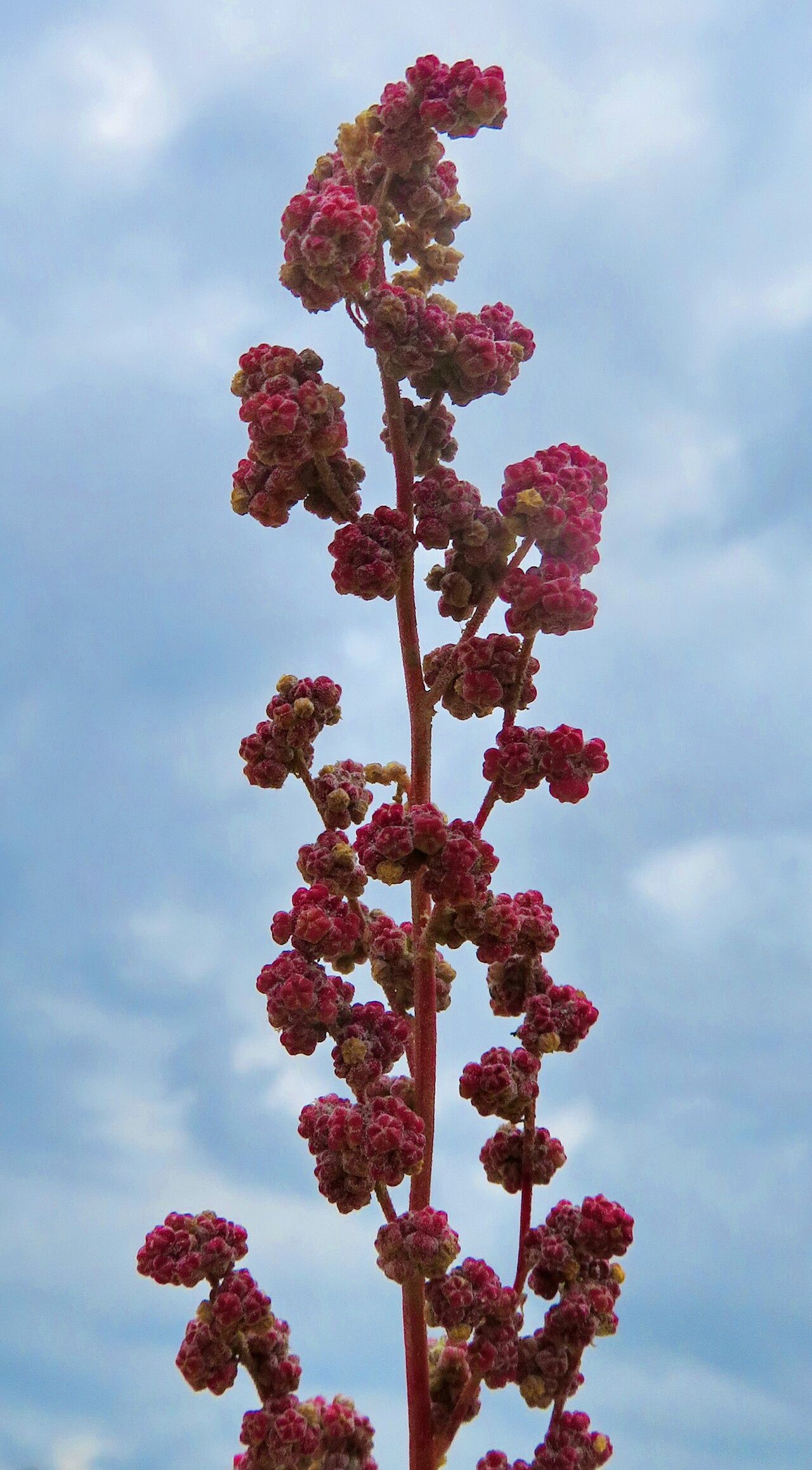
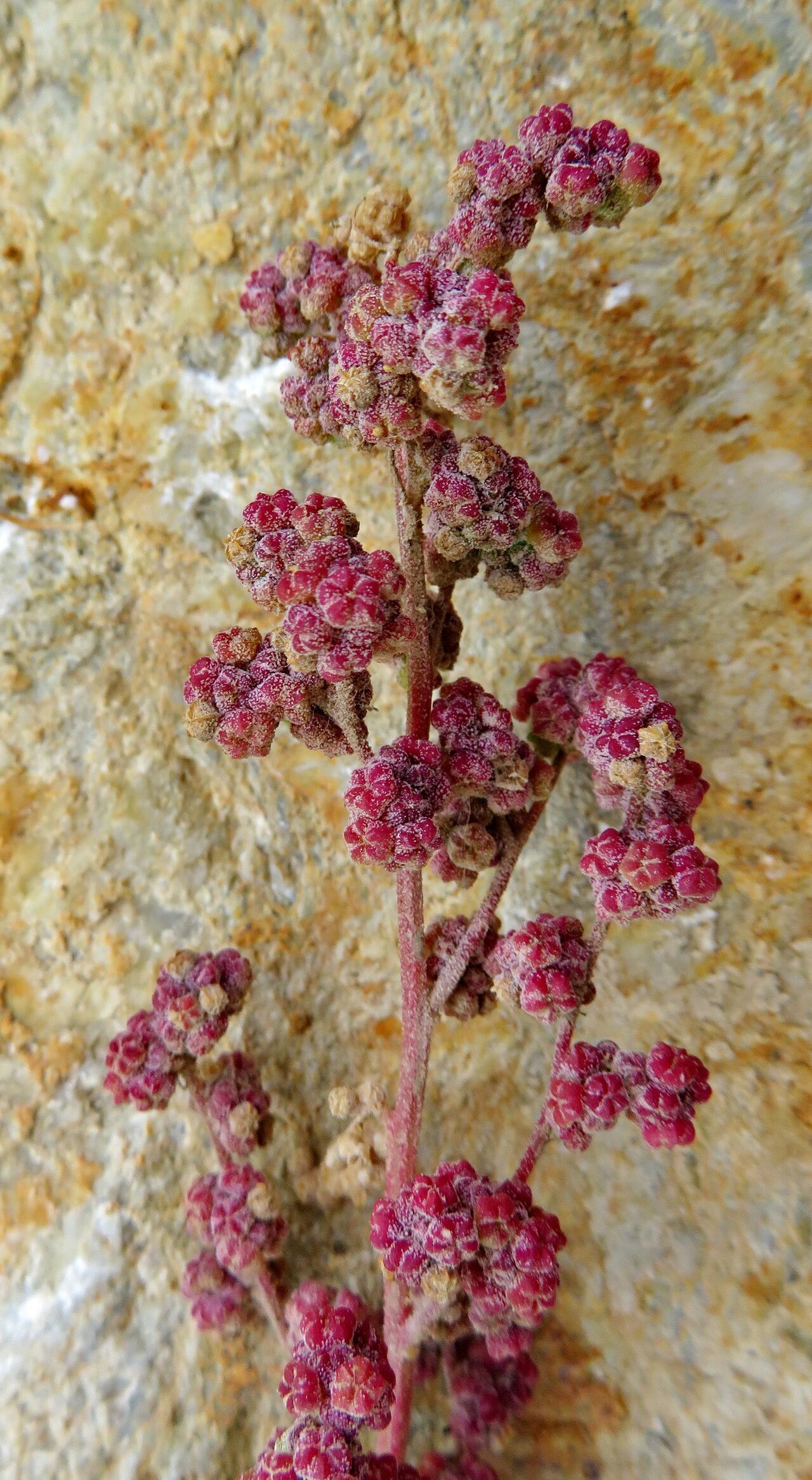
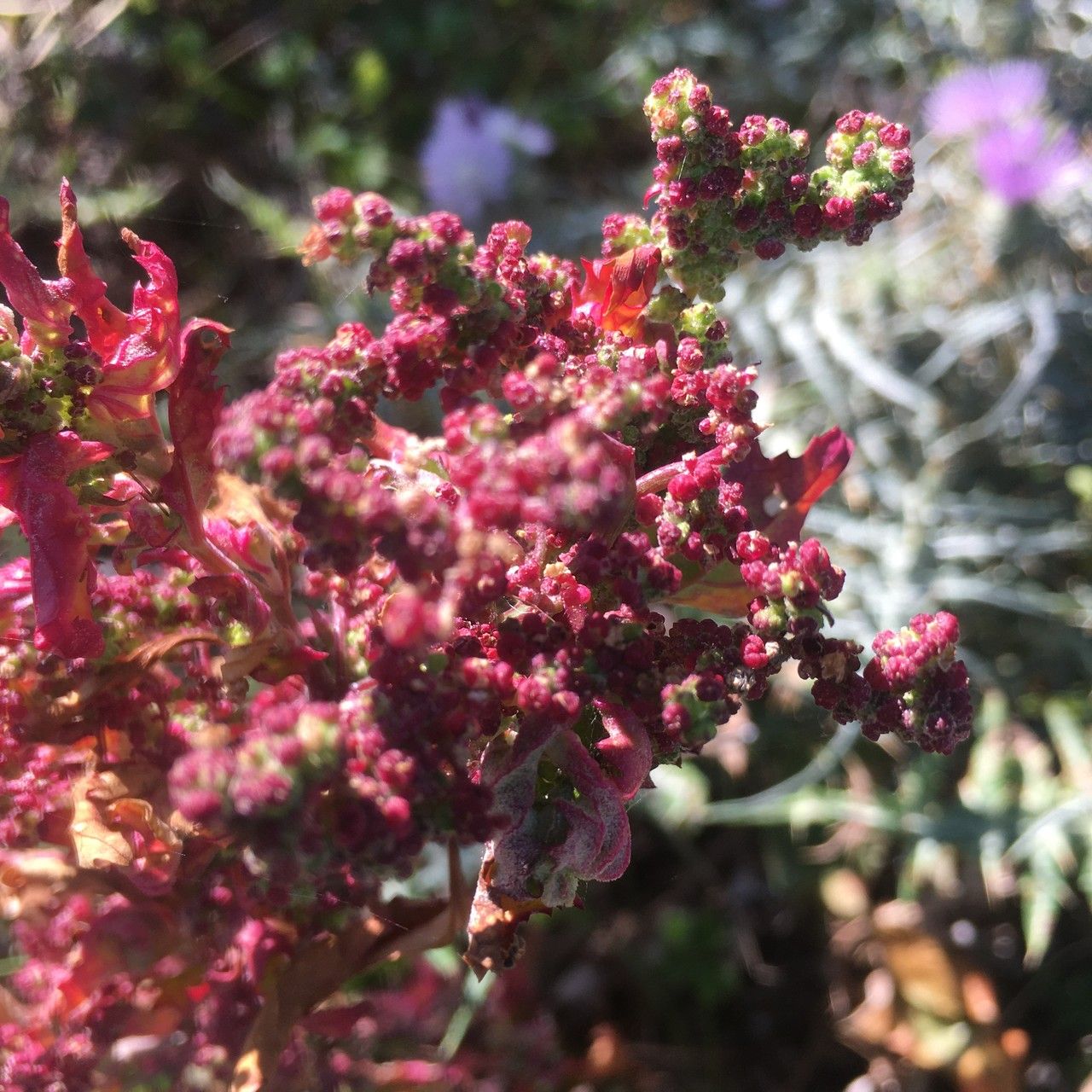
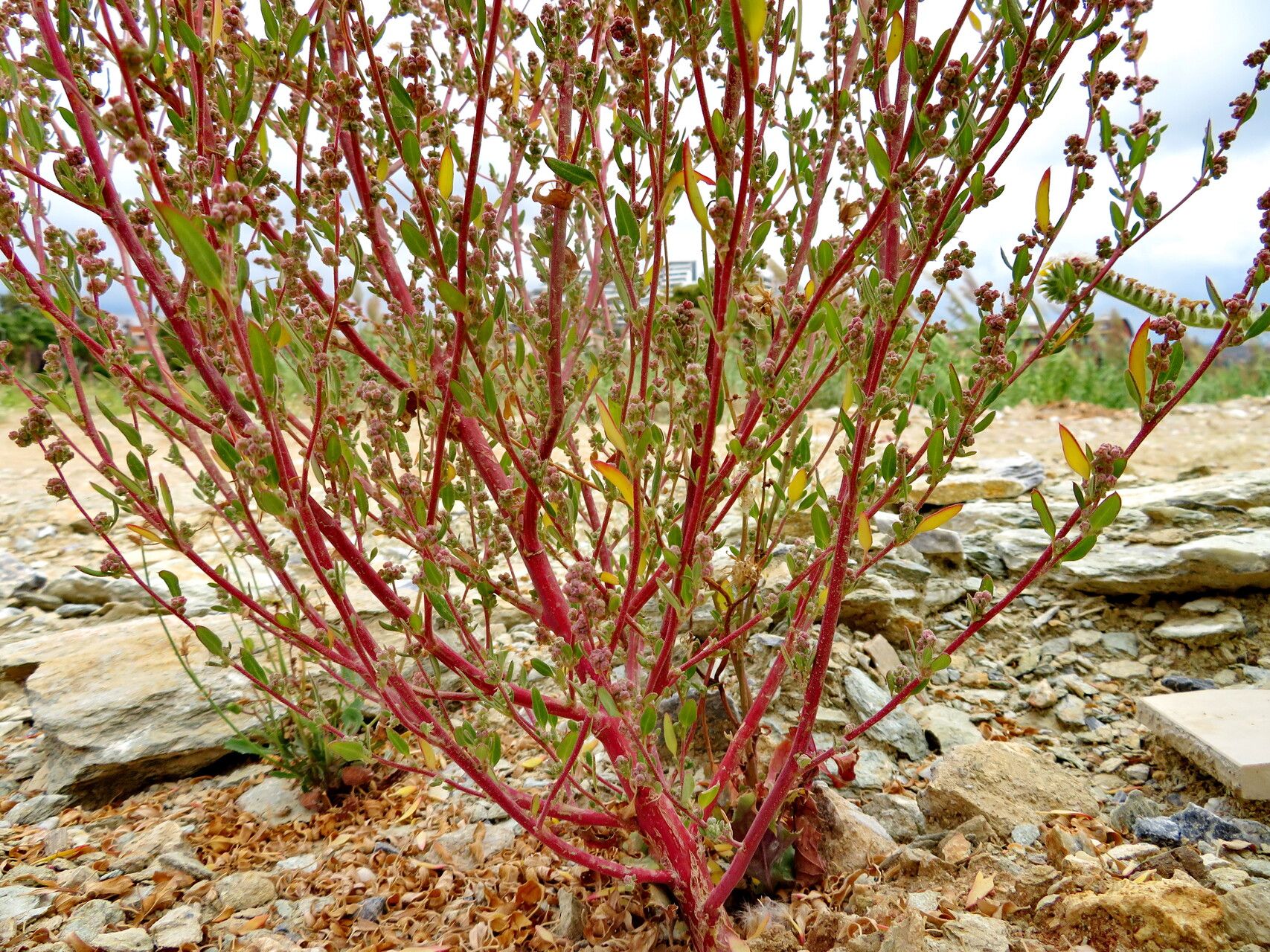
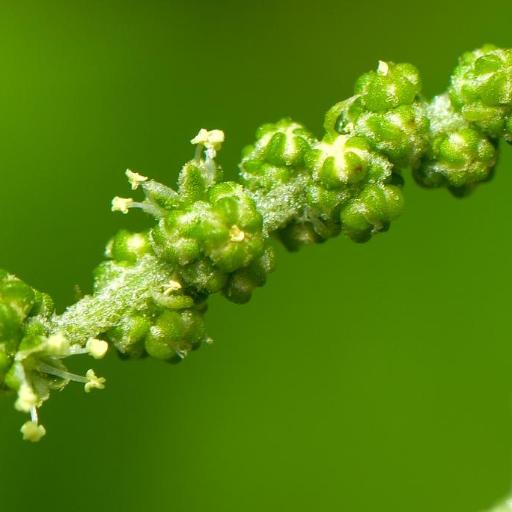
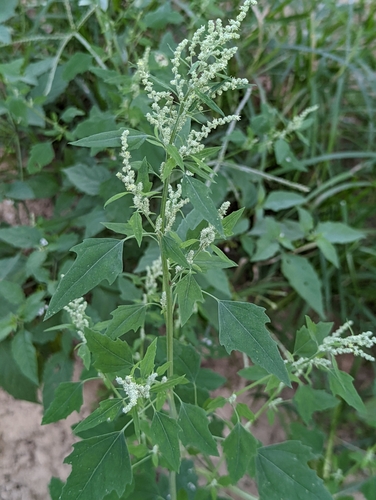
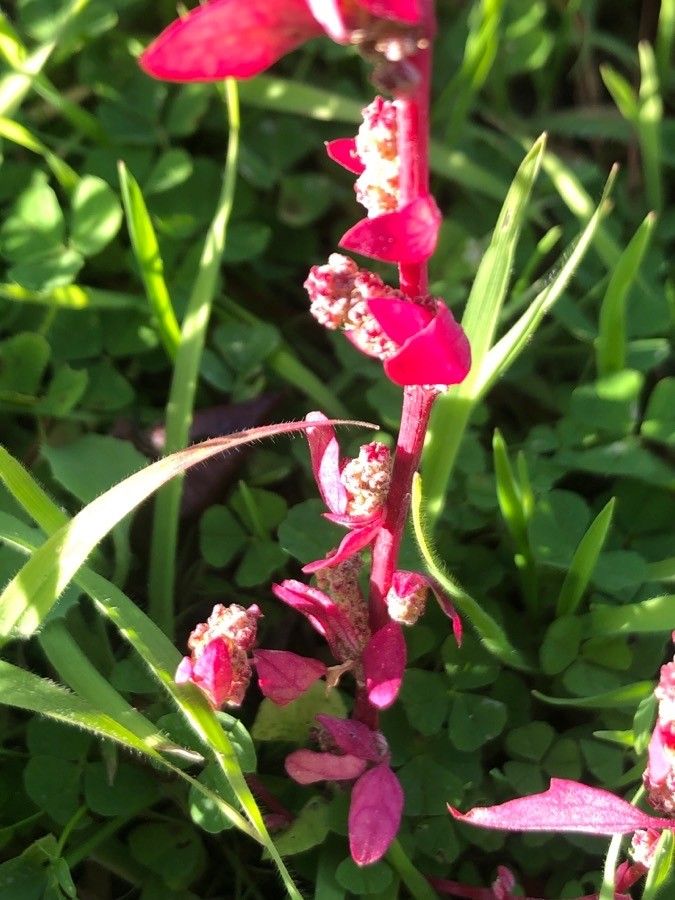
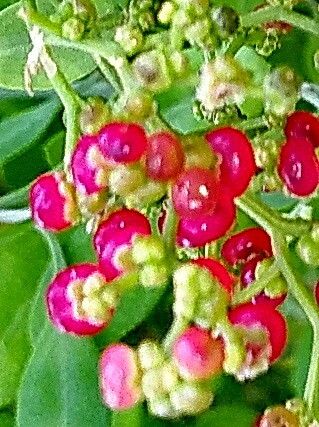
Oxybasis chenopodioides, (syn. Chenopodium chenopodioides) is a species of flowering plant in the family Amaranthaceae known by the common name low goosefoot. It is native to South America, but it is known in widespread parts of Africa, Asia, Europe, and North America as an introduced species.It grows in wet non-saline and saline soils, such as mudflats, salt marshes, and lake margins. It is an annual herb growing erect to heights approaching 35 to 45 centimeters, or prostrate in a creeping mat. It is green to magenta in color and non-aromatic. The leaves may be several centimeters long and vary in shape from smooth-edged and oval to triangular and lobed or toothed. The inflorescence is a small, dense cluster of tiny flowers, each flower with its three-lobed calyx enclosing the developing fruit.
Saltmarsh goosefoot has good disease resistance and is generally not susceptible to illnesses. However, it can be affected by pests and diseases present in its surroundings. These infections are usually mild. Regarding care, this plant requires moderate maintenance. It should be pruned regularly to preserve a neat appearance and support healthy growth. Fertilization can also help encourage flowering. Saltmarsh goosefoot is suitable for anyone with an outdoor area, such as a garden or patio, and does not require much care experience. It may need more attention when grown indoors.
How to keep Chenopodium Chenopodioides.
Light
Saltmarsh goosefoot comes from bright, open habitats where it performs best in full sun. It can withstand partial shade but prefers direct sunlight for optimal growth. This plant, which may be annual or biennial, is noted for its sun-loving character.
Temperature
Saltmarsh goosefoot can tolerate a wide range of temperatures, though its distribution may still be restricted by particular combinations of moisture and heat. It performs best in warm summer climates with sufficient rainfall or irrigation. Extended periods of cloudy, rainy weather, as well as prolonged high temperatures, raise the risk of Saltmarsh goosefoot dying. In winter, suitable protection from cold improves the plant’s chance of survival.
Fertilizer
Saltmarsh goosefoot benefits from regular, light applications of fertilizer to encourage healthy leaf growth. Fertilize Saltmarsh goosefoot about once a month throughout the summer. Nitrogen is essential for the foliage, and providing nitrogen-rich supplements helps Saltmarsh goosefoot thrive.
Botanical profile.
- Plant Type
- Herb
- Life Cycle
- Annual
- Genus
- Chenopodium
- Family
- Amaranthaceae
- Hardiness Zone
- 5-9
- Mature Height
- 30 cm to 46 cm
- Mature Spread
- 20 cm to 49 cm
- Leaf Color
- Green, Dark Green
- Leaf Type
- Semi-evergreen
- Flower Color
- Yellow, Green, Red
- Flower Size
- 2.54 cm
- Bloom Time
- Mid summer, Late summer, Early fall
- Planting Time
- Spring, Autumn
- Harvest Time
- Early fall, Mid fall
- Native Area
- Turkey, Austria, Slovakia, Croatia, Morocco, Uzbekistan, Russia, Iraq, Germany, Romania, Belgium, Portugal, France, Czech Republic, Bulgaria, Armenia, Poland, Greece, Ukraine, China, Afghanistan, Italy, Kazakhstan, Spain, Switzerland, Denmark, Mongolia, Israel, Iran, Ireland, United Kingdom, Hungary, Algeria, Azerbaijan, Turkmenistan
Other names.