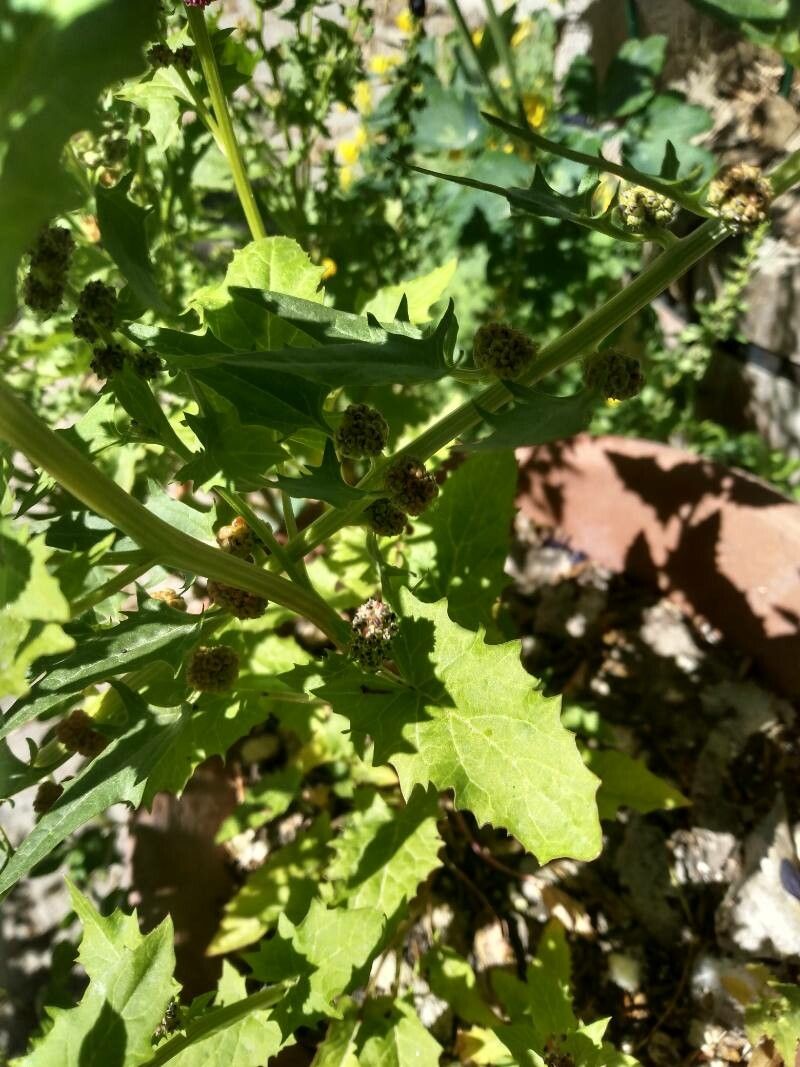
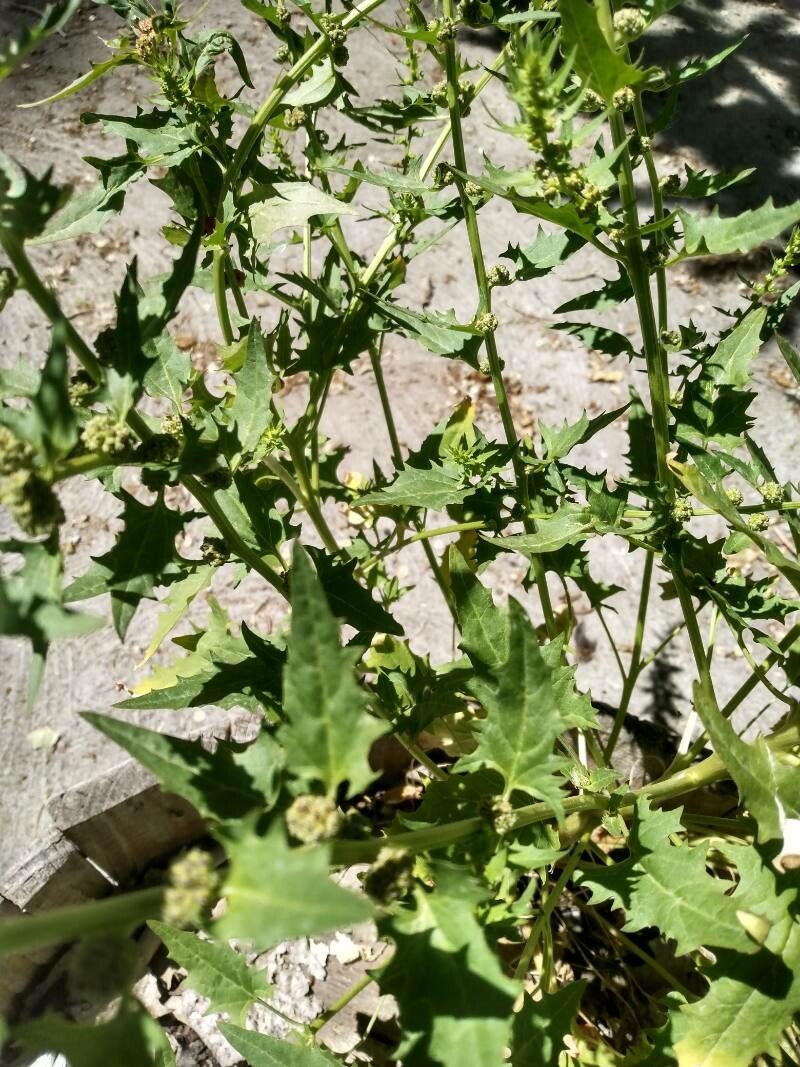
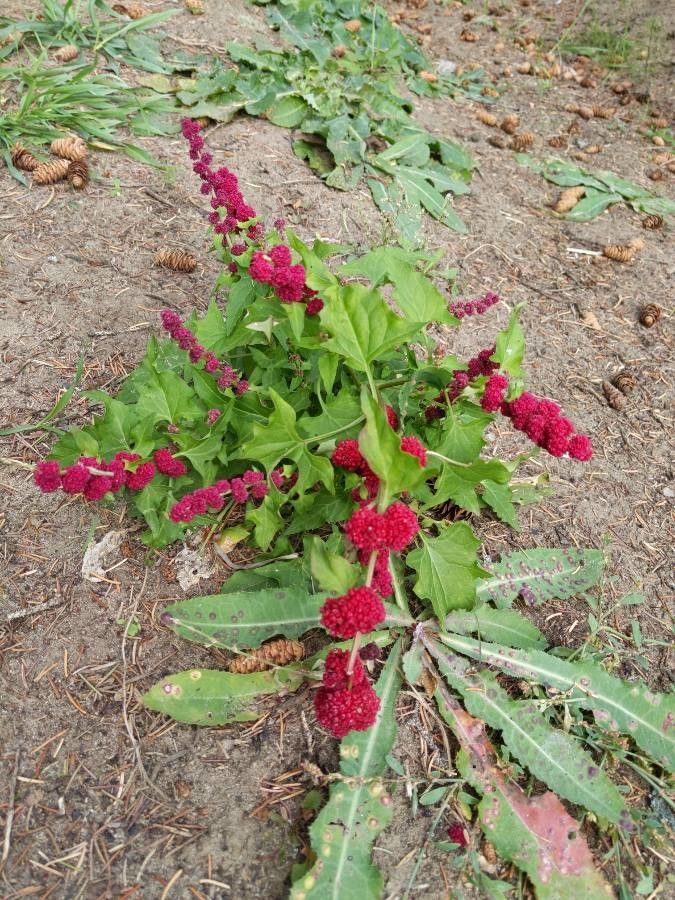
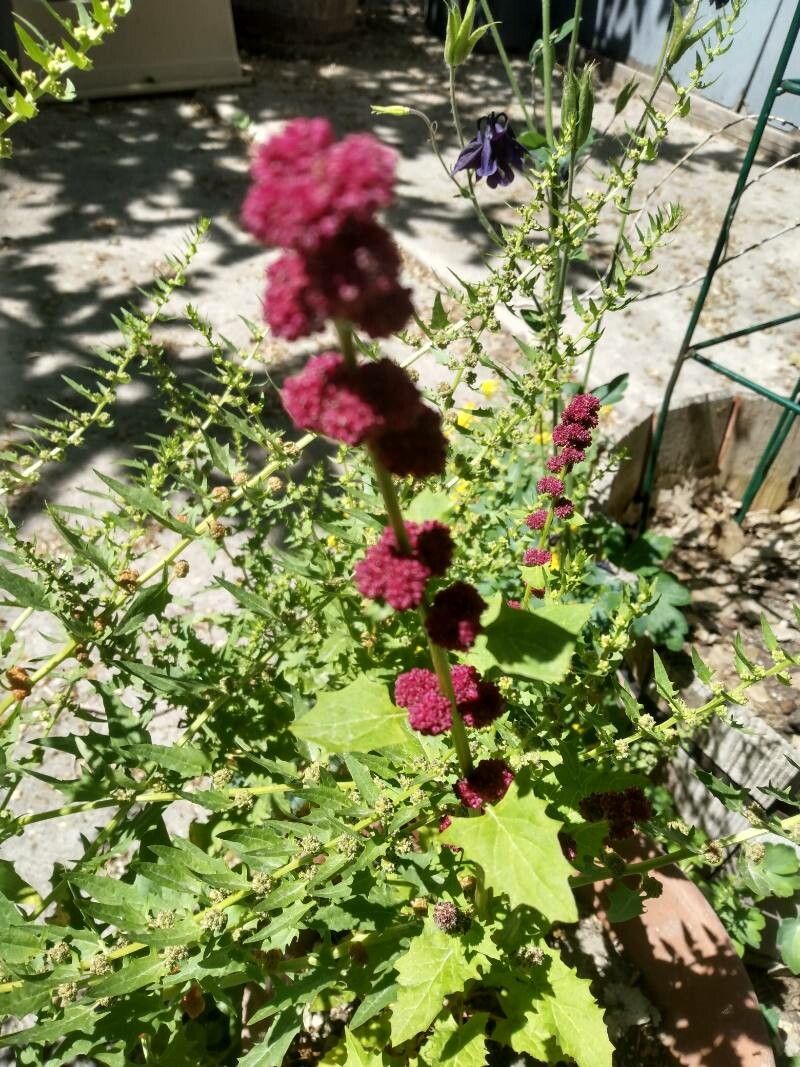
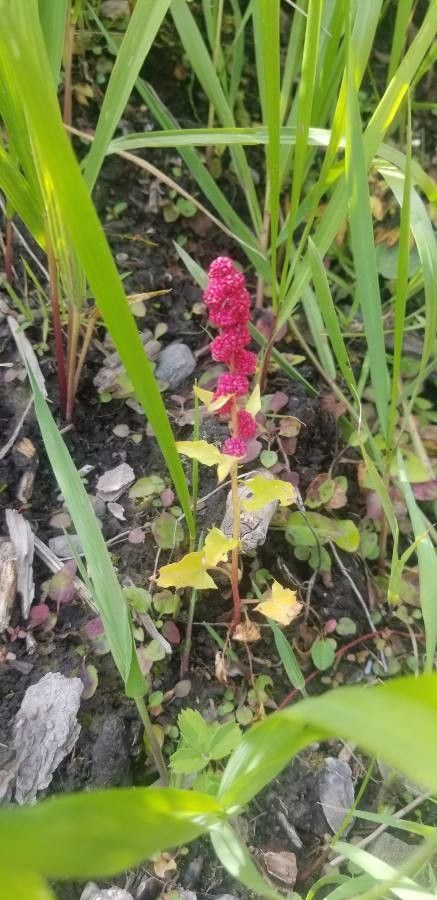
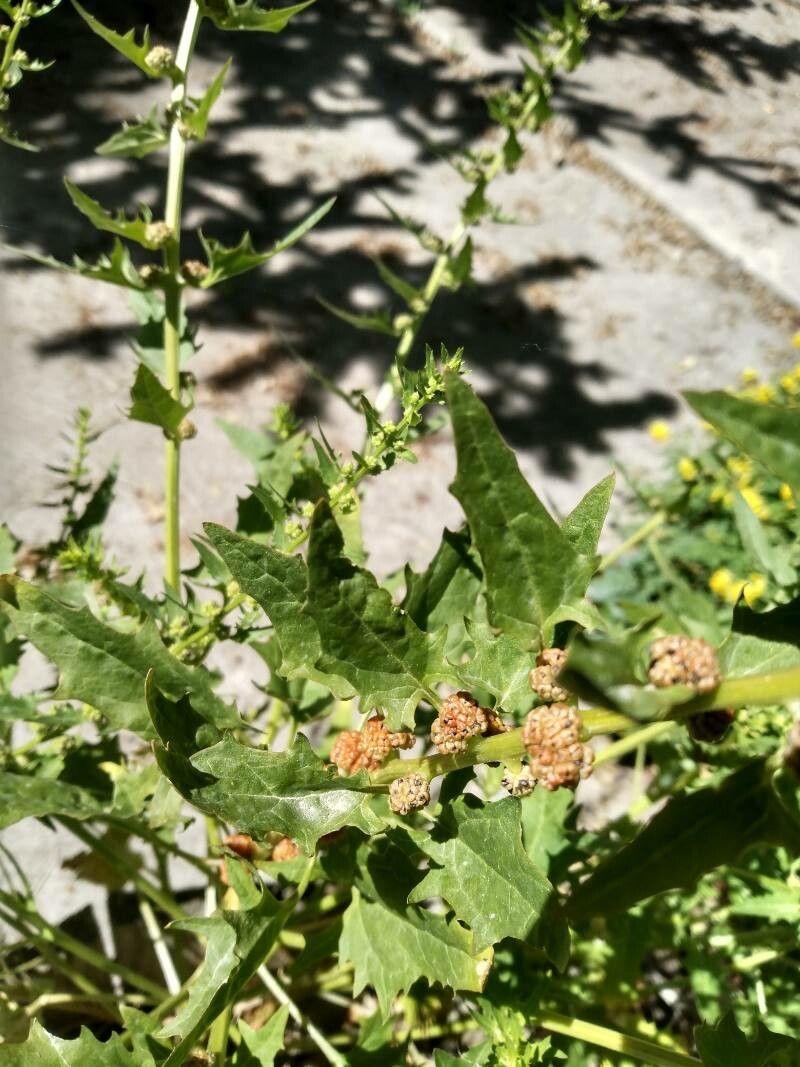
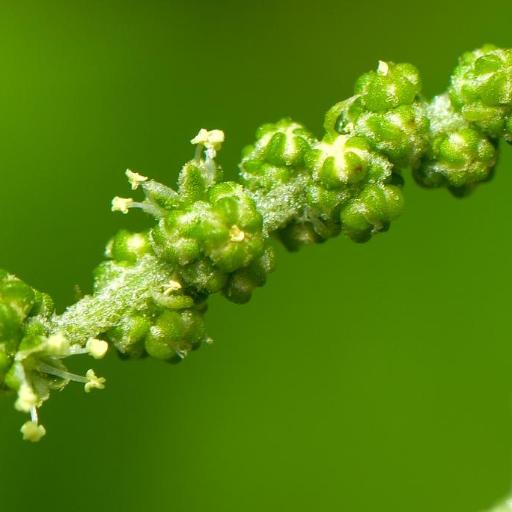
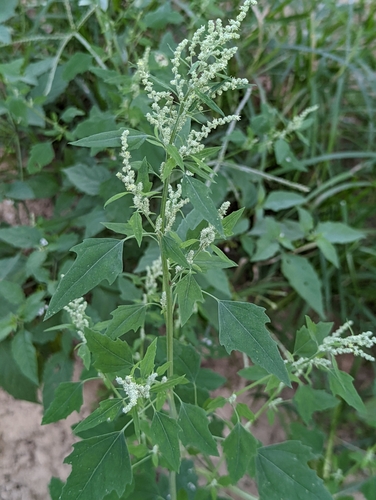
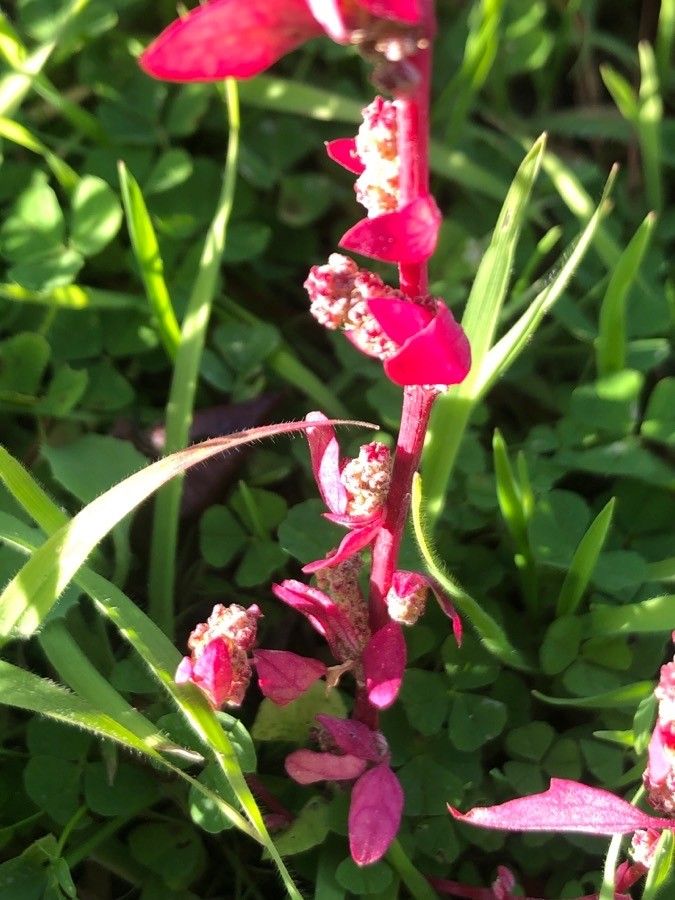
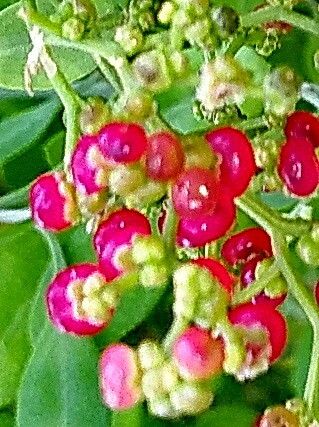
Strawberry blite (Blitum capitatum, syn. Chenopodium capitatum) is an edible annual plant, also known as blite goosefoot, strawberry goosefoot, strawberry spinach, Indian paint, and Indian ink. It is native to most of North America throughout the United States and Canada, including northern areas. It is considered to be endangered in Ohio. It is also found in parts of Europe and New Zealand. Fruit are small, pulpy, bright red and edible, resembling strawberries, though their taste is more bland. The juice from the fruit was also used as a red dye by native North Americans. The fruits contain small, black, lens-shaped seeds that are 0.7–1.2 mm long. The greens contain vitamins A and C; they are edible raw when young or as a potherb. If raw they should be eaten in moderation as they contain oxalates. The seeds may be toxic in large amounts.Strawberry blite is found in moist mountain valleys.
Strawberry Spinach has moderate resistance to disease but can be prone to issues like leaf spot. Its vulnerability to insect pests varies by variety, although most varieties have relatively low pest resistance. For care, Strawberry Spinach requires consistent watering and fertilizing, and yellow leaves should be pruned frequently. Controlling pests and diseases when they appear and harvesting the plant promptly are important. Strawberry Spinach is appropriate for people who can spend some time and energy on regular maintenance.
How to keep Chenopodium Capitatum.
Light
Strawberry Spinach grows best in full, direct sunlight. In its native habitat it is typically found in open areas without shade. However, too much light can scorch the plant, while too little will cause it to grow poorly.
Temperature
Strawberry Spinach is a plant native to habitats where temperatures range from 68 to 95 °F (20 to 35 ℃). It prefers warmer conditions and develops best in that temperature range. In cool or cold seasons, take steps to keep temperatures within its preferred range for optimal growth.
Fertilizer
To maximize the yield and flavor of Strawberry Spinach, provide sufficient nitrogen during the entire growth period, covering pre-planting through harvest. Plants that are well-watered and properly fertilized develop plentiful, healthy leaves and are less likely to be bitter. Before planting, amend the soil with organic matter such as compost or manure, preferably 2 to 8 weeks beforehand.
Botanical profile.
- Plant Type
- Herb
- Life Cycle
- Annual, Biennial
- Genus
- Chenopodium
- Family
- Amaranthaceae
- Hardiness Zone
- 4-8
- Mature Height
- 61 cm
- Mature Spread
- 40 cm
- Leaf Color
- Green
- Leaf Type
- Deciduous
- Flower Color
- Green, Purple, Red
- Flower Size
- 0.20 cm to 0.25 cm
- Bloom Time
- Summer
- Planting Time
- Spring, Summer, Autumn
- Harvest Time
- Late summer, Early fall, Mid fall
Other names.