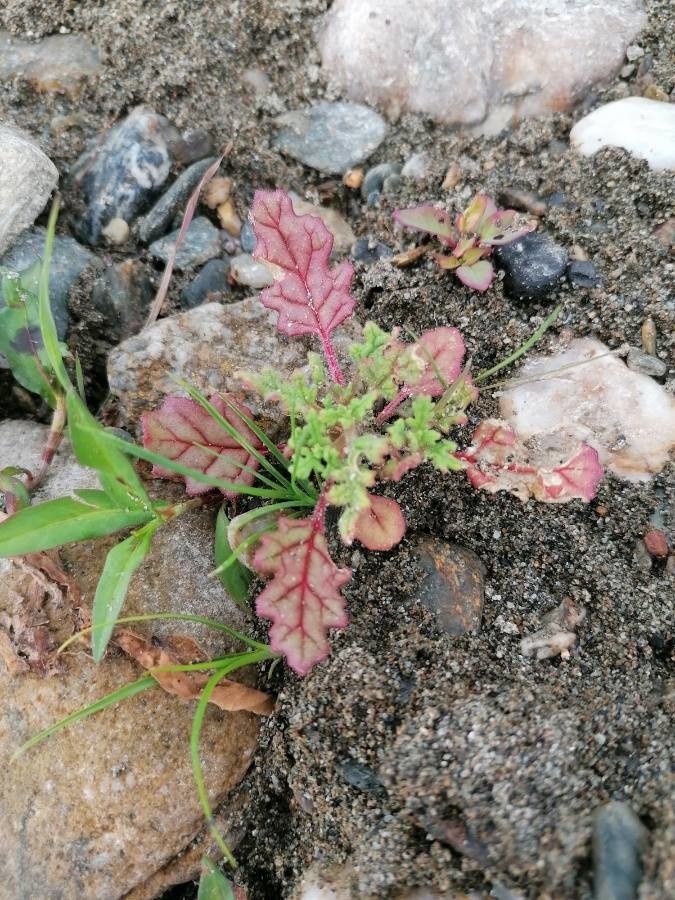
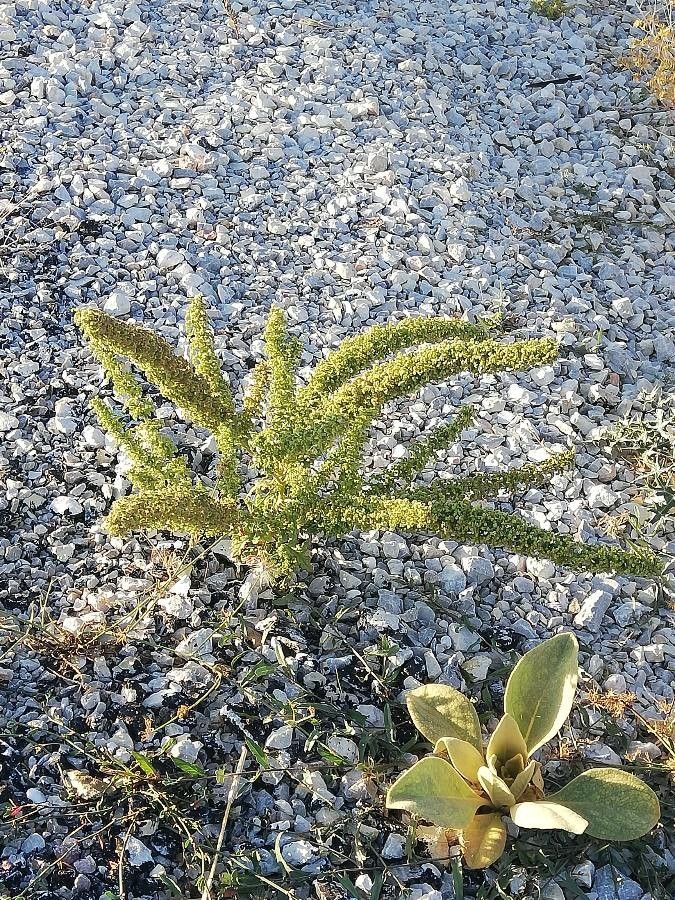
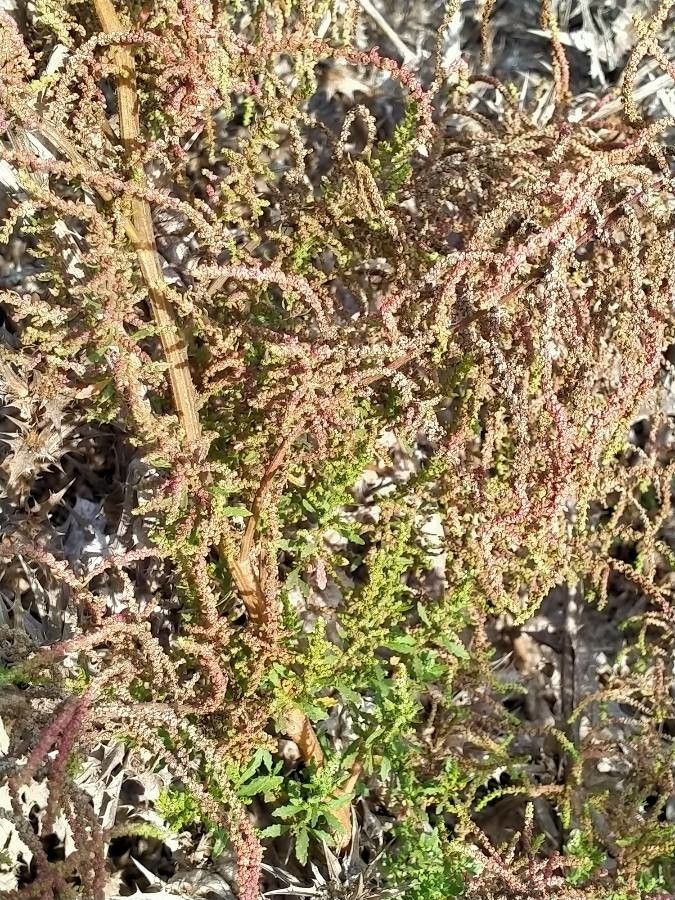
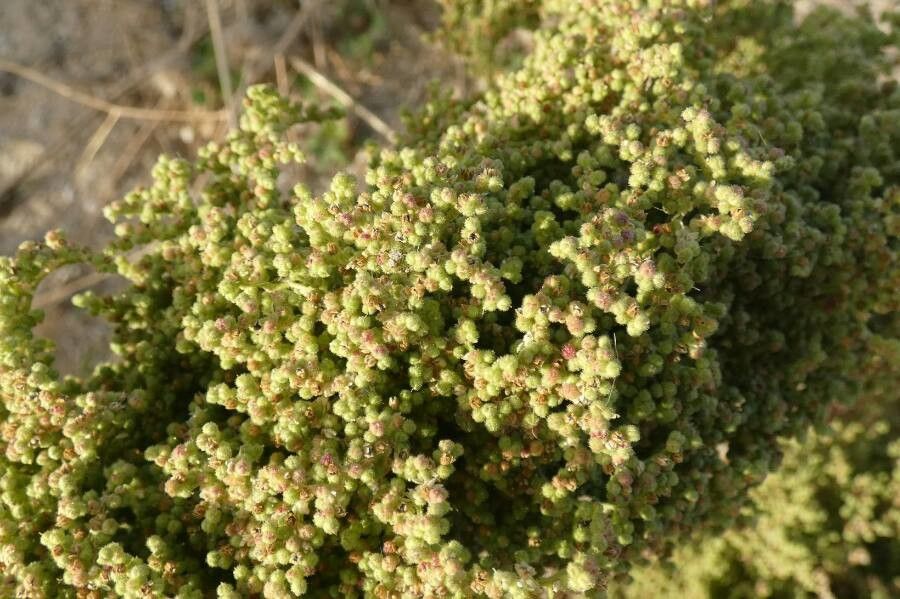
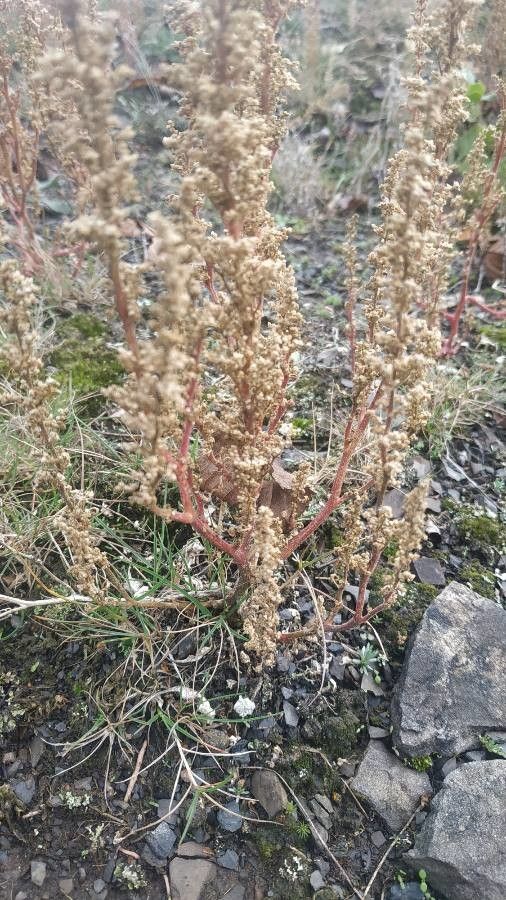
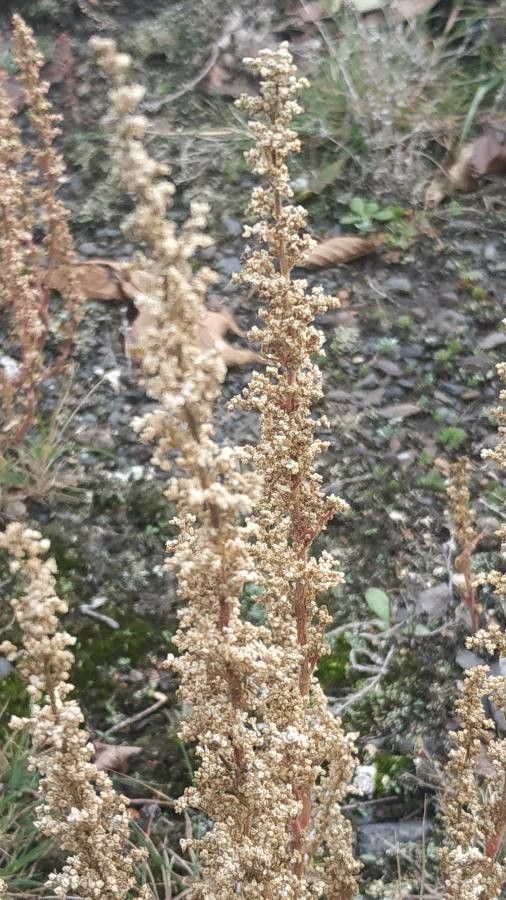
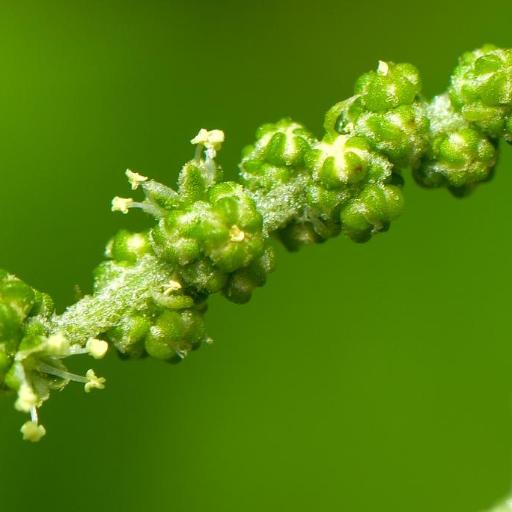
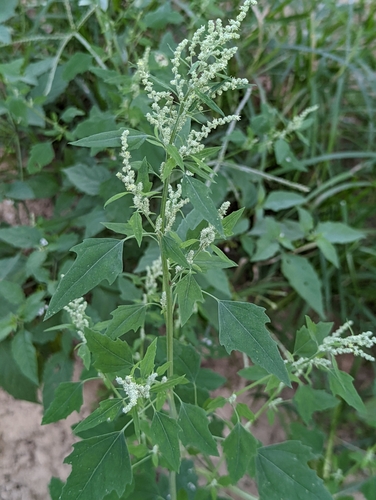
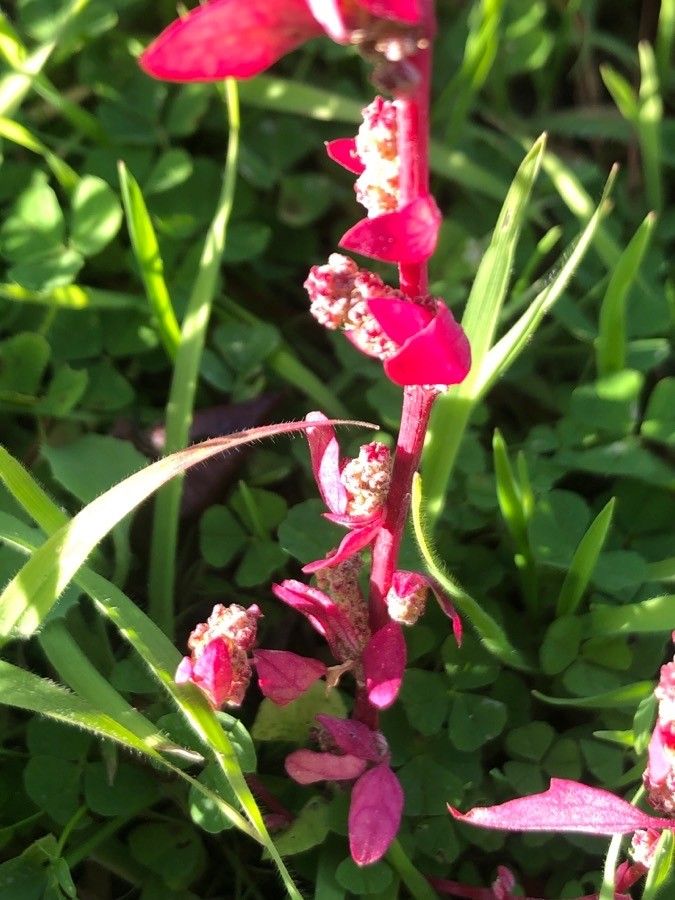
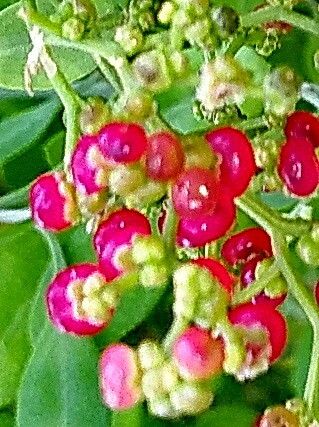
Dysphania botrys (syn. Chenopodium botrys), the Jerusalem oak goosefoot, sticky goosefoot or feathered geranium, is a flowering plant in the genus Dysphania (the glandular goosefoots). It is native to the Mediterranean region. Jerusalem oak goosefoot was formerly classed in the genus Ambrosia, with the binomial name Ambrosia mexicana. It is naturalised in the United States and Mexico, the old species synonym deriving from the latter.
Jerusalem oak goosefoot has strong disease resistance and is generally unlikely to suffer from illnesses. However, it can be vulnerable to pests and diseases present in its surroundings. These outbreaks are usually mild. Regarding care, this plant requires moderate maintenance. It should be pruned regularly to maintain a neat appearance and support healthy growth. Fertilizing can also help encourage flowering. Jerusalem oak goosefoot is suitable for anyone with outdoor space, such as a garden or patio, and does not demand extensive care experience. It may need more attention when grown indoors.
How to keep Chenopodium Botrys.
Light
Jerusalem oak goosefoot does best in locations that receive generous sunlight. It is not known to tolerate low-light conditions, so ample sun is important for its healthy growth. It originates from regions where sunlight is plentiful. Both too much and too little sunlight can negatively affect its growth.
Temperature
Jerusalem oak goosefoot can tolerate a wide span of temperatures, though its distribution may still be restricted by specific combinations of moisture and heat. It performs best in warm summer climates with sufficient rainfall or supplemental watering. Extended stretches of cloudy, rainy weather, as well as prolonged high heat, can raise the risk of the plant dying. In winter, shielding it from cold improves its chances of survival.
Fertilizer
Jerusalem oak goosefoot benefits from regular, dilute applications of fertilizer to encourage healthy leaf growth. You should fertilize Jerusalem oak goosefoot about once a month during the summer. Nitrogen is essential for foliage, and providing nitrogen-rich sources helps Jerusalem oak goosefoot prosper.
Botanical profile.
- Plant Type
- Herb
- Life Cycle
- Annual
- Genus
- Chenopodium
- Family
- Amaranthaceae
- Hardiness Zone
- 5-9
- Mature Height
- 10 cm to 61 cm
- Mature Spread
- 61 cm to 91 cm
- Leaf Color
- Light Green, Yellow Green
- Leaf Type
- Semi-evergreen
- Flower Color
- Yellow, Green, Purple, Brown
- Flower Size
- 2.54 cm
- Bloom Time
- Mid summer, Late summer, Early fall
- Planting Time
- Spring, Summer, Autumn
- Harvest Time
- Early fall, Mid fall
- Native Area
- Egypt, India, Turkey, Austria, Slovakia, Montenegro, Pakistan, Croatia, Slovenia, Yemen, Belarus, Uzbekistan, Russia, Iraq, Estonia, Oman, Romania, Latvia, Belgium, Portugal, Nepal, Saudi Arabia, France, Tajikistan, Cyprus, Bulgaria, Poland, Armenia, Greece, Ukraine, Lebanon, China, Lithuania, Afghanistan, Syria, Kyrgyzstan, Kazakhstan, Italy, Spain, Switzerland, Vietnam, Mongolia, Bhutan, Iran, Albania, Azerbaijan, Hungary, Turkmenistan
Other names.