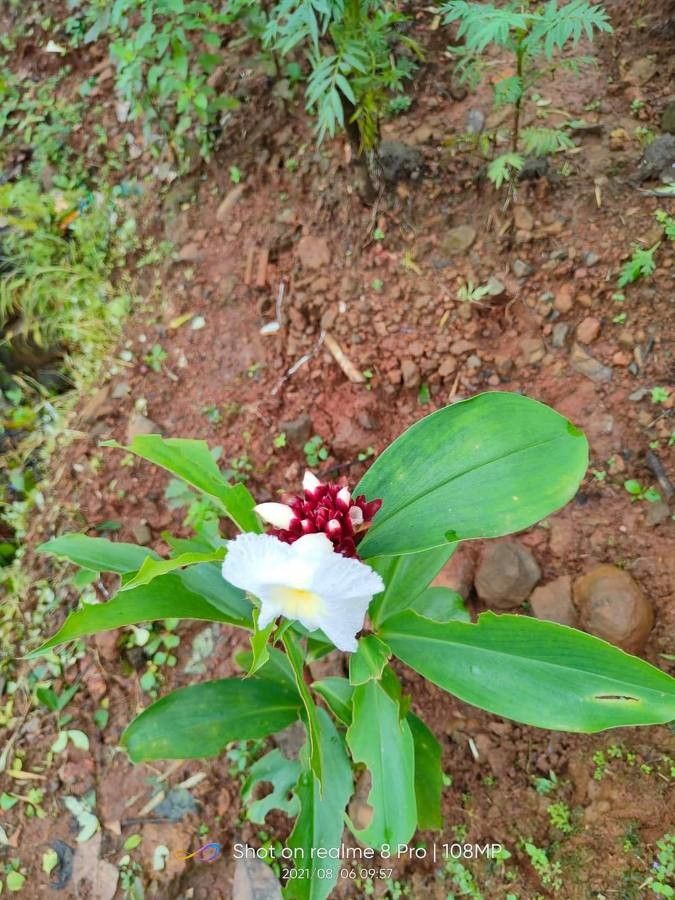
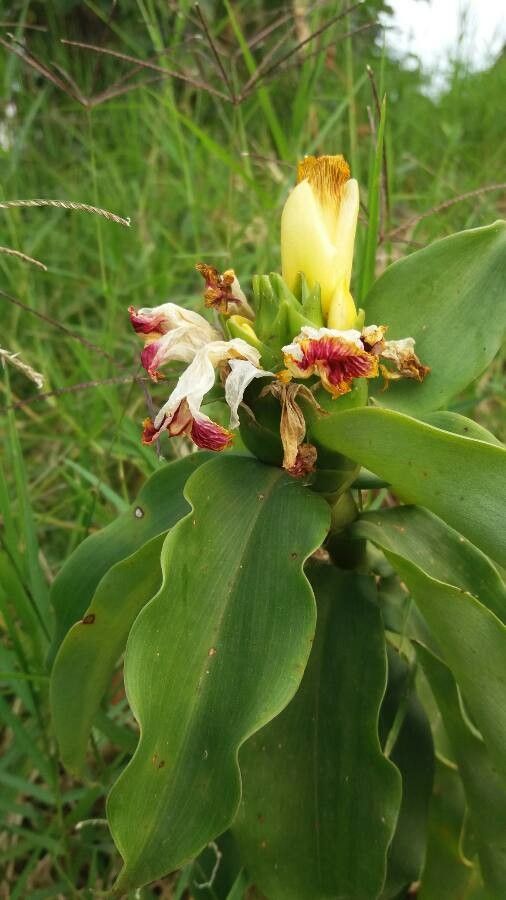
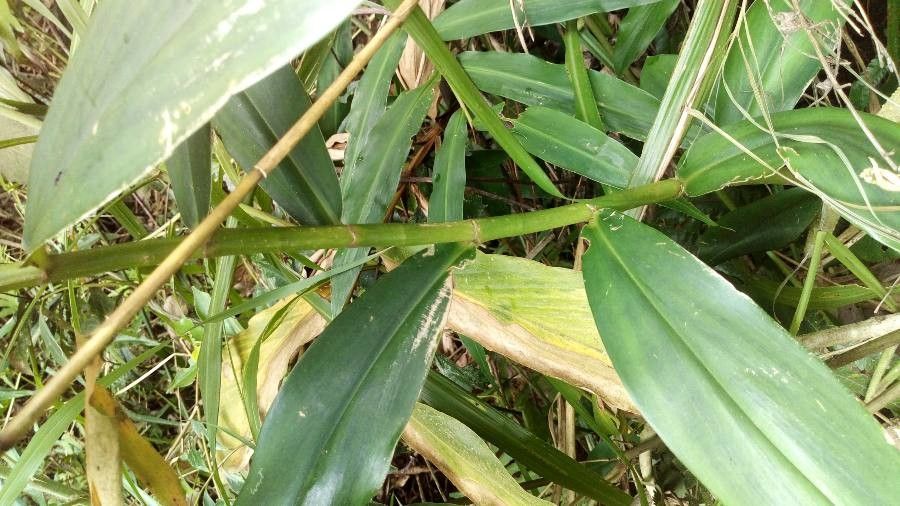
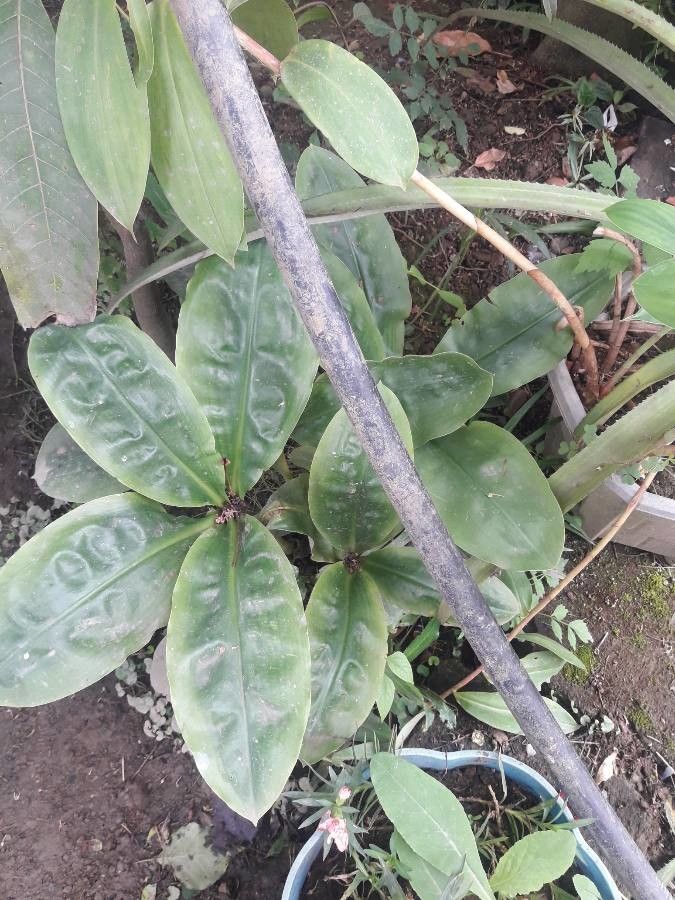
Cheilocostus speciosus, commonly known as crepe ginger or Malay ginger, is a tropical perennial plant in the family Costaceae. Native to Southeast Asia, it is found in countries like India, Indonesia, and Malaysia. The plant can grow up to 2 meters tall and features long green leaves that are arranged in a spiral pattern around the stem.
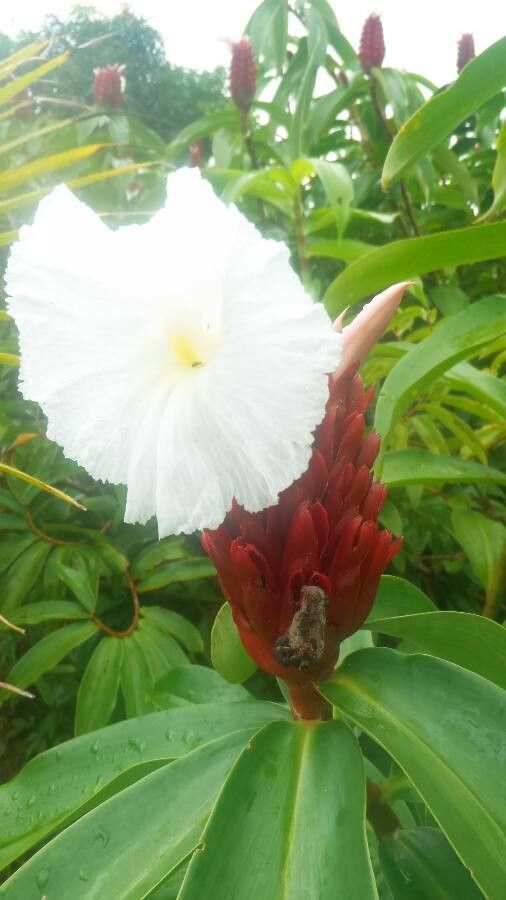
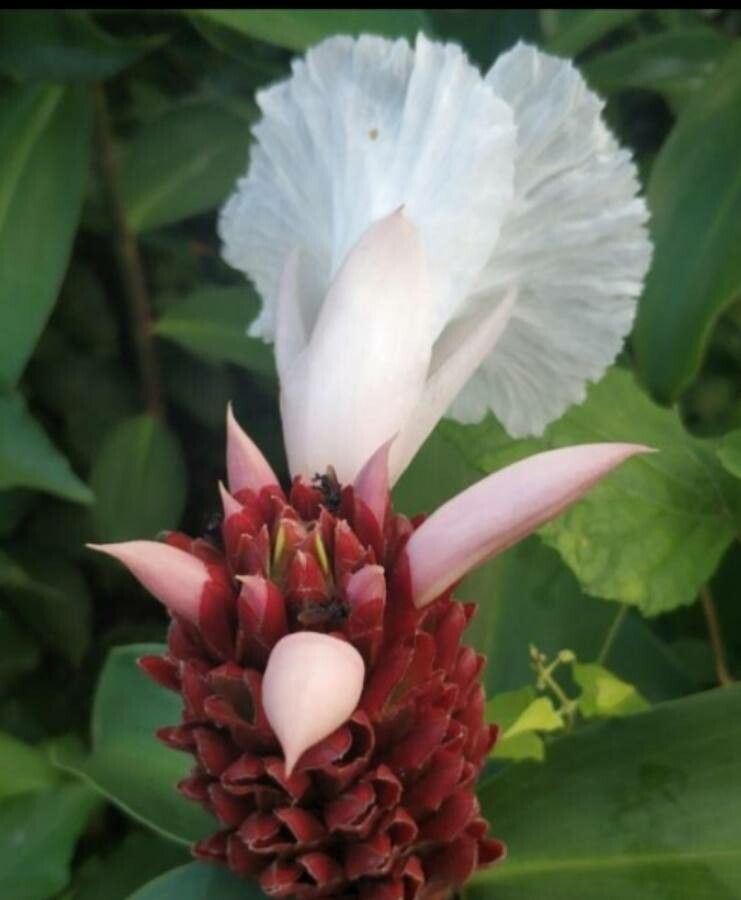
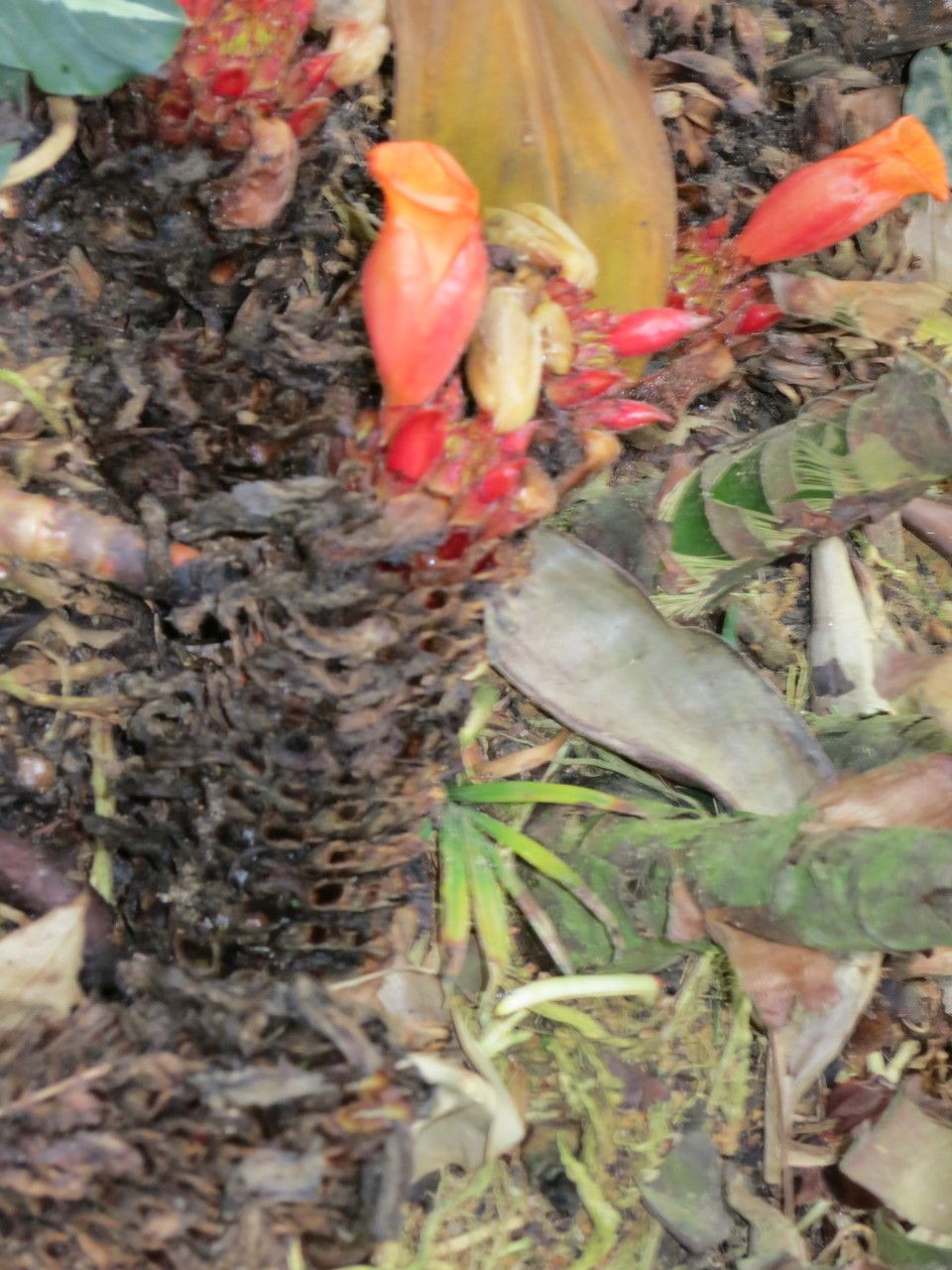
The showy flowers of Cheilocostus speciosus come in shades of pink or red with yellow centers. Blooming from late summer through fall, these flowers grow on tall spikes that can reach up to 1 meter in length. They are fragrant and attract pollinators such as bees.
Cheilocostus speciosus is often cultivated for its ornamental value, both in gardens and as a potted indoor plant. It thrives in well-drained soil with partial shade but can also tolerate full sun if given sufficient water.
In traditional medicine, Cheilocostus speciosus is valued for its anti-inflammatory properties and has been used to treat ailments such as arthritis and rheumatism. The plant's rhizomes are also utilized in Southeast Asian cuisine for culinary purposes.
Overall, Cheilocostus speciosus is an attractive tropical plant that brings color and fragrance to any garden or indoor setting, in addition to offering potential medicinal benefits.
Crepe ginger is fairly disease-resistant and usually does not suffer from many illnesses. However, it can be vulnerable to pests and diseases present in its environment, and these problems are typically not serious. As for care, the plant needs moderate maintenance. It should be pruned regularly to preserve a tidy appearance and healthy growth. Fertilizing can also aid in encouraging flowering. Crepe ginger is well suited for anyone with outdoor space, such as a garden or patio, and does not demand extensive care experience. It may require more attention when grown indoors.
How to keep Cheilocostus Speciosus.
Light
Crepe ginger favors settings with dappled light but can also tolerate areas of full sun or deep shade. The intensity of sunlight directly affects the plant’s growth and health. Its native habitat illustrates this adaptable light tolerance. Excessive exposure can scorch the leaves, while too little light may result in stunted growth.
Temperature
The crepe ginger is native to tropical regions and requires warm temperatures between 20 to 35 ℃ (68 to 95 ℉) to flourish. During the winter or in cooler climates, it is advisable to keep the plant in a warm spot indoors or in a greenhouse to maintain those optimal temperatures.
Fertilizer
The best time to fertilize Crepe ginger is in early spring, as it emerges from dormancy and starts active growth. Fertilization supplies essential nutrients for healthy development. Although Crepe ginger needs relatively little fertilizer, an annual application can improve its survival and encourage better, longer-lasting blooms.
Pot & Repot
When repotting Crepe ginger, select a pot 1-2 inches (2.5–5.1 cm) larger with ample drainage. Use a well-draining potting mix. Repot in spring or fall, ensuring the root ball is positioned slightly below the rim of the flower pot. Water thoroughly after repotting and place in a warm spot with indirect sunlight.
Botanical profile.
- Plant Type
- Herb
- Life Cycle
- Perennial
- Genus
- Cheilocostus
- Family
- Costaceae
- Hardiness Zone
- 9-10
- Mature Height
- 1.83 m to 2.44 m
- Mature Spread
- 61 cm to 91 cm
- Leaf Color
- Green
- Leaf Type
- Evergreen
- Flower Color
- White, Pink
- Flower Size
- 5.08 cm to 7.62 cm
- Bloom Time
- Mid summer, Late summer
- Planting Time
- Spring
- Harvest Time
- Mid summer, Late summer, Early fall
Other names.