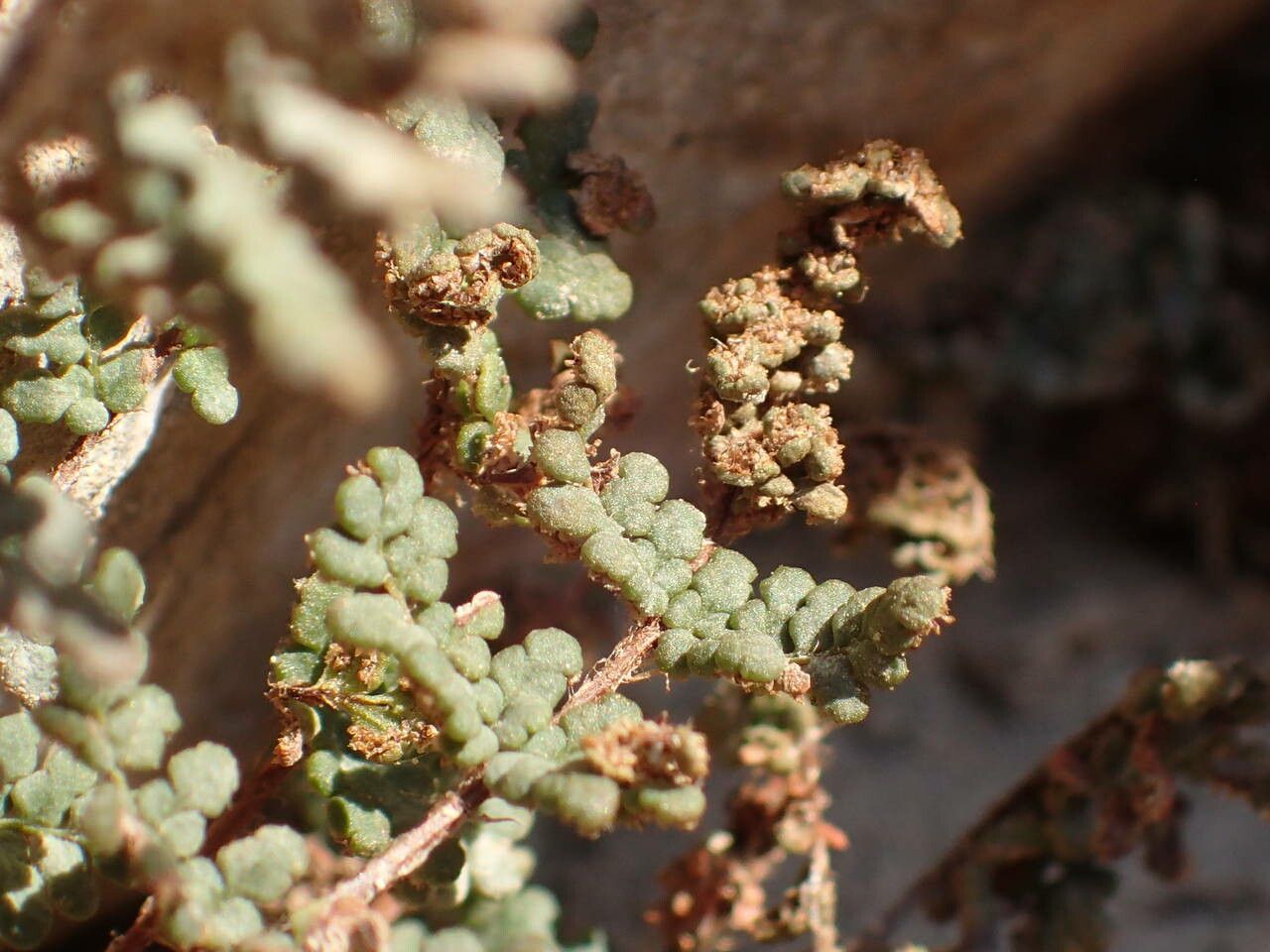
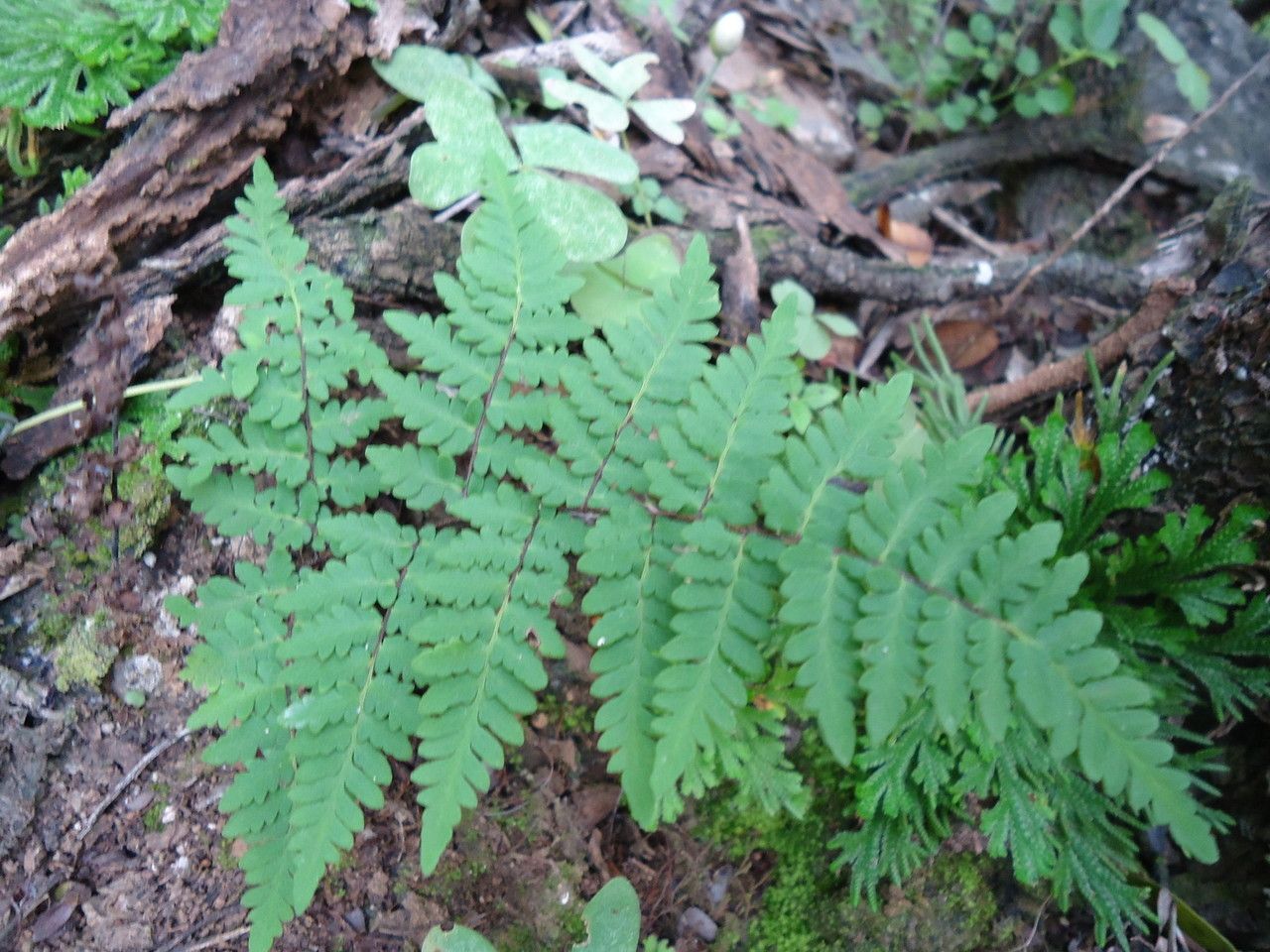
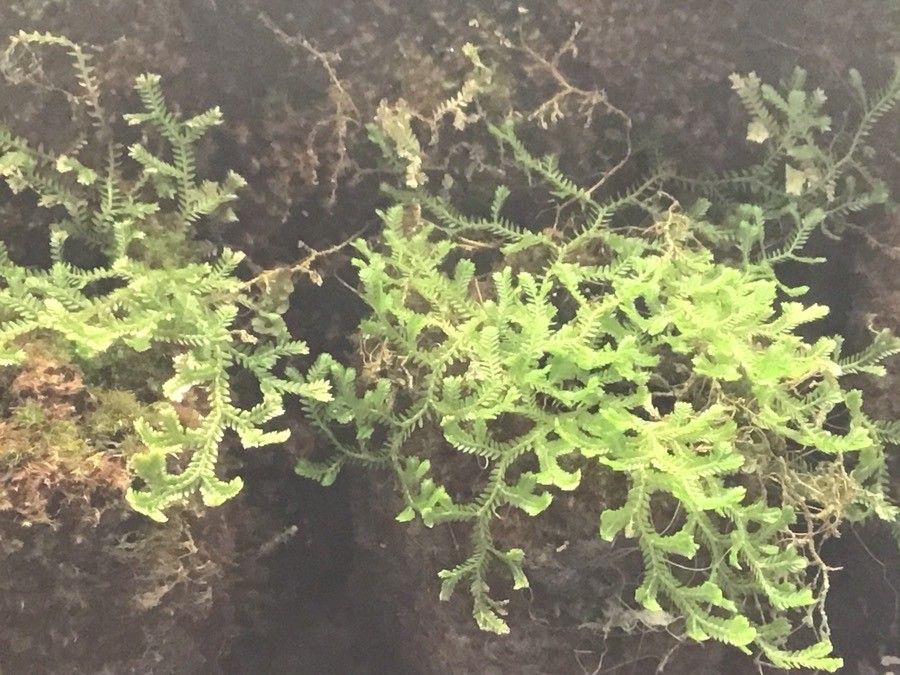
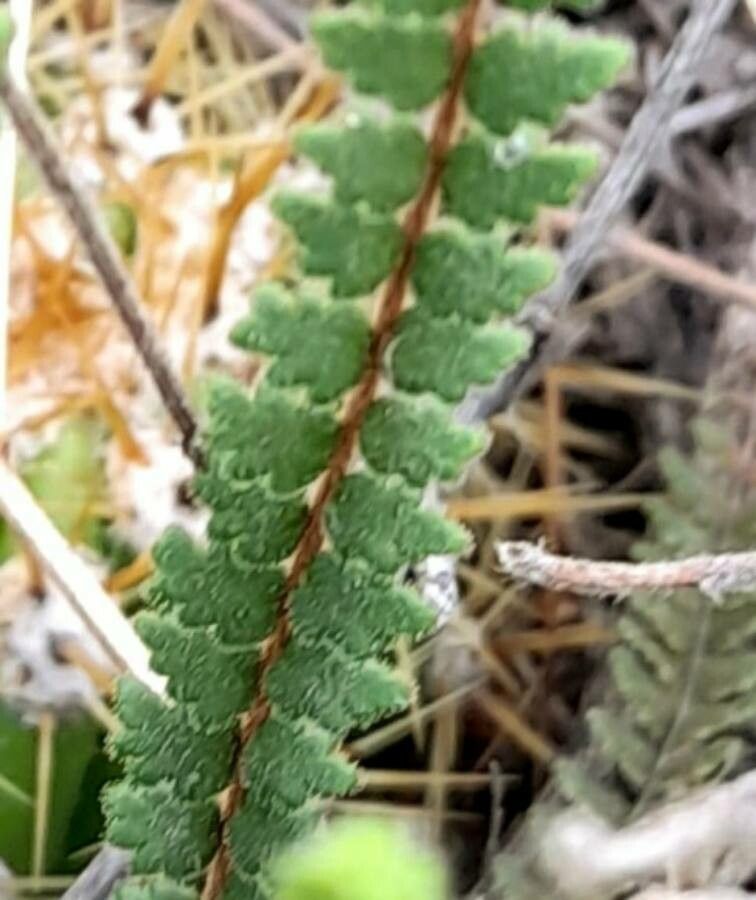
Cheilanthes sieberi is a small fern growing in many parts of Australia, New Zealand and nearby islands. Common names include poison rock fern and mulga fern.This fern may grow up to 25 cm tall. It is a widespread plant, seen in a variety of different habitats: it occurs in arid areas as well as sites with over 1500 mm of annual average rainfall. In desert areas it grows in shaded rocky gullies. However, near the coast, it can grow in full sun in cracks of rocks, or in thin soils.
Mulga fern typically has strong resistance to disease and relatively few insect pests. Its care is considered difficult because it needs a consistently moist environment and frequent watering. However, the roots are susceptible to rot if overwatered or if the surroundings lack good ventilation. Mulga fern is better suited to those with some growing experience — most people can keep it alive for a certain period — but it may struggle to thrive and its leaves can dry out and become less healthy over time.
How to keep Cheilanthes Sieberi.
Light
Mulga fern is native to habitats such as forest understories and rocky areas, where it provides natural shade. It prefers full shade but can tolerate partial sun.
Pruning
The Mulga fern, renowned for its delicate fronds, benefits greatly from early spring pruning. To promote healthy growth, remove any dead leaves at the base. However, be cautious not to prune too heavily, as this can stress the plant. By thinning out overcrowded fronds, you can improve air circulation, which enhances both the fern's overall vitality and aesthetic appeal during its vigorous growth phase.
Botanical profile.
- Plant Type
- Fern
- Life Cycle
- Perennial
- Genus
- Cheilanthes
- Family
- Pteridaceae
- Hardiness Zone
- 7-10
- Mature Height
- 10 cm to 30 cm
- Mature Spread
- 15 cm to 25 cm
- Leaf Color
- Dark Green, Olive Drab
- Leaf Type
- Deciduous
- Planting Time
- Spring, Summer, Autumn