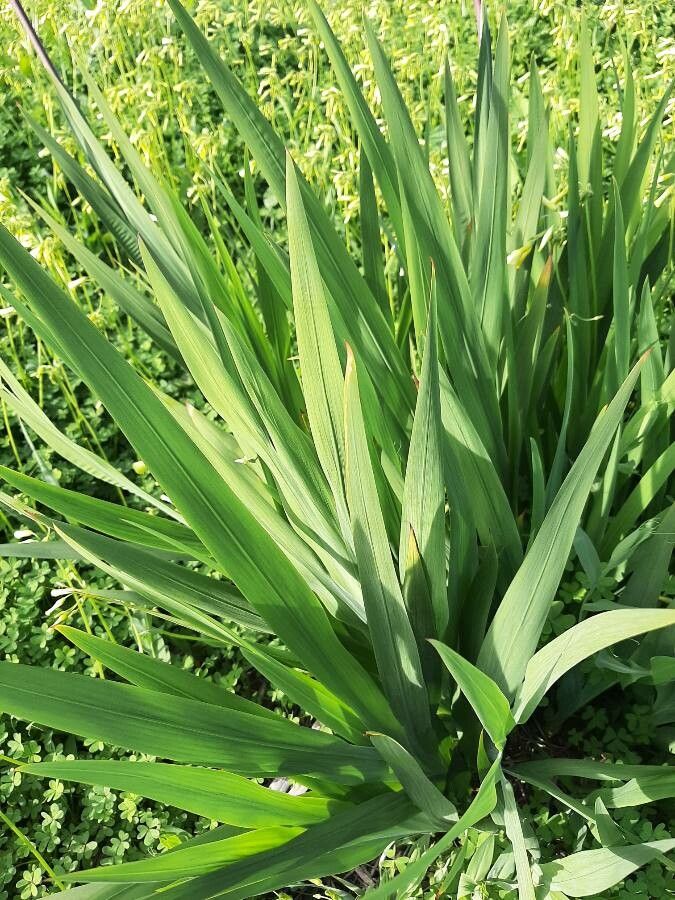
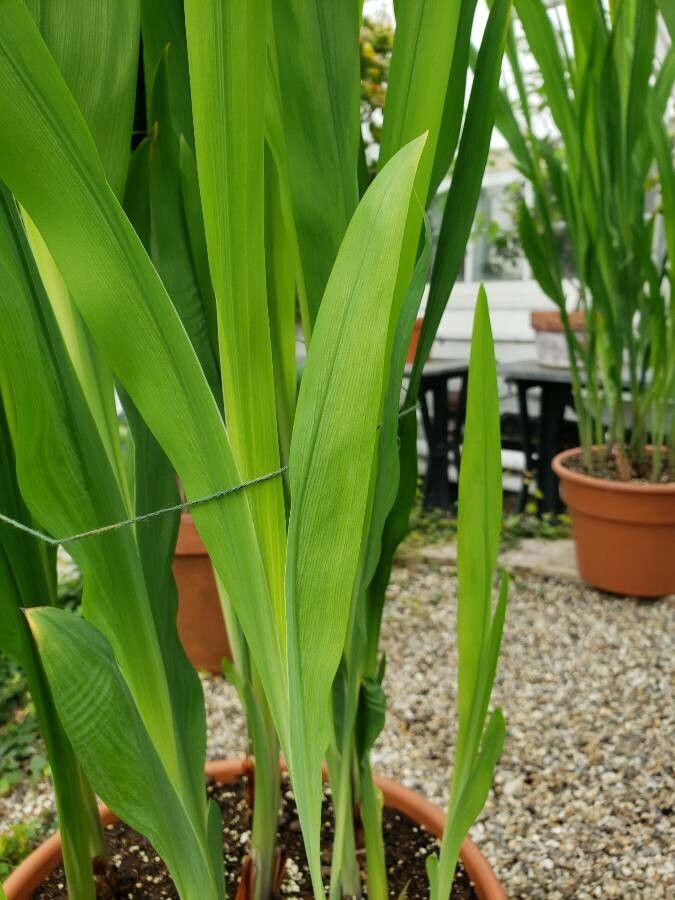
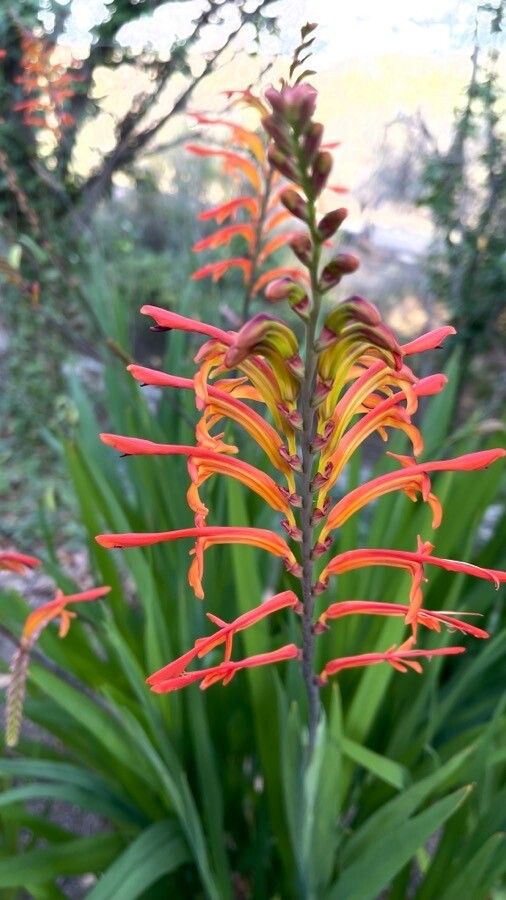
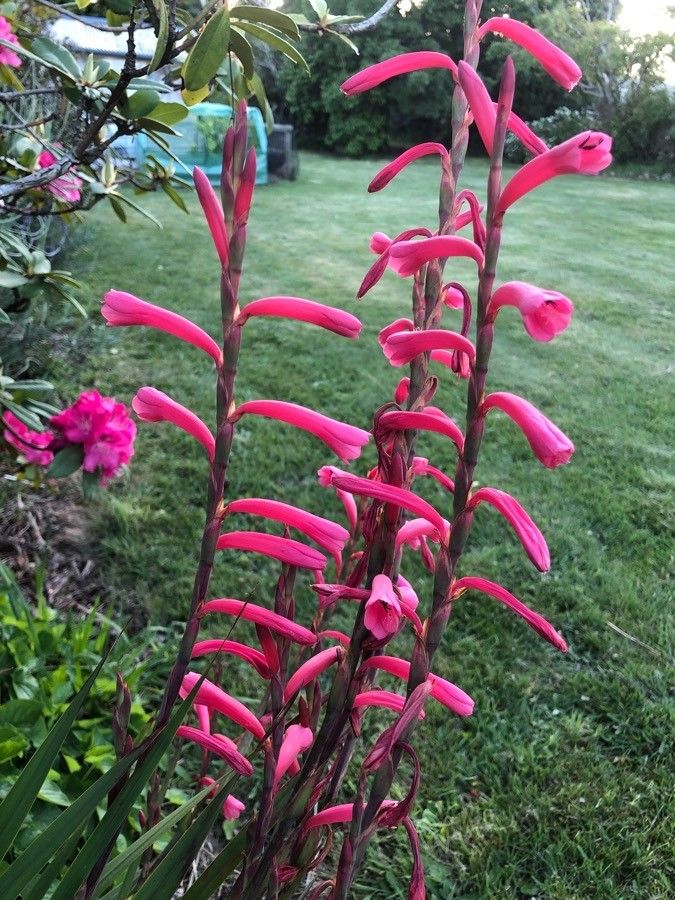
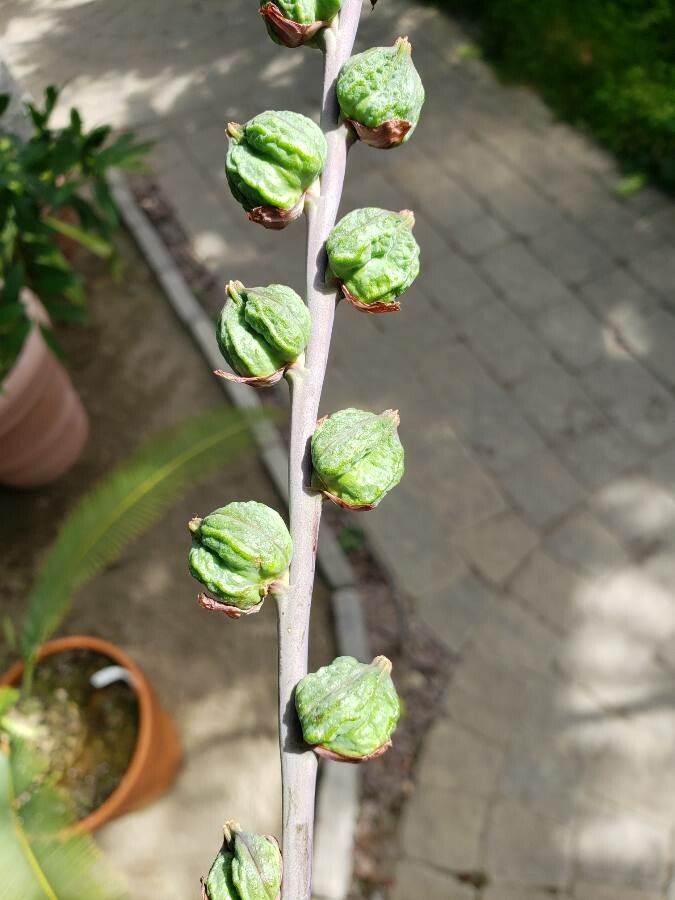
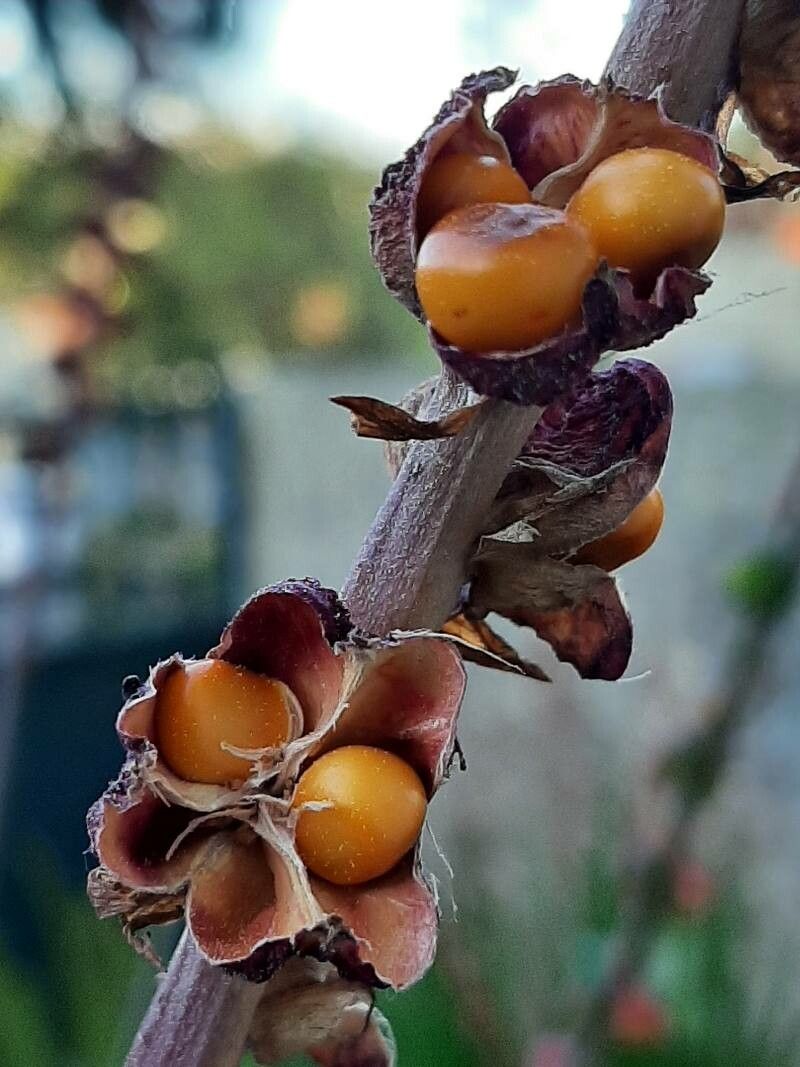
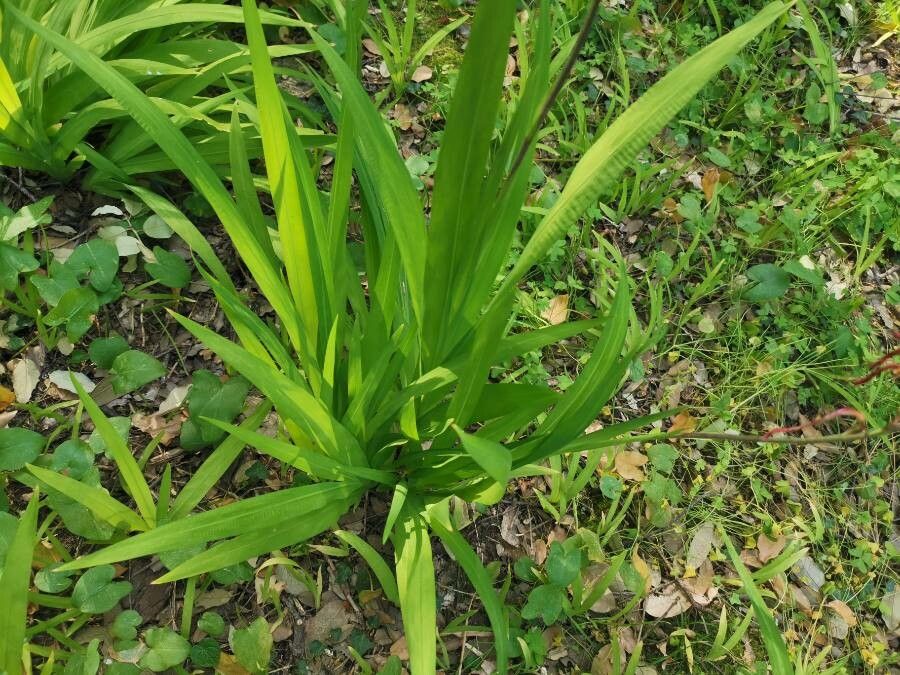
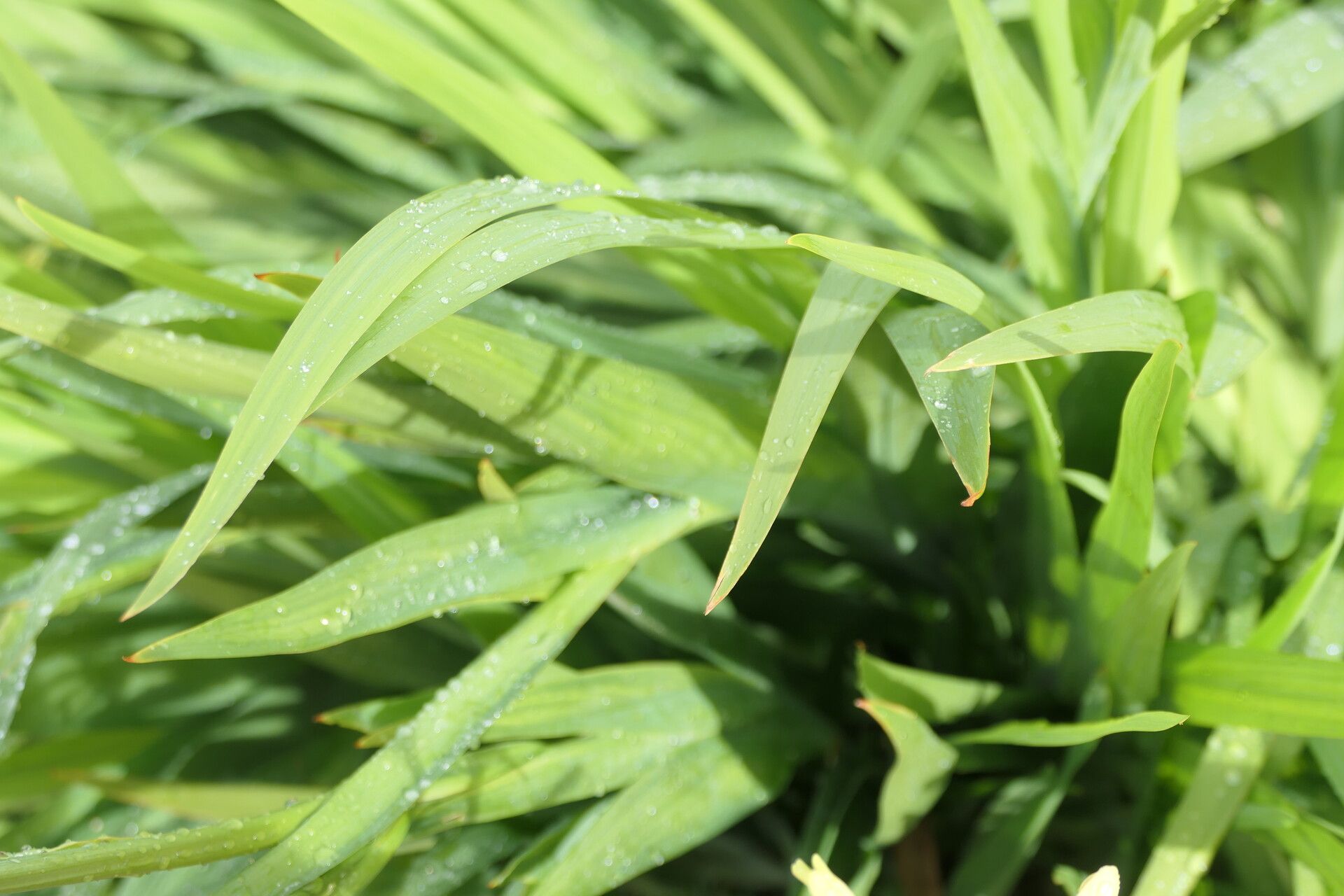
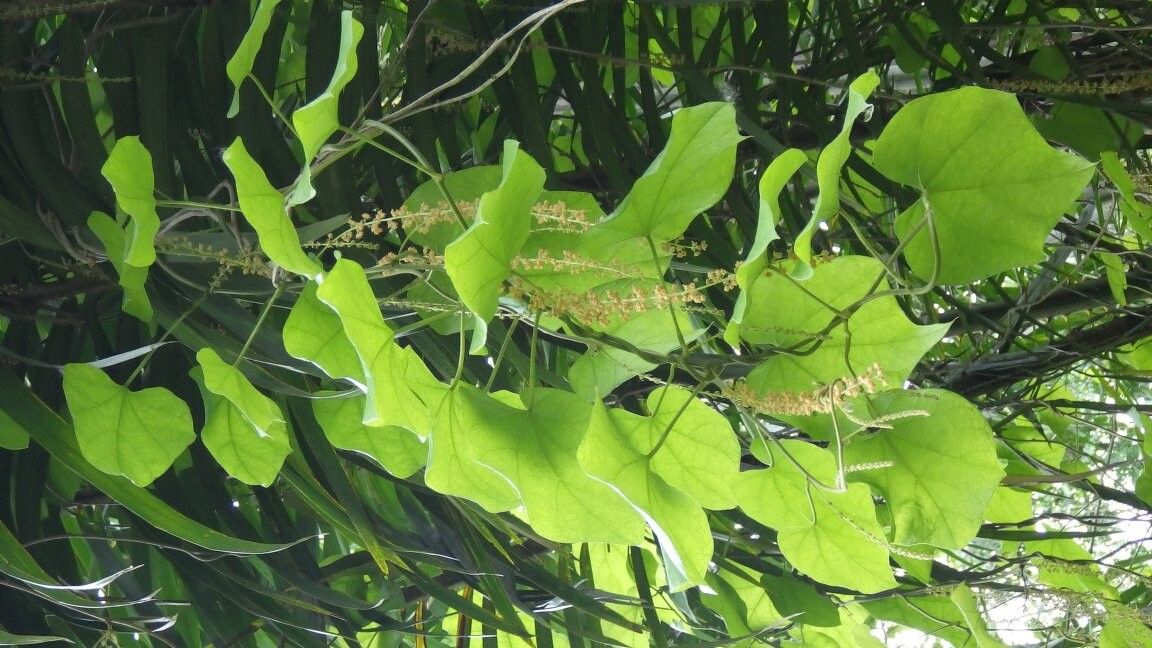
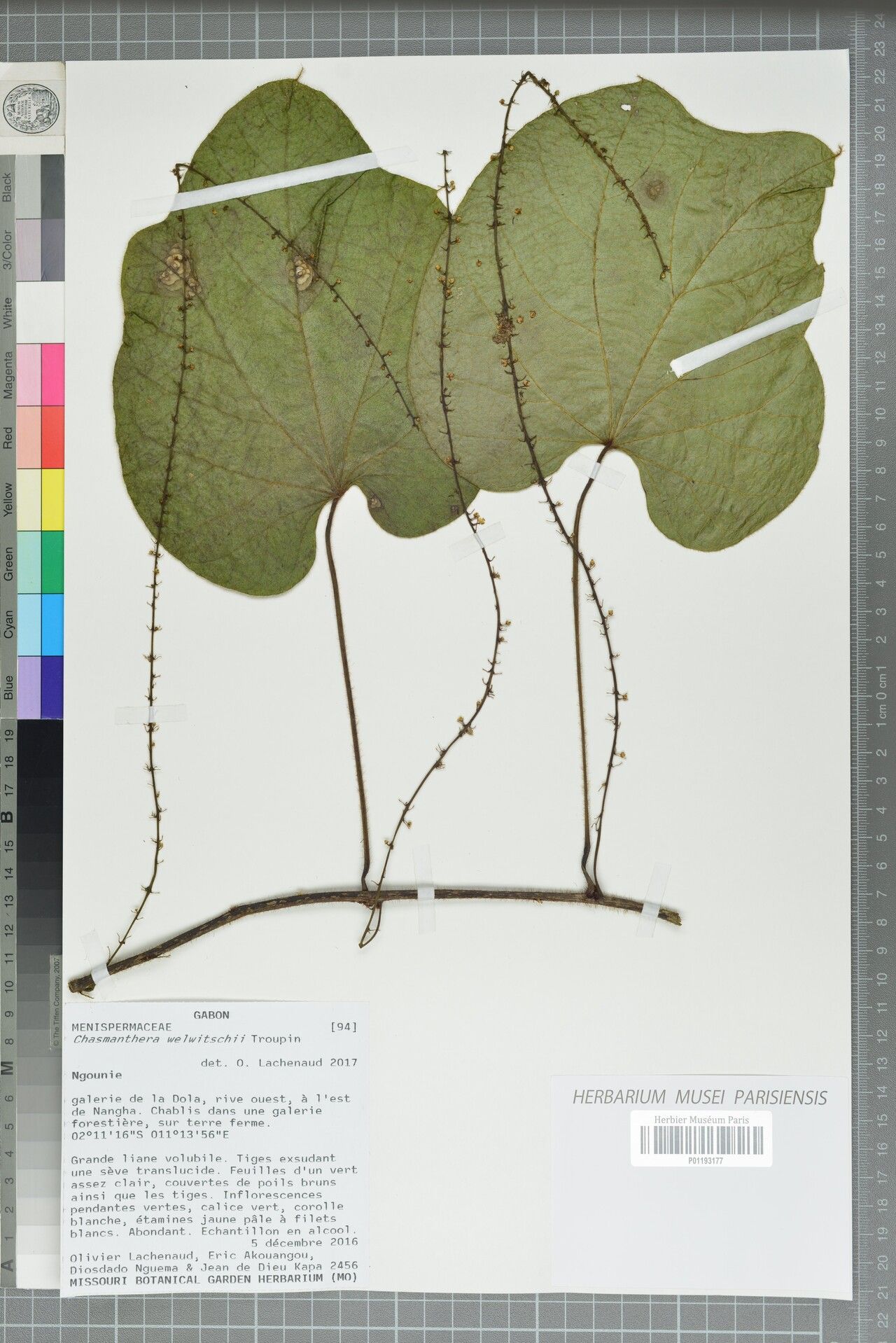
Chasmanthe aethiopica, commonly known as the Cobra Lily or African Cornflag, is a perennial plant native to South Africa. It belongs to the Iris family and is distinguished by its tall spikes of bright orange-red flowers, which bloom in late winter or early spring. The plant can grow up to 1.5 meters in height and features long, narrow green leaves.
Chasmanthe aethiopica thrives in well-drained soil and full sun exposure but can also tolerate partial shade. While it is drought-tolerant, it does require regular watering during its growing season.
Often used as an ornamental plant in gardens, the Cobra Lily is prized for its striking appearance and its ability to attract pollinators such as bees and butterflies. It can also be successfully grown indoors in pots with proper care.
Although Chasmanthe aethiopica has no known medicinal applications, it has been traditionally used by indigenous people for its edible corms, which are underground storage organs. However, caution is advised, as the corms contain toxic compounds that must be properly prepared before consumption.
In summary, Chasmanthe aethiopica is an attractive ornamental plant with cultural significance, adding color and vibrancy wherever it is planted.
African corn flag has good resistance to disease and is generally not susceptible to illnesses. However, it can be affected by pests and diseases present in its surroundings. Such infections are typically mild. In terms of care, this plant needs moderate maintenance. Regular pruning is required to maintain a neat appearance and encourage healthy growth. Fertilization can also help stimulate flowering. African corn flag is suitable for anyone with an outdoor area, such as a garden or patio, and does not demand extensive care experience. It may need more attention when grown indoors.
How to keep Chasmanthe Aethiopica.
Light
African corn flag is a sun-loving perennial herbaceous plant native to open habitats and commonly found in meadows and grasslands. It prefers full sun but can also tolerate partial sun conditions.
Temperature
African corn flag adapts well to heat, tolerating higher temperatures and wider temperature swings. In hot weather, care should be taken with watering and providing suitable shade to avoid sunburn. Conversely, African corn flag is not very tolerant of cold. It can endure a certain amount of chill, but excessively low temperatures can cause frost damage.
Fertilizer
The primary time to fertilize African corn flag is in early spring while the flowers are forming. Using the correct fertilizer promotes better blooms and helps African corn flag produce attractive flowers. Feeding in early spring ensures strong flowers during the season and provides energy for its dormant growth phases.
Pruning
The African corn flag is known for its eye-catching tubular flowers and sword-shaped leaves. To encourage growth and blooming, prune in early spring by removing dead leaves and spent stalks. Additionally, promptly trim any damaged parts by cutting the stems close to the base. This will help maintain a lush display throughout the growing season.
Botanical profile.
- Plant Type
- Herb
- Life Cycle
- Perennial
- Genus
- Chasmanthe
- Family
- Iridaceae
- Hardiness Zone
- 8-11
- Mature Height
- 61 cm to 91 cm
- Mature Spread
- 30 cm to 46 cm
- Leaf Color
- Green, Dark Green
- Leaf Type
- Deciduous
- Flower Color
- Orange, Red
- Flower Size
- 5.08 cm to 6.35 cm
- Bloom Time
- Winter
- Planting Time
- Spring, Summer
- Harvest Time
- Late winter, Early spring, Mid spring
- Native Area
- South Africa
Other names.