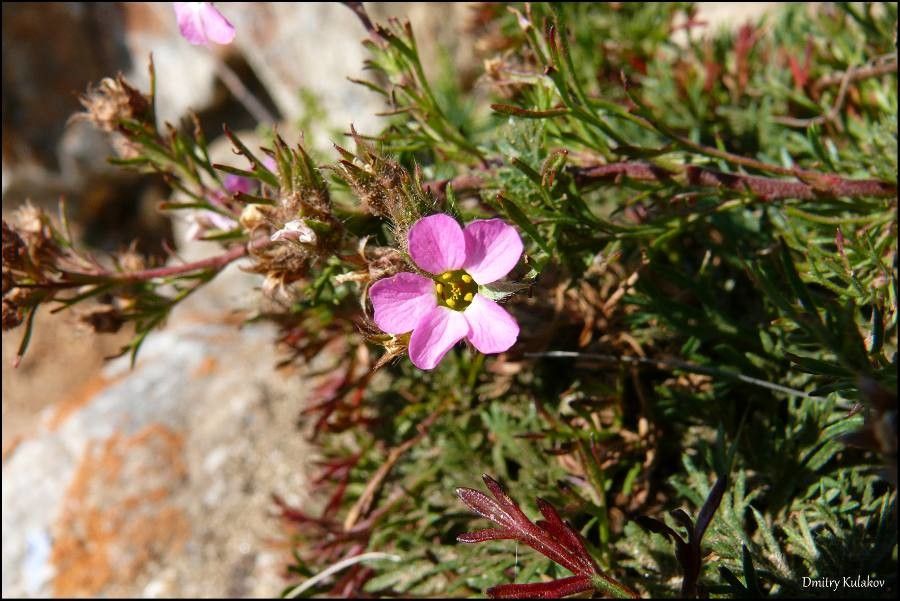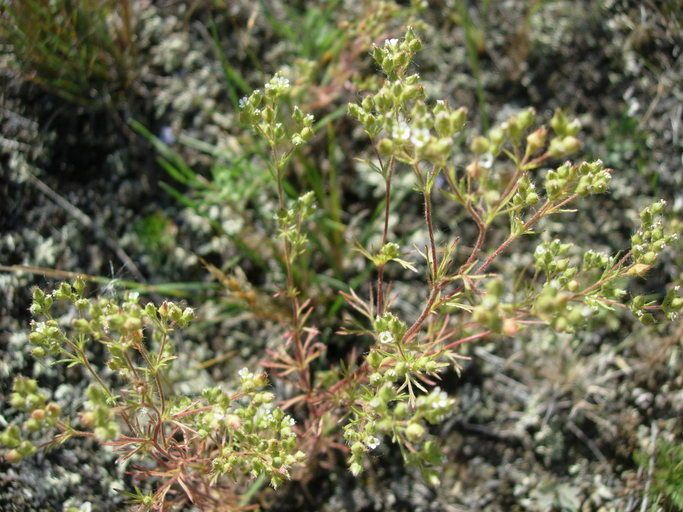
Chamaerhodos erecta is a species of plant in the family Rosaceae that is native to Asia and North America. It flowers between June through August and grows on prairies, outcrops, and exposed ridges on sandy or rocky soil.
Rose chamaerhodos has strong resistance to disease and is typically not prone to illnesses. Still, it can be vulnerable to pests and diseases present in its environment, though such infections are generally mild. Carewise, this plant needs a moderate level of maintenance. Regular pruning is necessary to preserve an attractive appearance and healthy growth, and applying fertilizer can encourage flowering. Rose chamaerhodos is well suited for anyone with outdoor space, like a garden or patio, and does not demand extensive care experience. It may need more attention when cultivated indoors.
How to keep Chamaerhodos Erecta.
Light
The Chamaerhodos rose originates from well-lit, open settings, thriving best under full sunlight. While it can withstand partial sunlight, it benefits most from direct exposure to the sun for optimal development. This plant, which can be annual or biennial, is characterized by its affinity for sunny conditions.
Water
Originating from alpine regions, rose chamaerhodos thrives in moderate moisture and well-drained soils. It requires consistent weekly watering. The plant prefers outdoor conditions that mimic its mountainous origins, benefiting from natural rainfall and cooler temperatures to optimize water use during the growing season.
Temperature
Rose chamaerhodos possesses the capability to adjust to an extensive variety of temperature circumstances, yet different mixtures of heat and water conditions might still restrict its distribution. It flourishes optimally in summer's warm climates when there is sufficient rain or irrigation. Extended sessions of overcast and wet weather, along with enduring elevated heat, can heighten the probability of Rose chamaerhodos perishing. During winter, suitable cold shielding can enhance the plant's chance of survival.
Fertilizer
Rose chamaerhodos requires consistent fertilizing to encourage blooming, but it is sensitive to over-fertilization. It benefits from small amounts of fertilizer applied regularly throughout its whole growth cycle, with particular emphasis during the times of active growth and blossoming. The nourishment of your Rose chamaerhodos should be maintained until the end of its flowering season.
Pruning
Rose chamaerhodos is a compact perennial that produces rose-like flowers. To encourage growth and flowering, prune it in the spring. Be sure to remove any dead branches, thin out dense areas, and trim back to a healthy new bud for a bushier appearance. Regular pruning not only enhances its aesthetic appeal but also helps prevent disease, ensuring a healthy and flourishing Rose chamaerhodos.
Botanical profile.
- Plant Type
- Herb
- Life Cycle
- Biennial, Perennial
- Genus
- Chamaerhodos
- Family
- Rosaceae
- Hardiness Zone
- 3-7
- Mature Height
- 10 cm to 30 cm
- Mature Spread
- 5 cm to 15 cm
- Leaf Color
- Green
- Leaf Type
- Evergreen
- Flower Color
- White
- Flower Size
- 0.20 cm to 0.25 cm
- Bloom Time
- Early summer, Mid summer
- Planting Time
- Spring, Summer, Autumn
- Harvest Time
- Late summer, Early fall
- Native Area
- Russia, Kazakhstan, Mongolia, Koppen, China