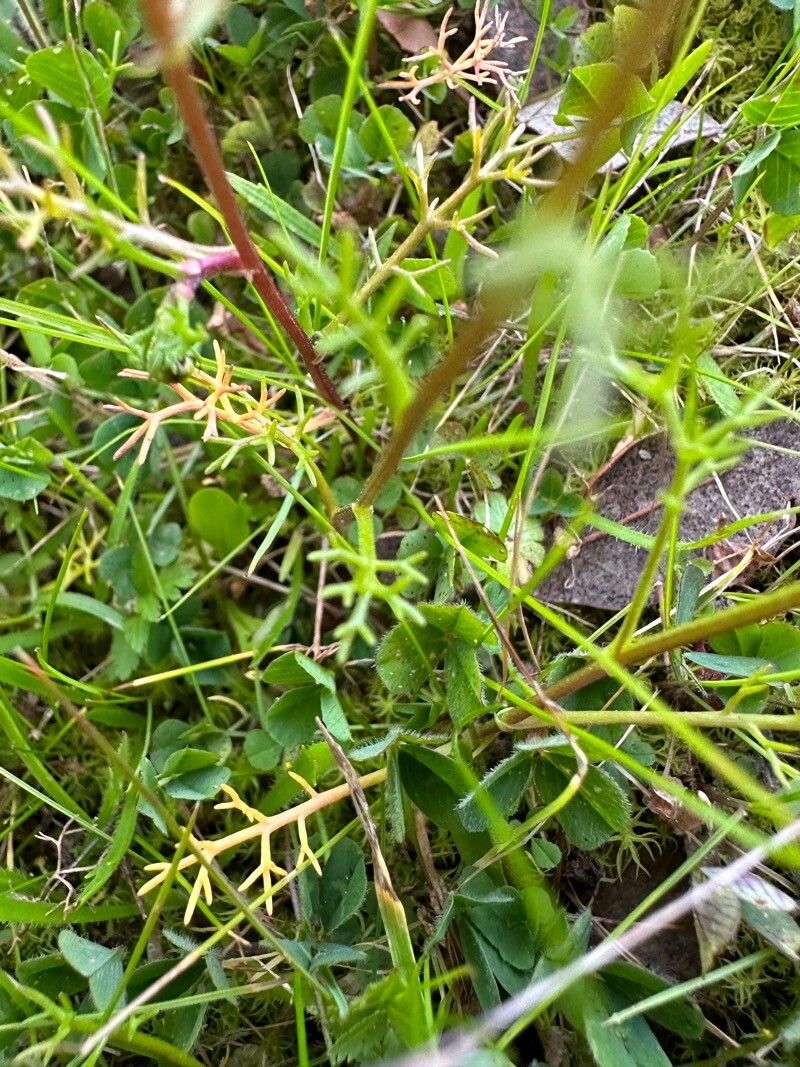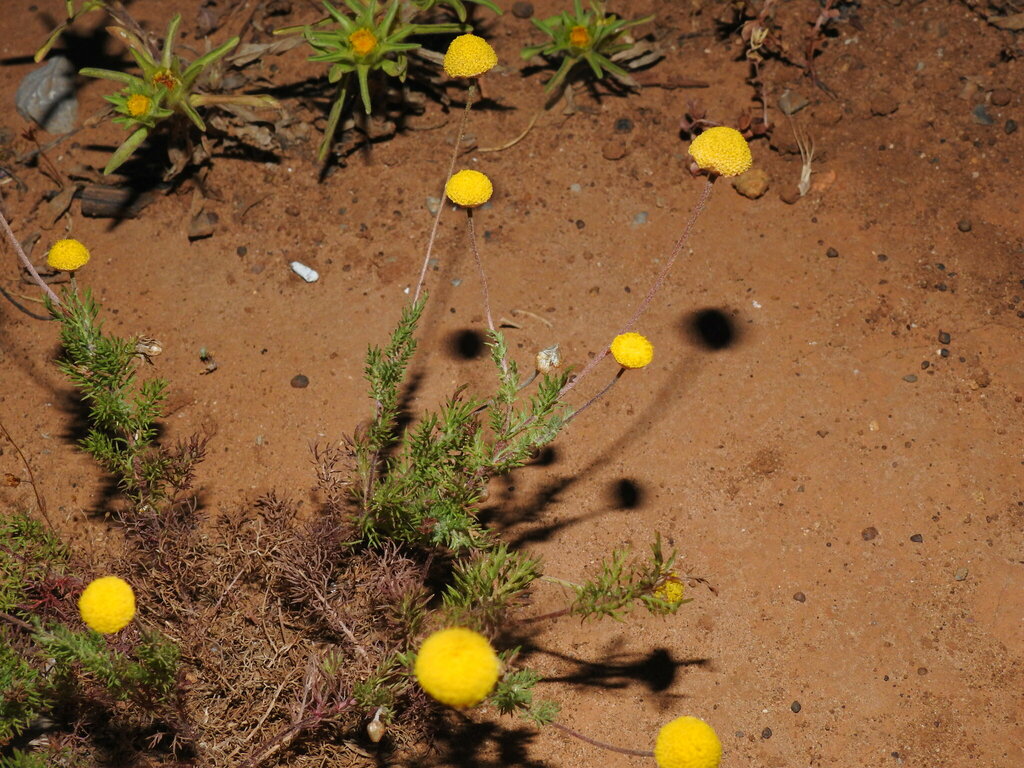
Chamaemelum nobile, commonly known as chamomile (also spelled camomile), is a low perennial plant found in dry fields and around gardens and cultivated grounds in Europe, North America, and South America. Its synonym is Anthemis nobilis, with various common names, such as Roman chamomile, English chamomile, garden chamomile, ground apple, low chamomile, mother's daisy or whig plant. C. nobile is a source of the herbal product known as chamomile using dried flowers for flavoring teas or as a fragrance used in aromatherapy. Chamomile has no established medicinal properties.
Roman chamomile is fairly disease-resistant and is typically not very prone to illnesses. However, it can be vulnerable to pests and diseases present in its environment. These problems are usually not serious. Regarding care, the plant requires moderate maintenance. It should be pruned regularly to keep a tidy appearance and support healthy growth. Fertilizing can also help encourage flowering. Roman chamomile is suitable for anyone with outdoor space, such as a garden or patio, and does not demand extensive care experience. It may need more attention when grown indoors.
How to keep Chamaemelum Nobile.
Light
Roman chamomile strongly favors spots that get sun for most of the day. Still, it can survive where there is plenty of light that isn’t constant — for example, places with occasional shade. However, the plant may suffer if it is largely shaded or subjected to too much sun, which can result in stunted growth or sunscald.
Water
Roman chamomile thrives best in well-drained soil with consistent moisture, although it can tolerate brief dry periods. To ensure optimal hydration, water it weekly. Typically cultivated outdoors, Roman chamomile flourishes during the growing season when moderate to heavy rainfall provides water in sync with its growth phases.
Humidity
This plant will thrive in moderate humidity, which is probably the level in your home. However, misting it a few times a week can be very beneficial. Make sure the room has good ventilation.
Temperature
Roman chamomile grows best in climates where temperatures range from 68 to 95 °F (20 to 35 ℃). It favors this moderate warmth for optimal growth. Seasonal temperature adjustments might be necessary to accommodate this preference.
Fertilizer
The best time to fertilize Roman chamomile is in early spring, as it is coming out of dormancy and starting active growth. Fertilization supplies essential nutrients for healthy development. Although Roman chamomile has fairly low fertilizer requirements, applying fertilizer annually can improve its survival and encourage healthier, longer-lasting blooms.
Pruning
Roman chamomile, known for its aromatic leaves and daisy-like blooms, benefits from regular pruning from late winter to early spring. This involves removing dead stems and spent flowers to improve airflow, reduce the risk of disease, and encourage new growth. These techniques help produce a healthier and more vibrant plant throughout the growing season.
Botanical profile.
- Plant Type
- Herb
- Life Cycle
- Perennial, Annual
- Genus
- Chamaemelum
- Family
- Asteraceae
- Hardiness Zone
- 4-8
- Mature Height
- 30 cm
- Mature Spread
- 46 cm
- Leaf Color
- Green
- Leaf Type
- Evergreen
- Flower Color
- White, Yellow
- Flower Size
- 2.54 cm
- Bloom Time
- Summer
- Planting Time
- Spring
- Harvest Time
- Late summer, Early fall, Mid fall
- Native Area
- Tunisia, Austria, Slovakia, Bulgaria, Poland, Morocco, Ukraine, Serbia, Russia, Germany, Italy, Spain, Switzerland, France, Ireland, United Kingdom, Algeria, Azerbaijan, Belgium, Moldova, Portugal
Other names.
Reader questions.
How should I water my Roman chamomile plants?
To effectively water the Roman chamomile, it is recommended to use filtered water at room temperature. Tap water may contain harmful particles, so filtered water is preferable. It is important to use water that is at room temperature or slightly warmer because the plant is native to warm environments and cold water can be a shock to its system. Avoid overhead watering to prevent foliage issues. Instead, pour the filtered room temperature water directly onto the soil until it is fully soaked. This method benefits the plant by moistening the roots and aiding in the spread of nutrients through the soil.
Why do I have to put fertilizer on my Roman chamomile plant?
Fertilization plays an important role in the growth of Roman chamomile and other plants. It provides necessary nutrients for both above and below ground development. However, Roman chamomile has relatively low fertilizer requirements. While it can sometimes survive without fertilization, annual fertilization can greatly benefit the plant. It helps maintain its overall health and may even improve the quality and longevity of its flowers. Therefore, for those wanting their Roman chamomile to thrive and look its best, regular annual fertilization is recommended.
What are the sun requirements for Roman Chamomile?
Roman chamomile flourishes best in full sun, necessitating above 6 hours of sunlight daily, though it can also tolerate partial sun, which means about 3-6 hours of sunlight daily. It's crucial to observe your garden's sun patterns, aiming for spots that offer a harmonious mix of light and shade, to assure your plants thrive. This balance is essential for the plant's overall health, impacting its growth and vitality.
What is the ideal temperature for growing Roman chamomile?
Roman chamomile thrives best in climates with temperatures ranging from 68 to 95 °F (20 to 35 °C), requiring moderate warmth for optimal growth. Although it has strong cold resistance and doesn't usually need special frost protection, measures should be taken if winter temperatures are expected to drop below the plant's cold tolerance limit. This includes covering the plant with soil or straw and watering it abundantly before the first freeze in autumn to keep the soil moist and prevent drought during the winter.
What should I do if I give too much or too little water to my Roman chamomile plant?
Overwatering is a more common issue than underwatering for Roman chamomile. When this plant gets too much water, its stems and leaves may wilt and turn yellow. Overwatering for a long time can also cause diseases like root rot, mold, and mildew, which can be fatal for the plant. Underwatering is less likely, but if it happens, the leaves will become brittle and brown. It's important to notice the signs of overwatering early on because some of the diseases it causes cannot be reversed if you wait too long. If you see these signs, reduce watering immediately and consider replacing poorly drained soil with a loose, well-draining potting mix. If your plant appears to be receiving too little water, water it more regularly until the signs go away.
When should I fertilize my Roman chamomile?
For optimal results, it is recommended to fertilize a Roman chamomile in late winter to early spring. This is because during this period, the plant transitions from its dormant phase to active growth. By providing fertilizer at this time, you can support healthy growth and help the chamomile get off to a great start for the season. While early spring is generally the best time for fertilization, it is also acceptable to fertilize in the fall. However, it is not advisable to feed the plant during summer or winter.
How does Roman chamomile react to different lighting conditions?
Roman chamomile prefers sunny spots where sunlight persists for most of the day, thriving under sufficient yet not constant sunlight, with intermittent shadows. Nonetheless, the plant's health could decline if it's excessively shaded or exposed to too much sun, potentially causing stunted growth or sunscald. For indoor plants lacking natural light, especially in winter or dim areas, artificial lighting serves as an essential alternative, promoting robust growth. Ideal artificial light includes LED lights tailored to provide specific light wavelengths, with intensity recommendations depending on plant type: 30-50W/sq ft for full sun plants, 20-30W/sq ft for partial sun plants, and 10-20W/sq ft for full shade plants. The placement (12-36 inches above the plant) and duration of artificial light (mimicking the natural daylight hours, typically 8-12 hours per day) are crucial factors to ensure healthy growth.
How does low temperature affect Roman chamomile, and what are the remedies?
Roman chamomile is cold-tolerant and generally thrives when the temperature stays above its minimum growth threshold. During winter, temperatures should be kept above its tolerable growth minimum to avoid negative impacts. If temperatures fall below this limit, the plant may experience decreased sprouting or fail to sprout in spring. To address this, any parts of the plant that have failed to sprout by spring should be removed.
How frequently should I water my Roman chamomile plant?
For potted Roman chamomile plants, the most precise way to check if it needs water is to stick your finger in the soil. If the top two to three inches of soil feel dry, it's time to water. The same method applies if you're growing Roman chamomile outdoors in the ground. In that case, water when the top few inches of soil are dry. Typically, during spring and early fall, you'll water once a week using this method. However, during extremely hot weather, you may need to water twice a week or more. It's worth noting that mature and well-established Roman chamomile plants have a good tolerance for drought.
When is it not a good idea to put fertilizer on my Roman chamomile plant?
To avoid overfertilization and complications, it is best to only fertilize your Roman chamomile during late winter and early spring. This plant has low fertilization needs and a single annual feeding is enough. Fertilizing during spring, summer, and fall can cause problems. However, if you missed fertilizing in spring, it is okay to do so in the fall. Additionally, there is no need to fertilize during winter because the plant is in a dormant phase and not producing new growth.
What are common symptoms of improper lighting for Roman chamomile?
Roman chamomile shows specific signs when subjected to inadequate lighting, such as the emergence of small, new leaves, leggy or sparse growth, premature leaf drop, diminished or halted new growth, and the appearance of lighter-colored or yellow leaves, indicating chlorosis. Excessive sunlight exposure can lead to symptoms like sunscald, leaf curling, wilting, leaf scorching, and overall reduced health of the plant. These symptoms reveal the plant's struggle with either too much or too little light, reflecting its need for an optimal lighting environment to flourish.
What are the effects of high temperature on Roman chamomile and how can they be mitigated?
During the summer, it's important to keep Roman chamomile's temperature below its maximum suitable growth threshold to avoid stress. Exceeding this threshold can cause leaves to lighten in color, curl, become prone to sunburn, and, in severe cases, cause the entire plant to wilt and dry. Mitigation strategies include trimming away sunburned and dried parts of the plant, relocating it to a shaded area, or using a shade cloth to protect it from midday and afternoon sun. Additionally, watering the plant in the morning and evening can help keep the soil moist and reduce stress.