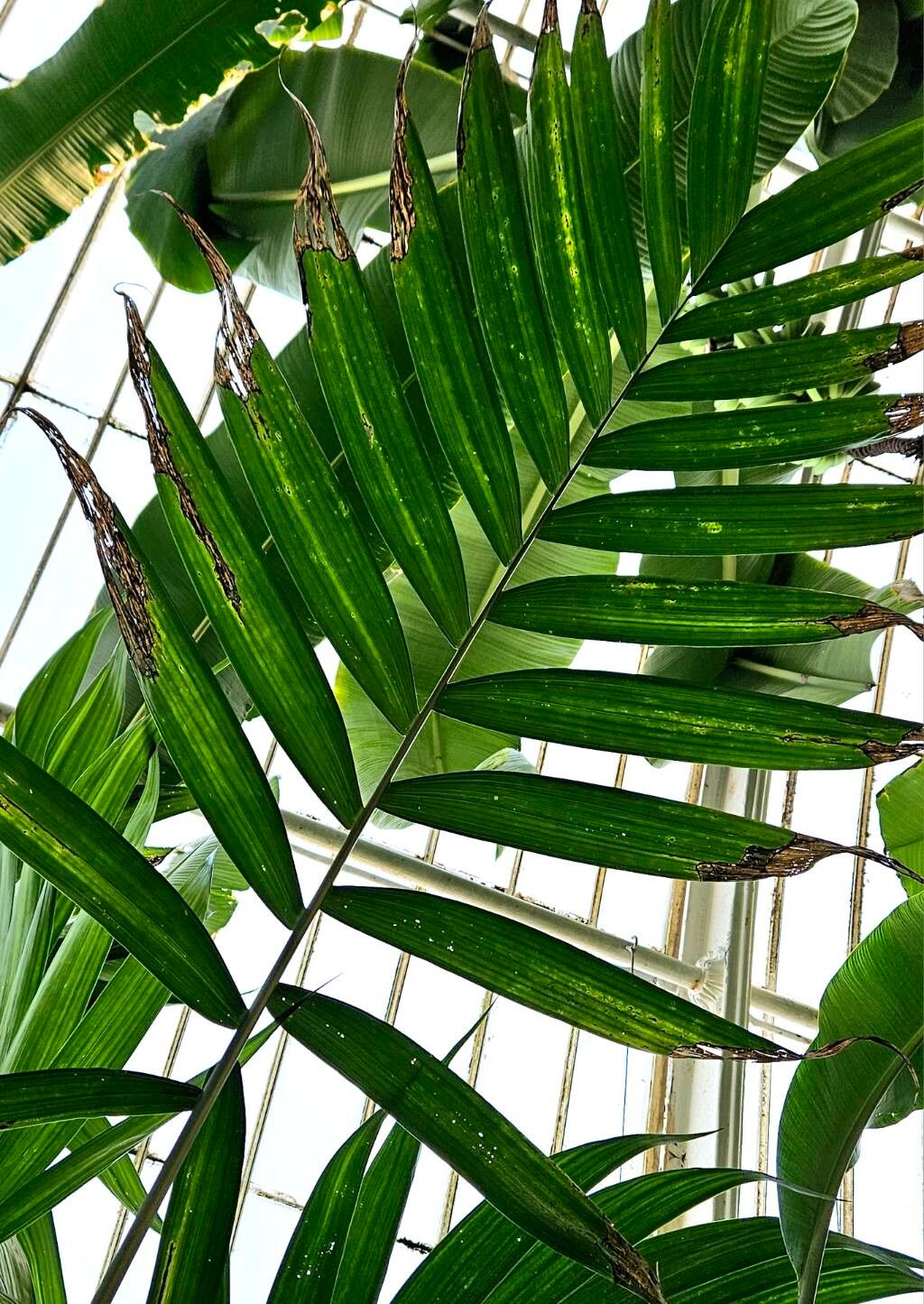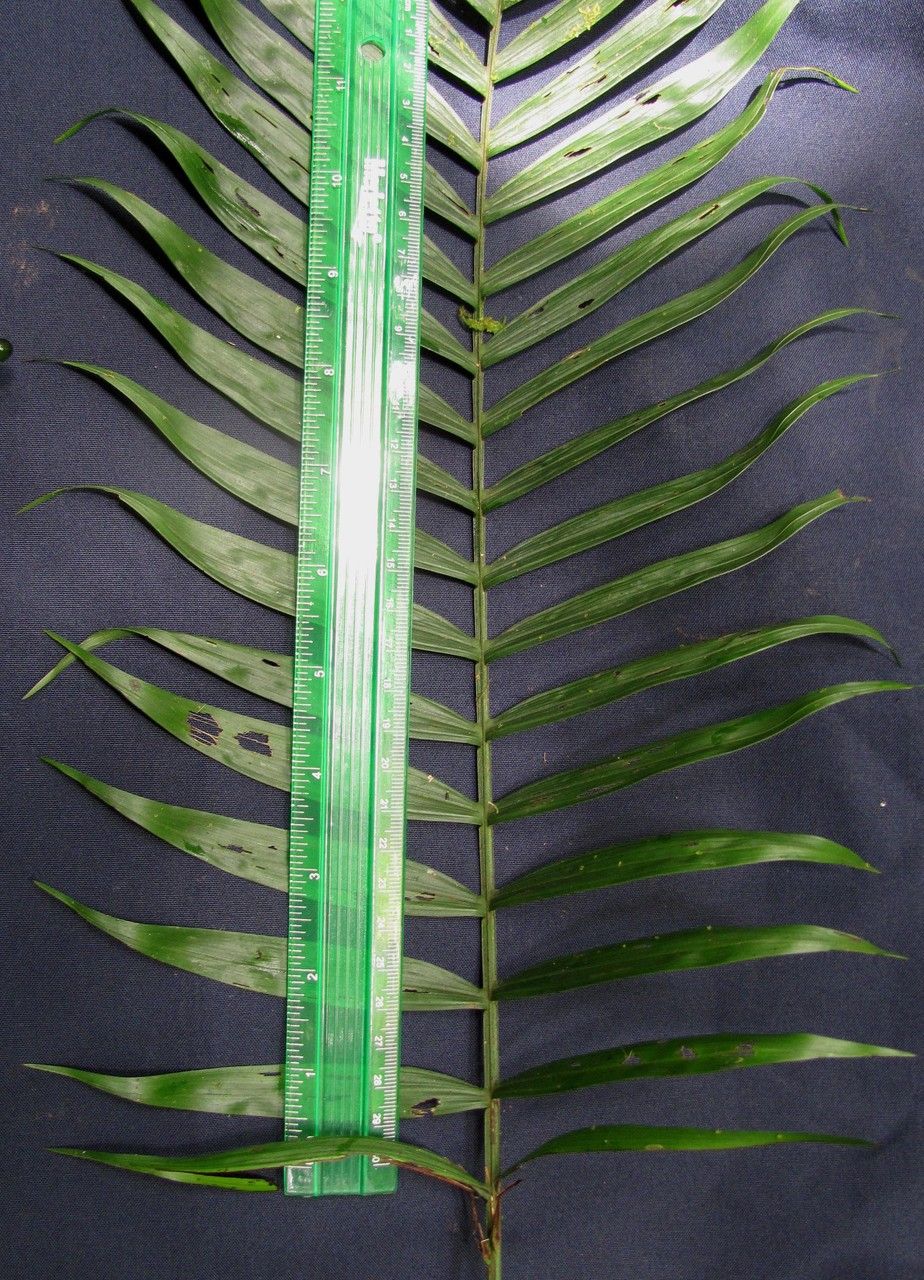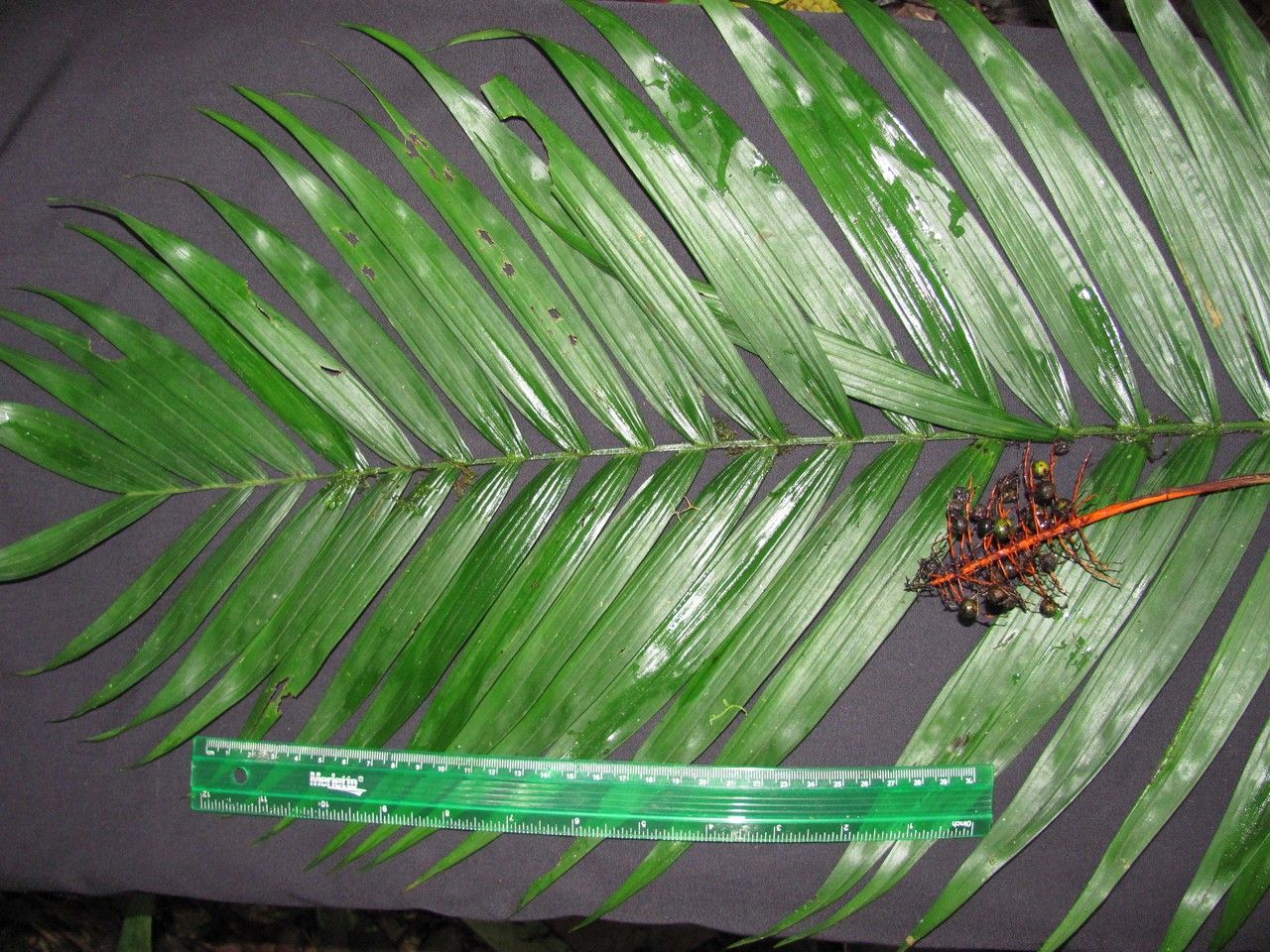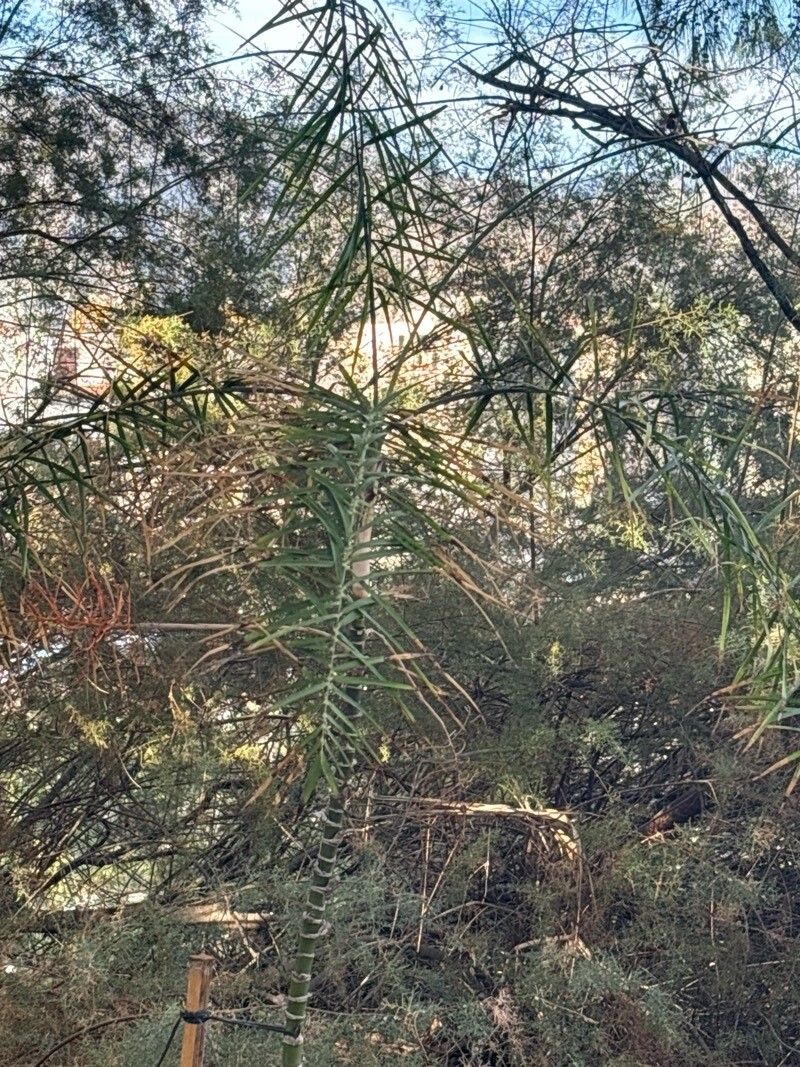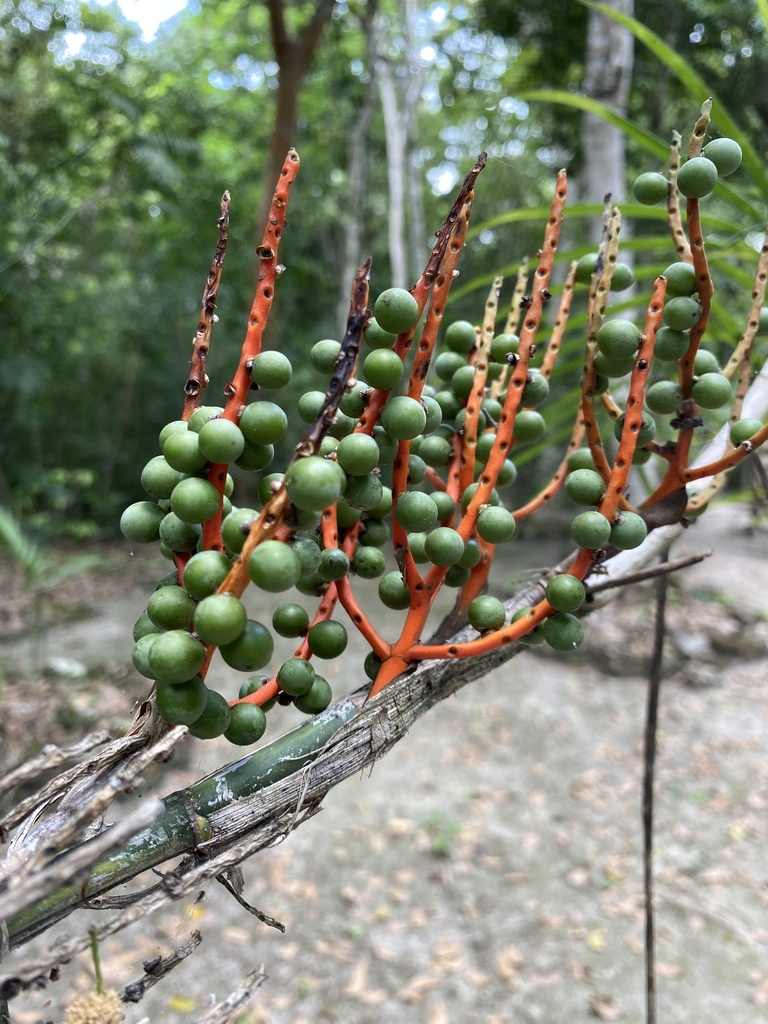
Chamaedorea seifrizii, commonly known as the bamboo palm or reed palm, is a popular indoor plant native to Mexico and Central America. Belonging to the Arecaceae family, it can grow up to 6 feet tall. The plant features slender, bamboo-like stems topped with lush green fronds, giving it a tropical appearance.
The bamboo palm is easy to care for and thrives in bright, indirect light. It can also tolerate low light conditions. The plant prefers well-draining soil and requires regular watering, but care should be taken not to overwater it, as this can lead to root rot.
In addition to its aesthetic appeal, the bamboo palm has air-purifying qualities, making it an excellent choice for indoor spaces like homes or offices. It helps remove harmful toxins from the air, such as formaldehyde, benzene, and trichloroethylene.
Before Western explorers discovered it, the Maya had already been cultivating the bamboo palm. Its adaptability to various growing conditions has made it one of the two most popular species of its genus for cultivation in tropical and subtropical gardens worldwide. Although the plant's name might imply otherwise, its attractive berries are not edible and can cause allergic reactions or poisoning if consumed. FUN FACT · FROM THE LIBRARY
Overall, Chamaedorea seifrizii is a beautiful addition to any indoor space. Its tropical appearance and air-purifying properties make it both visually pleasing and beneficial for health.
The plant known as Seifriz's chamaedorea belongs to the genus Chamaedorea. The name "Chamaedorea" is derived from two Ancient Greek words: 'χαμαί' (transcribed as 'chamai'), meaning 'on the ground', and 'δωρεά' (transcribed as 'dorea'), meaning 'gift'. This name reflects the palm's low-growing nature and/or its easily accessible fruits, often referred to as 'the gift'. The term 'Seifriz' honors William Seifriz, an American-German botanist (1888-1955), after whom the species is named.
Bamboo palm has a high level of disease resistance and is generally not easily affected by illnesses. However, when grown in poor conditions it can become more prone to disease. It also faces relatively few insect pests. Regarding care, this plant has moderate requirements. It needs ample sunlight, because in low light it can become more susceptible to disease and develop thin growth. Since it is often kept indoors, it may need to be moved regularly to a bright spot. It does not need frequent watering. All in all, Bamboo palm is appropriate for most people, though it is particularly well suited to those who can provide good light conditions.
How to keep Chamaedorea Seifrizii.
Light
The bamboo palm does well with moderately strong sunlight but can adjust to dimmer surroundings. Native to places with dappled light, that light pattern is important for its healthy development. Light affects it differently at various growth stages, and both excessive and insufficient exposure can reduce its vigour.
Water
The bamboo palm, which originates from tropical rainforests, flourishes in environments with high humidity and consistently moist soil. To care for this plant, water it every one to two weeks, allowing the soil to dry out slightly between waterings. Regular misting is also beneficial, as it increases the surrounding humidity, supports the plant's health, and simulates its natural habitat.
Humidity
This plant needs special care because it loves high humidity levels of 60-80% or more. The best way to achieve this is by placing a humidifier near the plant. Daily misting is also essential! Make sure the room has good ventilation.
Temperature
The bamboo palm originates from tropical areas where temperatures range from 68 to 100 °F (20 to 38 ℃). It thrives in a steady, warm environment. Moderating seasonal temperature variations is essential for its optimal growth.
Fertilizer
The best time to fertilize a Bamboo palm is in early spring when it comes out of dormancy. This encourages overall growth and flower development. Fertilization improves the foliage, stems, and branches, and promotes flowers that are large, vibrant, and long-lasting. It also helps move nutrients from the roots to the flowers and enhances the plant’s health and resistance to disease.
Pruning
The bamboo palm is characterized by its slender stems and feathery fronds, and it thrives with only minimal regular pruning. To maintain the plant's health, focus on removing dead fronds and trimming any tall growth. Pruning is best done in early spring, as this promotes healthy growth and improves air circulation. Remember to use clean, sharp tools to prevent the transmission of diseases.
Pot & Repot
When repotting Bamboo palm, choose a pot that is slightly larger and provides excellent drainage. Use a potting mix that drains well. Repot in spring, taking care not to harm the roots while doing so. Place the palm at the same depth it was in the old pot. Water thoroughly after repotting, and keep it in a warm spot with bright, indirect light. Avoid overwatering to prevent root rot.
Botanical profile.
- Plant Type
- Tree
- Life Cycle
- Perennial
- Genus
- Chamaedorea
- Family
- Arecaceae
- Hardiness Zone
- 9-11
- Mature Height
- 2.44 m
- Mature Spread
- 61 cm to 91 cm
- Leaf Color
- Green
- Leaf Type
- Evergreen
- Flower Color
- Yellow
- Flower Size
- 0.25 cm to 0.51 cm
- Bloom Time
- Mid spring, Late spring, Early summer
- Planting Time
- Spring, Summer, Autumn, Winter
- Harvest Time
- Mid summer
- Native Area
- Honduras, Mexico, Guatemala, Belize
Other names.
Reader questions.
How should I water my Bamboo palm?
Your Bamboo palm is not demanding when it comes to watering. You can use any common tool like a watering can, hose, or even a cup to water it. It is important to water the plant directly on the soil, making sure all areas are equally moistened to provide water to the entire root system. Using filtered water is recommended, as tap water may contain harmful particles for the plants. It is also best to use water at room temperature or slightly warmer as extreme temperatures can shock the Bamboo palm. However, overall, the Bamboo palm is typically adaptable to various types of water.
Why should I fertilize my Bamboo palm?
Regular fertilization is necessary for Bamboo palm because its showy leaves require a lot of energy to produce and maintain. In addition to supporting the leaves, the plant needs energy for the growth of its stems, branches, roots, and other vital structures. If you neglect fertilization, two likely outcomes can occur. The first is that the leaves will lose their natural color and texture, giving them an unhealthy appearance that diminishes its ornamental appeal. The second outcome is slowed overall growth or weak growth that is susceptible to breakage.
What are the sunlight requirements for a Bamboo Palm?
A Bamboo Palm requires about 3-6 hours of sunlight daily, thriving under semi-intense sun exposure but can adapt to less lit environments. Originating in habitats with sun-dappled illumination, it's essential for its healthy growth. Sun exposure's impact varies throughout its growth stages, and either excessive or insufficient light could affect its vigor negatively. It's recommended to watch how sunlight moves through your garden and choose spots that offer a balance of light and shade, ensuring your bamboo palm's happiness.
What is the native temperature range for Bamboo palm?
Bamboo palm thrives natively in tropical regions where temperatures range between 68 to 100 °F (20 to 38 °C). It requires a warm and consistent environment to grow optimally, with seasonal temperature moderation being crucial for its best growth. The plant is extremely heat-loving and can be negatively affected by cold temperatures. During autumn, it is advised to move outdoor-grown Bamboo palms indoors to a bright spot, away from heaters, while ensuring the temperature remains above 20°C during winter to promote healthy growth. Temperatures nearing 0°C can significantly harm the plant.
What should I do if I give my Bamboo palm too much or too little water?
For outdoor plants, especially newly planted ones or seedlings, it's common for them to lack water. When trees are small or recently planted, it's important to water them adequately for a few months. Once the roots are established, Bamboo palm can usually rely on rain for hydration. However, if Bamboo palm is planted in pots, overwatering is more likely to happen. In case you accidentally overwater your Bamboo palm, there are steps you can take to address the situation. Firstly, stop watering the plant immediately to minimize the impact of overwatering. Then, take the Bamboo palm out of its pot to check its roots. If you find that there is no root rot, you can put the plant back in its container. But if you do spot signs of root rot, trim any affected roots and consider applying a fungicide to prevent further harm. Lastly, make sure to repot the Bamboo palm in well-draining soil. On the other hand, if you underwater the plant, its leaves may droop, dry out, and fall off. In such cases, simply water the plant more frequently to resolve the issue. Correcting your watering frequency as soon as you notice underwatering is crucial.
When should I fertilize my Bamboo palm to get the best results?
To ensure the health of your Bamboo palm, it's important to occasionally fertilize it. This means you don't have to establish a fixed feeding schedule when first planting the plant. A simple way to fertilize the Bamboo palm is to apply the fertilizer while watering it occasionally. Additionally, during the growing season, your Bamboo palm will require a good amount of water. It's recommended to feed the plant every two to three weeks, consistently throughout the period when it's generating new growth.
How can artificial lighting support Bamboo Palm growth?
When natural sunlight is insufficient, especially in winter or less sunny spaces, artificial lights serve as a crucial solution for the Bamboo Palm's growth. Choosing the right type of artificial light, such as LED lights, can help provide the specific wavelengths of light needed. Full sun plants require 30-50W/sq ft, partial sun plants need 20-30W/sq ft, and full shade plants require 10-20W/sq ft of artificial light. The appropriate distance for the light source is 12-36 inches above the plant, mimicking natural sunlight, and ensuring plants receive 8-12 hours of light per day is beneficial for their growth.
How does low temperature affect Bamboo palm and what are the solutions?
Bamboo palm is sensitive to low temperatures and shows optimal growth when the temperature is kept above 20°C. It is vital to keep it above freezing point during winter. Exposure to temperatures below -5°C may cause the leaves to lighten in color, eventually turning brown or black after frost damage, alongside wilting and drooping. To mitigate such damage, trim off the frost-damaged parts and move the plant to a warmer indoor environment. Placing it near a south-facing window can ensure it receives ample sunlight while avoiding proximity to heaters or air conditioning vents to prevent air dryness.
How frequently should I water my Bamboo palm?
Most outdoor plants can grow normally with rainfall, but if your area lacks rain, you'll need to water them every 2 weeks in the spring and fall, and more frequently in the summer. In winter, when plants grow slower and need less water, you should water them less often or not at all. Young or newly planted Bamboo palm plants will need more frequent watering to help them establish and grow. For potted plants, there are two ways to determine how often to water your Bamboo palm. The first is to have a set watering schedule, such as once a week or every other week. However, this may not always be suitable for your plant's specific growing conditions. You can also adjust your watering frequency based on the season. During summer, when your Bamboo palm needs more water, sticking to a predetermined schedule may not be enough. Instead, you can check the soil moisture and wait until the top two to four inches have completely dried out before watering again.
When is it best to not use fertilizer on my Bamboo palm plant?
Maintaining a regular fertilization schedule for your Bamboo palm is generally acceptable throughout most of the year, especially during the active growing season of spring, summer, and early fall. However, it's important to note that during the winter, this plant should not be fertilized. This is because the Bamboo palm enters a dormant growth phase during winter, where it either produces no new growth or very little. As a result, the plant uses less energy overall, making fertilization unnecessary during this time.
What symptoms indicate insufficient light exposure for Bamboo Palm?
Symptoms of insufficient light for a Bamboo Palm include smaller new leaves, leggy or sparse growth, faster leaf drop, slower or no new growth, lighter-colored new leaves, chlorosis, sunscald, leaf curling, wilting, and leaf scorching. These symptoms are signs that the plant is struggling with the current light conditions and may need adjustments to its environment or supplemental lighting to return to health.
What should be done when Bamboo palm is exposed to high temperatures?
In summer, it is important to ensure that the temperature surrounding a Bamboo palm does not exceed 38°C. Temperatures above 43°C can cause the leaves to fade in color and increase the plant's susceptibility to sunburn. To address this, trim away the sunburned and dried areas of the plant and relocate it to a spot that is shielded from direct midday and afternoon sun. Additionally, watering the plant during cooler times, such as in the morning and evening, helps keep the soil consistently moist, aiding in cooling the plant and preventing sun damage.