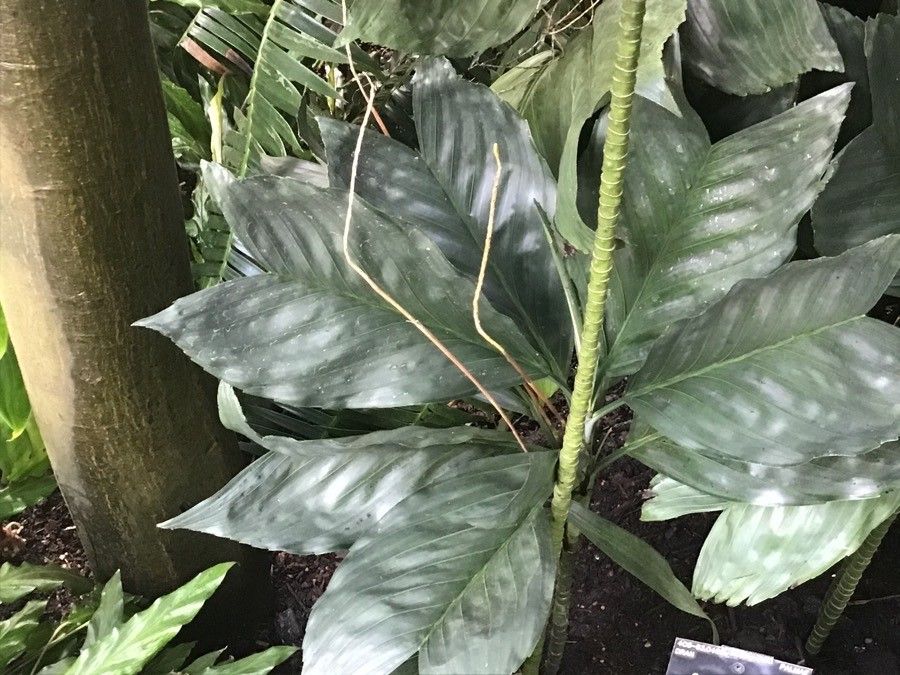
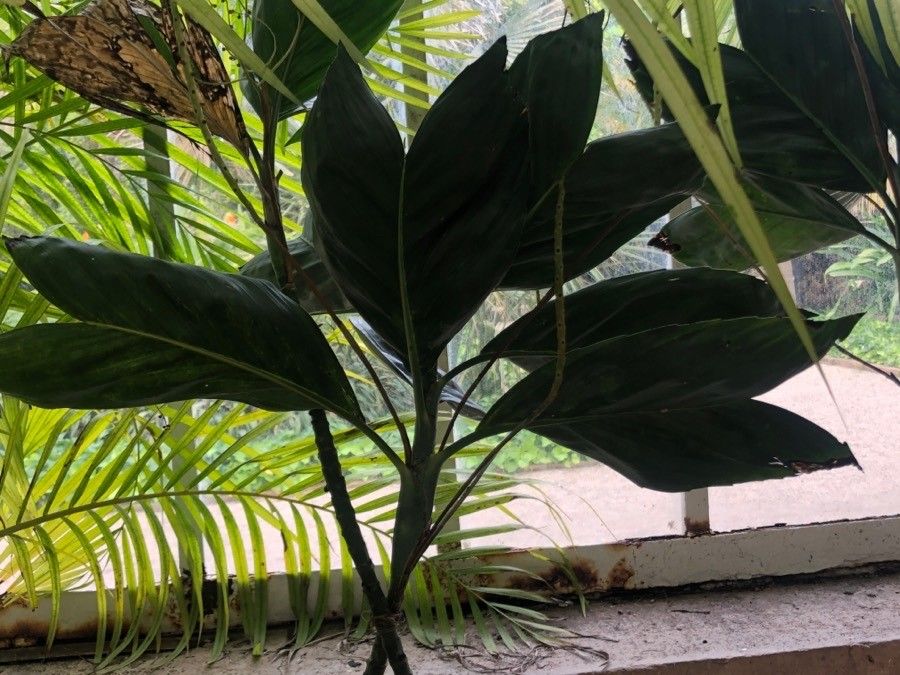
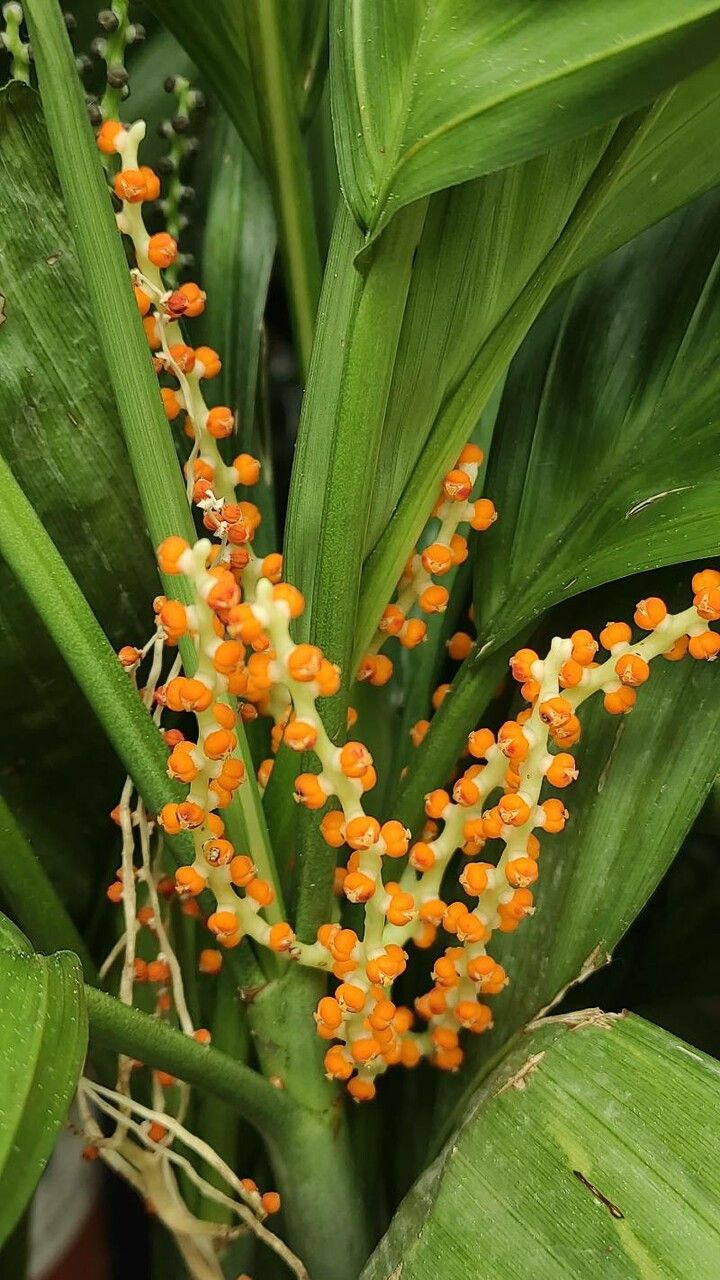
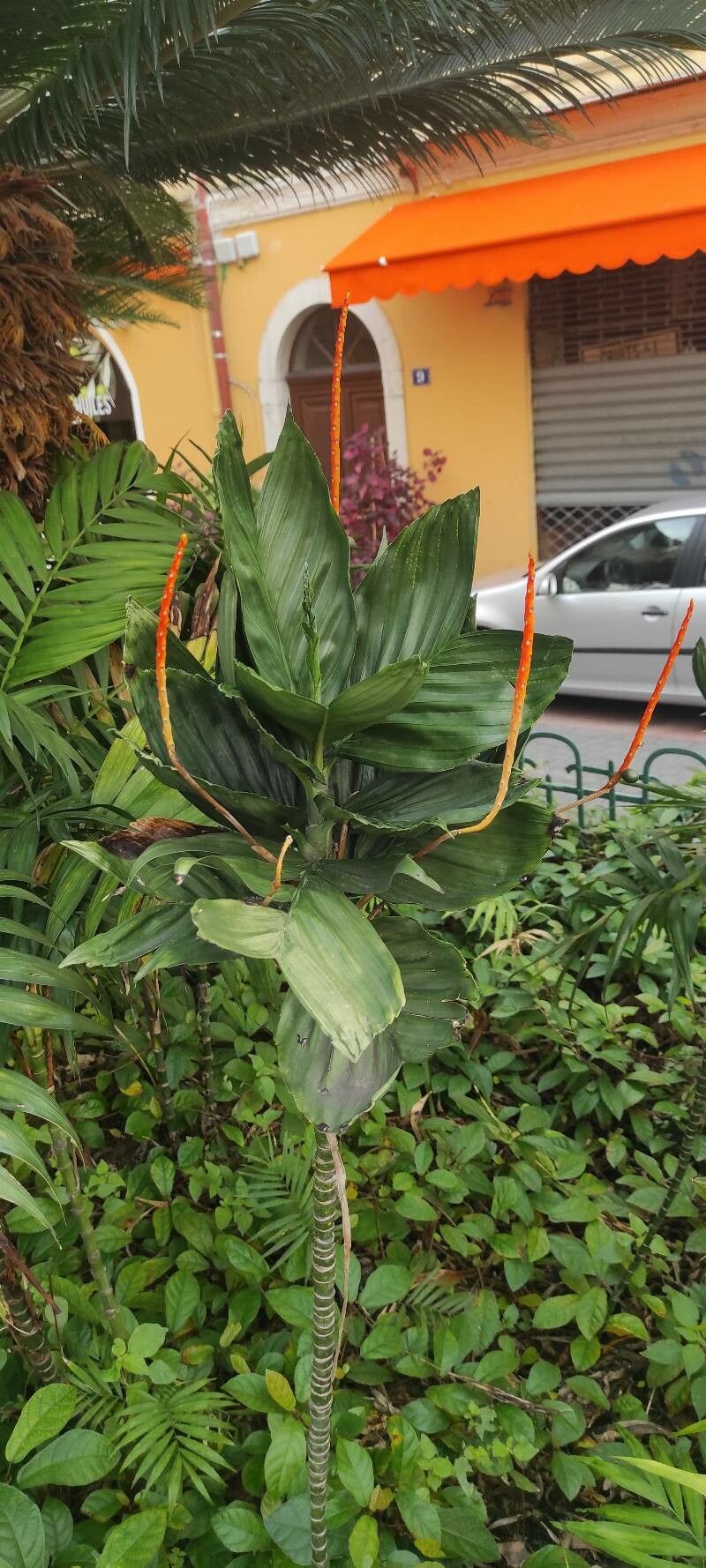
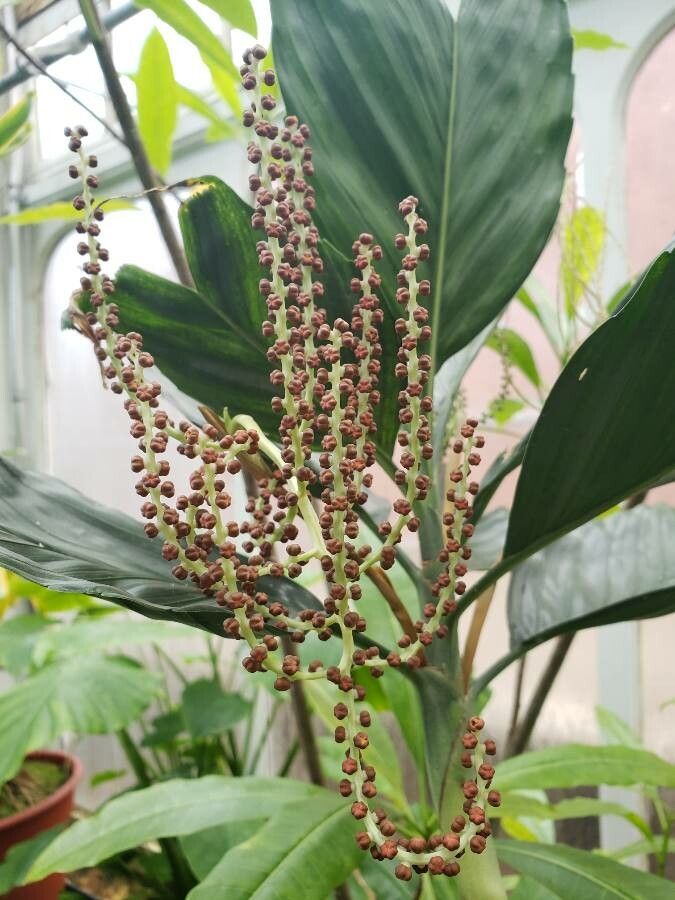
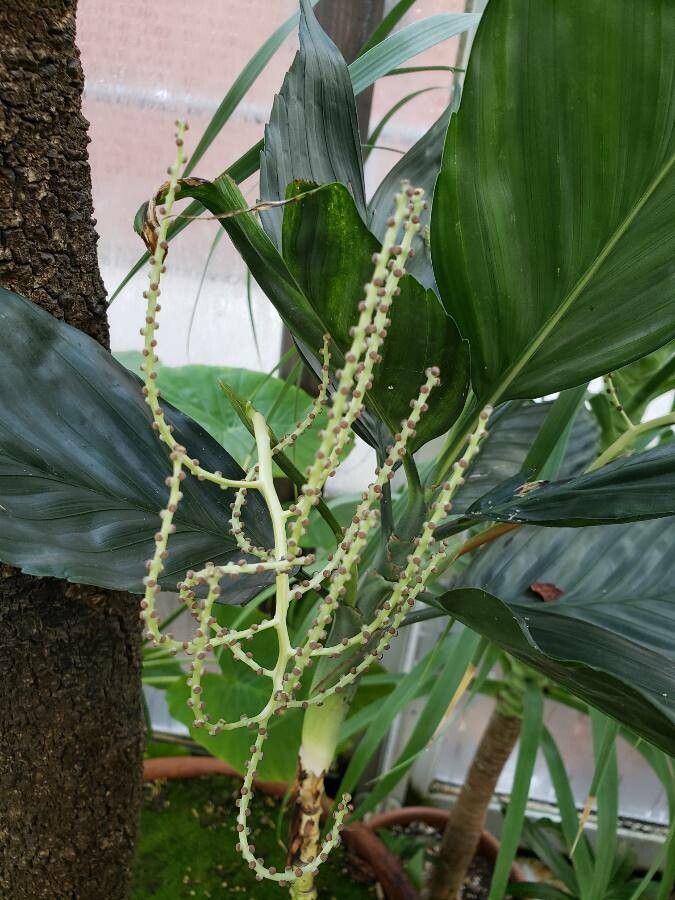
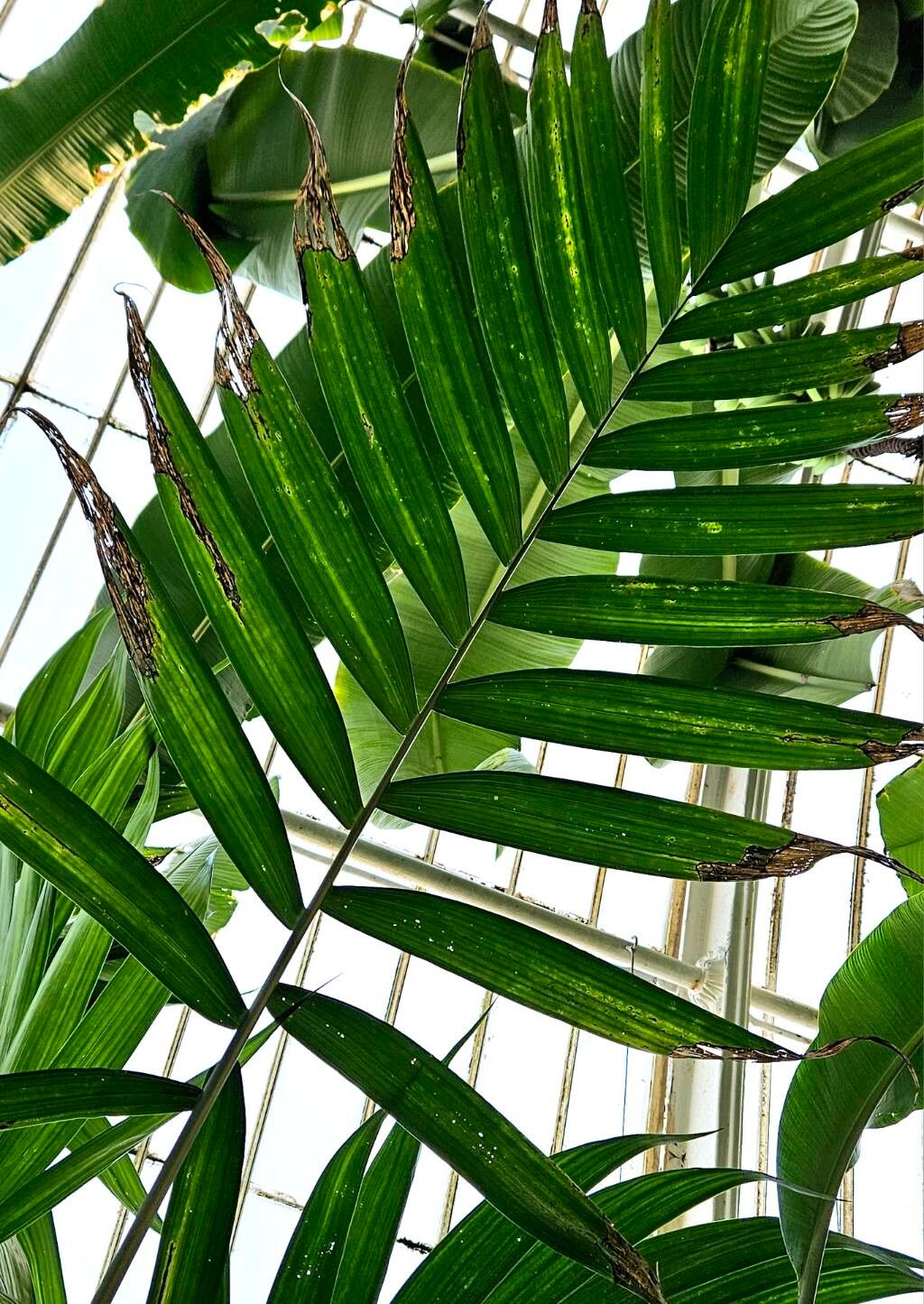
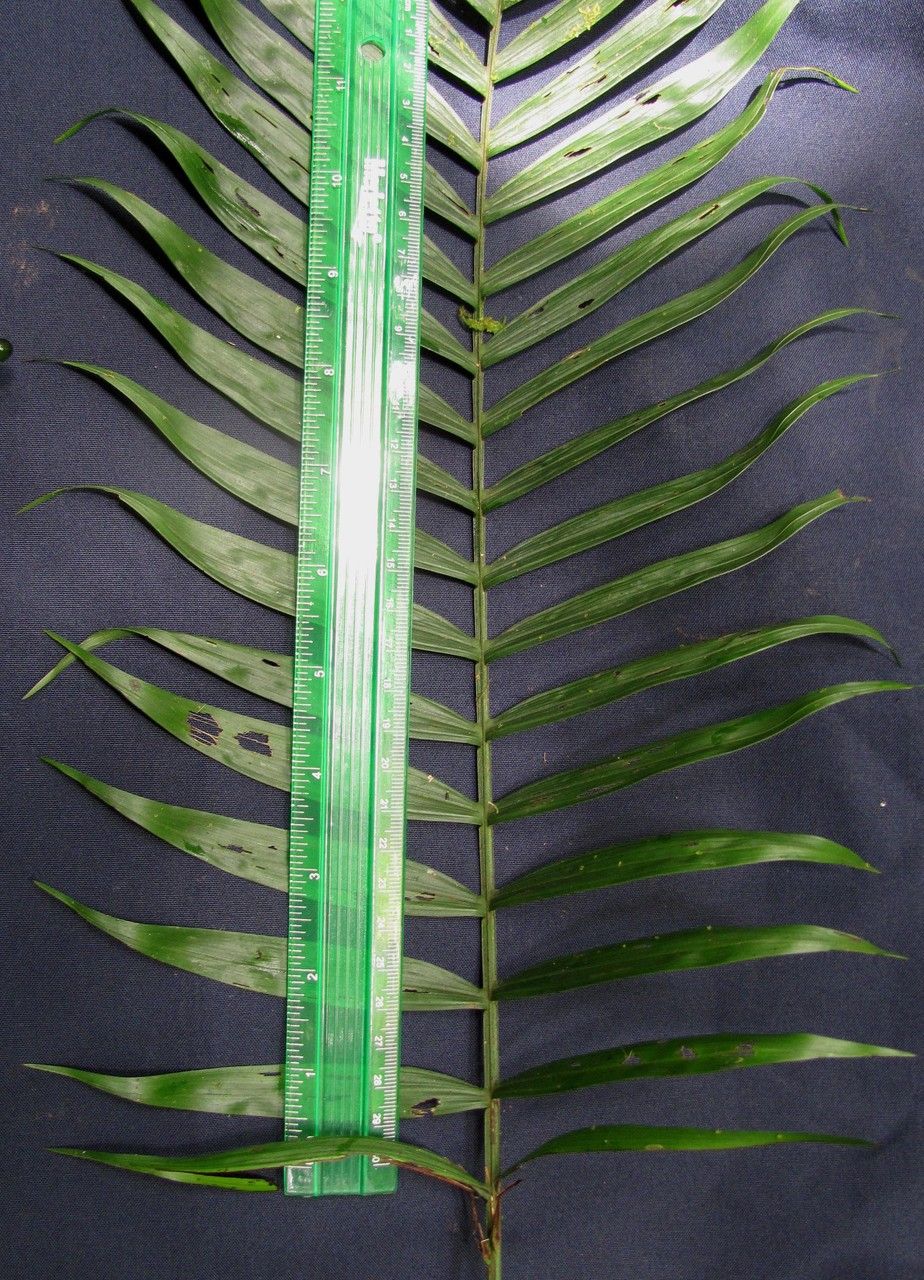
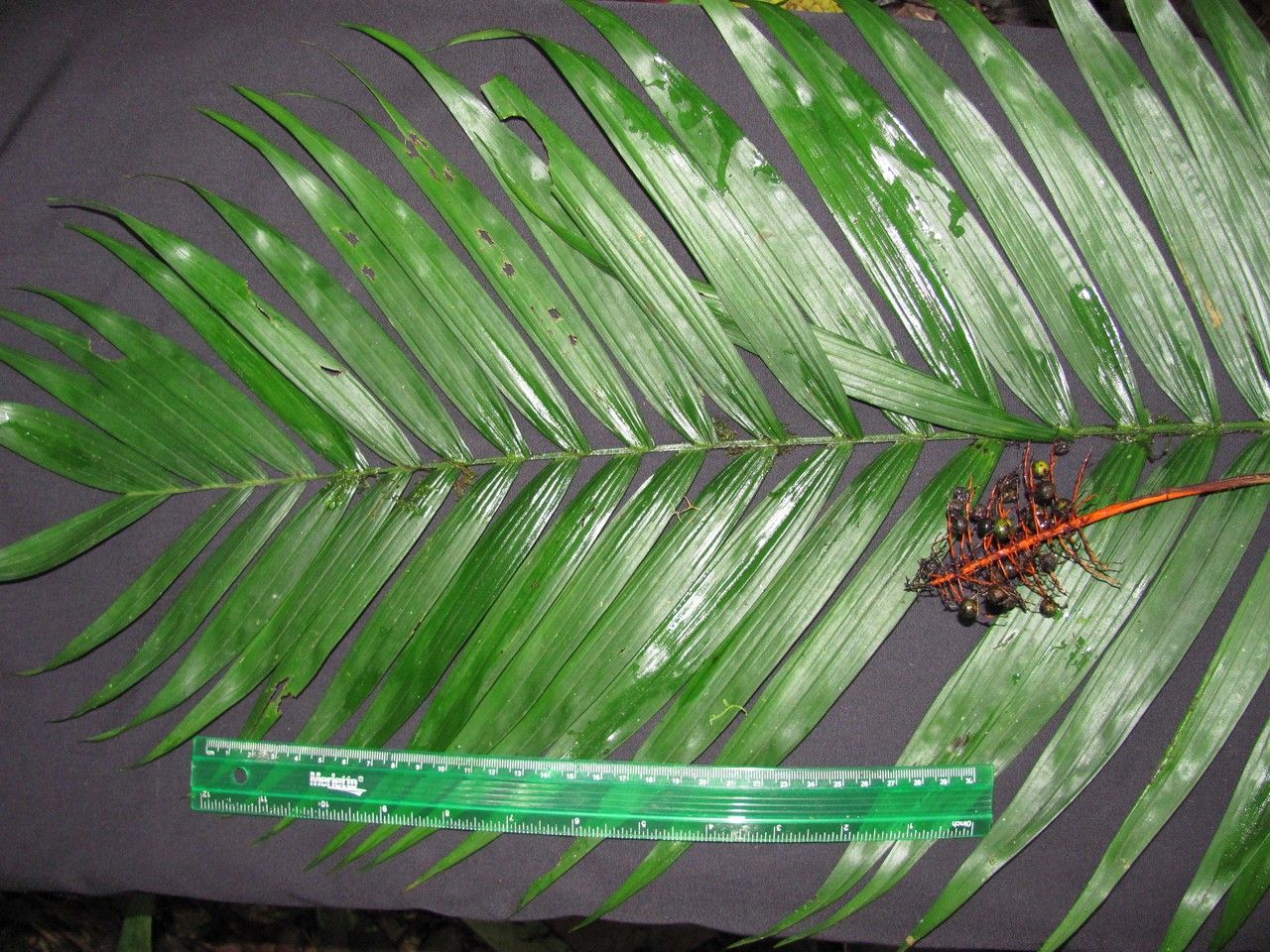
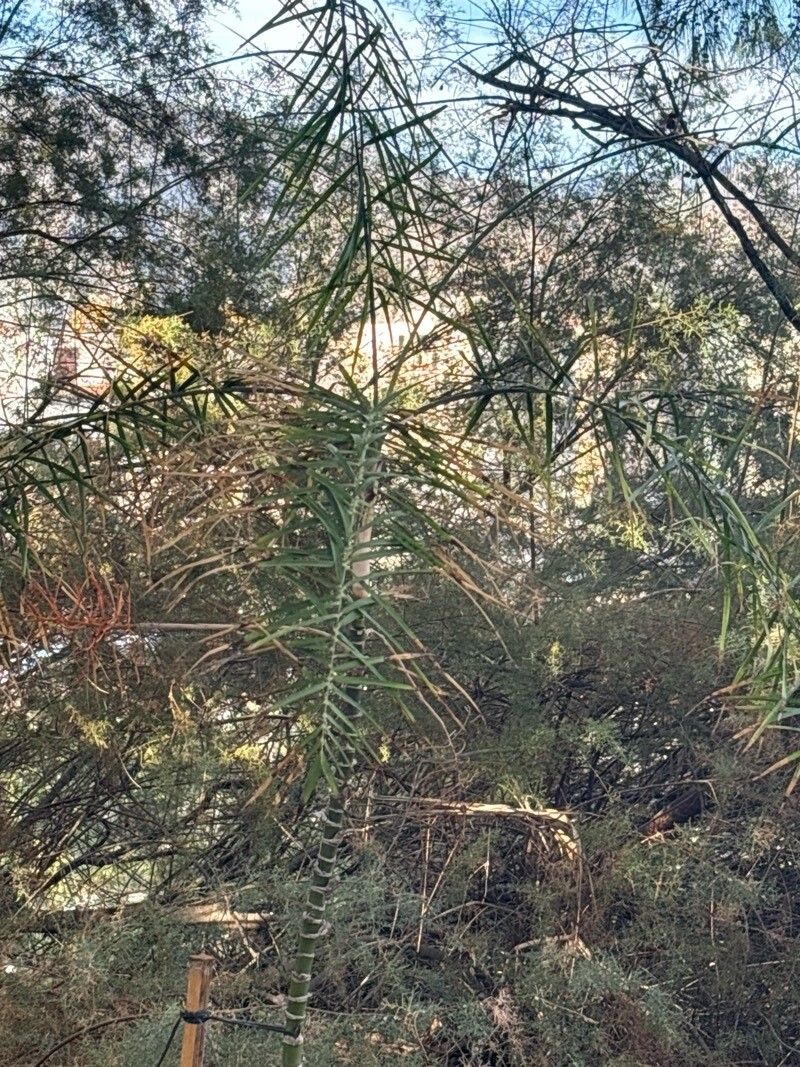
Chamaedorea metallica, commonly known as the metallic palm or miniature fishtail palm, is a small and elegant plant in the Arecaceae family. This plant is native to Central and South America, thriving in tropical rainforests. It features a slender stem, which can grow up to 2 meters tall, adorned with metallic blue-green leaves that are pinnate or feather-like in appearance.
Chamaedorea metallica thrives in bright but indirect light and prefers moist soil with good drainage. Although it can tolerate low light conditions, it may not grow as robustly or produce as many leaves. The plant requires regular watering during its growing season, but the soil should be allowed to dry out slightly between waterings.
This plant is an excellent choice for indoor decoration due to its compact size and attractive foliage. It can be grown in pots placed on windowsills, desks, or shelves, adding a touch of elegance with its unique metallic blue-green leaves.
Beyond its aesthetic appeal, Chamaedorea metallica also offers health benefits by improving air quality and removing toxins from indoor environments. Additionally, its leaves are used for medicinal purposes by indigenous people in Central America, who believe they possess anti-inflammatory properties.
In summary, Chamaedorea metallica is an easy-to-care-for houseplant that adds beauty and health benefits to any space!
The miniature fishtail palm has strong disease resistance and usually does not suffer from illnesses. Still, if it is kept in poor conditions it can become more vulnerable to disease. It also has few insect pests. Care-wise, this plant has moderate requirements. It needs plenty of sunlight because insufficient light can make it more disease-prone and cause thin, spindly growth. Since it is often maintained indoors, it may need to be moved regularly to a bright spot. It does not need frequent watering. Overall, the miniature fishtail palm is suitable for most people, though it is best for those who can provide good light conditions.
How to keep Chamaedorea Metallica.
Light
The miniature fishtail palm prefers lower-intensity light. While it can tolerate shade, it does best with partial sun. Excessive light can damage the plant, causing its leaves to fade. In its native environment it receives steady filtered light, similar to a forest understory.
Water
The miniature fishtail palm originates from tropical rainforests and thrives in consistent moisture and high humidity. To care for it, water the plant every 1-2 weeks, ensuring the soil remains evenly moist but not waterlogged. This palm does well indoors, needing indirect light and stable temperatures, particularly during the growing season when humidity levels are higher.
Temperature
The miniature fishtail palm naturally occurs in habitats with temperatures of 68 to 100 °F (20 to 38 ℃). It prefers warm climates and should be kept in similar conditions at home. Vary the temperature with the seasons, keeping it warmer during summer.
Fertilizer
The best time to fertilize a Miniature fishtail palm is in early spring, when it is coming out of dormancy. This supports overall growth and the development of flowers. Fertilization improves the foliage, stems, and branches, and encourages flowers that are large, vivid, and long-lasting. It helps move nutrients from the roots to the flowers and enhances the plant’s health and resistance to disease.
Pruning
The miniature fishtail palm showcases striking metallic blue-green leaves. To keep it healthy and vibrant, perform selective pruning in early spring. Remove any dead leaves to enhance airflow and promote growth, but be careful not to prune too aggressively, as this can stress the plant. Always use clean tools for precise pruning, and maintain a consistent pruning routine for optimal plant health.
Pot & Repot
When repotting a miniature fishtail palm, choose a pot slightly larger than the current one with excellent drainage. Use a well-draining potting mix. Repot in spring and take care not to damage the roots during the process. Position the palm at the same level it had in the old pot. Water generously after repotting, and place it in a warm spot with bright, indirect sunlight. Avoid overwatering to prevent root rot.
Toxicity
This plant is considered toxic to animals and humans. Keep it out of the reach of children and pets.
Further reading →
The toxicity and danger assessments provided are for reference only. We do not assure their accuracy, so it's crucial not to depend on them. Seek professional advice when necessary for accurate guidance.
Botanical profile.
- Plant Type
- Tree
- Life Cycle
- Perennial
- Genus
- Chamaedorea
- Family
- Arecaceae
- Hardiness Zone
- 9-12
- Mature Height
- 3.05 m
- Mature Spread
- 49 cm
- Leaf Color
- Green, Blue
- Leaf Type
- Evergreen
- Flower Color
- Orange, Red, Yellow, Purple
- Flower Size
- 2.54 cm
- Bloom Time
- All year round
- Planting Time
- Spring, Summer
- Harvest Time
- All year round
- Native Area
- Mexico
Other names.
Reader questions.
How should I water my Miniature fishtail palm?
You can water your Miniature fishtail palm with any common watering tool like watering cans, hoses, or cups. It's important to water directly onto the soil and ensure that all areas are evenly moistened to provide water to the entire root system. Filtering tap water can be helpful as it may contain harmful particles. Using water at or slightly above room temperature is best to avoid shocking the palm. However, the Miniature fishtail palm generally does well with any kind of water.
Why should I use plant food on my Miniature fishtail palm?
Regular fertilization is necessary for Miniature fishtail palm because it has showy leaves that require a lot of energy to produce and maintain. However, the plant also needs energy to support the growth of its stems, branches, roots, and other vital structures. If fertilization is neglected, two possible outcomes may occur. Firstly, the leaves may lose their natural color and texture, looking unhealthy and reducing the plant's ornamental appeal. Secondly, the growth of the plant may slow down or produce weak growth that is prone to breakage.
What are the sunlight requirements for Miniature fishtail palm?
The Miniature fishtail palm appreciates light that is less intense and thrives best with partial exposure to sunlight, requiring about 3-6 hours of sunlight. In conditions of full shade, less than 3 hours of sunlight is needed. It's important to watch how sunlight moves through your garden and choose spots that offer a balance of light and shade, ensuring the plant's happiness. Too much sun exposure can harm the plant, leading to color loss in its leaves, as its native habitat consists of consistent filtered sunlight.
What is the ideal temperature range for Miniature fishtail palm?
The Miniature fishtail palm thrives in environments where temperatures range from 68 to 100 °F (20 to 38 °C), indicating its preference for warmer climates. To ensure the plant's growth and health, it's crucial to replicate these conditions at home, adjusting the temperature according to the season, with warmer temperatures being optimal during summer. Since the plant is extremely heat-loving, exposing it to cold temperatures can cause harm. Therefore, for outdoor-grown Miniature fishtail palms, it's advised to bring them indoors during autumn and place them near a bright window, yet away from direct heat sources like heaters. Keeping the indoor temperatures above 20°C during winter supports the plant's growth, and it's important to avoid any exposure to temperatures close to 0°C to prevent damage.
What should I do if I give too much or too little water to my Miniature fishtail palm?
To ensure the health of outdoor plants, especially newly planted ones or seedlings, it is important to water them regularly. This is especially crucial during the first few months when the tree is small or has just been planted. Once the roots are well-established, the plant can largely rely on rainfall. If you have a Miniature fishtail palm planted in a pot, be cautious about overwatering. If you accidentally overwater your plant, take immediate action to rectify the situation. Firstly, stop watering the plant to minimize the impact. Then, carefully remove the palm from its pot to inspect its roots. If there are no signs of root rot, you can return the plant to its container. However, if you do notice root rot, trim away the affected roots and consider applying a fungicide to prevent further damage. Finally, repot the palm in well-draining soil. In the case of underwatering, it is relatively simpler to resolve the issue. If you notice the leaves drooping, drying out, or falling off, it is a sign of underwatering. Water the plant more frequently, and you will see the leaves regain their fullness quickly. Adjust your watering frequency as soon as you observe signs of underwatering.
When should I fertilize my Miniature fishtail palm?
The Miniature fishtail palm does not require a set feeding schedule when first planted. It benefits from occasional feedings, which can be easily done by applying fertilizer when watering the plant. During the growing season, it also needs a good amount of water. Therefore, it is recommended to feed the plant once every two to three weeks, continuously while it is producing new growth.
How can artificial lighting benefit indoor plants like the Miniature fishtail palm?
Artificial lighting is crucial for indoor plants, especially when natural sunlight is insufficient, such as in winter or less sunny spaces. It promotes faster, healthier growth by providing the necessary light wavelengths. LED lights are recommended for their customizable light output to match specific plant needs. Full sun plants require 30-50W/sq ft, partial sun plants need 20-30W/sq ft, and full shade plants require 10-20W/sq ft of artificial light. The light source should be placed 12-36 inches above the plant, mimicking natural sunlight, and plants typically need 8-12 hours of light per day.
How should you care for a Miniature fishtail palm during low temperatures?
During low temperatures, it's essential to protect the Miniature fishtail palm as it has a low tolerance to cold. Ideally, the plant should be kept in an environment where the temperature remains above 20°C, and definitely above 0°C during winter. Exposure to temperatures below -5°C may cause the leaves to lighten in color, and following frost damage, they may turn brown or black. Such damage is also accompanied by symptoms like wilting and drooping. To care for a frost-damaged Miniature fishtail palm, you should trim off the affected parts and immediately relocate the plant to a warmer environment inside your home. Placing it near a south-facing window can ensure adequate sunlight, but it's important to keep it away from heaters or air conditioning vents to avoid air dryness.
How frequently should I water my Miniature fishtail palm?
Most outdoor plants can grow naturally with rainfall. If your area doesn't get much rain, you should water your plants every 2 weeks in the spring and fall. In the summer, you'll need to water more often. In the winter, when plants grow slower and require less water, you can water less frequently or not at all. It's important to water young or newly planted Miniature fishtail palms more often to help them establish and grow. For potted plants, there are two ways to determine how often to water your Miniature fishtail palm. One option is to have a set watering schedule of once a week or every other week, but this may not always be enough considering the specific growing conditions. The other option is to check the soil moisture and water when the top 2 to 4 inches of soil have completely dried out.
When is it a bad idea to add fertilizer to my Miniature fishtail palm?
Maintaining a regular fertilization schedule for your Miniature fishtail palm is generally allowed throughout most of the year. This can especially be done during the active growing season from spring to early fall. However, it is important to refrain from fertilizing this plant during the winter. During this time, the Miniature fishtail palm enters a dormant growth phase where it either exhibits no new growth or minimal growth. Due to this lack of active growth, the plant requires less energy overall, making fertilizer unnecessary.
What symptoms indicate light deficiency in the Miniature fishtail palm?
Symptoms of light deficiency in the Miniature fishtail palm include smaller new leaves, leggy or sparse growth, faster leaf drop, slower or no new growth, lighter-colored new leaves, and symptoms of excessive sun exposure such as chlorosis, sunscald, leaf curling, wilting, and leaf scorching. These signs indicate the plant is not receiving adequate light, though it prefers partial sunlight and can tolerate full sunlight in cooler weather.
What steps should be taken for a Miniature fishtail palm experiencing high temperatures?
During the summer, it's crucial to ensure that the Miniature fishtail palm is not exposed to temperatures above 38°C. Extreme heat over 43°C may cause the leaves to lighten and increase the plant's susceptibility to sunburn. If your palm experiences such conditions, you should first trim away the sunburned and dried parts of the plant. Then, relocate the plant to a spot that provides shade, particularly during the midday and afternoon sun, to prevent further damage. To help the plant deal with high temperatures, water it during the cooler parts of the day, such as in the morning and evening, maintaining soil moisture.