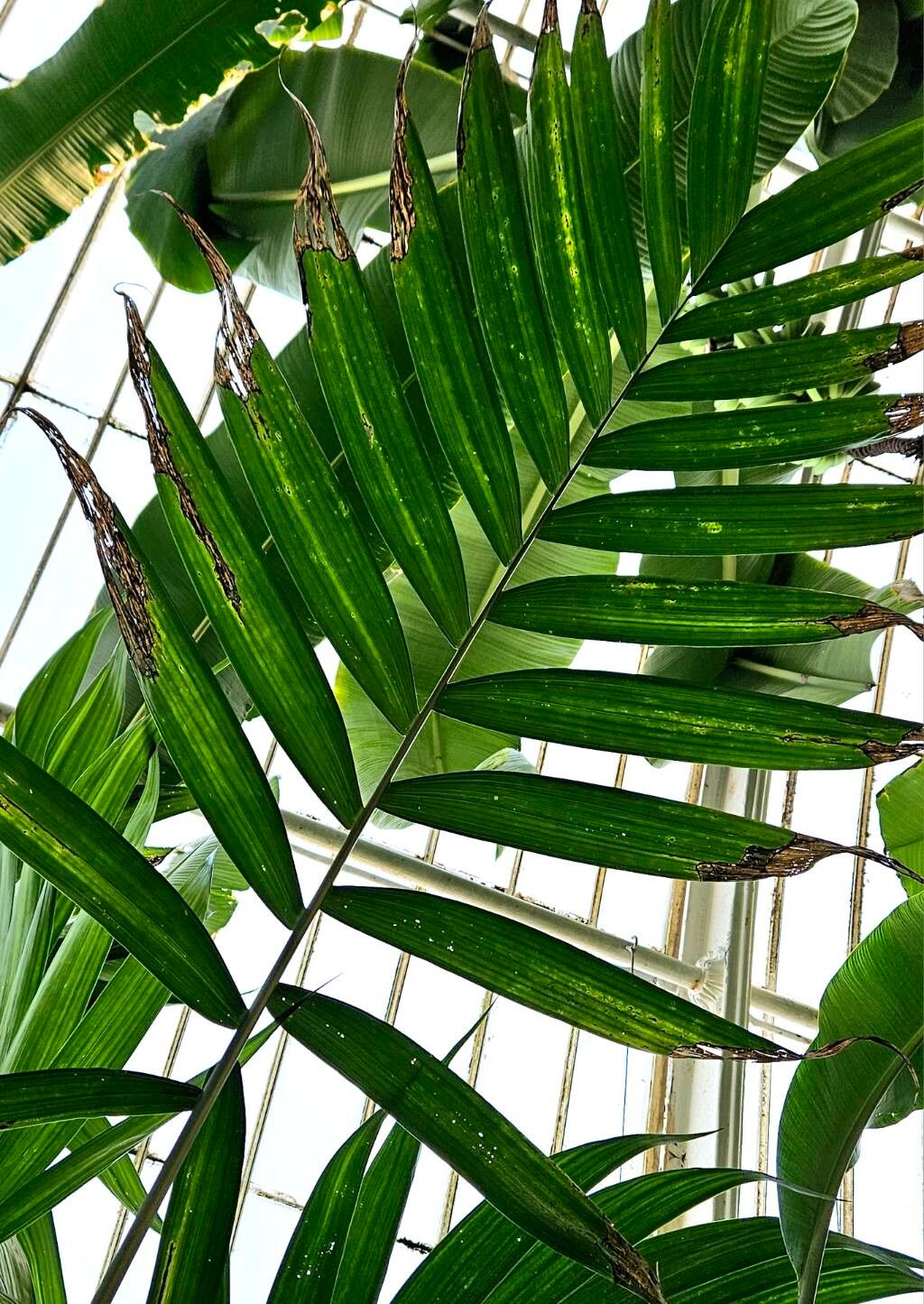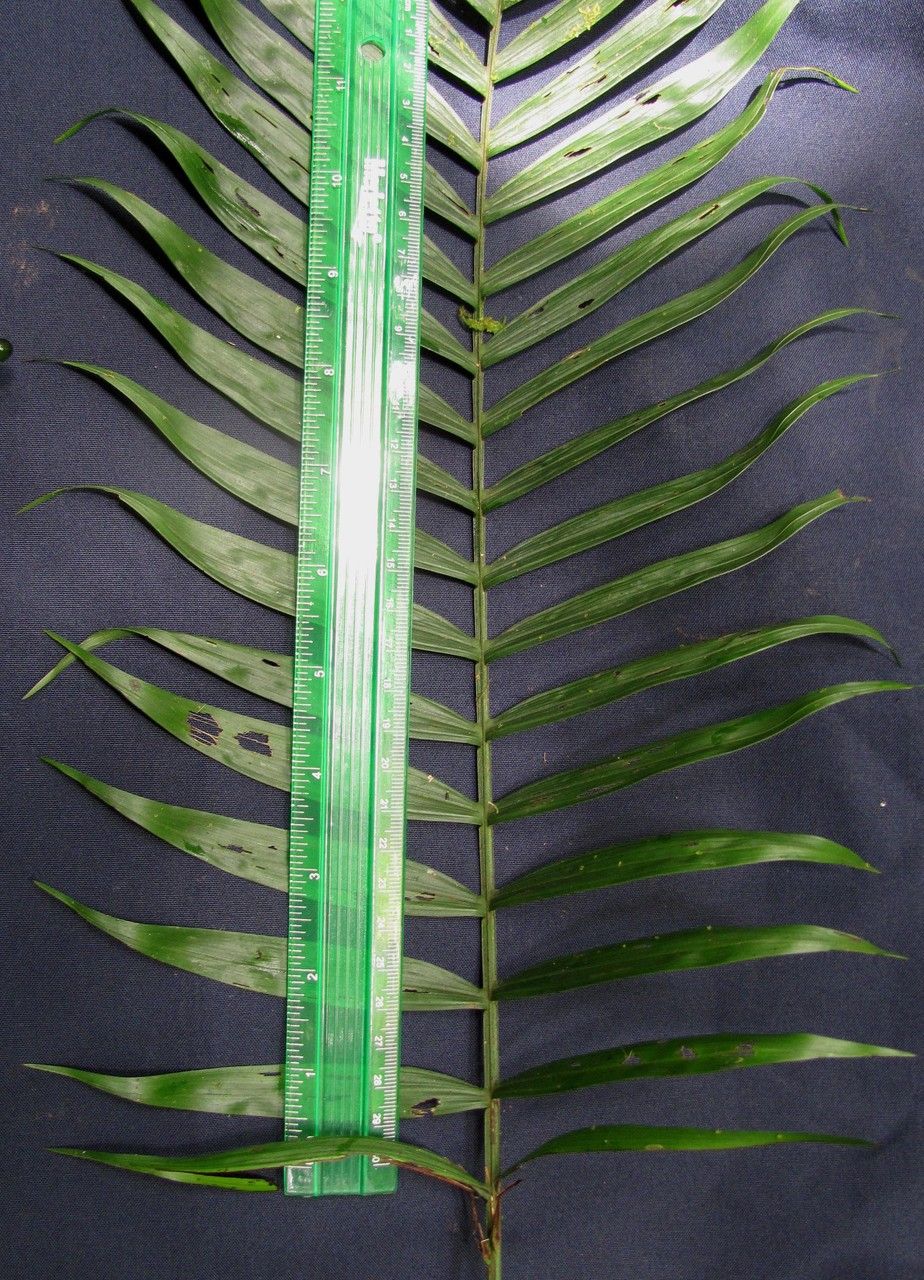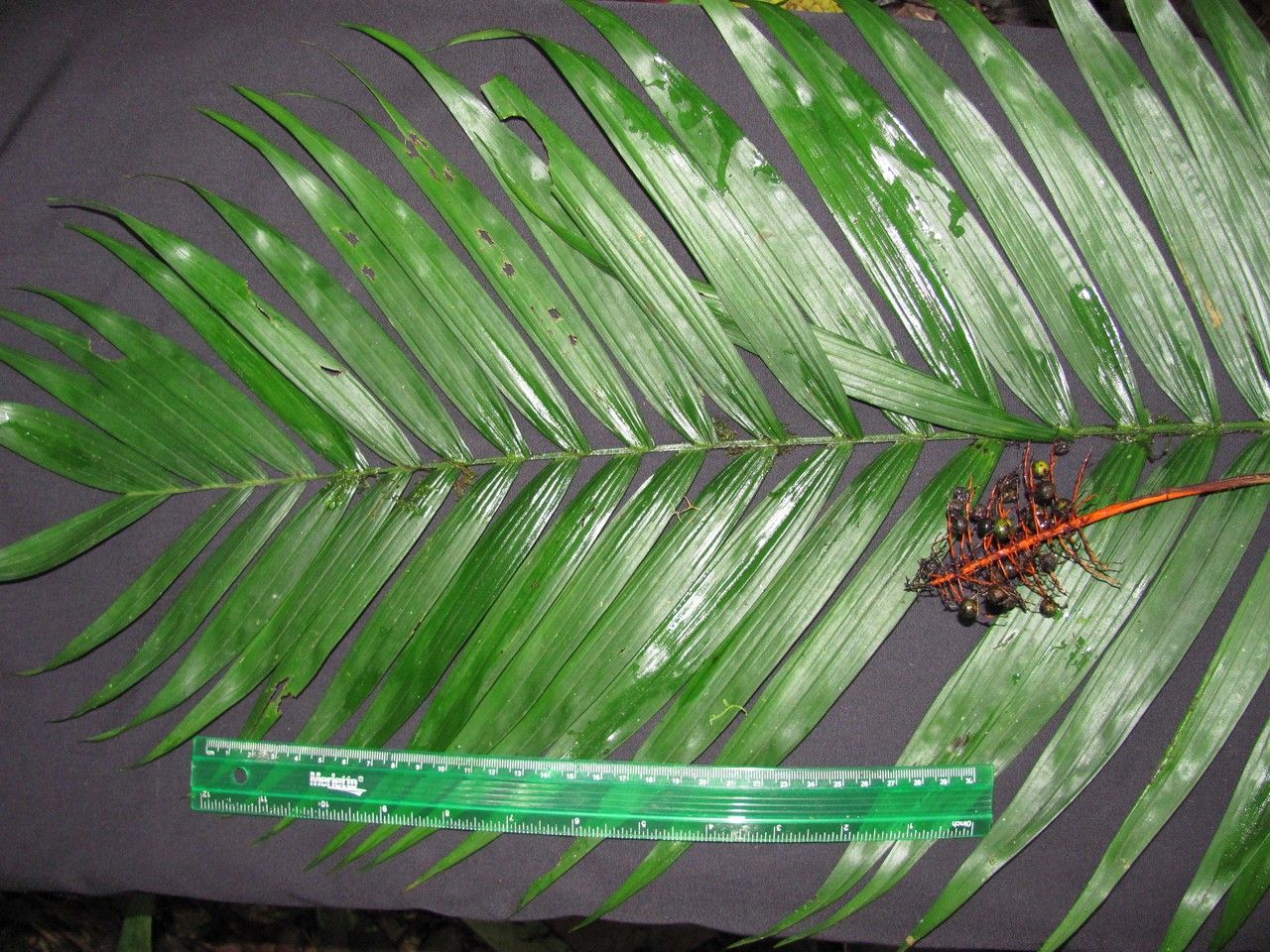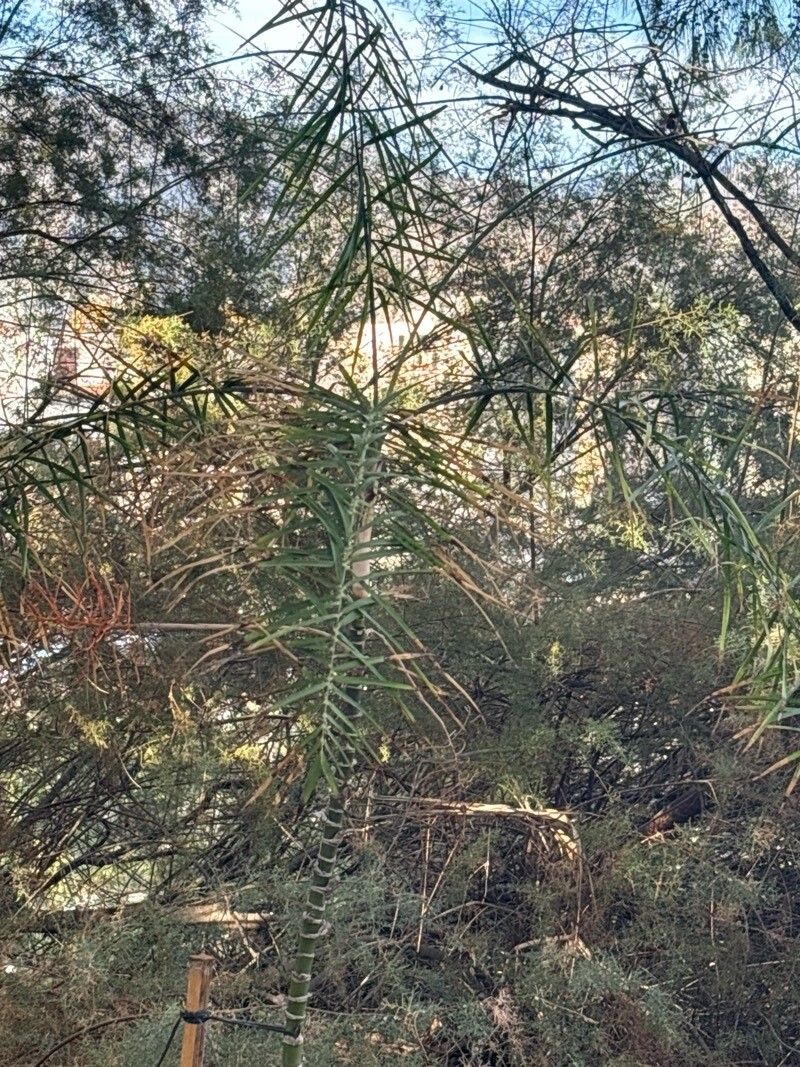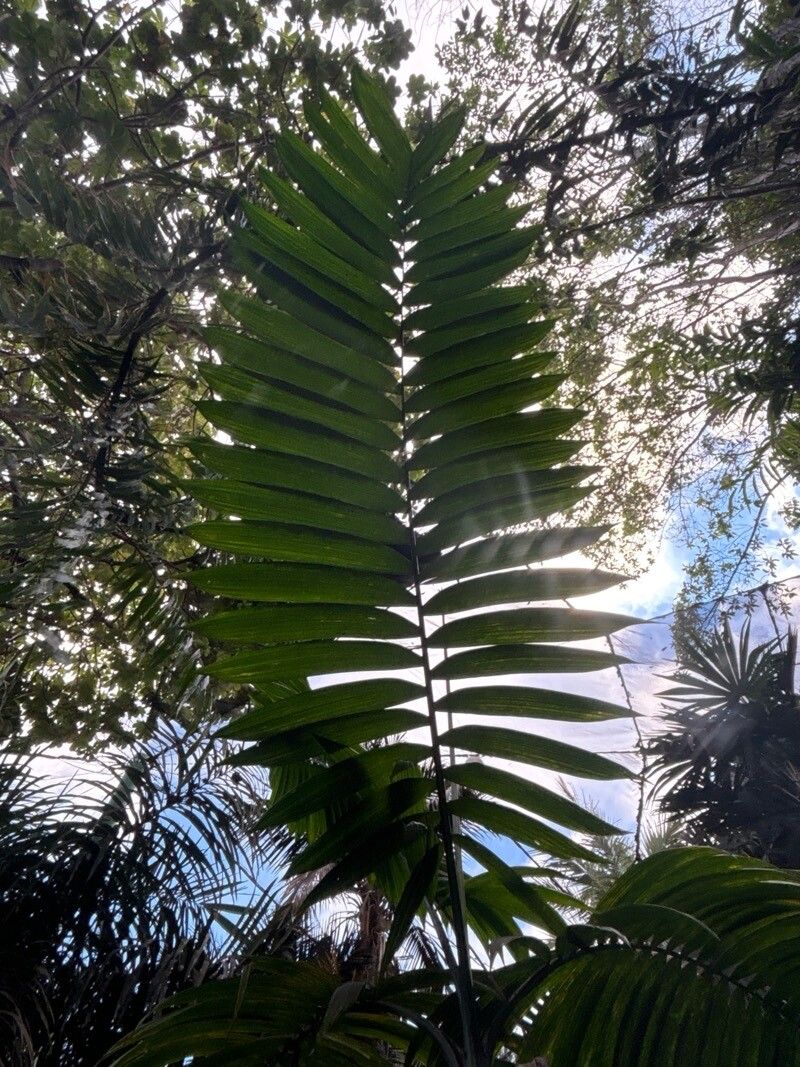
Chamaedorea linearis has a solid resistance to disease and is generally not prone to illnesses. Still, when grown in a poor environment it can become more vulnerable to disease. It also faces few insect pests. Care-wise, the plant has moderate requirements. It needs plenty of sunlight, since insufficient light can make it more susceptible to disease and cause thin, weak growth. Because it is often kept indoors, it may need to be relocated to a bright spot on a regular basis. It does not require frequent watering. Overall, Chamaedorea linearis is appropriate for most people, though it is best for those who can provide good light conditions.
How to keep Chamaedorea Linearis.
Light
Chamaedorea linearis originates from habitats like forest undergrowth or stony regions where it naturally encounters shade. While it favours semi-sunny conditions, it is capable of adjusting to either complete sun exposure or total shade, highlighting its adaptable and robust character.
Temperature
Chamaedorea linearis is native to tropical areas, characterized by warmth and high humidity. This has allowed it to effectively adapt to hot, humid environments. It does not favorable to abrupt alterations in temperature and favors a steady thermal environment, hence it's essential to guard against indoor temperature shifts. Generally, it is not resistant to low temperatures and needs elevated temperatures to thrive. If the surrounding temperature goes too low, the plant may halt its growth or even perish.
Fertilizer
Encourage the healthy development of your Chamaedorea linearis by providing it with fertilizer at the beginning of spring. Consistent fertilization boosts its general health, promoting robust growth, enhancing its ability to withstand harsh conditions, and increasing its resistance to diseases and pests. Stick to a certain routine of fertilizing your Chamaedorea linearis to guarantee its leaves are lively, deeply colored, and luxuriant.
Pot & Repot
For repotting Chamaedorea linearis, opt for a slightly larger container that offers superior drainage. Utilize a potting mix that drains effectively. Carry out the repotting in the spring, taking care not to harm the roots in the process. Ensure the palm is situated at the same height as it was in the previous pot. Thoroughly water following repotting, and situate it in a temperate spot with ample, indirect sunlight. Avoid giving it excessive water to avert root decay.
Botanical profile.
- Plant Type
- Palm
- Life Cycle
- Perennial
- Hardiness Zone
- 10-12
- Mature Height
- 2.13 m to 3.05 m
- Mature Spread
- 0.91 m to 1.52 m
- Leaf Color
- Green, Dark Green
- Leaf Type
- Evergreen
- Flower Color
- Yellow
- Flower Size
- 0.51 cm to 0.76 cm
- Bloom Time
- Spring, Summer
- Planting Time
- Spring, Summer, Autumn
- Harvest Time
- Summer, Fall
- Native Area
- Colombia, Bolivia, Venezuela, Peru, Ecuador