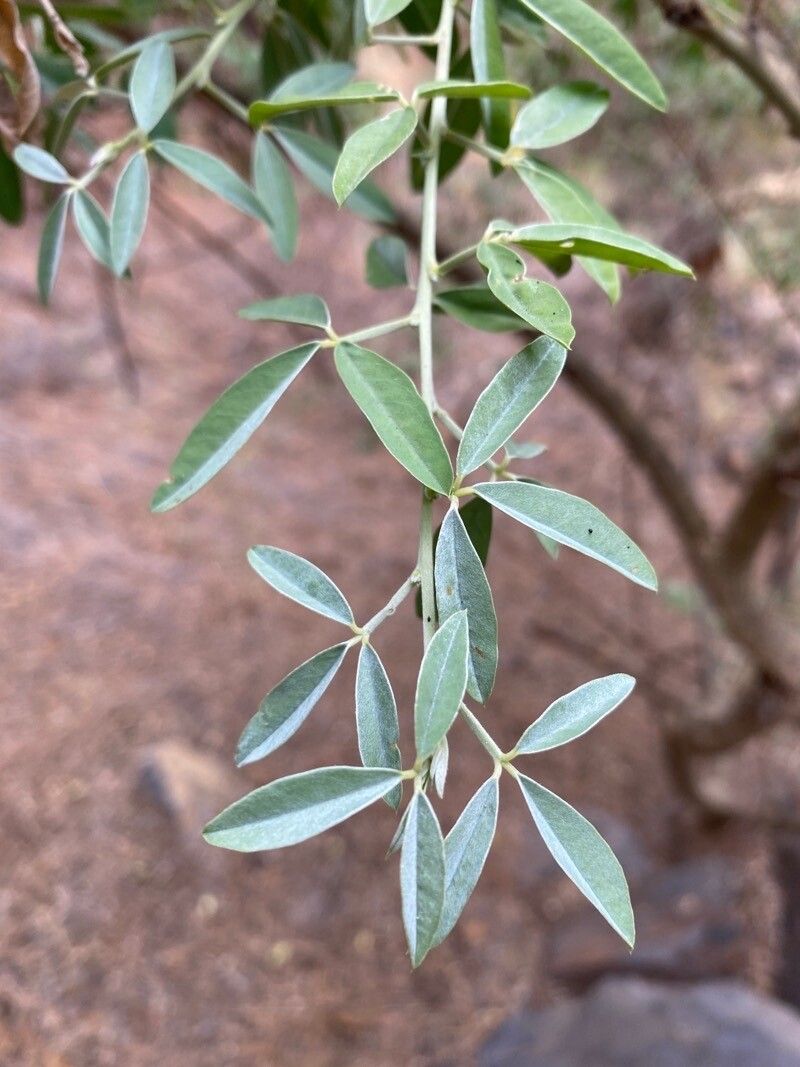
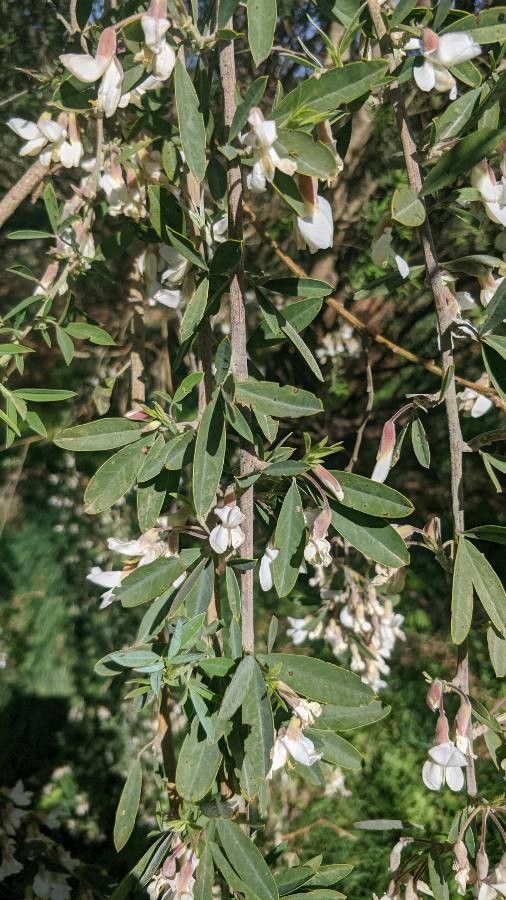
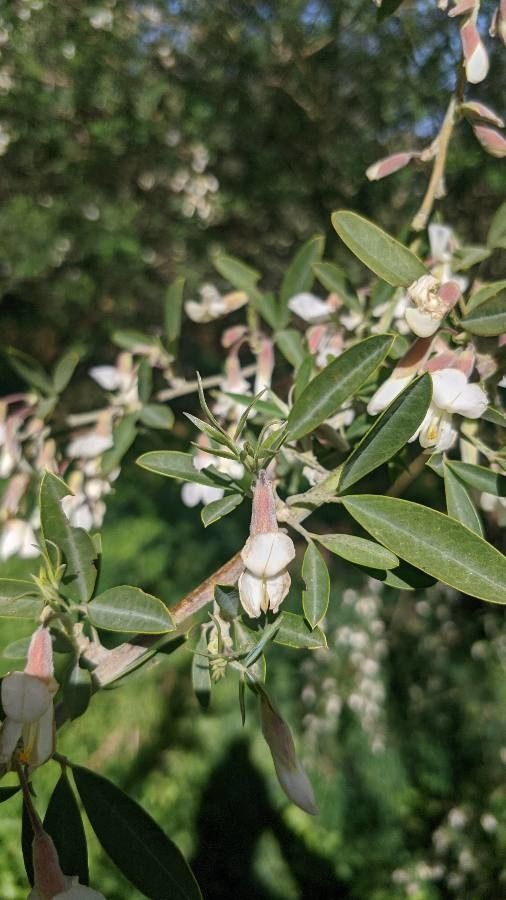
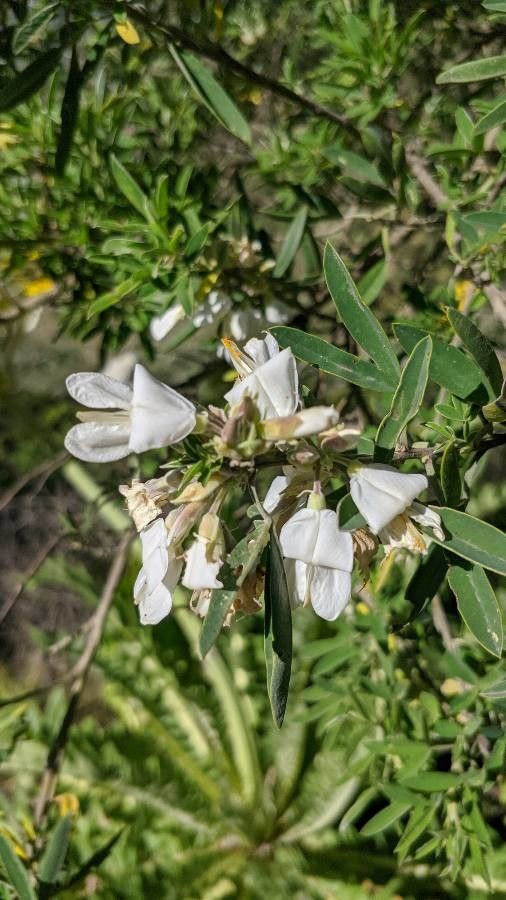
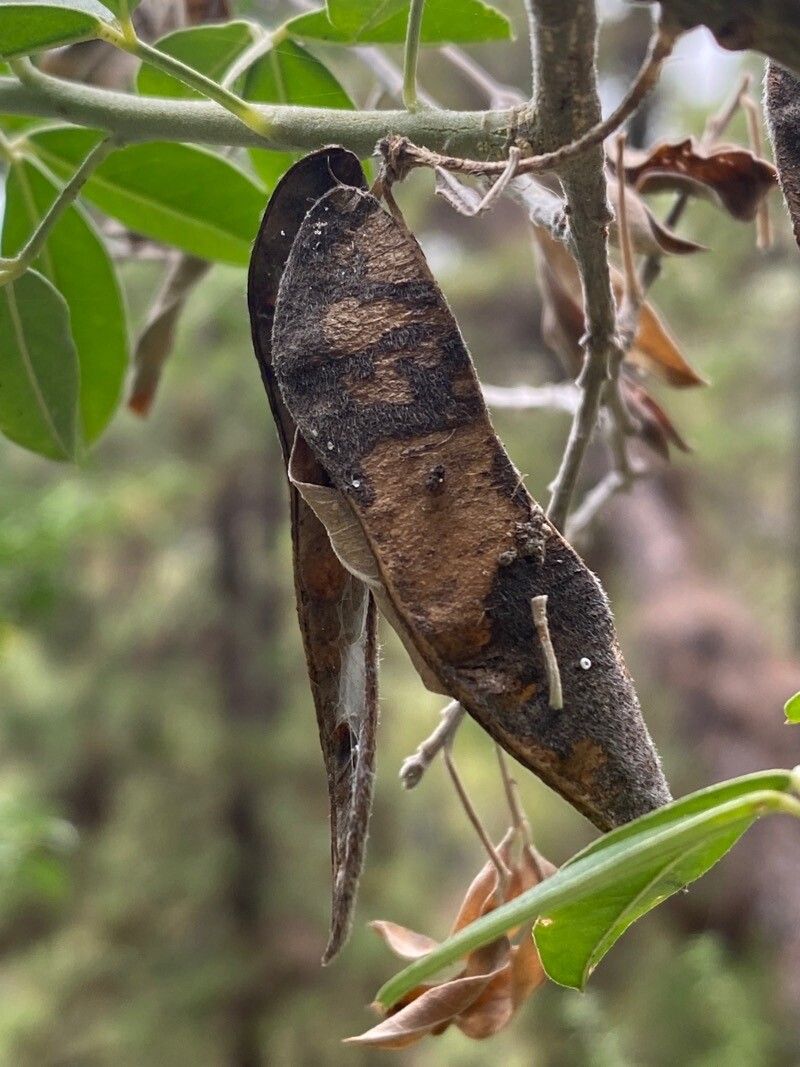
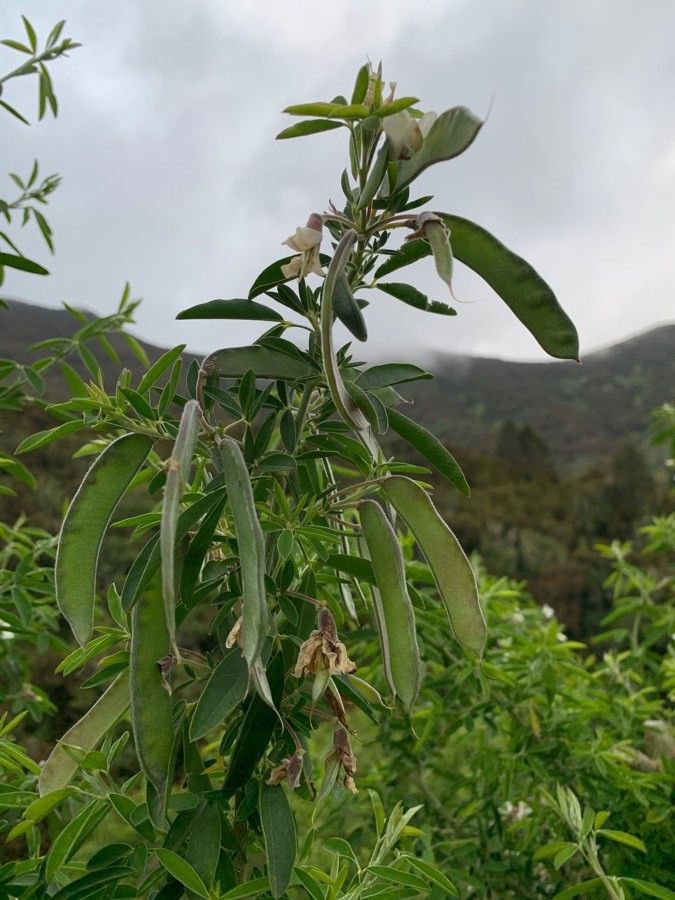
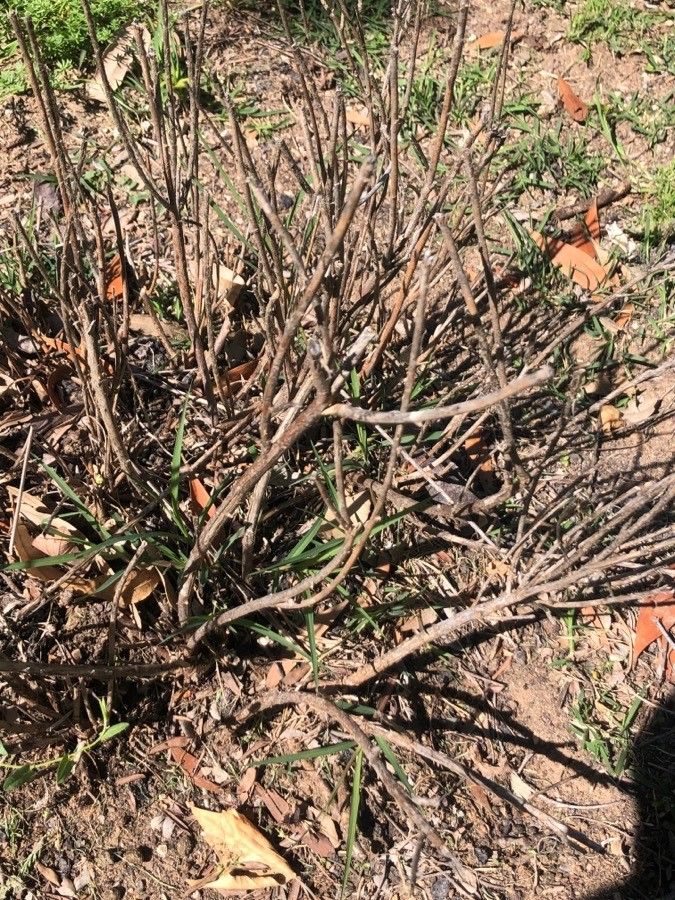
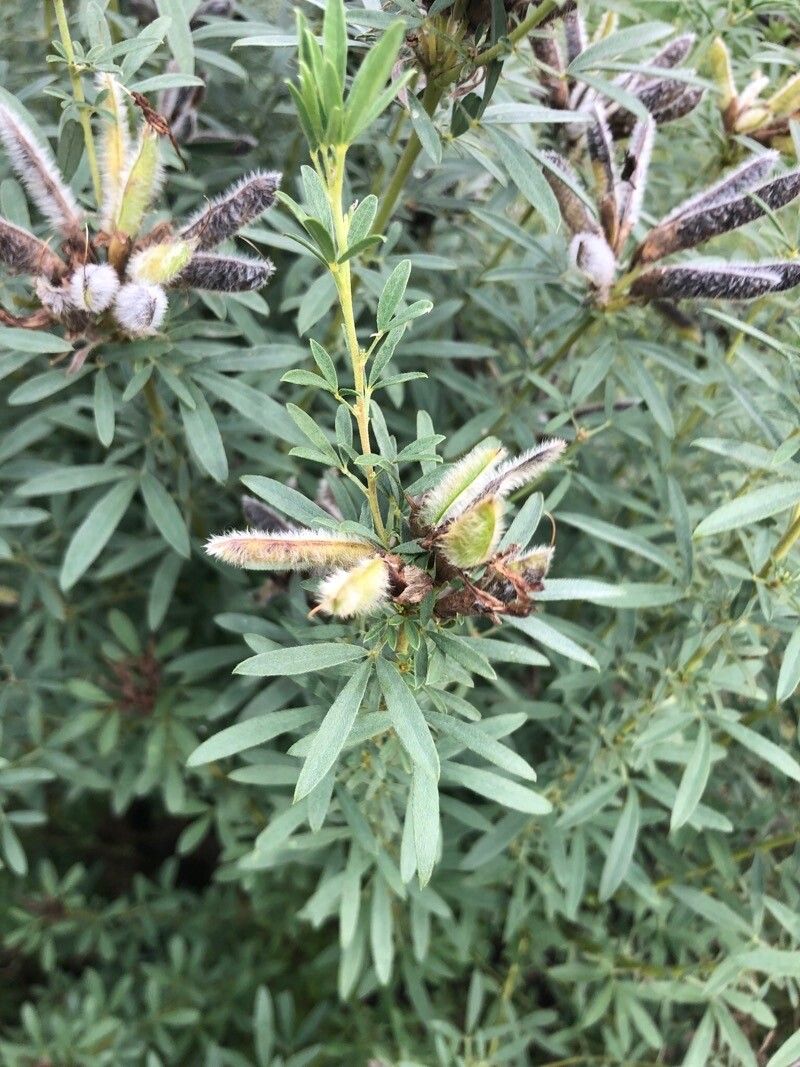
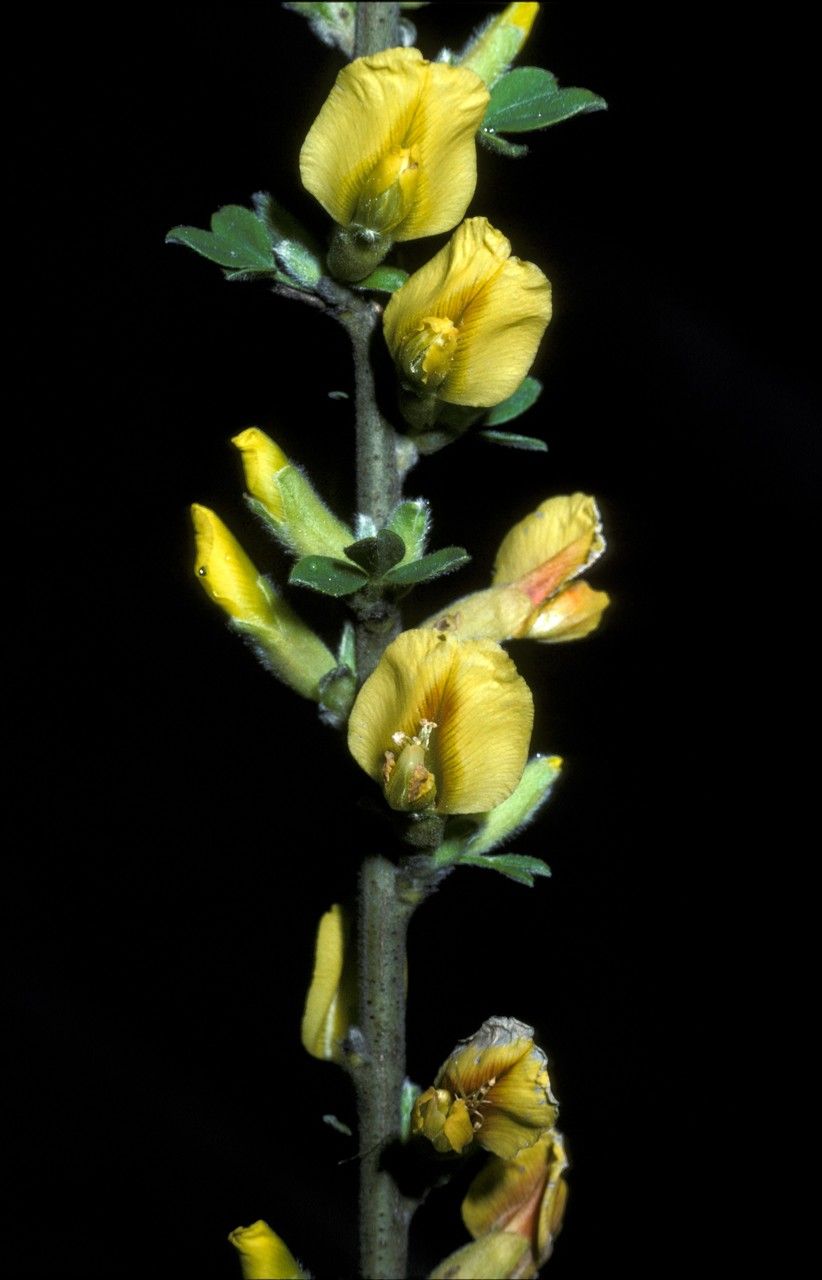
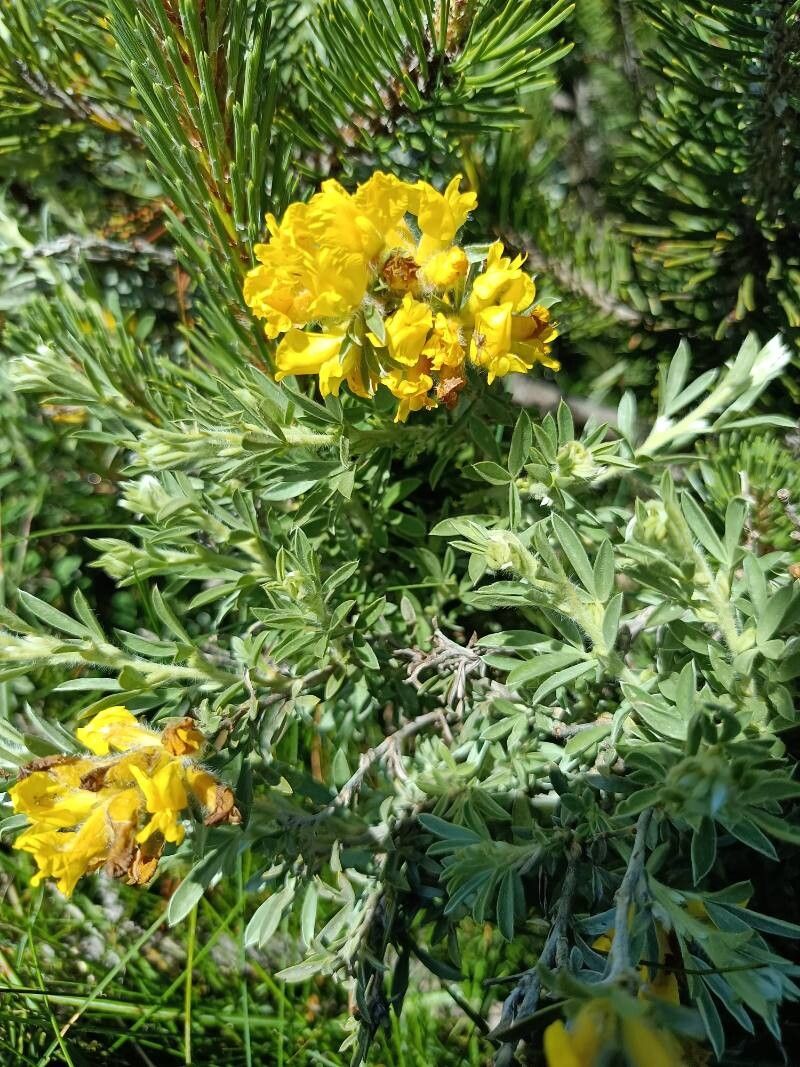
Cytisus proliferus, tagasaste or tree lucerne, is a small spreading evergreen tree that grows 3–4 m (10–13 ft) high. It is a well known fertilizer tree. It is a member of the Fabaceae (pea) family and is indigenous to the dry volcanic slopes of the Canary Islands, but it is now grown in Australia, New Zealand and many other parts of the world as a fodder crop.
Tree lucerne is disease-resistant and typically not susceptible to illnesses. With regard to care, this plant is fairly low-maintenance. When grown outdoors it needs only minimal watering, and larger plants usually do not require pruning. Smaller plants, however, should be pruned once they have finished blooming. Tree lucernet is suitable for anyone with an outdoor area, such as a garden or deck, and does not demand much prior plant-care experience.
How to keep Chamaecytisus Proliferus.
Light
Tree lucerne thrives in well-lit environments, favoring substantial exposure to the sun for optimal growth. But it also exhibits flexibility by adapting to areas with moderate sunlight. The light conditions of the area where it originally came from reflect this tendency. Either an excess or deficiency of sun exposure could potentially limit its growth.
Temperature
Tree lucerne is indigenous to areas with temperatures typically varying between 32 and 95 °F (0 to 35 ℃). It flourishes under a temperate climate. As seasons transition, modify its environment; provide protection against severe cold if needed.
Fertilizer
The scheduling of Tree lucerne fertilization is vital. Begin the fertilization process in the early spring and maintain it monthly until the onset of early summer. Fertilizers aid in generating beautiful flowers and supply energy during both inactive and thriving growth stages.
Botanical profile.
- Plant Type
- Shrub
- Life Cycle
- Perennial
- Genus
- Chamaecytisus
- Family
- Fabaceae
- Hardiness Zone
- 3-9
- Mature Height
- 3.05 m to 3.96 m
- Mature Spread
- 3.96 m
- Leaf Color
- Light Green, Silver
- Leaf Type
- Evergreen
- Flower Color
- White
- Flower Size
- 2.54 cm
- Bloom Time
- Spring, Early summer
- Planting Time
- Spring
- Harvest Time
- Summer, Early fall
Other names.