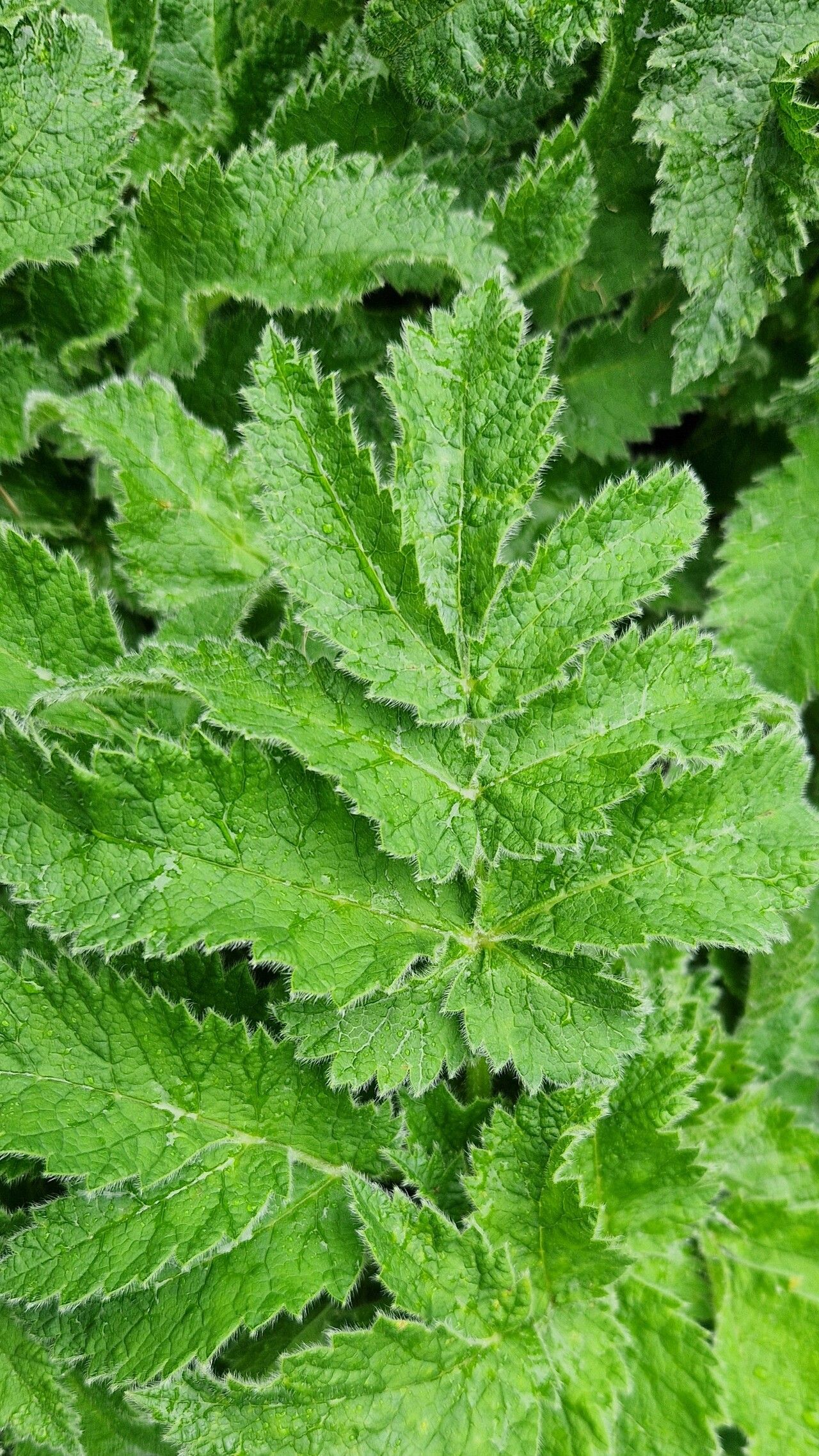
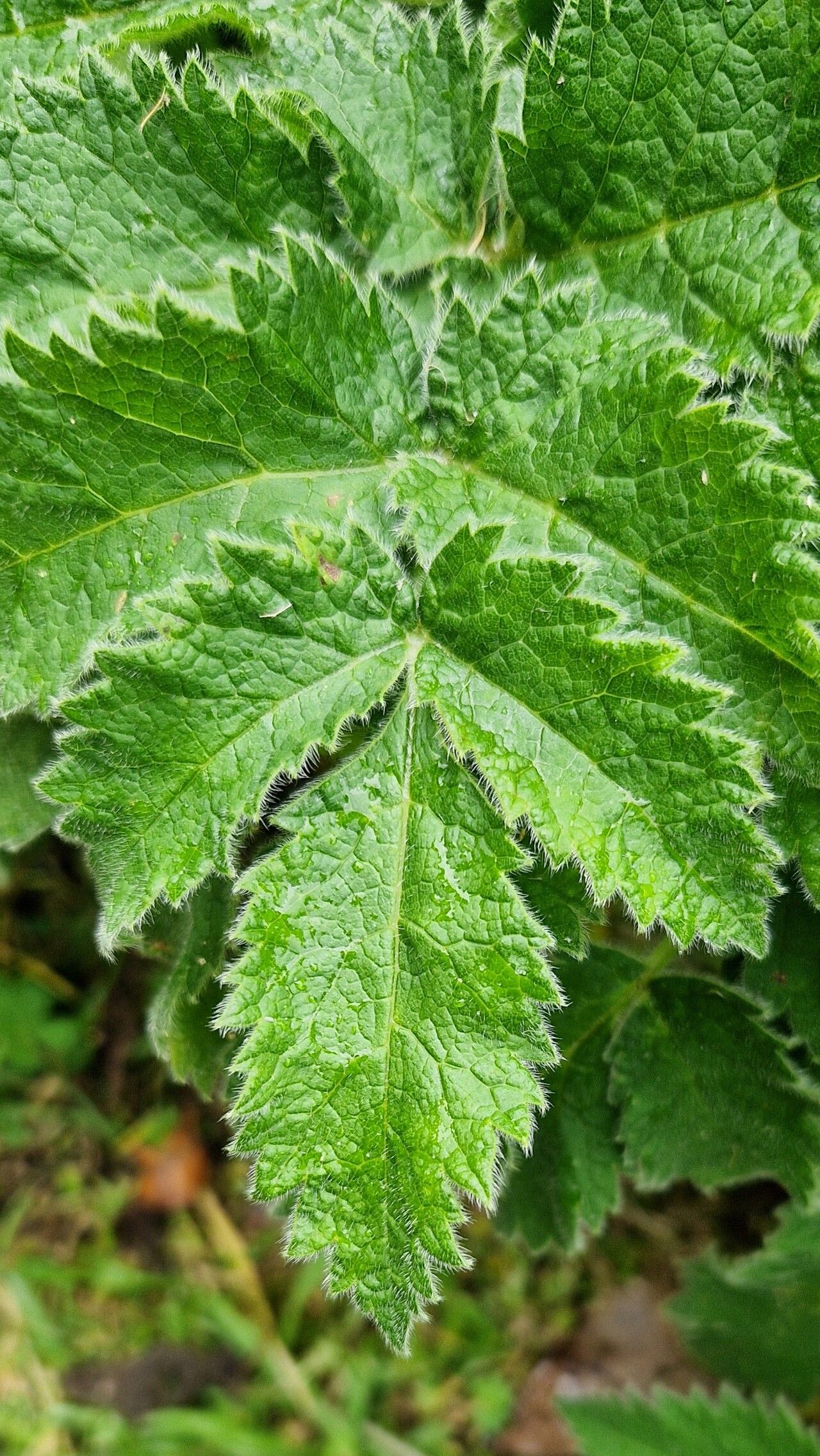
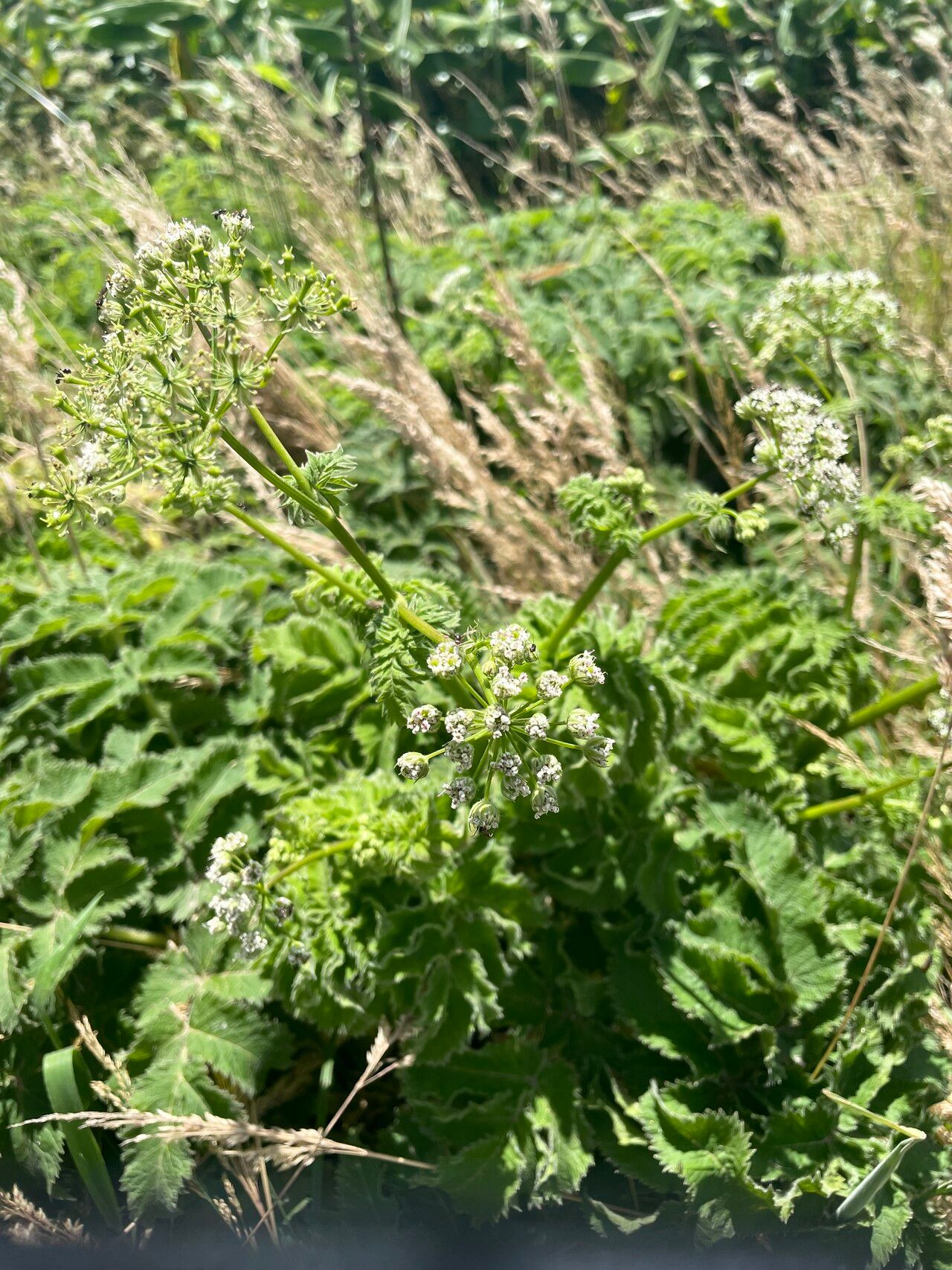
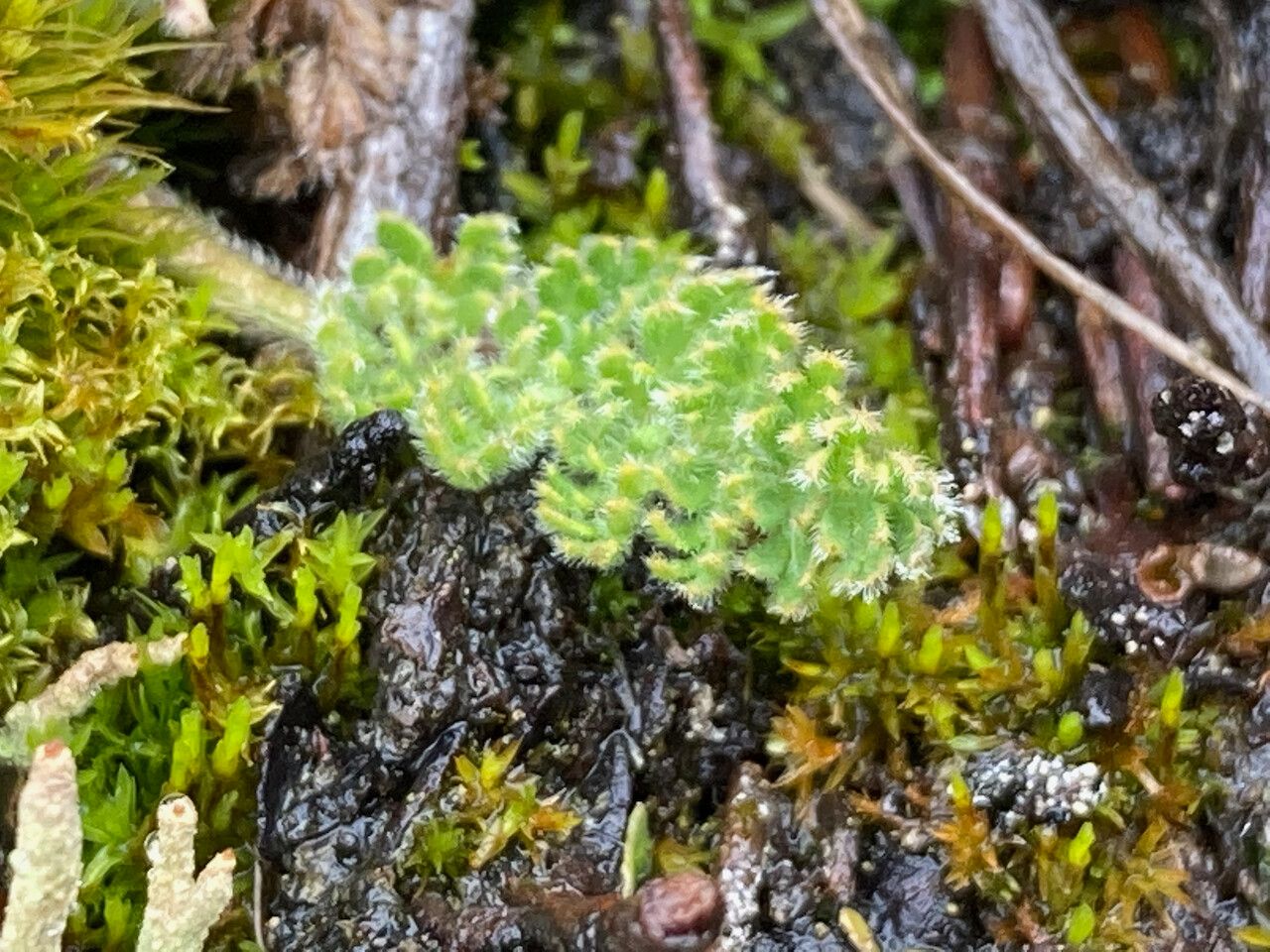
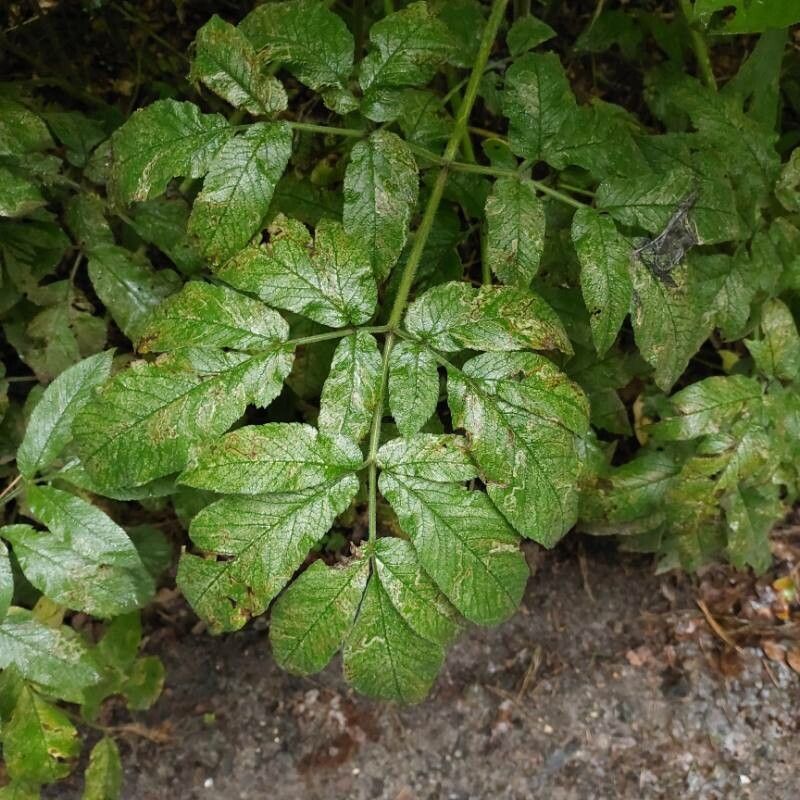
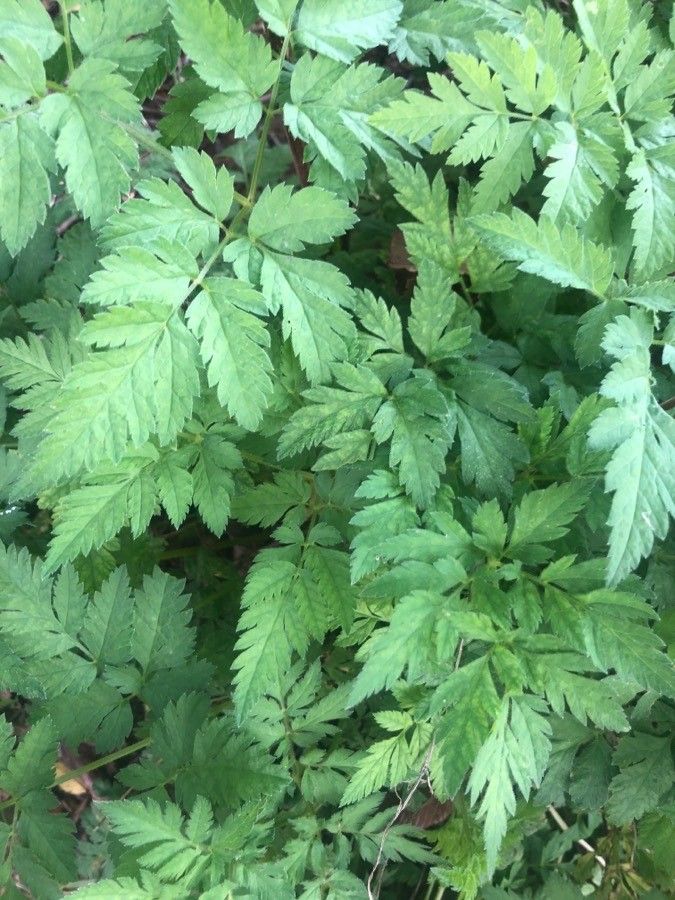
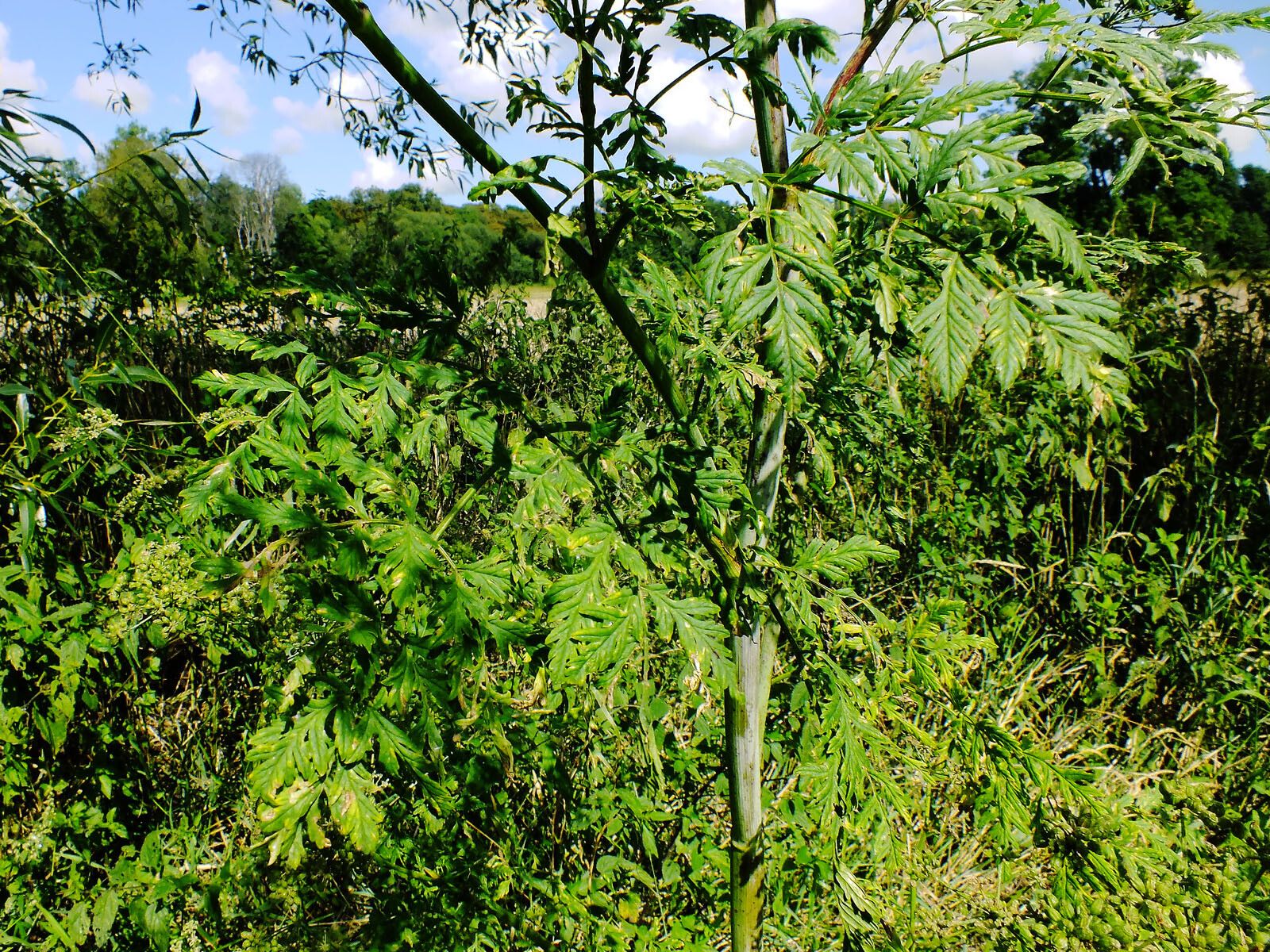
Chaerophyllum azoricum is a species of flowering plant in the family Apiaceae, endemic to the Azores. It inhabits Erica and Calluna shrubland, natural meadows of altitude, cliffs and slopes, woods of Pittosporum and roadsides. It is present in four of the nine islands.
Azorean chervil is fairly resistant to disease and, in general, is not easily affected by illnesses. It can, however, be vulnerable to pests and diseases present in its environment. These issues are typically mild. For care, the plant requires a moderate level of upkeep. It should be pruned regularly to preserve a neat appearance and support healthy growth. Feeding the plant can also encourage it to flower. Azorean chervil is well suited to anyone with outdoor space, such as a garden or patio, and does not demand a great deal of care experience. It may need more attention when kept indoors.
How to keep Chaerophyllum Azoricum.
Light
Azorean chervil is a plant that is indigenous to habitats like forest understories or rocky regions, where it naturally encounters shade. It has a preference for partially sunny locations, yet it is capable of adjusting to either complete sunlight or complete shade, showcasing its adaptable and robust nature.
Temperature
The Azorean chervil is capable of thriving in diverse temperature ranges, however, its presence may still be confined by various patterns of heat and water conditions. It flourishes most optimally in warm weather during the summertime, given sufficient rainfall or watering. Extended durations of overcast and rainy conditions, as well as long-lasting high temperatures, can amplify the chances of the Azorean chervil perishing. During the winter, sufficient safeguards against the cold can enhance the plant's chances of surviving.
Fertilizer
Typically, an application of fertilizer in the spring is enough for Azorean chervil, however, more frequent feedings can boost growth. Administer fertilizer every one to one and a half months. The enhancement of leaf aesthetics and performance is one of the benefits of fertilization, as it champions uniform color and a healthy feel. Additionally, it encourages root development and the uptake of nutrients, contributing to the longevity of the plant's health.
Botanical profile.
- Plant Type
- Herb
- Life Cycle
- Perennial
- Hardiness Zone
- 8-10
- Mature Height
- 30 cm to 61 cm
- Mature Spread
- 20 cm to 40 cm
- Leaf Color
- Dark Green, Forest Green
- Leaf Type
- Deciduous
- Flower Color
- White
- Flower Size
- 0.25 cm to 0.51 cm
- Bloom Time
- Early summer, Mid summer
- Planting Time
- Autumn
- Harvest Time
- Late summer, Early fall
Other names.