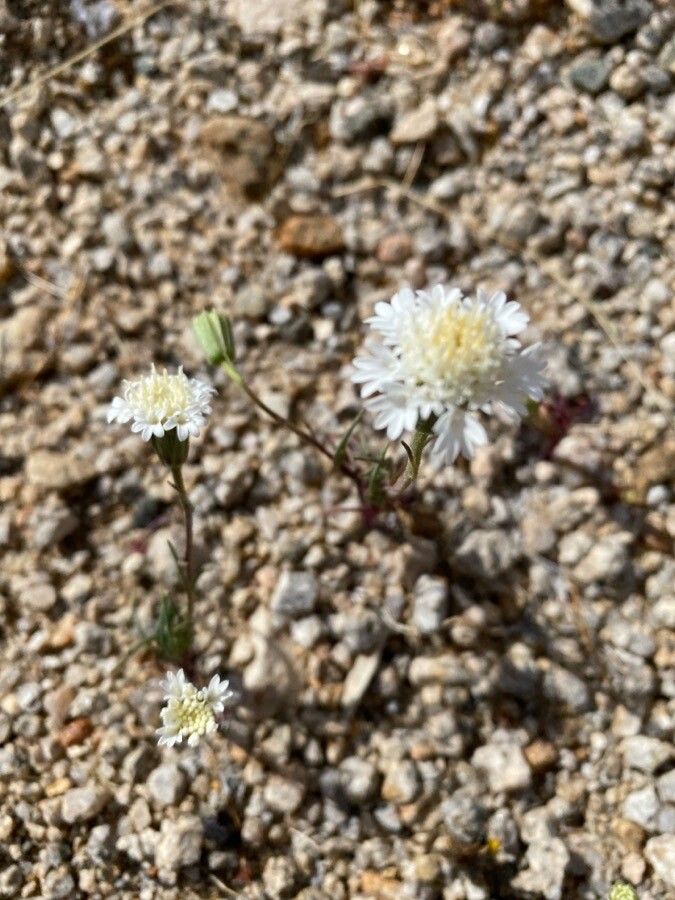
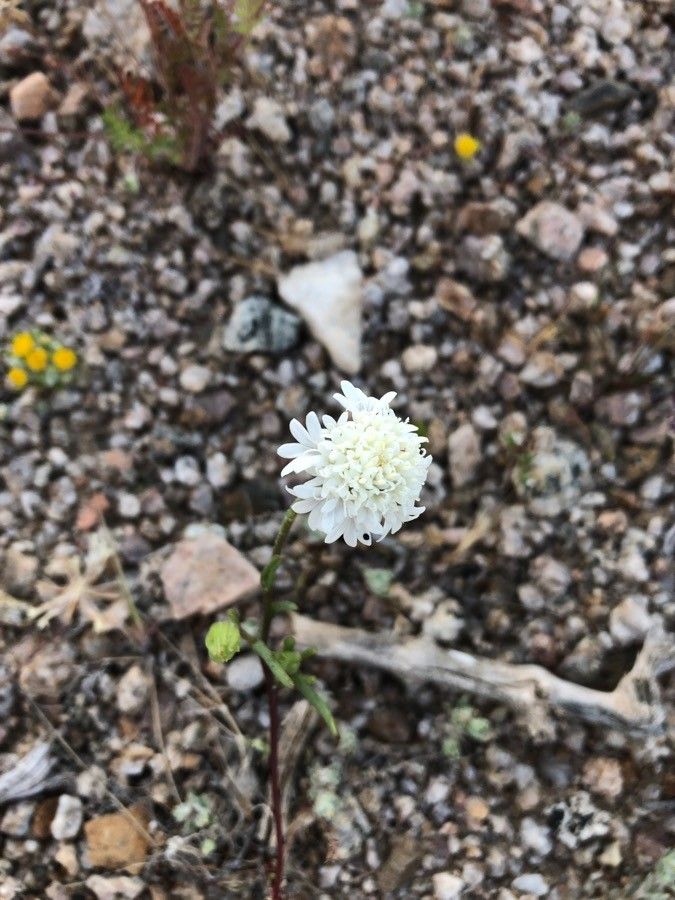
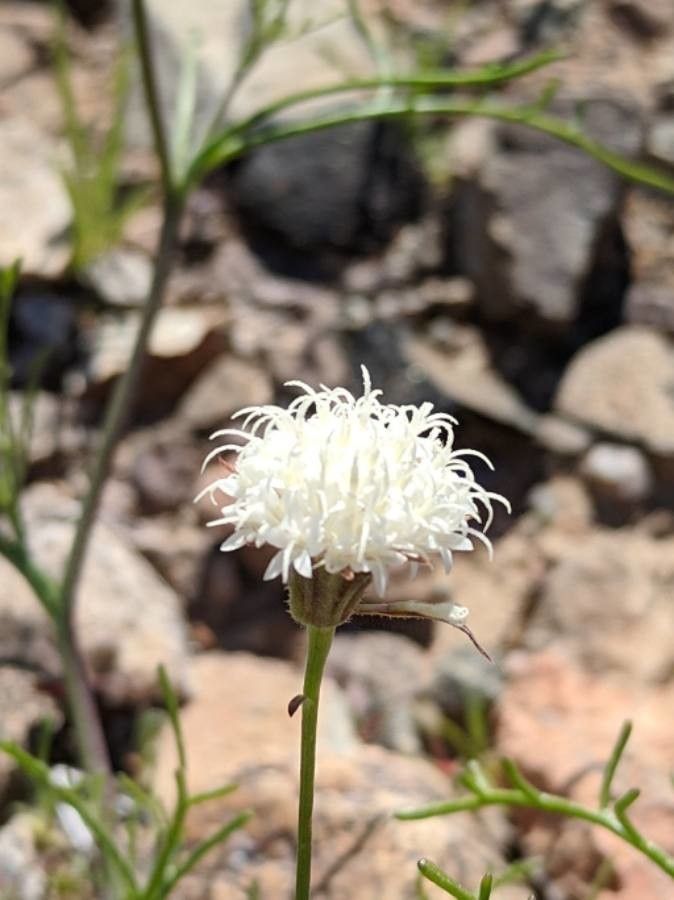
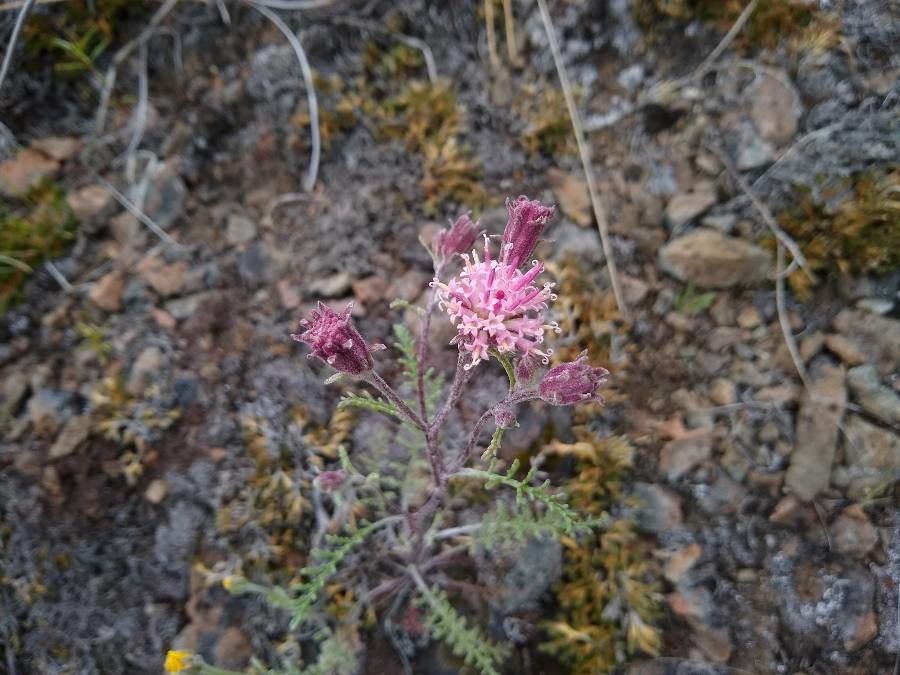
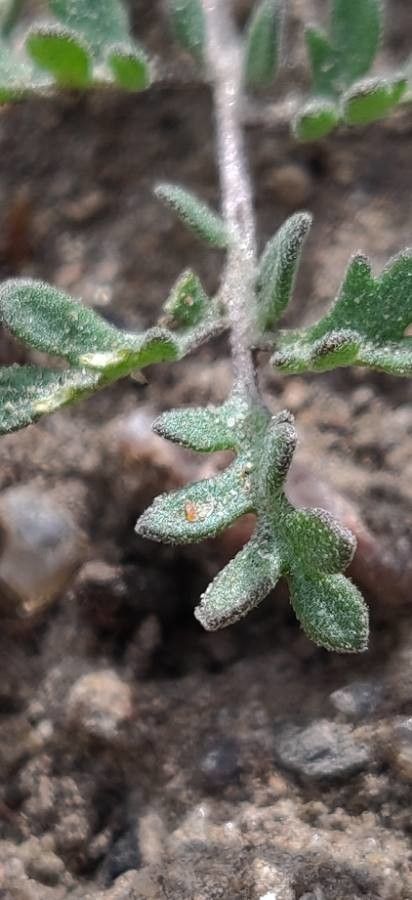
Chaenactis fremontii, with the common names Frémont's pincushion and desert pincushion, is a species of annual wildflower in the daisy family. Both the latter common name, and the specific epithet are chosen in honor of John C. Frémont.
Pincushion flower shows strong resistance to disease and is generally not prone to disease. Still, it can be affected by pests and diseases present in its surroundings. Such infections are typically mild. Regarding care, this plant needs moderate maintenance. It should be pruned on a regular basis to preserve a neat appearance and encourage healthy growth. Applying fertilizer can also help increase flowering. Pincushion flower is a good choice for anyone with outdoor space, like a garden or patio, and does not demand extensive gardening experience. It may need extra attention if kept indoors.
How to keep Chaenactis Fremontii.
Light
Pincushion flower comes from bright, open habitats where it does best in full sun. It can tolerate partial shade but prefers direct sunlight for optimal growth. This plant, which may be annual or biennial, is noted for its sun-loving habit.
Water
The pincushion flower is well-suited to arid environments due to its high drought tolerance. In cultivation, it requires only weekly watering. This makes it an excellent choice for xeriscaping. It efficiently stores water during the growing season, enabling it to withstand periods of drought. In the wild, it is commonly found in open fields and on rocky slopes.
Temperature
Pincushion flower naturally grows in environments where temperatures range from 68 to 95 °F (20 to 35 °C). It performs best in warmer climates. Depending on the season, temperature adjustments may be needed for optimal growth.
Fertilizer
When the Pincushion flower has opened most of its blooms to full size, resume fertilizing. Around the period when blooms are at peak production, apply fertilizer again about every three to four weeks, as weather allows. Then, once the Pincushion flower begins to produce fewer new blooms, stop fertilizing; there's no reason to fertilize when the plant can no longer produce additional flowers.
Pruning
The pincushion flower benefits from light pruning in early spring, which removes dead stems and encourages growth and blooming. Pruning later in the spring can help shape the plant and further enhance its blooms. To ensure the plant's health, always use clean, sharp tools for pruning. Regular pruning also promotes good air circulation and reduces the risk of fungal infections.
Botanical profile.
- Plant Type
- Herb
- Life Cycle
- Annual
- Genus
- Chaenactis
- Family
- Asteraceae
- Hardiness Zone
- 7
- Mature Height
- 10 cm to 40 cm
- Mature Spread
- 61 cm
- Leaf Color
- Silver
- Leaf Type
- Semi-evergreen
- Flower Color
- White
- Flower Size
- 2.03 cm to 2.54 cm
- Bloom Time
- Mid spring, Late spring, Early summer
- Planting Time
- Spring, Autumn
- Harvest Time
- Summer
- Native Area
- Mexico
Other names.
Reader questions.
How should I water my Pincushion flower to make it thrive?
To water Pincushion flower, you have several options. You can use a garden hose with a spray nozzle, a watering can, or any other common watering tool. Pincushion flower is not too picky about the type of water it receives, whether it's rainwater, tap water, or filtered water. However, it's best to avoid overhead watering as it can damage the leaves and flowers and potentially cause disease. Installing a drip irrigation system is often the most effective way to water Pincushion flower, as it provides even and direct water distribution to the soil. If you have a Pincushion flower in a container, you can use a cup, watering can, or tap water to water it directly at the soil level.
What are the sunlight requirements for a Pincushion flower?
Pincushion flowers originate from bright, open environments and thrive in full sun, requiring above 6 hours of sunlight per day. They can also tolerate partial sun, which is about 3-6 hours of sunlight daily. It's essential to observe how sunlight moves through your garden to choose locations that provide an ideal balance of light and shade, ensuring the wellbeing of your plants.
What is the optimal temperature range for the growth of the Pincushion flower?
The Pincushion flower, botanically known as Chaenactis fremontii, flourishes in temperature ranges between 68 to 95°F (20 to 35°C). It is best suited to warmer climates and can thrive without special frost protection measures in winter, owing to its strong cold resistance. However, if temperatures are expected to drop below -15°C, it is crucial to provide cold protection by covering the plant with materials such as soil or straw. Additionally, before the first freeze in autumn, watering the plant abundantly to keep the soil moist helps prevent drought and water scarcity during the colder months.
What should I do if I give my Pincushion flower too much water or not enough water?
To address underwatering for your Pincushion flower, simply water it more regularly when you notice it lacks moisture. On the other hand, overwatering can have severe consequences, leading to diseases, decline, and death. To prevent this, choose a suitable location with ample sunlight and good drainage to avoid waterlogged soil. If your Pincushion flower in a pot is overwatered, consider changing it to a new pot with better drainage and loose soil.
What additional lighting is needed for indoor Pincushion flowers?
Indoor Pincushion flowers require adequate lighting for optimal growth. When natural sunlight is insufficient, especially during winter or in less sunny spaces, artificial lights offer a crucial solution. LED lights are recommended because they can provide specific wavelengths needed by plants. Full sun plants need 30-50W/sq ft of light, partial sun plants 20-30W/sq ft, and full shade plants 10-20W/sq ft. The light source should be placed 12-36 inches above the plant to mimic natural sunlight, and most plants require 8-12 hours of light per day.
How does low temperature affect the Pincushion flower, and what measures should be taken?
The Pincushion flower is cold-tolerant and performs best when the temperature remains above 20°C. Despite its resilience to cold, if temperatures drop below 0°C during winter, the plant requires extra care. In extreme cases where temperatures fall below -15°C, the plant might show no signs of damage during winter but could experience decreased sprouting or even fail to sprout in spring. To counteract this, any parts of the plant that have failed to sprout by spring should be removed.
How often do I need to water my Pincushion flower?
To keep your Pincushion flower healthy, it's important to water it regularly. In the spring, watering once a week is sufficient. As the weather warms up, you may need to water two to three times a week, but be careful not to exceed this frequency. While watering, make sure the soil remains moist but not overly wet. If you're growing the Pincushion flower in a pot, you'll need to water it more often because the soil in a pot dries out quicker. Generally, a few times a week should be enough for container-grown plants compared to just once a week for those planted in the ground.
What are the symptoms of light deficiency in Pincushion flowers?
When Pincushion flowers don't receive enough light, they may show several symptoms indicating light deficiency. These include smaller new leaves, leggy or sparse growth, faster leaf drop, slower or no new growth, lighter-colored new leaves, chlorosis (leaves turning yellow), sunscald, leaf curling, wilting, and leaf scorching. These symptoms highlight the importance of providing sufficient light for healthy plant growth.
What are the effects of high temperature on the Pincushion flower, and how can they be mitigated?
During the summer months, it is important to ensure that the Pincushion flower is kept below 35°C. Exposure to temperatures above 38°C can lead to symptoms such as leaves becoming lighter in color, prone to curling, susceptibility to sunburn, and in severe cases, wilting and drying out of the entire plant. To mitigate these effects, it is advisable to trim away sunburned and dried parts of the plant, relocate the plant to shaded areas particularly during the midday and afternoon, or use a shade cloth to protect it from direct sunlight. Additionally, watering the plant in the morning and evening helps keep the soil moist and supports the plant's well-being during high temperatures.
How much water does my Pincushion flower require?
Determining how much water to give your Pincushion flower can be done in a few different ways. Some gardeners prefer to gauge the soil moisture by feeling it, suggesting that you water until the top six inches of soil feels moist. Another approach is to use a specific measurement. Typically, giving your Pincushion flower about two gallons of water per week should suffice, taking into account factors like temperature and soil dryness. However, it's important to be cautious because strictly following these guidelines may result in overwatering if your plant requires less. When growing Pincushion flower in a container, a different method is necessary. You should water enough to moisten all layers of dry soil. This can be checked by sticking your finger in the soil to feel for moisture or by watering until you see a slight trickle of water coming out of the pot's drainage holes.
How can I address light deficiency for indoor and outdoor Pincushion flowers?
To address light deficiency, gradually move your plants to sunnier locations each week, aiming for at least 6 hours of direct sunlight daily. For indoor plants, use a south-facing window or provide additional light with desk, ceiling lamps, or professional grow lights for at least 8 hours a day. Outdoors, avoid drastic changes in light intensity to prevent sunburn. Removing obstructions or transplanting the plant to a sunnier location with good drainage can also help. Note that parts of the plant already affected may not recover, but new growth should be healthy with increased light exposure.
How should I water my Pincushion flower at different times when it is growing?
Throughout the year, Pincushion flowers go through different growth stages, each with varying water requirements. When starting the Pincushion flower as a seed, it is important to provide ample water, watering regularly to maintain consistent soil moisture. As the seed germinates and the plant grows above the soil, it will require slightly less water than during the seedling phase. Once the plant reaches maturity, a regular watering frequency of about once per week is sufficient. However, during flower development, it may be necessary to give slightly more water to facilitate the process.